
Nutrition for Metabolic Health
Not another diet. Evidence-based nutrition guides built around your metabolism — macros, meal timing, anti-inflammatory foods, and what the research actually supports.
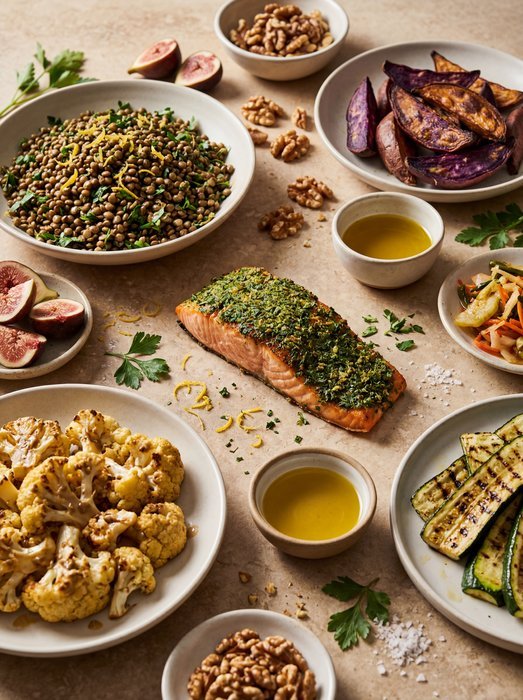
Metabolic Health Nutrition Guides: Where to Start
Food affects metabolism through several connected systems: blood sugar regulation, insulin sensitivity, liver health, inflammation, appetite hormones, gut function, and how steadily the body uses energy throughout the day. This section brings those topics together in practical, research-informed guides without extreme diet rules or one-size-fits-all meal plans.
You’ll find clear explanations of protein, carbohydrates, fiber, healthy fats, meal timing, anti-inflammatory foods, blood sugar responses, and sustainable eating patterns. The goal is not to chase trends, but to understand which nutrition choices may support steadier energy, fewer cravings, better post-meal glucose control, and long-term metabolic resilience.
Start with the guides below if you want a structured path through the most important nutrition topics on The Metabolic Hub.
Start with These Nutrition Guides
A practical reading path for blood sugar, insulin sensitivity, inflammation, breakfast strategy, and everyday food choices.
- Anti-Inflammatory Diet for Metabolic Health
- Low-Glycemic Grocery List
- Balanced Plate for Stable Blood Sugar
- Best Breakfast for Blood Sugar
- Healthy Grocery Shopping for Metabolic Health
- Blood Sugar Stabilizing Snacks
References For general background, see the CDC guide to healthy eating and blood sugar and the MedlinePlus nutrition overview.
The latest articles
15 Portable Breakfasts for Women Who Never Have Time
The morning can disappear between getting dressed, helping someone else, commuting, and opening the first message of the day. Breakfast often loses not because you do not care, but because the food was never designed to leave the house. A portable high protein breakfast solves the logistics first: it is ready before you are hungry,…
Are You Eating Enough Protein—but at the Wrong Times?
You finish dinner feeling uncomfortably full, then remember that breakfast was toast and lunch was mostly salad. Your daily protein total may look respectable on paper while most of it arrives in one evening meal. Protein distribution throughout the day may matter for how often meals stimulate muscle protein synthesis, especially during aging or resistance…
12 High-Protein Lunches That May Help Prevent the 3 PM Energy Crash
Your morning felt focused, but a few hours after lunch your concentration disappears, cravings arrive, and another coffee starts to feel essential. This may not be random or a lack of discipline. The encouraging news: a high protein lunch for energy can make the afternoon feel more manageable when the whole meal is balanced. A…
A 7-Day High-Fiber Meal Plan for Beginners
Feeling hungry soon after breakfast, crashing in the afternoon, or grazing through random snacks can make healthy eating feel harder than it needs to. This may not be random; many everyday meals are low in fiber, protein, and slow-digesting carbohydrates. The encouraging news: a high fiber meal plan for beginners can make meals feel steadier…
Key Micronutrients Women Are Often Missing
Low energy, stubborn cravings, restless sleep, and feeling “off” despite eating reasonably well can make health feel confusing. This may not be random, and it is not a personal failure. The encouraging news: micronutrients women often miss can often be addressed with more targeted food choices, smarter testing, and fewer supplement guesses. Quick Win: This…
How Much Protein Women Really Need for Metabolic Health
The morning can feel confusing when a “healthy” breakfast still leads to hunger, cravings, or shaky energy by mid-morning. This may not be random, and it is not a personal failure. The encouraging news: protein for women metabolic health can be approached with simple meal structure, not stricter dieting. Quick Win: Build tomorrow’s first meal…