Blood Sugar — Control & Stability
Blood sugar swings affect energy, weight, hormones, and long-term health. Research-backed guides on stabilizing glucose naturally — without medication.
Blood Sugar Guides: Where to Start
Glucose control is not just a lab value or a number on a monitor. It often shows up in very practical ways: energy that rises and crashes after meals, afternoon cravings, feeling shaky when a meal is delayed, waking up hungry at night, brain fog after a high-carbohydrate lunch, or needing caffeine to push through the day. Those experiences can have many causes, but learning how meals, movement, sleep, stress, and meal timing affect your glucose response gives you a clearer way to understand your body’s signals.
This section is built for readers who want practical, research-informed guidance without fear-based rules. You will find articles on post-meal glucose spikes, A1C, food order, protein, breakfast choices, snacks, alcohol, stress, sleep, and everyday habits that may support steadier energy. The goal is not to make every meal perfect or to avoid carbohydrates completely. A more useful approach is to understand which combinations of foods and routines tend to produce smoother responses for you.
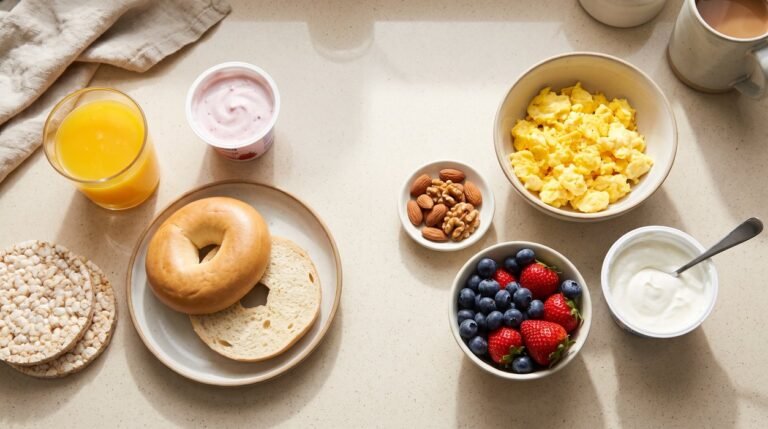
One helpful starting point is the structure of a meal. Protein, fiber-rich plants, healthy fats, and slower-digesting carbohydrates can change how quickly glucose enters the bloodstream. The order in which foods are eaten may also matter for some people, especially when a meal contains refined starches or added sugar. Small changes, such as adding a protein source to breakfast, choosing a higher-fiber carbohydrate, taking a short walk after meals, or pairing fruit with nuts or yogurt, can sometimes be easier to repeat than strict diet rules.
It is also important to avoid judging your metabolism from one single reading. A glucose spike after a large meal, a poor night of sleep, intense stress, illness, alcohol, or a late dinner does not automatically mean something is wrong. Patterns matter more than isolated moments. That is why many of the guides in this category focus on context: what happened before the reading, what the meal looked like, how you slept, whether you moved afterward, and how your overall trend is changing over time.
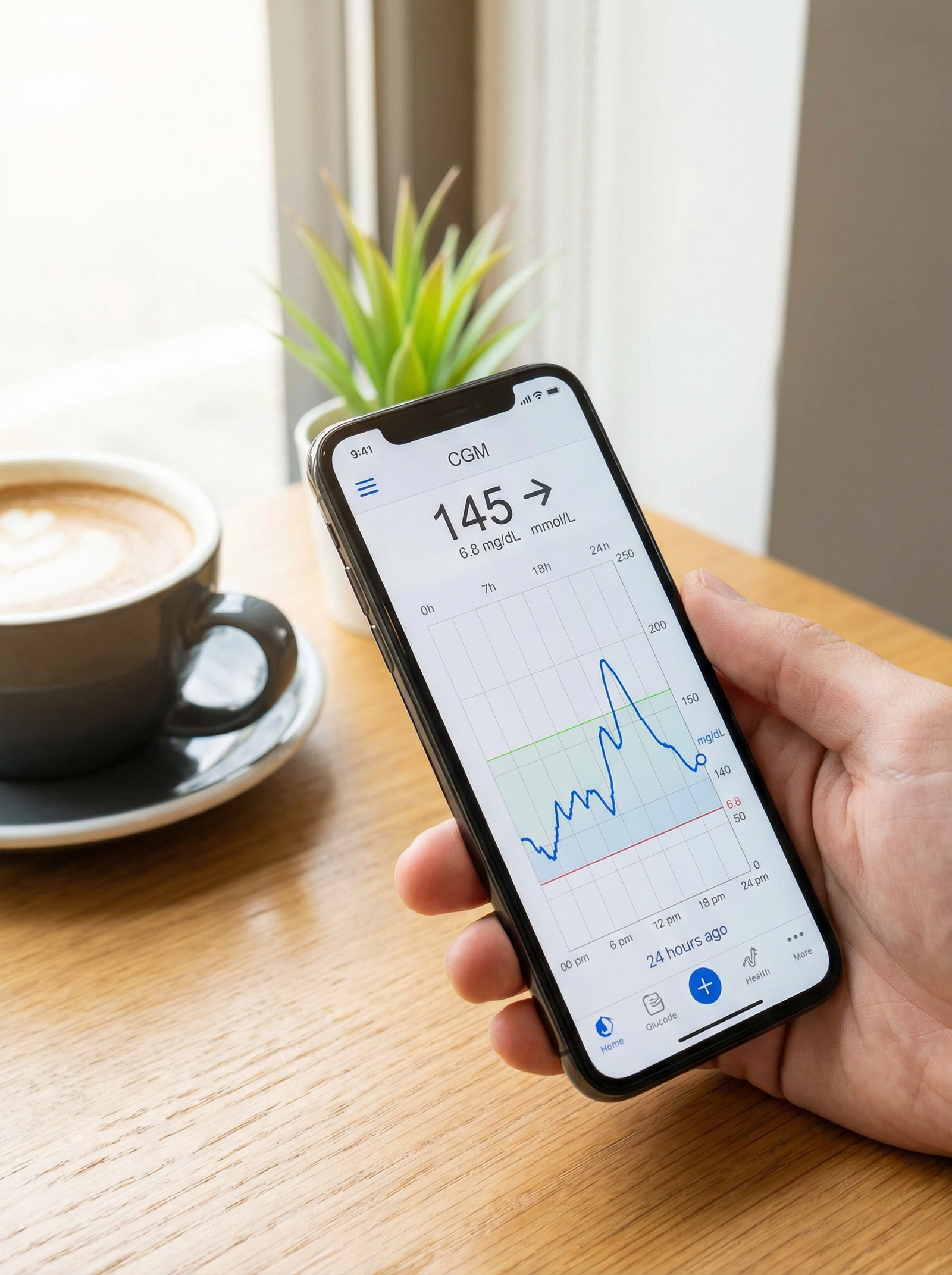
A1C, fasting glucose, post-meal readings, and continuous glucose monitor data each tell a slightly different story. A1C reflects an average over time, while post-meal responses show how your body handles specific meals. Neither should be interpreted in isolation, and none of them replace medical guidance. But together, they can help you ask better questions, spot repeat patterns, and make informed decisions with a qualified clinician if your readings are consistently outside your target range.
For most readers, the most useful next step is not a dramatic overhaul. It is choosing one repeatable experiment: build a more balanced breakfast for a week, add a ten-minute walk after your largest meal, compare how different carb sources affect your energy, or track whether late-night snacks change how you feel the next morning. These small observations can make glucose education feel practical instead of overwhelming.
This category also keeps the bigger metabolic picture in view. Glucose regulation is connected to insulin sensitivity, liver health, muscle mass, inflammation, hormones, appetite, sleep quality, and long-term cardiovascular risk. That does not mean every reader needs advanced testing or a strict protocol. It means that everyday choices can be organized around a simple question: what helps your body handle meals with less volatility and more consistency? The guides below are designed to help you explore that question step by step, with enough context to take action and enough nuance to avoid oversimplified advice.
Start with These Glucose Guides
A practical reading path for post-meal spikes, A1C, food order, protein, cravings, glucose variability, and everyday stability.
- Steadier Glucose Patterns
- Simple Glucose Habits
- After-Meal Glucose Spikes
- Food Order Strategy
- A1C Results Explained
- Protein and Glucose Control
References For general background, see the CDC guide to glucose monitoring and the MedlinePlus blood glucose overview.
The latest articles
What to Eat After a Poor Night’s Sleep for Steadier Glucose
After a broken night, the fastest breakfast often wins: sweet coffee, a pastry, or nothing until hunger becomes urgent. That choice is understandable when your brain feels foggy and your usual routine has disappeared. A breakfast after poor sleep for blood sugar support does not need to “fix” the night. Aim for protein, fiber, a…
10 Balanced Desserts That Are Less Likely to Spike Blood Sugar
Dessert can feel like a test you either pass by refusing or fail by enjoying. That all-or-nothing framing ignores what usually matters most: the dessert’s carbohydrate amount, portion, ingredients, meal context, and your individual glucose response. Blood sugar friendly desserts are not guaranteed to produce a flat glucose line, and they do not need to…
Why Blood Sugar Can Rise Before Your Period
You eat a familiar meal, follow your usual routine, and still see a higher glucose reading than expected. When the same thing happens shortly before menstruation, it can feel as though your body has changed the rules without warning. This may not be random. The encouraging news: understanding blood sugar before period changes can help…
15 Common Foods That Can Cause Unexpected Glucose Spikes
Feeling foggy, tired, shaky, or hungry soon after a “normal” meal can be frustrating, especially when the food looked light or healthy. This may not be random. The encouraging news: understanding foods that spike blood sugar can help you adjust meals without fearing every carbohydrate. Many everyday foods can raise glucose quickly when they are…
How to Stop Blood Sugar Spikes and End the Afternoon Slump
The 3 p.m. crash can make a normal workday feel strangely heavy. You may have eaten “reasonably,” had coffee, pushed through lunch, and still ended up foggy, hungry, and searching for something sweet. This may not be random, and it is not a personal failure. The encouraging news: learning how to stop blood sugar spikes…
Post-Meal Glucose Response: Why the Same Meal Looks Different
You eat the same breakfast twice, but your body does not seem to get the memo. One day your post-meal glucose response looks steady; another day it climbs higher, lasts longer, or leaves you feeling tired and hungry. This may not be random, and it is not a personal failure. The encouraging news: your post-meal…