
Blood Sugar — Control & Stability
Blood sugar swings affect energy, weight, hormones, and long-term health. Research-backed guides on stabilizing glucose naturally — without medication.
Blood Sugar Guides: Where to Start
Blood sugar affects much more than a number on a lab report. Fluctuations may show up as afternoon energy crashes, strong cravings, brain fog after meals, irritability, or feeling hungry again soon after eating. These symptoms can have many causes, but understanding how meals, movement, sleep, stress, and hormones influence your glucose response can help you recognize meaningful patterns.
This section provides practical, research-informed guidance on post-meal glucose spikes, A1C, food order, protein, breakfast choices, snacks, sleep, stress, and everyday habits. You do not need to eliminate carbohydrates or aim for perfectly flat glucose levels. The goal is to build balanced meals and realistic routines that support steadier energy, appetite, and metabolic health.
Protein, fiber-rich foods, healthy fats, and slower-digesting carbohydrates can help slow the rise in glucose after a meal. Small changes—such as adding protein to breakfast, pairing carbohydrates with fiber or fat, choosing more filling carb sources, or taking a short walk after eating—may be easier to maintain than restrictive diet rules. Look for repeated trends rather than judging your health from one isolated reading.
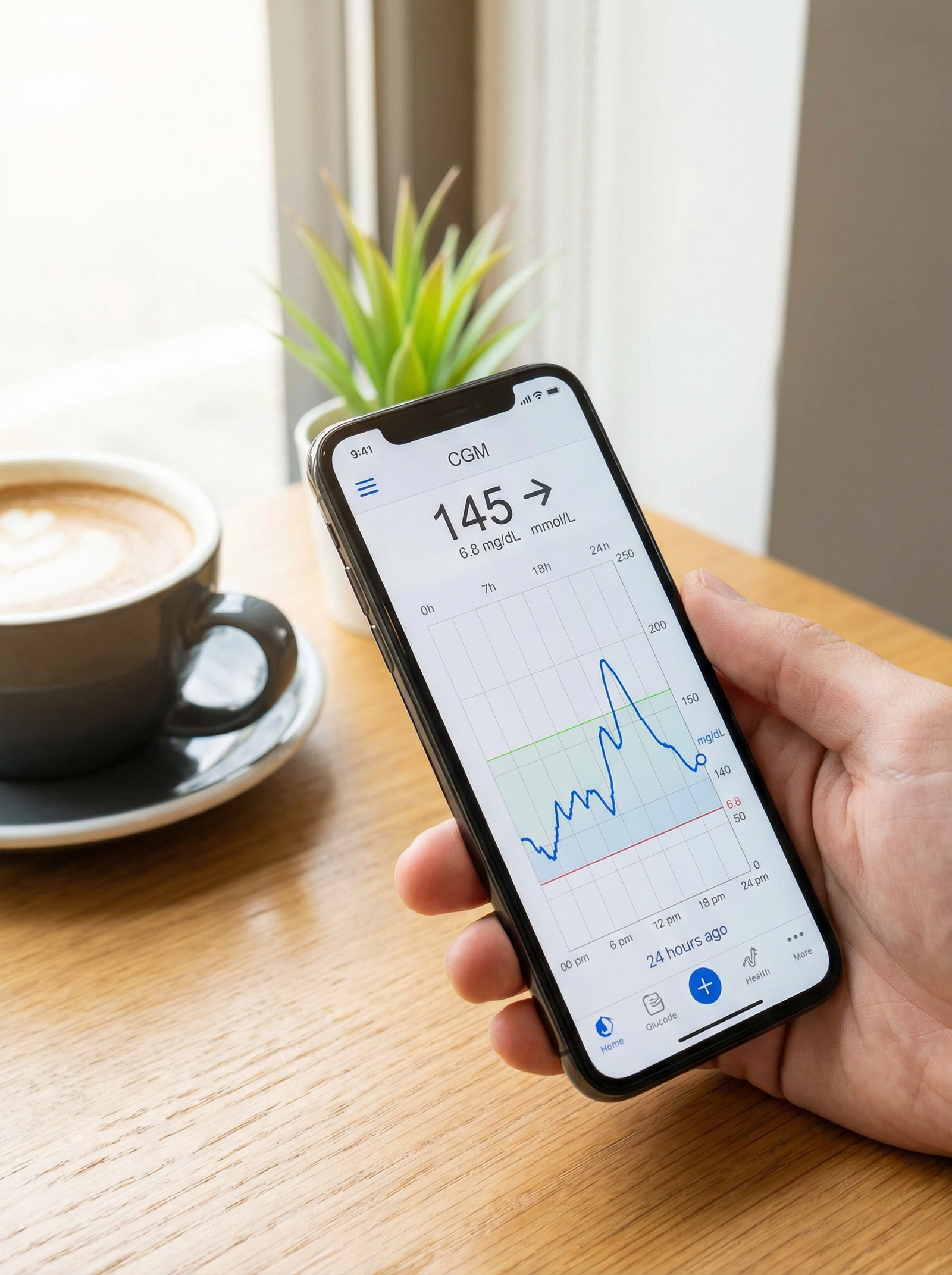
A1C, fasting glucose, post-meal readings, and continuous glucose monitor data each reveal a different part of the picture. Start with one simple habit, observe how your body responds, and discuss consistently unusual results with a qualified clinician. The guides below will help you better understand your blood sugar and choose practical steps that support insulin sensitivity, energy, appetite regulation, and long-term health.
Start with These Glucose Guides
A practical reading path for post-meal spikes, A1C, food order, protein, cravings, glucose variability, and everyday stability.
- Steadier Glucose Patterns
- Simple Glucose Habits
- After-Meal Glucose Spikes
- Food Order Strategy
- A1C Results Explained
- Protein and Glucose Control
References For general background, see the CDC guide to glucose monitoring and the MedlinePlus blood glucose overview.
The latest articles
When to Repeat an A1C After Prediabetes—and What to Do While You Wait
Your portal labels an A1C of 5.8% “high,” but the follow-up appointment is months away. Should you retest immediately, wait three months, or leave it for a year? When you repeat A1C after prediabetes depends on the job of the next test. An unexpected first result may need prompt confirmation; a value near a diagnostic…
Blood Sugar When Sick: Why It Rises and What to Do
You have barely eaten because of a fever or stomach bug, yet your glucose is higher than usual. That can feel backward, but food is not the only signal controlling blood sugar. Blood sugar when sick often rises because stress hormones help release stored fuel and can make insulin work less effectively. Dehydration, missed medicines,…
Your A1C Is 5.7, 5.8, or 5.9—What Should You Do Next?
Seeing 5.7, 5.8, or 5.9 beside “A1C” can make an ordinary lab portal feel suddenly urgent. The practical A1C 5.7 to 5.9 meaning is increased risk, not a fixed prediction of your future. Your best next step is not a crash diet or a drawer full of supplements. It is to confirm what the result…
Prediabetes After Gestational Diabetes: What to Know
The months after birth can feel like a blur of healing, feeding, broken sleep, and trying to recognize your own body again. When a follow-up blood test shows higher glucose, this may not be random or a personal failure. The encouraging news: prediabetes after gestational diabetes is not a fixed outcome. It is a useful…
Post-Meal Glucose Response: Why the Same Meal Looks Different
You eat the same breakfast twice, but your body does not seem to get the memo. One day your post-meal glucose response looks steady; another day it climbs higher, lasts longer, or leaves you feeling tired and hungry. This may not be random, and it is not a personal failure. The encouraging news: your post-meal…
Can You Eat Carbs if You Have Prediabetes?
A prediabetes result can make ordinary meals feel suddenly complicated. Bread, rice, oats, fruit, potatoes, and even “healthy” snacks may start to feel like choices you are supposed to get perfectly right. This is not a personal failure. The encouraging news: Can You Eat Carbs if You Have Prediabetes? is not really a question about…