
For women who want their body to make sense again
Feel less confused by your energy, cravings, and blood sugar.
Simple guides for women who want steadier energy, fewer cravings, and a healthier relationship with food — without strict rules, guilt, or wellness overwhelm.
Learn what your body may be trying to tell you in plain English, so everyday choices around food, hormones, sleep, stress, and blood sugar feel less frustrating.

When your body feels hard to read
Your symptoms may be connected — even when the advice feels all over the place.
Maybe you feel shaky after coffee, tired after lunch, hungry again soon after eating, or unsure whether carbs, fasting, calories, or insulin are the real problem. You are not the only one. The Metabolic Hub helps you connect the dots without making your health feel like another stressful project.
- Energy crashes that make normal days feel heavier than they should
- Cravings that feel stronger than willpower
- Weight gain around the middle that feels hard to explain
- Brain fog, afternoon tiredness, and inconsistent focus
- Cycle-related appetite changes, PMS cravings, or PCOS-related concerns
- Confusion around blood sugar, insulin resistance, fasting, and nutrition rules

What you’ll find here
Clear guides for the body questions women quietly deal with every day.
Explore practical guidance across food and everyday habits, metabolic health, hormones, and weight — organized so you can start with the part of your health that feels most relevant right now.
Food & Habits
Find realistic meal ideas, understand hunger and cravings, and build everyday routines around food, movement, sleep, and energy without turning your life into a wellness project.
Metabolic Health
Make sense of blood sugar and prediabetes, insulin resistance, metabolic syndrome, and liver health — and understand how these pieces can overlap.
Hormones & Weight
Explore PCOS, perimenopause, weight changes, appetite, fullness, and the metabolic factors that can make your body feel different across different stages of life.
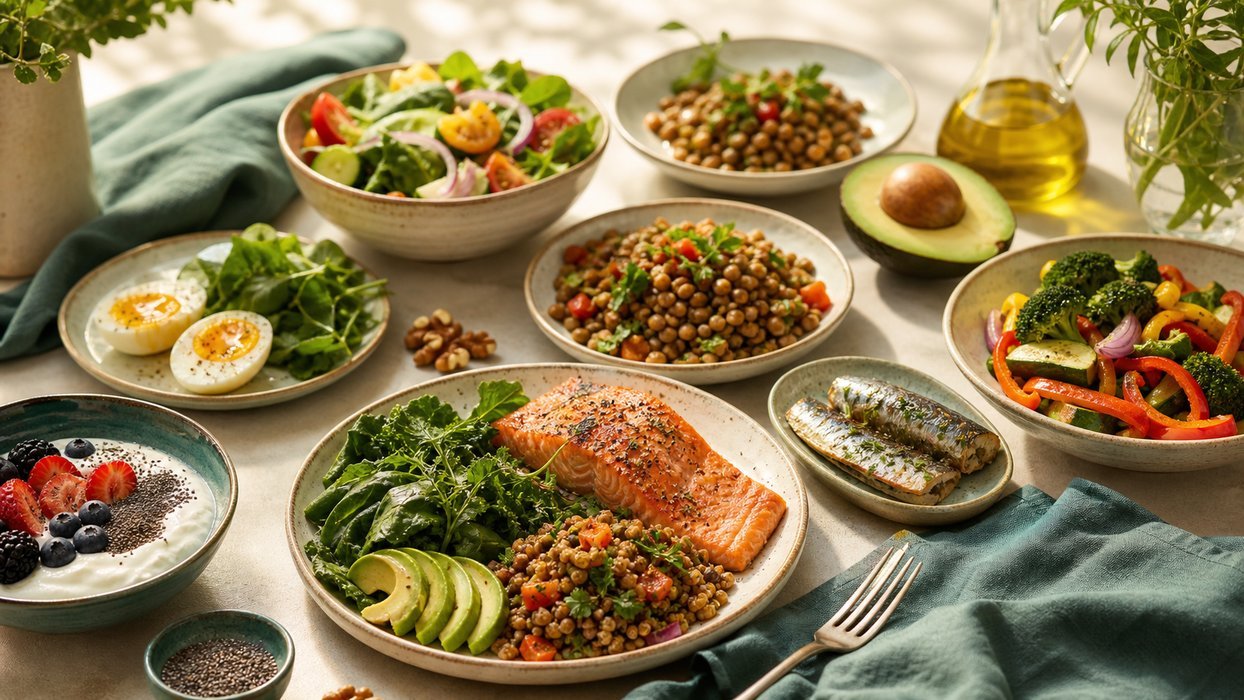
Food without extremes
Eating well should feel understandable, not like another rulebook.
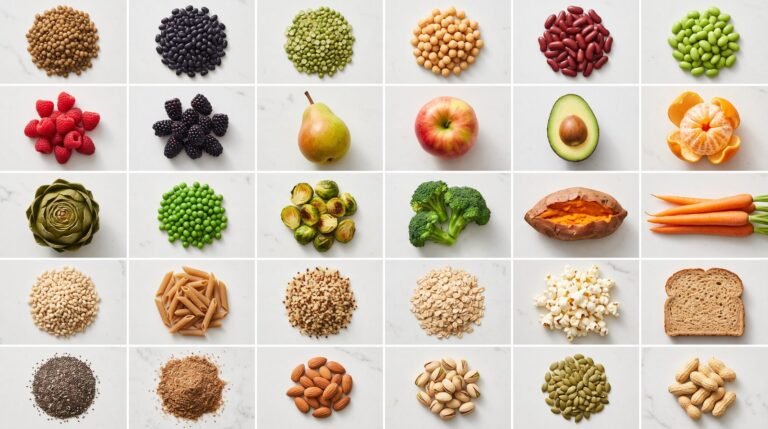
The Metabolic Hub focuses on realistic nutrition: enough protein, more fiber, balanced meals, fewer crashes, calmer cravings, and small daily habits that can help you feel steadier.
Choose what feels most relevant right now
Start with the topic that matches what you’re trying to understand next.
Browse focused guides on meals, cravings, daily habits, blood sugar, insulin resistance, metabolic syndrome, liver health, hormones, and weight — written to help you make sense of your body one step at a time.
Meal Ideas & Recipes
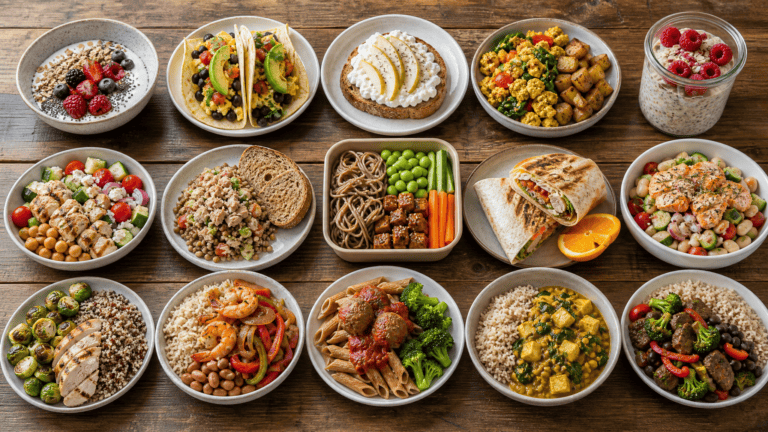
Practical meals, recipes, grocery ideas, and food strategies for steadier energy, better fullness, and everyday metabolic health.
Explore Meal IdeasCravings, Hunger & Energy
Understand persistent hunger, food cravings, energy crashes, brain fog, and the patterns that can make normal days feel harder.
Explore Cravings & EnergyEveryday Routines
Build realistic routines around movement, sleep, stress, meal timing, and other daily habits that support metabolic health.
Explore Everyday RoutinesBlood Sugar & Prediabetes
Understand glucose patterns, A1C, blood sugar spikes, prediabetes, and realistic steps that can help you feel more informed and less overwhelmed.
Explore Blood SugarInsulin Resistance
Learn what insulin resistance can look like and how nutrition, movement, sleep, stress, hormones, and consistency can play a role.
Explore Insulin ResistanceMetabolic Syndrome
Connect the dots between blood sugar, waist size, blood pressure, triglycerides, cholesterol, and the bigger metabolic picture.
Explore Metabolic SyndromeLiver Health
Understand how liver fat, insulin resistance, blood lipids, nutrition, weight changes, and everyday habits can be connected.
Explore Liver HealthPCOS & Perimenopause
Explore how hormones, insulin sensitivity, appetite, cravings, body composition, and blood sugar can shift with PCOS and perimenopause.
Explore PCOS & PerimenopauseWeight Loss & Fullness
Understand hunger, satiety, weight plateaus, body changes, and realistic approaches to fat loss without relying on extreme restriction.
Explore Weight & FullnessLatest on the Blog





Written by
Jakob
B.Sc. Biology · Human Physiology & Biochemistry
Every article on this site is written and reviewed by me personally — based on peer-reviewed research, not trends. No sponsored content, no hype.
Read more about this site →