Menstrual Cycle Nutrition: 7 Surprising Truths About What Really Changes
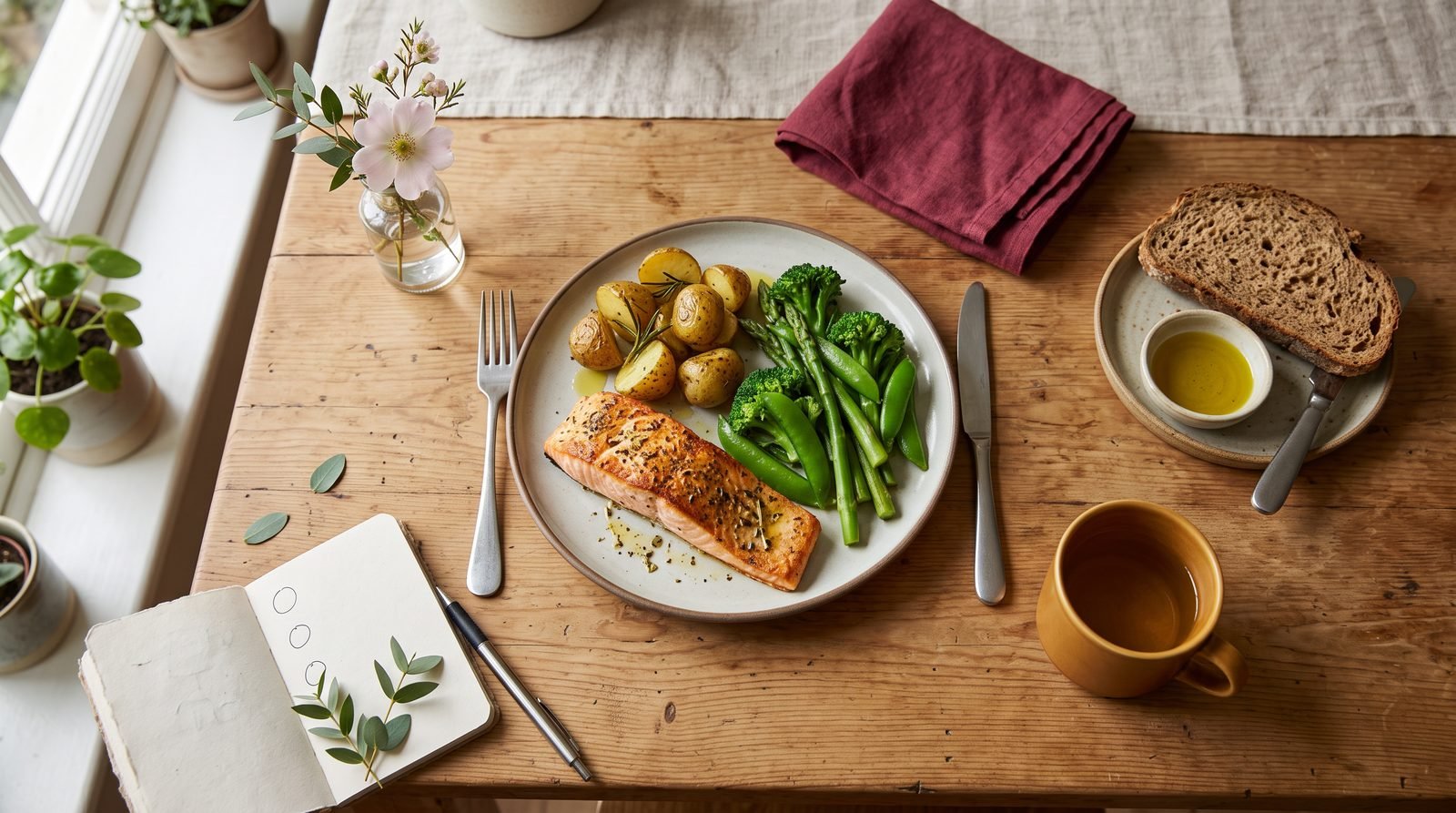
Cycle-syncing your diet sounds precise: eat one set of foods while bleeding, another before ovulation, and a third when your period approaches. Social posts often add hormone charts, seed schedules, and confident promises about energy, cravings, or fat loss. The biology is real, but the menu rules usually run ahead of the evidence.
The practical answer: menstrual cycle nutrition does not require four separate diets. For most people, a steady foundation of adequate food, protein, fiber-rich carbohydrates, fats, produce, and fluids remains useful all month. Appetite and symptoms can change, especially before a period. Those changes justify flexible adjustments—not a mandatory phase calendar.
What does “cycle-syncing” your diet mean?
Cycle-syncing plans match food, exercise, work, or self-care to menstrual phases. A typical diet version recommends warming iron-rich meals during menstruation, lighter foods during the follicular phase, particular seeds near ovulation, and more magnesium or complex carbohydrates in the luteal phase. Some suggestions are ordinary nutritious choices. The unsupported leap is claiming that each phase requires a special food list to “balance” hormones.
The menstrual cycle is not four equal calendar boxes. Cycle length, ovulation timing, bleeding, appetite, pain, sleep, and mood differ between people and can differ from one cycle to the next. An app predicts phases from prior dates unless ovulation is confirmed with more specific measures. Hormonal contraception changes the hormonal pattern and may suppress ovulation, so a natural-cycle phase chart may not describe that experience.
A useful distinction is between phase-based prescription and symptom-led adaptation. The first tells everyone to eat the same special foods on the same days. The second notices a repeatable issue—greater hunger, nausea, cramps, bowel changes, heavy bleeding, or migraine—and tests a practical response. Current evidence fits the second model better.
What may actually change across the menstrual cycle?
Appetite and energy intake can rise in the luteal phase
A 2025 systematic review and meta-analysis pooled 15 datasets involving 330 participants. Average energy intake was about 168 calories per day higher in the luteal phase than in the follicular phase. The result supports a real appetite shift for some people, but it does not predict what any one person will feel. The studies were small, methods varied, and statistical heterogeneity was high.
This is not evidence that you must add exactly 168 calories or that hunger should be ignored. It is permission to treat a recurring increase in appetite as information. A larger snack, a more substantial lunch, or slightly bigger servings may be more helpful than white-knuckling hunger and then feeling out of control later.
Resting metabolism may increase a little, but the effect is modest
A 2020 systematic review and meta-analysis found a small average increase in resting metabolic rate during the luteal phase. However, the effect became smaller and was not statistically significant when the authors examined studies published from 2000 onward. A 2026 review of newer research estimated that reported increases were often around 30 to 120 calories per day, roughly 3% to 5%, and could overlap with ordinary day-to-day variation or measurement error.
That is a much quieter finding than claims that metabolism “switches on” after ovulation. It does not justify aggressive calorie cycling, fasting in one phase, or eating freely without regard to comfort in another. It helps explain why hunger may feel different while emphasizing that the average physiological change is small.
Symptoms can change food tolerance and priorities
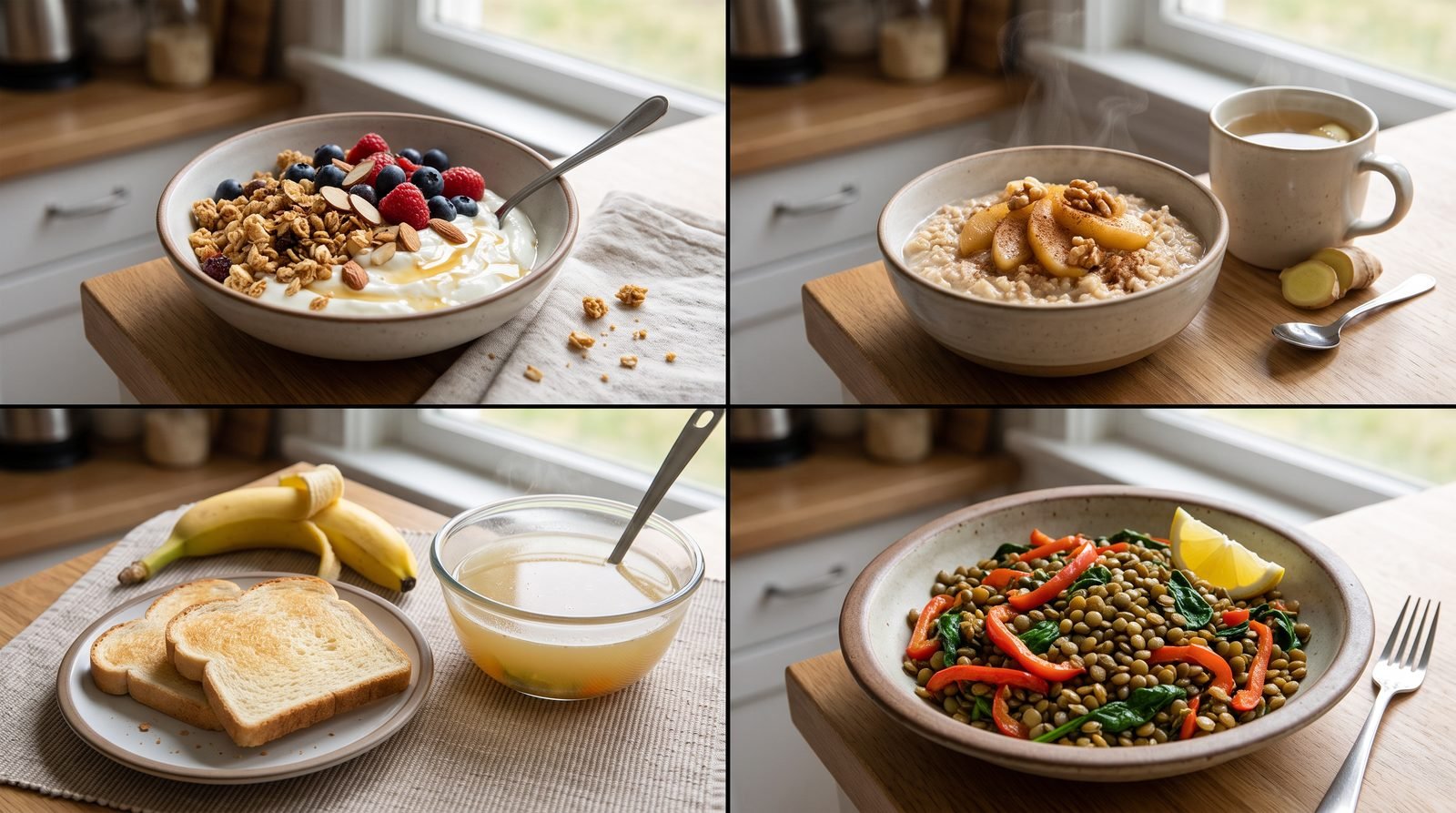
Cramps, nausea, diarrhea, constipation, bloating, headaches, fatigue, breast tenderness, sleep disruption, and mood symptoms can influence what feels appealing or manageable. Someone with nausea on the first day of bleeding may prefer toast, soup, yogurt, or a smoothie. Someone who is hungrier before a period may do better with an extra snack containing carbohydrate, protein, and fat.
These are functional choices, not hormone hacks. A systematic review of nutritional practices for menstrual-related symptoms found promising but inconsistent evidence for several foods or supplements. The authors recommended personalizing strategies to symptoms and preferences because studies used different interventions, doses, durations, and outcome measures.
What does not need to change by cycle phase?
Your basic nutrition needs do not disappear and restart every week. You still need enough total energy and a reliable mix of nutrients throughout the month. The following anchors can remain steady:
- Regular meals: a consistent rhythm can reduce the gap between mild hunger and desperate hunger.
- Protein: include a useful source such as eggs, dairy, fish, poultry, tofu, tempeh, beans, or lentils at meals.
- Carbohydrates: grains, potatoes, fruit, beans, and other carbohydrate foods support everyday energy. There is no evidence-based requirement to avoid them in a particular phase.
- Dietary fats: nuts, seeds, olive oil, avocado, fish, dairy, and other foods help meals feel satisfying.
- Fiber and fluids: these support digestive health, but the amount may need temporary adjustment if diarrhea, constipation, or nausea changes tolerance.
- Adequacy: chronic under-eating can impair health and menstrual function. A cycle-syncing plan should not disguise restriction as hormonal optimization.
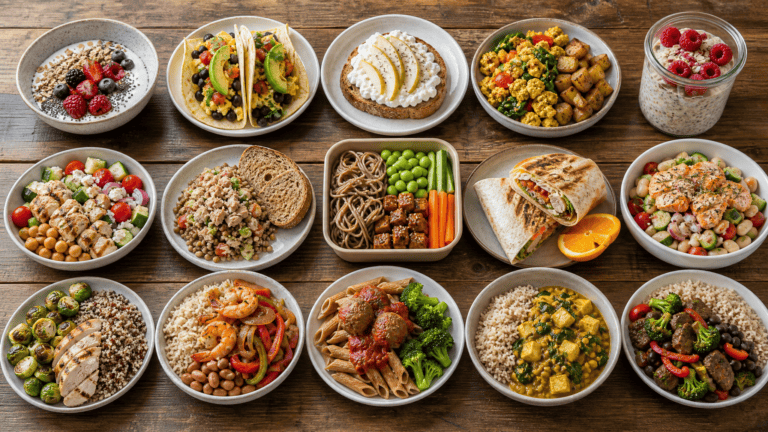
A simple balanced plate for steadier energy is a more defensible starting point than a rotating list of forbidden foods. Keep the structure flexible enough for culture, budget, allergies, ethics, medical needs, and appetite.
A flexible, symptom-led menstrual cycle nutrition plan
Instead of asking, “What should everyone eat in the luteal phase?” ask, “What reliably changes for me, and what is the smallest useful adjustment?” Track two or three variables for two or three cycles: hunger, one disruptive symptom, and what helped. Detailed logging is unnecessary if it increases anxiety.
If hunger increases before your period
Plan a real snack rather than relying on willpower. Examples include yogurt with fruit and nuts, toast with peanut butter, hummus with pita and vegetables, or cheese with fruit and crackers. At meals, add a little more rice, potatoes, pasta, beans, bread, or fat if the usual serving no longer satisfies you.
Craving sweet food is not a character flaw. Pairing the food you want with something more sustaining can help: chocolate with nuts, cereal with milk and fruit, or a cookie after a balanced meal. For a closer look at the mechanisms and practical options, see why sugar cravings may increase before your period.
If cramps or bloating affect eating
Choose tolerable foods and ordinary portions. Warm meals, soups, oatmeal, rice bowls, ginger tea, or softer cooked foods may feel better, but they are preferences rather than required treatments. If large meals worsen fullness, try smaller meals more often. A sudden high-dose fiber experiment can aggravate bloating, so keep changes gradual.
ACOG notes that lifestyle and dietary changes can help some people with premenstrual symptoms, including regular exercise, adequate sleep, complex carbohydrate-rich foods, and calcium-rich foods. It also cautions that many advertised PMS products have not been adequately tested.
If nausea or diarrhea reduces tolerance
Prioritize fluids and foods that stay down. Bland or lower-fiber choices for a short period can be reasonable: toast, rice, bananas, yogurt, eggs, soup, noodles, or potatoes. Resume variety as symptoms ease. Persistent vomiting, inability to hydrate, fainting, fever, blood in stool, or severe pain needs medical assessment.
If fatigue is the main issue
First check the basics: enough food, regular meals, hydration, sleep opportunity, and an appropriate caffeine pattern. If fatigue is substantial, recurrent, or paired with heavy bleeding, shortness of breath, palpitations, dizziness, or reduced exercise tolerance, ask a clinician about evaluation rather than self-prescribing a supplement.
Iron matters across the month—not only while you bleed
Menstruation contributes to iron loss, and heavy menstrual bleeding increases the risk of iron deficiency. The NIH Office of Dietary Supplements lists an iron recommendation of 18 milligrams per day for adult women ages 19 to 50, but individual needs vary with health, pregnancy, diet, and blood loss. Iron-rich foods include meat, seafood, beans, lentils, tofu, fortified cereals, and some leafy greens. Vitamin C-rich foods can improve absorption of nonheme iron from plant sources.
You do not need to eat an entire month’s iron during your period. Regular intake is more sensible. More important, iron supplements are not a routine cycle-syncing accessory. High doses can cause gastrointestinal effects and excessive iron can be harmful. Heavy bleeding or symptoms of deficiency warrant clinical evaluation and appropriate testing.
What about magnesium, calcium, inositol, and seed cycling?
Supplement evidence is narrower than social media implies. ACOG says calcium may help some PMS symptoms and notes possible benefits from magnesium for certain symptoms, while also advising people to discuss supplements with an ob-gyn because products may be untested, excessive doses can be harmful, and interactions are possible. A food-first calcium pattern can include dairy or fortified alternatives, tofu made with calcium, canned fish with bones, or leafy greens.
The 2024 systematic review on nutrition and menstrual symptoms found possible benefits from calcium, magnesium, vitamin D, zinc, and curcumin, but usually only a few studies examined each intervention and methods were inconsistent. “May help” is not the same as “everyone should take it,” and a result for a defined symptom is not proof of broad hormone balancing.
Seed cycling usually assigns flax and pumpkin seeds to one half of the cycle and sesame and sunflower seeds to the other. Seeds are nutritious, but there is no established evidence that this rotation reliably regulates hormones or treats a menstrual disorder. Eat seeds if you enjoy them; the calendar is optional. Inositol is studied mainly in contexts such as PCOS, not as a universal supplement for every naturally cycling person.
When cycle symptoms need more than nutrition
Food can support comfort, but it should not be used to normalize disabling symptoms. Seek medical care for very heavy bleeding, bleeding between periods, periods that abruptly change, severe or worsening pelvic pain, fainting, suspected anemia, repeated vomiting, symptoms that interfere with work or school, or marked premenstrual depression, anxiety, or suicidal thoughts. Endometriosis, fibroids, thyroid conditions, bleeding disorders, PCOS, premenstrual dysphoric disorder, pregnancy-related issues, and other conditions require appropriate assessment.
If tracking food or cycle phases increases fear, guilt, compulsive rules, bingeing, or restriction, step away from the protocol and seek support from a clinician or dietitian experienced in eating disorders. A nutrition strategy is not successful if it makes eating less safe.
Frequently asked questions
Should I eat more during the luteal phase?
Not automatically. Average energy intake was higher in the luteal phase in one meta-analysis, but individual responses vary. If you notice repeatable hunger, respond with a larger meal or planned snack and assess satisfaction, energy, and comfort rather than targeting a fixed calorie increase.
Do I need different macros for every phase?
There is no strong evidence that the general population needs phase-specific carbohydrate, protein, and fat targets. Athletes with high training loads may individualize fueling with a sports dietitian, but performance studies remain heterogeneous and do not establish one universal cycle-based prescription.
Can cycle syncing regulate an irregular period?
A rotating food list is not a proven treatment for irregular cycles. Irregularity can relate to pregnancy, adolescence, perimenopause, energy deficiency, PCOS, thyroid disorders, medication, stress, and other causes. Seek clinical guidance when cycles are persistently irregular or change unexpectedly.
Does hormonal birth control change this advice?
Hormonal contraception changes ovarian hormone patterns and may suppress ovulation, so natural-cycle phase rules may not apply. The flexible foundation still does: eat adequately and adjust for appetite or symptoms. Discuss persistent symptoms or medication concerns with the prescribing clinician.
Keep the foundation steady and make adjustments personal
The menstrual cycle can influence appetite, energy intake, symptoms, and possibly resting metabolism, but average changes are modest and highly variable. That evidence does not support four mandatory diets. Build a reliable nutrition foundation, notice repeatable patterns, and make targeted changes that solve an actual problem. Your cycle can inform eating without controlling it.
Medical Disclaimer This article is for general educational purposes only and is not a substitute for personalized medical advice, diagnosis, or treatment. Speak with a qualified healthcare professional if you have severe or changing symptoms, heavy bleeding, take medication, are pregnant or breastfeeding, or are considering supplements or major dietary changes.
Sources
- Tucker JAL, McCarthy SF, Bornath DPD, Khoja JS, Hazell TJ. The Effect of the Menstrual Cycle on Energy Intake: A Systematic Review and Meta-analysis. Nutrition Reviews. 2025;83(3):e866–e876. PMID: 39008822. DOI: 10.1093/nutrit/nuae093.
- Benton MJ, Hutchins AM, Dawes JJ. Effect of menstrual cycle on resting metabolism: a systematic review and meta-analysis. PLOS ONE. 2020;15(7):e0236025. PMID: 32658929. DOI: 10.1371/journal.pone.0236025.
- Hurtová A, Gimunová M, Beníčková M. Resting metabolic rate fluctuations across the menstrual cycle: a systematic review. Frontiers in Physiology. 2026;17:1778735. PMID: 41971666. DOI: 10.3389/fphys.2026.1778735.
- Brown N, Martin D, Waldron M, et al. Nutritional practices to manage menstrual cycle related symptoms: a systematic review. Nutrition Research Reviews. 2024;37(2):352–375. PMID: 37746736. DOI: 10.1017/S0954422423000227.
- American College of Obstetricians and Gynecologists. Premenstrual Syndrome (PMS).
- National Institutes of Health, Office of Dietary Supplements. Iron: Fact Sheet for Health Professionals.