The Perimenopause Nutrition Guide: What to Eat for Fullness, Strength, and Bone Health

Perimenopause can make familiar routines feel less predictable. Hunger may change, sleep can become uneven, periods may grow heavier or irregular, and body composition may shift even when your habits have not changed much. None of this means your body is broken or that you need a punishing “hormone reset.” A useful perimenopause nutrition plan supports the jobs your body is doing now: staying adequately fueled, preserving muscle, protecting bones, and lowering long-term cardiometabolic risk.
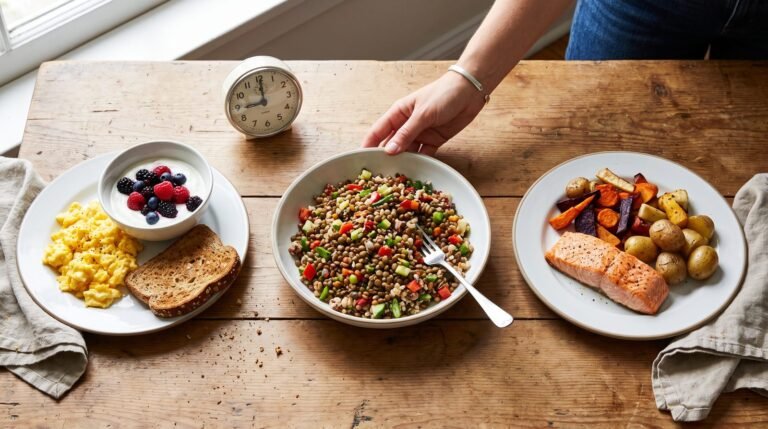
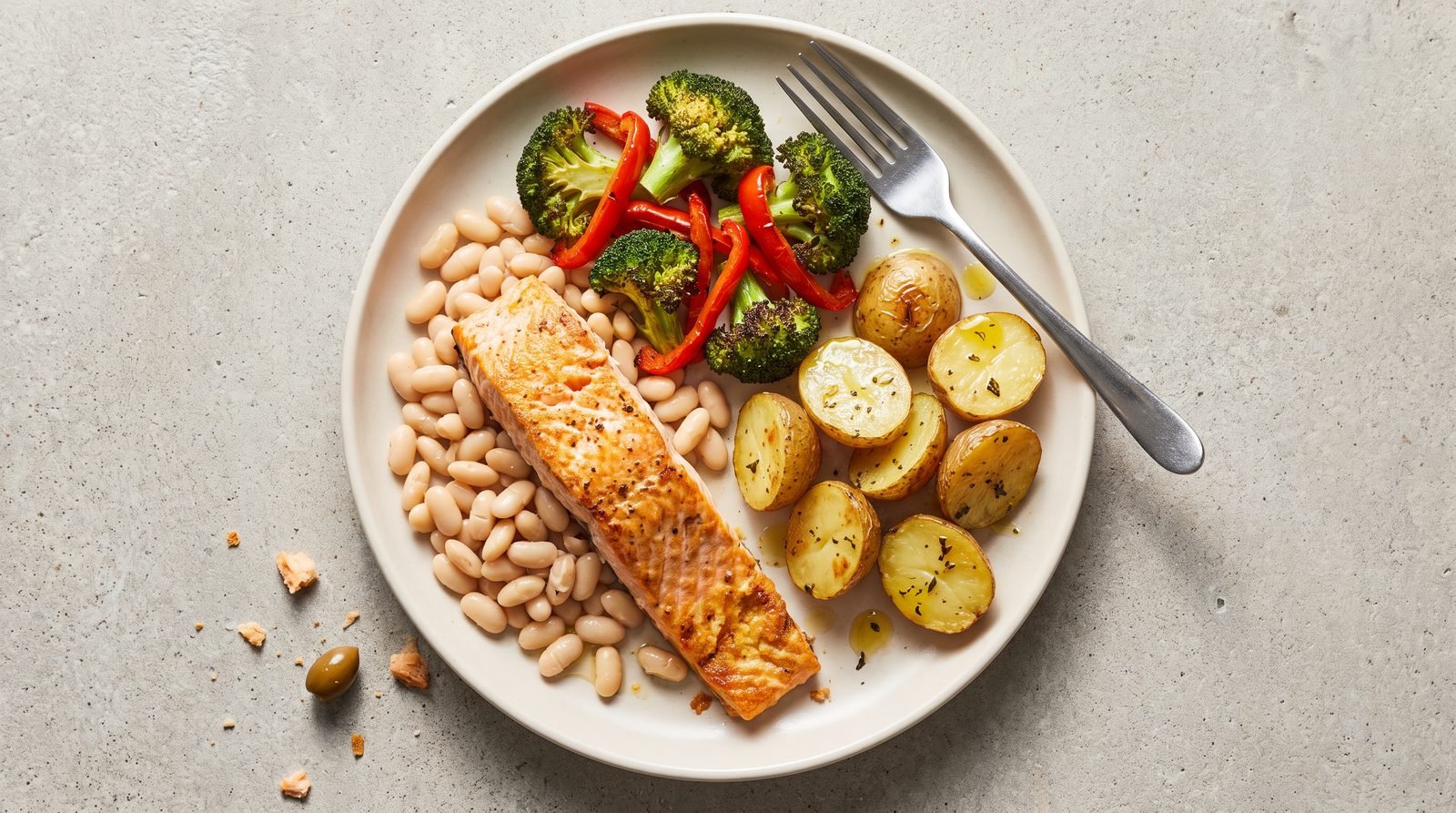
Quick win: At your next main meal, include one clear protein food, one fiber-rich plant food, and one calcium-rich choice. That might be salmon with beans and greens, tofu with brown rice and broccoli, or Greek yogurt with oats, berries, and nuts. It is a framework, not a perfect plate.
What changes—and what food can realistically do
Perimenopause is the transition leading up to menopause, which is confirmed after 12 consecutive months without a menstrual period when there is no other cause. Hormone levels can fluctuate for years during the transition. Symptoms vary widely and may include hot flashes, night sweats, sleep disruption, mood changes, vaginal or urinary symptoms, and changes in bleeding.
Food cannot diagnose perimenopause, “balance” fluctuating hormones on command, or guarantee that symptoms disappear. Nutrition can still matter because it influences the broader systems that support health: dietary adequacy, blood lipids, blood pressure, glucose regulation, bowel regularity, muscle maintenance, and bone remodeling.
Recent reviews of menopausal nutrition favor overall nutrient-dense dietary patterns—often Mediterranean-style or similar patterns rich in vegetables, fruit, legumes, whole grains, nuts, fish, and unsaturated fats—rather than a single superfood. The evidence is promising for cardiometabolic health and may benefit body composition and bones, but much of it is observational. That means researchers can identify associations without proving that one pattern caused every outcome.
If blood sugar is a particular concern, this guide to insulin resistance during perimenopause explains testing and symptoms without assuming every midlife change is insulin resistance.
Eat for more reliable fullness—not maximum restriction
When weight or waist shape changes, the reflex may be to cut portions aggressively. That can backfire by increasing fatigue, food preoccupation, cravings, and loss of lean tissue. Fullness is not created by protein alone, and it is not a moral test. Meals tend to hold better when they combine several signals:
- Protein: eggs, fish, poultry, Greek yogurt, cottage cheese, tofu, tempeh, beans, lentils, or other foods you tolerate.
- Fiber and volume: vegetables, fruit, beans, lentils, oats, barley, whole-grain breads, and starchy vegetables.
- Enough carbohydrate: especially important around exercise and for people who feel depleted on very low-carbohydrate plans.
- Satisfying fat and flavor: nuts, seeds, avocado, olive oil, sauces, and dressings in portions that fit the meal.
- Adequate total energy: a beautifully balanced plate may still be too small.
Use hunger and comfort as feedback. If breakfast leaves you hungry in an hour, add a larger protein anchor, more oats or whole-grain toast, fruit, or fat. If a huge raw salad causes bloating, try cooked vegetables, soup, grains, or softer fruit instead. There is no prize for choosing the most austere version of a meal.
Support muscle and strength with food plus training
Muscle matters for physical function, glucose disposal, balance, and the ability to keep doing everyday tasks. Aging contributes to gradual muscle loss, and menopause-related changes may add pressure, but decline is not inevitable.
Include protein at multiple meals rather than saving nearly all of it for dinner. You do not need identical portions or a universal 30-gram rule. A substantial protein food at breakfast, lunch, and dinner is a practical start. Plant-forward diets can meet protein needs through varied beans, lentils, soy foods, peas, whole grains, nuts, and seeds.
Food works best alongside resistance exercise. A 2026 systematic review of 34 studies in postmenopausal women found consistent benefits of structured strength training for body composition, strength, and bone mineral density, while evidence for adding specific supplements was much thinner. The takeaway is not that protein is unimportant; it is that a supplement cannot substitute for adequate food and progressive muscle-loading activity.
Begin at an appropriate level: body-weight movements, resistance bands, machines, or free weights can all count. If you have osteoporosis, significant joint pain, pelvic-floor symptoms, dizziness, or a recent injury, get individualized exercise guidance.

Build a bone-health foundation before a crisis
Estrogen decline accelerates bone loss around menopause. Nutrition supports bone health, but calcium and vitamin D are not magic shields, and supplements do not replace screening or treatment when those are indicated.
Know the calcium numbers in context
The National Institutes of Health lists a calcium Recommended Dietary Allowance of 1,000 milligrams per day for adults ages 19–50 and 1,200 milligrams per day for women ages 51–70. Those are total daily amounts from food, beverages, and supplements combined—not a supplement dose.
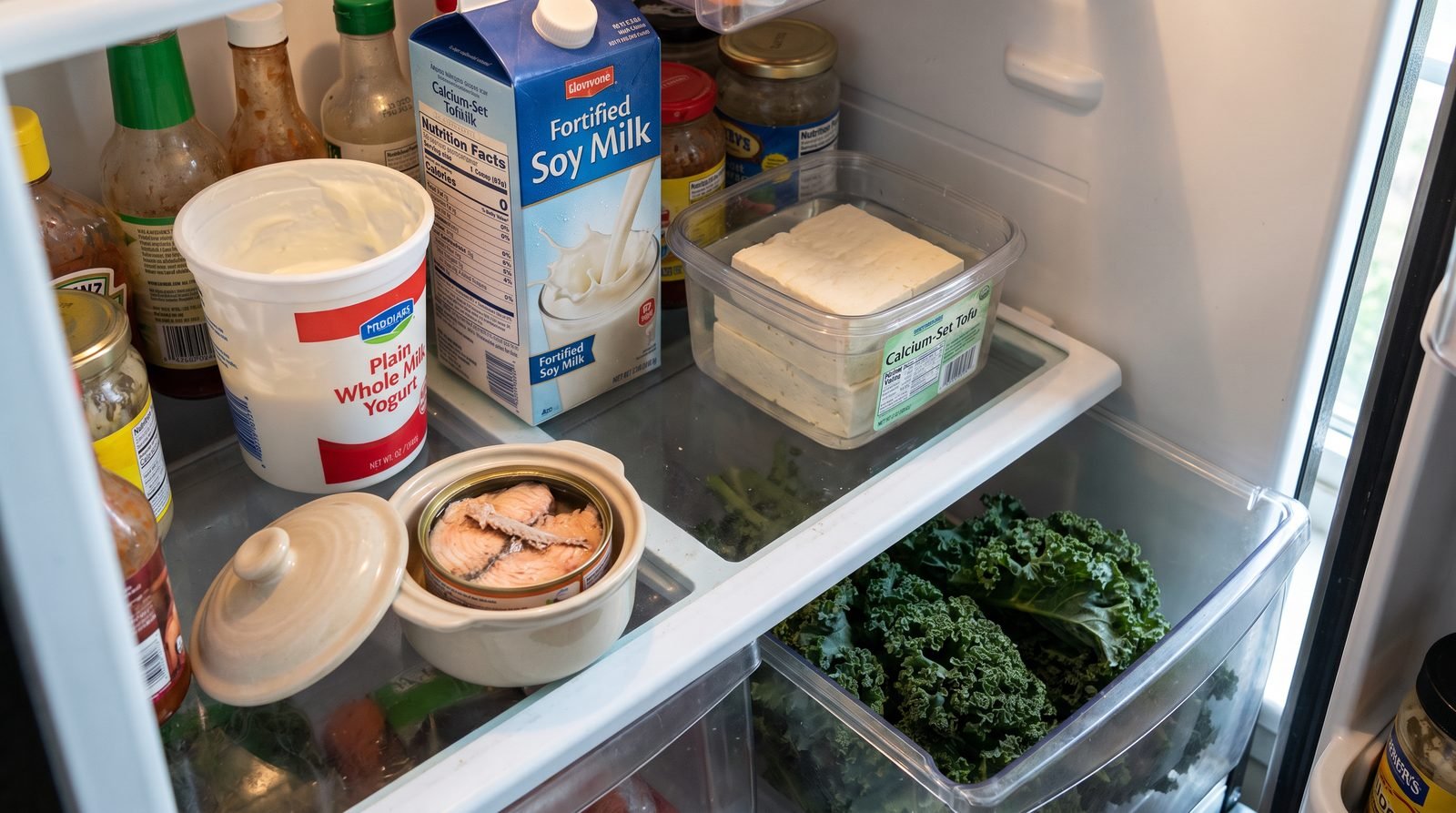
Food sources include milk, yogurt, cheese, calcium-set tofu, canned salmon or sardines with edible bones, and fortified plant milks. Some leafy greens contribute calcium, but absorption differs by food. Check labels on fortified products because amounts vary.
Vitamin D helps calcium absorption
The NIH lists 15 micrograms (600 IU) of vitamin D daily for adults ages 19–70 and 20 micrograms (800 IU) for adults 71 and older. Vitamin D occurs naturally in relatively few foods; fatty fish, egg yolks, and fortified milk or plant beverages can contribute. Sun exposure, skin pigmentation, latitude, season, age, and health conditions affect vitamin D status, so a blood test or supplement decision should be individualized rather than guessed from symptoms.
Ask when screening is appropriate
The 2025 U.S. Preventive Services Task Force recommends osteoporosis screening for women age 65 and older. It also recommends screening postmenopausal women younger than 65 who have at least one risk factor and are assessed as being at increased fracture risk. Low body weight, smoking, parental hip fracture, and excess alcohol are among the factors clinicians consider. Earlier evaluation may also be appropriate with fragility fractures, certain medical conditions, or long-term medications that affect bone.
Protect heart and metabolic health with the same core pattern
You do not need one diet for fullness, another for bones, and a third for heart health. The same foundation overlaps:
- vegetables and fruit in forms you enjoy;
- beans, lentils, oats, barley, and other fiber-rich foods;
- fish, soy foods, poultry, dairy, eggs, or other varied protein sources;
- nuts, seeds, avocado, and olive oil;
- fewer meals dominated by refined grains, added sugars, processed meats, and excess sodium—without labeling any single food “toxic.”
Menopause does not automatically cause prediabetes, but risk can change with age, sleep, activity, genetics, and body composition. Learn more about menopause and prediabetes risk if your A1C or fasting glucose has changed.
What a flexible day of eating can look like
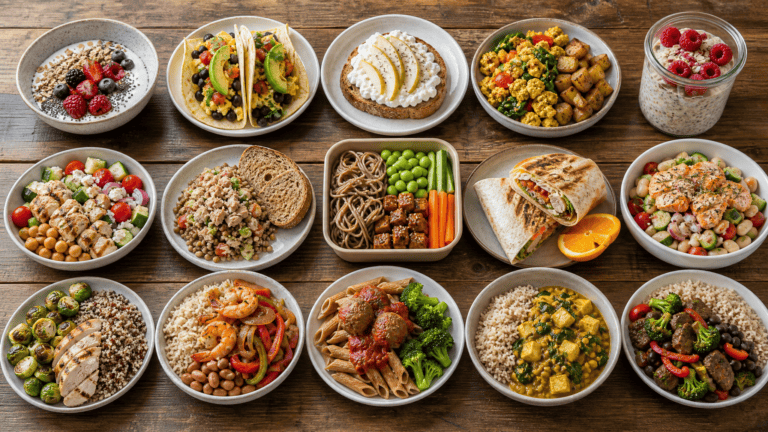
These are meal combinations, not recipes or mandatory menus:
- Breakfast: Greek yogurt, oats, berries, walnuts, and fortified milk or soy milk.
- Lunch: lentil-and-grain bowl with roasted vegetables, feta or tofu, and olive-oil dressing.
- Snack if useful: fruit with cottage cheese, edamame, or hummus and whole-grain crackers.
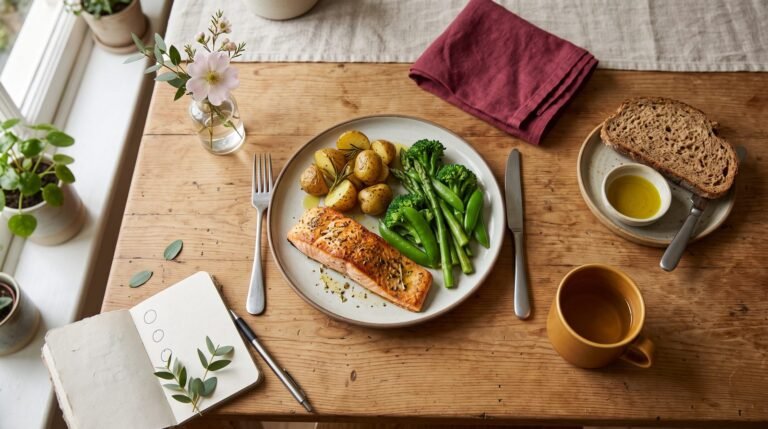
- Dinner: salmon or calcium-set tofu, potatoes or brown rice, and cooked greens.
Notice what is absent: detox tea, a ban on carbohydrates, and a requirement to fast through hunger. If long gaps worsen hot flashes, headaches, reflux, or cravings, eat on a steadier schedule. If frequent grazing leaves you unsatisfied, build more complete meals. Your symptom pattern is useful information.
Symptoms, supplements, and safety
Hot flashes and sleep
Alcohol, caffeine, spicy foods, and large late meals can trigger symptoms for some people but not everyone. Test one suspected trigger at a time rather than deleting a long list of foods. Persistent night sweats or sleep disruption deserve clinical discussion because nutrition is only one piece of care.
Heavy or irregular bleeding
Heavy bleeding can contribute to iron deficiency, but do not self-diagnose from fatigue alone. Seek medical evaluation for very heavy bleeding, bleeding between periods or after sex, bleeding after menopause, dizziness, shortness of breath, or other concerning symptoms. Iron supplements can cause harm when unnecessary and should be guided by history and laboratory results.
Supplements
More is not better. Calcium can interact with thyroid medication and some antibiotics; high supplemental intake may increase kidney-stone risk in susceptible people. Vitamin D toxicity can raise blood calcium and damage kidneys. “Menopause blends” may contain multiple herbs with limited evidence or medication interactions. Review supplements with a pharmacist, clinician, or registered dietitian, especially if you take prescriptions or have kidney, liver, thyroid, or digestive disease.
A realistic two-week plan
- Days 1–3: Observe without judging. Which meal is least filling? How often do you eat calcium-rich foods? Where is protein missing?
- Days 4–7: Upgrade one meal with a clear protein source and a fiber-rich plant.
- Days 8–10: Add one reliable calcium-rich food most days, using labels to understand the amount.
- Days 11–14: Pair the food plan with two appropriate resistance sessions or ask for professional guidance to begin.
At the end, evaluate energy, fullness, digestion, sleep, symptoms, and practicality. Keep what helped. Change what felt burdensome. A repeatable pattern is more valuable than an impressive two-week overhaul.
Frequently asked questions
Do I need to lose weight in perimenopause?
No universal rule says you must. Health support can focus on strength, blood pressure, glucose, lipids, sleep, symptoms, and food adequacy without making weight the only outcome. If intentional weight loss is appropriate for you, use a moderate, individualized approach that protects muscle and does not intensify disordered eating.
Should I avoid soy?
Most adults can include traditional soy foods such as tofu, tempeh, edamame, and fortified soy milk as nutritious protein options. A food serving is not the same as a concentrated supplement. Ask your oncology or medical team for personalized advice if you have a hormone-sensitive cancer history or take medication with relevant instructions.
Is a menopause supplement necessary?
No. Supplements should address a documented gap or specific clinical goal, not vague promises to reset hormones. Confirm the ingredient, dose, evidence, interactions, and independent quality testing before buying.
Can nutrition treat severe perimenopause symptoms?
Nutrition may support general health and help identify personal triggers, but severe hot flashes, sleep loss, mood changes, heavy bleeding, or genitourinary symptoms deserve evidence-based medical care. Effective hormonal and nonhormonal options may be available.
Build the foundation, not a perfect menopause diet
A strong perimenopause nutrition plan is ordinary in the best way: enough food, recognizable protein, fiber-rich plants, calcium and vitamin D sources, satisfying flavor, and room for your culture and preferences. Combine it with strength-building movement, appropriate screening, and medical care for significant symptoms. You are not trying to outsmart your hormones at every meal; you are building a foundation that can carry you through a changing life stage.
Medical Disclaimer: This article is for general educational purposes only and is not a substitute for personalized medical advice, diagnosis, or treatment. Speak with a qualified healthcare professional if you have symptoms, take medication, are pregnant or breastfeeding, or are considering major changes to your diet, supplements, or treatment plan.
Sources
- Liu Y-C, Guo Z-Q. Dietary interventions and nutritional strategies for menopausal health: a mini review. Frontiers in Nutrition. 2025;12:1702105. PMID: 41473185. DOI: 10.3389/fnut.2025.1702105.
- Best N. Dietary patterns and their associations with body composition, cardiometabolic and bone health in postmenopausal women. Post Reproductive Health. 2025;31(2):87-95. PMID: 40314380. DOI: 10.1177/20533691251339566.
- Walter F, et al. Analysis of the Additive Effects of Nutritional Strategies in Strength Training Interventions on Body Composition, Muscle Strength and Bone Mineral Density in Postmenopausal Women: A Systematic Review. Sports Medicine – Open. 2026;12(1):5. PMID: 41535482. DOI: 10.1186/s40798-025-00954-2.
- National Institutes of Health, Office of Dietary Supplements. Calcium Fact Sheet for Consumers. Accessed August 1, 2026.
- National Institutes of Health, Office of Dietary Supplements. Vitamin D Fact Sheet for Consumers. Accessed August 1, 2026.
- U.S. Preventive Services Task Force. Clinician Summary: Osteoporosis to Prevent Fractures: Screening. January 14, 2025.