How Menopause Can Change Prediabetes Risk

Your meals may look much the same as they did a few years ago, yet your waistline, energy, or blood sugar results may suddenly feel less predictable. This may not be random, and it is not a personal failure.
The encouraging news: understanding menopause and prediabetes risk can help you identify what has changed and choose practical next steps without blaming every symptom on hormones.
How are menopause and prediabetes risk connected?
Menopause does not automatically cause prediabetes. However, the transition can make insulin resistance more likely by influencing abdominal fat, muscle mass, sleep, activity, and the way cells respond to insulin.
Menopause and prediabetes risk are therefore connected through several overlapping pathways rather than one hormone acting alone. Age, genetics, previous gestational diabetes, PCOS, medications, blood pressure, and family history remain important.
Key Takeaway: Menopause may create a more challenging metabolic environment, but symptoms cannot diagnose prediabetes. Blood testing is the only reliable way to know whether glucose has entered the prediabetes range.
Why prediabetes risk can change during menopause
Menopause is reached after 12 consecutive months without a menstrual period. The years before that point are called perimenopause, when estrogen and progesterone may fluctuate before settling at lower levels.[1]
Estrogen participates in glucose metabolism, fat distribution, muscle function, and insulin signaling. Its decline does not produce the same metabolic effect in everyone, but it may remove some of the protection seen earlier in adult life.
How the metabolic pathway may change:
- Hormonal changes can favor more central fat storage.
- Aging and lower activity may reduce muscle mass.
- Sleep disruption can affect appetite, energy, and insulin sensitivity.
- The pancreas may need to release more insulin to control glucose.
- When compensation becomes insufficient, glucose can enter the prediabetes range.
Insulin resistance means cells do not respond as efficiently to insulin. The pancreas initially compensates by releasing more insulin, so glucose may remain normal for a time.
Prediabetes develops when that compensation no longer keeps glucose entirely within the healthy range. This process usually unfolds gradually rather than appearing on the day menopause begins.
How body composition can affect glucose regulation
Fat may shift toward the abdomen
Midlife weight gain is influenced strongly by aging, but menopause also appears to affect where fat is stored. A meta-analysis found increases in waist circumference, body-fat percentage, and visceral fat when comparing premenopausal and postmenopausal groups.[2]
Visceral fat sits deeper around the abdominal organs. It is closely associated with insulin resistance, which is why waist measurements may change even when body weight moves only slightly.

Muscle becomes more important
Muscle is one of the main tissues that absorbs glucose after a meal. Age-related muscle loss leaves less tissue available to use and store that glucose.
Lower muscle mass may also reduce daily energy expenditure. Preserving muscle through resistance exercise and regular movement can therefore support both glucose management and long-term physical function.
The conventional take is partly right — but it misses something: midlife metabolic change is not simply the result of “slower metabolism” or poor discipline. Hormonal shifts, aging, sleep, muscle, activity, and life demands interact, so a useful plan must address more than calorie restriction.
Why sleep and daily movement matter
Hot flashes, night sweats, anxiety, pain, and repeated waking can make restorative sleep difficult during perimenopause. Poor sleep may then increase appetite, reduce exercise energy, and worsen insulin sensitivity.
Sleepiness and food cravings after a difficult night are biological responses, not proof of weak willpower. The guide to how poor sleep can affect A1C explains why repeated sleep disruption may matter for prediabetes.
Movement also becomes easier to lose during midlife. Desk work, caregiving, joint discomfort, fatigue, and changing routines may gradually remove hundreds of small muscle contractions from the day.
That decline matters because even light activity gives muscle an opportunity to use circulating glucose. A brief walk or active household task after a meal can be useful when a full workout is unrealistic.
How prediabetes is identified
Prediabetes often causes no clear symptoms. Fatigue, abdominal weight gain, cravings, or sleepiness after meals can have many explanations and cannot confirm a glucose disorder.
Prediabetes is identified with laboratory testing. The three commonly used tests measure different aspects of glucose regulation, so results do not always agree perfectly.
| Test | Prediabetes range | What it reflects |
|---|---|---|
| A1C | 5.7%–6.4% | Estimated average glucose over roughly two to three months |
| Fasting plasma glucose | 100–125 mg/dL | Glucose after an overnight fast |
| Two-hour oral glucose tolerance test | 140–199 mg/dL | Response two hours after a measured glucose drink |
These ranges are used by the National Institute of Diabetes and Digestive and Kidney Diseases.[4] A clinician may repeat an abnormal result or use a second test before confirming a diagnosis.
A1C may be less reliable with iron-deficiency anemia, recent blood loss, kidney or liver disease, and some hemoglobin variants.[5]
Which risk factors deserve the most attention?
Hormonal changes are only one part of menopause and prediabetes risk. Testing becomes especially important when menopause overlaps with several established risk factors.
- Family history: A parent or sibling with type 2 diabetes may indicate greater inherited susceptibility.
- Gestational diabetes: A previous pregnancy affected by gestational diabetes remains relevant many years later.
- PCOS: Polycystic ovary syndrome is associated with insulin resistance and higher long-term diabetes risk.
- Increasing waist circumference: This may indicate greater visceral fat even without substantial weight gain.
- Low activity or muscle loss: Both can reduce glucose disposal after meals.
- Sleep disruption: Persistent short or fragmented sleep can affect appetite, energy, and glucose regulation.
- High blood pressure or abnormal lipids: These may appear alongside insulin resistance.
- Medications or health conditions: Some treatments and illnesses can raise blood glucose or affect test interpretation.
Persistent thirst, frequent urination, blurred vision, recurrent infections, or unexplained weight loss deserve prompt assessment. Do not assume these changes are simply part of menopause.
Practical ways to support blood sugar through menopause
A useful plan does not require a perfect diet or intense exercise routine. Start with actions that support insulin sensitivity while respecting sleep, symptoms, mobility, time, and your relationship with food.
1. Build more complete meals
Combine protein, fiber-rich plants, and a satisfying carbohydrate source. This structure generally supports steadier hunger and energy better than eating refined starch or sugar by itself.
Examples include Greek yogurt with berries and oats, lentils with vegetables and chicken or tofu, or fish with vegetables and potatoes. Carbohydrates do not need to be eliminated.
2. Move briefly after meals
A five- to fifteen-minute walk gives active muscle an immediate use for glucose. Tidying the kitchen, climbing stairs, or using a stationary bike can serve the same practical purpose.
3. Strengthen major muscle groups
Resistance exercise may help preserve muscle and support insulin sensitivity. Chair squats, wall push-ups, band rows, hip hinges, and loaded carries are adaptable starting options.
US guidance recommends working toward 150–300 minutes of moderate aerobic activity weekly plus muscle-strengthening activity on at least two days.[6] Smaller amounts still matter when you are beginning.
A practical overview of strength training for insulin resistance can help you build a gradual routine without treating exercise as an all-or-nothing test.

4. Treat sleep symptoms rather than ignoring them
Identify whether the main problem is hot flashes, insomnia, pain, snoring, restless legs, or early waking. Persistent insomnia, loud snoring, gasping, or severe daytime sleepiness should be discussed with a healthcare professional.
5. Use structured support when needed
Evidence point: In the Diabetes Prevention Program, an intensive lifestyle intervention reduced type 2 diabetes incidence by 58% over about three years compared with placebo in adults at high risk.[7]
The intervention included coaching, activity, eating-pattern changes, problem-solving, and a modest weight-loss goal. It was not a promise that every participant would achieve the same result.
What progress may look like
Within the first two to four weeks, early changes may include more consistent movement, steadier meals, or improved sleep routines. Glucose measurements may change sooner, but A1C usually needs about three months to reflect a sustained pattern.[5]
Over several months, useful progress may include greater strength, improved waist measurements, steadier energy, better blood pressure, or a more favorable glucose trend. Weight loss can help some people, but it is not the only meaningful outcome.
Where hormone therapy fits
Menopausal hormone therapy is primarily used for bothersome symptoms such as hot flashes, night sweats, and genitourinary symptoms. It is not prescribed solely as a prediabetes treatment.
Research suggests hormone therapy can have neutral or favorable effects on glucose metabolism, but results vary by formulation, route, timing, and individual health profile.[3]
The decision should consider symptoms, age, time since menopause, cardiovascular and cancer history, personal preferences, and other risk factors. Current guidance emphasizes individualized benefit-risk assessment rather than one rule for everyone.[8]
Hormone therapy does not replace assessment of blood glucose, blood pressure, cholesterol, sleep, nutrition, or activity.
When to speak with a healthcare professional
Consider requesting glucose testing if previous results have risen, you had gestational diabetes, you have PCOS, or several diabetes risk factors apply. Menopause is also a useful time to review blood pressure, cholesterol, medications, and sleep.
Bring previous laboratory results when possible because a trend is often more informative than one isolated number.
- Which glucose test is most appropriate for me?
- Should an abnormal result be repeated?
- Could a medication or medical condition affect the result?
- Would a registered dietitian or prevention program help?
- When should my glucose or A1C be rechecked?
- Could my sleep symptoms indicate insomnia or sleep apnea?
Severe weakness, confusion, vomiting, fainting, breathing difficulty, or rapidly worsening symptoms require urgent medical assessment.
Frequently Asked Questions
Does menopause directly cause prediabetes?
No. Menopause and prediabetes risk are connected through changes in body composition, sleep, muscle, activity, and insulin sensitivity, but menopause alone does not determine whether prediabetes develops.
Can menopause raise A1C?
A1C may rise during midlife if insulin sensitivity worsens, but menopause is only one possible contributor. An elevated result should be interpreted alongside other tests and your medical history.
Are hot flashes a sign of high blood sugar?
Hot flashes are commonly related to menopausal changes in temperature regulation. A hot flash by itself does not indicate high blood sugar.
Can strength training help during menopause?
Resistance training may help preserve muscle, physical function, and insulin sensitivity. Start gradually and seek individualized guidance if you have osteoporosis, pain, balance limitations, or significant medical conditions.
Should blood sugar be checked at home during menopause?
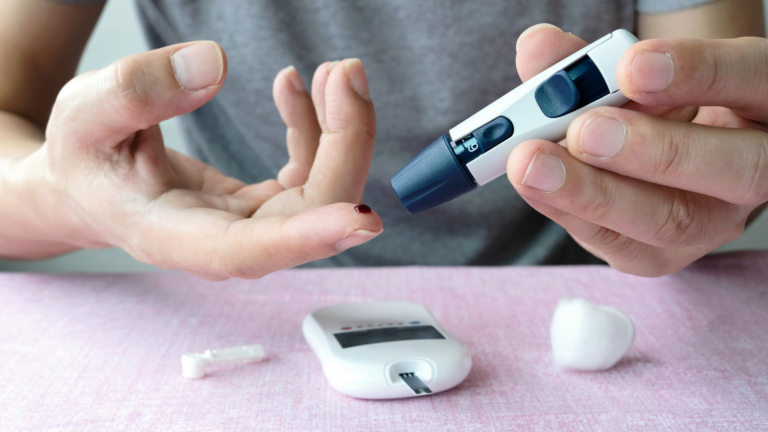
Routine home monitoring is not necessary for everyone. A clinician can advise whether it would add useful information based on your laboratory results, medications, symptoms, and overall risk.
Conclusion
Menopause may make glucose regulation more challenging, but it does not determine your future health. The change usually reflects an interaction between hormones, abdominal fat, muscle, sleep, activity, genetics, and previous health history.
The most useful next step is to review your risk factors and recent laboratory results rather than relying on symptoms alone. Balanced meals, resistance exercise, regular movement, sleep support, and appropriate testing provide a realistic place to begin.
Medical Disclaimer: The information provided in this article is for educational purposes only and does not constitute medical advice. Always consult a qualified healthcare provider before making changes to your diet, lifestyle, or treatment plan. TheMetabolicHub.com does not replace professional medical guidance.
References
- National Institute on Aging. What Is Menopause?
- Ambikairajah A, Walsh E, Tabatabaei-Jafari H, Cherbuin N. Fat mass changes during menopause: a meta-analysis. Am J Obstet Gynecol. 2019. PMID: 31034807
- Slopien R, Wender-Ozegowska E, Rogowicz-Frontczak A, et al. Menopause and diabetes: EMAS clinical guide. Maturitas. 2018. PMID: 30314563
- National Institute of Diabetes and Digestive and Kidney Diseases. Recommended Tests for Identifying Prediabetes
- National Institute of Diabetes and Digestive and Kidney Diseases. The A1C Test and Diabetes
- Office of Disease Prevention and Health Promotion. Physical Activity Guidelines for Americans
- Diabetes Prevention Program Research Group. Reduction in the incidence of type 2 diabetes with lifestyle intervention or metformin. N Engl J Med. 2002. PMID: 11832527
- The North American Menopause Society Advisory Panel. The 2022 hormone therapy position statement. Menopause. 2022. PMID: 35797481