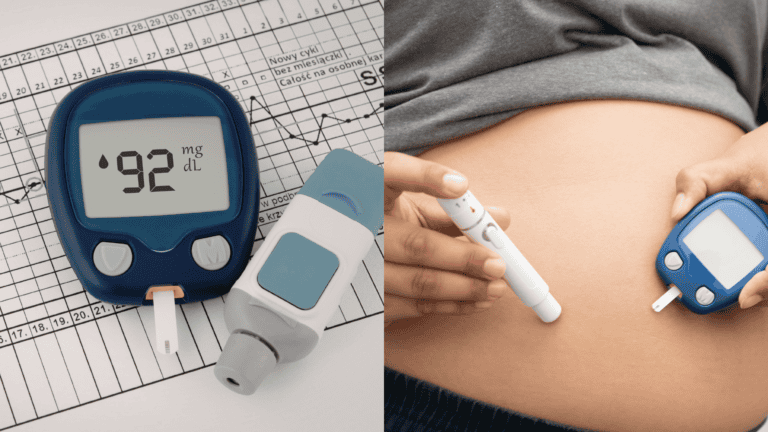
Why Normal-Weight Women Can Still Have Insulin Resistance

Your clothes fit as usual, your weight has barely changed, and no one has ever suggested that your metabolism needs attention. That can make an unexpected glucose result, persistent energy slump, or PCOS diagnosis feel especially confusing.
Insulin resistance in thin women is possible because body size is only one part of metabolic health. Genetics, visceral fat, muscle activity, sleep, hormonal conditions, medications, and fat distribution can matter even when body mass index falls within the “normal” range.
Key Takeaway: A normal weight does not guarantee normal insulin sensitivity, and symptoms alone cannot confirm a problem. Risk factors and standard blood tests provide a safer starting point than appearance or online insulin-resistance quizzes.
Can Insulin Resistance in Thin Women Really Happen?
Yes. Insulin resistance means muscle, fat, and liver cells do not respond to insulin as efficiently, so the pancreas may release more insulin to manage glucose. It commonly develops without obvious symptoms and is not diagnosed by looking at someone.[1]
Higher body fat and a larger waist can raise risk, but they are not requirements. Research describes a “metabolically unhealthy normal-weight” pattern in which blood pressure, lipids, glucose regulation, inflammation, or insulin sensitivity are less favorable despite a normal BMI.[3], [4]
This is not a personal failure, and it does not mean a thin body is secretly unhealthy. It means BMI is a screening measure, not a complete metabolic assessment.
Why a Normal Weight Can Miss Metabolic Risk
BMI compares weight with height, but it cannot show where fat is stored, how much muscle you have, or how well your tissues respond to insulin. Two people with the same BMI can have different amounts of visceral fat and muscle.
Visceral fat sits around internal organs and is more strongly associated with insulin resistance than fat stored around the hips and legs. A systematic review found that visceral fat had the strongest correlation with insulin resistance among the fat depots examined, although observational evidence cannot prove cause by itself.[5]

Muscle also matters because it is a major site for glucose disposal after meals. Low activity, prolonged sitting, illness, or loss of muscle can reduce this useful glucose sink without causing a dramatic change on the scale.
One thing worth pushing back on here: the answer is not to scrutinize every thin body for hidden fat. The useful lesson is that appearance should neither guarantee reassurance nor trigger a diagnosis; personal history and validated testing deserve more weight.
Risk Factors That Matter More Than Appearance
The National Institute of Diabetes and Digestive and Kidney Diseases lists family history, age, physical inactivity, smoking, sleep apnea, PCOS, previous gestational diabetes, and certain long-term medicines among factors associated with insulin resistance or prediabetes.[1]
Family history and ancestry
A first-degree relative with type 2 diabetes can increase risk even when your current weight is stable. The American Diabetes Association also recognizes higher-risk ancestry when deciding who may benefit from earlier screening.[2]
Risk is not destiny. It is information that can help you and your clinician choose an appropriate screening schedule.
PCOS and previous gestational diabetes
PCOS is closely linked with insulin resistance, including in some women who are not overweight. If this applies to you, the guide to PCOS and insulin resistance explains why weight alone can be misleading.
A history of gestational diabetes also matters after pregnancy. ADA guidance recommends ongoing diabetes screening every one to three years after gestational diabetes, based on individual circumstances.[2]
Sleep, movement, and medication
Short or disrupted sleep, sleep apnea, and low physical activity can contribute to an unfavorable metabolic pattern. If rest has become inconsistent, understanding the connection between sleep and insulin sensitivity can help you choose a realistic first step.
Glucocorticoids, some antipsychotic medicines, and some HIV medicines can affect glucose regulation. Never stop or alter medication on your own; ask the prescribing clinician whether monitoring is appropriate.[1], [2]
Signs, Screening, and Testing
Insulin resistance and prediabetes often have no symptoms. Fatigue, cravings, brain fog, or feeling shaky between meals are nonspecific and can have many explanations, so they cannot confirm insulin resistance.[1]
Some clues deserve a broader conversation: PCOS, sleep apnea, a family history of diabetes, previous gestational diabetes, high triglycerides, low HDL cholesterol, high blood pressure, or metabolic fatty liver. Acanthosis nigricans—dark, thickened skin often found on the neck or underarms—can also be associated with insulin resistance.
| Test | What it reflects | Important limitation |
|---|---|---|
| A1C | Estimated average glucose over roughly two to three months | Some blood conditions, pregnancy, kidney disease, and other factors can affect interpretation |
| Fasting plasma glucose | Glucose after an overnight fast | A single result can vary and does not directly measure insulin sensitivity |
| Oral glucose tolerance test | How glucose changes after a measured glucose drink | Requires preparation and clinical interpretation |
| Fasting insulin or HOMA-IR | An indirect estimate sometimes used to explore insulin resistance | Not standardized as a routine diagnostic test for insulin resistance |
ADA diagnostic guidance uses A1C, fasting plasma glucose, or a two-hour oral glucose tolerance test to identify prediabetes and diabetes. These tests measure glycemia, not insulin resistance directly, and an abnormal result usually needs confirmation unless symptoms and glucose are unequivocal.[2]
NIDDK notes that direct insulin-resistance testing is used mainly in research. Fasting insulin and HOMA-IR may add context in selected situations, but laboratory methods and cutoffs vary, so one online threshold should not be treated as a universal diagnosis.[1]
Prepare for an appointment: Bring your family history, pregnancy history, medication list, recent blood pressure, lipid results, and any glucose tests. Ask which findings matter together rather than requesting a diagnosis from one insulin value.
Practical Next Steps Without Chasing Weight Loss
If your weight is already appropriate for you, aggressive weight loss is not the default solution. The goal is to support muscle, sleep, food quality, and cardiovascular health while using clinical results to guide any individualized plan.
- Request risk-based screening. Adults should generally begin diabetes screening by age 35, and earlier testing may be considered when risk factors are present. Your clinician can decide which test and interval fit your history.[2]
- Build regular movement into the week. Combine aerobic activity with resistance exercise when it is safe for you. Starting with two brief strength sessions and several walks can be more workable than an all-or-nothing plan.
- Structure meals instead of banning carbohydrates. Pair quality carbohydrate foods with protein, fiber-rich plants, and unsaturated fats. This supports overall diet quality without turning every meal into a glucose-control experiment.
- Protect sleep and investigate persistent snoring. A consistent sleep window is useful, while loud snoring, gasping, or marked daytime sleepiness deserves medical discussion because sleep apnea is a recognized risk factor.
- Track health markers, not just body weight. Blood pressure, lipids, glucose, strength, activity tolerance, sleep quality, and menstrual or PCOS-related symptoms can provide more relevant feedback.

Choose one or two actions for the next two to four weeks, then review what was actually sustainable. Lifestyle changes can support metabolic health, but subjective improvements in energy or hunger do not replace follow-up blood tests.
If results are abnormal, your clinician may repeat testing, review medications, or assess related conditions. Treatment should be based on the whole clinical picture rather than a normal-weight label or a single symptom.
Frequently Asked Questions
How do I know whether I have insulin resistance in thin women?
You cannot diagnose it from body shape or symptoms. Discuss your risk factors and standard glucose testing with a healthcare professional; specialized insulin-resistance measures are not routinely used for diagnosis.[1], [2]
Can my A1C be normal while insulin is high?
It is biologically possible for the pancreas to release more insulin while glucose remains within the reference range. However, fasting insulin varies by assay and context, so it should not be interpreted alone or through a universal online cutoff.
Does a small waist rule out insulin resistance?
No single waist measurement can rule it out. Waist size can add information about central adiposity, but family history, PCOS, gestational diabetes, sleep apnea, medications, blood pressure, lipids, and glucose results also matter.
Should a normal-weight person try to lose weight?
Not automatically. If you are already at an appropriate weight, focus may be better placed on strength, activity, sleep, food quality, and medical follow-up; individualized advice is especially important if weight loss could lead to undernutrition.
Can strength training help if I am already thin?
Resistance exercise can support muscle function and glucose use regardless of a person’s weight. Begin at an appropriate level and seek professional guidance if you have an injury, medical condition, pregnancy, or little exercise experience.
Conclusion
Normal weight is useful information, but it is not a metabolic guarantee. Insulin sensitivity reflects a wider picture that includes fat distribution, muscle activity, genetics, sleep, hormonal conditions, medication, and life history.
If you have relevant risk factors or an unexpected result, ask for evidence-based screening rather than assuming that appearance settles the question. A calm review of your history, validated tests, and sustainable habits is the most useful next step.
Medical Disclaimer: This article is for educational purposes only and is not a substitute for individualized medical advice, diagnosis, or treatment. Speak with a qualified healthcare professional if you have a medical condition, take medication, are pregnant, or have persistent or concerning symptoms. Seek urgent medical care for severe or rapidly worsening symptoms.
References
- National Institute of Diabetes and Digestive and Kidney Diseases. Insulin Resistance & Prediabetes. NIDDK overview
- American Diabetes Association Professional Practice Committee. Diagnosis and Classification of Diabetes: Standards of Care in Diabetes—2026. Diabetes Care guideline
- Stefan N. Metabolically Healthy and Unhealthy Normal Weight and Obesity. Endocrinology and Metabolism. 2020. PMID: 32814419
- Zhang L, Vella A, Nair KS, Jensen MD. Characteristics of Normal Weight Insulin-Resistant Adults with Unfavorable Health Outcomes. Metabolic Syndrome and Related Disorders. 2024. PMID: 38227797
- Zhang M et al. Associations of Different Adipose Tissue Depots with Insulin Resistance: A Systematic Review and Meta-analysis of Observational Studies. Scientific Reports. 2015. Full text at PubMed Central