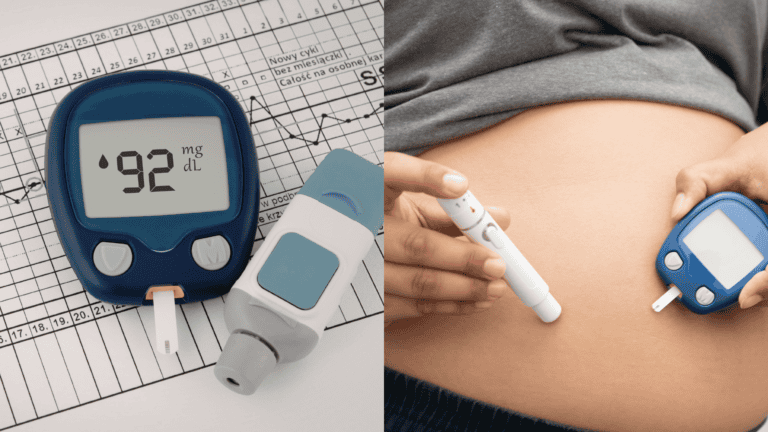
What Happens to Your Body When You Improve Insulin Sensitivity

You eat a reasonable meal, and two hours later you’re exhausted, foggy, and reaching for something sweet — even though you just ate. That cycle isn’t random, and it isn’t about willpower.
For many adults, it reflects a gradual decline in how well cells respond to insulin. The medical term is insulin resistance — and it tends to develop quietly over years before it shows up on a lab report.
The encouraging part: when you take consistent steps to improve insulin sensitivity, that cycle can change. Energy stabilizes. Cravings become more predictable. Blood sugar stops swinging as sharply after meals. These shifts often begin earlier than people expect — and they’re measurable.
A 10–15 minute walk taken within 30 minutes after your largest meal may reduce post-meal blood sugar more effectively than the same walk taken at other times of day. Research suggests the post-meal window is when muscle glucose uptake is most useful — no gym required.
What Actually Happens When You Improve Insulin Sensitivity
Insulin is a signaling hormone. After a meal, it tells cells — primarily in muscle tissue and the liver — to absorb glucose from the bloodstream. When that signal is received efficiently, blood sugar rises after eating and returns to baseline within a normal range.
When sensitivity is impaired, cells respond sluggishly. The pancreas compensates by producing more insulin to achieve the same effect. Over time, this compensation strains the system — fasting insulin creeps up, blood sugar stays elevated longer, and the risk of progression toward prediabetes increases.
The issue is not just how much glucose enters the bloodstream, but how long it stays there. Improving insulin sensitivity reduces that exposure time — and the downstream effects are noticeable before any lab value formally shifts.
| What Changes | What You May Notice |
|---|---|
| Post-meal blood sugar | Smaller spikes, faster return to baseline |
| Energy levels | Less pronounced afternoon crash, more consistent focus |
| Hunger patterns | Fewer intense cravings in the hours after meals |
| Pancreatic load | Less insulin required to manage the same glucose load |
How Insulin Resistance Develops in the First Place
Insulin resistance rarely appears overnight. It tends to accumulate gradually — often over years — which is why many people are caught off guard when a doctor first raises it. It is not a personal failure. It is a metabolic pattern that develops in response to a combination of factors, most of which are modifiable.
A well-supported mechanism involves fat accumulating inside cells that are not designed to store it — particularly in liver and skeletal muscle tissue. This ectopic lipid accumulation interferes with insulin signaling at the cellular level, impairing the glucose uptake cascade even when insulin levels are adequate.[1]
Insulin resistance is often less about one large mistake and more about a repeated metabolic pattern: consistent overnutrition — particularly from ultra-processed foods — combined with low physical activity, disrupted sleep, and chronic stress creates conditions where this accumulation progresses steadily.
Genetic predisposition plays a role, as does age — metabolic changes become more common after 35. But neither factor determines the outcome. The same interventions that reduce ectopic fat and increase muscle glucose uptake are effective across age groups and risk profiles.
What Can Actually Help
Two mechanisms have the strongest and most consistent evidence: reducing excess liver fat, and increasing the capacity of muscle tissue to absorb glucose. Most effective lifestyle interventions work through one or both of these pathways.
Dietary fat quality is another lever worth considering. Research suggests that omega-3 fatty acids and insulin sensitivity are meaningfully connected — EPA and DHA from oily fish may help reduce the chronic inflammation associated with impaired insulin signaling.
For most people with early MASLD, the root issue is insulin resistance, not just caloric excess. Learning how to recognize the signs of liver problems in non drinkers — and understanding the metabolic connection — can be a useful next step alongside dietary changes.
Reducing Liver Fat
Excess fat in the liver is a primary driver of hepatic insulin resistance. Research suggests that a moderate, sustained reduction in total energy intake — particularly from refined carbohydrates and ultra-processed foods — can begin to reduce liver fat meaningfully over weeks to months.
This does not require aggressive caloric restriction. Consistent dietary improvement, rather than short-term dieting, is what the evidence supports for lasting change.
Increasing Muscle Glucose Uptake
Skeletal muscle accounts for the majority of insulin-mediated glucose disposal in the body. Regular physical activity — both aerobic and resistance-based — enhances this uptake through pathways that are at least partly independent of insulin signaling.[2] This is one reason exercise remains one of the most effective single interventions available.
What to Expect — and When
Early functional improvements — more stable energy, reduced post-meal crashes, less intense cravings — are often reported within the first one to two weeks of consistent dietary and movement changes. These precede measurable shifts in fasting biomarkers.
Clinically meaningful improvements in fasting glucose and insulin sensitivity markers are typically observed over 8–12 weeks of sustained lifestyle change. The Diabetes Prevention Program found that losing approximately 5–7% of starting body weight was associated with a significant reduction in diabetes risk in high-risk adults — a target that, for most people, is achievable within several months of consistent effort.[3]
The goal is not a dramatic intervention. It is a consistent directional shift that allows the metabolic system to recalibrate.
Food Choices That Support Better Blood Sugar
Dietary pattern has a direct and well-documented impact on post-meal glucose response. The most effective approach is not primarily about restriction — it is about composition: what is on the plate, and in what proportion.
Replacing ultra-processed carbohydrates — refined grains, sugary beverages, packaged snacks — with whole food alternatives reduces the speed and magnitude of glucose entry into the bloodstream. Fiber slows gastric emptying and glucose absorption; protein and fat blunt the glycemic response of a mixed meal.
Foods With Strong Supporting Evidence
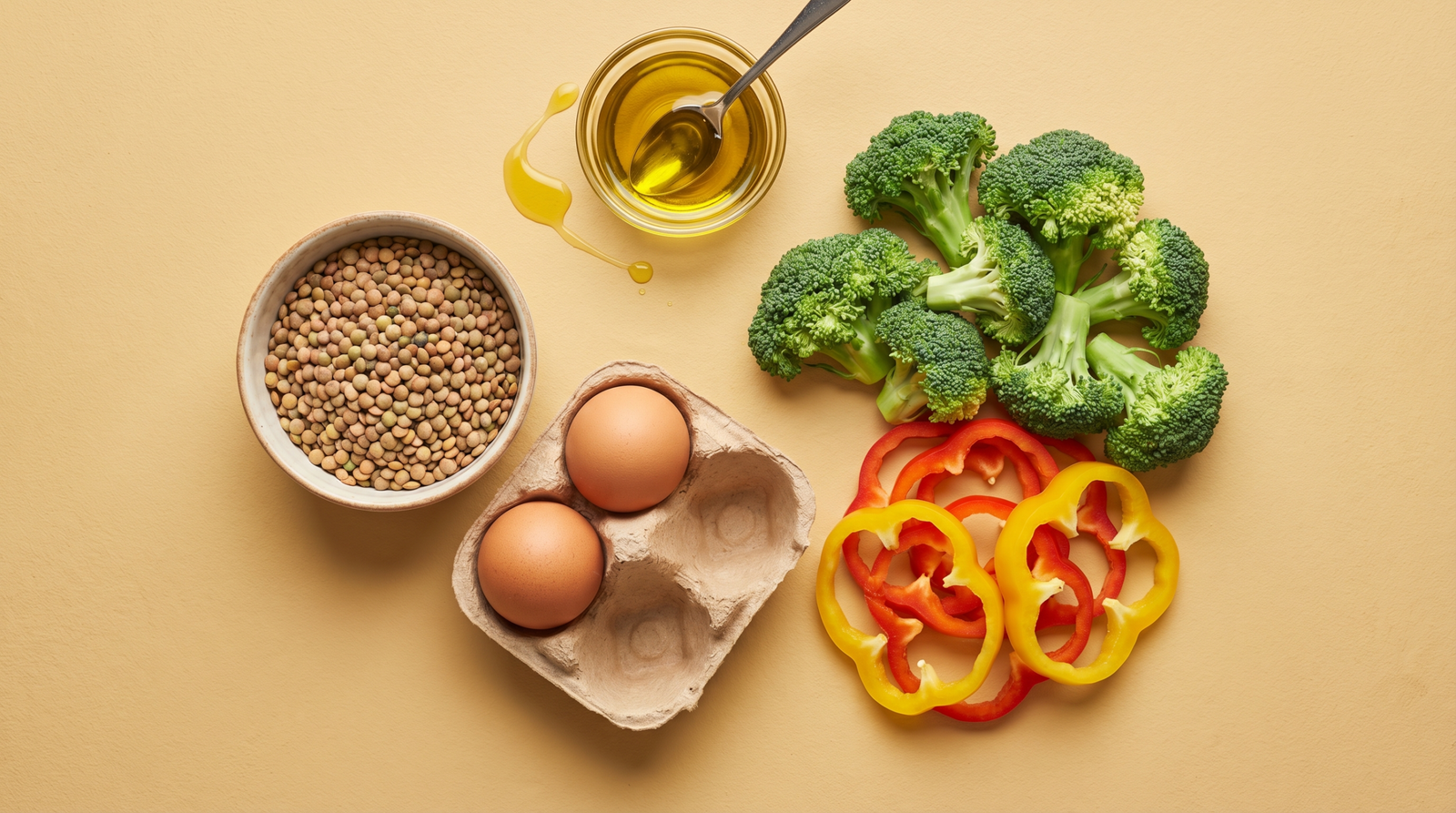
- Non-starchy vegetables — leafy greens, broccoli, peppers, zucchini — minimal glycemic impact, high fiber and micronutrient density
- Legumes — lentils, black beans, chickpeas — low glycemic index, combined protein and fiber content supports gradual glucose release
- Whole grains — oats, quinoa, barley — intact fiber structure slows digestion and attenuates post-meal spikes compared to refined alternatives
- Quality proteins — eggs, Greek yogurt, cottage cheese, fish — support satiety and may reduce the glycemic impact of concurrent carbohydrates
- Healthy fats — avocado, nuts, olive oil — reduce the overall glycemic response of a meal when consumed alongside carbohydrates
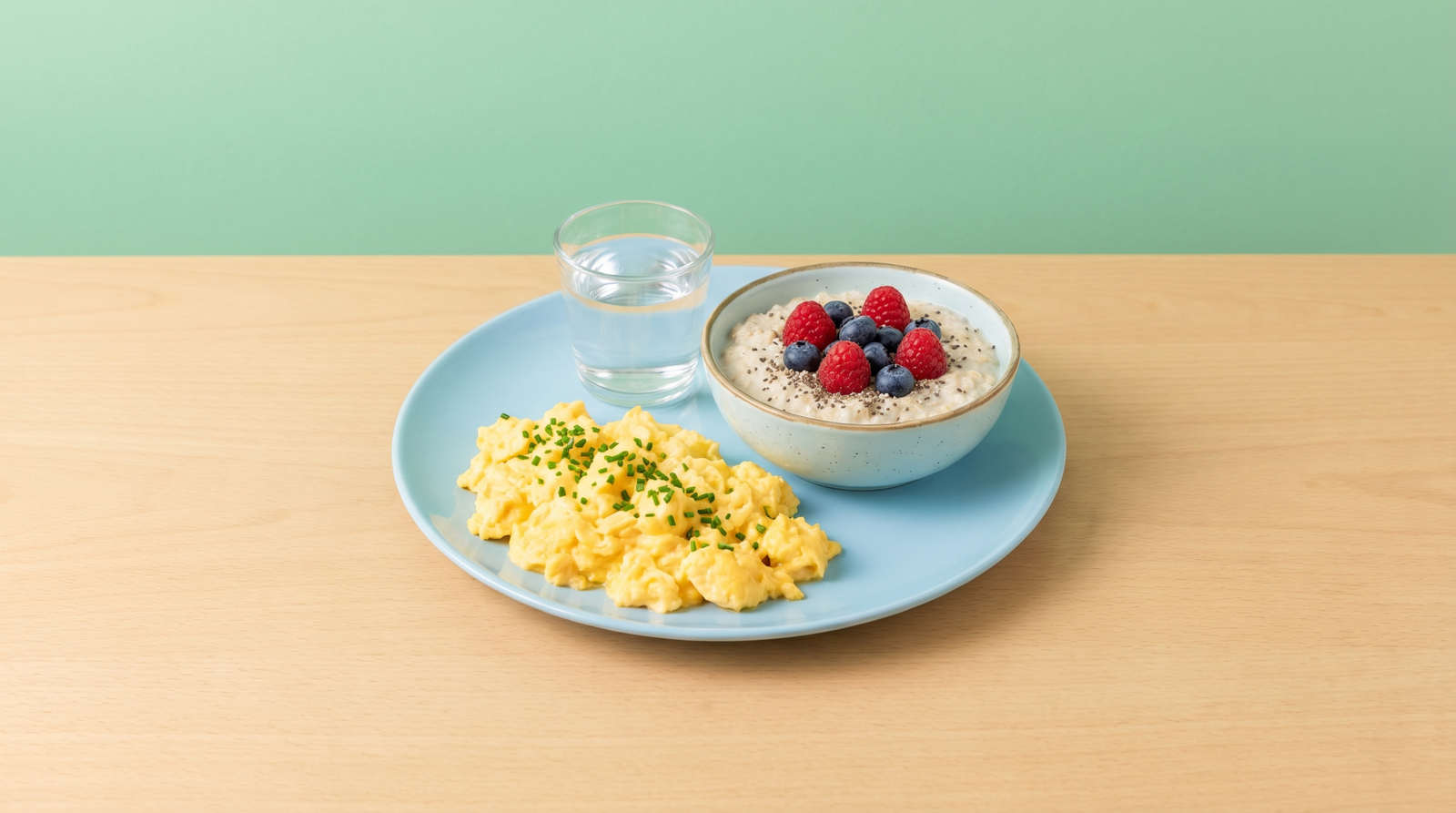
Including a protein source at breakfast is associated with improved post-meal glucose control in the hours that follow. The mechanism involves slower gastric emptying and a more moderate insulin response — though individual variation is significant and context matters.
Movement: More Targeted Than Most People Think
The standard recommendation — 150 minutes of moderate-intensity activity per week — is well-supported and worth meeting. But it describes volume, not specificity. Emerging research suggests that the timing and type of movement also influence the metabolic outcome.
One thing worth pushing back on here: the assumption that movement produces the same metabolic effect regardless of when it occurs. The evidence does not fully support this.
Post-meal walking has been shown to produce a more favorable postprandial glucose response compared to prolonged sitting, even in short bouts of 10–15 minutes.[4] The likely mechanism: during the post-meal window, glucose is actively entering circulation — making muscle uptake at that moment particularly effective at reducing the overall glucose excursion. This does not make fasted morning exercise less valuable for other outcomes, but it does suggest that timing adds a layer that general recommendations tend to overlook.
Aerobic vs. Resistance Training
Both modalities improve insulin sensitivity, through partly different pathways. Aerobic activity enhances acute glucose uptake during and after each session. Resistance training builds skeletal muscle mass over time, increasing the body’s total glucose storage and disposal capacity on an ongoing basis.
The American Diabetes Association recommends combining both, with resistance training at least 2–3 times per week for people managing insulin resistance or prediabetes.[5] Bodyweight exercises — squats, lunges, push-ups — are sufficient to generate an adaptive stimulus, particularly for those new to structured training.
Putting It Together
Improving insulin sensitivity is not a single intervention — it is the cumulative effect of several consistent changes: a dietary pattern that reduces hepatic fat accumulation, regular movement that increases muscle glucose capacity, and lifestyle habits that reduce hormonal interference from poor sleep and chronic stress.
None of these require an overhaul. What the evidence consistently shows is that modest, sustained changes — particularly in food quality and daily movement — are enough to shift the trajectory meaningfully. The biology responds to direction, not perfection.
If fatigue, post-meal energy crashes, or weight gain around the midsection have been persistent without a clear explanation, improving insulin sensitivity is a logical and well-supported place to start. You can also explore how long meaningful improvements in insulin resistance typically take — and which markers are worth tracking along the way.
Frequently Asked Questions
What happens to your body when you improve insulin sensitivity?
How long does it take to improve insulin sensitivity?
What foods help improve insulin sensitivity?
Does exercise improve insulin sensitivity?
References
- Shulman GI. Ectopic fat in insulin resistance, dyslipidemia, and cardiometabolic disease. N Engl J Med. 2014. PMID: 25295501
- Bird SR, Hawley JA. Update on the effects of physical activity on insulin sensitivity in humans. BMJ Open Sport Exerc Med. 2017. PMC: PMC5569266
- Knowler WC et al. Reduction in the incidence of type 2 diabetes with lifestyle intervention or metformin. N Engl J Med. 2002. PMC: PMC2770158
- Buffey AJ et al. The Acute Effects of Interrupting Prolonged Sitting Time in Adults with Standing and Light-Intensity Walking on Biomarkers of Cardiometabolic Health. Sports Med. 2022. PMID: 35115009
- American Diabetes Association. Physical Activity/Exercise and Diabetes. diabetes.org