How to Test for Insulin Resistance at Home (Beyond Fasting Glucose)
Feeling sleepy after meals or hungry again too soon can be frustrating, especially when fasting glucose looks “normal.” The encouraging news: a home test for insulin resistance can help you spot patterns worth discussing with a qualified healthcare provider.
What a home test for insulin resistance can—and cannot—tell you
You can track useful insulin-resistance clues at home, but you cannot confirm or rule out insulin resistance with a home device alone. A diagnosis requires clinical context, medical history, and lab testing.
A home test for insulin resistance works best as a calm pattern check. It can show how meals, sleep, stress, movement, waist size, and blood pressure fit together over 7 to 14 days.
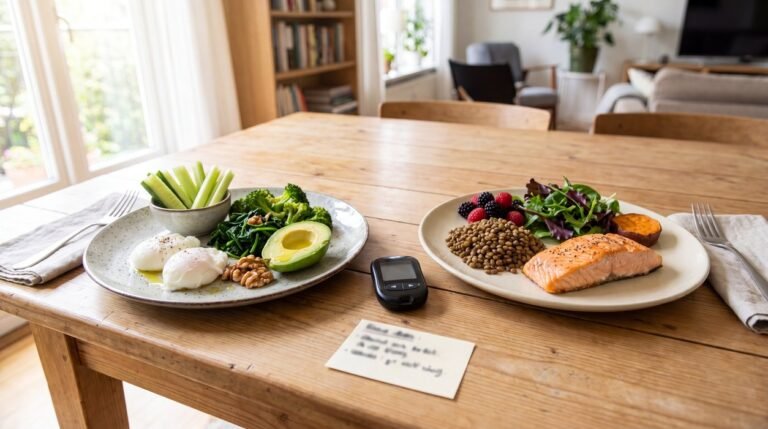
Quick Win: For the next 7 days, take a 10-minute easy walk after your largest carbohydrate-containing meal and note energy, hunger, and post-meal sleepiness.
Key Takeaways
- At-home tracking can reveal patterns, but it is not a medical diagnosis.
- Fasting glucose can look normal while insulin demand is already higher.
- Post-meal glucose, waist measurement, blood pressure, and symptoms are more useful together than alone.
- Lab tests such as A1C, fasting insulin, lipids, and OGTT can complete the picture.
- Home data is most helpful when it leads to better questions, not self-blame.
Which Home Clues Are Worth Tracking?
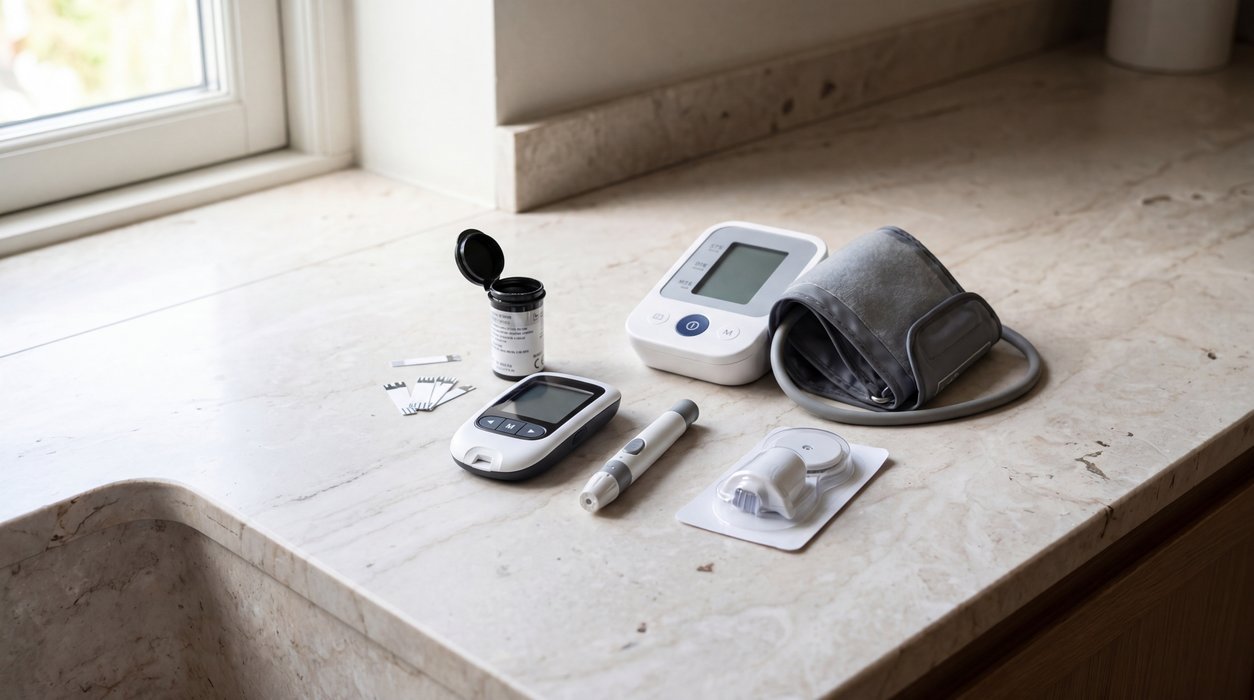
A useful home test for insulin resistance is not one reading. It is a small set of clues tracked consistently enough to show a pattern.
The goal is not to label yourself. The goal is to bring clearer information to a healthcare visit, especially if fasting glucose has not explained your symptoms.
| Home Clue | What It May Show | Important Limit |
|---|---|---|
| Post-meal glucose | How your body handles specific meals | Glucose response is not the same as insulin response |
| Waist measurement | Possible central fat accumulation linked with metabolic risk | Body shape varies and does not diagnose insulin resistance |
| Blood pressure | A cardiometabolic marker that can cluster with insulin resistance | Technique, stress, caffeine, and timing can affect readings |
| Energy and hunger log | Meals that leave you sleepy, foggy, or hungry quickly | Symptoms are nonspecific and can have many causes |
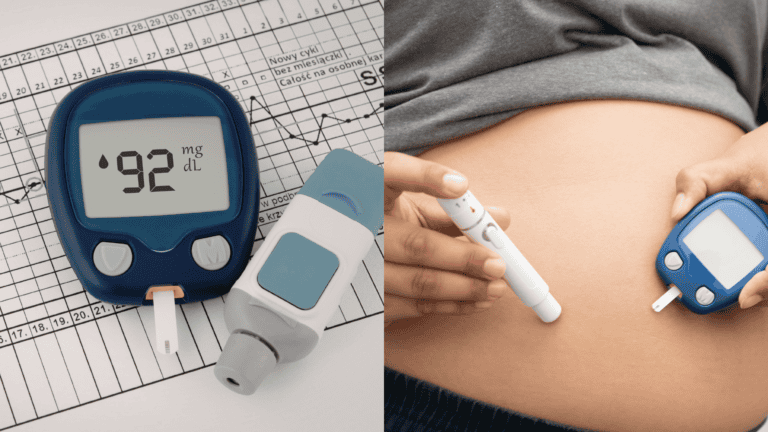
A glucose meter can be useful before and 1 to 2 hours after a typical meal. A continuous glucose monitor may show more detail, but it measures interstitial glucose trends rather than insulin itself.[4]
Skin changes can also be worth noticing. Darker, thicker, velvety patches in skin folds may fit acanthosis nigricans, although only a clinician can interpret what is causing them.[5]
Why Fasting Glucose Can Miss Early Patterns
Fasting glucose is helpful, but it is only one snapshot. In early insulin resistance, the body may produce more insulin to keep fasting glucose in range.
That is why some people feel stuck when fasting glucose looks “fine,” but waist size, triglycerides, cravings, blood pressure, or post-meal fatigue suggest something is changing.
A1C adds another layer because it reflects longer-term glucose exposure. It can still hide spikes and dips because averages do not show the full daily pattern.[2]
Fasting insulin and HOMA-IR may add context when ordered and interpreted by a healthcare professional. For a deeper comparison, see this guide to fasting insulin and fasting glucose before your next lab conversation.[3]
One thing worth pushing back on here: a normal body weight or normal fasting glucose result can be reassuring, but neither proves insulin sensitivity is ideal. The practical takeaway is simple: bring the pattern, not just one number, to your appointment.
How to use a home test for insulin resistance without overreacting
A simple home test for insulin resistance should reduce confusion, not create food anxiety. Choose a few markers, track them consistently, and look for repeated patterns.
This is not a personal failure. Many people only discover these patterns after seeing how meals, sleep, stress, and movement interact in real life.
- Day 1: Measure waist circumference and take two relaxed home blood pressure readings.
- Day 2: Track energy and hunger for 3 hours after your usual breakfast.
- Day 3: Take a 10-minute walk after your largest meal and note how you feel.
- Day 4: If you use a glucose meter, check before and 1 to 2 hours after one typical meal.
- Day 5: Repeat that meal with more protein, vegetables, or fiber and compare the pattern.
- Day 6: Review sleep, stress, alcohol, menstrual cycle phase, and sedentary time as possible influencers.
- Day 7: Summarize patterns and write three questions for your healthcare provider.

Early signs of progress often include steadier energy, fewer intense cravings, less post-meal sleepiness, or smaller glucose rises after similar meals. Lab changes usually take longer and should be interpreted professionally.
Research suggests even brief post-meal walking may support a healthier post-meal glucose response. That makes it one of the simplest behaviors to test during a home tracking week.[8]
Which Lab Tests Complete the Picture?
Home tracking can point you toward better questions, but lab work often provides the missing context. The right tests depend on symptoms, medications, age, pregnancy status, family history, and risk factors.
Common options include fasting glucose, A1C, fasting insulin, triglycerides, HDL cholesterol, liver enzymes, and sometimes an oral glucose tolerance test. These should be chosen and interpreted with a qualified healthcare provider.[2]
| Test | What It Adds | Why It Matters Beyond Fasting Glucose |
|---|---|---|
| A1C | Longer-term glucose exposure | May show trends missed by one fasting reading |
| Fasting insulin | Possible insulin demand while fasting | Glucose can look normal while insulin output is higher |
| Triglycerides and HDL | Cardiometabolic lipid pattern | These markers can cluster with insulin resistance |
| OGTT | Response to a standardized glucose challenge | May reveal impaired glucose tolerance after intake |
Triglycerides, HDL cholesterol, waist size, blood pressure, and glucose markers are also part of the broader metabolic syndrome picture. This does not diagnose insulin resistance, but it helps frame risk more completely.[6]
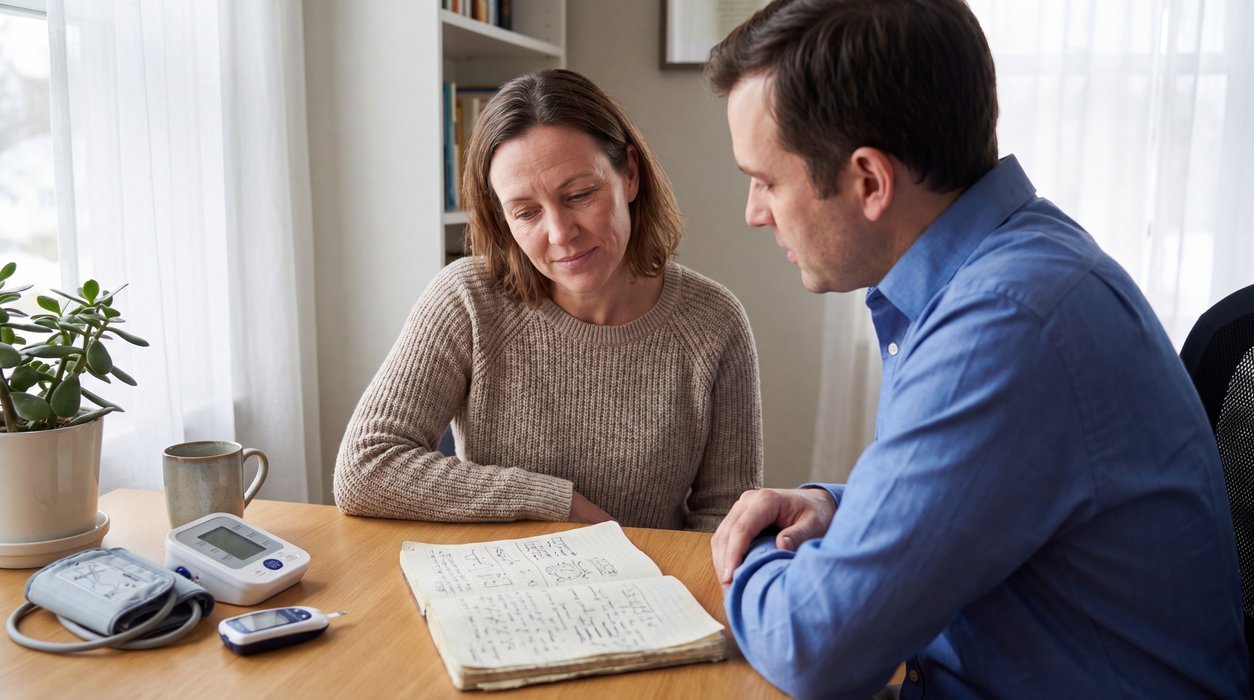
If you feel unsure what to say, use your 7-day notes to prepare for an insulin-resistance visit. A concise pattern log is often more helpful than a long list of disconnected numbers.
When Should You Ask for Medical Help?
Ask about testing sooner if you have prediabetes, PCOS, fatty liver concerns, high blood pressure, high triglycerides, low HDL cholesterol, or a family history of type 2 diabetes.[1]
Seek prompt medical care for excessive thirst, frequent urination, unexplained weight loss, blurred vision, fainting, pregnancy, or very high glucose readings. Home tracking should never delay care.
Regular movement, resistance training, walking, higher-fiber meals, adequate protein, and sleep consistency may support insulin sensitivity over time. These habits work best when they are realistic enough to repeat.[7]
Conclusion
A home test for insulin resistance is really a structured way to notice patterns. It can help you see what fasting glucose may miss, but it should not become a self-diagnosis tool.
Track calmly, look for repeated signals, and bring your notes to a qualified healthcare provider. The most useful data is practical, consistent, and connected to next steps you can actually sustain.
Frequently Asked Questions
What is the best home test for insulin resistance?
The best home test for insulin resistance is usually a combination of patterns, not one device. Useful clues include post-meal glucose response, waist measurement, blood pressure, symptoms, sleep, and movement. None of these can diagnose insulin resistance alone. A clinician can help decide whether fasting insulin, A1C, lipids, or an OGTT makes sense.
Can fasting glucose be normal with insulin resistance?
Yes, fasting glucose can be normal in some people with reduced insulin sensitivity. The body may compensate by producing more insulin to keep fasting glucose in range. This is one reason fasting insulin, post-meal patterns, waist measurement, blood pressure, and lipids may add context. Normal fasting glucose is useful, but it is not the whole metabolic picture.
Is a CGM useful if I do not have diabetes?
A CGM may be educational for some adults because it shows glucose trends after meals, overnight, and around exercise. It does not measure insulin directly and should not be used to diagnose insulin resistance. Some people also find constant glucose data stressful. If you use one, focus on repeated patterns rather than isolated numbers.
When should I ask a doctor about insulin resistance testing?
It is worth asking if you have prediabetes, PCOS, fatty liver concerns, high blood pressure, high triglycerides, low HDL cholesterol, increasing waist measurement, or a family history of type 2 diabetes. You should also ask if post-meal readings are repeatedly higher than expected. Seek prompt care for excessive thirst, frequent urination, unexplained weight loss, blurred vision, pregnancy, or very high readings.
Medical Disclaimer: The information provided in this article is for educational purposes only and does not constitute medical advice. Always consult a qualified healthcare provider before making changes to your diet, lifestyle, or treatment plan. TheMetabolicHub.com does not replace professional medical guidance.
References
- National Institute of Diabetes and Digestive and Kidney Diseases. Insulin Resistance & Prediabetes. NIDDK
- American Diabetes Association Professional Practice Committee. 2. Diagnosis and Classification of Diabetes: Standards of Care in Diabetes—2026. Diabetes Care. 2026;49(Suppl 1):S27-S49. PMID: 41358893
- Matthews DR, Hosker JP, Rudenski AS, Naylor BA, Treacher DF, Turner RC. Homeostasis model assessment: insulin resistance and beta-cell function from fasting plasma glucose and insulin concentrations in man. Diabetologia. 1985;28(7):412-419. PMID: 3899825
- Reddy N, Verma N, Dungan K. Monitoring Technologies: Continuous Glucose Monitoring, Mobile Technology, Biomarkers, and Digital Health. Endotext. 2023. NCBI Bookshelf
- MedlinePlus Medical Encyclopedia. Acanthosis nigricans. MedlinePlus
- Alberti KGMM, Eckel RH, Grundy SM, et al. Harmonizing the metabolic syndrome. Circulation. 2009;120(16):1640-1645. PMID: 19805654
- Colberg SR, Sigal RJ, Yardley JE, et al. Physical Activity/Exercise and Diabetes: A Position Statement of the American Diabetes Association. Diabetes Care. 2016;39(11):2065-2079. PMID: 27926890
- Bellini A, Nicolò A, Bazzucchi I, Sacchetti M. The Effects of Postprandial Walking on the Glucose Response after Meals with Different Characteristics. Nutrients. 2022;14(5):1080. PMID: 35268055