
Can You Have Insulin Resistance With a Normal A1C?

Insulin resistance with normal A1C is possible, even when your average blood glucose remains below the prediabetes range. Persistent hunger, post-meal fatigue, increasing waist size, or unexplained energy crashes can still justify a closer look, although these experiences have many possible causes.
A1C measures average glucose exposure rather than the amount of insulin required to maintain it. Understanding that distinction can help you discuss appropriate testing and next steps with your healthcare provider without relying on one laboratory value alone.
Quick Win: If movement is safe for you, try a comfortable 10- to 15-minute walk after one meal today. Systematic-review evidence suggests that activity started soon after eating may reduce the immediate post-meal glucose rise.[5]
Insulin Resistance With Normal A1C: How Is It Possible?
Yes. Insulin resistance with a normal A1C is possible, particularly when the pancreas is still able to produce enough insulin to keep average glucose below the prediabetes range.
A1C reflects glucose exposure rather than the amount of insulin required to control glucose. A normal result is useful, but it cannot confirm by itself that insulin sensitivity is optimal.
This does not mean that everyone with fatigue, hunger, or abdominal weight gain has insulin resistance. It means that symptoms, medical history, physical findings, and other laboratory results may deserve consideration when concern remains.

Key Takeaways
- A1C estimates average glucose exposure; it does not measure insulin directly.
- The pancreas may initially release more insulin to compensate for reduced insulin sensitivity.
- Fasting glucose and A1C may remain within standard ranges during this compensated stage.
- No single routine test or universal cutoff diagnoses insulin resistance in every person.
- An oral glucose tolerance test may reveal abnormal glucose handling that is not apparent from A1C alone.
- Regular movement, resistance training, adequate sleep, and balanced meals may support insulin sensitivity.
What Does an A1C Test Actually Measure?
A1C measures the proportion of hemoglobin with glucose attached to it. Because red blood cells circulate for several months, the result estimates average glucose exposure over approximately the previous two to three months.[2]
Under standard U.S. criteria, an A1C below 5.7% is categorized as normal. A result from 5.7% to 6.4% is in the prediabetes range, while 6.5% or higher may meet a diabetes criterion when diagnostic requirements are satisfied.[1]
A1C is convenient because it does not require fasting. However, it cannot show how much insulin was needed to produce that average or fully describe glucose rises after individual meals.
| Measurement | What It May Show | Important Limitation |
|---|---|---|
| A1C | Estimated average glucose exposure over two to three months | Does not measure insulin and may not reveal short-term glucose variation |
| Fasting plasma glucose | Glucose after an overnight fast | Represents one point in time and may remain normal during compensation |
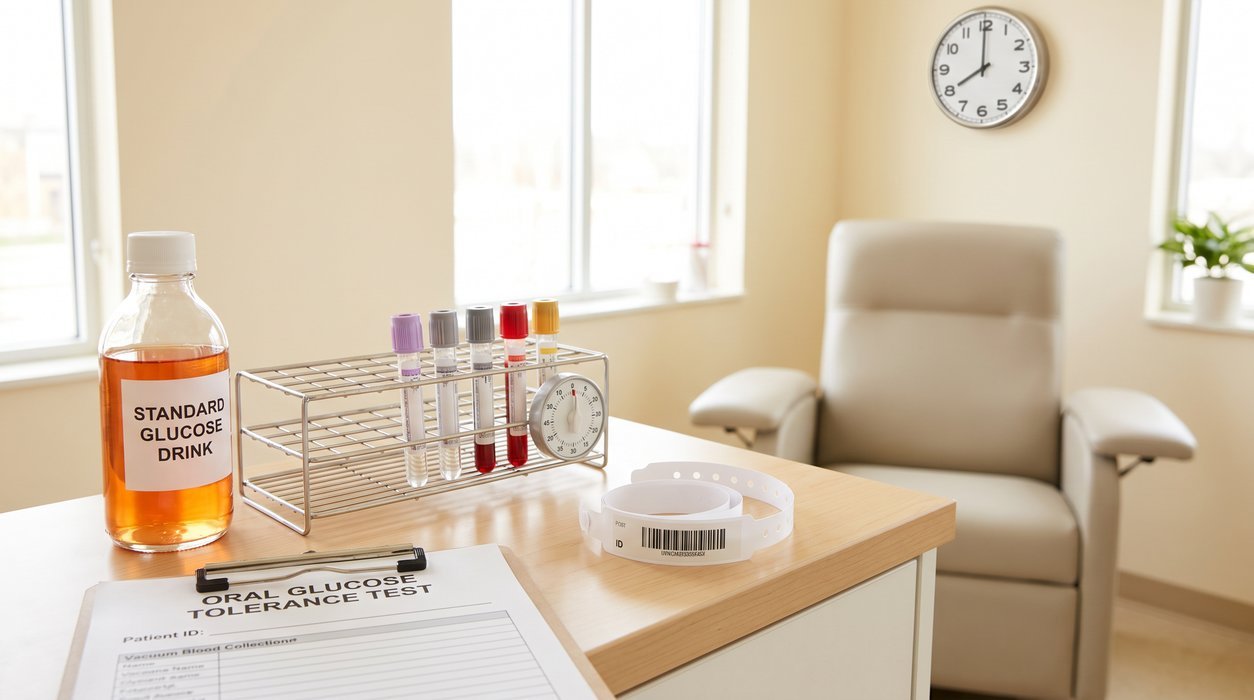
| Two-hour oral glucose tolerance test | How glucose is handled after a standardized 75-g glucose drink | Requires fasting, repeated sampling, and a longer appointment |
| Fasting insulin | The amount of insulin circulating after an overnight fast | Assays and reference ranges vary, with no universal diagnostic cutoff |
| HOMA-IR | An estimate calculated from fasting insulin and fasting glucose | An indirect estimate rather than a definitive individual diagnosis |
When A1C may be less reliable
A1C interpretation becomes more complicated when a condition changes red blood cell lifespan or affects hemoglobin. Recent blood loss, transfusion, iron-deficiency anemia, kidney disease, and some hemoglobin variants can alter the result.[2]
The direction of the effect is not the same in every condition or with every testing method. A provider may compare A1C with direct glucose measurements when the result appears inconsistent with symptoms or other clinical information.
How Can Blood Glucose Remain Normal During Insulin Resistance?
Insulin helps muscle and fat cells take up glucose and signals the liver to reduce glucose production. When these tissues respond less effectively, the pancreas may release more insulin to maintain glucose control.
Mechanism in brief: Reduced tissue response to insulin can lead to greater pancreatic insulin output, which may keep glucose controlled temporarily despite higher insulin demand.
This response is often described as compensatory hyperinsulinemia. It may preserve normal fasting and average glucose until pancreatic beta cells can no longer fully compensate for the reduced response to insulin.[3]
The pattern varies between people. Genetics, visceral fat, muscle mass, activity, sleep, medications, hormonal conditions, age, and beta-cell function can all influence how glucose regulation changes over time.
One thing worth pushing back on here: normal glucose is sometimes treated as proof that glucose regulation requires little effort. In reality, glucose may remain normal because insulin output has increased, although that possibility cannot be confirmed from A1C alone.
This distinction should not make every normal result seem suspicious. It explains why A1C and insulin sensitivity are related but not interchangeable concepts.
Which Clues May Deserve Attention Before A1C Rises?
Early insulin resistance frequently causes no obvious symptoms. Many experiences attributed to it are nonspecific and may instead reflect sleep loss, anemia, thyroid disease, stress, medication effects, depression, or another condition.
Findings that may justify a broader evaluation include:
- Increasing waist circumference or a change in abdominal fat distribution
- Elevated triglycerides or low HDL cholesterol
- High blood pressure
- Darkened, thickened skin in body folds, known as acanthosis nigricans
- Polycystic ovary syndrome
- A previous diagnosis of gestational diabetes
- Fatty liver disease or persistently elevated liver enzymes
- A strong family history of type 2 diabetes
- Sleep apnea or persistent severe sleep disruption
Post-meal sleepiness, intense hunger, cravings, and difficulty concentrating may also occur. However, none of these experiences can establish that insulin resistance is present.
This uncertainty can be frustrating, particularly when you feel unwell despite being told that a test is normal. This is not a personal failure, and it is reasonable to ask how the result fits with your complete health picture.
Which Additional Tests May Provide More Context?
Clinical guidelines recognize A1C, fasting plasma glucose, and the two-hour oral glucose tolerance test as different ways to assess abnormal glucose regulation. Because they evaluate glycemia differently, they do not always identify the same people.[1]
Fasting plasma glucose
Fasting plasma glucose measures blood glucose after at least eight hours without caloric intake. It is widely available but represents one moment rather than the response to meals throughout the day.
Oral glucose tolerance test
An oral glucose tolerance test measures fasting glucose and the response to a standardized glucose drink. The two-hour result may identify impaired glucose tolerance even when A1C or fasting glucose is below a diagnostic threshold.
Fasting insulin and HOMA-IR
Some clinicians use fasting insulin to add context when insulin resistance is suspected. HOMA-IR combines fasting glucose and insulin in a mathematical estimate.
These measures are not equivalent to the established glucose tests used to diagnose prediabetes or diabetes. Insulin assays differ between laboratories, and there is no universally accepted fasting-insulin or HOMA-IR cutoff for diagnosing every individual.[4]
Other cardiometabolic markers
Triglycerides, HDL cholesterol, blood pressure, waist circumference, and liver enzymes may reveal a broader metabolic pattern. A clinician may also evaluate thyroid disease, sleep apnea, polycystic ovary syndrome, medications, or other relevant conditions.
A useful question for your provider: “My A1C is normal, but do my history and other markers suggest that fasting glucose, an oral glucose tolerance test, lipids, blood pressure, or another evaluation would be useful?”
For a practical overview of measurements that can and cannot be checked outside a clinic, see how to assess insulin-resistance clues beyond fasting glucose.
What Can Contribute to Insulin Resistance?
Insulin resistance rarely has one cause. It usually reflects interactions among inherited susceptibility, body-fat distribution, muscle activity, sleep, medications, hormonal conditions, health history, and environmental factors.
- Low levels of regular physical activity
- Reduced muscle mass or limited muscle use
- Higher levels of visceral fat around abdominal organs
- Chronic sleep restriction or untreated sleep apnea
- Frequent intake of highly refined, low-fiber foods
- Smoking or high alcohol intake
- Some glucocorticoids, antipsychotics, and other medications
- Polycystic ovary syndrome and certain endocrine disorders
- Family history and genetic susceptibility
Body weight alone does not determine insulin sensitivity. People across the weight spectrum may develop insulin resistance, although visceral fat is an important risk factor.
Sleep is more than a lifestyle footnote. A systematic review of controlled sleep-manipulation trials found that sleep restriction and disruption can adversely affect measures of insulin sensitivity.[6]
For a deeper explanation, see how sleep and insulin regulation are connected.
How Can You Support Insulin Sensitivity?
The most useful approach is usually a repeatable routine rather than an extreme reset. Recommendations should account for medications, pregnancy, eating-disorder history, disability, cardiovascular risk, and other health conditions.
Use your muscles regularly
Muscle contractions increase glucose uptake through pathways that are partly independent of insulin. Both aerobic activity and resistance training may support glucose handling and insulin sensitivity.
Adults who can exercise safely might begin with two short strength sessions per week. Bodyweight exercises, resistance bands, machines, or free weights can all be adapted to experience and ability.
Try movement after meals
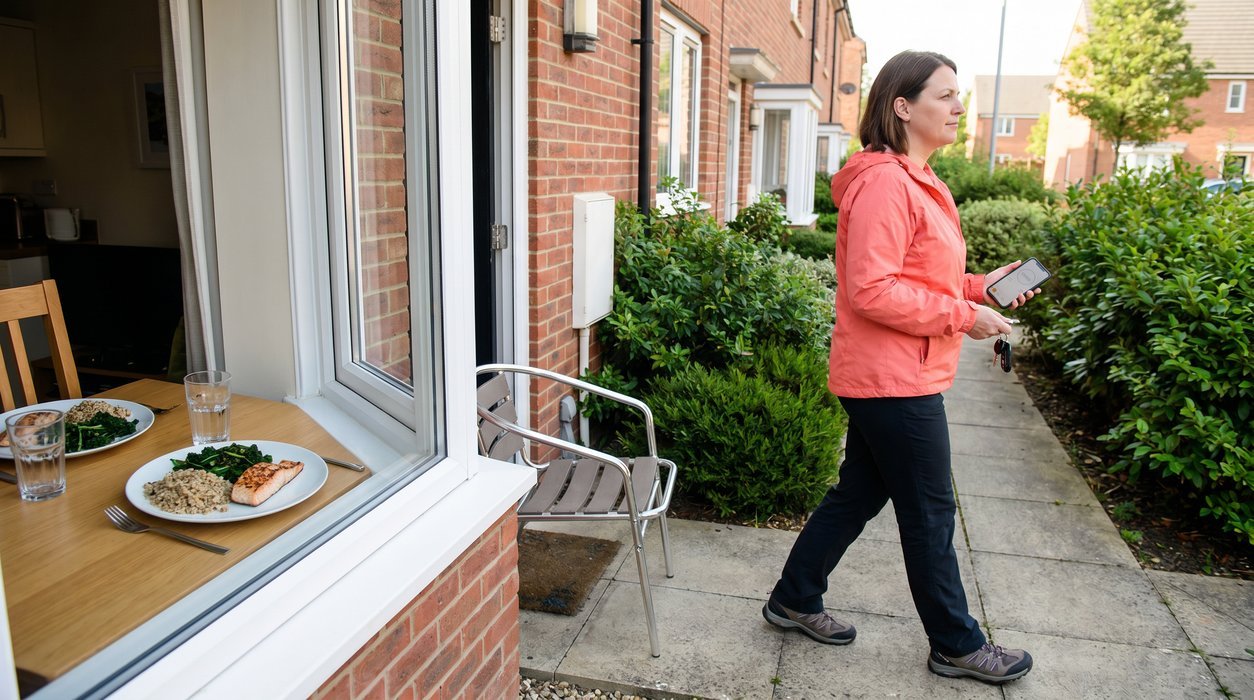
Walking shortly after eating gives working muscles an immediate demand for fuel. A systematic review found that post-meal activity generally produced a greater acute glucose benefit when it began soon after the meal.[5]
Start with 10 to 15 minutes after one meal at a comfortable pace. People using insulin or glucose-lowering medication should discuss exercise and hypoglycemia precautions with their healthcare team.
Build balanced, satisfying meals
Pair carbohydrate-rich foods with protein, fiber, and unsaturated fat. Examples include lentils with vegetables and olive oil, plain yogurt with berries and seeds, or chicken or tofu with roasted vegetables and a whole grain.
Carbohydrates do not need to be eliminated. Portion size, fiber content, processing, meal composition, preferences, and individual tolerance often matter more than applying one rigid rule to every food.
Protect sleep consistency
Aim for a stable sleep opportunity and similar waking times on most days. Persistent snoring, choking during sleep, morning headaches, or marked daytime sleepiness deserve medical evaluation.
Reduce prolonged sitting
Break up long seated periods with a few minutes of standing or movement every 30 to 60 minutes when practical. These breaks complement rather than replace structured physical activity.
When Might Metabolic Changes Become Noticeable?
Some effects of movement occur during the activity because contracting muscles begin using more glucose. A walk after a meal can therefore affect that specific post-meal period before longer-term fitness changes occur.
Some people notice changes in energy, appetite consistency, sleep, or exercise tolerance over several weeks. These experiences may be encouraging, but symptoms cannot confirm that insulin resistance has improved.
Changes in fitness, waist circumference, blood pressure, triglycerides, or insulin-related markers generally require consistent habits over weeks or months. The timeframe depends on the starting point, intervention, medications, and underlying health conditions.
A1C changes more slowly because it represents a longer period of glucose exposure. When A1C was already normal, it may change little even if fitness or another metabolic marker improves.
A Practical Seven-Day Starting Plan
- Choose one post-meal walk. Walk comfortably for 10 to 15 minutes after the meal that is easiest to repeat.
- Add protein and fiber to breakfast. Use familiar foods rather than rebuilding your entire diet.
- Interrupt sitting. Stand, stretch, or move for two to five minutes at least once per hour when possible.
- Complete two short strength sessions. Choose movements appropriate for your ability and health status.
- Keep waking time consistent. A regular morning schedule may make sleep timing easier to stabilize.
- Record patterns, not perfection. Note meal timing, unusual hunger, energy crashes, movement, and sleep quality.
- Prepare for a clinical conversation. List family history, medications, pregnancy history, prior results, and questions about additional testing.
The goal is not to complete a flawless metabolic-health week. It is to find two or three actions that remain realistic when work, caregiving, travel, pain, or fatigue make the week less predictable.
When Should You Speak With a Healthcare Provider?
Arrange a medical evaluation when symptoms persist, risk factors accumulate, or laboratory results do not appear to fit the wider clinical picture. A provider can determine whether the concern is metabolic or has another cause.
Prompt assessment is particularly important for excessive thirst, frequent urination, unexplained weight loss, blurred vision, recurrent infections, pregnancy, or symptoms of very high or low blood glucose.
Do not start prolonged fasting, extreme carbohydrate restriction, or glucose-lowering supplements solely because you suspect insulin resistance. These approaches may be inappropriate for people who are pregnant, have an eating-disorder history, use glucose-lowering medication, or live with certain kidney, liver, or other medical conditions.
Conclusion
Insulin resistance with a normal A1C can occur when the pancreas is still producing enough insulin to maintain average glucose. A1C remains valuable, but it is not a direct measurement of insulin sensitivity.
Look at the broader pattern rather than chasing one ideal number. Medical history, glucose testing, lipids, blood pressure, waist changes, sleep, movement, medications, and clinical examination may all provide useful context.
Small, repeatable habits can begin immediately, while testing decisions should remain individualized. The goal is not to prove a diagnosis yourself, but to make the next healthcare conversation more informed.
Frequently Asked Questions
Can you have insulin resistance with a normal A1C?
Yes. Insulin resistance with a normal A1C can occur when the pancreas releases enough additional insulin to maintain average glucose. A1C does not reveal how much insulin was required to achieve the result. However, a normal A1C alone is not evidence that insulin resistance is present.
Does normal fasting glucose rule out insulin resistance?
No. Fasting glucose can remain normal during a compensated stage and represents only one point in time. A clinician may consider an oral glucose tolerance test, metabolic risk factors, or other findings when concern remains.
What A1C level is considered normal?
Under standard U.S. criteria, an A1C below 5.7% is categorized as normal. Values from 5.7% to 6.4% are in the prediabetes range. An A1C of 6.5% or higher may meet a diabetes criterion when diagnostic requirements are satisfied.
Can fasting insulin diagnose insulin resistance?
Fasting insulin may provide context when interpreted with glucose and other clinical findings. However, laboratory methods vary and there is no universally accepted cutoff that diagnoses insulin resistance in every individual. It should not be interpreted as a stand-alone answer.
Can insulin sensitivity improve without a lower A1C?
Yes. When A1C is already normal, improvements in activity, fitness, sleep, or other metabolic markers may occur without a meaningful reduction in A1C. The most appropriate measures of progress depend on the individual and should be chosen with a healthcare provider.
Medical Disclaimer: The information provided in this article is for educational purposes only and does not constitute medical advice. Always consult a qualified healthcare provider before making changes to your diet, lifestyle, or treatment plan. TheMetabolicHub.com does not replace professional medical guidance.
References
- American Diabetes Association Professional Practice Committee. Diagnosis and Classification of Diabetes: Standards of Care in Diabetes—2026. Diabetes Care. 2026;49(Suppl 1):S27–S49. ADA Standards of Care
- National Institute of Diabetes and Digestive and Kidney Diseases. The A1C Test & Diabetes. NIDDK
- Freeman AM, Acevedo LA, Pennings N. Insulin Resistance. StatPearls. PMID: 29939616
- Muniyappa R, Lee S, Chen H, Quon MJ. Current Approaches for Assessing Insulin Sensitivity and Resistance in Vivo: Advantages, Limitations, and Appropriate Usage. American Journal of Physiology-Endocrinology and Metabolism. 2008;294(1):E15–E26. PMID: 17957034
- Engeroff T, et al. After Dinner Rest a While, After Supper Walk a Mile? A Systematic Review With Meta-analysis on the Acute Postprandial Glycemic Response to Exercise Before and After Meal Ingestion. Sports Medicine. 2023;53:849–869. PMID: 36715875
- Sondrup N, et al. Effects of Sleep Manipulation on Markers of Insulin Sensitivity: A Systematic Review and Meta-analysis of Randomized Controlled Trials. Sleep Medicine Reviews. 2022;62:101594. PMID: 35189549