20 Foods That Help Support Steadier Blood Sugar
A meal can look nutritious and still leave you hungry, foggy, or searching for something sweet soon afterward. This may not be random, and it is not a personal failure.
The encouraging news is that foods that help support steadier blood sugar are usually familiar, affordable ingredients. The most useful choices provide fiber, protein, unsaturated fat, water, or minimally processed carbohydrate that can make meals more satisfying and slow the overall pace of digestion.
Quick Win: Keep the carbohydrate already on your plate and add one fiber-rich food plus one protein source. Try berries and Greek yogurt with oats, or beans and vegetables with rice.
Key Takeaways:
- No single food can keep blood sugar steady by itself.
- Fiber-rich carbohydrates usually work best alongside protein, vegetables, or unsaturated fat.
- Portion size, medication, sleep, activity, stress, and individual response still matter.
- Start by improving one repeatable meal rather than changing everything at once.
20 Foods That Help Support Steadier Blood Sugar
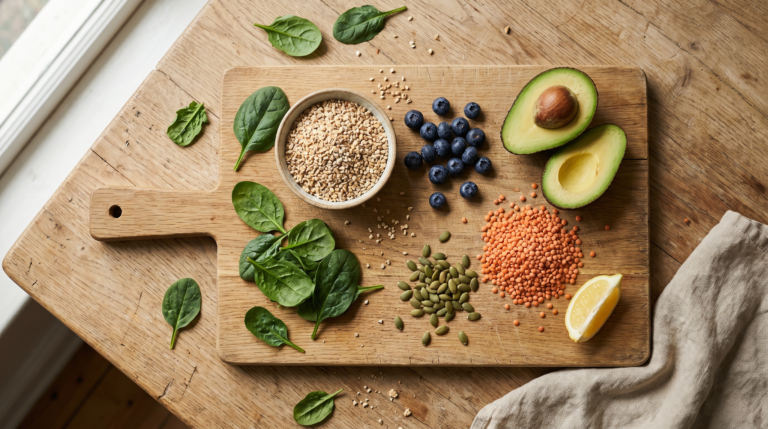
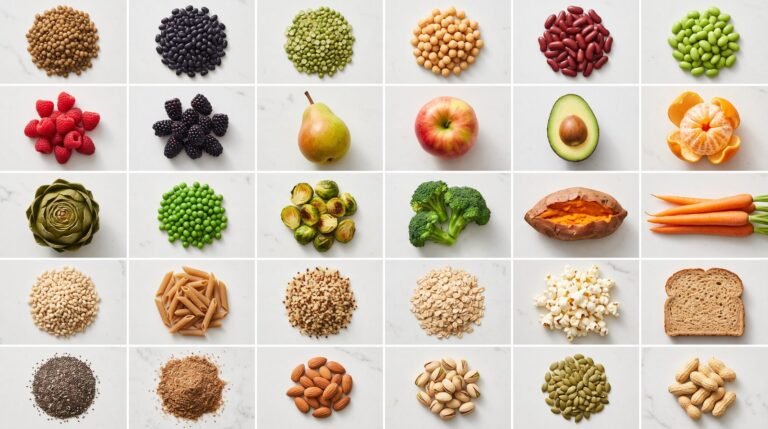
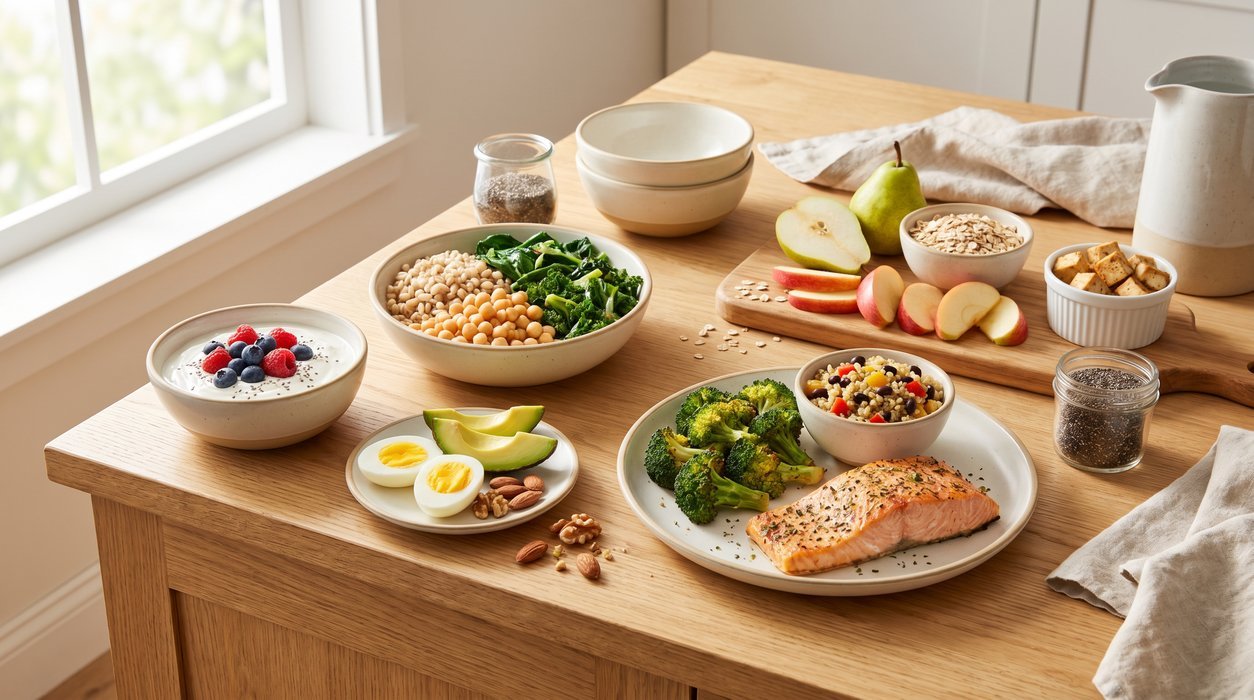
Useful choices include non-starchy vegetables, legumes, intact grains, whole fruit, protein-rich foods, nuts, seeds, and avocado. These foods do not prevent every glucose rise, but they can make meals more filling and help carbohydrate-containing foods digest more gradually.
The foods that help support steadier blood sugar work best as parts of complete meals rather than isolated additions. Portion size, medication, sleep, exercise, stress, illness, and individual insulin sensitivity can still change the response.
| Food | What It Contributes | Practical Way to Use It |
|---|---|---|
| 1. Broccoli | Fiber and volume with relatively little digestible carbohydrate | Roast it or add it to a stir-fry |
| 2. Leafy greens | Fiber, micronutrients, and meal volume | Add spinach, kale, or chard to eggs, soups, and bowls |
| 3. Bell peppers | Crunch, fiber, vitamin C, and natural sweetness | Serve sliced peppers with hummus |
| 4. Lentils | Plant protein, fiber, and slowly digested starch | Use in soups, curries, salads, or bowls |
| 5. Chickpeas | Fiber and plant protein | Add to salads or blend into hummus |
| 6. Black beans | Fiber, resistant starch, and protein | Pair with vegetables, salsa, and avocado |
| 7. Rolled or steel-cut oats | Beta-glucan soluble fiber | Top with berries, chia seeds, and plain yogurt |
| 8. Barley | Beta-glucan fiber and an intact, chewy structure | Use in soup or instead of a refined grain |
| 9. Quinoa | Carbohydrate, fiber, and some protein | Combine with roasted vegetables and tofu or fish |
| 10. Berries | Fiber, water, and natural sweetness | Add fresh or frozen berries to yogurt |
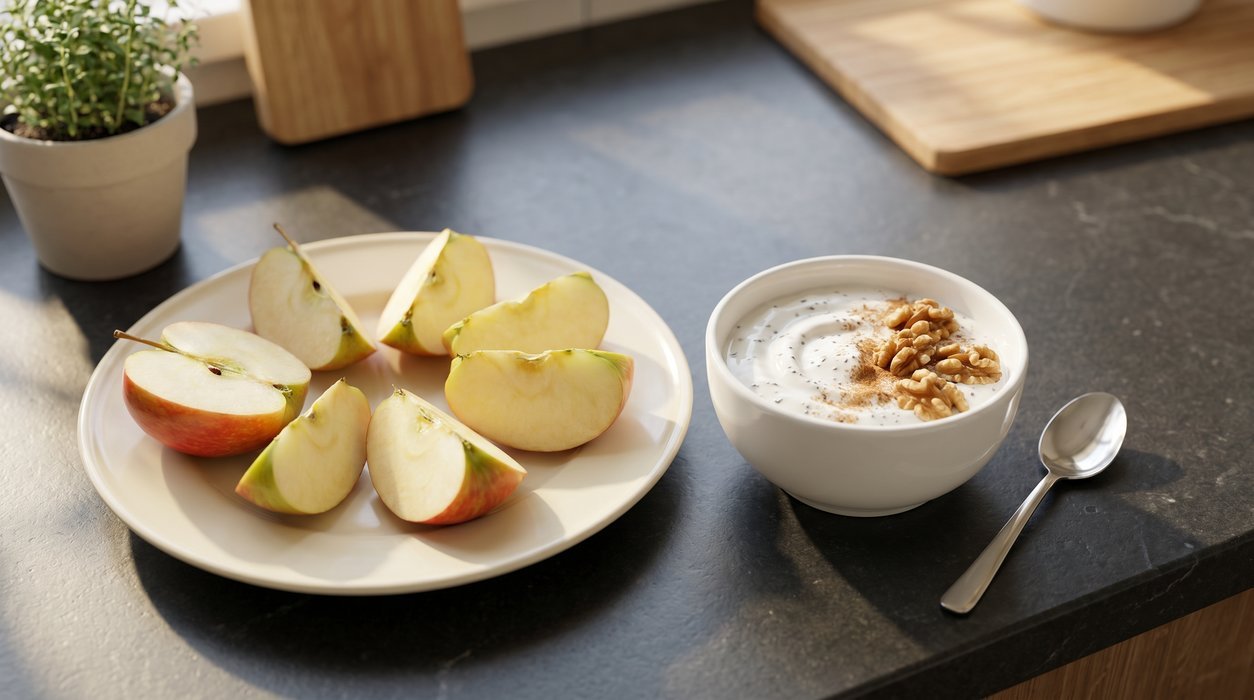
| 11. Apples | Whole-fruit fiber and a firm texture that requires chewing | Pair apple slices with peanut butter |
| 12. Pears | Fiber, especially when eaten with the skin | Serve with walnuts or cottage cheese |
| 13. Plain Greek yogurt | Protein with no added sugar when plain | Add berries, cinnamon, and walnuts |
| 14. Eggs | Protein with minimal carbohydrate | Serve with vegetables and whole-grain toast |
| 15. Salmon | Protein and unsaturated omega-3 fats | Pair with broccoli and lentils or barley |
| 16. Tofu | Plant protein with relatively little carbohydrate | Bake or stir-fry with mixed vegetables |
| 17. Almonds | Unsaturated fat, fiber, and protein | Use a small handful in a snack |
| 18. Walnuts | Polyunsaturated fats, fiber, and plant compounds | Sprinkle over oats, yogurt, or salads |
| 19. Chia seeds | Soluble fiber and unsaturated fat | Stir into yogurt or overnight oats |
| 20. Avocado | Fiber and monounsaturated fat | Serve with beans, eggs, or whole-grain toast |
How Does Food Affect Blood Sugar?
Digestion breaks many carbohydrate-containing foods into glucose. Insulin then helps move that glucose from the bloodstream into cells for immediate energy or storage.
The speed and size of a post-meal rise depend on the amount eaten, the food’s structure, its processing, its fiber content, and the rest of the meal. Sleep, activity, stress, illness, medication, and individual physiology also influence the result.[1]
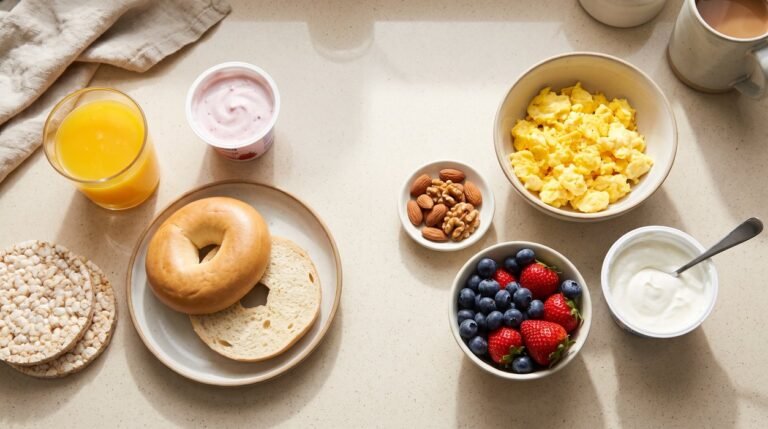
Refined carbohydrates such as sugary drinks, sweets, and many white-flour snacks are often consumed and digested quickly. Intact carbohydrate foods generally require more chewing and retain more of their original physical structure.
A whole apple and apple juice illustrate the difference. The apple retains its fiber and structure, while juice provides carbohydrate in a form that can be consumed more rapidly.
Glycemic Index Is Useful, but Incomplete
The glycemic index estimates how quickly a carbohydrate food raises glucose under standardized conditions. It does not fully account for portion size, food preparation, the complete meal, or individual response.
Food quality also matters beyond a single glucose reading. Beans, intact grains, vegetables, and fruit provide fiber and micronutrients that would be missed by evaluating food only by its carbohydrate content.
Which Non-Starchy Vegetables Are Most Useful?
1. Broccoli
Broccoli adds fiber, texture, and volume without contributing a large carbohydrate load. Roast it with olive oil and pepper, or use it in a vegetable-heavy stir-fry.
2. Leafy Greens
Spinach, kale, arugula, and Swiss chard can fill a substantial part of the plate. They are especially useful beneath more concentrated foods such as beans, grains, or fruit.
3. Bell Peppers
Bell peppers offer sweetness and crunch while remaining a non-starchy vegetable. Pairing pepper slices with hummus creates a snack containing vegetables, fiber, and plant protein.
The American Diabetes Association’s plate framework places non-starchy vegetables on half the plate, with protein and quality carbohydrate sharing the remaining half.[2]
Which Fiber-Rich Carbohydrates Can Support Blood Sugar Control?
4–6. Lentils, Chickpeas, and Black Beans
Legumes contain carbohydrate, but they also provide fiber and protein. Their intact structure can make them more filling than many refined starches.
A systematic review found that legumes may support some measures of glycemic control, although study results and interventions varied. A randomized trial also reported improved glycemic control when legumes were included in a low-glycemic eating pattern for adults with type 2 diabetes.[3][4]
7–9. Oats, Barley, and Quinoa
Oats and barley contain beta-glucan, a type of soluble fiber. Traditional rolled oats and steel-cut oats also retain more texture than many sweetened instant products.
Quinoa supplies carbohydrate, fiber, and some protein. It remains portion-dependent, but it can replace a refined grain when served with vegetables and a substantial protein source.
10–12. Berries, Apples, and Pears
Whole fruit combines carbohydrate with water, fiber, and an intact structure. Berries often provide a moderate carbohydrate portion, while apples and pears are easy to pair with nuts, yogurt, or cheese.
Ripeness, portion size, and preparation matter. Whole fruit is generally more filling than juice because it retains more fiber and requires chewing.
Overly restrictive rules can crowd out legumes, fruit, and whole grains that provide useful nutrients. Systematic-review evidence supports higher-fiber dietary patterns as part of diabetes management, although individual needs and tolerance still differ.[5]
Which Protein and Healthy Fat Sources May Help?
13–16. Greek Yogurt, Eggs, Salmon, and Tofu
Protein-rich foods can make meals more satisfying without adding much carbohydrate. Plain Greek yogurt, eggs, fish, and tofu are flexible options for breakfast, lunch, or dinner.
Plain yogurt is often easier to fit into a lower-added-sugar meal than a sweetened variety. Labels still matter because protein and carbohydrate amounts differ between products.
17–20. Almonds, Walnuts, Chia Seeds, and Avocado
Nuts, seeds, and avocado provide unsaturated fat and fiber. They can add texture and staying power to fruit, toast, oats, beans, and grain bowls.
Portions remain relevant because nuts and seeds are energy-dense. Serving them from a small bowl can make the amount easier to judge than eating directly from a large package.
Protein and fat do not erase the carbohydrate in a meal. Their practical value is that they can help create a more substantial meal or snack, which may support satisfaction and make portions easier to manage.
How Can These Foods Become Balanced Meals?
A list of ingredients becomes useful only when it turns into food that is practical and enjoyable. The Diabetes Plate offers a flexible starting point without requiring every gram to be weighed or tracked.[2]
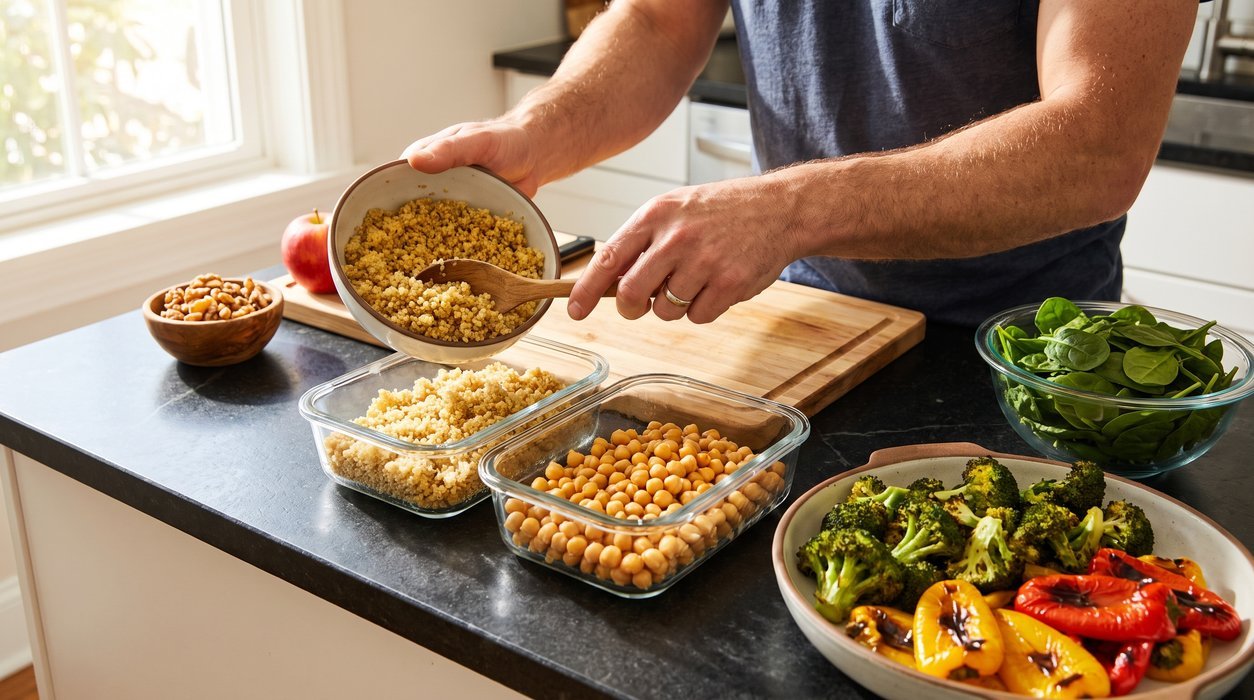
In everyday meals, foods that help support steadier blood sugar are most useful when vegetables, protein, and a measured carbohydrate portion appear together rather than being treated as separate rules.
- Fill roughly half the plate with non-starchy vegetables.
- Use about one-quarter for fish, eggs, tofu, poultry, yogurt, or another protein.
- Use the final quarter for beans, lentils, whole grains, fruit, or another quality carbohydrate.
- Add a moderate amount of avocado, nuts, seeds, or olive oil when useful.
This framework can be adjusted for appetite, culture, activity, treatment, and energy needs. Anyone using mealtime insulin may need more precise carbohydrate counting.
Balanced Meal Ideas:
- Rolled oats with Greek yogurt, chia seeds, walnuts, and berries
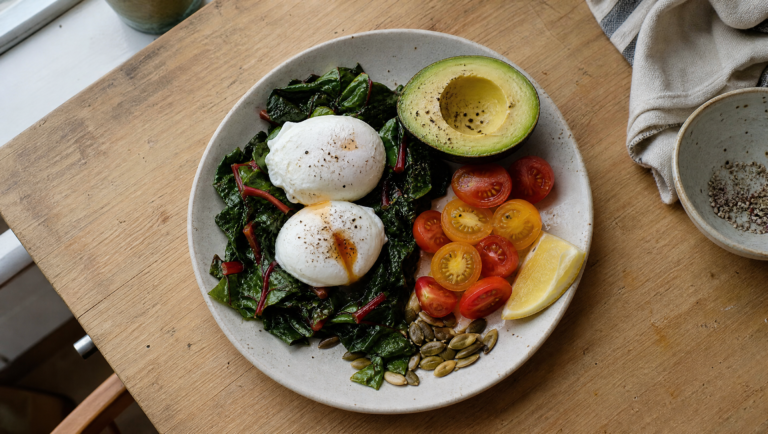
- Eggs with spinach, avocado, and whole-grain toast
- Lentil soup with a large leafy salad
- Quinoa with tofu, broccoli, peppers, and tahini-lemon dressing
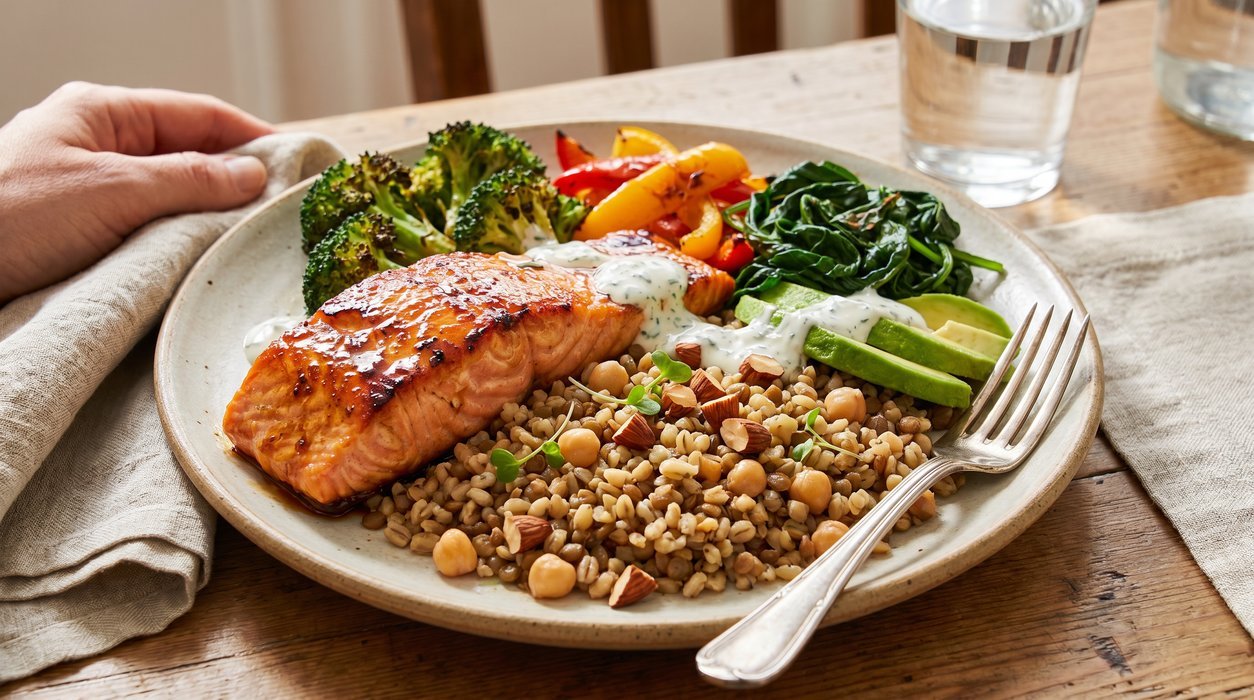
- Salmon with roasted broccoli and barley
- Black beans with peppers, greens, salsa, and avocado
A structured shopping list can make these combinations easier to repeat. The guide to healthy grocery shopping for metabolic health explains how to build a cart around vegetables, protein, fiber, and practical label checks.
Which Foods May Be Easier to Balance in Smaller Portions?
No food needs to be morally labeled as bad. Some products are simply easier to consume quickly and provide less fiber, protein, or meal satisfaction for the amount of carbohydrate they contain.
- Sugar-sweetened drinks and large servings of fruit juice
- Candy and sweets eaten without a meal
- Highly refined crackers, pastries, and white-flour snacks
- Sweetened breakfast cereals and flavored instant oats
- Flavored yogurts with substantial added sugar
- Large restaurant portions built mainly from refined starch
Frequency, serving size, and context matter. A small dessert eaten after a balanced meal is different from relying on sweets as the main response to intense hunger.
A Simple Seven-Day Plan
There is no need to buy all 20 foods at once. A small rotation is easier to shop for, prepare, and repeat.
- Choose two vegetables: Select one leafy green and one sturdy option such as broccoli or peppers.
- Choose one legume: Prepare lentils, chickpeas, or black beans. Low-sodium canned options are practical.
- Choose one intact grain: Cook oats, barley, or quinoa for several meals.
- Choose two proteins: Select options such as yogurt, eggs, salmon, or tofu.
- Choose one fruit: Keep berries, apples, or pears available.
- Choose one fat source: Use avocado, chia seeds, almonds, or walnuts.
- Build before removing: Improve meal structure before concentrating on restrictions.
What Might Change During the First Week?
Some people first notice greater meal satisfaction, more predictable hunger, or fewer urgent cravings. Glucose patterns may also become easier to interpret, although one meal is not enough to establish a reliable trend.
For seven days, note the meal, hunger, energy, cravings, and any clinician-recommended glucose readings. Look for repeated patterns rather than judging one isolated result.
What Changes Require More Time?
Fasting glucose and A1C reflect more than the effect of one week of meals. A1C provides information about average blood glucose over approximately the previous three months.[6]
Food is also only one part of the picture. Sleep, stress, physical activity, illness, medication, and meal timing can all influence glucose patterns.
Some readers may also find value in testing practical food-order and post-meal habits. These strategies should be treated as optional tools rather than rigid rules.
Medication Safety: Insulin and some glucose-lowering medicines, including sulfonylureas, can cause hypoglycemia. Anyone making substantial changes to carbohydrate intake, meal timing, or physical activity should discuss the plan with their healthcare team.[7]
Frequently Asked Questions
What Are the Best Foods That Help Support Steadier Blood Sugar?
Foods that help support steadier blood sugar include non-starchy vegetables, lentils, beans, oats, barley, berries, plain Greek yogurt, eggs, fish, tofu, nuts, seeds, and avocado. They provide fiber, protein, unsaturated fat, or an intact food structure that can make meals more satisfying. No single food controls blood sugar by itself.
Do Carbohydrates Need to Be Avoided?
No. Beans, whole grains, fruit, and dairy products contain carbohydrate while also contributing useful nutrients. The amount, processing, meal combination, medication plan, and individual response matter more than labeling all carbohydrates as harmful.
Can Protein Prevent a Glucose Spike?
No food combination can guarantee that glucose will not rise after eating. Protein can make a meal more substantial, but it does not cancel the carbohydrate in that meal. Portion size and individual response remain important.
How Quickly Can Dietary Changes Affect Blood Sugar?
A post-meal reading can differ after one meal, while dependable patterns require repeated observation. Hunger and energy may feel different within days, but A1C reflects average glucose over approximately three months. Laboratory results should be interpreted with a qualified healthcare professional.
Conclusion
Foods that help support steadier blood sugar do not need to be unusual, expensive, or carbohydrate-free. Familiar vegetables, legumes, whole fruit, intact grains, protein-rich foods, nuts, seeds, and avocado can all contribute when portions suit the individual.
Choose one meal that happens regularly and improve its structure first. Observe how it affects hunger, energy, and any clinician-recommended glucose readings, then adjust gradually rather than chasing a perfect response.
Medical Disclaimer: The information provided in this article is for educational purposes only and does not constitute medical advice. Always consult a qualified healthcare provider before making changes to your diet, lifestyle, or treatment plan. TheMetabolicHub.com does not replace professional medical guidance.
References
- American Diabetes Association Professional Practice Committee. Facilitating Positive Health Behaviors and Well-being to Improve Health Outcomes: Standards of Care in Diabetes—2026. Diabetes Care. 2026;49(Suppl 1):S89–S125. View source
- American Diabetes Association. Eating Well and the Diabetes Plate. View source
- Bielefeld D, et al. The Effects of Legume Consumption on Markers of Glycaemic Control in Individuals With and Without Diabetes Mellitus: A Systematic Literature Review of Randomised Controlled Trials. Nutrients. 2020;12(7):2123. PMID: 32708949
- Jenkins DJA, et al. Effect of Legumes as Part of a Low Glycemic Index Diet on Glycemic Control and Cardiovascular Risk Factors in Type 2 Diabetes Mellitus. Archives of Internal Medicine. 2012;172(21):1653–1660. PMID: 23089999
- Reynolds AN, et al. Dietary Fibre and Whole Grains in Diabetes Management: Systematic Review and Meta-Analyses. PLoS Medicine. 2020;17(3):e1003053. PMID: 32142510
- National Institute of Diabetes and Digestive and Kidney Diseases. The A1C Test and Diabetes. View source
- National Institute of Diabetes and Digestive and Kidney Diseases. Low Blood Glucose (Hypoglycemia). View source