10 High-Protein Fatty Liver Breakfast Ideas
A fatty liver diagnosis can make breakfast feel more complicated than it should. Many convenient foods are high in added sugar or refined carbohydrates, while some choices marketed as healthy are too light to keep hunger away until lunch.
This is not a personal failure. The encouraging news is that practical fatty liver breakfast ideas can be flavorful, satisfying, and easy to prepare when protein is paired with fiber-rich plants, minimally processed carbohydrates, and unsaturated fats.
Can Fatty Liver Breakfast Ideas Support a Balanced Diet?
Well-planned fatty liver breakfast ideas can help create a more filling and nutritionally balanced morning meal. They work best as one part of an overall Mediterranean-style eating pattern rather than as a treatment on their own.
A useful breakfast combines a recognizable protein source with vegetables, fruit, legumes, whole grains, nuts, or seeds. Some people notice more manageable morning hunger within several days, but changes in liver fat or laboratory markers depend on the complete lifestyle pattern and take longer.
Quick Win: Select one chilled breakfast and one cooked breakfast from this list. Prepare two servings of each so that four mornings require little decision-making.
What Makes a Breakfast Liver-Friendly?
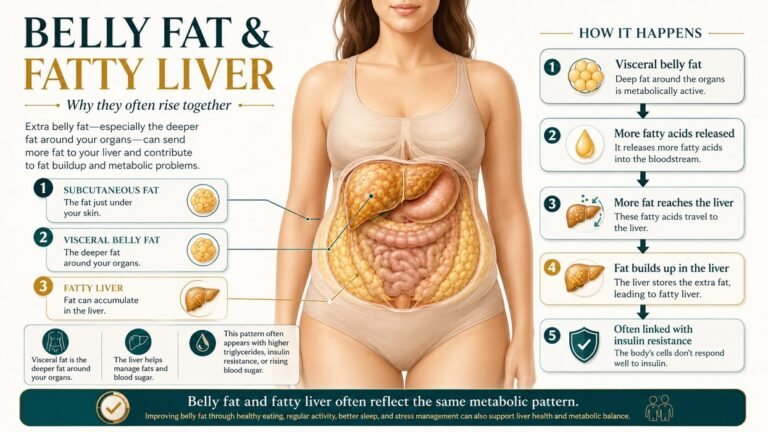
Fatty liver disease is now commonly called metabolic dysfunction-associated steatotic liver disease, or MASLD. It frequently occurs alongside insulin resistance, type 2 diabetes, higher triglycerides, abdominal adiposity, or other cardiometabolic risk factors.[1]
No individual breakfast removes liver fat. Clinical guidelines instead emphasize dietary quality, physical activity, cardiometabolic risk management, and sustainable weight management when it is medically appropriate.[1]
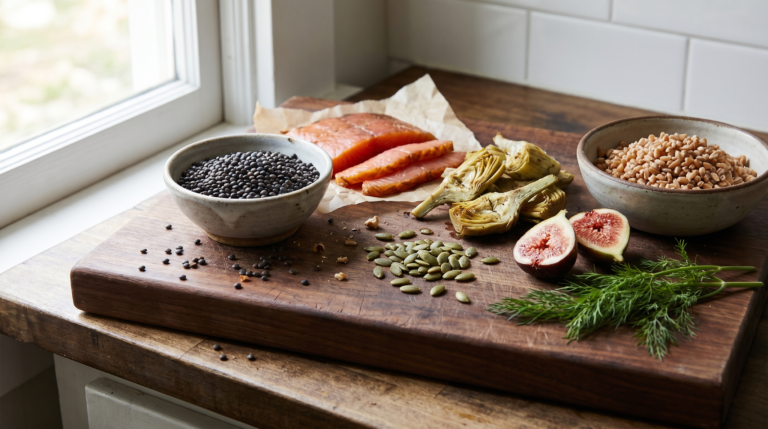
A Mediterranean-style pattern emphasizes vegetables, legumes, whole grains, nuts, seeds, fish, olive oil, and other minimally processed foods. Readers who need the broader framework can start with this guide to a practical MASLD diet for liver health.
| Meal component | Examples | Why it belongs |
|---|---|---|
| Protein | Greek yogurt, skyr, eggs, cottage cheese, tofu, legumes, fish, kefir, or soy foods | Supports fullness and helps maintain lean tissue |
| Fiber-rich plants | Berries, pears, apples, vegetables, beans, lentils, oats, chia, or flax | Adds volume and supports digestive and cardiometabolic health |
| Unsaturated fats | Walnuts, pistachios, pumpkin seeds, avocado, tahini, or olive oil | Fits a Mediterranean-style pattern when portions are appropriate |
| Flavor and texture | Fresh herbs, citrus, spices, roasted fruit, toasted seeds, or crisp vegetables | Makes the meal satisfying without depending on excess sugar or processed meat |
Systematic reviews indicate that Mediterranean dietary interventions may support improvements in liver fat and several metabolic markers. Results vary across studies, and energy intake, adherence, physical activity, and baseline health still influence outcomes.[2]
Protein can make breakfast feel more satiating, although it does not guarantee that a person will consume less food later. One controlled breakfast study found improved short-term satiety without a reduction in total daily energy intake.[3]
Fat quality matters as well. Nuts, seeds, avocado, fish, and olive oil generally fit the pattern better than making processed meat, butter, or large cheese portions the foundation of breakfast.
This guide to choosing healthier fats for fatty liver explains how different fat sources can fit into a balanced diet.
How Do the Ten Breakfasts Compare?
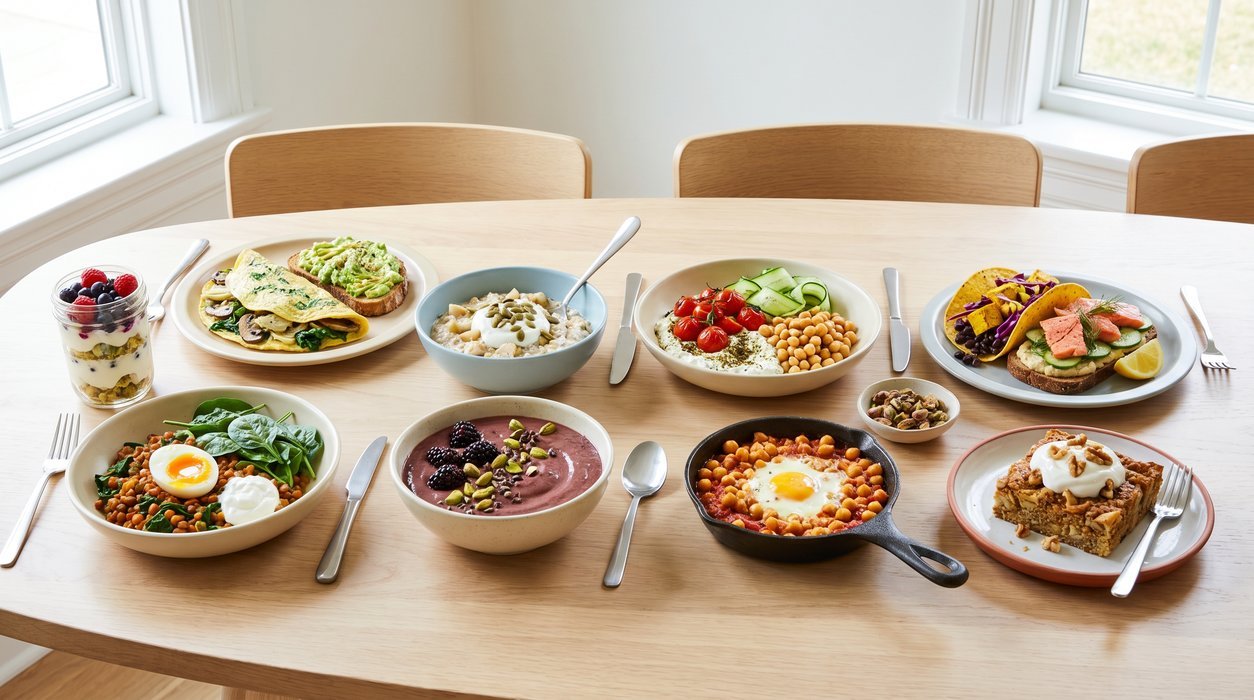
Every meal below contains a clear protein anchor rather than relying on small amounts scattered across toppings. Exact nutrition will still vary by product, portion, and substitution.
| Breakfast | Main protein sources | Best feature | Typical preparation |
|---|---|---|---|
| Lemon-pistachio yogurt parfait | Greek yogurt, chia, pistachios | Cold, crisp, and lightly tart | 5 minutes |
| Mediterranean herb omelet | Eggs, egg whites, feta | Vegetable-rich savory meal | 15 minutes |
| Cardamom-pear overnight oats | Skyr, soy milk, chia | Make-ahead whole-grain option | 8 minutes plus chilling |
| Za’atar cottage cheese mezze bowl | Cottage cheese, chickpeas | Creamy, roasted, and crisp textures | 10 minutes |
| Turmeric tofu breakfast tacos | Tofu, black beans | Plant-based handheld breakfast | 18 minutes |
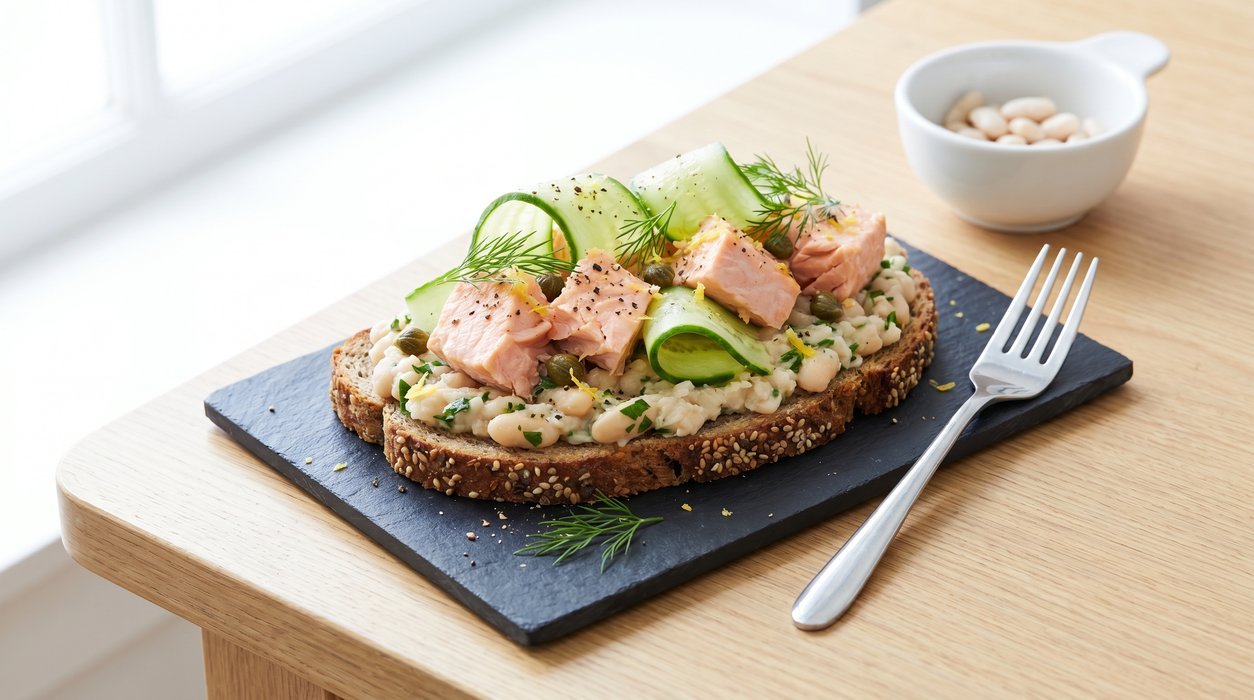
| Salmon and white bean rye tartine | Salmon, white beans, rye | Fish, legumes, and whole grain together | 10 minutes |
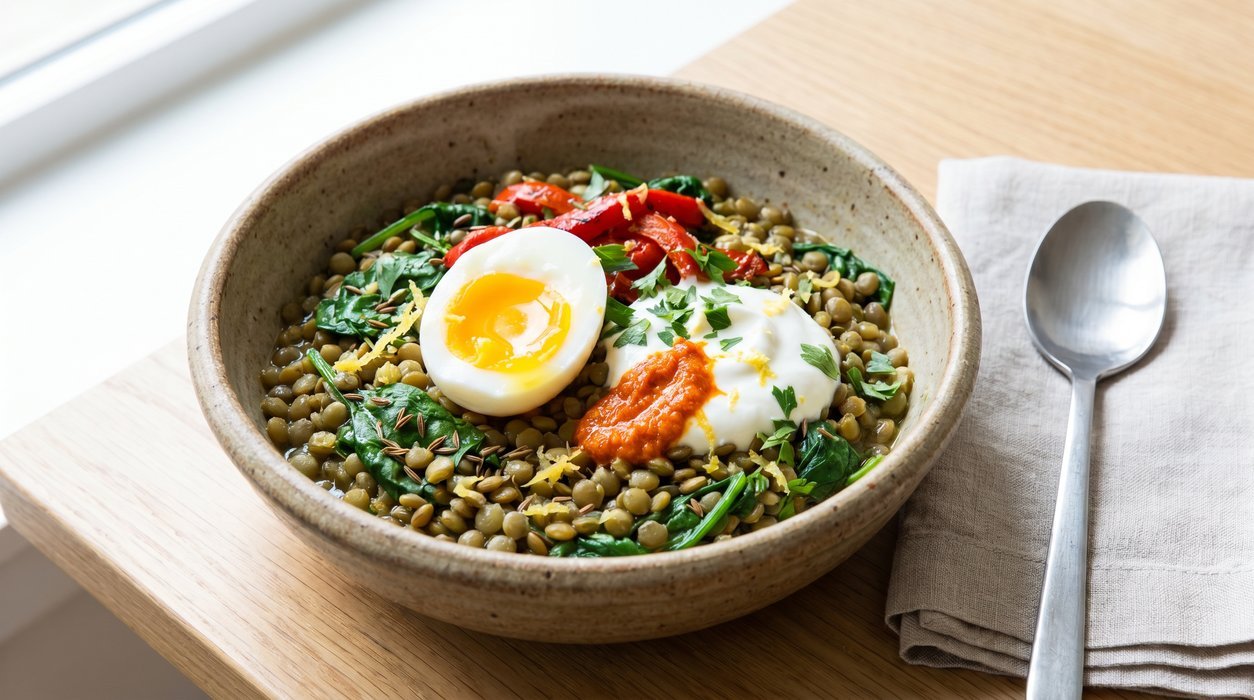
| Harissa lentil and egg bowl | Lentils, egg, Greek yogurt | Warm and meal-prep friendly | 12 minutes |
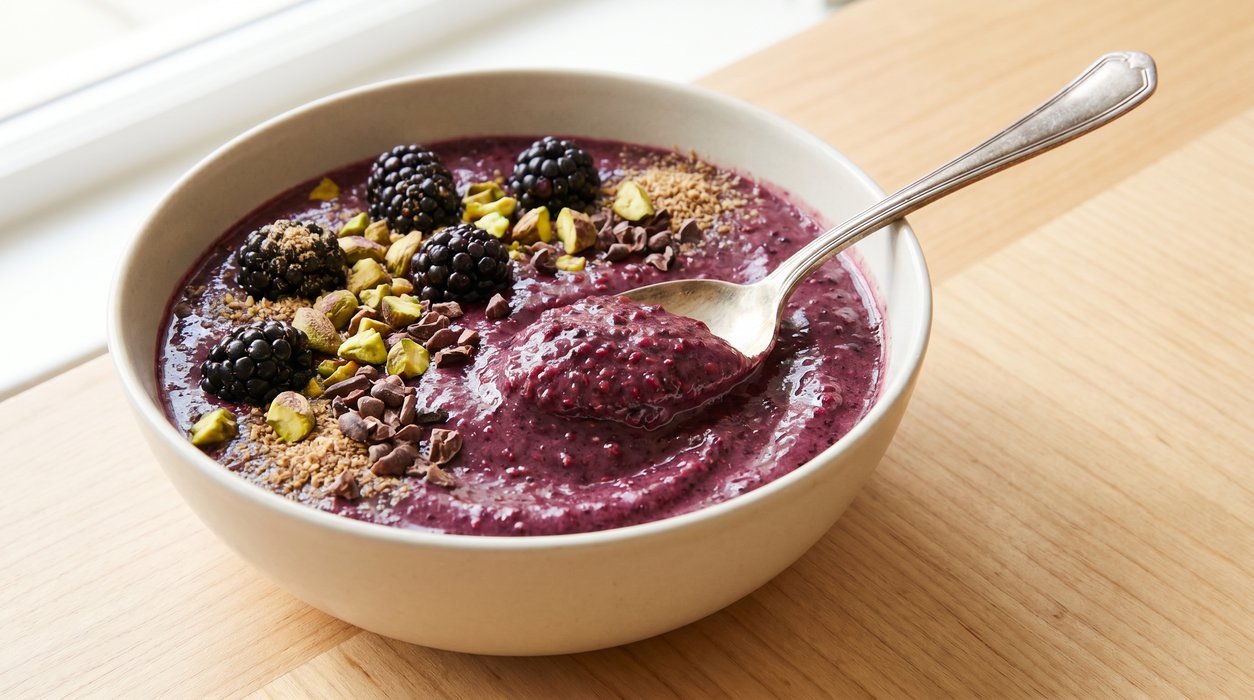
| Blackberry-cocoa smoothie bowl | Silken tofu, kefir or soy milk | Thick, spoonable smoothie | 7 minutes |
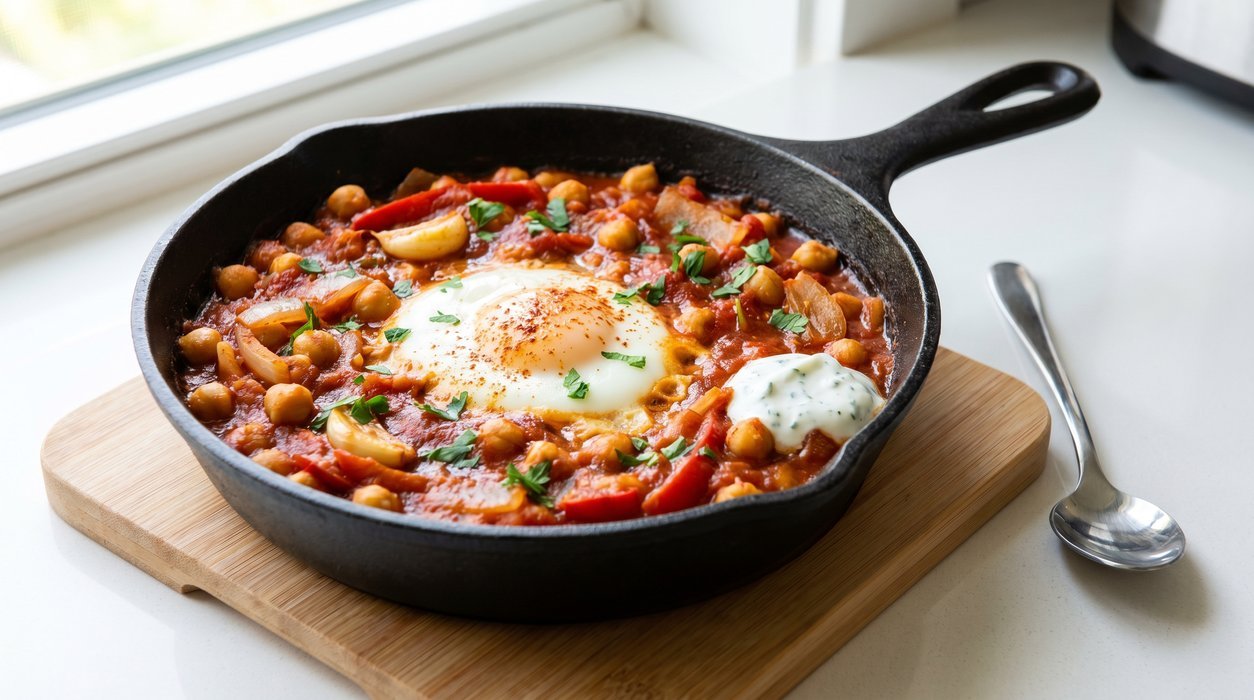
| Smoky chickpea shakshuka | Eggs, chickpeas, yogurt | One-pan weekend breakfast | 20 minutes |
| Apple-quinoa breakfast bake | Skyr, quinoa, eggs | Batch-cooked sweet breakfast | 10 minutes plus baking |
10 High-Protein Fatty Liver Breakfast Ideas
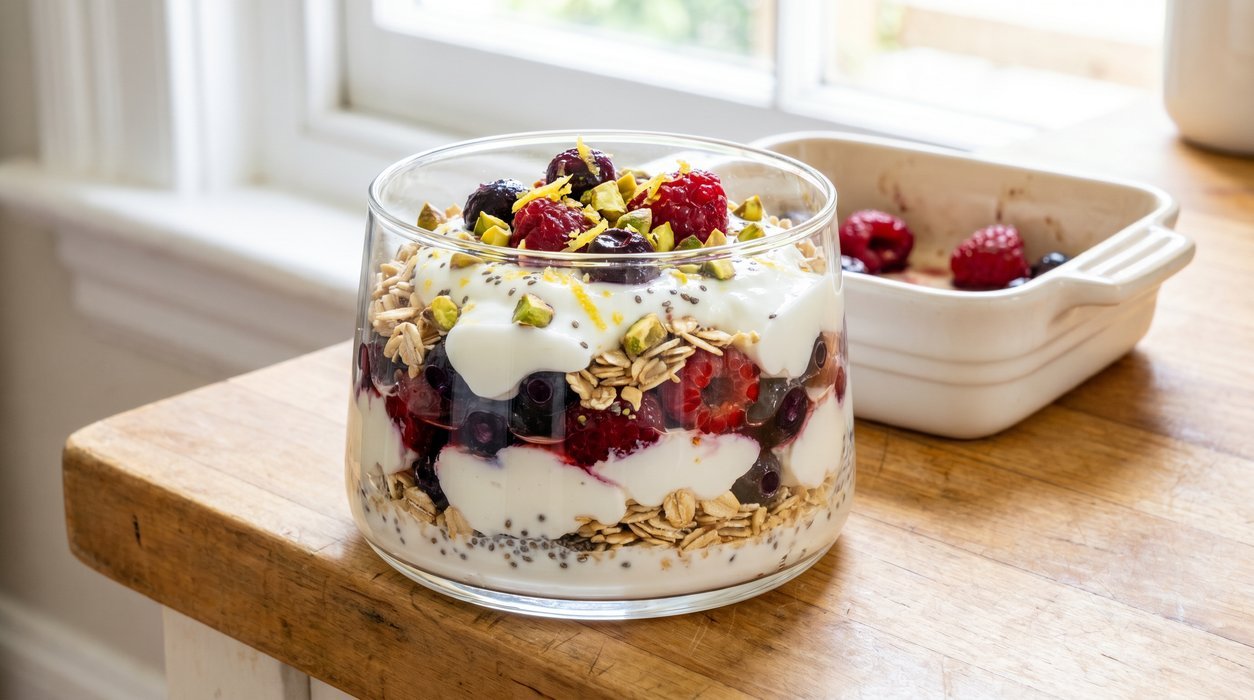
1. Lemon-Pistachio Greek Yogurt Parfait With Roasted Berries
Layer 1 cup of plain Greek yogurt with ½ cup of briefly roasted blueberries and raspberries. Add 1 tablespoon each of chia seeds and chopped pistachios, lemon zest, cinnamon, and 2 tablespoons of toasted oats.
Roasting intensifies the fruit’s flavor without requiring syrup. The contrast between cool yogurt, warm berries, pistachios, and fresh citrus makes this more satisfying than a basic yogurt bowl.
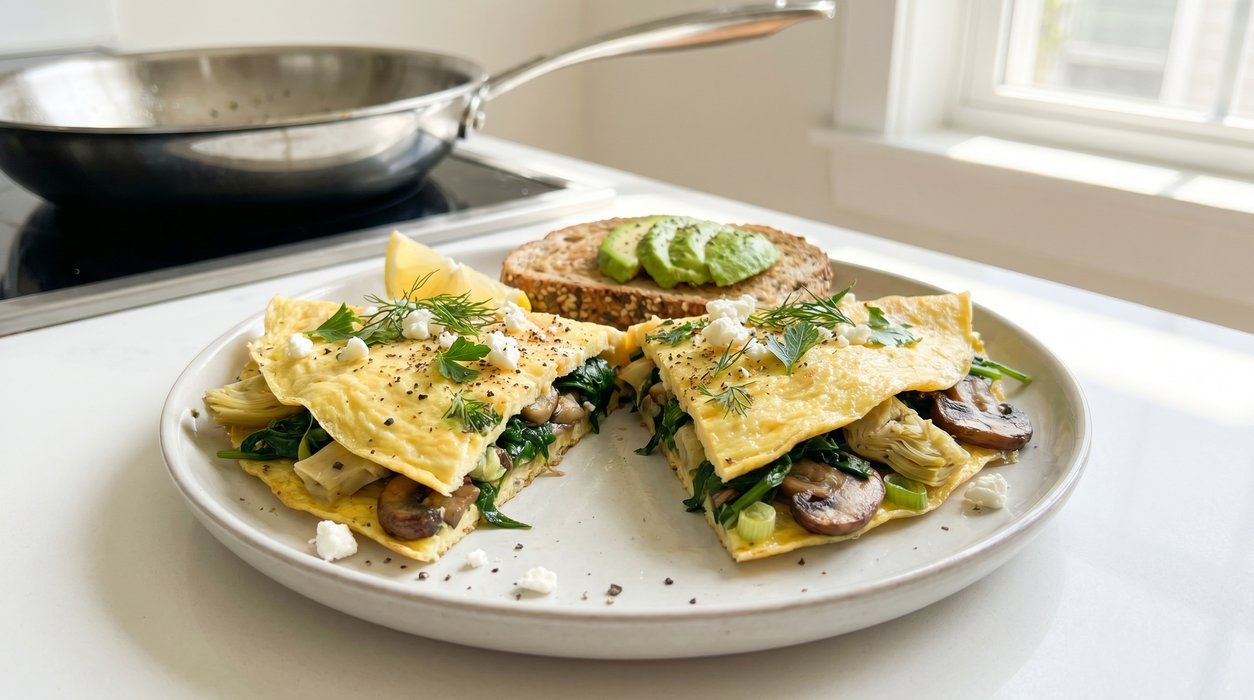
2. Mediterranean Herb Omelet With Artichokes and Avocado
Whisk 2 eggs with ½ cup of liquid egg whites. Cook them with spinach, sliced mushrooms, artichoke hearts, and scallions, then finish with parsley, dill, black pepper, and 1 tablespoon of crumbled feta.
Serve the omelet with one-quarter to one-half of an avocado and a thin slice of seeded whole-grain toast. Artichokes and fresh herbs give the meal more character than a standard vegetable omelet.
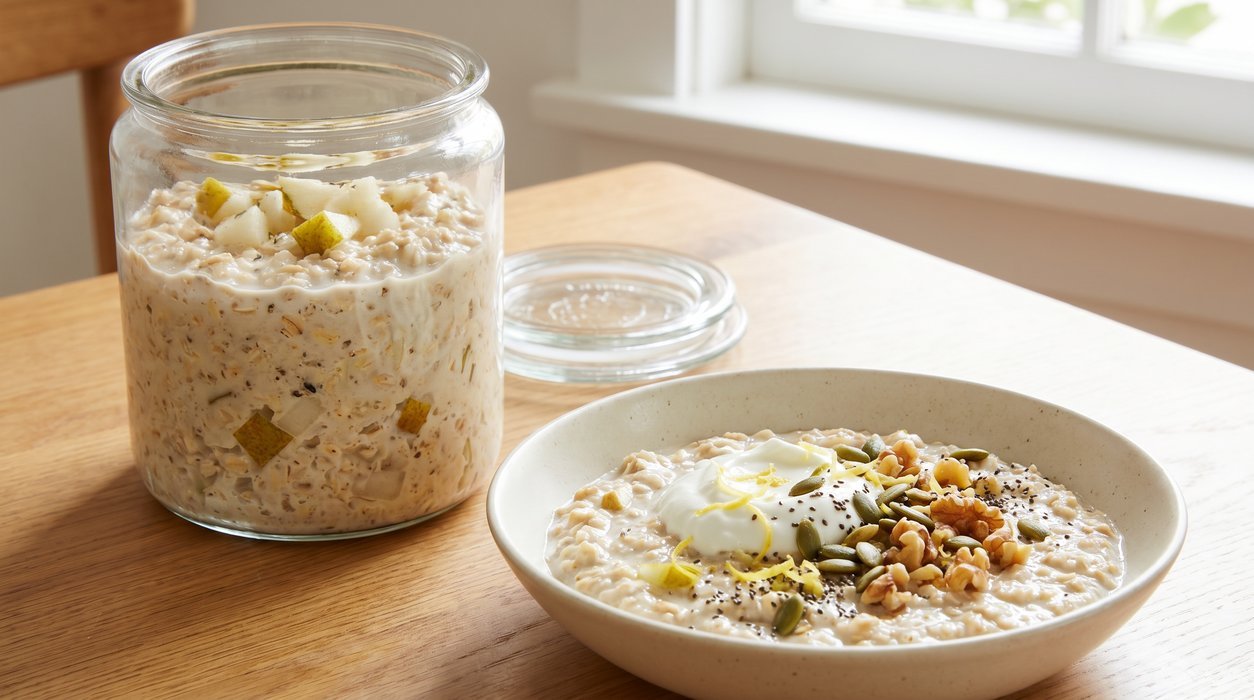
3. Cardamom-Pear Overnight Oats With Skyr
Combine ½ cup of rolled oats with ¾ cup of plain skyr, ½ cup of unsweetened soy milk, 1 tablespoon of chia seeds, cardamom, and vanilla. Refrigerate the mixture overnight.
Top it with half a diced pear, 1 tablespoon of pumpkin seeds, and 1 tablespoon of crushed walnuts. The pear and cardamom add natural sweetness without turning the oats into dessert.
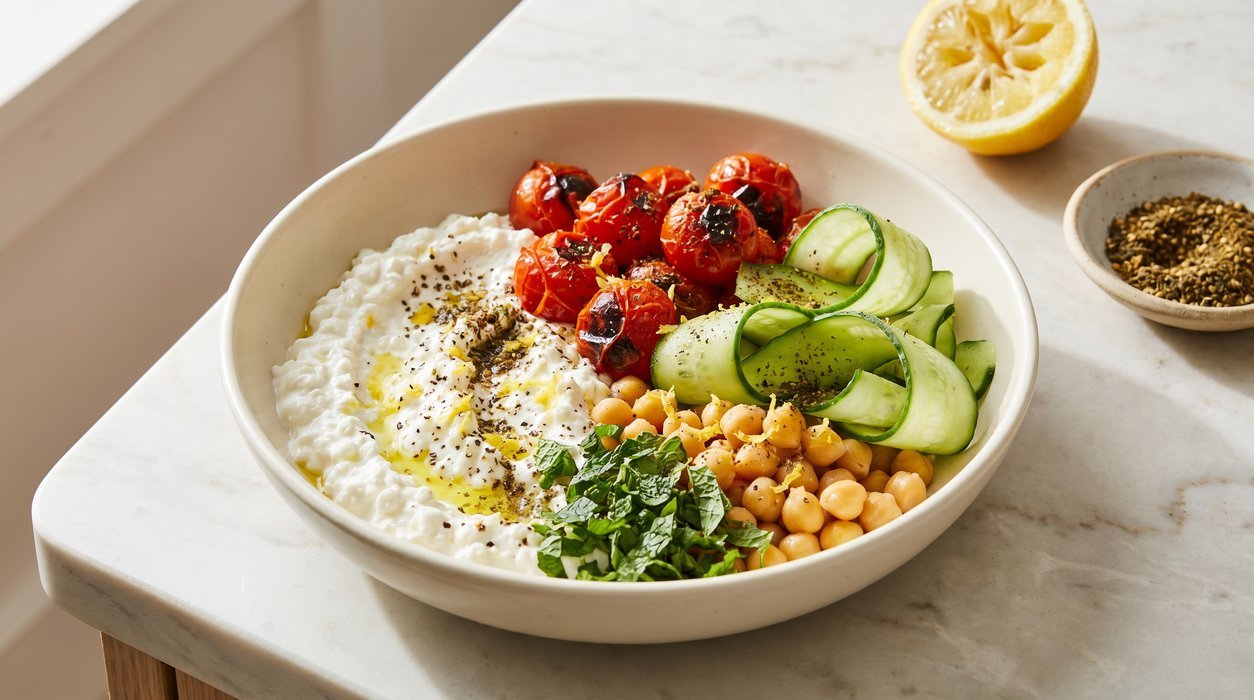
4. Za’atar Cottage Cheese Mezze Bowl
Spread 1 cup of cottage cheese across a shallow bowl. Add roasted cherry tomatoes, cucumber ribbons, ⅓ cup of rinsed chickpeas, chopped mint, za’atar, lemon juice, and a teaspoon of olive oil.
The combination provides creamy, juicy, crisp, and lightly crunchy elements. Compare labels when sodium is a concern because cottage cheese can vary considerably between brands.
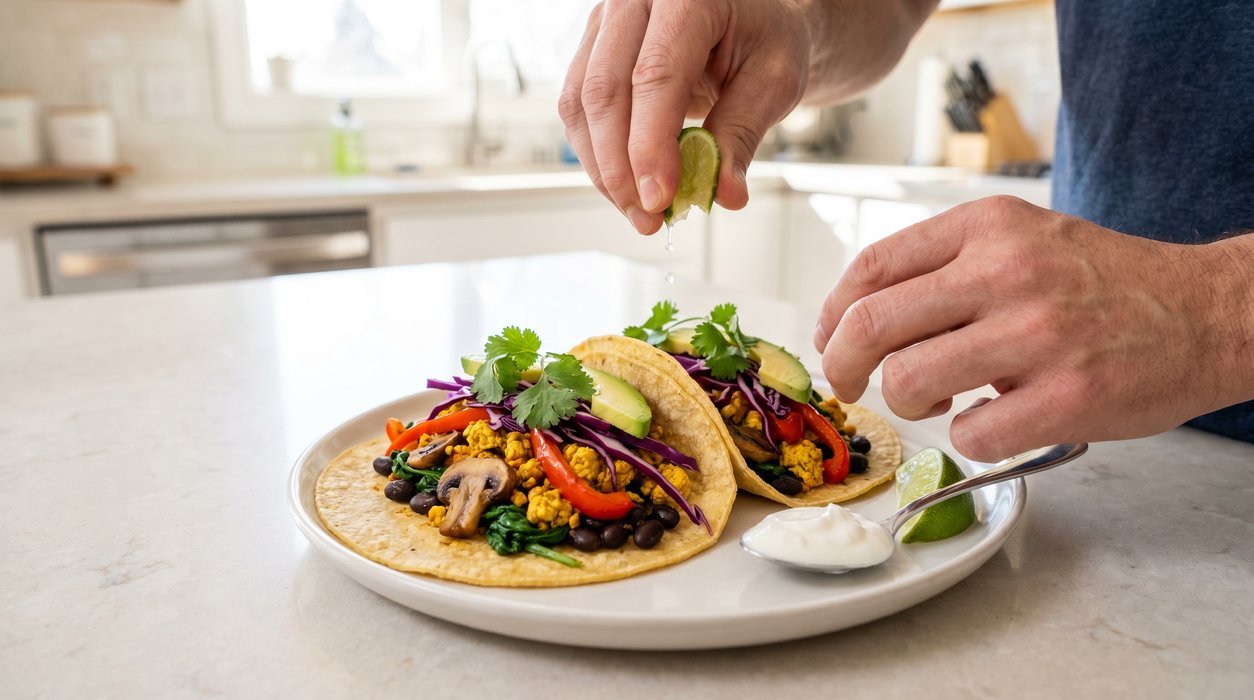
5. Turmeric Tofu Breakfast Tacos With Black Beans
Sauté about 7 ounces of crumbled firm tofu with turmeric, cumin, mushrooms, red pepper, and spinach. Divide it between two small corn tortillas with ⅓ cup of black beans.
Finish the tacos with shredded red cabbage, avocado, cilantro, and fresh lime. The beans and tofu create a substantial plant-based meal without depending on a processed meat substitute.
Most guides skip this, but it matters: a breakfast is not automatically liver-friendly because it contains more protein. Processed meat, oversized cheese portions, excess butter, sweetened protein products, or large quantities of calorie-dense toppings can still reduce the overall quality of the meal.
6. Salmon and Lemon-White Bean Rye Tartine
Mash ⅓ cup of rinsed cannellini beans with lemon juice, parsley, black pepper, and 1 teaspoon of olive oil. Spread the mixture over one substantial slice of dense rye bread.
Top it with about 3 ounces of flaked cooked salmon, cucumber ribbons, capers, and dill. Leftover baked salmon usually contains less sodium than smoked salmon and makes the tartine suitable for meal preparation.
7. Harissa Lentil and Egg Breakfast Bowl
Warm ¾ cup of cooked green lentils with spinach, roasted red pepper, cumin, and 1 to 2 teaspoons of harissa. Add one soft-boiled egg and ¼ cup of plain Greek yogurt.
Finish with parsley and lemon. Rinsed canned lentils make this realistic for weekday mornings and can reduce some of the sodium in the finished meal.
8. Blackberry-Cocoa Protein Smoothie Bowl
Blend 5 ounces of silken tofu with ¾ cup of plain kefir or unsweetened soy milk, 1 cup of frozen blackberries, 1 tablespoon of ground flaxseed, 1 teaspoon of unsweetened cocoa, and ice.
Keep the mixture thick enough to eat with a spoon. Top it with fresh blackberries, 1 tablespoon of pistachios, and a small amount of cacao nibs rather than sweetened granola.
9. Smoky Chickpea Shakshuka With Herbed Yogurt
Simmer ½ cup of chickpeas with chopped tomatoes, red pepper, onion, garlic, cumin, and smoked paprika in a small skillet. Create two wells, add two eggs, and cook until the whites are set.
Finish with parsley and 2 tablespoons of plain yogurt mixed with lemon and herbs. The chickpeas make this a more complete meal than eggs in tomato sauce alone.
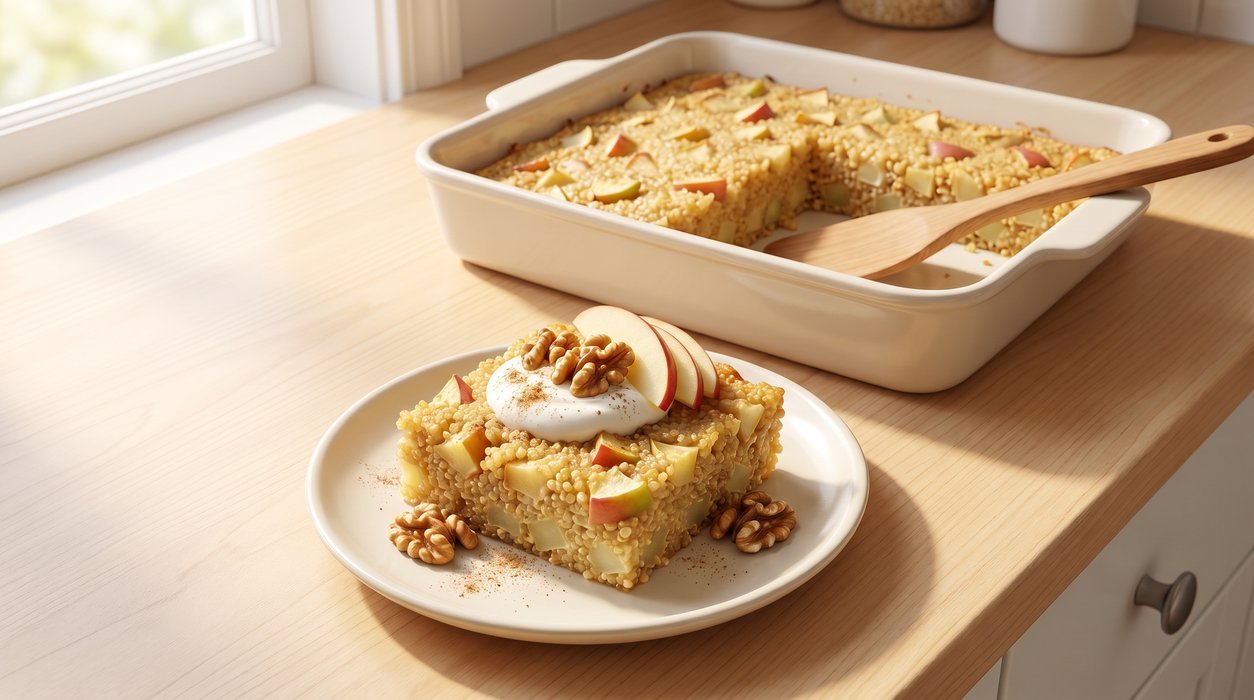
10. Apple-Quinoa Breakfast Bake With Skyr and Walnuts
For four servings, combine 2 cups of cooked quinoa with 2 diced apples, 1 cup of unsweetened soy milk, 2 eggs, 2 tablespoons of ground flaxseed, cinnamon, and vanilla. Bake until softly set.
Serve each portion with ¾ cup of plain skyr and 1 tablespoon of toasted walnuts. The bake can be refrigerated and reheated, while the skyr provides the main protein anchor.
How Much Protein Should Breakfast Contain?
There is no universal breakfast protein target for everyone with fatty liver disease. Needs vary with body size, age, activity, total energy intake, muscle mass, kidney function, and the presence of advanced liver disease.
A practical approach is to include a clearly identifiable protein anchor rather than chasing an exact number. That might be a cup of Greek yogurt or cottage cheese, eggs with egg whites, a substantial portion of tofu, or a combination of fish and legumes.
More protein is not automatically better. Large servings of cheese, nuts, oil, processed meat, or sweetened protein products can make a breakfast unnecessarily high in sodium, saturated fat, added sugar, or total energy.
People with cirrhosis, kidney disease, significant fluid retention, an eating disorder history, or complex diabetes treatment should seek individualized nutrition guidance. Their protein, sodium, carbohydrate, or meal-timing needs may differ.
How Can These Breakfasts Fit Into a Busy Week?
Start with three breakfasts rather than attempting all ten at once. Choose one chilled meal, one reheatable meal, and one freshly cooked option.
- On the weekend: Bake the quinoa squares or prepare two jars of overnight oats.
- At dinner: Cook extra lentils, salmon, roasted peppers, or vegetables for a later breakfast.
- Before workdays: Portion nuts, seeds, and spices so final assembly takes only a few minutes.
- For emergencies: Keep plain skyr, boiled eggs, unsweetened soy milk, fruit, and individual nut portions available.
For more cooked options, these protein-rich savory breakfast ideas offer additional combinations that can be prepared without relying on sweet cereal or pastries.
Early changes are usually practical rather than clinical. During the first week, breakfast may require fewer decisions and morning hunger may become easier to anticipate.
Over several weeks, the more meaningful change is consistency across the complete eating pattern. Liver fat, liver enzymes, blood lipids, glucose regulation, and body weight should be assessed over a longer period with a qualified healthcare professional.
When gradual weight reduction is medically appropriate, systematic reviews suggest that structured weight-loss interventions can improve several liver-related biomarkers. Evidence for fibrosis outcomes is less certain, so progress should not be judged by weight or liver enzymes alone.[4]
Which Breakfast Choices Are Less Helpful?
- Sweet drinks as the meal: Juice, syrup-heavy coffee, and thin bottled smoothies can supply substantial sugar without much chewing or fullness.
- Refined carbohydrates alone: Pastries, sweet cereal, or plain white toast provide little protein or fiber unless other foods are added.
- Processed meat every morning: Bacon, sausage, and similar foods can contribute substantial sodium and saturated fat.
- Sweetened protein products: Flavored yogurts, bars, powders, and granolas may contain more added sugar than their packaging suggests.
- Unmeasured calorie-dense toppings: Nuts, tahini, nut butter, seeds, and olive oil are useful foods, but portions still matter.
Alcohol deserves separate discussion because recommendations depend on liver disease severity, current intake, medications, and other medical risks. Anyone with diagnosed fatty liver disease should discuss alcohol use with a qualified healthcare professional.
How to Start Using These Fatty Liver Breakfast Ideas
The most useful fatty liver breakfast ideas combine a substantial protein source with plants, fiber, and unsaturated fats. They do not require a repetitive menu of plain eggs, unseasoned oats, and identical yogurt bowls.
Choose two meals that fit your schedule and repeat them for two weeks. Notice preparation effort, hunger before lunch, portion satisfaction, and any ingredients that need adjusting before expanding the rotation.
Frequently Asked Questions
What are the best high-protein fatty liver breakfast ideas?
The best fatty liver breakfast ideas combine minimally processed protein with fiber-rich plants and unsaturated fats. Examples include Greek yogurt with roasted berries, lentils with egg, tofu tacos, salmon and bean toast, or a vegetable-rich omelet.
Are eggs suitable for people with fatty liver disease?
Eggs can fit into a balanced eating pattern for many people with MASLD. Preparation and accompanying foods matter, so eggs with vegetables, beans, or whole grains differ from a breakfast centered on processed meat, butter, and refined toast.
Is oatmeal a good breakfast for fatty liver disease?
Plain oats provide whole-grain carbohydrate and soluble fiber, but oats alone are not especially high in protein. Skyr, Greek yogurt, soy milk, chia seeds, or eggs can make the meal more substantial.
Is protein powder necessary at breakfast?
Protein powder is not necessary when food provides enough protein. An unsweetened powder may be convenient for some people, but it does not make a meal liver-friendly by itself. People with kidney disease, cirrhosis, or complex medical treatment should seek individualized advice before using supplements regularly.
Medical Disclaimer: The information provided in this article is for educational purposes only and does not constitute medical advice. Always consult a qualified healthcare provider before making changes to your diet, lifestyle, or treatment plan. TheMetabolicHub.com does not replace professional medical guidance.
References
- European Association for the Study of the Liver, European Association for the Study of Diabetes, and European Association for the Study of Obesity. EASL-EASD-EASO Clinical Practice Guidelines on the management of metabolic dysfunction-associated steatotic liver disease. Journal of Hepatology. 2024. PMID: 38851997
- Haigh L, Kirk C, El Gendy K, et al. The effectiveness and acceptability of Mediterranean diet and calorie restriction in non-alcoholic fatty liver disease: a systematic review and meta-analysis. Clinical Nutrition. 2022. PMID: 35947894
- Lassen AD, et al. A dairy-based, protein-rich breakfast enhances satiety and concentration but does not reduce daily energy intake. 2024. PMID: 38135050
- Koutoukidis DA, Astbury NM, Tudor KE, et al. Association of weight loss interventions with changes in biomarkers of nonalcoholic fatty liver disease: a systematic review and meta-analysis. JAMA Internal Medicine. 2019. PMID: 31260026