
7-Day Meal Plan for Metabolic Syndrome: Simple Weekly Menu
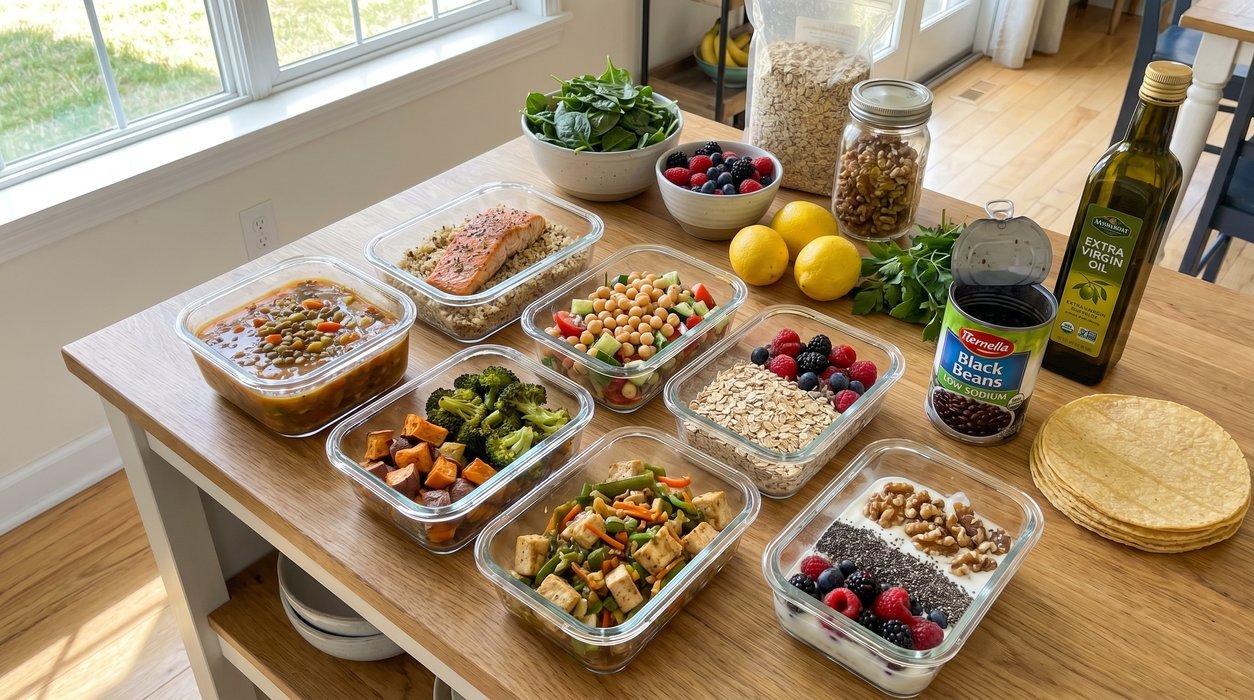
Planning meals can feel exhausting when blood sugar, blood pressure, cholesterol, and waist circumference all seem to demand attention at the same time. This may not be random; metabolic syndrome often reflects several connected risk factors rather than one isolated food mistake. The encouraging news: a 7-day meal plan for metabolic syndrome can turn those moving pieces into a calmer weekly structure.
This plan uses a Mediterranean- and DASH-inspired approach: vegetables, legumes, whole grains, steady protein, unsaturated fats, and lower-sodium choices. It is not a medical prescription, but it can help you build meals that feel realistic, satisfying, and easier to repeat.
Quick Win: At your next meal, build the plate with half non-starchy vegetables, one quarter protein, one quarter high-fiber carbohydrate, and a small serving of olive oil, avocado, nuts, seeds, or tahini.
What Should a 7-Day Meal Plan for Metabolic Syndrome Include?
A helpful 7-day meal plan for metabolic syndrome works best as a simple weekly menu: vegetables, beans, lentils, whole grains, fruit, fish, poultry, eggs, tofu, Greek yogurt, nuts, seeds, olive oil, and mostly minimally processed foods. It also limits sugary drinks, refined grains, frequent fried foods, processed meats, and high-sodium packaged meals.
The goal is not to eat perfectly for seven days. The goal is to repeat meals that may support steadier glucose, healthier triglycerides, blood pressure management, fullness, and energy over time.
| Meal Priority | What It Looks Like | Why It Helps |
|---|---|---|
| High-fiber plants | Vegetables, beans, lentils, oats, berries, barley | May support fullness, glucose patterns, and lipid health |
| Steady protein | Fish, poultry, eggs, tofu, Greek yogurt, legumes | Helps meals feel satisfying and less snack-driven |
| Unsaturated fats | Olive oil, avocado, nuts, seeds, fatty fish | Fits heart-focused Mediterranean-style eating patterns |
| Lower-sodium flavor | Herbs, spices, citrus, vinegar, garlic, low-sodium staples | Supports blood pressure goals without bland meals |
Key Takeaways
- Metabolic syndrome meal planning works best when it supports blood sugar, blood pressure, triglycerides, HDL cholesterol, and waist-related risk together.
- Mediterranean- and DASH-style meals are useful templates because they emphasize plants, fiber, unsaturated fats, and heart-focused food quality.
- Carbohydrates do not need to disappear, but they are usually more helpful when they come from oats, beans, lentils, whole grains, fruit, or starchy vegetables in balanced portions.
- Many people do better with repeatable meal structures than strict rules, especially when they can prep a few flexible ingredients in advance.
Why Does Metabolic Syndrome Change Meal Planning?
Metabolic syndrome is usually diagnosed when several risk factors appear together, including elevated waist circumference, high triglycerides, low HDL cholesterol, elevated blood pressure, and elevated fasting glucose.[1] If you are unsure which criteria apply to you, this guide to metabolic syndrome criteria explains the lab and measurement markers in more detail.
These markers often overlap with insulin resistance, inflammation, and cardiovascular risk. This is not a personal failure; it is a sign that the body may need a steadier food, movement, sleep, and medical-care strategy.
A meal plan helps because it reduces the number of decisions you have to make when you are hungry. It also makes it easier to pair carbohydrates with protein, fiber, and fat instead of eating refined carbohydrates alone.
The American Diabetes Association consensus report notes that nutrition therapy should be individualized and built around nutrient-dense foods rather than a single universal diet.[2] That is why this plan gives structure without pretending one menu fits every body, medication, culture, or schedule.
Best Foods to Build the Week Around
The best foods for this plan are not exotic. They are everyday ingredients that can become bowls, soups, wraps, sheet-pan dinners, breakfasts, and leftovers.
| Category | Best Choices | Easy Meal Ideas |
|---|---|---|
| Non-starchy vegetables | Spinach, broccoli, peppers, zucchini, mushrooms, cabbage, salad greens | Omelets, stir-fries, sheet-pan dinners, salads, soups |
| Legumes | Lentils, chickpeas, black beans, white beans, edamame | Chili, lentil soup, bean bowls, chickpea salads |
| High-fiber carbohydrates | Oats, barley, quinoa, farro, brown rice, sweet potatoes, berries | Overnight oats, grain bowls, breakfast yogurt, roasted sides |
| Protein foods | Fish, poultry, eggs, tofu, tempeh, Greek yogurt, cottage cheese | Salmon plates, tofu stir-fries, egg breakfasts, yogurt bowls |
| Fats and flavor | Olive oil, avocado, walnuts, chia seeds, flaxseed, tahini, herbs | Vinaigrettes, sauces, toppings, snack pairings |
Systematic review evidence has linked higher dietary fiber intake with lower odds of metabolic syndrome.[5] In real life, that usually means adding beans, lentils, oats, berries, vegetables, and seeds before worrying about tiny details.
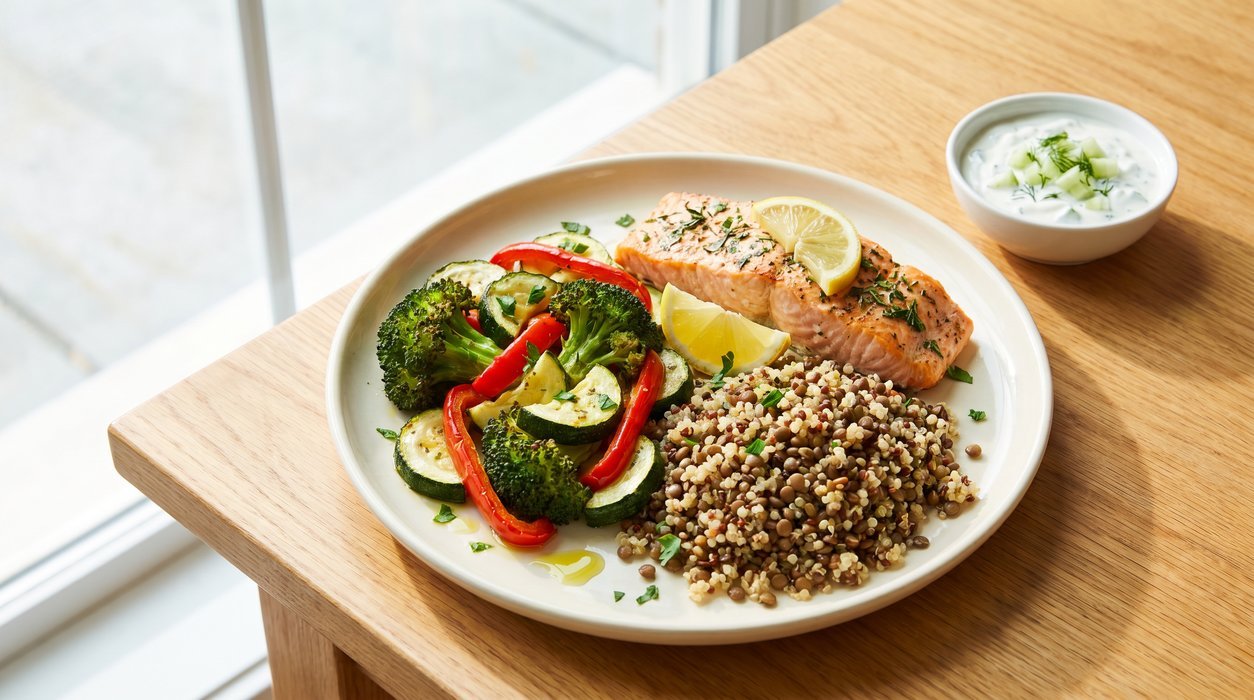
The Plate Formula for Blood Sugar and Heart Health
A simple plate formula can reduce decision fatigue. Start with half a plate of non-starchy vegetables, add a palm-sized protein, choose a fist-sized high-fiber carbohydrate, and finish with a small amount of unsaturated fat.
This pattern may help slow digestion and make meals more satisfying. For a deeper practical guide, see how to build a balanced plate for stable blood sugar.
| Plate Area | Examples | Practical Note |
|---|---|---|
| Half plate | Broccoli, greens, peppers, zucchini, mushrooms | Use frozen vegetables when time is limited |
| Quarter plate | Salmon, chicken, tofu, eggs, lentils, yogurt | Protein helps reduce “still hungry” meals |
| Quarter plate | Oats, quinoa, beans, barley, sweet potato, berries | Choose carbs with fiber more often than refined grains |
| Flavor layer | Olive oil, avocado, walnuts, tahini, lemon, herbs | Flavor makes the plan easier to repeat |
Most guides skip this, but it matters: metabolic syndrome meal planning is not only about eating fewer carbs. A meal can be lower in carbohydrates and still be less supportive if it is low in fiber, very salty, and built around processed meats.
The DASH-Sodium trial found that a DASH eating pattern combined with lower sodium intake reduced blood pressure in adults with and without hypertension.[3] This is why the plan uses herbs, citrus, vinegar, garlic, and low-sodium staples instead of relying on salt for every flavor cue.
A 7-Day Meal Plan for Metabolic Syndrome
This sample 7-day meal plan for metabolic syndrome is designed for general education. Anyone taking glucose-lowering medication, blood pressure medication, or diuretics should ask a qualified healthcare professional how meal changes may affect monitoring and medication needs.
Each day includes breakfast, lunch, dinner, and one optional snack. Water, sparkling water, unsweetened tea, and mostly unsweetened coffee are simple default drinks.
| Day | Breakfast | Lunch | Dinner | Optional Snack |
|---|---|---|---|---|
| Day 1 | Greek yogurt with berries, chia seeds, cinnamon, and walnuts | Lentil vegetable soup with side salad and olive oil vinaigrette | Baked salmon, roasted broccoli, and quinoa with lemon herbs | Apple slices with peanut or almond butter |
| Day 2 | Oatmeal with ground flaxseed, blueberries, and pumpkin seeds | Turkey, hummus, and vegetable wrap in a high-fiber tortilla | Chicken or tofu stir-fry with mixed vegetables and brown rice | Plain yogurt or cottage cheese with cucumber |
| Day 3 | Vegetable omelet with avocado and one slice of whole-grain toast | Chickpea Greek salad with cucumber, tomato, olives, greens, and feta | Turkey or bean chili with greens and plain Greek yogurt topping | Carrots and peppers with hummus |
| Day 4 | Protein smoothie with plain yogurt, berries, spinach, and chia | Tuna, salmon, or white bean salad over greens with barley | Sheet-pan chicken, Brussels sprouts, carrots, and sweet potato | Small handful of nuts and one piece of fruit |
| Day 5 | Overnight oats with cinnamon, raspberries, and hemp seeds | Leftover chili bowl with greens, avocado, and salsa | Shrimp, tofu, or tempeh tacos with cabbage slaw and corn tortillas | Boiled egg or roasted edamame |
| Day 6 | Scrambled eggs or tofu scramble with mushrooms, spinach, and tomatoes | Quinoa bowl with roasted vegetables, black beans, greens, and tahini lemon sauce | Mediterranean turkey meatballs or lentil patties with salad and roasted zucchini | Pear with ricotta or plain yogurt |
| Day 7 | High-fiber toast with avocado, egg, tomato, and herbs | Minestrone-style soup with beans, vegetables, and side salad | Grilled fish, tofu, or chicken with asparagus and farro | Berries with plain Greek yogurt |
In a PREDIMED trial analysis of older adults at high cardiovascular risk, Mediterranean diet patterns supplemented with extra-virgin olive oil or nuts were associated with greater metabolic syndrome reversion than low-fat diet advice.[4] That does not mean one food is magic; the overall pattern matters.
Meal ideas box: Repeat the same structure with different flavors. A grain bowl can become Mediterranean with chickpeas and tahini, Mexican-inspired with black beans and salsa, or simple weeknight comfort food with roasted vegetables and chicken.

Shopping List for the Week
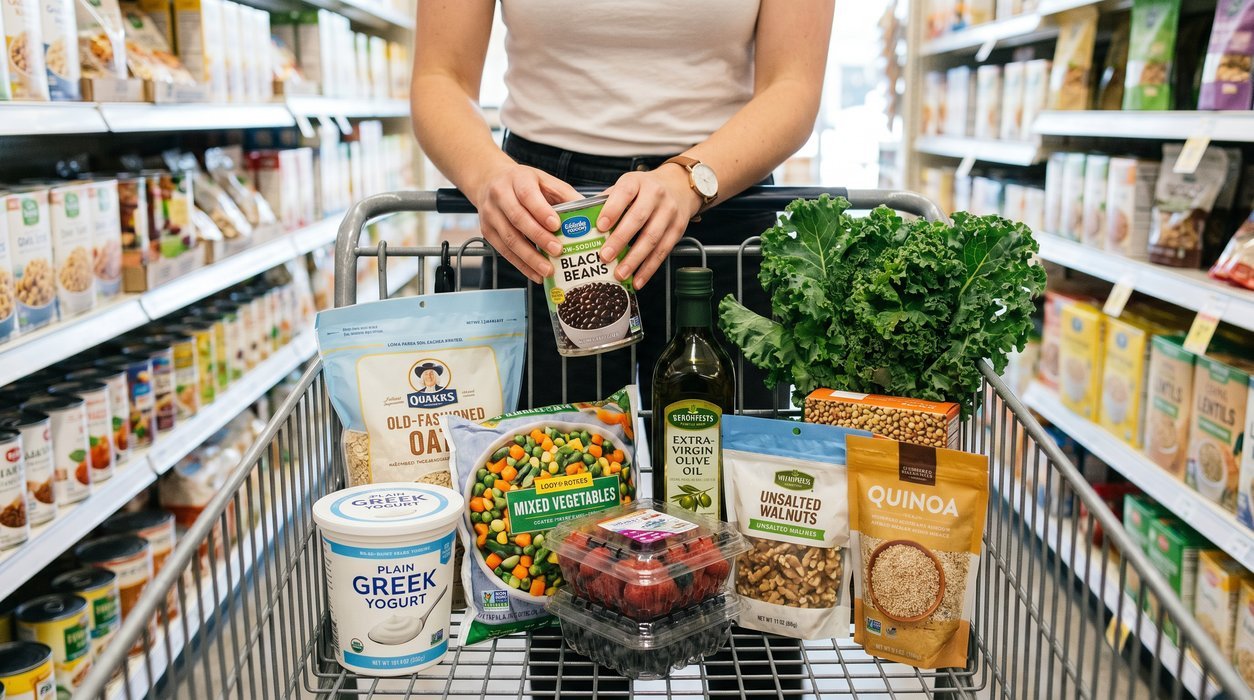
A good shopping list makes this blood sugar balance meal plan easier to repeat. Choose ingredients that can move between breakfasts, lunches, dinners, and snacks.
For more aisle-by-aisle help, this low-glycemic grocery list can help you choose staples without turning every shopping trip into label overload.
| Category | Foods to Buy |
|---|---|
| Vegetables | Leafy greens, broccoli, peppers, zucchini, mushrooms, tomatoes, carrots, cabbage, Brussels sprouts |
| Fruit | Berries, apples, pears, citrus, kiwi |
| Protein | Eggs, plain Greek yogurt, fish, poultry, tofu, tempeh, beans, lentils |
| High-fiber carbs | Oats, quinoa, barley, farro, brown rice, sweet potatoes, corn tortillas |
| Fats and flavor | Olive oil, avocado, walnuts, chia seeds, flaxseed, tahini, herbs, spices, vinegar |
| Convenience staples | Low-sodium canned beans, frozen vegetables, canned salmon, no-sugar-added marinara, unsalted nuts |
The NHLBI describes DASH as a plan built around vegetables, fruits, whole grains, fish, poultry, beans, nuts, low-fat dairy, and sodium-aware choices.[6] These same staples fit well into insulin resistance meals when portions are individualized.
What Foods Should You Limit?
No single food needs to define your health. Still, some foods are easier to limit when you are trying to support glucose, triglycerides, blood pressure, and heart health at the same time.
- Sugary drinks: Soda, sweet tea, juice drinks, and sweetened coffee drinks can add fast-digesting sugar without much fullness.
- Refined grains: White bread, pastries, sugary cereals, and large portions of white rice may be less steady than high-fiber choices.
- Processed meats: Bacon, sausage, hot dogs, and deli meats can be high in sodium and saturated fat.
- High-sodium packaged meals: Frozen meals, instant noodles, salty sauces, and snack foods can make blood pressure goals harder.
- Frequent large desserts: Desserts can fit occasionally, but daily large portions may crowd out more supportive foods.
This is not about fear or perfection. It is about making the default choice a little more supportive most of the time.
What Changes Might You Notice Over Time?
Many people first notice practical changes: fewer afternoon crashes, more predictable hunger, steadier energy, or less evening grazing. These changes are not guaranteed, but they can be early signs that meals are becoming more balanced.
Measurable changes often need more time. Blood pressure, waist circumference, fasting glucose, triglycerides, HDL cholesterol, and A1c may require consistent habits over weeks to months, plus professional monitoring when appropriate.
The NHLBI lists heart-healthy lifestyle changes as part of metabolic syndrome treatment, while noting that medication may still be needed for some people.[7] Food changes should work alongside medical care, not replace it.
Helpful signs to track
- Energy before and after meals
- Hunger and cravings between meals
- Home blood pressure readings, if recommended
- Glucose patterns, if monitoring is part of your care
- Waist measurement, if emotionally neutral and useful
- Sleep quality and morning appetite
When to involve a professional
Speak with a qualified healthcare professional before making major changes if you use glucose-lowering medication, have kidney disease, are pregnant, have a history of disordered eating, or have unexplained weight loss or symptoms. A registered dietitian can also adjust portions for labs, preferences, and medication timing.
How to Make the Plan Easier to Follow
The simplest way to follow this plan is to cook once and assemble several times. A pot of lentils, a tray of roasted vegetables, a cooked grain, and two protein options can cover many meals.
Prep once for three days
- Cook quinoa, barley, brown rice, or farro.
- Roast two sheet pans of non-starchy vegetables.
- Prepare one bean-based option, such as lentil soup or chili.
- Cook one protein, such as chicken, tofu, eggs, or salmon.
- Make one sauce, such as lemon tahini, salsa yogurt, or olive oil vinaigrette.
Movement also matters because metabolic syndrome is not only a food issue. A realistic movement plan for metabolic syndrome can help connect meals with insulin sensitivity, blood pressure, and long-term cardiovascular health.
Use the 80 percent structure
Meals do not need to match the plan exactly. Keeping the structure consistent matters more than repeating every ingredient.
For example, salmon can become sardines, tofu, chicken, eggs, or beans. Quinoa can become barley, oats, sweet potato, farro, or lentils depending on preference, budget, and glucose response.
Make restaurant meals more supportive
At restaurants, choose a protein-centered meal with vegetables and ask for sauces or dressings on the side. Add beans, salad, or extra vegetables when available, and consider sharing very large starch portions.
For takeout, bowls are often easier to adapt than fried meals. Look for greens, beans, grilled protein, salsa, avocado, olive oil-based dressings, and a moderate portion of rice or whole grains.
Frequently Asked Questions
What is the best 7-day meal plan for metabolic syndrome?
The best 7-day meal plan for metabolic syndrome is balanced, repeatable, and built around vegetables, lean proteins, high-fiber carbohydrates, and unsaturated fats. Mediterranean-style and DASH-style meals are useful templates because they support blood sugar, blood pressure, and heart-focused eating patterns. The best plan also fits your medication needs, budget, culture, appetite, and schedule. A registered dietitian can personalize portions for your labs and health history.
Can people with metabolic syndrome eat carbohydrates?
Many people with metabolic syndrome can include carbohydrates, but type and portion matter. Oats, beans, lentils, berries, quinoa, barley, and sweet potatoes usually offer more fiber and nutrients than sugary drinks or refined grains. Pairing carbohydrates with protein, vegetables, and healthy fats may make the meal feel steadier. Individual glucose response can vary, especially with diabetes medication.
Is intermittent fasting necessary for metabolic syndrome?
Intermittent fasting is not necessary for everyone with metabolic syndrome. Some adults feel better with a shorter eating window, while others experience overeating, poor sleep, or medication-related concerns. Meal quality, fiber, protein, movement, and sleep still matter. Anyone taking glucose-lowering medication should discuss fasting with a healthcare professional first.
How much protein should each meal include?
Protein needs depend on body size, age, activity, kidney health, and medical goals. A practical visual starting point is a palm-sized portion of protein at meals, such as fish, poultry, tofu, eggs, Greek yogurt, beans, or lentils. Some people need more or less. Clinical guidance is especially important with kidney disease or complex medical conditions.
Conclusion
A 7-day meal plan for metabolic syndrome should make healthy eating feel more repeatable, not more punishing. The strongest starting point is a steady plate: vegetables, protein, high-fiber carbohydrates, and unsaturated fats most of the time.
Use this menu as a flexible framework. Swap foods you dislike, adjust portions to your needs, and keep the structure consistent enough that the week feels easier to manage.
Medical Disclaimer: The information provided in this article is for educational purposes only and does not constitute medical advice. Always consult a qualified healthcare provider before making changes to your diet, lifestyle, or treatment plan. TheMetabolicHub.com does not replace professional medical guidance.
References
- Grundy SM, Cleeman JI, Daniels SR, et al. Diagnosis and management of the metabolic syndrome: an American Heart Association/National Heart, Lung, and Blood Institute scientific statement. Circulation. 2005. PMID: 16157765
- Evert AB, Dennison M, Gardner CD, et al. Nutrition therapy for adults with diabetes or prediabetes: a consensus report. Diabetes Care. 2019. PMID: 31000505
- Sacks FM, Svetkey LP, Vollmer WM, et al. Effects on blood pressure of reduced dietary sodium and the Dietary Approaches to Stop Hypertension diet. N Engl J Med. 2001. PMID: 11136953
- Babio N, Toledo E, Estruch R, et al. Mediterranean diets and metabolic syndrome status in the PREDIMED randomized trial. CMAJ. 2014. PMID: 25316904
- Chen JP, Chen GC, Wang XP, et al. Dietary fiber and metabolic syndrome: a meta-analysis and review of related mechanisms. Nutrients. 2017. PMID: 29278406
- National Heart, Lung, and Blood Institute. DASH Eating Plan. NHLBI
- National Heart, Lung, and Blood Institute. Metabolic Syndrome Treatment. NHLBI