The Relationship Between Gut Microbiome and Blood Pressure
Blood pressure can feel frustrating when the usual advice already sounds familiar: less salt, more movement, better sleep, fewer stressful days. This may not be random or only about willpower. The encouraging news: gut microbiome and blood pressure research is helping explain why digestion, inflammation, vascular function, and metabolic health often move together.
The gut does not control blood pressure by itself. Still, the microbes living in the digestive tract may influence signals that affect blood vessel tone, immune activity, sodium handling, and the way the body responds to food.
Gut Microbiome and Blood Pressure: The Direct Answer
The relationship between gut microbiome and blood pressure appears to involve microbial metabolites, inflammation, vascular signaling, and kidney-related pathways. Gut bacteria can produce short-chain fatty acids from fiber, and these compounds may interact with receptors involved in blood pressure regulation.[1]
Gut microbiome and blood pressure strategies are not a replacement for medical care, medication, or home monitoring when needed. They are a practical way to support the same foundations that already matter for cardiovascular health: fiber-rich foods, less ultra-processed sodium, regular movement, sleep, and metabolic stability.
For many adults, early changes may show up first as better digestion, steadier energy, or easier meal control. Blood pressure trends usually need several weeks of consistent habits and repeated readings to evaluate properly.
Context: High blood pressure is influenced by many systems, including blood vessels, kidneys, hormones, nervous system activity, diet quality, sleep, and metabolic health. The gut microbiome is best understood as one possible contributor within that larger network, not as a single cause.
Key Takeaways
- The gut microbiome may influence blood pressure through short-chain fatty acids, immune signaling, inflammation, and vascular function.
- Fiber is one of the most practical starting points because gut microbes use it to produce beneficial metabolites.
- High-sodium, ultra-processed diets may affect both blood pressure and the gut environment.
- DASH-style and Mediterranean-style eating patterns can support both cardiovascular and gut health.
- Microbiome support works best as part of a broader plan that includes movement, sleep, stress management, and appropriate medical care.
Quick Win: Add one fermentable fiber food to one meal today, such as lentils, oats, beans, berries, chia seeds, barley, or vegetables. Pair it with a short walk after eating to support digestion, glucose handling, and cardiovascular habits.
What Does the Gut Microbiome Do?
The gut microbiome is a community of bacteria, fungi, viruses, and other microorganisms living mostly in the colon. These organisms interact with food, bile acids, the gut lining, immune cells, and metabolic tissues.
A diverse gut ecosystem is often associated with better resilience. That does not mean diversity is a simple score to chase, but it does suggest that regular exposure to varied plant foods can matter.
Gut microbes help ferment fibers the body cannot fully digest. In the process, they produce compounds that may influence the gut lining, immune tone, appetite signaling, and cardiovascular pathways.[2]
This is one reason gut-focused advice often overlaps with broader lifestyle strategies for blood pressure. The same daily habits can affect several metabolic systems at once.

Why Food Variety Matters
Different microbes use different fibers and plant compounds. A week with oats, beans, berries, leafy greens, nuts, seeds, herbs, and lentils gives the gut more material to work with than a narrow pattern.
This does not require a perfect diet. A realistic goal is to add variety gradually, especially if someone is not used to high-fiber meals.
How Gut Microbes May Influence Blood Pressure
Blood pressure is controlled by a network of systems. Blood vessels, kidneys, the nervous system, hormones, immune signals, and metabolic health all contribute.
The microbiome may enter this network through several pathways. These include short-chain fatty acid production, gut barrier function, inflammation, bile acid metabolism, and microbial metabolites such as trimethylamine N-oxide, often called TMAO.[4]
Mechanism Box: Fiber feeds gut bacteria. Some bacteria produce short-chain fatty acids. These compounds may interact with receptors in blood vessels, immune cells, and kidney-related pathways. The result is not a guaranteed blood pressure change, but a plausible biological link between eating patterns, gut activity, and vascular regulation.
This is not a personal failure. If blood pressure has become harder to manage, it may reflect several systems under pressure at once, not one bad food choice or one missed workout.
The Gut-Kidney-Vessel Connection
The kidneys help regulate fluid and sodium balance. Blood vessels adjust by relaxing or constricting, while the nervous system responds to internal and external stress signals.
Gut-derived compounds may interact with this network. Research is still evolving, but the connection helps explain why food quality can matter beyond calories or sodium alone.
Why This Does Not Mean “The Gut Causes Hypertension”
Hypertension is usually multifactorial. Genetics, age, kidney function, body composition, alcohol intake, sleep, stress, medication use, sodium intake, potassium intake, and activity all matter.
The microbiome may be one layer in that larger picture. That makes it useful, but it does not make it the only explanation.
Short-Chain Fatty Acids and Blood Pressure
Short-chain fatty acids are compounds made when gut bacteria ferment certain fibers. The main SCFAs are acetate, propionate, and butyrate.
SCFAs may help maintain the gut lining and influence immune activity. They also interact with receptors involved in cardiovascular physiology and blood pressure regulation.[3]
The body cannot produce meaningful SCFAs from a low-fiber pattern. Gut microbes need regular fuel from fermentable carbohydrates, resistant starch, and plant variety.
| Food Group | Why It Supports the Gut | Why It May Support Blood Pressure |
|---|---|---|
| Beans and lentils | Provide fermentable fiber for microbial activity. | Add potassium, magnesium, plant protein, and fullness. |
| Oats and barley | Contain beta-glucan and slowly fermentable fiber. | Support cardiometabolic markers and meal satisfaction. |
| Vegetables | Increase plant diversity and fiber exposure. | Contribute potassium, volume, and antioxidant compounds. |
| Nuts and seeds | Provide fiber, polyphenols, and healthy fats. | Add magnesium and help replace salty snacks. |
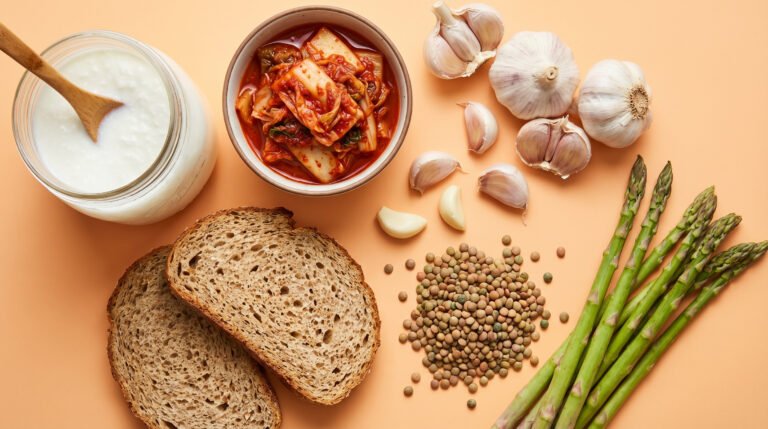
| Fermented foods | May add live microbes and increase food variety. | Can fit a heart-supportive pattern, but sodium varies. |
One thing worth pushing back on here: gut health is often marketed as a supplement problem. For blood pressure, the more practical starting point is usually the food pattern feeding the microbiome every day.
Resistant Starch Can Help Too
Resistant starch is a type of carbohydrate that resists digestion in the small intestine. It can reach the colon, where gut bacteria may ferment it.
Common sources include beans, lentils, slightly green bananas, oats, barley, and cooked-then-cooled potatoes or rice. Tolerance varies, so it is better to increase gradually.
Inflammation, Gut Barrier Function, and Blood Vessels
Blood vessels need to relax and tighten at the right times. When inflammation is higher, vascular function can become less flexible.
Some research suggests gut imbalance may contribute to inflammatory signaling that affects blood vessels and blood pressure pathways. This does not mean every person with hypertension has a “leaky gut,” but gut barrier health may be relevant in a larger metabolic pattern.[4]
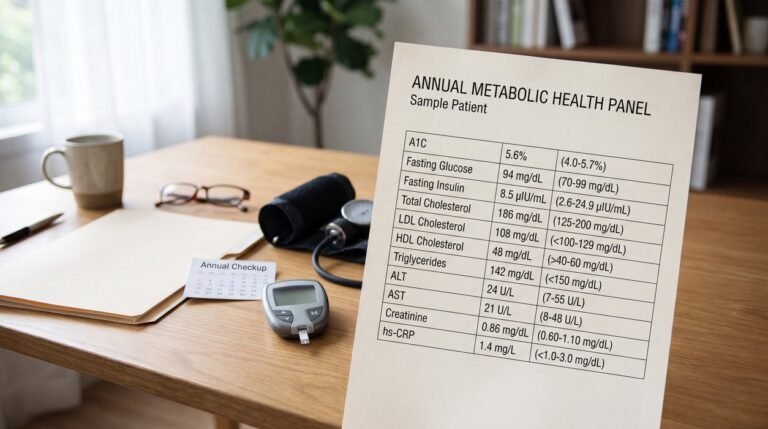
This connection may be especially important when elevated blood pressure appears alongside insulin resistance, abdominal weight gain, poor sleep, or rising glucose markers. For that reason, it can help to understand how gut health may connect with prediabetes.
Where Sodium Fits In
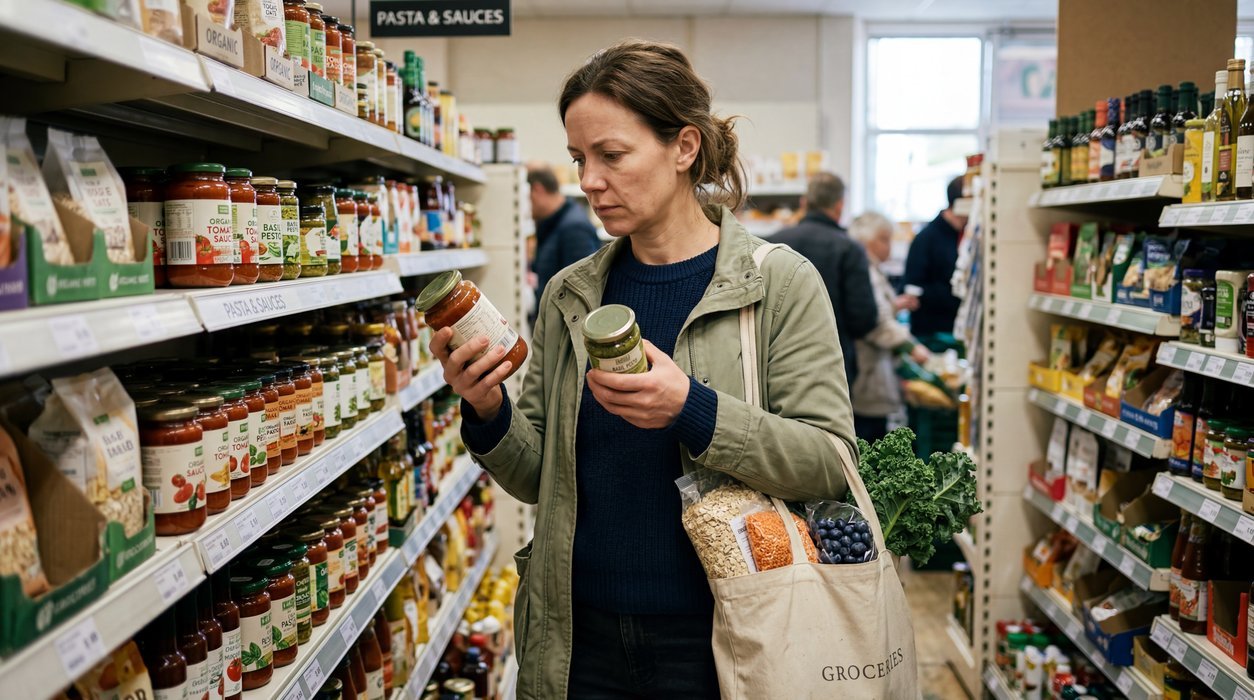
Sodium still matters. Many adults get most of their sodium from packaged foods, restaurant meals, processed meats, salty snacks, sauces, breads, and ready-made meals.
The goal is not extreme restriction unless a clinician recommends it. A better first step is replacing sodium-heavy processed foods with meals built from plants, protein, minerals, and fiber.
Potassium and Magnesium Are Part of the Pattern
Potassium helps balance some effects of sodium and supports normal vascular function. Magnesium is involved in muscle and nerve function, including the relaxation of blood vessels.
Beans, lentils, vegetables, fruits, nuts, seeds, and whole grains often provide fiber, potassium, and magnesium together. That is why whole-food patterns can be more useful than focusing on one nutrient in isolation.
People with kidney disease or those taking medications that affect potassium should ask a healthcare provider before increasing potassium-rich foods or using potassium-based salt substitutes.
Gut Microbiome and Blood Pressure Diet Patterns
Gut microbiome and blood pressure support usually does not require a complicated protocol. The most useful patterns are built around minimally processed foods, plant variety, adequate protein, and sodium awareness.
The DASH eating pattern has strong evidence for blood pressure management. It emphasizes fruits, vegetables, whole grains, legumes, nuts, seeds, low-fat dairy or suitable alternatives, lean proteins, and lower sodium intake.[5]
A Mediterranean-style pattern may also fit well. It usually includes vegetables, legumes, fruit, whole grains, olive oil, nuts, herbs, fish, and fermented dairy when tolerated.
What to Add First
- Add beans, lentils, or chickpeas several times per week.
- Choose oats, barley, or intact whole grains more often.
- Add one extra vegetable to lunch or dinner.
- Use unsalted nuts or seeds instead of salty snacks.
- Try plain yogurt, kefir, tempeh, or small portions of fermented vegetables if tolerated.
Fermented foods are not automatically blood-pressure-friendly. Kimchi, sauerkraut, miso, and pickles can be high in sodium, so portions and labels matter.

What to Reduce Without Making Food Miserable
A helpful blood-pressure plan usually reduces the biggest sodium sources first. These often include restaurant meals, frozen entrées, deli meats, packaged soups, sauces, chips, crackers, and fast food.
The point is not to make food bland. Herbs, vinegar, citrus, garlic, onion, spices, olive oil, and small portions of salty fermented foods can add flavor without making sodium the center of the meal.
A Practical Plan for Daily Life
A gut-centered blood pressure plan should feel realistic. It should not depend on expensive tests, restrictive rules, or a large supplement routine.
Start with habits that support both the microbiome and the cardiovascular system. Then track blood pressure at home if a healthcare provider recommends it.
7-Day Starting Plan
- Day 1: Add oats, berries, chia seeds, or ground flaxseed to breakfast.
- Day 2: Replace one packaged snack with fruit plus unsalted nuts or plain yogurt.
- Day 3: Build one meal around lentils, beans, chickpeas, tofu, fish, or poultry.
- Day 4: Walk for 10 to 20 minutes after the largest meal.
- Day 5: Check sodium on sauces, breads, soups, frozen meals, and deli foods.
- Day 6: Add a fermented food if tolerated, choosing lower-sodium options when possible.
- Day 7: Repeat two easy meals next week instead of trying to redesign everything.
Early wins are often simple: better regularity, fewer salty snack cravings, steadier energy after meals, or more confidence reading labels. Those changes can make the plan easier to keep.
Movement Also Feeds the System
Regular movement supports blood pressure, insulin sensitivity, vascular function, and body composition. It may also influence gut microbial diversity, although individual responses vary.
A post-meal walk is a simple place to begin. It supports glucose handling and turns a gut-supportive meal into a broader metabolic habit.

Sleep and Stress Still Matter
Sleep loss can raise sympathetic nervous system activity and make food decisions harder the next day. Stress can also influence appetite, alcohol intake, cravings, and blood pressure patterns.
A basic evening routine may support both metabolic health and blood pressure management. Keep it simple: consistent sleep timing, less late-night scrolling, and a calming transition before bed.
How Long Changes May Take
Digestive changes can appear within days when fiber intake increases gradually. Blood pressure trends usually need more time and should be judged by repeated readings, not one isolated number.
Many lifestyle changes are evaluated over several weeks to months. Current hypertension guidance continues to emphasize diet quality, sodium reduction, physical activity, weight management where appropriate, alcohol moderation, sleep, and accurate measurement.[6]
If fiber increases too quickly, bloating or gas can happen. Increase portions gradually and drink enough fluid, especially when adding beans, bran, chia seeds, or large amounts of vegetables.
What to Track Without Obsessing
- Average home blood pressure, if recommended by a clinician.
- Fiber-rich servings per day.
- Packaged or restaurant meals per week.
- Daily steps or weekly movement sessions.
- Sleep timing and consistency.
- Digestive tolerance while increasing fiber.
Medical support matters if readings remain high, change suddenly, or come with symptoms such as chest pain, severe headache, shortness of breath, weakness, confusion, or vision changes.
Conclusion
The relationship between gut microbiome and blood pressure is not a shortcut or single-cause explanation. It is a reminder that digestion, metabolism, inflammation, blood vessels, and daily habits are connected.
Gut microbiome and blood pressure support starts with repeatable basics: more fiber-rich plants, less hidden sodium, regular movement, enough sleep, and meals that support steadier blood sugar.
The goal is not perfection. The goal is to give the body consistent signals that support a healthier internal environment over time.
Frequently Asked Questions
What is the relationship between gut microbiome and blood pressure?
The relationship between gut microbiome and blood pressure appears to involve microbial metabolites, inflammation, blood vessel function, and kidney-related signaling. Gut bacteria can produce short-chain fatty acids from fiber, and these compounds may interact with pathways involved in blood pressure regulation. The microbiome is one part of the picture, not the only cause. Sodium intake, genetics, weight, sleep, stress, kidney health, medication, and movement still matter.
Can probiotics lower blood pressure?
Some studies suggest certain probiotic strains may modestly support blood pressure in some adults, but results vary by strain, dose, diet, and baseline health. Probiotics should not replace medical care, prescribed medication, or established lifestyle strategies. A food-first approach with more fiber-rich plants usually provides a broader foundation. People with immune compromise or serious illness should ask a healthcare provider before using probiotic supplements.
Are fermented foods good for high blood pressure?
Fermented foods can fit into a gut-supportive eating pattern, but they are not all low in sodium. Plain yogurt, kefir, and tempeh may be easier options for people watching blood pressure. Kimchi, sauerkraut, miso, and pickles can be salty, so portion size matters. Use higher-sodium fermented foods as condiments rather than large servings.
How much fiber supports gut and heart health?
Many adults eat less fiber than recommended, so a gradual increase is often more realistic than a sudden jump. Start by adding one fiber-rich food per day, such as beans, lentils, oats, berries, vegetables, chia seeds, or nuts. Increase slowly to reduce bloating and improve tolerance. People with digestive conditions may need a more personalized plan.
Should people with high blood pressure get microbiome testing?
Routine microbiome testing is not usually necessary for blood pressure management. Commercial tests can be interesting, but they often do not lead to clear medical decisions. Most people can start with evidence-aligned habits: more fiber-rich foods, less excess sodium, regular movement, better sleep, and home blood pressure tracking when advised. A clinician can help decide whether additional testing is appropriate.
Medical Disclaimer: The information provided in this article is for educational purposes only and does not constitute medical advice. Always consult a qualified healthcare provider before making changes to your diet, lifestyle, or treatment plan. TheMetabolicHub.com does not replace professional medical guidance.
References
- Pluznick JL. Microbial Short-Chain Fatty Acids and Blood Pressure Regulation. Current Hypertension Reports. 2017. PMID: 28315048
- Chambers ES, Preston T, Frost G, Morrison DJ. Role of Gut Microbiota-Generated Short-Chain Fatty Acids in Metabolic and Cardiovascular Health. Current Nutrition Reports. 2018. PMID: 30264354
- Xu J, Moore BN, Pluznick JL. Short-Chain Fatty Acid Receptors and Blood Pressure Regulation. Hypertension. 2022. PMID: 35912645
- Poll BG, Cheema MU, Pluznick JL. Gut Microbial Metabolites and Blood Pressure Regulation: Focus on SCFAs and TMAO. Physiology. 2020. PMID: 32490748
- Charchar FJ, Prestes PR, Mills C, et al. Lifestyle Management of Hypertension: International Society of Hypertension Position Paper. Journal of Hypertension. 2024. PMID: 37712135
- Jones DW, Ferdinand KC, Taler SJ, et al. 2025 Guideline for the Prevention, Detection, Evaluation, and Management of High Blood Pressure in Adults. Circulation. 2025. PMID: 40815242