How to Lower Blood Pressure Naturally: 6 Evidence-Based Strategies
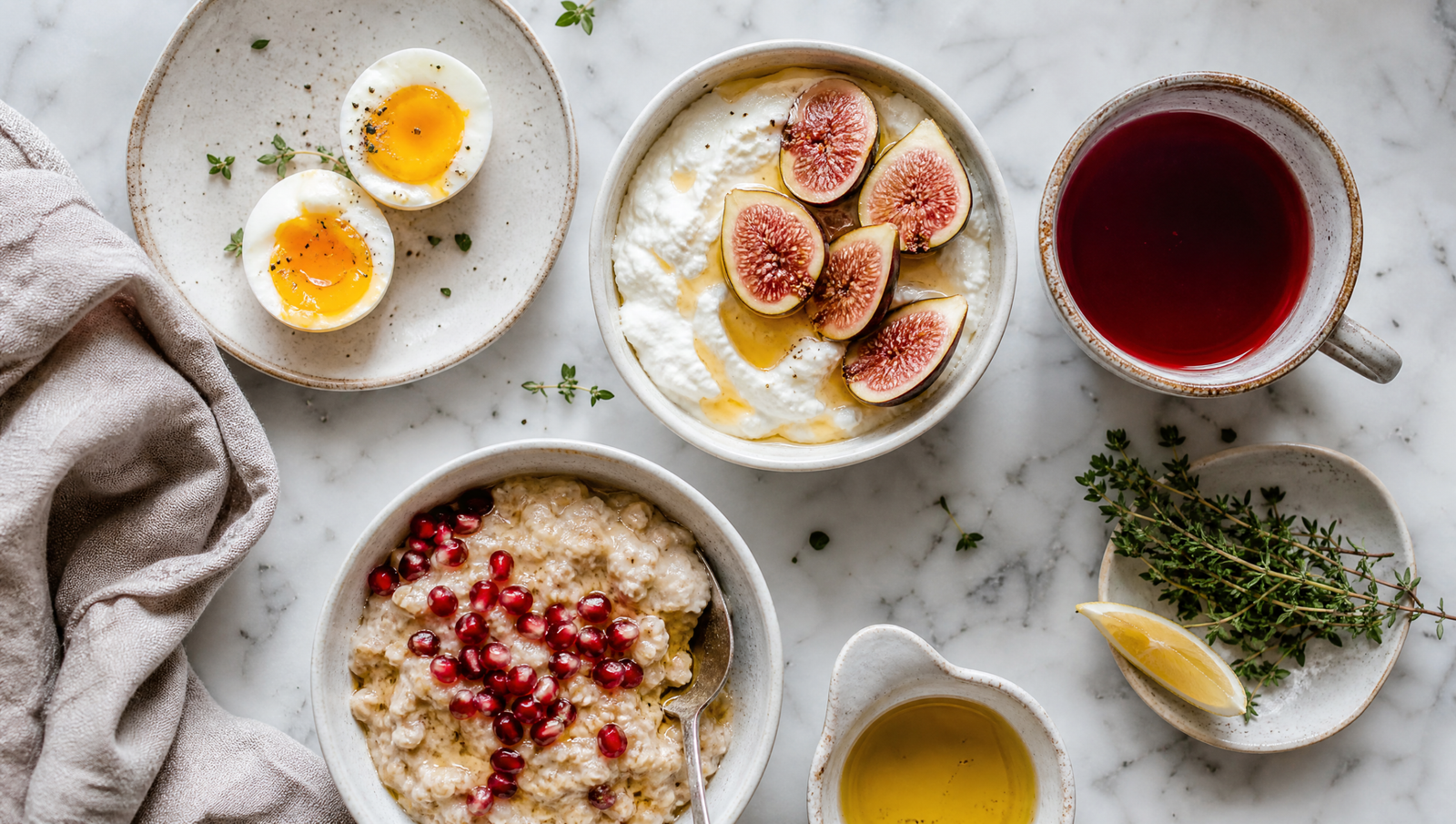
Blood pressure numbers often rise quietly. No dramatic symptoms. No obvious warning sign. Just a routine reading that suddenly leads to a conversation about risk, medication, or what needs to change.
The encouraging part: learning how to lower blood pressure naturally is one of the better-supported areas of lifestyle medicine. Food quality, sodium balance, potassium intake, exercise, sleep, alcohol, stress, and accurate home monitoring can all influence the pressure inside your arteries.
That does not mean lifestyle changes replace medical care. But for many people with mildly or moderately elevated readings, the right habits can meaningfully improve blood pressure — especially when several strategies are combined consistently.
Quick Wins to Start Today
- Take a 10–15 minute walk after your largest meal.
- Add one potassium-rich food today, such as leafy greens, sweet potato, avocado, lentils, or white beans.
- Try 2–3 short wall sits this week, if exercise is safe for you.
- Check one processed food label and look for a lower-sodium swap.
- Measure blood pressure at home after sitting quietly for 5 minutes.
Important safety note: Lifestyle changes can be powerful, but very high blood pressure needs medical attention. If your blood pressure is around 180/120 mmHg or higher, recheck it after resting briefly. Seek urgent medical care if it remains very high or if you have chest pain, shortness of breath, severe headache, weakness, confusion, difficulty speaking, or vision changes.[1] Do not stop or reduce blood pressure medication without guidance from your healthcare provider.
In This Article
- What Elevated Blood Pressure Actually Means
- Strategy 1: The DASH Diet
- Strategy 2: Sodium, Potassium, and Magnesium
- Strategy 3: Foods and Drinks That May Help
- Strategy 4: Aerobic and Resistance Training
- Strategy 5: Isometric Exercise
- Strategy 6: Sleep, Stress, Alcohol, and Home Monitoring
- Where to Start This Week
- Common Mistakes
- Frequently Asked Questions
What Elevated Blood Pressure Actually Means
Blood pressure is the force of blood pushing against artery walls. The top number, systolic pressure, reflects pressure during a heartbeat. The bottom number, diastolic pressure, reflects pressure when the heart relaxes between beats.
Guidelines classify readings differently depending on the country and clinical context. In U.S. guidelines, hypertension begins at 130/80 mmHg. The 2024 European Society of Cardiology guidelines maintain 140/90 mmHg as the office threshold for hypertension, while also recognizing an “elevated blood pressure” category below that level for people at increased cardiovascular risk.[1][2]
The practical takeaway is simple: repeated readings above the optimal range deserve attention, especially if they appear alongside belly fat, insulin resistance, high triglycerides, poor sleep, kidney disease, or a family history of cardiovascular disease.
Over time, elevated pressure strains artery walls, increases vascular stiffness, and makes the heart work harder. It can also affect kidney function, sodium handling, and fluid balance — creating a feedback loop that keeps pressure elevated.
Strategy 1: The DASH Diet
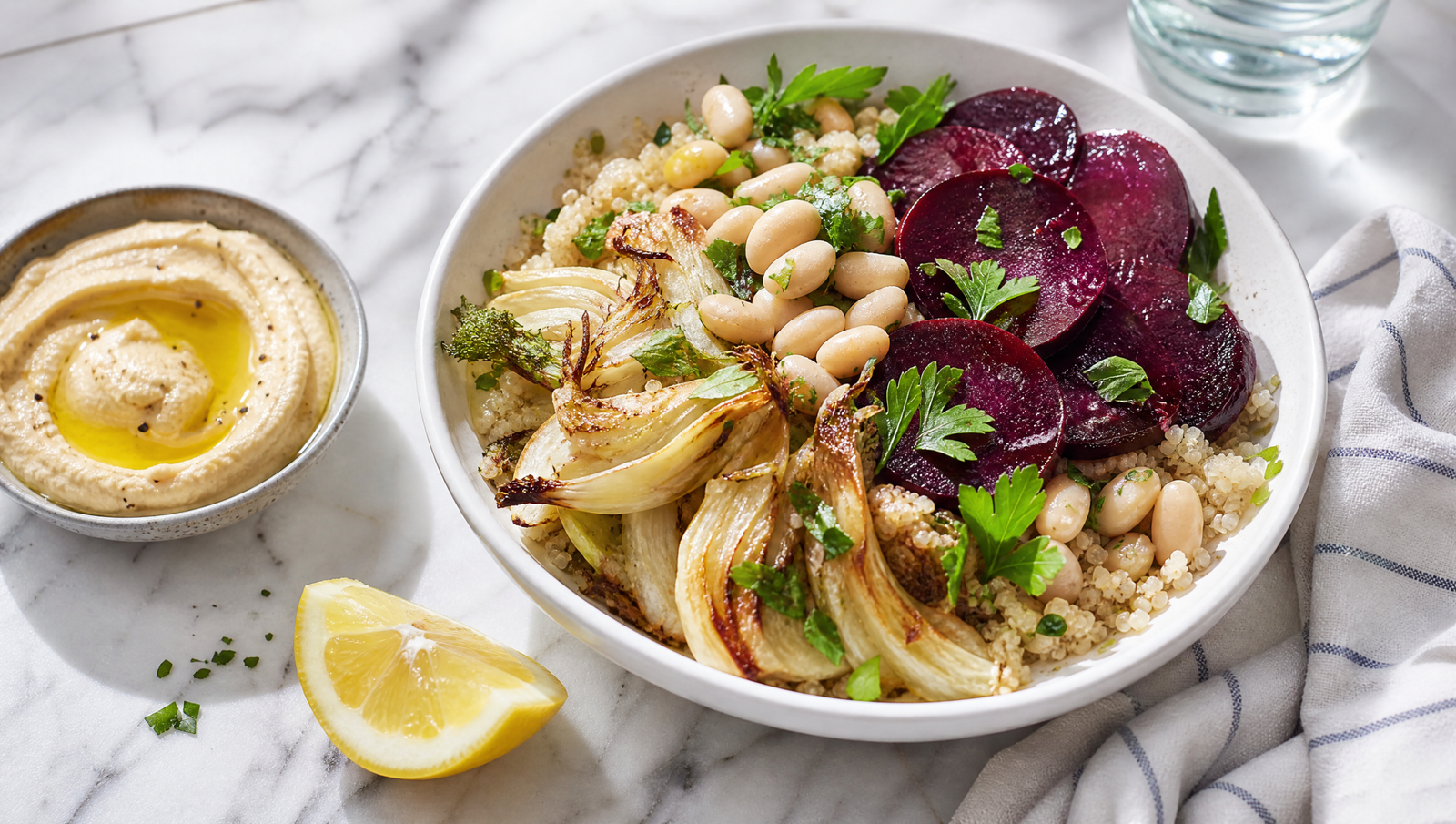
The DASH diet blood pressure approach — Dietary Approaches to Stop Hypertension — is one of the most validated nutrition patterns for lowering blood pressure. It emphasizes vegetables, fruits, legumes, whole grains, nuts, seeds, and low-fat dairy while limiting sodium, processed foods, added sugars, and excess red meat.
In the DASH-Sodium trial, both the DASH eating pattern and sodium reduction lowered blood pressure, with the strongest effects seen when they were combined.[3] The effect is often larger in people starting with higher blood pressure.
DASH works because it changes the entire dietary environment: more potassium, magnesium, calcium, fiber, polyphenols, and nitrate-rich plants; less sodium, refined carbohydrate, and ultra-processed food. That combination supports better vascular relaxation, kidney sodium excretion, insulin sensitivity, and arterial function.
Strategy 2: Sodium, Potassium, and Magnesium
Sodium matters, but the goal is not simply to fear the saltshaker. Much of the sodium in modern diets comes from packaged foods, restaurant meals, bread, deli meats, sauces, soups, frozen meals, and salty snacks.
For many adults with elevated blood pressure, reducing sodium toward 2,300 mg per day — and sometimes closer to 1,500 mg under medical guidance — can help lower readings. People vary in salt sensitivity, but sodium reduction is especially relevant for older adults, people with hypertension, kidney disease, diabetes, or high baseline sodium intake.
Potassium works in the opposite direction: it helps the kidneys excrete sodium and supports more relaxed blood vessel walls. Potassium blood pressure benefits are one reason DASH-style eating is effective. Good sources include leafy greens, potatoes, sweet potatoes, beans, lentils, bananas, avocado, squash, yogurt, and tomatoes.
Magnesium also supports vascular tone and glucose metabolism. Pumpkin seeds, almonds, spinach, black beans, dark chocolate, and whole grains are practical sources.
Potassium caution: Do not sharply increase potassium or use potassium supplements without medical guidance if you have kidney disease or take medications that affect potassium, such as ACE inhibitors, ARBs, potassium-sparing diuretics, or certain heart medications.
Strategy 3: Foods and Drinks That May Help
Some foods that lower blood pressure have been studied directly. They are not magic fixes, but they may add a useful incremental effect when layered onto a DASH-style pattern.
| Food or Drink | Why It May Help | Practical Use |
|---|---|---|
| Beetroot juice | Dietary nitrates may increase nitric oxide and support vasodilation. | Often studied as juice or nitrate-standardized beetroot products. |
| Leafy greens and arugula | Naturally rich in potassium, magnesium, and plant nitrates. | Add to salads, omelets, soups, smoothies, or grain bowls. |
| Garlic | Garlic preparations may modestly reduce blood pressure in hypertensive adults. | Use in cooking; supplements should be discussed if taking blood thinners. |
| Hibiscus tea | Trials suggest modest reductions in systolic and diastolic pressure. | Unsweetened tea can replace sugary drinks. |
| Cocoa or dark chocolate | Cocoa flavanols may support nitric oxide production. | Choose small portions of high-cocoa, low-sugar options. |
Meta-analyses suggest beetroot juice, garlic preparations, and hibiscus may reduce blood pressure modestly in some groups, particularly adults with elevated readings.[4][5][6] The best results still come from the whole pattern: more minimally processed plants, adequate protein, less sodium-heavy packaged food, and fewer sugary drinks.
Strategy 4: Aerobic and Resistance Training
Exercise for high blood pressure works through several mechanisms. It improves endothelial function, supports nitric oxide production, reduces resting sympathetic nervous system activity, improves insulin sensitivity, and helps lower visceral fat.
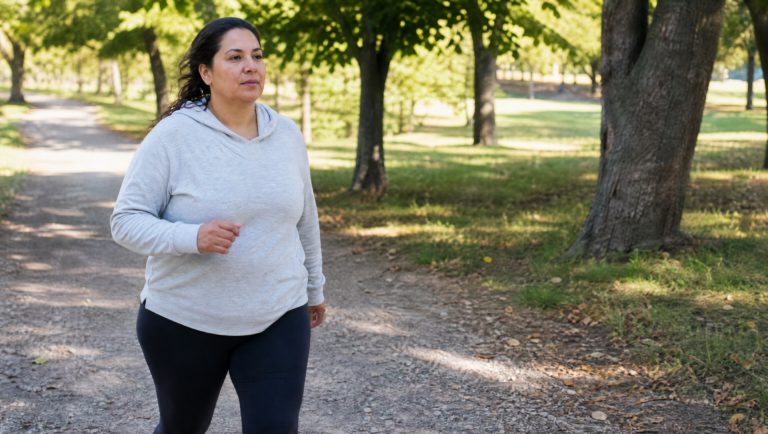
Aerobic exercise — brisk walking, cycling, swimming, dancing, or hiking — can lower resting blood pressure over time. A practical target is at least 150 minutes per week of moderate activity, built gradually if you are starting from a low baseline.
Resistance training also matters. Two or more sessions per week can improve muscle mass, glucose disposal, arterial function, and metabolic health. This is especially relevant because hypertension often overlaps with insulin resistance. The same habits that lower blood pressure can also improve insulin sensitivity.
Start conservatively if you are new to exercise, have known heart disease, dizziness, chest discomfort, or very high readings. In those cases, get medical clearance before intense training.
Strategy 5: Isometric Exercise
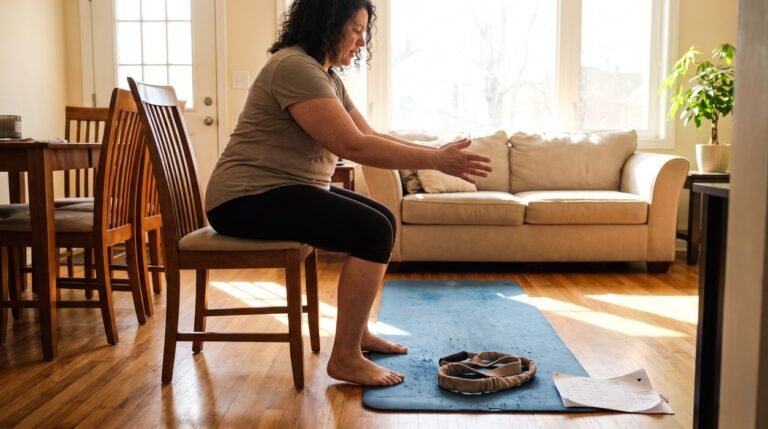
Isometric exercise means contracting a muscle without moving through a large range of motion. Wall sits, planks, and handgrip holds are common examples.
A large 2023 network meta-analysis found that multiple exercise types improve resting blood pressure, with especially strong results for isometric training.[7] This does not mean wall sits are a cure, but they are a practical, low-equipment option that many people can use.
A simple starting point is a wall sit held for 20–60 seconds, repeated 2–4 times, two or three days per week. More advanced protocols often use longer holds, but beginners should not force maximal effort. Stop if you feel chest pain, unusual shortness of breath, dizziness, or pressure in the head.

Strategy 6: Sleep, Stress, Alcohol, and Home Monitoring
Blood pressure is not controlled only by food and exercise. Sleep, stress physiology, alcohol intake, and measurement accuracy can all keep readings elevated.
Sleep and Blood Pressure
During healthy sleep, blood pressure usually dips overnight. Poor sleep, short sleep, shift work, and frequent waking can blunt this dip and keep the cardiovascular system under strain.
Sleep apnea deserves special attention. It causes repeated drops in oxygen during the night, triggering adrenaline surges and blood pressure spikes. If blood pressure remains high despite lifestyle changes — especially with loud snoring, morning headaches, daytime sleepiness, or resistant hypertension — a sleep evaluation is worth discussing with a clinician.
Stress and Alcohol
Stress can raise blood pressure through adrenaline, cortisol, vascular constriction, and sodium retention. Slow breathing, mindfulness-based stress reduction, time outdoors, therapy, and regular movement can all help shift the nervous system toward a less reactive state.
Alcohol is also commonly underestimated. It can raise blood pressure, disrupt sleep, increase sympathetic activation, and worsen next-day readings. Reducing alcohol — especially avoiding it near bedtime — is one of the more practical high blood pressure lifestyle changes.
Home Blood Pressure Monitoring
Accurate measurement matters. A rushed reading can make blood pressure look higher than it really is. Use a validated upper-arm monitor when possible. Sit with your back supported, feet flat on the floor, legs uncrossed, and arm supported at heart level. Rest quietly for 5 minutes. Place the cuff on bare skin, then take two readings 1–2 minutes apart and record the average.[8]
Track patterns over several days instead of reacting to one number. Bring your log to medical appointments, especially if readings vary widely between home and clinic.
Where to Start This Week
Trying to change everything at once usually fails. A better approach is to build a small stack of habits that reinforce each other.
- Day 1–2: Measure blood pressure correctly at home and identify your usual morning baseline.
- Day 3: Replace one high-sodium packaged meal with a DASH-style meal built around protein, vegetables, beans, potatoes, or whole grains.
- Day 4: Add a 10–15 minute walk after your largest meal.
- Day 5: Try gentle wall sits or another safe isometric exercise.
- Day 6: Stop alcohol 2–3 hours before bed, or skip it entirely and compare your morning reading.
- Day 7: Review your readings as a trend, not as isolated wins or failures.
Meaningful reductions often take 4–12 weeks of consistency. Some interventions, such as beetroot juice, breathing practice, or walking after meals, may have faster short-term effects, but the durable benefit comes from repetition.
Common Mistakes That Keep Blood Pressure Elevated
The first mistake is relying on one “superfood” while the rest of the diet stays high in sodium, low in potassium, and heavily processed. Beetroot juice cannot outwork a consistently sodium-heavy pattern.
The second is ignoring sleep. A perfect diet will only go so far if alcohol, insomnia, or untreated sleep apnea keeps the nervous system activated every night.
The third is measuring incorrectly. Wrist monitors, crossed legs, talking during measurement, a cuff over clothing, or checking immediately after caffeine, stress, or exercise can distort results.
The fourth is stopping medication too soon. Lifestyle can improve blood pressure, but medication changes should always be supervised. The goal is safer long-term control, not proving that medication was never needed.
Lowering Blood Pressure Naturally Is a System, Not a Single Hack
The most reliable natural ways to lower blood pressure work together: DASH-style eating, less sodium-heavy processed food, more potassium-rich whole foods, regular exercise, isometric training, better sleep, less alcohol, stress regulation, and accurate home monitoring.
None of these require perfection. They require consistency. For many people, that consistency can move blood pressure in a meaningful direction — while also improving insulin sensitivity, energy, sleep, and overall metabolic health.
Frequently Asked Questions
How do you lower blood pressure naturally?
The most evidence-supported way to lower blood pressure naturally is to combine several lifestyle strategies: a DASH-style diet, reduced sodium from processed foods, more potassium-rich whole foods, regular aerobic and resistance exercise, isometric training, better sleep, reduced alcohol, stress management, and accurate home monitoring. The strongest effects usually come from combining these habits consistently rather than relying on one single intervention.
How quickly can lifestyle changes lower blood pressure?
Some changes, such as paced breathing, beetroot juice, or walking after meals, may affect blood pressure within hours. More sustained reductions from DASH-style eating, sodium reduction, exercise, sleep improvement, and alcohol reduction usually become clearer after 4–12 weeks of consistency. Home readings should be tracked over several days or weeks rather than judged from a single measurement.
Can you lower blood pressure naturally if it is very high?
Lifestyle changes remain important at all blood pressure levels, but very high readings should not be managed with natural methods alone. Readings around 180/120 mmHg or higher need prompt medical guidance, especially with symptoms such as chest pain, shortness of breath, severe headache, weakness, confusion, or vision changes. People with stage 2 hypertension often need medication plus lifestyle changes.
What foods help lower blood pressure?
Foods that may help lower blood pressure include leafy greens, beans, lentils, sweet potatoes, potatoes, tomatoes, bananas, avocado, yogurt, nuts, seeds, and nitrate-rich vegetables such as beetroot and arugula. Garlic, hibiscus tea, and cocoa-rich foods may also offer modest benefits in some studies. The overall dietary pattern matters more than any one food.
What is the best exercise for high blood pressure?
The best exercise plan for high blood pressure usually combines aerobic activity, resistance training, and safe isometric exercise. Brisk walking is a strong starting point because it is accessible and easy to repeat. Isometric exercises such as wall sits may also be especially effective, but people with heart disease, very high readings, dizziness, or chest symptoms should get medical guidance before starting intense protocols.
Medical Disclaimer: This article is for educational purposes only and does not constitute medical advice, diagnosis, or treatment. Always consult a qualified healthcare provider before changing your diet, exercise routine, supplements, medications, or treatment plan, especially if you have high blood pressure, kidney disease, heart disease, diabetes, pregnancy, or take prescription medication. TheMetabolicHub.com does not replace professional medical guidance.
References
- American Heart Association. Understanding Blood Pressure Readings. heart.org
- European Society of Cardiology. 2024 ESC Guidelines for the Management of Elevated Blood Pressure and Hypertension. escardio.org
- Sacks FM et al. Effects on Blood Pressure of Reduced Dietary Sodium and the Dietary Approaches to Stop Hypertension (DASH) Diet. New England Journal of Medicine. 2001. PMID: 11136953
- Benjamim CJR et al. Nitrate Derived From Beetroot Juice Lowers Blood Pressure in Patients With Arterial Hypertension: A Systematic Review and Meta-Analysis. Frontiers in Nutrition. 2022. PMID: 35369064
- Ried K. Garlic Lowers Blood Pressure in Hypertensive Subjects, Improves Arterial Stiffness and Gut Microbiota: A Review and Meta-Analysis. Experimental and Therapeutic Medicine. 2020. PMID: 32010325
- Serban C et al. Effect of Sour Tea (Hibiscus sabdariffa L.) on Arterial Hypertension: A Systematic Review and Meta-Analysis of Randomized Controlled Trials. Journal of Hypertension. 2015. PMID: 25875025
- Edwards JJ et al. Exercise Training and Resting Blood Pressure: A Large-Scale Pairwise and Network Meta-Analysis of Randomised Controlled Trials. British Journal of Sports Medicine. 2023. PMID: 37491419
- American Heart Association. Home Blood Pressure Monitoring. heart.org