Intermittent Fasting for Fatty Liver: How It May Help Reduce Liver Fat

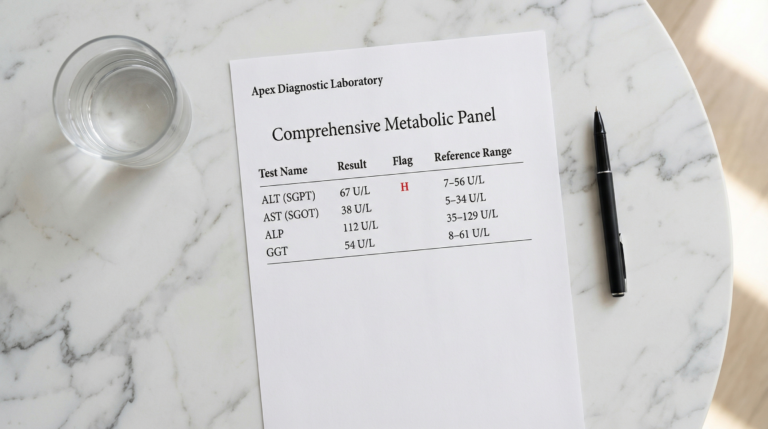
Intermittent fasting fatty liver guidance often starts with a confusing result: an ultrasound that says “mild hepatic steatosis,” or a blood panel showing elevated ALT or AST — liver enzymes that were quietly out of range, with no obvious symptoms to explain it.
For many people, that moment is the first time fatty liver has entered their awareness. And it often comes with a lot of unanswered questions.
Intermittent fasting for fatty liver has become one of the more researched dietary approaches in this area. It is not a cure, and it does not work the same way for everyone. But there is a growing body of evidence suggesting it may help — particularly when it supports earlier eating, reduces late-night food intake, lowers average insulin exposure, and improves overall diet quality.
Practical Starting Points
- Try a 14–16 hour overnight fasting window — for example, finishing dinner by 7 pm and eating again around 9–11 am.
- Move more of your food earlier in the day rather than late at night.
- Remove fructose-sweetened drinks, fruit juice, and sweetened coffees from your eating window.
- Add a 10–20 minute walk after your largest meal of the day.
In This Article
What Is Fatty Liver — and Why It Matters
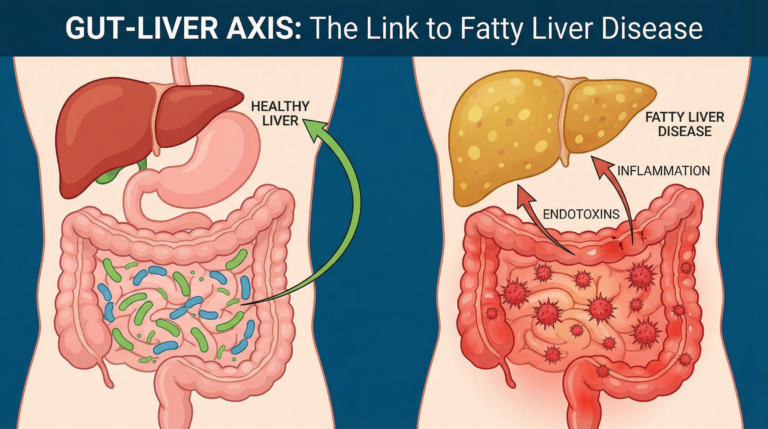
Fatty liver disease — now more precisely called MASLD, or metabolic dysfunction-associated steatotic liver disease — develops when fat accumulates in more than roughly 5% of liver cells.
It is remarkably common. According to the National Institute of Diabetes and Digestive and Kidney Diseases, fatty liver affects an estimated one in four adults in the United States, and it often develops without any noticeable symptoms.[1]
The liver tissue itself has limited pain sensation, and early fatty liver usually causes no obvious symptoms. That silence is part of what makes it easy to miss for years.
Why does it matter? Because fatty liver rarely stays isolated. It is closely linked to insulin resistance, elevated blood sugar, higher cardiovascular risk, and a progression risk toward more serious liver conditions if left unaddressed.
The root driver, in many cases, is metabolic overload: the liver receives more energy — especially from refined carbohydrates, excess calories, alcohol, and fructose-rich drinks — than it can process or export. Over time, that excess can convert into stored fat inside liver cells.
The good news is that fatty liver, especially in its earlier stages, is one of the more metabolically responsive conditions. Dietary and lifestyle changes can produce meaningful improvements — and intermittent fasting is one approach that may help some people create the structure needed to make those changes consistent.
How Intermittent Fasting May Help Reduce Liver Fat
Intermittent fasting works not through a single mechanism but through several overlapping shifts — in insulin levels, meal timing, appetite regulation, and overall metabolic load. Understanding these helps explain both why it may help and why it is not a standalone solution.
1. Lower Insulin Exposure and Longer Breaks From Eating
Every time carbohydrates are eaten, the pancreas releases insulin. In someone eating frequently throughout the day and into the evening, insulin levels may not have a sustained chance to fall.
When insulin stays elevated for extended periods, the liver tends to remain in a more fat-storing environment. A consistent fasting window — especially an overnight one — may help lower average insulin exposure and give the body longer periods in which stored energy can be used.
As liver glycogen declines during a longer overnight fast, the body gradually shifts toward using more stored fat for energy. This does not mean liver fat suddenly disappears after a specific number of hours. Rather, repeated periods of lower insulin and lower energy intake may, over time, support a reduction in intrahepatic fat.
2. Less Late-Night Eating and Better Circadian Alignment
The liver has its own internal clock. Its handling of glucose and fat appears to follow circadian rhythms, with generally better metabolic responses earlier in the day than late at night.
Eating late in the evening — especially large, carbohydrate-heavy meals — may work against this rhythm. Time-restricted eating research suggests that shifting the eating window earlier in the day often produces better metabolic outcomes than placing the same eating window late in the evening.[2]
Intermittent fasting naturally reduces late-night eating for many people, which may itself account for a meaningful portion of the liver benefits seen in studies.
3. Lower Metabolic Load When Diet Quality Improves
One thing worth being clear about: intermittent fasting is a structure, not magic. A significant portion of the liver improvements seen in clinical research is linked to calorie reduction, better food choices, reduced alcohol intake, and improved insulin sensitivity — not fasting timing alone.
When fasting helps people eat fewer ultra-processed foods, less fructose, and fewer refined starches, the liver receives a lower load of the nutrients that can drive fat accumulation. That change in dietary quality — supported by the structure of a fasting window — may be where much of the benefit comes from.
A Note on Autophagy
Fasting is thought to influence autophagy-related pathways — cellular processes involved in recycling damaged components, including lipid droplets in liver cells. Some researchers believe this may contribute to liver fat reduction over time.
The timing and magnitude of these effects in humans are still being studied, and the evidence is less settled than popular coverage suggests. Autophagy is a plausible contributing mechanism, but it should not be treated as the main reason intermittent fasting may help fatty liver.

What the Research Shows
The clinical picture on intermittent fasting for fatty liver is encouraging — but more nuanced than many popular summaries suggest.
Smaller studies and pilot trials have reported improvements in liver fat content, liver enzymes, insulin sensitivity, body weight, and waist circumference in people following time-restricted eating protocols over several weeks to months.[3]
A systematic review of available trials found that time-restricted eating may improve some markers in people with NAFLD or MASLD, but the authors also noted that the evidence base remains limited. Study sizes are still relatively small, protocols vary, and longer-term data are needed before fasting can be presented as a stand-alone treatment.[4]
One finding is especially important: a larger randomized clinical trial found that time-restricted eating was not superior to daily calorie restriction for reducing intrahepatic triglyceride content when both groups reduced energy intake.[5] That does not make fasting useless. It reframes what fasting likely does best.
The practical takeaway: intermittent fasting for fatty liver appears most effective when it works as a framework for earlier eating, less frequent snacking, reduced refined carbohydrate intake, lower alcohol exposure, and a sustainable calorie balance — not as a metabolic shortcut that bypasses those fundamentals.
How to Use Fasting Safely and Practically
Start Gradually
There is no need to begin with a strict 16-hour window. Starting with 12 hours — for example, finishing dinner by 8 pm and eating breakfast at 8 am — is a reasonable first step that many people find easy to maintain.
From there, extending gradually to 14 and then 16 hours over several weeks allows the body to adjust without the fatigue, irritability, or energy dips that can come from jumping in too quickly.
A practical example: finishing the last meal by 7–8 pm and delaying the first meal to 11 am or noon creates a 15–16 hour fasting window that is mostly built around sleep. During the fasting window, water, plain black coffee, and unsweetened tea are generally considered acceptable without meaningfully interrupting the fast.
Who Should Be Careful With Fasting
Intermittent fasting is not appropriate for everyone without medical guidance. Speak with a doctor before starting if any of the following apply:
- You take insulin or blood sugar medications — fasting can cause hypoglycemia
- You are pregnant or breastfeeding
- You have a history of disordered eating
- You are underweight
- You have advanced liver disease, cirrhosis, or a complex liver condition
- You are under 18
- You have significant other medical conditions
For people who do not fall into these categories, a gradual approach is usually better tolerated than an aggressive one. Still, fatty liver should be tracked medically through appropriate follow-up labs, imaging, and clinical guidance.
What to Eat During the Eating Window
The eating window matters as much as the fasting window — possibly more. Filling a 16-hour fast with ultra-processed food, fructose-sweetened drinks, and refined carbohydrates undermines the liver benefits significantly.
A Mediterranean-style eating pattern appears to pair well with intermittent fasting for fatty liver. Research on diet, physical activity, and exercise consistently supports this type of pattern for improving liver fat, metabolic markers, and insulin sensitivity.[6]
Foods that tend to support liver health in this context include:
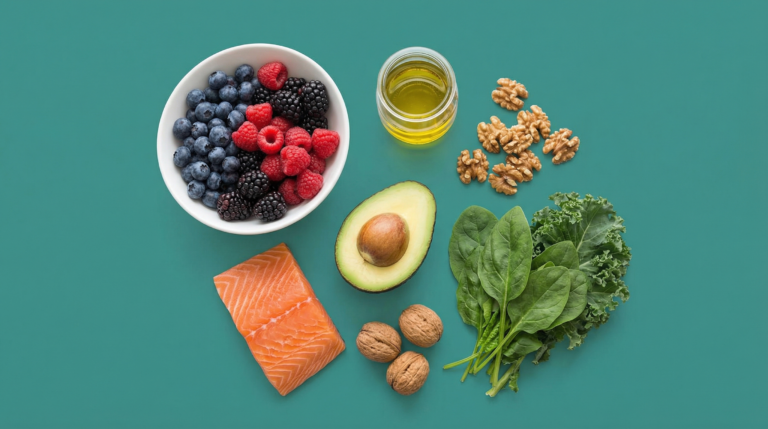
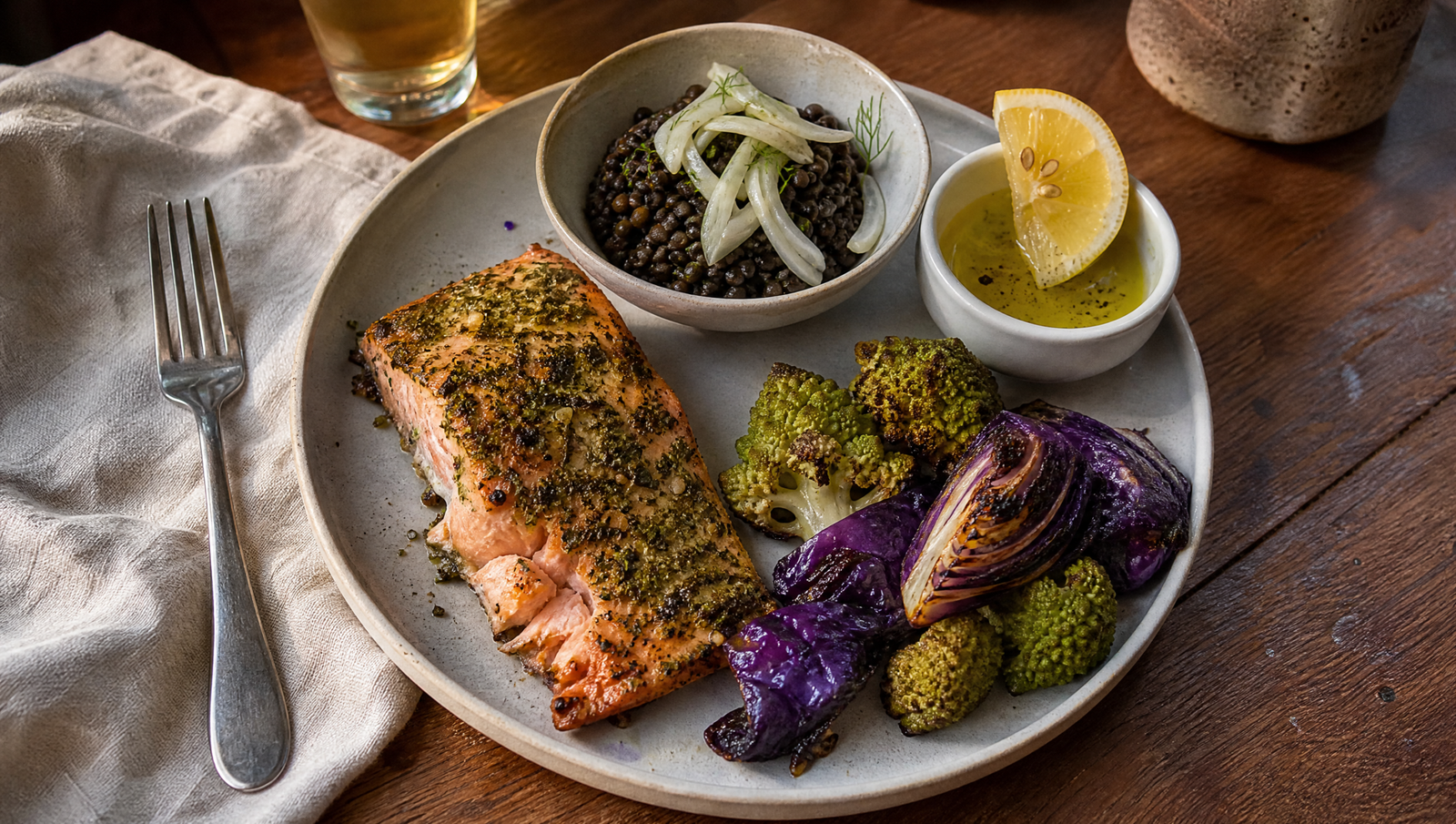
- Fatty fish — salmon, sardines, mackerel — omega-3-rich options that may help reduce liver triglycerides
- Extra virgin olive oil — a key part of Mediterranean-style eating patterns linked to better metabolic health
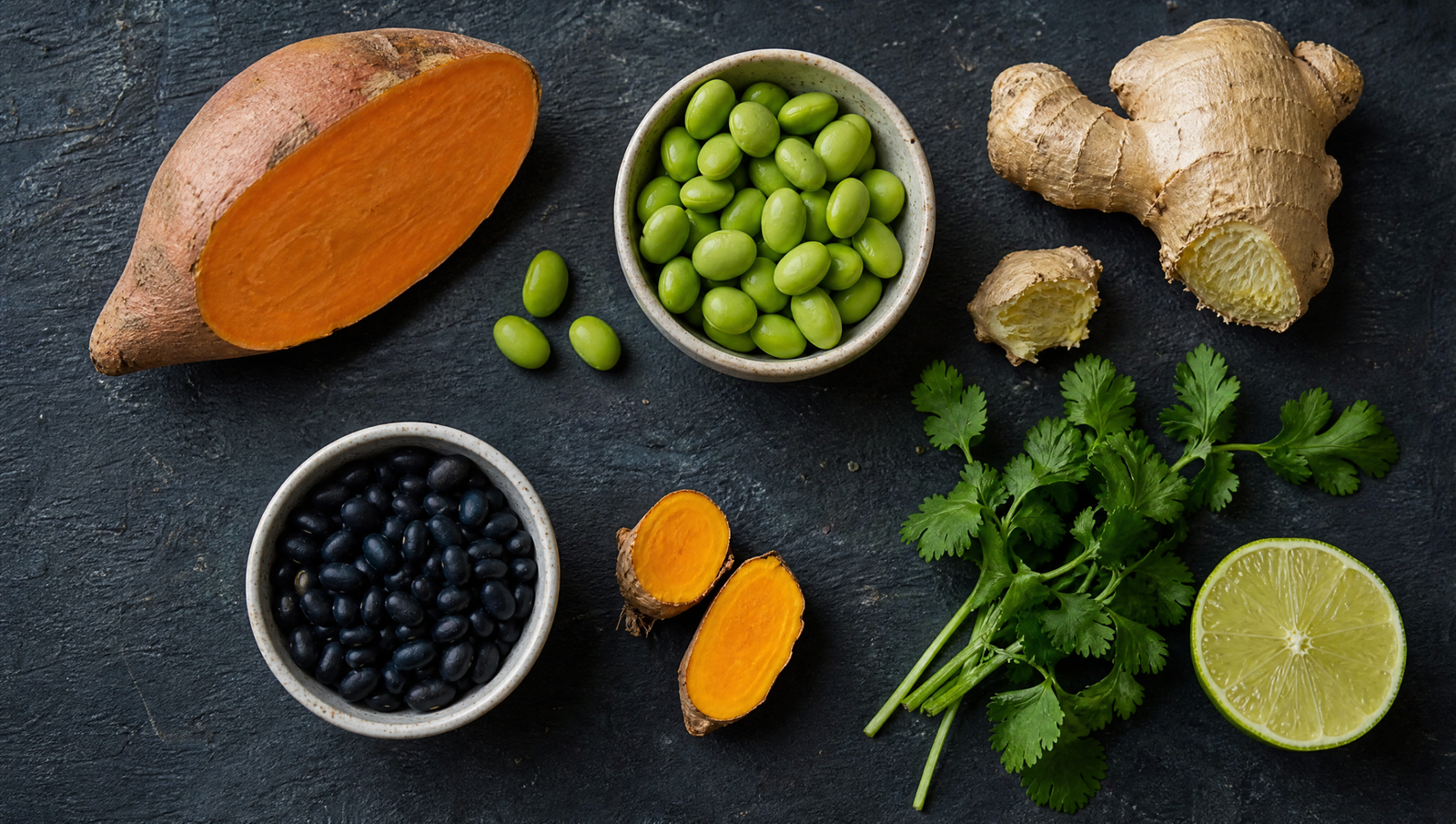
- Legumes — lentils, chickpeas, black beans — fiber-rich, lower glycemic, and filling
- Non-starchy vegetables — broccoli, kale, Swiss chard, zucchini, peppers — nutrient-dense and supportive of overall metabolic health
- Eggs and Greek yogurt — quality protein sources that help stabilize blood sugar at meals
- Whole grains — oats, quinoa, farro — slower-digesting carbohydrates that reduce the liver’s sugar load compared with refined starches
Reduce or remove: fructose-sweetened beverages, fruit juice, alcohol, ultra-processed snacks, and white refined carbohydrates. These can add to the liver’s metabolic burden regardless of when they are eaten.
A note on alcohol: fasting cannot compensate for regular alcohol consumption. Alcohol is metabolized primarily in the liver and can contribute directly to hepatic fat accumulation and liver inflammation. If alcohol is a consistent part of the picture, it is worth discussing with a doctor whether what is present is truly MASLD or an alcohol-associated fatty liver — the management approach differs.
One practical addition that often gets overlooked: a 10–20 minute walk after the largest meal of the day. Post-meal movement helps muscles take up glucose from the bloodstream, which can reduce the glucose and insulin demand the liver has to manage after eating.[7]
Common Mistakes That Undermine Results
Fasting but Eating Late at Night
A 16-hour fast that runs from midnight to 4 pm does not carry the same metabolic logic as one that ends the eating window by 7–8 pm. Circadian alignment — eating more of the day’s food earlier — appears to matter independently of fasting duration.
Breaking the Fast With Refined Carbohydrates or Juice
After a longer fast, a refined-carbohydrate-heavy first meal can produce a larger glucose and insulin rise than a protein- and fiber-rich meal. Starting with cereal, toast with jam, or orange juice can amplify that response.
A steadier option would be eggs with vegetables, Greek yogurt with nuts, sardines on whole grain bread, or a salad with olive oil and a protein source.
Using Fasting to Compensate for Poor Food Choices
Fasting is not a license to eat ultra-processed food during the eating window. If the window is filled with the same foods that contributed to fatty liver in the first place, the structure of fasting does little to address the underlying problem.
Expecting Imaging-Level Results Too Quickly
This is one of the most common sources of discouragement. Liver fat changes visible on ultrasound or MRI typically require 8–12 weeks or longer of consistent effort. Some people may see liver enzymes begin to shift somewhat earlier, but week-to-week variation on a blood panel is not a reliable indicator of progress.
This pattern often develops quietly over years. It does not reverse in a matter of weeks, and expecting it to can lead to abandoning approaches that were actually working. Committing to a consistent structure for at least three months before drawing conclusions is a reasonable benchmark.
Fasting Aggressively and Then Overeating
Extended fasting followed by large, high-carbohydrate meals can create a significant glucose and insulin spike — especially in people with insulin resistance. Moderate, consistent fasting windows tend to produce better outcomes than aggressive approaches followed by compensatory eating.
Putting It Together
An intermittent fasting fatty liver approach is not a shortcut — but it can be a genuinely useful structure for many people. It may help by creating longer breaks from eating, reducing late-night food intake, lowering average insulin exposure, and supporting a better overall dietary pattern.
It works best when paired with Mediterranean-style eating, less added sugar and fructose, reduced alcohol, and regular movement. The fasting window is the framework — the food choices inside it do the heavy lifting.
If liver enzymes or imaging brought you here, that is worth following up with a healthcare provider who can track changes over time. Fatty liver is often highly responsive to lifestyle, especially in earlier stages — and the biology is genuinely on your side.
Frequently Asked Questions
Does intermittent fasting help fatty liver?
Research suggests that intermittent fasting for fatty liver may help by reducing late-night eating, lowering average insulin exposure, and supporting a better overall dietary pattern. Smaller studies have reported improvements in liver fat, liver enzymes, weight, and waist circumference over several weeks to months. A meaningful portion of the benefit appears linked to improved diet quality and calorie balance — fasting provides a structure that makes those changes easier to maintain. It is not a cure, but it may be a practical and evidence-supported approach for many people with early-stage fatty liver or MASLD.
How long does it take to reduce liver fat with intermittent fasting?
Imaging-based liver fat changes — the kind visible on ultrasound or MRI — are typically evaluated over 8–12 weeks or longer of consistent dietary change. Some people may see liver enzymes (ALT, AST) begin to shift somewhat earlier, sometimes within several weeks. Progress varies considerably depending on starting metabolic health, diet quality, activity level, alcohol intake, and how consistently the fasting window is maintained. Expecting visible results in one or two weeks is usually not realistic.
Is 16:8 fasting good for fatty liver?
A 16:8 protocol — 16 hours of fasting, 8 hours of eating — is one of the most common time-restricted eating approaches and is relatively easy for many people to sustain. For fatty liver, it may work best when the eating window is placed earlier in the day rather than late at night. There is no obligation to start at 16 hours. Beginning with 12 or 14 hours and building gradually is often better tolerated and more sustainable.
What should I eat during intermittent fasting for fatty liver?
A Mediterranean-style eating pattern tends to pair well with intermittent fasting for fatty liver. Prioritize fatty fish, extra virgin olive oil, legumes, non-starchy vegetables, eggs, Greek yogurt, and whole grains. Reduce fructose-sweetened beverages, fruit juice, alcohol, and ultra-processed snacks — these can increase the liver’s metabolic load regardless of fasting timing. Breaking the fast with protein, fiber, and healthy fat rather than refined carbohydrates or juice helps keep the post-meal glucose response more stable.
Who should not try intermittent fasting without medical advice?
Certain groups should speak with a healthcare provider before starting any fasting protocol: people taking insulin or blood sugar medications, those who are pregnant or breastfeeding, people with a history of disordered eating, anyone who is underweight, those with advanced liver disease or cirrhosis, adolescents under 18, and people with significant other medical conditions. For everyone else, a gradual approach — starting with 12 hours and extending slowly — is generally better tolerated than aggressive fasting.
Medical Disclaimer: The information provided in this article is for educational purposes only and does not constitute medical advice. Always consult a qualified healthcare provider before making changes to your diet, lifestyle, or treatment plan. TheMetabolicHub.com does not replace professional medical guidance.
References
- National Institute of Diabetes and Digestive and Kidney Diseases. Definition & Facts for NAFLD & NASH. niddk.nih.gov
- Regmi P, Heilbronn LK. Time-Restricted Eating: Benefits, Mechanisms, and Challenges in Translation. iScience. 2020;23(6):101161. PMID: 32535537
- Feehan J, et al. Time-Restricted Fasting Improves Liver Steatosis in Non-Alcoholic Fatty Liver Disease — A Single-Blinded Crossover Trial. Nutrients. 2023;15(23):4926. PMID: 38068729
- Lin X, et al. The effects of time-restricted eating for patients with nonalcoholic fatty liver disease: a systematic review. Frontiers in Nutrition. 2024. PMID: 38239843
- Wei X, et al. Effects of Time-Restricted Eating on Nonalcoholic Fatty Liver Disease: the TREATY-FLD Randomized Clinical Trial. JAMA Network Open. 2023;6(3):e233513. PMID: 36930148
- Romero-Gómez M, et al. Treatment of NAFLD with Diet, Physical Activity and Exercise. J Hepatol. 2017;67(4):829–846. PMID: 28545937
- Buffey AJ, et al. The Acute Effects of Interrupting Prolonged Sitting Time in Adults with Standing and Light-Intensity Walking on Biomarkers of Cardiometabolic Health. Sports Med. 2022;52(8):1765–1787. PMID: 35174459