Healthy Fats for Fatty Liver: The Best and Worst Fats for Liver Health
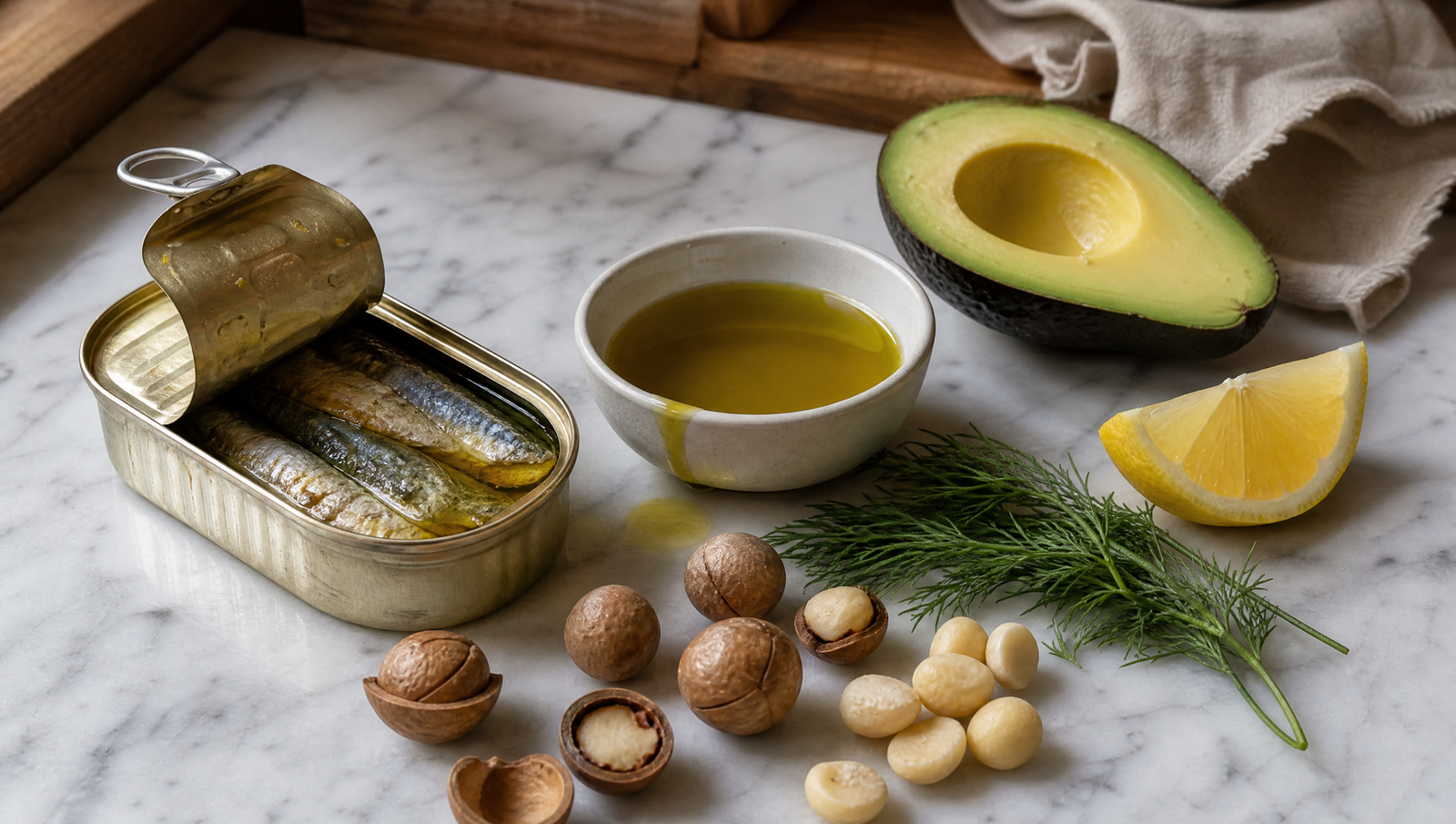
Feeling tired no matter how carefully you eat? Dealing with stubborn belly fat, blood sugar swings, or elevated liver enzymes — and not sure where to start?
For many people, the liver is at the center of these frustrations. And one thing nutritional research has made increasingly clear is that fat quality plays a meaningful role in liver health — in both directions.
The right kinds of fat may actively support a healthier liver. The wrong kinds, eaten consistently, may contribute to the problem. Understanding the difference is one of the more practical steps anyone managing a fatty liver diet can take.
Quick Win: Consider swapping your primary cooking oil to extra-virgin olive oil. Research consistently links regular olive oil use to better liver fat markers — especially when it replaces refined seed oils or ultra-processed fats in the diet.
What Is Fatty Liver Disease (MASLD)?
Fatty liver disease — increasingly referred to as MASLD (metabolic dysfunction-associated steatotic liver disease) — describes a buildup of fat in liver cells that isn’t caused by heavy alcohol use.
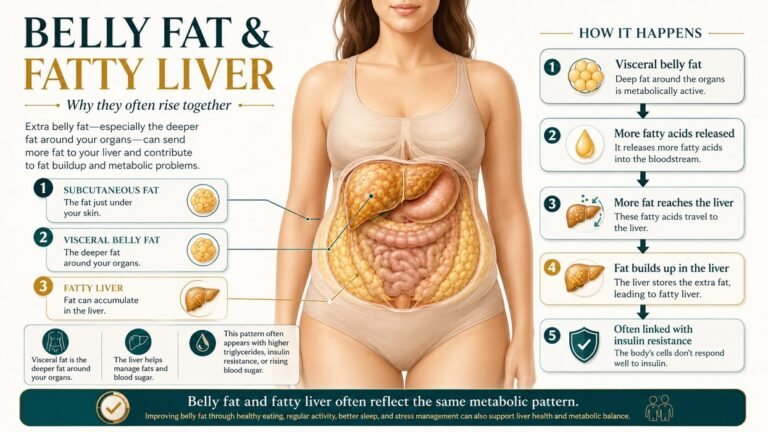
It’s closely linked to metabolic health: insulin resistance, excess abdominal fat, elevated blood sugar, and elevated triglycerides are all common contributors. Estimates suggest it affects roughly one in four adults globally, and many people are unaware they have it.[1]
Liver fat accumulation isn’t driven by a single cause. Research points to a combination of factors: overall energy surplus, insulin resistance, visceral fat, excess refined carbohydrates and added sugars, low physical activity, poor sleep, genetics, and — relevant here — the quality of dietary fat consumed.
This cycle can develop quietly over years, with no obvious symptoms in the early stages. It is not a personal failure, and it is one of the more responsive metabolic conditions to lifestyle change.
Why Fat Quality Matters for the Liver
The liver is the central hub of fat metabolism in the body. It processes dietary fats, packages them into lipoproteins, and helps regulate how fat is stored or burned. Every liver cell has a membrane made largely of fatty acids — and the composition of those membranes is shaped, in part, by what you eat regularly.
Research suggests that certain unsaturated fats — particularly omega-3 fatty acids and monounsaturated fats — may support liver cell function, help regulate inflammation, and influence how the liver handles incoming fat and sugar.
One thing worth clarifying here: the relationship between dietary fat and liver fat is not simple. The liver doesn’t just store the fat you eat directly. It also produces fat from excess carbohydrates — particularly fructose and refined starches — through a process called de novo lipogenesis. This is why the overall dietary pattern matters more than any single nutrient.
What the research consistently shows is that replacing less helpful fats and refined carbohydrates with quality unsaturated fats tends to have a positive effect on liver fat markers. Fat quality, not fat avoidance, is the more useful lens.
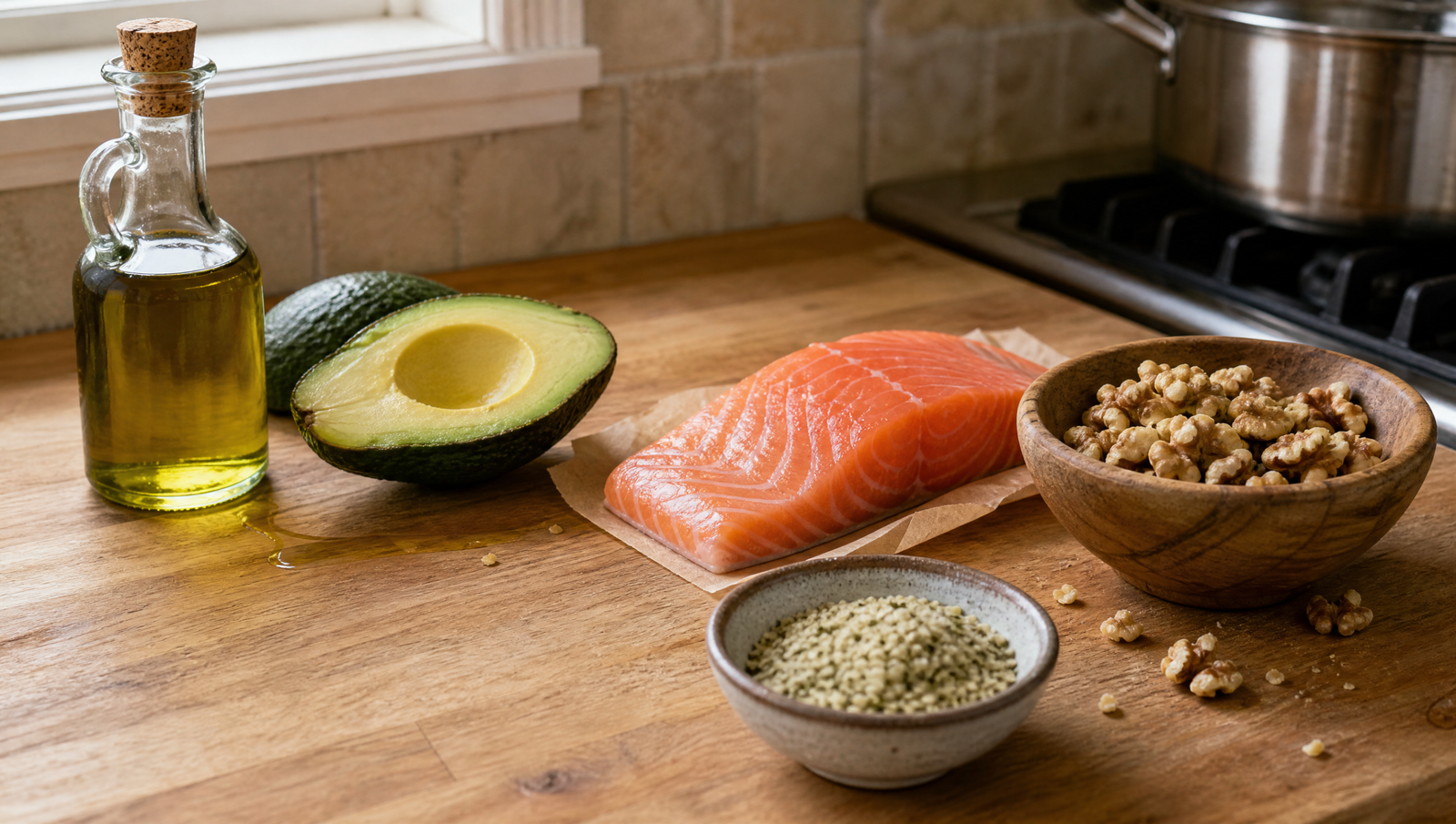
The Best Healthy Fats for Fatty Liver
Omega-3 Fatty Acids
Omega-3s — particularly EPA and DHA from fatty fish and algae — are among the most studied nutrients in liver health research.
Several mechanisms have been proposed: omega-3s may help activate fat-burning pathways in liver cells, support anti-inflammatory signaling, and reduce the liver’s own triglyceride production. A 2020 meta-analysis of randomized controlled trials found that omega-3 supplementation was associated with reductions in liver fat content in people with NAFLD.[2]
Two to three servings of fatty fish per week — salmon, sardines, mackerel, herring, anchovies — is a practical starting point. For those who don’t eat fish, an algae-based omega-3 supplement providing at least 1g of combined EPA and DHA daily is a well-studied alternative.
Note on supplements: At higher doses, omega-3 supplements may interact with blood-thinning medications. Anyone on anticoagulants or planning surgery should discuss supplementation with their doctor first.
Monounsaturated Fats: Olive Oil and Avocado
Extra-virgin olive oil — the cornerstone of the Mediterranean diet — is rich in oleic acid, a monounsaturated fatty acid. Research consistently links olive oil for fatty liver outcomes, with evidence suggesting it may improve insulin sensitivity, reduce markers of liver inflammation, and support a healthier liver fat profile when it replaces less favorable fats in the diet.[3]
Extra-virgin olive oil also contains polyphenols — oleocanthal and oleuropein — with anti-inflammatory properties relevant to liver tissue. Using it as a finishing oil on cooked vegetables, legumes, or whole grains preserves more of these compounds than high-heat cooking.
Avocado is a good source of monounsaturated fat, fiber, potassium, and fat-soluble plant compounds. It can be a valuable part of a liver-supportive eating pattern. That said, current evidence doesn’t support positioning it as a standalone liver fat reducer — it works best as part of an overall dietary approach.
Nuts and Seeds
Walnuts, almonds, flaxseeds, chia seeds, and hemp seeds contribute both monounsaturated and omega-3 fatty acids, alongside fiber and plant-based antioxidants. Regular nut consumption is associated with improved metabolic markers in several large observational studies, and is a consistent feature of dietary patterns linked to better liver outcomes.
Portions matter here — a small handful (roughly 1 oz or 28g) is a reasonable daily amount, given the calorie density.
| Fat Type | Key Sources | Potential Liver Benefit |
|---|---|---|
| Omega-3 (EPA/DHA) | Salmon, sardines, mackerel, algae oil | May reduce liver fat and triglyceride production; supports anti-inflammatory pathways |
| Monounsaturated (MUFA) | Extra-virgin olive oil, avocado, almonds, macadamias | May improve insulin sensitivity and reduce hepatic lipid accumulation when replacing less healthy fats |
| Plant omega-3 (ALA) | Walnuts, flaxseeds, chia seeds, hemp seeds | Contributes to anti-inflammatory dietary pattern; conversion to EPA/DHA is limited |
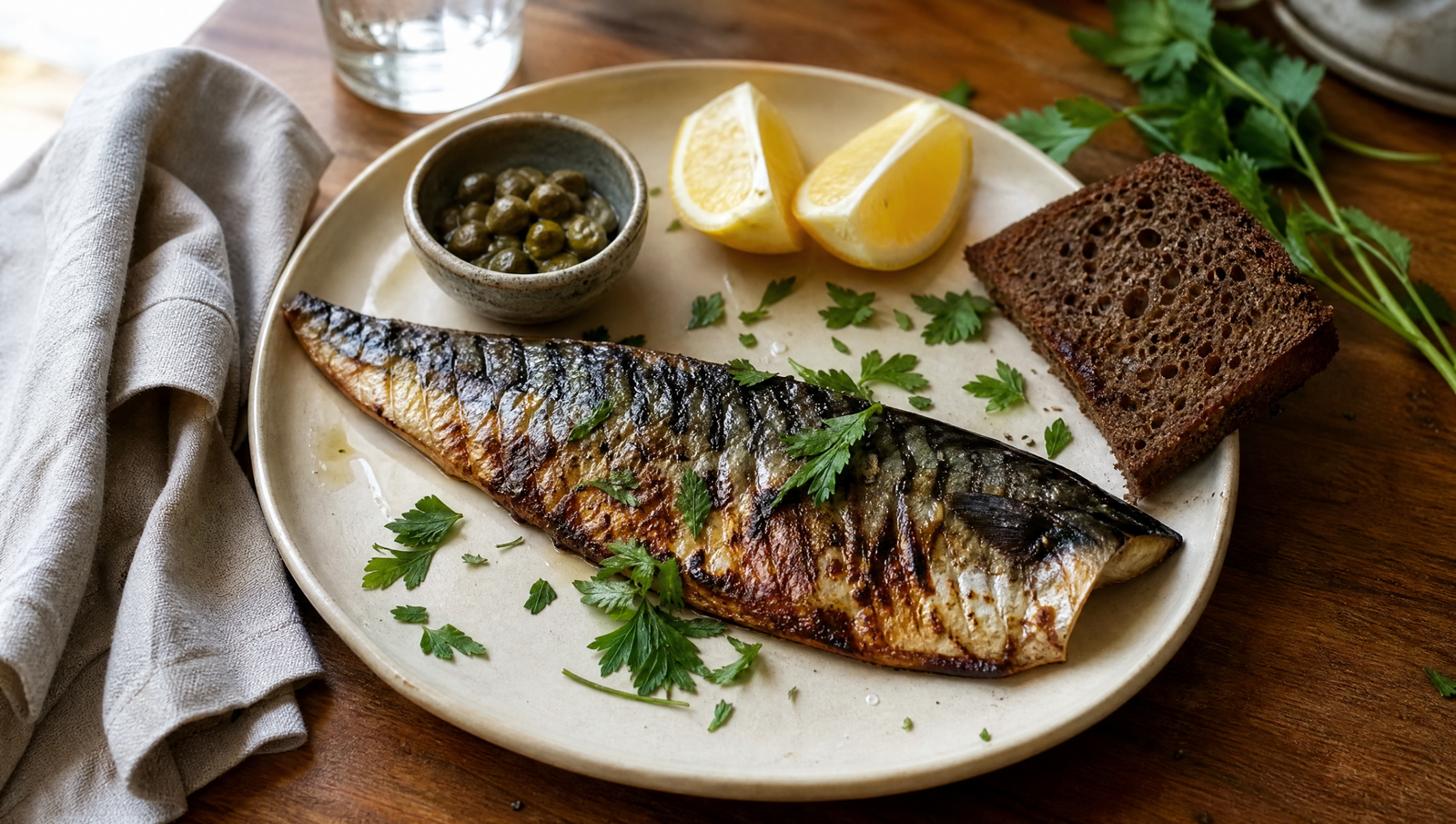
Fats to Limit With Fatty Liver
Industrial Trans Fats
Industrially produced trans fats — created by partially hydrogenating vegetable oils — are consistently linked to worse metabolic and liver outcomes in research. They impair insulin signaling, raise LDL cholesterol, and promote inflammation. Most countries have now restricted or banned artificial trans fats, but they can still appear in older processed food formulations as “partially hydrogenated oils” on ingredient labels.
Excess Omega-6 from Industrial Seed Oils
Omega-6 fatty acids — found in soybean, sunflower, and corn oils — are not inherently harmful in moderate amounts. The issue is ratio: the modern Western diet tends to be heavily skewed toward omega-6 relative to omega-3, which may dampen the body’s anti-inflammatory capacity over time.
Reducing reliance on industrial seed oils as a primary cooking fat — in favor of olive oil or avocado oil — is a practical step. Elimination isn’t necessary or realistic; rebalancing is the goal.
Saturated Fat: A Nuanced Picture
The research on saturated fat and liver health is more context-dependent than the trans fat story. For most people, the overall dietary pattern matters more than saturated fat in isolation.
That said, current guidance generally supports keeping saturated fat moderate — with the majority of fat intake coming from unsaturated sources. For people with elevated LDL cholesterol, high ApoB, type 2 diabetes, fatty liver disease, or cardiovascular risk, it’s worth discussing individual saturated fat targets with a doctor or registered dietitian rather than applying a general rule.
A Practical Meal Framework
Knowing which fats help is one thing. Building a sustainable eating pattern around them is another. Here’s what a liver-supportive approach looks like day to day:
- Primary cooking fat: Extra-virgin olive oil — use it for low-to-medium heat cooking and as a finishing oil. One to two tablespoons per meal is a practical range.
- Fatty fish: Aim for two servings per week — sardines, salmon, mackerel, herring. If fish isn’t a regular part of the diet, an algae-based omega-3 supplement (at least 1g EPA+DHA daily) is a reasonable alternative.
- Nuts and seeds: A small handful daily — walnuts, almonds, flaxseeds, chia seeds. Add to yogurt, oatmeal, or salads.
- Avocado: A useful option when accessible — half an avocado with meals adds healthy fat, fiber, and micronutrients.
- Reduce refined carbohydrates and added sugars: Sugary drinks, fruit juices, white bread, pastries, and ultra-processed snacks drive de novo lipogenesis in the liver more directly than most dietary fats. This is often the highest-leverage dietary change.
What this looks like on a plate: Build meals around a quality protein source (fish, eggs, legumes, tofu), a generous portion of non-starchy vegetables, a fiber-rich carbohydrate (lentils, oats, sweet potato, whole grain), and a healthy fat — olive oil as dressing or cooking fat, a few walnuts, or a quarter avocado.
Many people notice early improvements in energy and post-meal fatigue within two to four weeks of consistent dietary changes. Research suggests more meaningful reductions in liver fat markers typically appear over an eight to twelve week period.[2] Individual results vary significantly based on starting point, overall calorie balance, physical activity, and other metabolic factors.
For a more detailed weekly structure, the MASLD diet guide covers specific meal frameworks and what to prioritize across the week. And if liver fat is already a diagnosed concern, the evidence on whether fatty liver can be reversed is worth reviewing.
Safety Note: If you have a diagnosed liver condition, elevated liver enzymes, type 2 diabetes, cardiovascular disease, a history of disordered eating, or are pregnant or taking blood thinners, discuss significant dietary changes or new supplements with your healthcare provider before starting. Higher-dose omega-3 supplements in particular may be relevant to discuss if you are on anticoagulant medications.

Common Mistakes to Avoid
Juice cleanses as a liver reset. Many juice protocols are high in fruit sugar and low in fat — the opposite of what a metabolically stressed liver needs. A high-fructose liquid fast is unlikely to reduce liver fat and may temporarily increase it.
Eliminating all fat to “protect” the liver. Dietary fat is required for absorbing fat-soluble vitamins A, D, E, and K — all of which have roles in liver function and cellular repair. A very low-fat diet can impair the liver’s access to nutrients it needs. Fat quality, not fat elimination, is the relevant goal.
Relying on supplements while keeping the same diet. Milk thistle and similar compounds have a modest and mixed evidence base. No supplement compensates for a diet consistently high in added sugars, refined carbohydrates, and industrial fats. The underlying dietary pattern is where meaningful change happens.
One pattern that comes up repeatedly in metabolic health practice: people who followed low-fat guidelines carefully for years — choosing fruit juice over soda, margarine over butter, fat-free yogurt — and still developed liver fat accumulation. It’s not a failure of effort. It reflects how incomplete the old guidance was, and why fat quality has become a more useful framework than fat quantity.
Putting It Together
The relationship between healthy fats for fatty liver and liver health is more nuanced than older nutrition guidelines suggested. Research increasingly supports the role of fat quality — not fat avoidance — in supporting a healthier liver over time.
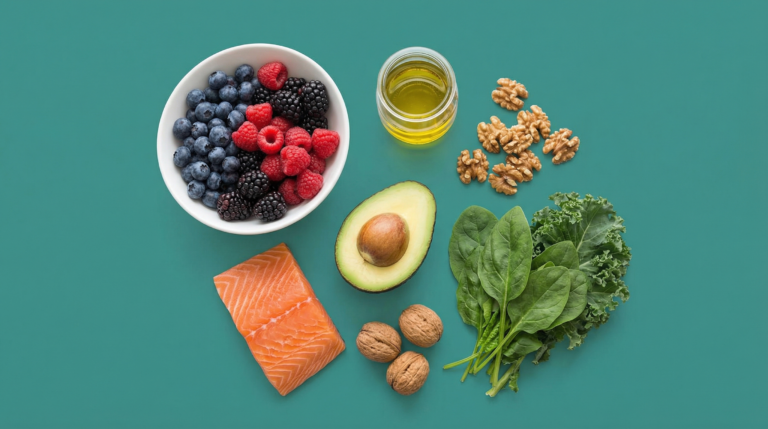
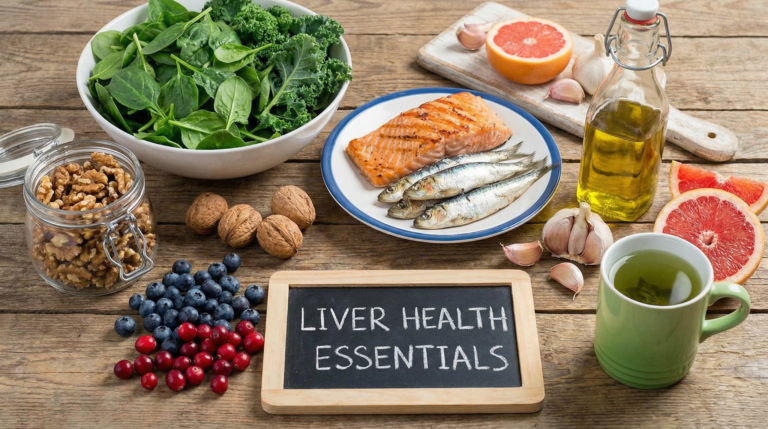
Omega-3-rich fish, extra-virgin olive oil, avocado, and nuts offer meaningful benefits when they become consistent features of the diet and when they replace less favorable foods. Reducing added sugars, refined carbohydrates, and industrial trans fats addresses the other side of the equation.
Small, consistent changes add up. The liver is one of the body’s more adaptable organs — and for most people, the dietary changes that support it are practical, affordable, and genuinely sustainable.
Frequently Asked Questions
Are healthy fats good for fatty liver?
Research suggests that certain healthy fats — particularly omega-3 fatty acids from fatty fish and monounsaturated fats from olive oil and avocado — may support liver health when they replace less favorable fats and refined carbohydrates in the diet. They are associated with reduced liver inflammation, improved insulin sensitivity, and better liver fat markers in multiple studies. Fat quality appears to matter more than simply reducing fat intake overall.
What are the best fats for fatty liver?
The best fats for fatty liver based on current evidence are omega-3 fatty acids (from salmon, sardines, mackerel, and algae oil), monounsaturated fats (from extra-virgin olive oil, avocado, and most nuts), and plant-based omega-3 sources like walnuts and flaxseeds. These work most effectively as part of an overall dietary pattern that also reduces added sugars, refined carbohydrates, and industrial trans fats.
Is olive oil good for fatty liver?
Yes — extra-virgin olive oil is one of the most consistently studied foods in relation to liver health. Its monounsaturated fat content and polyphenols (particularly oleocanthal and oleuropein) are linked to reduced liver inflammation and improved insulin sensitivity. It works best as part of a Mediterranean-style dietary pattern that also reduces sugar and refined starch intake. Using it as a primary cooking and finishing oil is a practical, evidence-aligned choice.
How much omega-3 do I need for liver health?
Most studies showing liver benefits from omega-3s used doses of 1–4 grams of combined EPA and DHA per day. Two to three servings of fatty fish per week provides roughly 1.5–2g. For those who don’t eat fish, an algae-based omega-3 supplement providing at least 1g of EPA and DHA daily is a well-studied alternative. Anyone on blood-thinning medications should discuss higher-dose supplementation with their doctor before starting.
Which fats should I limit with fatty liver?
Industrial trans fats — found in partially hydrogenated oils in some processed foods — are consistently linked to worse liver and metabolic outcomes and are worth avoiding. Excess omega-6 from industrial seed oils (soybean, corn, sunflower) used as primary cooking fats may contribute to an unfavorable omega-6 to omega-3 ratio over time. Saturated fat is best kept moderate, with the majority of fat intake coming from unsaturated sources — particularly for people with elevated LDL, diabetes, or existing liver disease.
Can healthy fats reverse fatty liver?
Dietary changes — including increasing omega-3 intake, using olive oil as a primary fat, and reducing refined carbohydrates and added sugars — have been associated with meaningful reductions in liver fat in multiple clinical trials, typically over 8–24 weeks. However, no single dietary change reverses fatty liver on its own. Overall calorie balance, physical activity, weight management where relevant, and addressing underlying insulin resistance all play important roles. A healthcare provider or registered dietitian can help develop an approach suited to individual circumstances.
Medical Disclaimer: The information provided in this article is for educational purposes only and does not constitute medical advice. Always consult a qualified healthcare provider before making changes to your diet, lifestyle, or treatment plan. TheMetabolicHub.com does not replace professional medical guidance.
References
- Younossi ZM, et al. Global epidemiology of nonalcoholic fatty liver disease — Meta-analytic assessment of prevalence, incidence, and outcomes. Hepatology. 2016.
PMID: 26707365 - Yan JH, et al. Omega-3 polyunsaturated fatty acid supplementation and non-alcoholic fatty liver disease: A meta-analysis of randomized controlled trials. Nutrients. 2020.
PMID: 32428895 - Estruch R, et al. Primary prevention of cardiovascular disease with a Mediterranean diet supplemented with extra-virgin olive oil or nuts (PREDIMED). N Engl J Med. 2018.
PMID: 29897866 - Stanhope KL. Sugar consumption, metabolic disease and obesity: The state of the controversy. Crit Rev Clin Lab Sci. 2016.
PMID: 26376027 - Assy N, et al. Olive oil consumption and non-alcoholic fatty liver disease. World J Gastroenterol. 2009.
PMID: 19370793