Savory Breakfast Ideas to Help Reduce Mid-Day Cravings
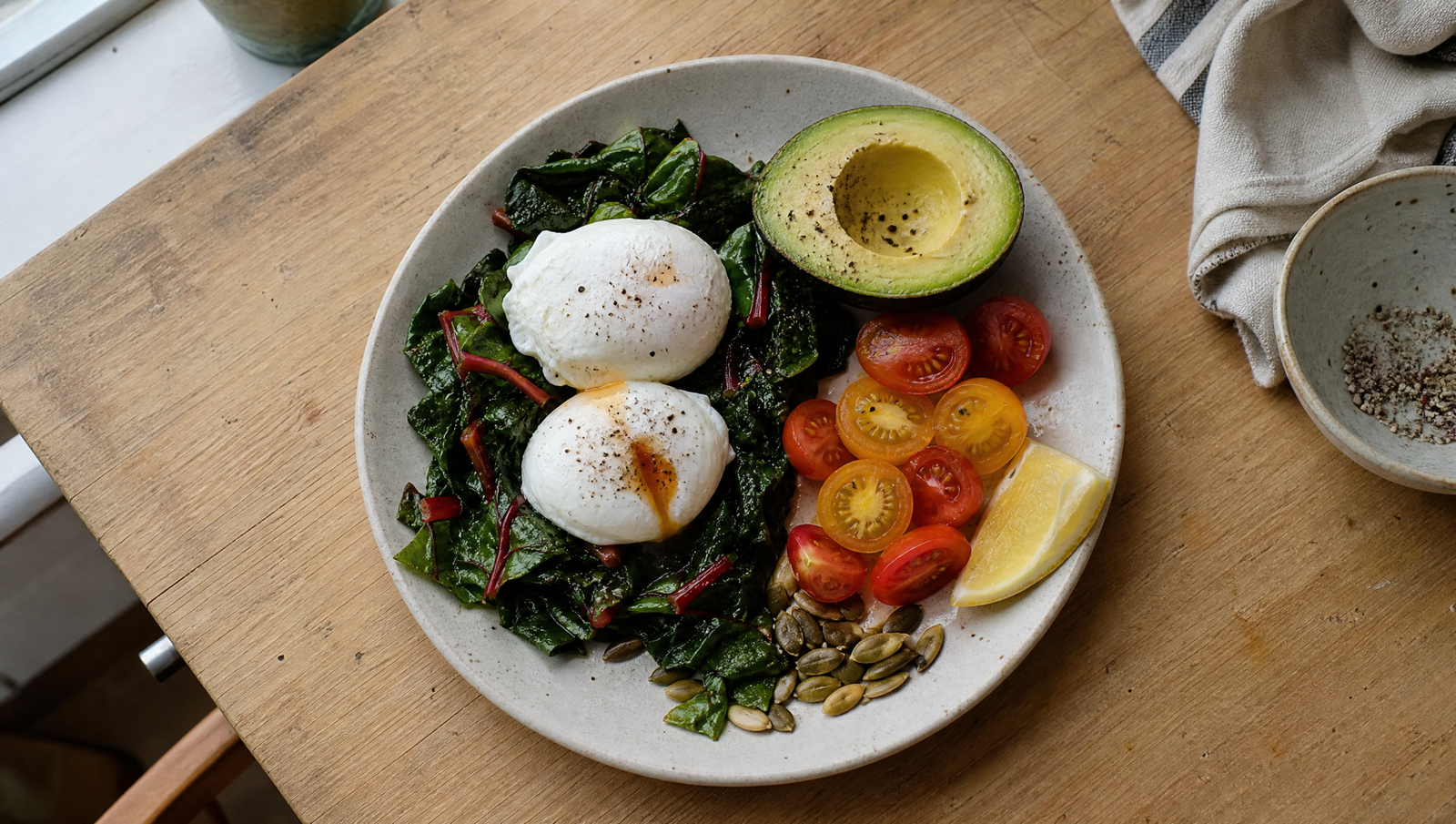
The 10 AM hunger that arrives like clockwork — the mental fog, the pull toward something sweet, the sudden need for another coffee — rarely comes out of nowhere. For many people, it traces back to what happened at breakfast.
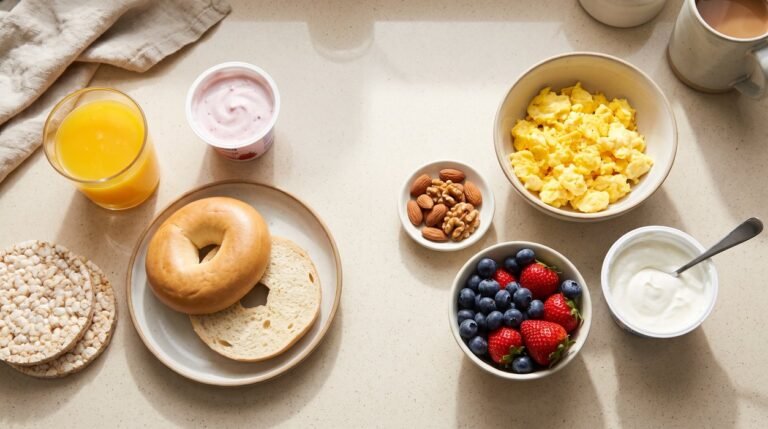
A morning meal built mostly around fast-digesting carbohydrates can raise blood glucose quickly, followed by a dip that may leave you hungry, tired, and distracted well before lunch. That does not mean carbohydrates are “bad.” It means the structure of breakfast matters.
Swapping in savory breakfast ideas built around protein, healthy fat, and fiber may help smooth that response. For many people, the difference shows up as steadier energy, fewer urgent cravings, and a morning that feels easier to manage.
Quick Win: Try one protein-anchored savory breakfast this week — eggs with greens, cottage cheese with tomatoes, plain Greek yogurt with olive oil, or smoked salmon on seed crackers. Notice how your hunger feels around 10–11 AM compared with a typical morning.
Why Savory Breakfasts May Help with Blood Sugar
The standard Western breakfast — cereal, toast, fruit juice, pastries, sweetened coffee drinks, or flavored yogurt — is often dominated by fast-digesting carbohydrates. These foods can raise blood glucose quickly, prompting the pancreas to release insulin to move glucose out of the bloodstream.
For some people, that pattern is followed by a noticeable dip in energy, increased hunger, cravings, or difficulty concentrating. This is not necessarily a clinical condition. More often, it reflects post-meal glucose variability — a normal biological response that can feel more intense when breakfast is low in protein, fat, and fiber.
Note: If you regularly experience shaking, sweating, confusion, weakness, blurred vision, or other symptoms that may suggest low blood sugar, speak with a healthcare provider. True hypoglycemia should be medically evaluated, especially if you take glucose-lowering medication.[6]
A blood-sugar-stable breakfast works differently. Protein, fat, and fiber slow digestion and may reduce how quickly glucose enters the bloodstream. That can support steadier energy and may reduce the intensity of mid-morning cravings.
How Protein May Reduce Morning Hunger
Protein is one of the most important breakfast levers for satiety. Higher-protein breakfasts have been associated with improved appetite control, hunger-related hormone responses, and reduced later snacking compared with skipping breakfast or eating lower-protein meals.[1]
For many adults, a useful target is roughly 20–30 grams of protein at breakfast. The upper end may be especially helpful for people who regularly experience strong 10 AM cravings. A single egg or a small serving of yogurt usually falls short on its own, which is why pairing protein sources often works better.
What Fat and Fiber Add
Dietary fat can slow gastric emptying, while fiber adds bulk and slows digestion. Together with protein, these nutrients can make breakfast less likely to trigger a rapid rise-and-dip pattern.
This is not about eliminating carbohydrates entirely. Fiber-rich carbohydrates — vegetables, legumes, seed crackers, oats, berries, or cooled potatoes — can fit well when paired with enough protein and fat. The goal is not a “perfect” breakfast. It is a better-balanced one.
7 Savory Breakfast Ideas Worth Trying
The best breakfast is the one you can repeat. Each option below follows the same basic structure: a protein anchor, a source of fat, and some fiber or colorful plant food.
| Breakfast Option | Approx. Protein | Best For | Key Benefit |
|---|---|---|---|
| Eggs + greens + avocado | 20–24g | Quick cooked breakfast | Very low glycemic load, magnesium from greens |
| Greek yogurt savory bowl | 17–25g | No-cook, gentle option | Protein-rich base without added sugar |
| Smoked salmon + seed crackers | 20–25g | Very busy mornings | Omega-3-rich, low glycemic load |
| Vegetable frittata | 25–32g | Meal prep | Batch-cook friendly, high protein |
| Cottage cheese + tomatoes | 24–28g | Fastest prep | Slow-digesting casein protein |
| Tempeh or tofu scramble | 18–25g | Plant-based eaters | Versatile, savory, protein-focused |
| Leftovers | Varies | No breakfast appetite | Zero prep time, easy protein and fiber |
1. Eggs with Sautéed Greens and Avocado
Prep time: 8–10 minutes | Protein: ~20–24g | Best for: A quick, filling, very low-glycemic breakfast
Two large eggs provide about 12 grams of protein and very few carbohydrates. The yolks also provide choline, a nutrient involved in liver and cell-membrane function, along with carotenoids such as lutein and zeaxanthin.
To make this meal more satisfying, pair the eggs with sautéed spinach or kale and half an avocado. Leafy greens add magnesium, potassium, and fiber. Avocado adds monounsaturated fat and more fiber.
Because this breakfast combines protein, fat, and fiber, it is more likely to sustain fullness than a refined-carbohydrate breakfast. If you need to reach 25–30g protein, add an extra egg white, cottage cheese, smoked salmon, or Greek yogurt on the side.
2. Greek Yogurt Savory Bowl
Prep time: 3–4 minutes | Protein: ~17–25g | Best for: No cooking, sensitive stomachs, or a lighter morning appetite
Full-fat plain Greek yogurt works well as a savory base. A 200g serving typically provides around 17–20 grams of protein, while larger servings or higher-protein varieties may provide closer to 25 grams. The key is choosing plain yogurt, not flavored or sweetened yogurt.
Top it with cucumber, cherry tomatoes, extra-virgin olive oil, dried oregano, black pepper, and a small amount of feta. This creates a Mediterranean-style breakfast bowl with protein, fat, fluid, minerals, and colorful plant foods.
What to avoid: Flavored or “light” yogurts often contain added sugars or sweeteners. For a low sugar breakfast, choose plain Greek yogurt or Skyr and add savory toppings yourself.
3. Smoked Salmon on Seed Crackers with Cream Cheese
Prep time: 3 minutes | Protein: ~20–25g | Best for: Busy mornings, no-cook breakfasts, omega-3-rich foods
Smoked salmon provides protein and omega-3 fatty acids, especially EPA and DHA. These fats are widely studied for their role in heart health and inflammatory pathways, making salmon a useful food in a broader cardiometabolic eating pattern.[4]
Pair two to three slices of smoked salmon with seed-based crackers and a thin layer of cream cheese. Crackers made from flaxseed, sesame, pumpkin seeds, or mixed seeds tend to provide more fiber and fat than refined grain crackers, which helps keep the overall glycemic load lower.
Note on sodium: Smoked salmon can be high in sodium. If you have hypertension, kidney disease, heart failure, or a sodium-restricted diet, choose this less often or use lower-sodium protein alternatives.
4. Vegetable Frittata
Prep time: 5 minutes active + 20–25 minutes baking | Protein: ~25–32g per serving | Best for: Meal prep and busy weekdays
A frittata is an oven-baked egg dish that can be sliced and reheated throughout the week. This makes it one of the most practical high protein savory breakfast options for people who do not want to cook every morning.
Use eggs as the base, then add vegetables such as bell peppers, mushrooms, spinach, zucchini, onion, or leftover roasted vegetables. Cheese, cottage cheese, or smoked salmon can increase the protein content and improve satiety.
To make it, whisk 8 eggs with a splash of milk or water, add chopped vegetables, pour into an oven-safe dish, and bake at 350°F (180°C) for 20–25 minutes until set. Slice into 4 portions and refrigerate for up to four days.

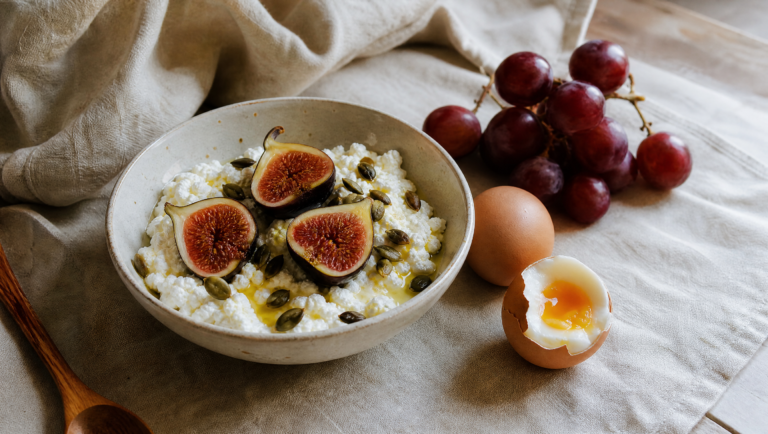
5. Cottage Cheese with Tomatoes, Olive Oil, and Herbs
Prep time: 3 minutes | Protein: ~24–28g | Best for: Fastest prep, high satiety, Mediterranean-style breakfasts
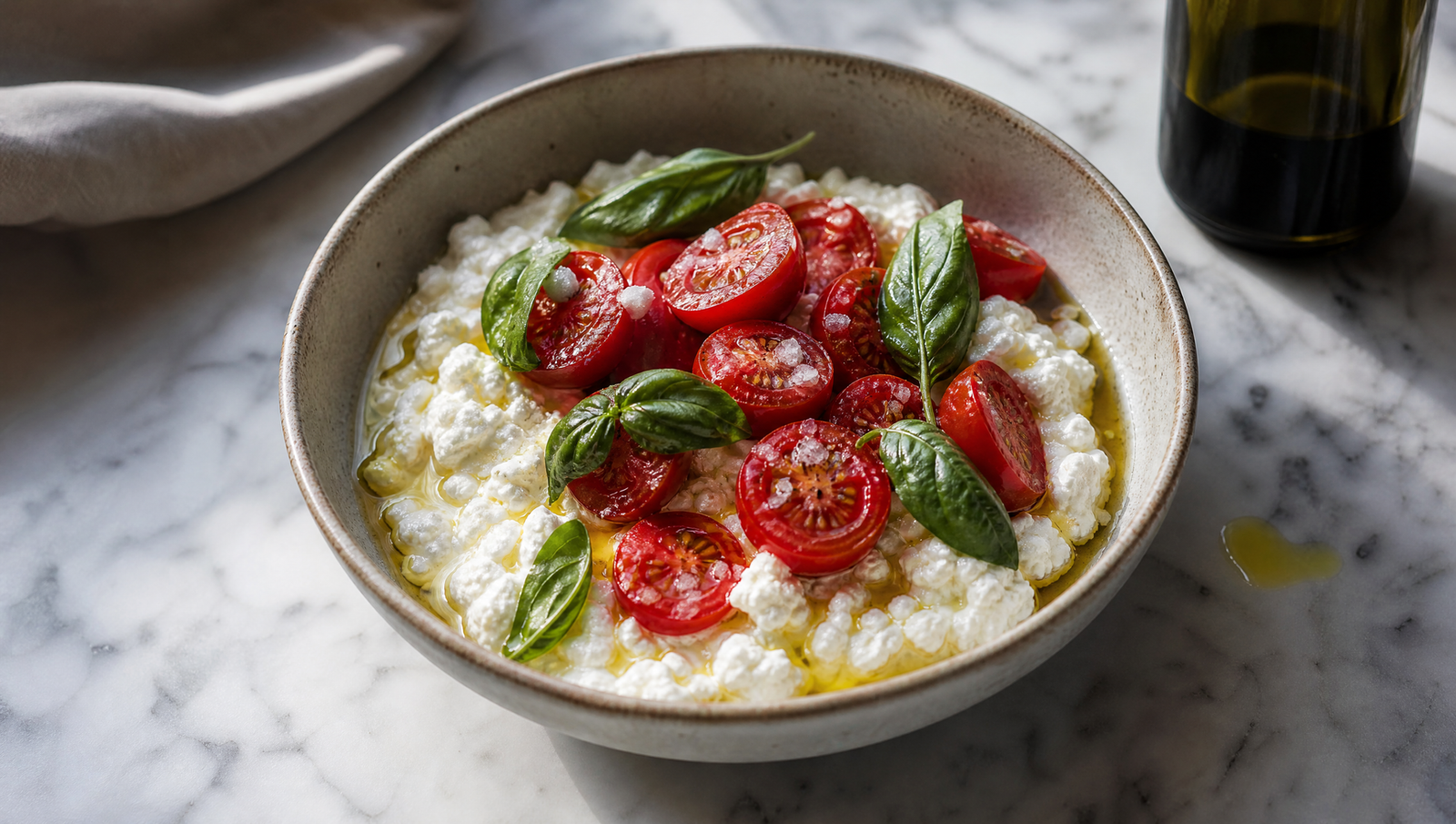
A cup of cottage cheese typically provides around 24–28 grams of protein, depending on the brand. Much of that protein is casein, which digests more slowly than whey and may help provide a longer-lasting sense of fullness.
Top cottage cheese with sliced tomatoes, extra-virgin olive oil, black pepper, basil, chives, cucumber, olives, or everything-bagel seasoning. This creates a savory, high-protein breakfast that takes less than three minutes.
Extra-virgin olive oil fits naturally into a Mediterranean-style dietary pattern, which has been studied in people with metabolic syndrome for effects on vascular function, inflammation, and broader cardiometabolic risk markers.[3]
If sodium is a concern, compare labels and choose a lower-sodium cottage cheese.
6. Tempeh or Tofu Scramble with Turmeric and Vegetables
Prep time: 10 minutes | Protein: ~18–25g | Best for: Plant-based eaters, egg-free breakfasts, savory variety
For people who avoid animal products, a tofu or tempeh scramble is one of the strongest plant-based options for a protein-focused savory breakfast. Firm tofu crumbles into a texture similar to scrambled eggs, while tempeh has a denser texture and usually provides more protein per 100 grams.
Tempeh is a fermented soy food, but because it is usually cooked, it should not be treated as a guaranteed probiotic food. Its value here is more practical: it provides plant protein, minerals, fiber, and a savory base that pairs well with vegetables.
Turmeric is commonly added for color and flavor. Its active compound, curcumin, has been studied in supplement form for metabolic health. In one randomized controlled trial, curcumin extract supplementation reduced progression from prediabetes to type 2 diabetes over nine months.[2]
That finding should be interpreted carefully. The study used concentrated curcumin extract, not the small amount of turmeric added to a scramble. Turmeric can be useful in cooking, but it is not a treatment for prediabetes or insulin resistance.
How to build it: Sauté tofu or tempeh with onion, garlic, spinach, mushrooms, bell pepper, turmeric, black pepper, and nutritional yeast. Serve with avocado, seed crackers, or leftover roasted vegetables.
7. Leftover Protein and Roasted Vegetables
Prep time: 0–3 minutes | Protein: Varies | Best for: No breakfast appetite, very busy mornings, practical consistency
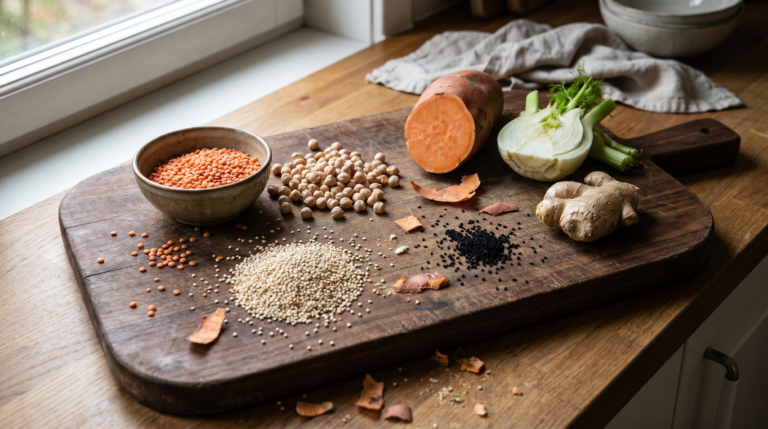
The most underrated breakfast strategy is eating dinner food in the morning. There is no metabolic rule that breakfast must be cereal, toast, fruit, or yogurt. Leftover chicken, lentils, salmon, turkey, tofu, eggs, beans, roasted vegetables, or sweet potato can all work.
If the protein is already prepared, breakfast becomes a reheating task rather than a cooking task. A plate with protein, vegetables, olive oil, and a slow-digesting carbohydrate will usually support steadier energy better than a refined breakfast eaten alone.
Simple formula: leftover protein + leftover vegetables + olive oil or avocado + optional slow-digesting carbohydrate.
How to Choose Your First Savory Breakfast Swap
You do not need to try all seven options at once. The best first swap is the one that fits your real morning.
- No time: Smoked salmon on seed crackers, cottage cheese with tomatoes, or leftovers.
- No cooking: Greek yogurt savory bowl, cottage cheese bowl, or smoked salmon plate.
- Vegetarian: Greek yogurt bowl, eggs with greens, cottage cheese, or vegetable frittata.
- Vegan: Tofu or tempeh scramble, lentil leftovers, beans with vegetables, or avocado with seed crackers.
- Meal prep: Batch-cooked vegetable frittata or pre-portioned tofu scramble.
- Strong 10 AM cravings: Prioritize 25–30g protein from frittata, cottage cheese, salmon, tofu/tempeh, or paired protein sources.
- Sodium restriction: Limit smoked salmon, feta, olives, processed meats, and salty condiments.
- Kidney disease or prescribed protein restriction: Ask your healthcare provider what protein target is appropriate.
One consistent change is more useful than a complicated plan. Pick one breakfast, try it for three mornings, and notice what happens to hunger, energy, and cravings before lunch.
Common Mistakes That Work Against These Goals
Skipping Breakfast Without a Plan
Intermittent fasting can work well for some people, but skipping breakfast without a plan is different from following a structured fasting approach. If the first meal becomes a rushed, high-carbohydrate lunch, cravings and glucose swings may simply shift later.
If you prefer not to eat early, the same principle still applies: make your first meal protein-anchored, fiber-rich, and low in added sugar.
Adding Hidden Sugars to Savory Meals
Savory does not always mean low sugar. Ketchup, barbecue sauce, sweet chili sauce, bottled dressings, marinades, and some flavored condiments can add sugar quickly. If your goal is a low sugar breakfast, check labels and use unsweetened options most of the time.
Underestimating Protein and Fiber
Without a protein anchor, even a technically savory meal may fail to keep you full. For a breakfast to reduce cravings, protein should be the first design choice, not an afterthought.
Fiber matters too. Add vegetables, avocado, seeds, beans, lentils, or seed crackers where they fit. Fiber slows digestion, supports gut health, and makes the meal more satisfying.
A Simpler Way to Think About Breakfast
Mid-day cravings are often a downstream signal of what happened earlier in the day. They are not a character flaw or a failure of discipline. For many people, a sweet or refined breakfast creates a pattern of hunger and fatigue that feels like a willpower problem — when it may actually be a meal-structure problem.
A savory breakfast for blood sugar usually follows a simple formula: protein first, healthy fat second, fiber whenever possible, and minimal added sugar.
These seven savory breakfast ideas give you several ways to apply that formula. Start with the option that feels easiest, repeat it for a few mornings, and pay attention to what changes.
Frequently Asked Questions
What are the best savory breakfast ideas for blood sugar stability?
The best savory breakfast ideas for blood sugar stability usually include 20–30 grams of protein, a source of healthy fat, and some fiber. Strong options include eggs with greens and avocado, plain Greek yogurt with vegetables and olive oil, smoked salmon on seed crackers, cottage cheese with tomatoes, tofu scramble, and vegetable frittata.
How much protein do I need at breakfast to help reduce cravings?
A practical target for many adults is about 20–30 grams of protein at breakfast. People with strong mid-morning cravings may do better closer to 25–30 grams, especially when protein is paired with fat and fiber. Anyone with kidney disease or a prescribed protein restriction should follow individualized medical guidance.
Are carbohydrates bad for morning blood sugar stability?
No. Carbohydrates are not automatically bad for blood sugar stability. Refined carbohydrates eaten alone are more likely to cause a rapid glucose rise. Fiber-rich carbohydrates such as vegetables, beans, lentils, oats, seed crackers, berries, or cooled potatoes tend to work better when paired with protein and fat.
How quickly might I notice a difference after switching to a high-protein savory breakfast?
Some people notice less mid-morning hunger within a few days, especially if their previous breakfast was sweet or refined. Changes in fasting glucose, insulin sensitivity, or A1C usually take longer and depend on the overall dietary pattern, activity level, sleep, stress, and medical history.
Medical Disclaimer: The information provided in this article is for educational purposes only and does not constitute medical advice. Always consult a qualified healthcare provider before making changes to your diet, lifestyle, or treatment plan, especially if you have diabetes, take glucose-lowering medication, have kidney disease, follow a prescribed protein restriction, or experience symptoms of low blood sugar. TheMetabolicHub.com does not replace professional medical guidance.
References
- Leidy HJ et al. Beneficial effects of a higher-protein breakfast on the appetitive, hormonal, and neural signals controlling energy intake regulation in overweight/obese, “breakfast-skipping,” late-adolescent girls. Am J Clin Nutr. 2013;97(4):677–688. PMID: 23446906
- Chuengsamarn S et al. Curcumin extract for prevention of type 2 diabetes. Diabetes Care. 2012;35(11):2121–2127. PMID: 22773702
- Esposito K et al. Effect of a Mediterranean-style diet on endothelial dysfunction and markers of vascular inflammation in the metabolic syndrome: a randomized trial. JAMA. 2004;292(12):1440–1446. PMID: 15383514
- Harvard T.H. Chan School of Public Health. Omega-3 Fatty Acids: An Essential Contribution. hsph.harvard.edu
- American Diabetes Association. Nutrition therapy for adults with diabetes or prediabetes: A consensus report. Diabetes Care. 2019;42(5):731–754. PMID: 31000505
- NIH MedlinePlus. Hypoglycemia. medlineplus.gov