Why You Feel Shaky & Foggy After Eating — Reactive Hypoglycemia Explained
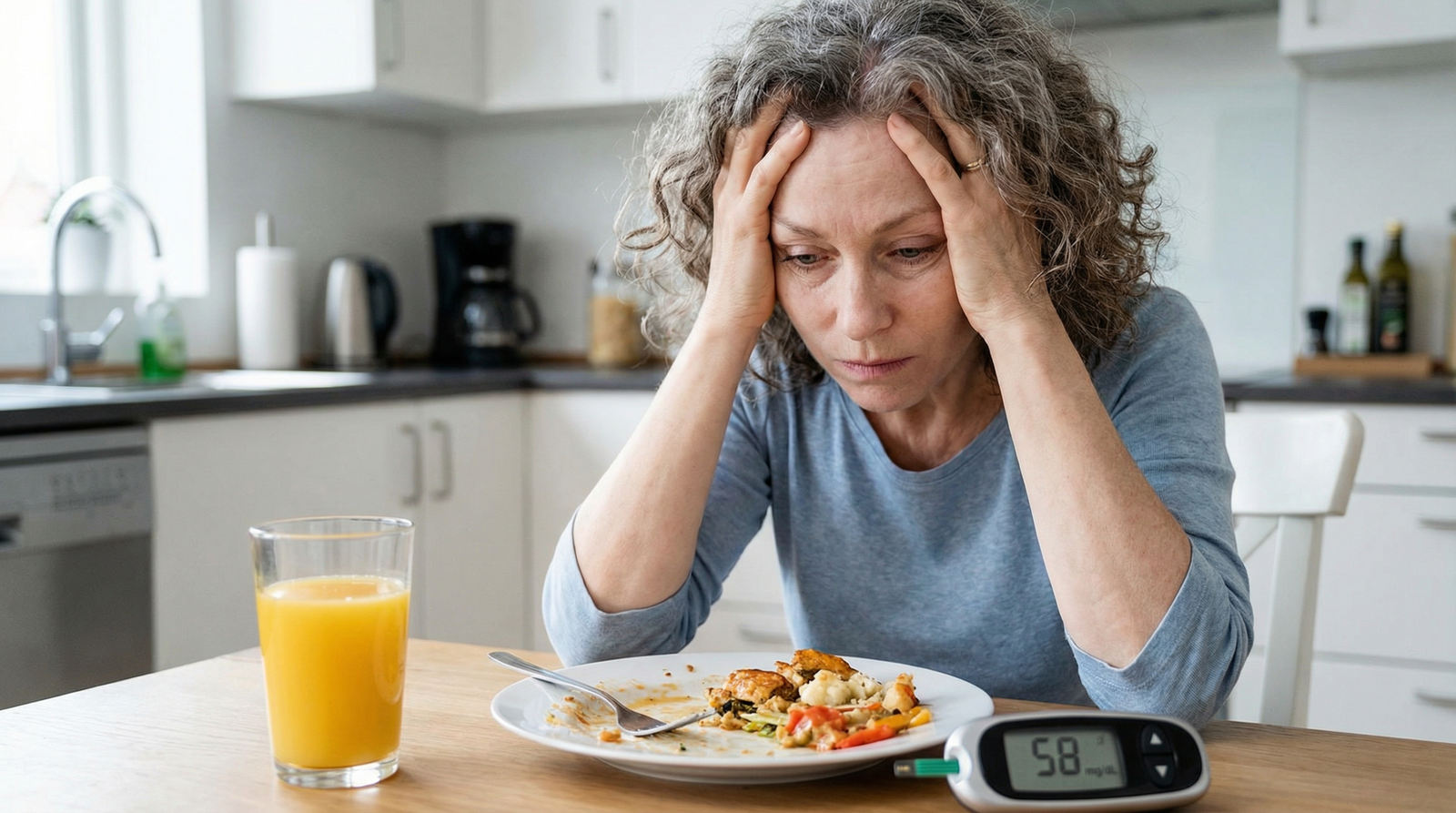
That afternoon slump that hits two or three hours after lunch — the shakiness, the foggy head, the sudden urge to eat anything in sight — is not just tiredness. For many people, it is a blood sugar crash that keeps repeating, and it has a name.
This pattern may signal reactive hypoglycemia, a condition where blood sugar drops too low in the hours after eating. It is not the same as the low blood sugar seen in people with diabetes. And it is far more common than most doctors mention.
The encouraging news: once you understand what is driving these crashes, there is quite a lot that dietary and lifestyle changes may do to reduce them.
What Is Reactive Hypoglycemia?
Reactive hypoglycemia — also called postprandial hypoglycemia — is a drop in blood glucose to below 70 mg/dL within two to five hours of eating, typically after a meal high in refined carbohydrates.[1] The body releases more insulin than the meal actually required, and that excess insulin pulls too much sugar out of the bloodstream.
The result is a cascade of physical and mental symptoms that can feel alarming — even when glucose levels are only mildly low. It is distinct from fasting hypoglycemia (which occurs without eating) and is not a diabetes diagnosis on its own, though it can be an early signal of insulin dysregulation.
Key Takeaways
- Reactive hypoglycemia means blood sugar drops below 70 mg/dL within 2–5 hours of eating
- An exaggerated insulin response — often triggered by refined carbs — is the most common cause
- Symptoms range from shakiness and sweating to brain fog, anxiety, and heart pounding
- Smaller, balanced meals with protein and fiber may significantly reduce episode frequency
- Persistent or severe symptoms warrant medical evaluation to rule out underlying conditions
How It Affects Blood Sugar — The Mechanism
Think of insulin as a key that unlocks your cells so glucose can enter and be used as fuel. Under normal circumstances, the pancreas releases just enough insulin to handle what you ate. Blood sugar rises modestly after the meal, then settles back into a stable range.
In reactive hypoglycemia, the insulin response overshoots. The pancreas releases more than needed — particularly after a large carbohydrate load — and blood sugar drops below the threshold your brain and nervous system require to function smoothly.[2] That is when symptoms show up.
What makes this tricky is that the dip can feel dramatic even when the actual glucose number is only slightly below 70 mg/dL. The speed of the drop matters just as much as how low it goes.
Recognizing the Symptoms
Symptoms usually appear two to four hours after a meal and can vary considerably from person to person. Some people experience mostly physical signs. Others feel it more in their mood and mental clarity.
Below is a practical symptom checklist. If several of these sound familiar — especially when they follow a pattern tied to meals — that pattern is worth paying attention to.
Symptom Checklist
| Category | Common Symptoms |
|---|---|
| Physical | Shakiness, trembling, sweating, heart pounding or racing, nausea, light-headedness, blurry vision, extreme fatigue |
| Mental / Emotional | Difficulty concentrating, brain fog, irritability, sudden anxiety, feeling “off” without a clear reason |
| Hunger-Related | Intense hunger within 2–3 hours of eating, strong cravings for sugar or carbohydrates, feeling unsatisfied shortly after a full meal |
| Severe (Rare) | Confusion, weakness, difficulty speaking clearly — seek medical attention immediately if these occur |
Symptoms typically ease within 15–20 minutes of eating something. That quick resolution after food is itself an important diagnostic clue.
What Causes Reactive Hypoglycemia?
The most common driver is diet — specifically meals high in refined carbohydrates and low in protein, fat, or fiber. White bread, sugary drinks, pastries, and processed snacks digest quickly, sending blood glucose up fast and triggering a strong insulin response.[2]
Beyond diet, several other factors can increase the likelihood of these crashes:
- Prediabetes or impaired glucose tolerance: The pancreas may already be overproducing insulin in response to glucose, even before a diabetes diagnosis.[3]
- Previous stomach surgery: Procedures like gastric bypass or partial gastrectomy can accelerate how quickly food moves into the small intestine, triggering a faster and larger insulin release.
- Alcohol on an empty stomach: Alcohol can interfere with the liver’s ability to release stored glucose, lowering blood sugar hours later.
- Rare enzyme or hormonal conditions: Less commonly, insulinoma (a pancreatic tumor) or other hormonal imbalances may be the underlying cause — which is why persistent symptoms deserve proper medical evaluation.
This cycle can develop quietly over years — which is why so many people are caught off guard when a doctor first mentions it. It is not a personal failure, and it is not “just stress.” The body is responding to real signals. The question is what those signals are pointing to.
What to Expect After Eating: Timing and Severity
| Time After Meal | Common Symptoms | Suggested Response |
|---|---|---|
| 1–2 hours | Mild hunger returning, slight shakiness, low energy | Have a small balanced snack ready (protein + fiber) |
| 2–4 hours | Dizziness, sweating, brain fog, heart pounding, strong carb cravings | 15g of fast-acting carbs, followed by protein within 15–20 minutes |
| Rare severe drop | Confusion, difficulty speaking, weakness | Medical emergency — seek help immediately |
Keeping a food and symptom diary — even just for two weeks — can reveal patterns that are surprisingly consistent. Most people find the same types of meals trigger episodes repeatedly.
Dietary Strategies That May Help
Diet is where most people see the clearest early improvement. The goal is not to eliminate carbohydrates but to change how quickly they enter the bloodstream.
Choose Carbs That Release Slowly
High-fiber carbohydrates — oats, lentils, beans, leafy greens, broccoli, sweet potatoes — break down more slowly than refined options. This may prevent the rapid glucose spike that triggers an exaggerated insulin response.[4]
Replace white bread, crackers, and sugary cereals with whole grain alternatives. The difference in post-meal glucose response can be substantial.
Pair Every Meal With Protein and Fat
Adding protein and healthy fat to every meal slows gastric emptying — meaning glucose enters the bloodstream more gradually. Practical pairings: eggs or Greek yogurt with oatmeal, avocado with whole grain toast, fish or chicken alongside roasted vegetables.
A meal built around vegetables, a quality protein source, and a small amount of healthy fat is one of the most effective structural changes for managing reactive hypoglycemia.
Eat Smaller Meals More Frequently
Large meals create larger glucose and insulin swings. Eating every three to four hours — with snacks that include protein — helps maintain steadier blood sugar throughout the day.[4] It does not need to be complicated: a small handful of almonds, a boiled egg, or a few slices of turkey between meals can meaningfully reduce afternoon crashes.
The Rule of 15: Managing an Acute Episode
When symptoms are already underway, the Rule of 15 is a practical, well-established response:[5]
- Consume 15 grams of fast-acting carbohydrates — roughly half a cup of orange juice, 4 glucose tablets, or a small handful of crackers
- Wait 15 minutes for absorption
- If symptoms persist or blood sugar is still below 70 mg/dL, repeat
- Once stable, follow with a small protein-containing snack to prevent a second dip
The key is not to overdo it. Eating too much during an episode — because the symptoms feel alarming — often leads to a secondary glucose spike, which can restart the cycle.
Monitoring: Understanding Your Personal Patterns
Tracking blood sugar is one of the most useful tools for understanding reactive hypoglycemia. It removes the guesswork.
| Monitoring Method | How It Works | Best For |
|---|---|---|
| Fingerstick testing | Check blood glucose at home before and 1–3 hours after meals | Identifying which meals trigger drops |
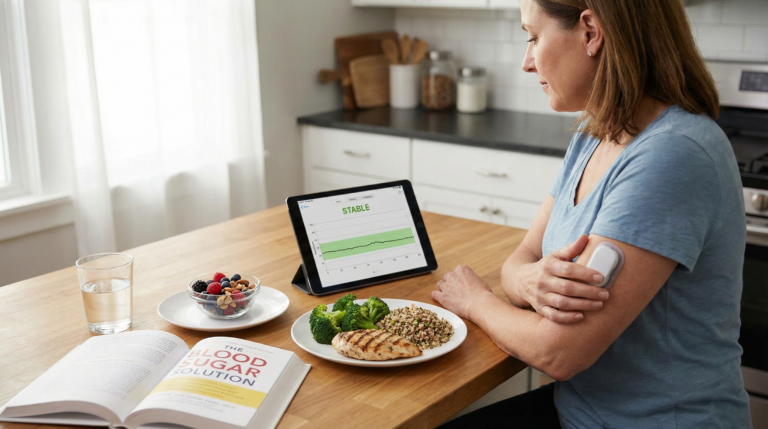
| Continuous Glucose Monitor (CGM) | Small sensor worn on the skin — tracks glucose every few minutes, data sent to your phone | Seeing the full post-meal glucose curve without constant fingersticks[6] |
| Mixed-Meal Tolerance Test (MMTT) | Clinical test — glucose monitored for 5 hours after a standardized drink | Formal diagnosis when symptoms are frequent or severe |
CGMs in particular have become more accessible for people without diabetes. Wearing one for two to four weeks can reveal post-meal glucose patterns that would be nearly impossible to catch with occasional fingerstick testing.
When to See a Doctor
Consider scheduling an evaluation if:
- Episodes are happening more than once or twice per week
- Symptoms occur without an obvious dietary trigger
- You experience severe symptoms — confusion, difficulty speaking, loss of consciousness
- You have a history of prediabetes, PCOS, or recent weight changes
- Home dietary changes have not reduced the frequency of crashes after 4–6 weeks
A doctor can order a Mixed-Meal Tolerance Test and rule out conditions like insulinoma, adrenal insufficiency, or early-stage diabetes that may present similarly.
Conclusion
Reactive hypoglycemia is one of those conditions that often goes unnamed for years — partly because the crashes feel temporary, and partly because standard lab panels don’t always catch it. But once you understand the pattern, it becomes much easier to manage.
Shifting toward balanced meals with fiber, protein, and healthy fat, eating more frequently, and knowing how to respond during an episode gives you practical tools that work — often within a few weeks of consistent changes.
Understanding how your body responds to food is not a small thing. That knowledge is what makes lasting change possible.
Frequently Asked Questions
What is reactive hypoglycemia and how does it feel?
Reactive hypoglycemia is a drop in blood sugar to below 70 mg/dL within two to five hours of eating — typically after a high-carbohydrate meal. It happens because the body releases more insulin than the meal required, pulling too much glucose from the bloodstream. It may feel like shakiness, sweating, a racing heart, brain fog, irritability, or intense hunger returning shortly after eating. Symptoms usually ease quickly once something is eaten, which is a key distinguishing feature from other causes of fatigue or dizziness.
Is reactive hypoglycemia the same as diabetes?
No — reactive hypoglycemia is not diabetes, though the two can be related. It refers specifically to post-meal blood sugar drops in people who may or may not have diabetes. However, research suggests it can be an early marker of impaired glucose regulation or prediabetes, particularly when it occurs frequently. If you experience regular episodes, it is worth discussing with a doctor who can order appropriate testing to clarify what is driving the pattern.
What foods are most likely to trigger reactive hypoglycemia?
Foods that digest quickly and cause rapid glucose spikes are the most common triggers — white bread, sugary drinks, fruit juice, pastries, white rice, and heavily processed snacks. These create the fast insulin surge that can overshoot and drop blood sugar below a comfortable range. Alcohol, especially on an empty stomach, may also contribute. Replacing these with slower-digesting options — oats, lentils, leafy greens, eggs, and fish — may help reduce episode frequency over time.
How do I stop a reactive hypoglycemia episode quickly?
The Rule of 15 is a practical approach: consume 15 grams of fast-acting carbohydrates — such as half a cup of orange juice, 4 glucose tablets, or a small handful of crackers — then wait 15 minutes. If symptoms persist, repeat. Once blood sugar has stabilized, follow with a small protein-containing snack to prevent a second dip. Avoid eating large amounts during an episode, as this can lead to an overcorrection and restart the cycle.
Can reactive hypoglycemia be managed without medication?
For many people, dietary changes are the primary and most effective management strategy. Eating smaller, more frequent meals that include protein, healthy fat, and fiber at every sitting may significantly reduce how often episodes occur. Limiting refined carbohydrates and avoiding large meals are also consistently recommended approaches. Medication is generally considered only when an underlying condition — such as prediabetes or a hormonal issue — is identified as the root cause. Working with a registered dietitian who understands blood sugar regulation can be particularly helpful in building a personalized eating pattern.
Medical Disclaimer: The information provided in this article is for educational purposes only and does not constitute medical advice. Always consult a qualified healthcare provider before making changes to your diet, lifestyle, or treatment plan. TheMetabolicHub.com does not replace professional medical guidance.
References
- Cryer PE et al. Evaluation and management of adult hypoglycemic disorders. J Clin Endocrinol Metab. 2009.
PMID: 19088155 - Brun JF et al. Postprandial reactive hypoglycemia. Diabetes Metab. 2000;26(5):337–351.
PMID: 11173756 - Lev-Ran A, Anderson RW. The diagnosis of postprandial hypoglycemia. Diabetes. 1981;30(12):996–999.
PMID: 7030834 - Jenkins DJ et al. Nibbling versus gorging: metabolic advantages of increased meal frequency. N Engl J Med. 1989;321(14):929–934.
PMID: 2674713 - Seaquist ER et al. Hypoglycemia and diabetes: a report of a workgroup of the American Diabetes Association and the Endocrine Society. Diabetes Care. 2013;36(5):1384–1395.
PMID: 23589542 - Danne T et al. International consensus on use of continuous glucose monitoring. Diabetes Care. 2017;40(12):1631–1640.
PMID: 29162583