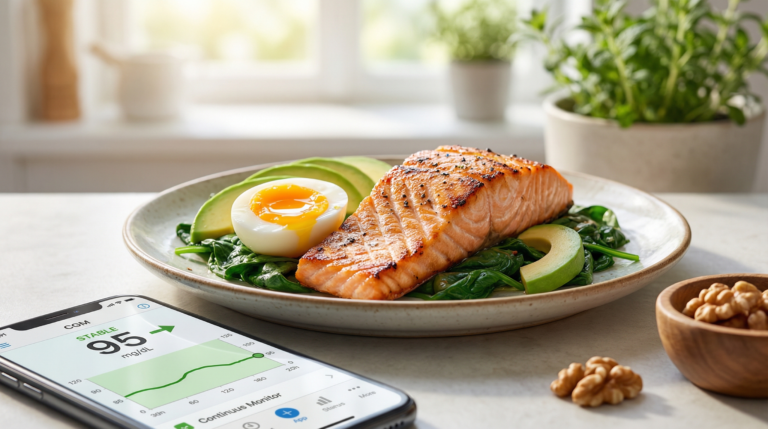
Berberine for Blood Sugar vs Metformin: 7 Essential Facts
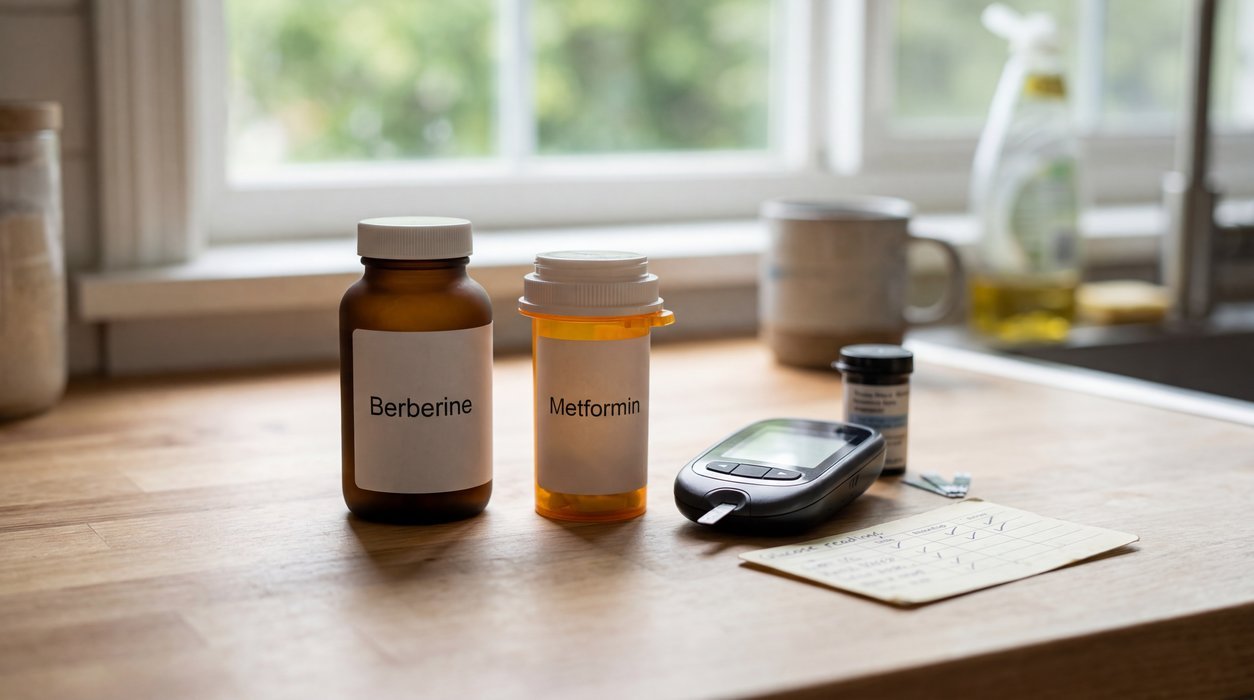
It can feel discouraging when meals are “healthy,” workouts are consistent, and fasting glucose still looks higher than expected. This may not be random; glucose control is shaped by liver glucose output, insulin sensitivity, sleep, stress, meal timing, and muscle activity.
The encouraging news: berberine for blood sugar can be discussed in a clear, evidence-based way without turning it into a miracle supplement or dismissing medication. The real question is not whether berberine or metformin is “better,” but which tool fits the person, the risk level, and the monitoring plan.
Quick Win: For the next 7 days, take a 10-minute easy walk after your largest carbohydrate-containing meal and note your energy, cravings, and post-meal glucose if you monitor it.
Is berberine for blood sugar a natural alternative to metformin?
Berberine may support healthier glucose markers in some adults, but it should not be framed as a simple replacement for metformin. Metformin is a prescription medication with standardized dosing, clinical oversight, and a long history of use in diabetes care.[4]
Berberine for blood sugar is a more reasonable conversation when it is treated as a supplement option to discuss with a qualified healthcare provider. It is not a do-it-yourself substitute for prescribed diabetes medication, especially for anyone using insulin, sulfonylureas, or multiple glucose-lowering drugs.
Some people may notice post-meal patterns changing within a few weeks of structured lifestyle changes. A1C usually needs more time because it reflects a longer glucose window, often about 2–3 months.
| Question | Balanced answer |
|---|---|
| Is berberine the same as metformin? | No. Berberine is a dietary supplement; metformin is a prescription medication. |
| Can berberine support glucose markers? | Research suggests it may improve fasting glucose, post-meal glucose, and A1C in some adults with type 2 diabetes or elevated baseline markers. |
| Can metformin be stopped for berberine? | Not without medical supervision. Stopping prescribed medication can increase risk if glucose is not monitored carefully. |
Key takeaways
- Berberine and metformin are often compared because both are linked to glucose metabolism, insulin sensitivity, and liver glucose production.
- Metformin has stronger clinical standardization, prescription oversight, and guideline inclusion.
- Berberine has promising but more variable evidence, and supplement quality can differ by brand and formulation.
- Anyone taking glucose-lowering medication should speak with a healthcare provider before adding berberine.
- If this feels confusing, you are not alone. Higher glucose can reflect biology, sleep, stress, medication history, liver output, muscle mass, and meal response.
Berberine vs. metformin: the practical comparison
The practical difference is not just “natural” versus “prescription.” It is evidence quality, dosing consistency, medical oversight, safety monitoring, interactions, and what problem is being addressed.
| Factor | Berberine | Metformin |
|---|---|---|
| Category | Dietary supplement derived from plant compounds | Prescription medication |
| Main interest | May support glucose and lipid markers in some adults | Used clinically to manage high blood glucose in type 2 diabetes |
| Evidence depth | Promising, but study quality and formulations vary | Large clinical experience and guideline inclusion |
| Quality control | Can vary by brand, purity, and formulation | Standardized drug manufacturing and dosing |
| Monitoring | Often self-directed unless discussed with a clinician | Usually monitored through glucose markers, kidney function, and side effects |
| Common concerns | GI symptoms, medication interactions, pregnancy and breastfeeding concerns | GI symptoms, kidney-related precautions, rare lactic acidosis risk |
When to choose which conversation: Berberine may be worth discussing when glucose markers are mildly elevated, no glucose-lowering medication is being used, and monitoring is clear. Metformin or another prescribed plan is the more appropriate clinical conversation when type 2 diabetes is diagnosed, A1C is significantly elevated, or medication decisions are already involved.
How berberine and metformin affect glucose control
Both berberine and metformin are discussed because they appear to influence how the body handles glucose rather than simply forcing a quick drop in blood sugar. Their effects involve the liver, skeletal muscle, gut, and cellular energy pathways.
Metformin and liver glucose output
Metformin is commonly used to help lower high blood glucose in type 2 diabetes. One of its key actions is reducing the liver’s production of glucose, which may help improve fasting blood sugar over time.[5]
It may also support insulin sensitivity and has a relatively low risk of hypoglycemia when used alone. That risk can change when it is combined with insulin, sulfonylureas, heavy alcohol use, low food intake, or certain medical conditions.[5]
Berberine and metabolic signaling
Berberine has been studied for possible effects on glucose metabolism, lipid metabolism, gut-related signaling, and inflammatory markers. This does not make it interchangeable with metformin, because the evidence base and product standardization are very different.[3]
For adults interested in insulin resistance, the appeal is understandable. Berberine sounds like a gentler, plant-based option, but “natural” does not automatically mean safer, weaker, or appropriate for every person.
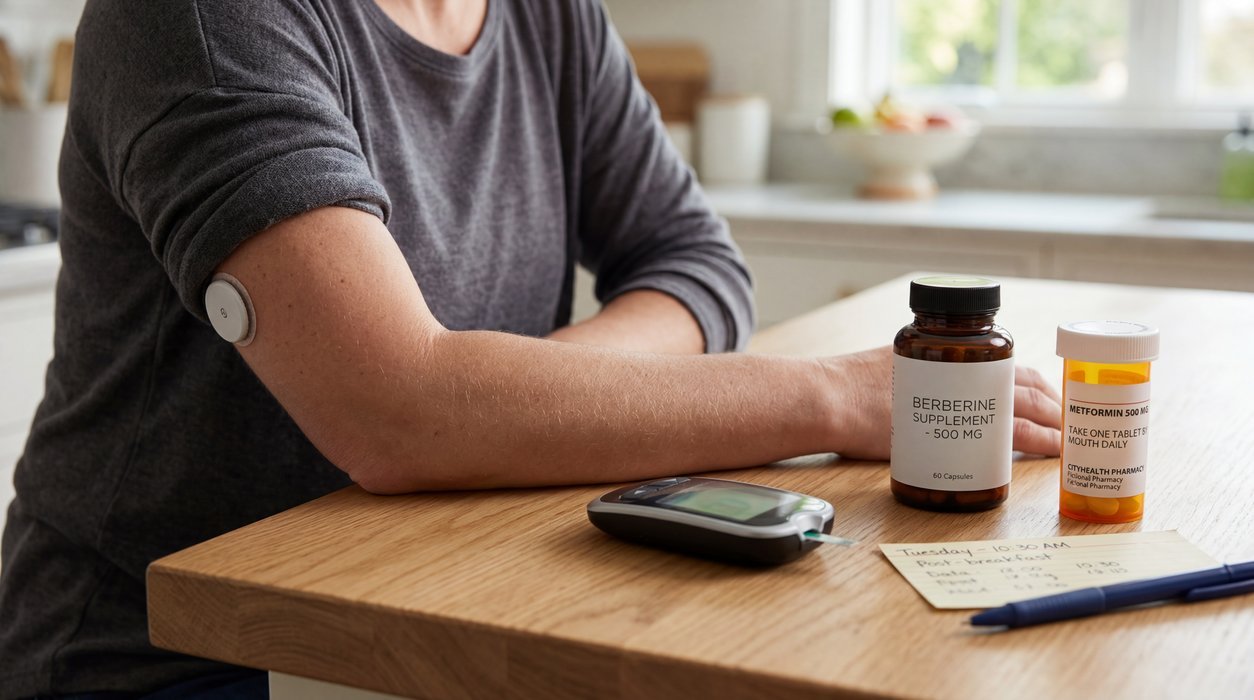
Meal response also matters. If post-meal numbers are the main concern, it can help to understand post-meal glucose patterns before changing supplements or medication.
What research says about berberine for blood sugar
Research on berberine for blood sugar is promising but uneven. Some trials and reviews suggest berberine may help improve fasting glucose, post-meal glucose, and A1C-related markers in people with type 2 diabetes or metabolic risk, especially when baseline levels are elevated.[2]
One frequently cited pilot trial compared berberine with metformin over 3 months in adults with newly diagnosed type 2 diabetes. The authors reported similar glucose-lowering effects in that small study, but the trial size and design mean it should be interpreted cautiously.[1]
Later reviews have generally found that berberine may improve several glycemic markers. They also point to limitations, including differences in study quality, supplement formulations, treatment duration, background medications, and participant characteristics.[2]
Most guides skip this, but it matters: the comparison is often presented as “natural versus pharmaceutical.” The more useful question is whether the tool fits the diagnosis, medication list, glucose pattern, risk level, and monitoring plan.
A supplement can still interact with medications, and a medication can be the safer option when glucose risk is high enough to justify it. That distinction helps adults make calmer decisions instead of choosing sides.
Why metformin remains the clinical reference point
Metformin remains a major reference point because it has been studied widely, prescribed for decades, and included in clinical diabetes guidelines. For many adults with type 2 diabetes, it may be part of a broader plan that also includes nutrition, physical activity, weight management, sleep, and cardiovascular risk care.[4]
That does not mean metformin is perfect for everyone. Gastrointestinal side effects are common, and some people need dose adjustments, extended-release forms, kidney function monitoring, or a different plan altogether.[5]
Metformin also has a known rare but serious warning around lactic acidosis, especially in higher-risk situations such as significant kidney impairment, severe dehydration, heavy alcohol use, or certain acute illnesses. This is one reason medical supervision matters.[5]
Berberine does not have the same level of regulatory standardization. Dietary supplements in the United States are regulated differently from drugs and do not require FDA approval for safety and effectiveness before marketing.[7]
When to discuss berberine, metformin, or both
The safest choice depends on glucose levels, A1C, diagnosis, medication history, kidney and liver status, pregnancy or breastfeeding status, and personal risk factors. A clinician can help match the tool to the risk level.
| Situation | More appropriate conversation |
|---|---|
| Mildly elevated glucose, no medications | Lifestyle foundations first; supplement discussion may be reasonable if monitoring is clear. |
| Diagnosed type 2 diabetes | Medical treatment plan, including whether metformin or another medication fits current guidelines and risk factors. |
| Already taking diabetes medication | Clinician-supervised discussion before adding berberine because glucose-lowering effects may stack. |
| Pregnant, breastfeeding, or trying to conceive | Avoid self-directed berberine; speak with a qualified healthcare provider. |
Safety, interactions, and who should be cautious
Anyone taking glucose-lowering medication should speak with a healthcare provider before adding berberine. Combining glucose-active supplements with diabetes medications may increase the need for careful monitoring, especially if appetite, carbohydrate intake, weight, or activity levels are changing.
Berberine may cause digestive symptoms such as nausea, abdominal discomfort, constipation, diarrhea, or bloating. It may also interact with medications, including some transplant-related immunosuppressive drugs such as cyclosporine.[6]
Pregnant or breastfeeding people should be especially cautious with berberine. MotherToBaby notes concerns related to breastfeeding and potential bilirubin-related risks in infants, so professional guidance is important before use in these situations.[8]
People with kidney disease, liver disease, complex medication lists, a history of low blood sugar, or upcoming surgery should not treat berberine casually. The same is true for anyone trying to stop or reduce prescribed medication without medical supervision.
A safer glucose-control plan to start with
The strongest natural approach to glucose control is not usually one supplement. It is a repeatable lifestyle pattern that improves how the body handles meals, stress, sleep, and movement.
Start with the meal response
Build meals around protein, fiber-rich carbohydrates, healthy fats, and color from plants. This combination may help slow digestion, reduce sharp post-meal swings, and support fullness.
A simple plate structure can help: half non-starchy vegetables, one palm-sized protein portion, one slow carbohydrate portion, and a small amount of fat. It does not need to be perfect to be useful.
Add low-intensity movement after meals
Post-meal walking is one of the most accessible glucose-supportive habits. Even 10 minutes after a carbohydrate-containing meal may help muscles use circulating glucose more efficiently.
This is not punishment for eating. It is a gentle signal to the body that glucose can be moved into working muscle.

Use tracking without becoming obsessive
Useful markers may include fasting glucose, post-meal glucose, A1C, waist measurement, sleep quality, cravings, afternoon energy, and hunger stability. People using continuous glucose monitors may notice patterns sooner, but lab markers still matter.
Early signs may include fewer post-meal energy crashes, steadier appetite, and less intense evening snacking. Meaningful changes in A1C usually require more time because A1C reflects a longer glucose window.
Discuss berberine for blood sugar with a clinician
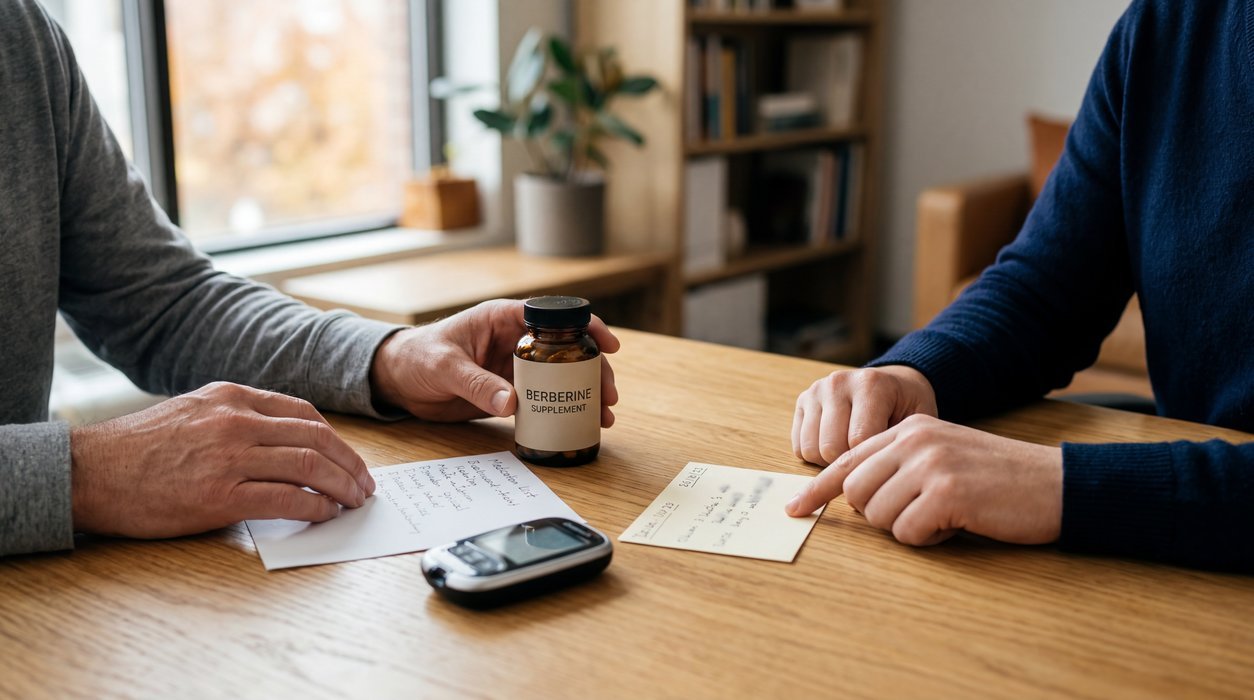
Adults considering berberine for blood sugar can bring a specific plan to a healthcare appointment. Useful details include the product label, dose, medication list, glucose history, kidney and liver status, and which marker they hope to track.
A safer trial, when appropriate, is structured rather than random. That means one change at a time, a defined monitoring window, and a clear stop point if side effects appear.
For a broader evidence review, compare berberine with other natural supplement options for prediabetes before buying multiple products at once.
Use a realistic timeline
- Week 1: Track meals, sleep, energy, and any post-meal glucose patterns without changing everything at once.
- Weeks 2–4: Add repeatable meal structure and post-meal movement, then compare trends instead of single readings.
- Weeks 8–12: Recheck lab markers with a clinician if the goal is to assess A1C, medication needs, or supplement response.
Many people notice that glucose control becomes more predictable when dinner is earlier, alcohol is limited, and sleep is protected. These changes are not dramatic, but they often make the rest of the plan easier to evaluate.
Frequently asked questions
Is berberine for blood sugar as effective as metformin?
Berberine for blood sugar has shown promising results in some studies, including small trials and reviews that report improvements in glycemic markers. However, metformin has a much deeper clinical evidence base, standardized dosing, and medical monitoring. Berberine should not be treated as an equal substitute for prescribed metformin without professional guidance. The safest comparison depends on diagnosis, glucose levels, medications, and overall health status.
Can berberine and metformin be taken together?
Some people ask about combining them because both may influence glucose metabolism. This should only be considered with a qualified healthcare provider, especially for anyone taking diabetes medication or monitoring low blood sugar risk. Combining glucose-active tools can make results less predictable. Digestive side effects may also become more noticeable for some adults.
How long does berberine take to affect blood sugar markers?
Research studies often evaluate berberine over weeks to a few months, but individual responses vary. Post-meal glucose patterns may change sooner than A1C, because A1C reflects a longer period of glucose exposure. Lifestyle habits, baseline glucose, supplement quality, and medication use can all affect results. A clinician can help decide which marker is worth tracking.
Is berberine safe for everyone?
No supplement is safe for everyone. Berberine may cause digestive side effects and may interact with certain medications. Pregnant and breastfeeding people, adults taking glucose-lowering drugs, and people with complex medical histories should be especially cautious. Professional guidance is important before using berberine for metabolic goals.
Conclusion
Berberine and metformin both belong in conversations about glucose control, but they do not belong in the same category. Metformin is a prescription medication with clinical oversight, while berberine is a supplement with promising but less standardized evidence.
For adults exploring berberine for blood sugar, the most grounded path is careful, informed, and measurable. Start with meals, movement, sleep, and monitoring, then discuss supplements or medications with a qualified healthcare provider.
A natural approach works best when it is not rushed. The goal is steadier metabolic health, fewer guesswork decisions, and a plan that fits real life.
Medical Disclaimer: The information provided in this article is for educational purposes only and does not constitute medical advice. Always consult a qualified healthcare provider before making changes to your diet, lifestyle, or treatment plan. TheMetabolicHub.com does not replace professional medical guidance.
References
- Yin J, Xing H, Ye J. Efficacy of Berberine in Patients with Type 2 Diabetes. Metabolism. 2008. PMID: 18442638
- Xie W, et al. Glucose-lowering effect of berberine on type 2 diabetes: A systematic review and meta-analysis. Frontiers in Pharmacology. 2022. PMID: 36467075
- Nazari A, et al. The Effect of Berberine Supplementation on Glycemic Control and Inflammatory Biomarkers in Metabolic Disorders: An Umbrella Meta-Analysis of Randomized Controlled Trials. Phytotherapy Research. 2024. PMID: 38016844
- American Diabetes Association Professional Practice Committee. Pharmacologic Approaches to Glycemic Treatment: Standards of Care in Diabetes—2026. Diabetes Care. 2026. Diabetes Care
- DailyMed. Metformin Hydrochloride Tablets: Prescribing Information. DailyMed
- National Center for Complementary and Integrative Health. Berberine and Weight Loss: What You Need To Know. NCCIH
- U.S. Food and Drug Administration. Questions and Answers on Dietary Supplements. FDA
- MotherToBaby. Berberine Fact Sheet. NCBI Bookshelf