5 Supplements for Insulin Resistance: What the Evidence Shows
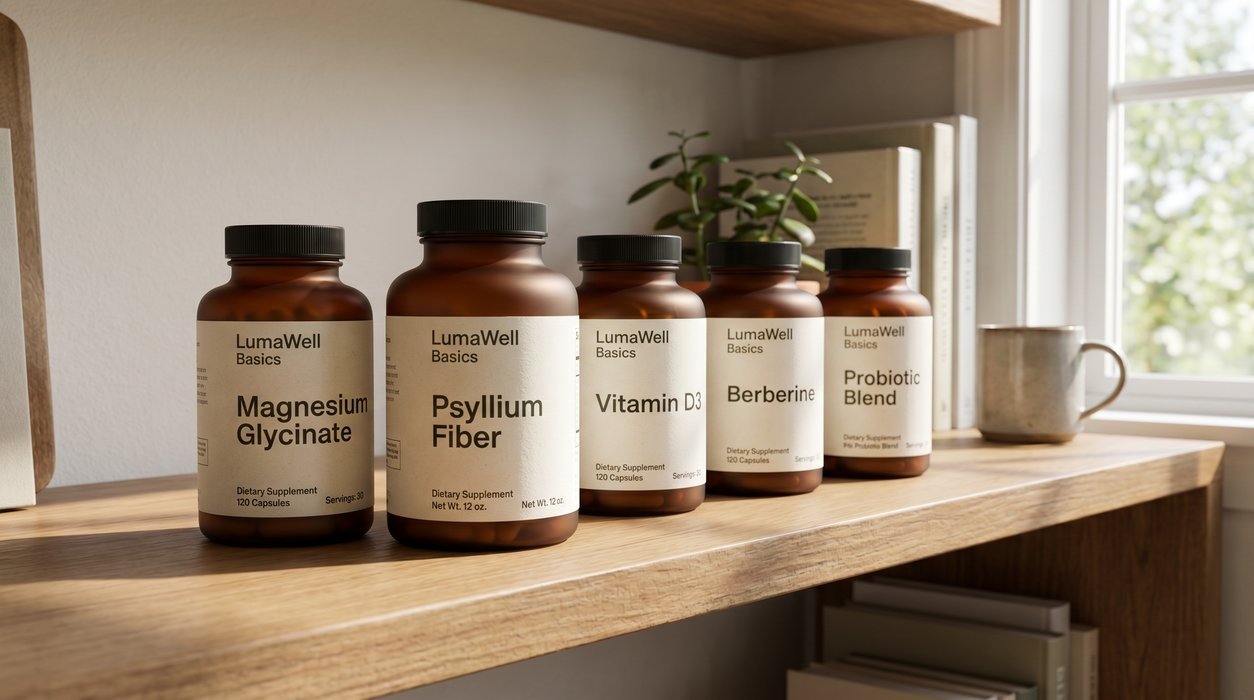
Doing “everything right” and still seeing stubborn fasting glucose, afternoon crashes, or intense cravings can feel discouraging. This may not be random, and it is not a personal failure. The encouraging news: supplements for insulin resistance may help in specific situations, but they work best as targeted support, not as a replacement for the basics.
Quick Win: Before adding a supplement, track sleep, fiber intake, and a 10-minute post-meal walk for 7 days. This often reveals whether the real gap is nutrient intake, meal structure, movement, or recovery.
Can Supplements for Insulin Resistance Help?
Some supplements may support insulin sensitivity when they address a real gap, such as low magnesium intake, low vitamin D status, low fiber intake, or digestive patterns that affect glucose response. The effect is usually modest and depends on diet, labs, medications, and consistency.
Supplements for insulin resistance should be viewed as one layer of support. Clinical guidance still places nutrition pattern, physical activity, sleep, weight changes when appropriate, and prescribed care at the center of metabolic health.[1]
Key Takeaways
- Best fit: Supplements are most useful when matched to a specific need, not taken as a general blood sugar shortcut.
- Most practical options: Magnesium, psyllium fiber, vitamin D when low, probiotics, and berberine are commonly discussed.
- Highest caution: Berberine, chromium, cinnamon extracts, bitter melon, and multi-ingredient blends can interact with medications.
- Realistic timeline: Energy, fullness, and digestion may shift within days to weeks; lab markers need longer.
How Supplements Fit Into Insulin Sensitivity
Insulin sensitivity describes how effectively cells respond to insulin’s signal to move glucose out of the bloodstream. When sensitivity is lower, the body may need more insulin to manage the same meal.
Supplements may influence this system in different ways. Some fill nutrient gaps, some slow carbohydrate absorption, and others may affect gut-related pathways or inflammation.
Magnesium is involved in normal glucose metabolism, while viscous fibers such as psyllium can slow digestion and soften post-meal glucose rises.[2][5] A food-first approach often starts with magnesium-rich foods before capsules.
One thing worth pushing back on here: the strongest-sounding supplement is not automatically the best choice. The better question is whether the supplement matches the person’s actual bottleneck, such as low fiber, low vitamin D, medication interactions, digestion, or inconsistent sleep.
Evidence-Informed Supplement Options
The options below are not medical recommendations. They are a practical way to understand where evidence is stronger, where caution matters, and when professional guidance is worth prioritizing.
| Supplement | Potential Role | Best Fit | Caution |
|---|---|---|---|
| Magnesium | May support glucose metabolism when intake is low | Low intake, high stress, low food variety | Kidney disease or medication interactions |
| Psyllium fiber | May support steadier post-meal glucose | Low-fiber diets or hunger between meals | Needs water; may affect medication absorption |
| Vitamin D | Most relevant when blood levels are low | Confirmed deficiency or limited sun exposure | High doses can be harmful |
| Berberine | May modestly lower glucose in some studies | Clinician-guided use only | Medication interactions and pregnancy concerns |
| Probiotics | May affect glycemic markers through gut pathways | Digestive concerns or low fermented food intake | Strain-specific results vary |
Magnesium
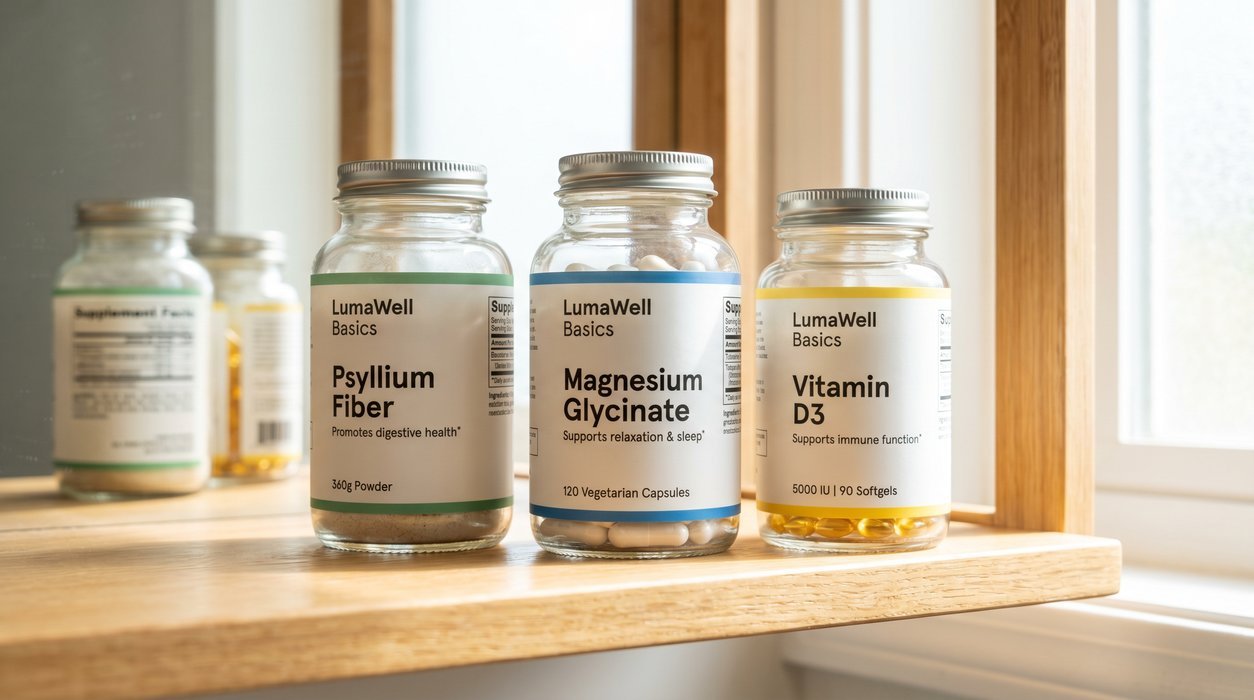
Magnesium is a practical starting point because many adults do not consistently eat legumes, nuts, seeds, leafy greens, and whole grains. It also supports muscle function, energy metabolism, and normal nerve function.
Supplemental magnesium may be more relevant when intake or status is low, but more is not automatically better.[2] Loose stools are common with some forms, and kidney disease requires medical guidance.
Psyllium Fiber
Psyllium is a soluble, viscous fiber that forms a gel-like texture when mixed with fluid. This can slow digestion and may help reduce sharper post-meal glucose rises.
A 2024 systematic review and meta-analysis found that psyllium significantly reduced fasting blood sugar, HbA1c, and HOMA-IR compared with placebo, although effects depended on dose and duration.[5]
Practical use matters. Psyllium should be taken with enough water, introduced gradually, and spaced away from medications when advised by a pharmacist or clinician.
Vitamin D
Vitamin D matters for many body systems, but it is not a universal blood sugar solution. It is most reasonable to address when a blood test shows low status or risk is high.
NIH guidance notes that excessive vitamin D intake can cause harm, especially through high-dose supplements.[3] Testing and clinician-guided dosing are safer than guessing from fatigue or cravings alone.
Berberine
Berberine is one of the most talked-about supplements for glucose control. Some studies suggest benefit, but quality, dose, product purity, and long-term safety questions still matter. Research is ongoing to compare metformin versus berberine effectiveness in managing blood sugar levels. As more evidence emerges, it will be crucial to evaluate which option offers superior results for patients. Understanding the mechanisms behind each could also lead to more personalized treatment approaches in the future.
This is not a casual add-on for people taking glucose-lowering medication. Anyone considering it should understand berberine and medication comparisons before combining it with prescribed care.
NCCIH notes that berberine can cause digestive side effects and should not be used during pregnancy or breastfeeding.[4] It deserves a “discuss first” label.
Probiotics
The gut microbiome may interact with inflammation, appetite regulation, glucose metabolism, and short-chain fatty acid production. That makes probiotics interesting, but not simple.
A 2023 systematic review and meta-analysis suggested probiotics may favorably affect glycemic control in people with type 2 diabetes.[6] Results still vary by strain, dose, diet, and baseline gut health.
Supplements That Deserve Extra Caution
Some blood sugar supplements are marketed with confidence that the evidence does not always match. This includes high-dose chromium, cinnamon extracts, bitter melon, aloe vera, and multi-ingredient “glucose support” blends.
Chromium has been studied for glucose control, but NIH notes that its effects appear small and the clinical significance is unclear.[7] That makes it a poor universal choice.
Cinnamon in food is different from concentrated cinnamon capsules. Cassia cinnamon can contain coumarin, which may matter for liver safety at higher supplemental intakes.
Multi-ingredient blends are especially difficult to evaluate. If digestion, sleep, glucose, or medication effects change, it becomes hard to know which ingredient caused the problem.
How to Choose Supplements Safely
Start with one question: what problem is this supplement meant to solve? Low fiber, low magnesium intake, low vitamin D, and medication-supervised glucose support are very different situations.
Choose third-party-tested products when possible. Testing does not prove effectiveness, but it may reduce the risk of contamination, inaccurate labeling, or hidden ingredients.
People taking medication for glucose, blood pressure, cholesterol, thyroid function, mood, immune conditions, or blood thinning should be extra careful. Supplements can change absorption, metabolism, or medication effect.
Start one change at a time. Adding three new capsules at once makes it almost impossible to know what affected digestion, appetite, fasting glucose, sleep, or energy.
A Practical 4-Step Plan
Step 1: Identify the likely gap. Review 7 days of meals, fiber, protein, sleep, movement, stress, and lab history. This keeps supplement decisions grounded in real patterns.
Step 2: Choose one target. Pick the most likely bottleneck: low fiber, low magnesium-rich foods, low vitamin D status, digestive support, or clinician-guided glucose support.
Step 3: Track simple signals. Useful signals include post-meal energy, cravings, digestion, sleep quality, fasting glucose, and post-meal glucose if using a meter or CGM.
Step 4: Review after a defined window. Many people use 4 to 8 weeks for supplement trials, while HbA1c and other lab markers need longer. Early changes may show up first as steadier energy or fewer cravings.
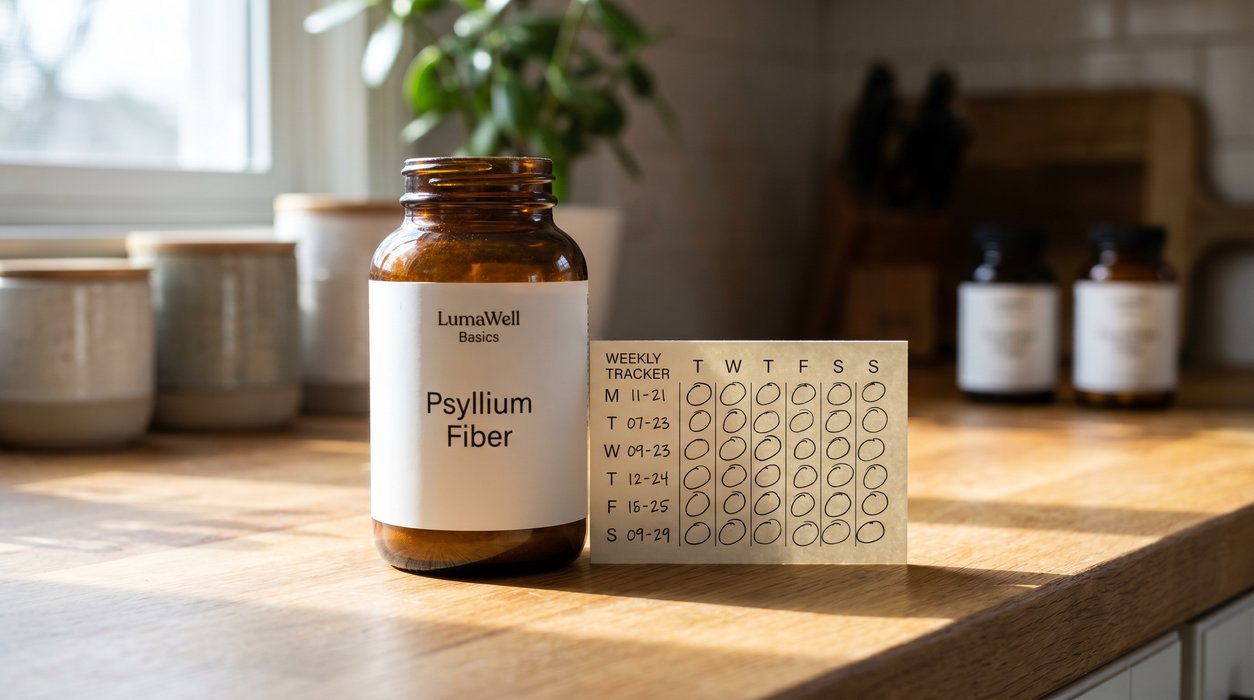
This simple process prevents the most common supplement mistake: stacking products without knowing what changed. It also makes clinician conversations more specific and useful.
Frequently Asked Questions
What are the best supplements for insulin resistance?
The most reasonable options to discuss are magnesium, psyllium fiber, vitamin D when status is low, probiotics, and berberine with medical guidance. The best choice depends on diet, labs, medications, digestion, and health history. No supplement replaces balanced meals, movement, sleep, or prescribed care.
Is berberine safe for insulin resistance?
Berberine may support glucose markers in some people, but it also has meaningful interaction potential. It may amplify glucose-lowering medication effects and is not advised during pregnancy or breastfeeding. Anyone taking medication should speak with a qualified healthcare provider first.
Can magnesium improve insulin sensitivity?
Magnesium supports normal glucose metabolism, and low intake may make metabolic health harder to support. Food sources such as pumpkin seeds, beans, lentils, spinach, and nuts are a strong starting point. Supplements should be used carefully with kidney disease or medication concerns.
How long does it take to know if a supplement is helping?
Digestion, fullness, cravings, or post-meal energy may shift within days to weeks. Lab markers often need a longer, more consistent window. A 4- to 8-week trial can help reveal patterns, but HbA1c reflects a longer blood sugar picture.
Conclusion
Supplements can support an insulin sensitivity plan, but only when they solve a specific problem. Low fiber intake, low magnesium intake, low vitamin D status, and clinician-guided glucose support are different situations.
The safest path is to build the foundation first, then test one targeted supplement at a time. That makes supplements for insulin resistance more practical, safer, and easier to evaluate.
Small, consistent choices still matter most: balanced meals, daily movement, strength training, sleep, stress recovery, and medical guidance when blood sugar is already elevated.
Medical Disclaimer: The information provided in this article is for educational purposes only and does not constitute medical advice. Always consult a qualified healthcare provider before making changes to your diet, lifestyle, or treatment plan. TheMetabolicHub.com does not replace professional medical guidance.
References
- American Diabetes Association. Standards of Care in Diabetes—2026: Facilitating Positive Health Behaviors and Well-being to Improve Health Outcomes. Diabetes Care. 2026. Diabetes Care
- NIH Office of Dietary Supplements. Magnesium: Fact Sheet for Health Professionals. Updated 2026. NIH ODS
- NIH Office of Dietary Supplements. Vitamin D: Fact Sheet for Health Professionals. Updated 2025. NIH ODS
- National Center for Complementary and Integrative Health. In the News: Berberine. NCCIH
- Gholami Z, et al. The effect of psyllium on fasting blood sugar, HbA1c, HOMA-IR, and related metabolic markers: systematic review and meta-analysis. 2024. PMID: 38844885
- Li G, et al. The effects of probiotics supplementation on glycaemic control in type 2 diabetes: systematic review and meta-analysis. 2023. PMID: 37415167
- NIH Office of Dietary Supplements. Chromium: Fact Sheet for Health Professionals. NIH ODS
- National Center for Complementary and Integrative Health. Diabetes and Dietary Supplements: What You Need To Know. NCCIH