PCOS Insulin Resistance: Signs, Tests, and What Helps

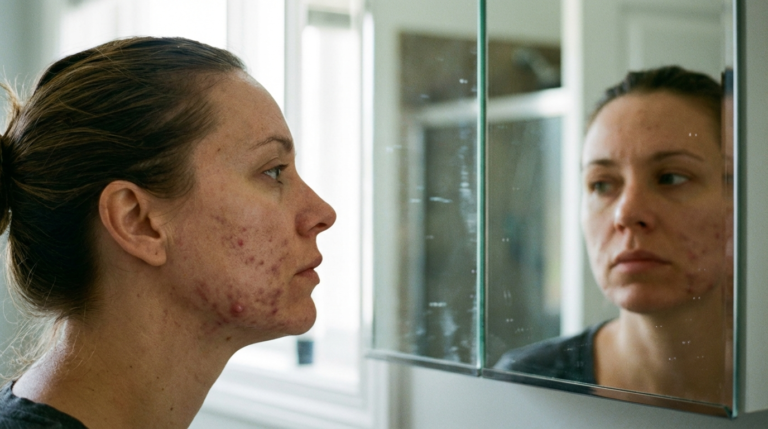
Cravings, energy crashes, stubborn waist changes, acne flares, and unpredictable cycles can make PCOS feel confusing and unfair. This may not be random; it may reflect how reproductive hormones and metabolic signals are communicating.
The encouraging news: PCOS insulin resistance is not a personal failure, and it is not a dead end. Once the cycle is understood, testing, meals, movement, sleep, and medical support can become more targeted.
Quick Win: Build one blood-sugar-steady meal today with protein, a fiber-rich carbohydrate, colorful plants, and a small amount of fat before reaching for sweet snacks.
PCOS insulin resistance: what is the direct link?
PCOS and insulin resistance are closely connected because insulin does more than move glucose from the bloodstream into cells. Higher insulin levels may interact with ovarian hormone signaling and androgen activity, while symptoms can show up as cravings, energy crashes, irregular cycles, acne, excess facial or body hair, scalp hair thinning, or harder-to-shift waist changes.[1]
PCOS insulin resistance describes this overlap between reduced insulin sensitivity, hormone signaling, and day-to-day symptoms. Testing matters because fasting glucose can look normal even when insulin patterns are already less efficient.
Improvement is usually gradual rather than instant. Many people notice steadier hunger, fewer energy crashes, or better meal consistency within a few weeks, while cycle patterns and lab markers often need several months of repeated support.
Stat Callout: The 2023 international PCOS guideline states that glycaemic status should be assessed at diagnosis in all adults and adolescents with PCOS, regardless of BMI.[1]
Key takeaways
- Insulin resistance can be present in PCOS even when fasting glucose looks normal.
- Body size alone cannot confirm or exclude insulin resistance.
- Protein, fiber, strength training, walking, sleep, and stress recovery may support insulin sensitivity.
- Testing matters because symptoms alone cannot diagnose glucose or insulin patterns.
- Medication can be appropriate depending on glucose status, cycles, fertility goals, and symptoms.
How the PCOS insulin resistance cycle keeps going
The cycle often begins when cells become less responsive to insulin. The pancreas may compensate by producing more insulin, which can keep glucose in range for a while but may increase metabolic strain.
In PCOS, higher insulin can amplify androgen-related signaling in people who are susceptible. Higher androgen activity may then worsen ovulation patterns, appetite regulation, inflammation signals, and body composition changes.[2]
Mechanism Box: Insulin resistance can lead to higher insulin. Higher insulin may support higher androgen activity. Higher androgen activity may affect ovulation, cravings, acne, hair growth patterns, and abdominal fat storage. The result can feel like a self-reinforcing loop.
Insulin can influence androgen signaling
Research suggests insulin can interact with ovarian and adrenal hormone pathways. This does not mean insulin is the only driver of PCOS, but it helps explain why PCOS is often both hormonal and metabolic.[2]
Symptoms vary widely. Some people mainly notice irregular cycles, while others notice acne, coarse hair growth, scalp shedding, hunger swings, or changes in waist measurement.
Blood sugar swings can make cravings feel intense
When meals are low in protein and fiber but high in refined carbohydrates, some people feel hungry again quickly. Others notice afternoon fatigue, shakiness, headaches, or strong cravings after long gaps between meals.
These symptoms do not prove insulin resistance on their own. They are useful clues to discuss with a clinician, especially when they appear with PCOS, family history of diabetes, or abnormal glucose markers.

One thing worth pushing back on here: PCOS is often reduced to a weight-loss problem. Weight management may help some people, but a scale-only approach can miss sleep, stress, muscle mass, meal timing, glucose testing, medication options, and the emotional burden of being blamed for symptoms.
Signs that insulin resistance may be part of your PCOS picture
Insulin resistance can be quiet for years. Some people have normal fasting glucose while their body is already working harder to maintain stable blood sugar.
| Possible sign | What it may suggest |
|---|---|
| Strong cravings after high-carb meals | Meal composition and glucose swings may need attention. |
| Afternoon crashes | Sleep, stress, meal timing, or glucose regulation may be involved. |
| Irregular cycles | Ovulation may be affected by hormone signaling. |
| Dark, velvety skin patches | Acanthosis nigricans can be linked to insulin resistance and should be assessed clinically. |
| Waist gain despite consistent habits | Insulin, stress hormones, sleep, and total energy balance may all matter. |
Lean people can have PCOS and insulin resistance too. A systematic review reported reduced insulin sensitivity in PCOS independent of BMI, which is why body size should not be used as the only screening tool.[3]
Testing that can clarify what is happening
Testing helps separate guesswork from useful information. The 2023 international guideline recommends glycaemic assessment at diagnosis and reassessment every 1–3 years based on individual diabetes risk factors.[1]
A clinician may consider fasting glucose, HbA1c, lipids, blood pressure, waist measurement, and a 75-g oral glucose tolerance test. The guideline describes the OGTT as the most accurate test for glycaemic status in PCOS.[1]
What about fasting insulin?
Fasting insulin can add context in some clinical settings, but insulin assays are not always standardized. The 2023 guideline notes that clinically available insulin assays have limited routine-care relevance in PCOS.[1]
Hormone evaluation may include cycle history, androgen-related symptoms, total or free testosterone, DHEA-S, thyroid markers, prolactin, and other tests when needed.
How food choices may support insulin sensitivity
There is no single perfect PCOS diet. Evidence-based guidance generally supports sustainable lifestyle strategies that improve nutrient quality, support glucose stability, and reduce cardiometabolic risk without extreme restriction.[4]
A practical starting point is meal structure. Protein, fiber, and minimally processed carbohydrates can make meals more satisfying and may reduce repeated glucose and insulin spikes.
Build meals around protein and fiber
Helpful protein options include eggs, Greek yogurt, tofu, tempeh, fish, poultry, lean meats, lentils, beans, and protein-rich plant combinations. Protein can support satiety and make cravings easier to manage.
Fiber slows digestion and supports gut health. Vegetables, berries, legumes, oats, chia seeds, flaxseed, and whole grains can all fit depending on tolerance and preferences.

Choose carbohydrates with context
Carbohydrates are not automatically “bad” for PCOS. Source, portion, timing, and what they are paired with can change how a meal feels afterward.
Oats with Greek yogurt and berries may feel different from sweet cereal eaten alone. Rice with salmon, vegetables, and olive oil may feel different from a large serving of rice without protein or fiber.
For a deeper look at the weight and metabolism side of PCOS, see this guide to why PCOS weight loss can feel unusually hard.
Movement, sleep, and stress signals that matter
Movement supports insulin sensitivity because working muscles use glucose and can become more responsive to insulin over time. Lifestyle management, including physical activity, is considered first-line care in PCOS guidelines.[4]
A balanced plan can include walking, resistance training, and moderate cardio. The best starting point is the one someone can repeat without feeling punished by it.
Try a short walk after one meal
A 10- to 15-minute walk after lunch or dinner is simple and low-cost. It can also make movement feel like blood-sugar support rather than a calorie-burning obligation.
Add resistance training gradually
Muscle is metabolically active tissue. Two or three weekly sessions with squats, rows, presses, hip hinges, step-ups, or resistance bands can support strength and glucose storage.
Do not ignore sleep
Poor sleep can affect appetite hormones, stress responses, and insulin sensitivity. Anyone managing PCOS should also consider snoring, unrefreshing sleep, late-night eating, and inconsistent bedtimes.
For a practical next step, this guide explains how sleep affects insulin sensitivity and why rest is part of metabolic care.

A practical 7-day reset plan
This plan is not a treatment protocol. It is a gentle structure for adults who want to support insulin sensitivity while keeping expectations realistic.
- Day 1: Add protein to breakfast before changing anything else.
- Day 2: Take a 10-minute walk after lunch or dinner.
- Day 3: Build one plate with protein, fiber-rich carbs, vegetables, and fat.
- Day 4: Replace one sugary drink with water, sparkling water, or unsweetened tea.
- Day 5: Do 20 minutes of simple resistance training.
- Day 6: Set a consistent bedtime window and reduce late-night scrolling.
- Day 7: Review energy, hunger, cravings, sleep, cycle notes, and questions for a clinician.
Small tracking can be helpful when it stays neutral. “Cravings lower after protein breakfast” is more useful than judging a day as good or bad.
Many people notice early changes in energy, hunger, and cravings before cycle changes or lab shifts appear. Over several months, improved consistency may support better glucose markers, waist measurements, workout recovery, or cycle predictability.
Medication may also be part of care. Depending on symptoms and goals, clinicians may discuss metformin, hormonal contraceptives, ovulation-related medications, anti-androgens, or other options.[5]
Frequently Asked Questions
What is PCOS insulin resistance?
PCOS insulin resistance refers to the overlap between polycystic ovary syndrome and reduced cellular response to insulin. When insulin levels stay higher, they may influence androgen activity, ovulation patterns, appetite, and metabolic risk. Not everyone with PCOS has the same degree of insulin resistance, so testing and individualized care matter.
Can lean people with PCOS have insulin resistance?
Yes. Lean people can have PCOS and insulin resistance because body size does not show the full metabolic picture. Symptoms, family history, cycle patterns, waist measurement, glucose testing, and lipid markers may all provide useful context.
Is cutting carbs necessary for PCOS and insulin resistance?
Cutting carbohydrates completely is not necessary for everyone. Many people do better by choosing higher-fiber carbohydrates and pairing them with protein, fat, and vegetables. The most useful approach is usually one that supports glucose stability, nutrient intake, enjoyment, and consistency.
What is the best test for insulin resistance in PCOS?
There is no single perfect routine test for insulin resistance. The 2023 international PCOS guideline recommends glycaemic assessment and describes the 75-g oral glucose tolerance test as the most accurate test for glycaemic status in PCOS. A clinician can decide which tests fit the person’s risks and goals.
Can lifestyle changes replace medication for PCOS?
Lifestyle changes are foundational, but they do not replace medical care for everyone. Some people also benefit from medication depending on glucose markers, cycle patterns, fertility goals, androgen symptoms, and personal history. A combined approach can be more supportive than treating lifestyle and medication as opposites.
Conclusion
PCOS and insulin resistance can create a frustrating loop, but the loop can be understood. Higher insulin may interact with androgen activity, appetite, ovulation, and glucose regulation in ways that make symptoms feel connected rather than random.
The goal is not perfection. The goal is to use testing, steady meals, strength-supporting movement, better sleep, and appropriate medical care to give the body clearer metabolic signals.
Start with one meal, one walk, one bedtime cue, or one lab conversation. Small, repeated steps can become meaningful support over time.
Medical Disclaimer: The information provided in this article is for educational purposes only and does not constitute medical advice. Always consult a qualified healthcare provider before making changes to your diet, lifestyle, or treatment plan. TheMetabolicHub.com does not replace professional medical guidance.
References
- Teede HJ, Tay CT, Laven JJE, et al. Recommendations From the 2023 International Evidence-based Guideline for the Assessment and Management of Polycystic Ovary Syndrome. J Clin Endocrinol Metab. 2023. PMID: 37580314
- Zhao H, Zhang J, Cheng X, Nie X, He B. Insulin resistance in polycystic ovary syndrome across various tissues: an updated review of pathogenesis, evaluation, and treatment. J Ovarian Res. 2023. PMID: 36631836
- Cassar S, Misso ML, Hopkins WG, Shaw CS, Teede HJ, Stepto NK. Insulin resistance in polycystic ovary syndrome: a systematic review and meta-analysis of euglycaemic-hyperinsulinaemic clamp studies. Hum Reprod. 2016. PMID: 27907900
- Cowan S, Lim S, Alycia C, et al. Lifestyle management in polycystic ovary syndrome — beyond diet and physical activity. BMC Endocr Disord. 2023. PMID: 36647089
- Legro RS, Arslanian SA, Ehrmann DA, et al. Diagnosis and Treatment of Polycystic Ovary Syndrome: An Endocrine Society Clinical Practice Guideline. J Clin Endocrinol Metab. 2013. PMID: 24151290
- Kim CH, Chon SJ, Lee SH. Effects of lifestyle modification in polycystic ovary syndrome compared to metformin only or metformin addition: a systematic review and meta-analysis. Sci Rep. 2022. PMID: 35207595