
Insulin Resistance and Weight Loss: Why Fat Loss Feels So Hard

Insulin resistance and weight loss are closely connected — especially when you’re eating less, moving more, and still watching the scale barely budge.
If this pattern feels familiar, you’re not alone. For many adults, persistent weight-loss resistance isn’t simply about effort or willpower. One common contributing factor is insulin resistance — a metabolic condition that can make maintaining a calorie deficit significantly harder by affecting hunger, energy, cravings, blood sugar stability, and how the body prioritizes fuel.
Insulin resistance isn’t always the answer, and it doesn’t make fat loss impossible. But understanding how it works — and what evidence-based strategies can support metabolic health — can change how you approach the problem entirely.
Quick Win: Try a 10-minute walk after your largest meal today. When muscles contract during movement, they can pull glucose from the bloodstream partly through a pathway that doesn’t rely on insulin signaling. It’s one of the simplest, lowest-barrier interventions for improving post-meal blood sugar — and it takes less time than most people think.
Insulin Resistance and Weight Loss: Why Can It Make Fat Loss Harder?
Insulin is a hormone produced by the pancreas. After a meal, it helps move glucose out of the bloodstream and into cells, where it can be used for energy or stored for later.
In insulin resistance, cells respond less efficiently to insulin’s signal. The pancreas compensates by producing more insulin to maintain blood sugar control. For a period, this can keep blood sugar in the normal range — but the resulting pattern of higher, more persistent insulin levels affects more than glucose alone.[1]
Elevated insulin tends to shift the body toward storing energy rather than releasing it. Fat breakdown — called lipolysis — is suppressed when insulin is high, meaning the body has a harder time accessing stored fat as fuel. This does not make fat loss impossible, and calories still matter. But it can make maintaining a calorie deficit feel much harder.
The real challenge is often indirect: insulin resistance is commonly associated with stronger cravings, more pronounced blood sugar swings, post-meal fatigue, and hunger that returns quickly after eating. These effects, taken together, make it harder to eat less, stay consistent, and sustain the patterns that support weight loss.

How Insulin Resistance Develops
Insulin resistance develops gradually, usually over years, and rarely has a single cause. It is better understood as the result of several metabolic stressors building at the same time.
Repeated High Insulin Demand
Frequent consumption of rapidly absorbed carbohydrates — such as sugary drinks, white bread, pastries, and many ultra-processed snack foods — can cause repeated blood sugar spikes, each requiring an insulin response.
Over time, a combination of high insulin demand, excess energy intake, fat accumulation in liver and muscle tissue, physical inactivity, and low-grade inflammation can interfere with how well insulin signaling works. The pancreas produces more insulin; tissues become less responsive; the cycle continues.
Visceral Fat
Visceral fat is fat stored around the internal organs. It is not the soft fat you can pinch under the skin, but deeper abdominal fat that behaves more like an active endocrine organ.
Higher visceral fat is strongly linked with insulin resistance and cardiometabolic risk. One reason is that visceral fat can release inflammatory signaling molecules and fatty acids that interfere with normal insulin signaling. This is why waist circumference can be a more useful metabolic risk marker than body weight alone.
Chronic Stress and Cortisol
Cortisol — the body’s primary stress hormone — helps mobilize energy during threat or pressure. In short bursts, that is normal and useful. But when stress is persistent, cortisol can keep glucose availability higher and reduce insulin sensitivity in key tissues.
This helps explain why some people improve their diet but still struggle with cravings, energy swings, and abdominal fat when stress remains high. Stress management is not a soft add-on. For many people, it is part of the metabolic equation.[8]
Sleep Deprivation
Even short periods of sleep restriction have been shown to reduce insulin sensitivity and worsen appetite regulation.[2]
Disrupted sleep can also affect hunger and fullness hormones, making cravings stronger and meals less satisfying. That combination — poorer glucose handling plus increased appetite — makes weight loss significantly harder to sustain.
Signs You May Have Insulin Resistance
Insulin resistance is sometimes called a silent condition because standard blood tests may not detect it in early stages. Fasting glucose can look normal while insulin is already elevated and affecting metabolism.
Patterns that commonly co-occur with insulin resistance include:
- Difficulty losing weight despite consistent effort
- Strong cravings for carbohydrates or sugar, especially after meals
- Significant energy crashes in the mid-afternoon
- Hunger returning quickly after eating
- Fat accumulation around the abdomen, even without major overall weight gain
- Elevated triglycerides or low HDL cholesterol on blood work
- Skin darkening in body folds — around the neck or armpits — called acanthosis nigricans
None of these signs are diagnostic on their own. But if several apply, it may be worth having a broader metabolic conversation with a healthcare provider.
This pattern can develop gradually over years, which is why many people are caught off guard when it is first raised by a doctor. It is not a personal failure, and it is not permanent.
Why Low-Calorie Diets Can Feel Harder with Insulin Resistance
Insulin resistance does not make calorie restriction irrelevant. It makes calorie restriction harder to maintain.
That distinction matters. Weight loss still requires an energy deficit, but hormones, sleep, stress, muscle mass, medications, appetite, and glucose regulation all influence how easy or difficult that deficit is to sustain.
More Hunger and Cravings
Blood sugar swings can create a frustrating pattern: you eat, glucose rises, insulin rises, glucose falls, and hunger or cravings return sooner than expected. Even when the meal had enough calories, it may not have created stable energy.
This is why insulin resistance often feels less like a math problem and more like a consistency problem. The biology pushes against the behavior you are trying to maintain.
Muscle Loss Under Aggressive Restriction
When calories are cut too aggressively, especially with low protein intake and little resistance training, the body can lose lean muscle along with fat.
Less muscle means lower resting energy expenditure and less capacity to handle glucose after meals. That makes future weight loss harder and increases the tendency to regain weight.
Cortisol Rising With Restriction
Severe restriction can act as a physiological stressor. For some people, especially those already sleep-deprived or under chronic stress, aggressive dieting can worsen fatigue, cravings, and water retention.
This does not mean a deficit is harmful. It means the deficit should be sustainable, protein-supported, and paired with movement, sleep, and recovery — not built on constant deprivation.
Metabolic Adaptation
The body responds to prolonged restriction by reducing total energy expenditure. This is a normal adaptive response, not a personal failure.
Spontaneous movement may drop, hunger may rise, and the body becomes more efficient with less energy. The same plan that worked in week two may produce slower results by week ten, even when effort is maintained.
Other Reasons Weight Loss May Stall
Insulin resistance is a common contributor to weight-loss resistance, but it is not the only one. If weight is not responding despite genuine effort, other factors worth considering include:
- PCOS — polycystic ovary syndrome is strongly associated with insulin resistance but can also affect weight through androgen, ovulation, and appetite-related pathways.
- Hypothyroidism — an underactive thyroid can reduce energy expenditure and contribute to fatigue, fluid retention, and weight gain.
- Perimenopause and menopause — declining estrogen can shift fat distribution toward the abdomen and may affect insulin sensitivity.
- Sleep apnea — disrupted breathing during sleep can worsen insulin sensitivity, appetite regulation, and daytime fatigue.
- Certain medications — corticosteroids, some antidepressants, antipsychotics, beta blockers, and other medications can contribute to weight gain or make weight loss harder.
- Very low protein intake — inadequate protein reduces satiety and can accelerate muscle loss during dieting.
- Loss of muscle mass — lower muscle mass reduces resting metabolism and glucose storage capacity.
- Inconsistent calorie intake — intake is often underestimated, especially from snacks, oils, drinks, weekend meals, and portion sizes.
If symptoms are persistent, unexplained, or worsening, a healthcare provider should evaluate them — not just to rule out insulin resistance, but to assess the broader picture.

What Can Actually Change — and How Fast?
Insulin sensitivity is responsive to lifestyle changes — in some cases, meaningfully so within weeks. But results vary, and timelines depend on how significant the underlying metabolic disruption is.
Early signs that changes are working often appear before scale movement: more stable energy through the afternoon, fewer post-meal crashes, reduced cravings, and more consistent appetite. These shifts can emerge within one to three weeks of consistent effort.
Measurable improvements in fasting glucose, fasting insulin, triglycerides, waist circumference, or HbA1c typically require sustained effort over eight to twelve weeks or more.
One pattern worth noting: people who address sleep alongside diet often find dietary changes more effective. Sleep deprivation can maintain insulin resistance through a pathway separate from food intake. Improving sleep does not replace dietary and movement changes — but it can meaningfully support how well they work.
For a closer look at the sleep side of this equation, see how sleep deprivation affects insulin resistance.
On testing: if you’re working with a healthcare provider to understand your metabolic picture, fasting insulin can be a useful additional marker — particularly when interpreted alongside fasting glucose to calculate a HOMA-IR score, a number derived from those two values that provides context on insulin function.
Fasting insulin and HOMA-IR are not always included in standard panels, and they should not be treated as standalone diagnoses. A fuller metabolic picture usually includes HbA1c, fasting glucose, triglycerides, HDL cholesterol, waist circumference, blood pressure, liver enzymes, medications, sleep quality, and symptoms.[7]
What Actually Works: Evidence-Based Strategies
The interventions with the strongest evidence for supporting insulin sensitivity are also the ones that support overall metabolic health. None require perfection. Consistency matters more than intensity.
1. Prioritize Protein and Fiber at Every Meal
Protein supports satiety and helps protect lean muscle during weight loss. Fiber slows digestion, supports gut health, and helps moderate the glucose response to a meal. Together, they make meals more filling and metabolically steadier.
Practical examples include eggs, Greek yogurt, cottage cheese, canned fish, chicken, turkey, tofu, tempeh, lentils, edamame, beans, oats, berries, and non-starchy vegetables.
A useful starting point is simple: build each meal around a protein source first, then add fiber-rich plants. For many people, this makes calorie control easier without relying on constant hunger or strict tracking.[5]
2. Time Carbohydrates Strategically
You do not need to eliminate carbohydrates to improve insulin sensitivity. The type, portion, timing, and meal context matter.
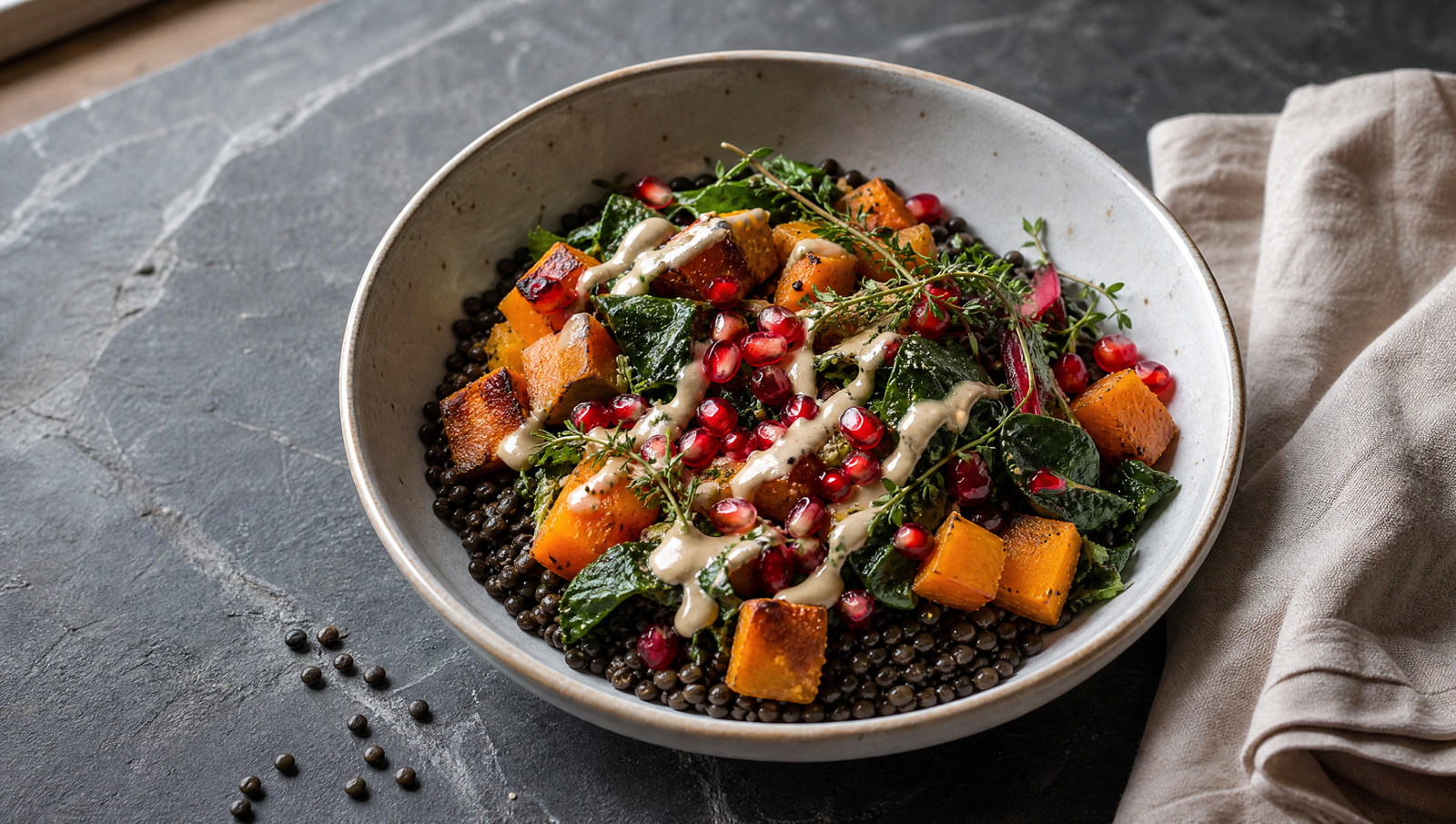
Many people handle carbohydrates better when they are eaten with protein and fiber, or after physical activity, when muscles are more ready to take up glucose. This does not mean carbohydrates at dinner are forbidden. It means a bowl of oats after a walk, or lentils with vegetables and protein, creates a very different response than a large refined-carbohydrate meal eaten while sedentary.
Food order may also help. Some research suggests eating vegetables and protein before carbohydrates can reduce post-meal glucose and insulin responses compared with eating the same foods in a different order.[6]
3. Do Resistance Training — Regularly
Skeletal muscle is one of the body’s most important sites for glucose storage and use. Building and maintaining muscle creates more capacity for glucose disposal — meaning blood sugar can be managed more efficiently.
Research shows that resistance training can improve markers of insulin resistance, especially when practiced consistently over time.[4] Two to three sessions per week of moderate effort is enough for meaningful benefit.
This does not have to mean a complicated gym plan. Squats, hip hinges, rows, presses, lunges, step-ups, resistance bands, dumbbells, or machines can all work. The goal is to challenge muscle tissue repeatedly so it becomes more metabolically active.
For a detailed look at the mechanisms, see how strength training improves insulin sensitivity.
4. Walk After Meals
Post-meal movement is one of the most practical tools for improving glucose control. Even light walking can help reduce post-meal glucose and insulin responses compared with uninterrupted sitting.[3]
The mechanism is direct: muscle contraction helps pull glucose from the bloodstream into muscle tissue through pathways that are partly independent of insulin.
Start with the largest meal of the day. Walk for 10 to 15 minutes at an easy pace. This is not about burning calories. It is about helping the body handle the meal more effectively.
5. Improve Sleep — Treat It as a Metabolic Variable
Improving sleep can meaningfully support insulin sensitivity, appetite regulation, and weight-loss efforts — especially when sleep has been chronically short or disrupted.[2]
Practical steps that reliably support sleep quality include keeping a consistent wake time, getting morning light exposure, keeping the bedroom cool and dark, limiting late caffeine, and reducing bright screen exposure in the hour before bed.
None of this is glamorous. But if sleep remains poor, cravings are stronger, glucose handling is worse, and the same diet plan becomes much harder to maintain.
6. Reduce Ultra-Processed Foods Without Demonizing Carbohydrates
Ultra-processed foods are often designed to be easy to overeat. They tend to be low in fiber and protein, high in rapidly absorbed starches or sugars, and less filling than minimally processed foods.
Higher intake of ultra-processed foods is consistently associated with poorer cardiometabolic outcomes, including higher risk of obesity and type 2 diabetes.[9]
The important distinction: carbohydrates are not the problem in isolation. Processing level, fiber content, protein pairing, portion size, and meal context determine the metabolic effect. Oats and white bread are not metabolically equivalent. Beans and candy are not metabolically equivalent. A sweet potato with eggs and vegetables is different from a sugary drink and pastry.
For a practical approach to building meals around these principles, see natural ways to improve insulin sensitivity.
Start Here This Week
A Simple Starting Point — Five Things This Week:
- Walk for 10 minutes after your largest meal on at least five days.
- Add 25–35 grams of protein to breakfast — eggs, Greek yogurt, cottage cheese, tofu, or a similar protein-rich option.
- Do two short resistance-training sessions. Bodyweight exercises count.
- Replace one ultra-processed snack or sugary drink with a whole-food option each day.
- Keep your wake time consistent for seven days — including the weekend.
None of these requires perfection. Doing four of five consistently is more valuable than doing all five occasionally.
Common Mistakes to Avoid
Cutting carbs aggressively without raising protein. Lower-carbohydrate approaches can support glucose control for some people, but they work best when protein intake is high enough to protect lean muscle and appetite stays manageable. Dropping carbs without improving meal quality often leads to fatigue, cravings, and rebound eating.
Relying on fasting glucose alone. Fasting glucose can appear normal while insulin demand is already elevated. Fasting insulin may provide additional context, but it should be interpreted alongside other markers — not treated as a standalone diagnosis. A full metabolic picture includes HbA1c, triglycerides, HDL, waist circumference, blood pressure, liver enzymes, and symptoms.
Treating stress as a secondary concern. Chronic stress can affect glucose regulation, appetite, sleep, and abdominal fat distribution. Managing stress is not optional lifestyle decoration. For many people, it is one of the reasons the rest of the plan finally starts working.
Expecting linear results. Improving insulin sensitivity is a process that unfolds over weeks to months. Early progress often shows up as improved energy, fewer cravings, better sleep, and more predictable appetite — well before the scale reflects it. That early progress is real and meaningful.
Frequently Asked Questions
Why does insulin resistance make weight loss harder?
Insulin resistance does not make fat loss impossible, but it can make maintaining a calorie deficit much harder. When insulin levels stay elevated more often than they should, the body has a harder time shifting into fat-burning mode. More importantly, insulin resistance is often linked with stronger cravings, more hunger, energy crashes, and unstable blood sugar after meals. Calories still matter, but the hormonal environment affects how sustainable calorie reduction actually feels.
Can you have insulin resistance without being overweight?
Yes. While excess visceral fat is a major driver, insulin resistance can develop in people with a normal BMI due to physical inactivity, poor sleep, chronic stress, genetic predisposition, PCOS, or fat accumulation around internal organs. This is sometimes described as being thin outside but metabolically unhealthy inside. Standard weight or BMI measurements can miss this pattern entirely.
How long does it take to improve insulin sensitivity?
Early signs of improvement — more stable energy, fewer post-meal crashes, reduced cravings, and better appetite control — can appear within one to three weeks of consistent changes. Measurable improvements in fasting insulin, fasting glucose, triglycerides, or HbA1c often take eight to twelve weeks or more. Individual timelines vary depending on sleep, stress, muscle mass, medications, and the degree of metabolic disruption.
Is intermittent fasting effective for insulin resistance?
Time-restricted eating may help some people reduce the daily window of elevated insulin and make calorie control easier. However, it is not consistently superior to an equivalent calorie reduction, and it does not suit everyone. For some people, especially those with high stress, poor sleep, binge-eating tendencies, pregnancy, certain medications, or a history of disordered eating, fasting may be inappropriate. It is a tool, not a requirement.
What foods worsen insulin resistance most?
The strongest concern is not all carbohydrates, but frequent intake of ultra-processed foods high in refined starches, added sugars, and low satiety value. Sugary drinks, fruit juice, sweetened coffee drinks, pastries, packaged snack foods, and refined breakfast cereals can raise glucose quickly while providing little fullness. Whole-food carbohydrates such as oats, beans, lentils, berries, root vegetables, and whole fruit usually have a very different metabolic effect, especially when paired with protein and fiber.
What tests should I ask my doctor about?
A standard metabolic assessment often includes fasting glucose and HbA1c. Fasting insulin is not always included, but it can provide additional context, especially when used with fasting glucose to calculate a HOMA-IR score. A fuller picture may also include triglycerides, HDL cholesterol, blood pressure, waist circumference, liver enzymes, thyroid markers, medication review, and symptoms. Your provider can help determine which tests are appropriate for your situation.
The Bottom Line
Insulin resistance is one of the more common — and more commonly missed — reasons weight loss can feel disproportionately hard despite genuine effort. It does not make fat loss impossible, but it can change the metabolic environment in ways that increase hunger, drive cravings, reduce energy, and make consistency much harder.
The goal is not to force harder dieting. The goal is to make the body more responsive again — so the same effort produces better results.
The interventions with the strongest evidence — prioritizing protein and fiber, moving after meals, building muscle, improving sleep, and reducing ultra-processed foods — all support better glucose and insulin handling. They compound over time, and the early benefits often appear as steadier energy and fewer cravings before they show on the scale.
If you’ve been doing everything right and still not seeing results, a broader metabolic assessment with a healthcare provider is a reasonable next step. Understanding where your baseline actually sits is the foundation for an approach that works with your physiology — not against it.
Medical Disclaimer: The information provided in this article is for educational purposes only and does not constitute medical advice. Always consult a qualified healthcare provider before making changes to your diet, lifestyle, or treatment plan. TheMetabolicHub.com does not replace professional medical guidance.
References
- National Institute of Diabetes and Digestive and Kidney Diseases. Insulin Resistance and Prediabetes. niddk.nih.gov
- Sondrup N et al. Effects of sleep manipulation on markers of insulin sensitivity: A systematic review and meta-analysis of randomized controlled trials. Sleep Medicine Reviews. 2022. PMID: 35189549
- Buffey AJ et al. The acute effects of interrupting prolonged sitting time in adults with standing and light-intensity walking on biomarkers of cardiometabolic health in adults: A systematic review and meta-analysis. Sports Medicine. 2022. PMID: 35147898
- Boyer WR et al. The role of resistance training in influencing insulin resistance in adults with type 2 diabetes: A systematic review and meta-analysis. Sports Medicine. 2023. PMID: 37331899
- Leidy HJ et al. The role of protein in weight loss and maintenance. American Journal of Clinical Nutrition. 2015. PMID: 25926512
- Shukla AP et al. Food order has a significant impact on postprandial glucose and insulin levels. Diabetes Care. 2015. PMID: 26106234
- American Diabetes Association Professional Practice Committee. Diagnosis and Classification of Diabetes: Standards of Care in Diabetes — 2026. Diabetes Care. 2026. PMID: 41358893
- Epel ES et al. Stress and body shape: stress-induced cortisol secretion is consistently greater among women with central fat. Psychosomatic Medicine. 2000. PMID: 11020091
- Lane MM et al. Ultra-processed food exposure and adverse health outcomes: umbrella review of epidemiological meta-analyses. BMJ. 2024. PMID: 38418082