15 Best Foods for Prediabetes to Build Steadier Meals
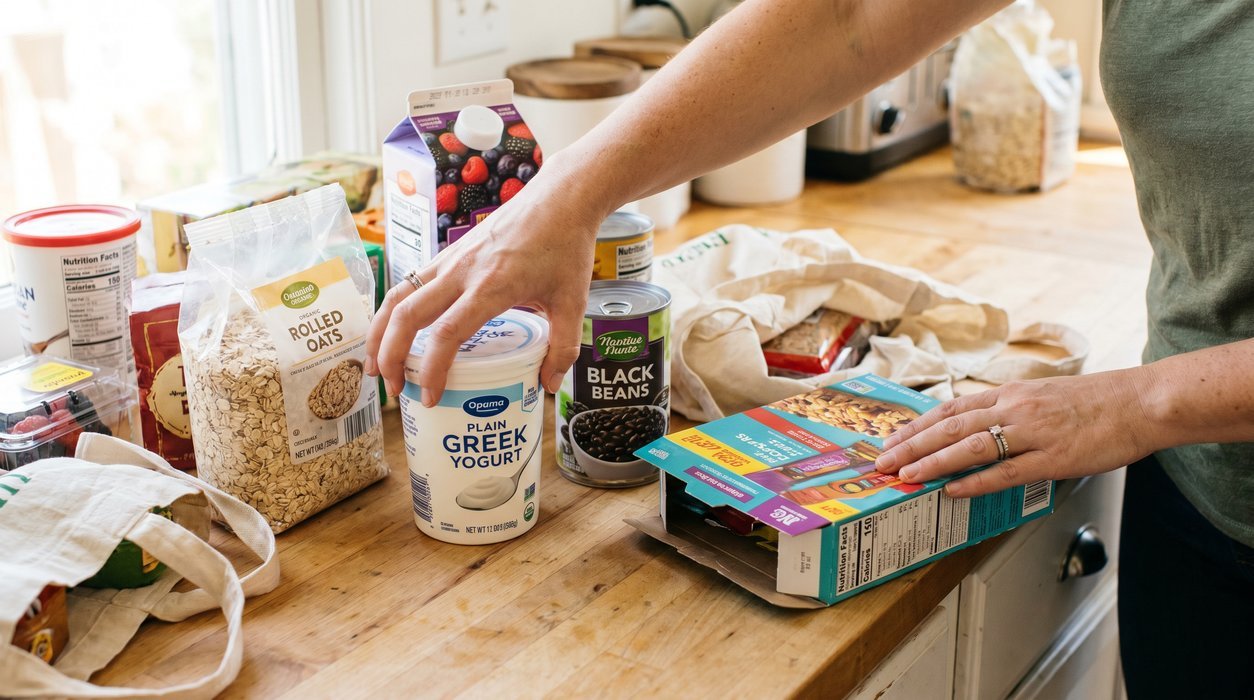
Opening the fridge after a prediabetes diagnosis can make ordinary foods feel complicated. Bread, fruit, yogurt, rice, and even breakfast suddenly seem like choices that might affect energy, cravings, and future health.
This may not be random; prediabetes often reflects insulin resistance, where the body has to work harder to keep blood glucose in range. The encouraging news: foods for prediabetes can help meals digest more slowly, feel more satisfying, and support better daily patterns.
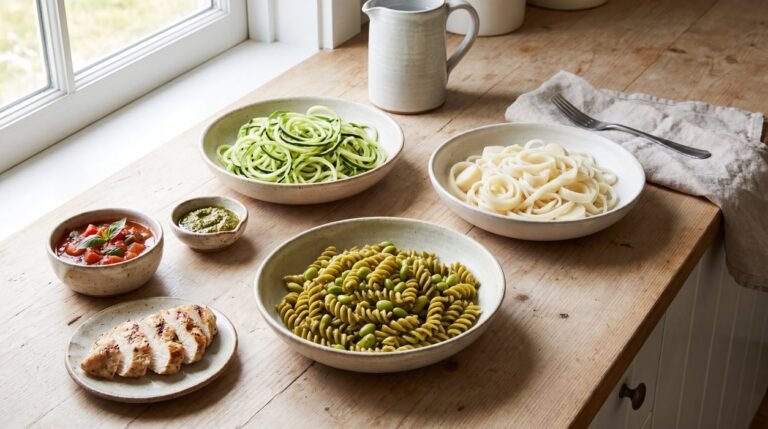
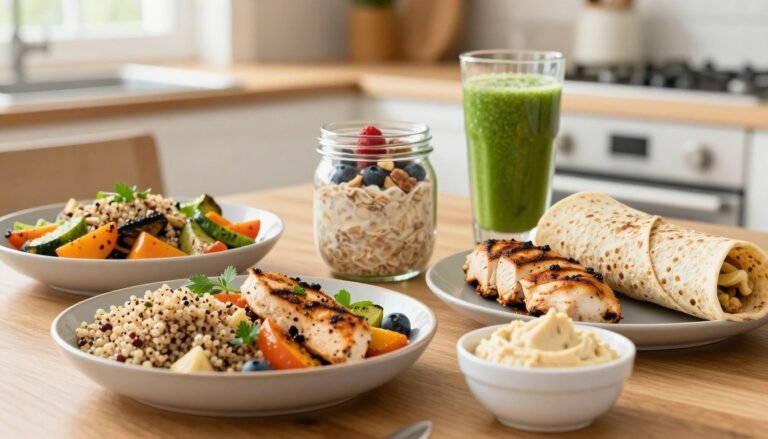
Quick Win: At your next meal, aim for half a plate of non-starchy vegetables, one protein-rich food, and one fiber-rich carbohydrate such as beans, lentils, oats, barley, quinoa, berries, or sweet potato.
What Are the Best Foods for Prediabetes?
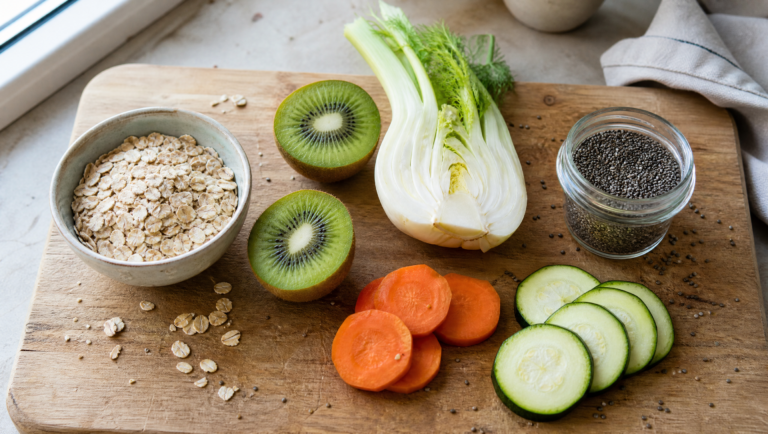
The best foods for prediabetes are minimally processed, high in fiber, rich in nutrients, and easy to pair with protein or healthy fats. Helpful choices include lentils, beans, oats, barley, leafy greens, cruciferous vegetables, berries, plain Greek yogurt, nuts, chia seeds, fatty fish, eggs, tofu, avocado, and sweet potatoes.
These foods for prediabetes are not a cure, and no single food can manage blood sugar on its own. Used consistently, they may help reduce large glucose swings, improve fullness, and make balanced eating easier over weeks to months.[1]
| Food Type | Examples | Why It Helps |
|---|---|---|
| Legumes | Lentils, chickpeas, black beans | Fiber and protein may slow digestion and support fullness. |
| Whole grains | Oats, barley, quinoa | Less refined carbohydrates can provide fiber, minerals, and steadier energy. |
| Vegetables | Leafy greens, broccoli, cauliflower | High volume and low digestible carbohydrate help make meals more balanced. |
| Protein foods | Greek yogurt, eggs, fish, tofu | Protein supports satiety and can reduce reliance on refined snacks. |
Key Takeaways
- Prediabetes eating is about meal structure, not perfection.
- Fiber-rich carbohydrates usually work better when paired with protein, vegetables, and healthy fats.
- Legumes, oats, barley, vegetables, berries, yogurt, nuts, fish, tofu, and avocado are practical staples.
- Progress often shows up first as steadier energy, fewer cravings, and more satisfying meals.
- People taking glucose-lowering medication should ask a qualified clinician before making major diet changes.
Why Food Choices Matter for Prediabetes
Prediabetes often develops when cells do not respond to insulin as efficiently as they could. The pancreas may release more insulin to move glucose from the bloodstream into cells, and over time blood glucose can rise above the normal range.[2]
Food matters because the amount, type, and combination of carbohydrates influence how quickly glucose enters the bloodstream. High-fiber foods usually digest more slowly than refined grains, sweets, and sugary drinks.[3]
Protein and healthy fats also matter because they make meals more satisfying. When meals last longer, it becomes easier to avoid constant grazing, late-night snacking, and repeated refined-carb choices.
A useful next step after diagnosis is learning how meals, movement, sleep, and follow-up labs fit together. For a broader starting plan, see what to do after a prediabetes diagnosis.
15 Foods for Prediabetes to Add to Your Plate
This list is a practical starting point, not a strict prescription. Choose a few foods you already like, then build meals around them more often.
1. Lentils
Lentils provide fiber and plant-based protein in the same food. They work well in soups, salads, chili, and grain bowls.
Try replacing part of a rice or pasta serving with lentils. This increases fiber without making the meal feel restrictive.
2. Beans
Black beans, chickpeas, kidney beans, and white beans offer slow-digesting carbohydrates, fiber, and minerals. They are also affordable and easy to batch-cook.
Pair beans with roasted vegetables, avocado, salsa, and a smaller serving of brown rice or quinoa. The plate stays filling while the carbohydrate quality improves.
3. Oats
Oats contain soluble fiber, including beta-glucan, and can be a helpful breakfast option when prepared without added sugar. Plain oats are usually a better choice than sweetened packets.
Add Greek yogurt, chia seeds, cinnamon, walnuts, or berries. This turns a carbohydrate-heavy breakfast into a more balanced meal.
4. Barley
Barley is a chewy, fiber-rich grain that works well in soups and savory bowls. It may feel more satisfying than refined grains because of its texture and fiber content.
Use barley where you might normally use white rice. Start with a modest portion and pair it with protein and vegetables.
5. Leafy Greens
Spinach, kale, arugula, romaine, collards, and Swiss chard are low in digestible carbohydrate and high in meal volume. They help build a fuller plate without adding much glucose load.
Use greens under eggs, beans, fish, tofu, or chicken. Olive oil, lemon, herbs, tahini, or yogurt-based sauces can make them easier to enjoy regularly.
6. Cruciferous Vegetables
Broccoli, cauliflower, cabbage, Brussels sprouts, and bok choy add fiber, volume, and useful plant compounds. They are especially helpful when they replace part of a refined starch portion.
Roasting often improves flavor more than steaming. Add olive oil, garlic, smoked paprika, chili flakes, or lemon.
7. Berries
Berries taste sweet but usually provide less sugar and more fiber than juice, candy, or dessert. They can make meals feel more enjoyable without relying on added sugar.
Try berries with plain Greek yogurt, cottage cheese, chia pudding, or oats. Pairing fruit with protein or fat can make the meal more satisfying.
8. Plain Greek Yogurt
Plain Greek yogurt provides protein, calcium, and a creamy texture. The key word is plain, because flavored yogurts can contain significant added sugar.
For a snack, add berries, cinnamon, and nuts. For a savory option, use Greek yogurt as a base for dips, sauces, or dressings.
9. Nuts
Almonds, walnuts, pistachios, and pecans provide unsaturated fats, protein, fiber, and crunch. They are calorie-dense, so a small handful is usually enough.
Nuts can replace chips, cookies, or candy as a more filling snack. They also make salads and oatmeal more satisfying.
10. Chia Seeds
Chia seeds absorb liquid and form a gel-like texture. This can help yogurt, oats, and pudding-style snacks feel more filling.
Add one or two tablespoons gradually. Drink enough fluids, especially if your current fiber intake is low.
11. Fatty Fish
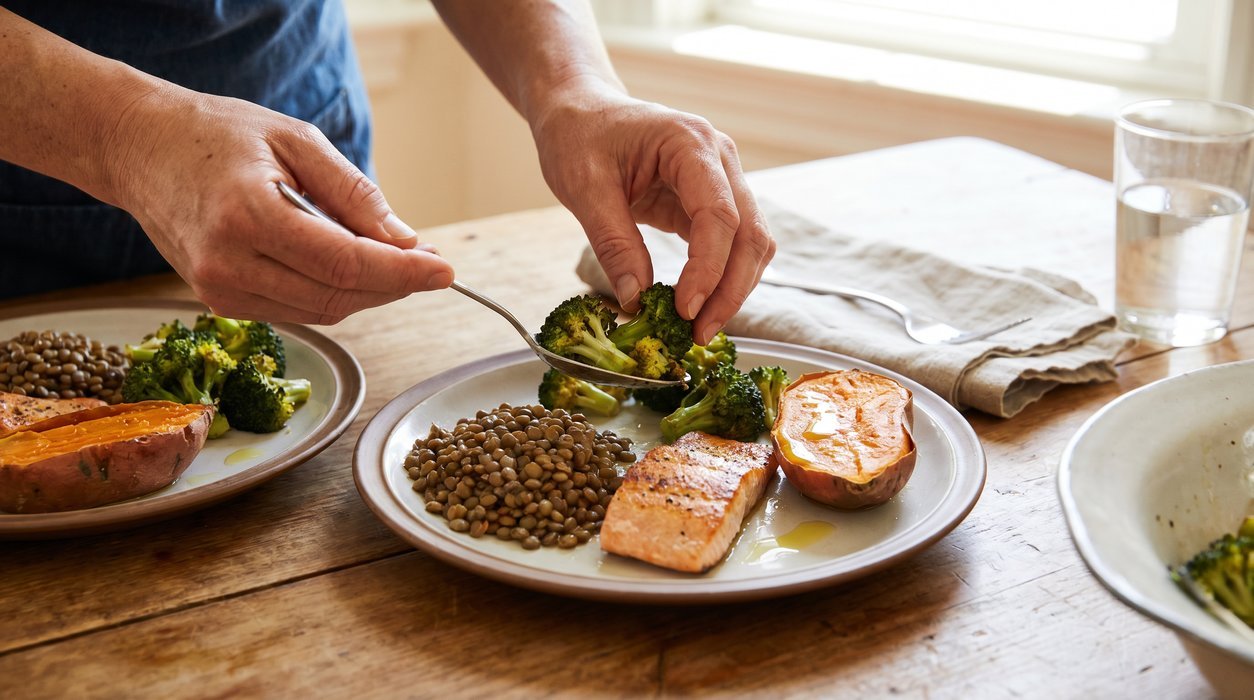
Salmon, sardines, trout, and mackerel provide protein and omega-3 fats. They do not raise blood glucose directly and can support a heart-focused metabolic-health pattern.
Prediabetes often overlaps with blood pressure, cholesterol, and waist-circumference concerns. Fish can fit well in a Mediterranean-style pattern that emphasizes plants, unsaturated fats, and minimally processed foods.[4]
12. Eggs
Eggs are protein-rich and can make breakfast more stable than a refined-carbohydrate-only meal. Pair them with greens, beans, avocado, or whole-grain toast.
Adults with cholesterol concerns or specific medical conditions should personalize egg intake with a qualified clinician. The overall eating pattern matters more than one isolated food.
13. Tofu or Tempeh
Tofu and tempeh offer plant-based protein with little digestible carbohydrate. They work well in stir-fries, soups, salads, and grain bowls.
Tempeh is firmer and more textured, while tofu absorbs sauces easily. Pair either with non-starchy vegetables and a modest portion of high-fiber carbohydrate.
14. Avocado
Avocado provides unsaturated fat, fiber, and a creamy texture. It can help replace less supportive spreads or make a vegetable-heavy meal more satisfying.
Add avocado to eggs, bean bowls, salads, or whole-grain toast. A moderate portion is usually enough because it is rich and energy-dense.
15. Sweet Potatoes
Sweet potatoes are still a carbohydrate food, but they also provide fiber, potassium, and a satisfying texture. They can fit when portioned and paired thoughtfully.
Try half a medium sweet potato with salmon, tofu, Greek-yogurt sauce, or bean chili. Leaving the skin on adds more fiber.
How to Combine Foods for Blood Sugar Balance
Foods for prediabetes work best as part of a meal structure. A bowl of sweetened oats and juice behaves differently from oats with Greek yogurt, chia seeds, berries, and walnuts.
A simple structure is half the plate non-starchy vegetables, one quarter protein, and one quarter high-fiber carbohydrate. Add a small amount of healthy fat for flavor and staying power.
One thing worth pushing back on here: many people assume prediabetes means every carbohydrate is a problem. The more useful distinction is refined, low-fiber carbohydrates versus intact, fiber-rich sources that are paired with protein, fats, and vegetables.
This matters because overly strict carbohydrate avoidance can be difficult to maintain. A steadier approach helps people build meals they can repeat at home, at work, and in social settings.
For example, a plain bagel with sweetened coffee may create a different post-meal pattern than eggs with spinach and one slice of whole-grain toast. The goal is not fear of food; it is better meal design.
If post-meal fatigue, cravings, or sleepiness are part of your pattern, learning about post-meal blood sugar spikes can make food experiments easier to interpret.
Meal Ideas: Try lentil soup with greens, salmon with roasted broccoli and sweet potato, tofu stir-fry with quinoa, Greek yogurt with berries and chia, or eggs with spinach, beans, and avocado.
What Foods Should You Limit With Prediabetes?
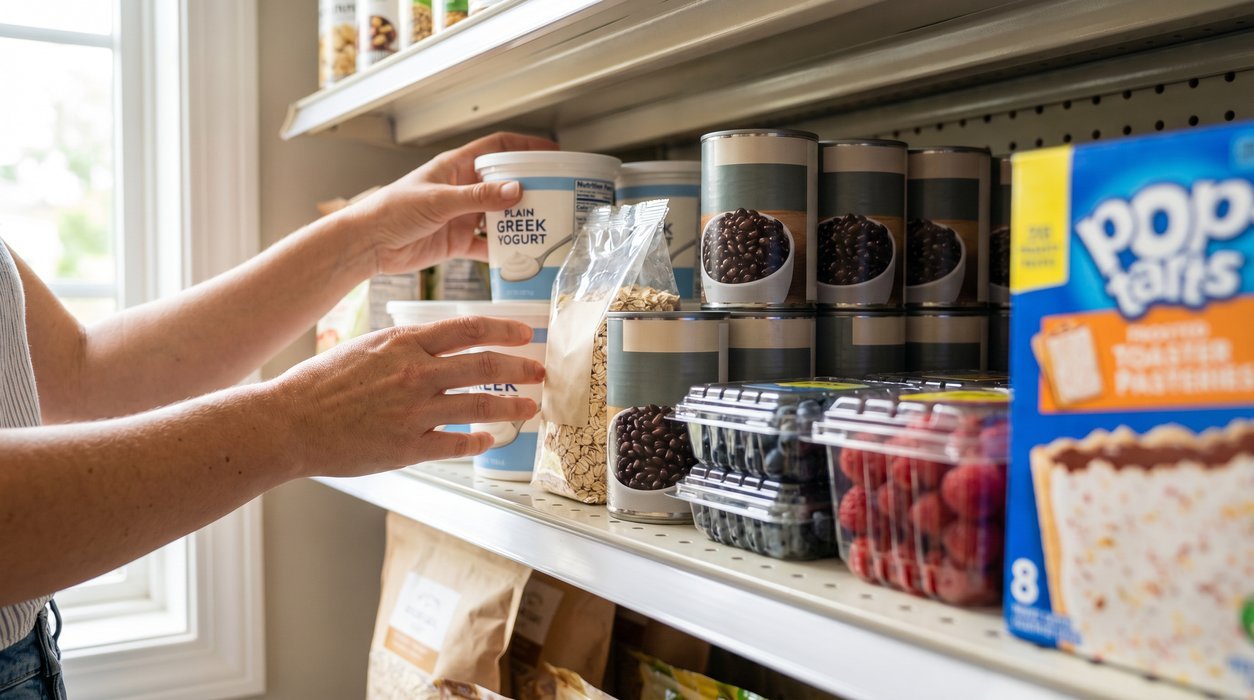
Prediabetes does not require perfect eating, but some foods are easier to overdo and less filling. The biggest concerns are sugary drinks, sweets, refined grains, and low-fiber snack foods.
Liquid sugar is especially easy to miss because it does not create the same fullness as a meal. Soda, sweetened coffee drinks, fruit juice, sweet tea, and energy drinks can add a fast glucose load.
Refined carbohydrates such as white bread, pastries, many crackers, and sweetened cereals may also digest quickly. Choosing carbs with fiber and nutrients is usually more helpful than removing all carbs.[5]
This is not a personal failure if these foods are part of your routine. Start by changing the default most days, not by creating a rule you cannot live with.
How to Build a Prediabetes Plate This Week
Step 1: Pick Two Breakfast Anchors
Choose two breakfasts that include protein and fiber. Examples include Greek yogurt with berries and chia, or eggs with greens and beans.
Repeating breakfast can reduce decision fatigue. It also makes energy and hunger patterns easier to notice.
Step 2: Build Lunch Around Protein and Vegetables
Use a salad, soup, or bowl format. Add lentils, beans, fish, tofu, eggs, chicken, or Greek-yogurt-based dressing for protein.
Then include a high-fiber carbohydrate if needed. Barley, quinoa, beans, sweet potato, or fruit can all fit depending on appetite and activity level.
Step 3: Adjust Dinner Instead of Replacing It
Start with meals you already like. For pasta night, add extra vegetables and protein, then reduce the pasta portion slightly.
For tacos, use beans, avocado, salsa, lettuce, and a protein source. The meal can still feel familiar while becoming more supportive.
Step 4: Plan One Snack That Actually Satisfies
A snack should solve hunger, not create a bigger craving. Try nuts with fruit, Greek yogurt, boiled eggs, hummus with vegetables, or cottage cheese with berries.
If snacks keep turning into grazing, the previous meal may need more protein, fiber, or volume. That feedback is useful, not shameful.
Step 5: Watch for Early Progress
Many people first notice fewer energy crashes, better fullness, improved digestion, or less urgent snacking. Lab markers such as A1C usually need more consistency and are best reviewed with a clinician.
Clinical trials and guidelines suggest structured lifestyle support can reduce diabetes risk in adults with prediabetes, especially when food changes are paired with activity and weight-management support when appropriate.[6]
Frequently Asked Questions
What are the best foods for prediabetes?
The best foods for prediabetes are usually high-fiber, minimally processed foods that pair well with protein and healthy fats. Helpful choices include lentils, beans, oats, barley, leafy greens, berries, plain Greek yogurt, nuts, chia seeds, fish, tofu, eggs, avocado, and sweet potatoes. The strongest approach is a consistent eating pattern, not one single food. People taking glucose-lowering medication should ask a clinician before making major diet changes.
Should people with prediabetes avoid fruit?
Most people with prediabetes do not need to avoid whole fruit. Whole fruit contains fiber, water, and nutrients, which makes it different from fruit juice or sweetened fruit products. Berries, apples, pears, citrus, and kiwi can often fit well, especially when paired with protein or fat. Portion size and individual glucose response can vary.
Are carbs bad for prediabetes?
Carbohydrates are not all the same. Refined carbohydrates and sugary drinks tend to affect blood sugar differently than beans, oats, barley, vegetables, fruit, or intact whole grains. Many adults do better by improving carbohydrate quality and pairing carbs with protein, fiber, and healthy fats. Very low-carb approaches may help some people, but they are not the only option.
How quickly can food changes affect blood sugar?
Some people notice steadier energy or fewer cravings within days of eating more protein and fiber. Lab markers such as A1C reflect a longer window of glucose patterns, so meaningful changes often require several months of consistency. Fasting glucose can also be influenced by sleep, stress, medications, illness, hydration, and activity. It helps to look for patterns instead of judging one reading.
Conclusion
Choosing foods for prediabetes becomes less overwhelming when the goal is steadier meals, not perfect eating. Start with fiber-rich carbohydrates, enough protein, plenty of non-starchy vegetables, and fats that make meals satisfying.
The most helpful changes are usually the ones that fit real life. A few repeatable breakfasts, better snacks, and balanced dinner plates can create a foundation that feels calm instead of punishing.
Prediabetes is a signal to pay attention, not a reason to panic. With practical food choices, regular movement, sleep support, and medical guidance when needed, many adults can support better metabolic health over time.
Medical Disclaimer: The information provided in this article is for educational purposes only and does not constitute medical advice. Always consult a qualified healthcare provider before making changes to your diet, lifestyle, or treatment plan. TheMetabolicHub.com does not replace professional medical guidance.
References
- Evert AB, Dennison M, Gardner CD, et al. Nutrition Therapy for Adults With Diabetes or Prediabetes: A Consensus Report. Diabetes Care. 2019;42(5):731-754. PMID: 31000505
- National Institute of Diabetes and Digestive and Kidney Diseases. Insulin Resistance & Prediabetes. NIDDK
- Reynolds AN, Akerman AP, Mann J. Dietary fibre and whole grains in diabetes management: Systematic review and meta-analyses. PLoS Medicine. 2020;17(3):e1003053. PMID: 32142510
- Martín-Peláez S, Fito M, Castaner O. Mediterranean Diet Effects on Type 2 Diabetes Prevention, Disease Progression, and Related Mechanisms. Nutrients. 2020;12(8):2236. PMID: 32726990
- Centers for Disease Control and Prevention. Choosing Healthy Carbs. CDC
- Knowler WC, Barrett-Connor E, Fowler SE, et al. Reduction in the incidence of type 2 diabetes with lifestyle intervention or metformin. New England Journal of Medicine. 2002;346(6):393-403. PMID: 11832527
- American Diabetes Association Professional Practice Committee. 3. Prevention or Delay of Diabetes and Associated Comorbidities: Standards of Care in Diabetes—2026. Diabetes Care. 2026;49(Suppl 1):S50-S58. Diabetes Care