7 Sneaky Sources of Sugar That Keep Your A1C High
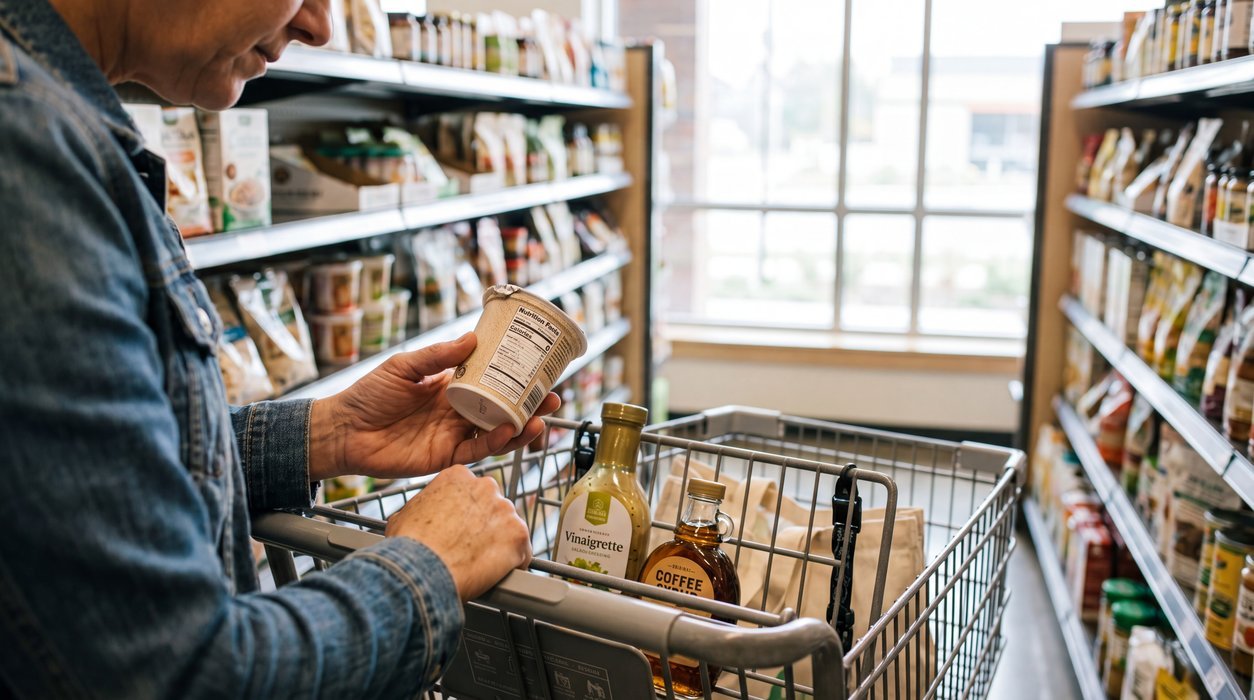
Seeing A1C stay higher than expected can feel discouraging when the obvious sweets are already gone. This may not be random, and it is not a personal failure.
The encouraging news: hidden sugar prediabetes patterns often come from repeat foods, drinks, sauces, and “healthy” choices that can be adjusted without making meals feel restrictive.
Quick Win: This week, choose three packaged foods you eat often and compare the “Added Sugars” line before buying them again.
Can hidden sugar prediabetes patterns keep A1C high?
Yes. Hidden sugar can contribute to a higher A1C when it regularly adds extra carbohydrate and added sugar to meals that seem balanced.
A1C reflects average blood glucose over about the past three months, so small daily habits may matter more than an occasional dessert.[1] Hidden sugar prediabetes changes usually work best when they target repeat sources first.
Many adults notice earlier changes in energy, cravings, or post-meal readings before A1C shifts clearly. A realistic timeline is several weeks of consistency, with lab changes usually assessed over months.
Key takeaways
- Hidden sugar often shows up in drinks, sauces, breakfast foods, snacks, and “light” products.
- The “Added Sugars” line is more useful than total sugar alone for packaged foods.
- Whole fruit is different from added sugar, but juice and large fruit-heavy smoothies can still add a concentrated sugar load.
- For A1C, the most useful target is the sugar source you repeat several times per week.
Why hidden sugar matters for A1C
Prediabetes means blood glucose is higher than the healthy range but not high enough for a diabetes diagnosis. The American Diabetes Association lists A1C, fasting plasma glucose, and oral glucose tolerance testing as common ways clinicians assess glycemic status.[2]
Food is only one part of A1C. Sleep, stress, activity, medication, genetics, illness, and weight changes can also influence blood sugar regulation.
Still, added sugar can make blood sugar management harder because it often arrives with low fiber, low protein, and high palatability. That combination may digest quickly and make portions easier to underestimate.
The FDA requires added sugars to be listed separately on Nutrition Facts labels, and those added sugars are included within total sugars.[3] The CDC also notes that added sugars do not include naturally occurring sugars in milk, fruits, or vegetables.[4]
One thing worth pushing back on here: the problem is not that one sweetened yogurt or coffee drink ruins progress. The bigger issue is repetition, because small daily sources can quietly raise the background sugar load.
Hidden sugar prediabetes: 7 sources to check first
The goal is not to hunt for every gram of sugar forever. The goal is to find the repeat sources that show up several times per week and make one practical swap at a time.
1. Flavored yogurt and “healthy” breakfast cups
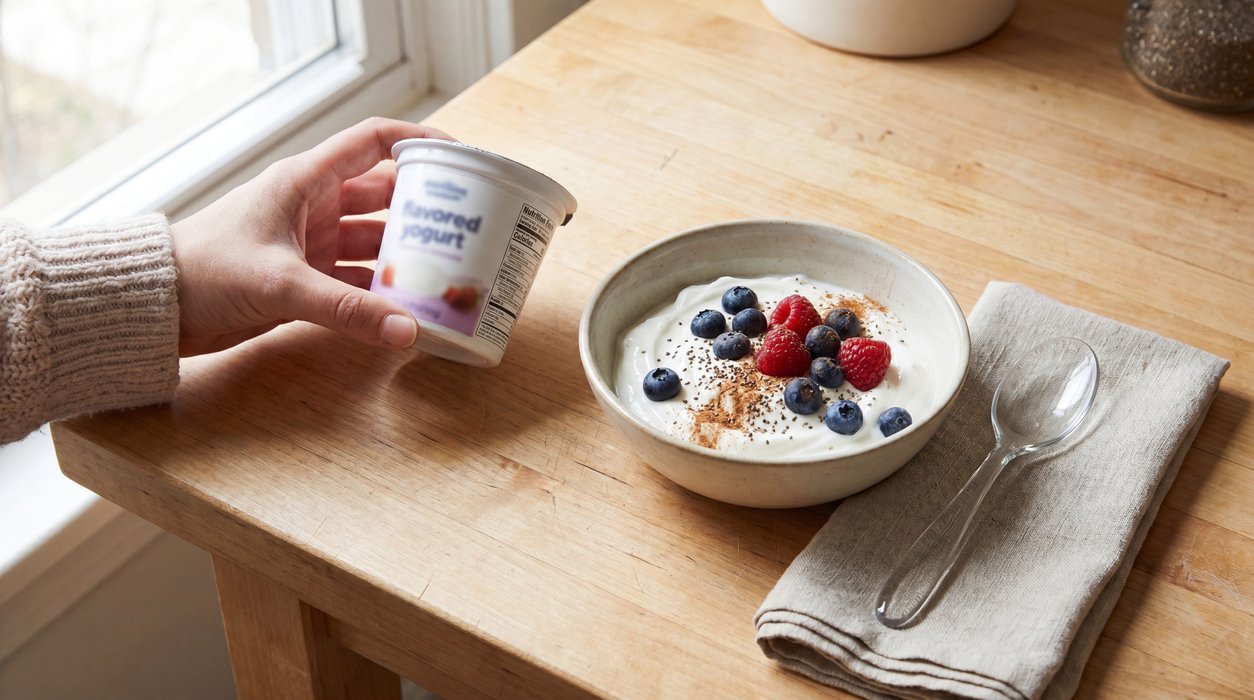
Yogurt can be a helpful food when it provides protein, calcium, and live cultures. The issue is that flavored versions often contain added sugar on top of the natural lactose already present in milk.
A small breakfast cup can become sweeter than expected, especially when granola, honey, or fruit syrup is added. For hidden sugar prediabetes routines, plain Greek yogurt with berries, cinnamon, chia seeds, or chopped nuts may be a steadier option.
2. Bottled salad dressings and “light” sauces
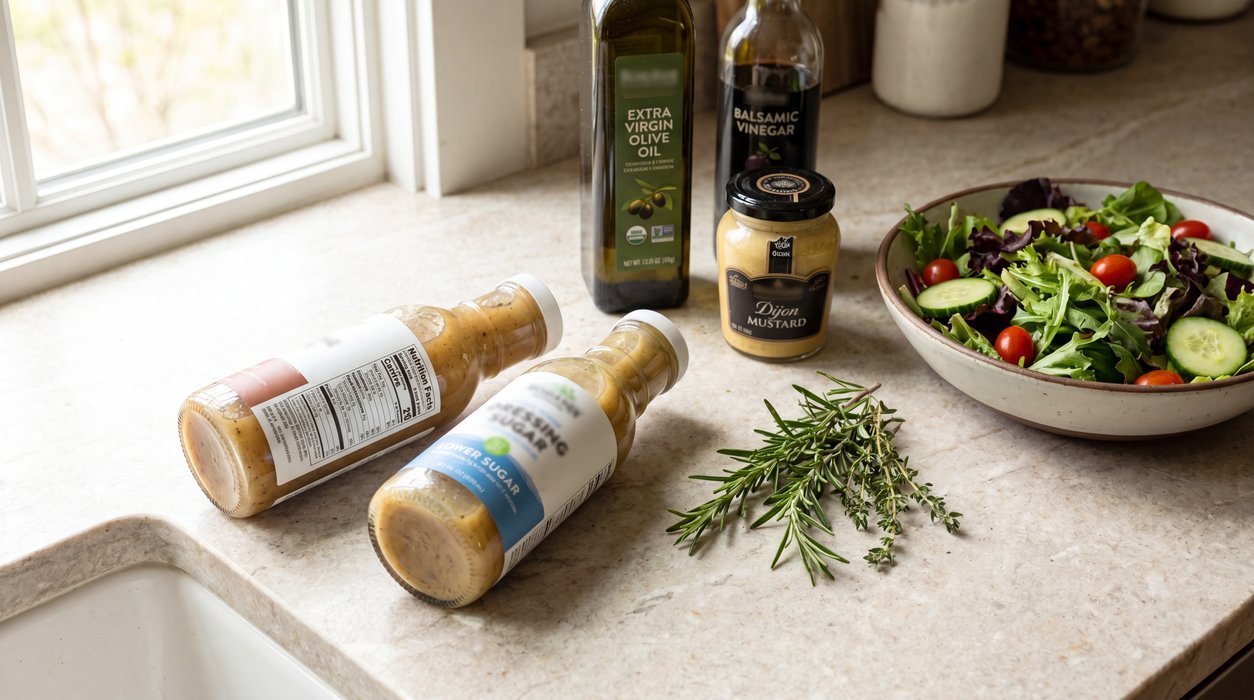
Salads can support blood-sugar-friendly meals, but bottled dressings may add sugar through honey, syrup, fruit concentrate, or sweetened vinegar blends.
This is especially common in honey mustard, raspberry vinaigrette, poppy seed, French, teriyaki, and some “light” dressings. For a deeper label-reading guide, see this breakdown of hidden sugars in dressings.
A simple swap is olive oil, vinegar or lemon juice, mustard, herbs, pepper, and a small pinch of salt. Plain yogurt or tahini can add creamy texture without needing much sweetness.
3. Sauces, marinades, and condiments
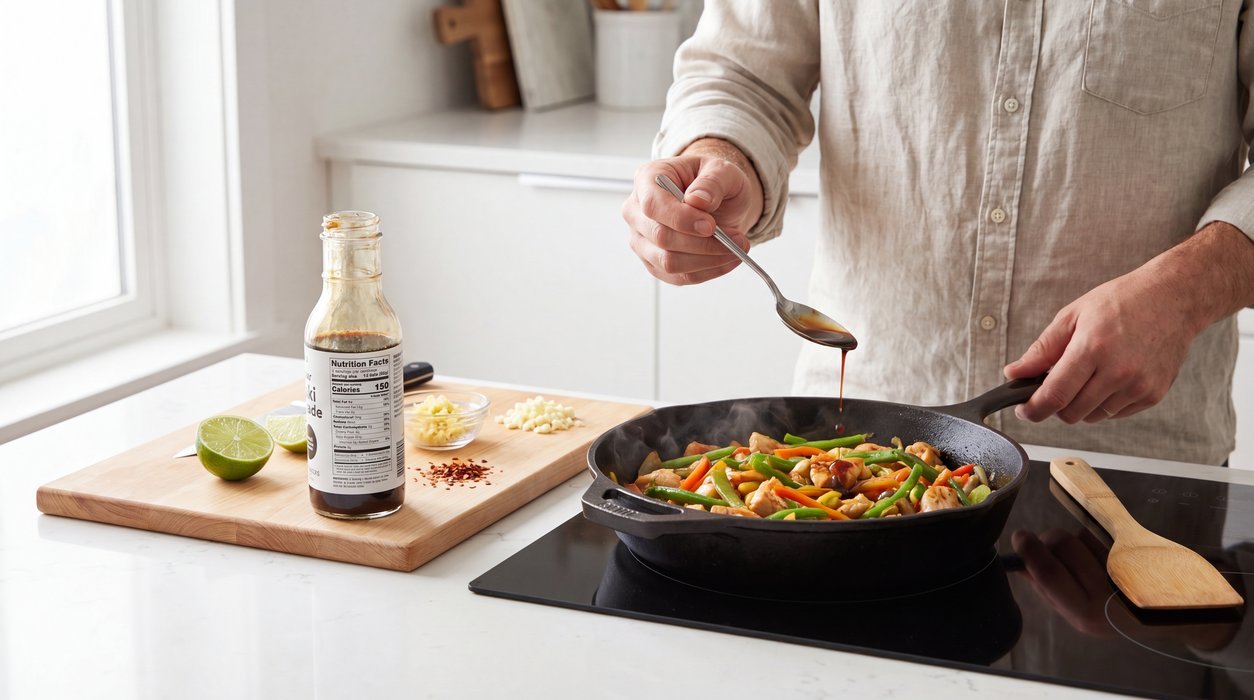
Ketchup, barbecue sauce, sweet chili sauce, hoisin, teriyaki, glazes, and some stir-fry sauces are common sources of added sugar. Because they are used by the spoonful, they are easy to overlook.
This matters more when they appear with refined starches such as white rice, noodles, buns, or breaded foods. The total meal may become higher in fast-digesting carbohydrate than expected.
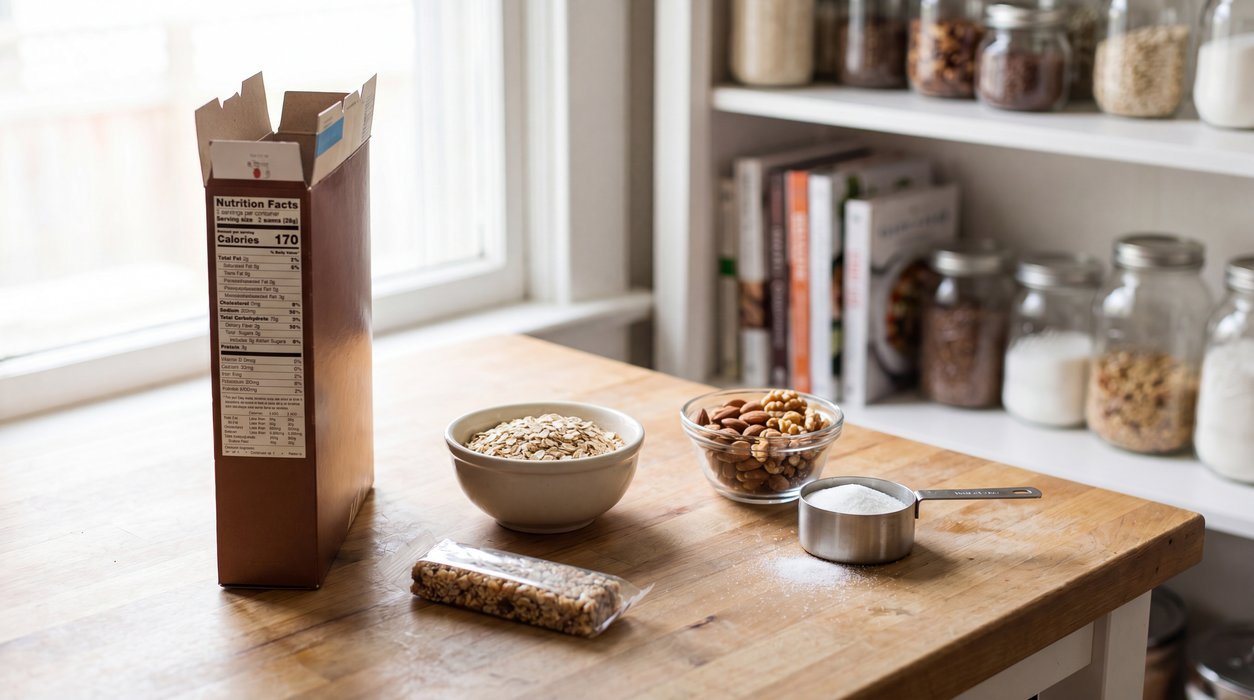
4. Granola, cereal, and breakfast bars
Granola can sound wholesome because it contains oats, nuts, seeds, or dried fruit. Many versions also use sugar, honey, syrup, or fruit juice concentrate to create sweetness and crunch.
Breakfast bars and cereals can be similar. A package may highlight whole grains, protein, or fiber while still delivering a meaningful amount of added sugar per serving.
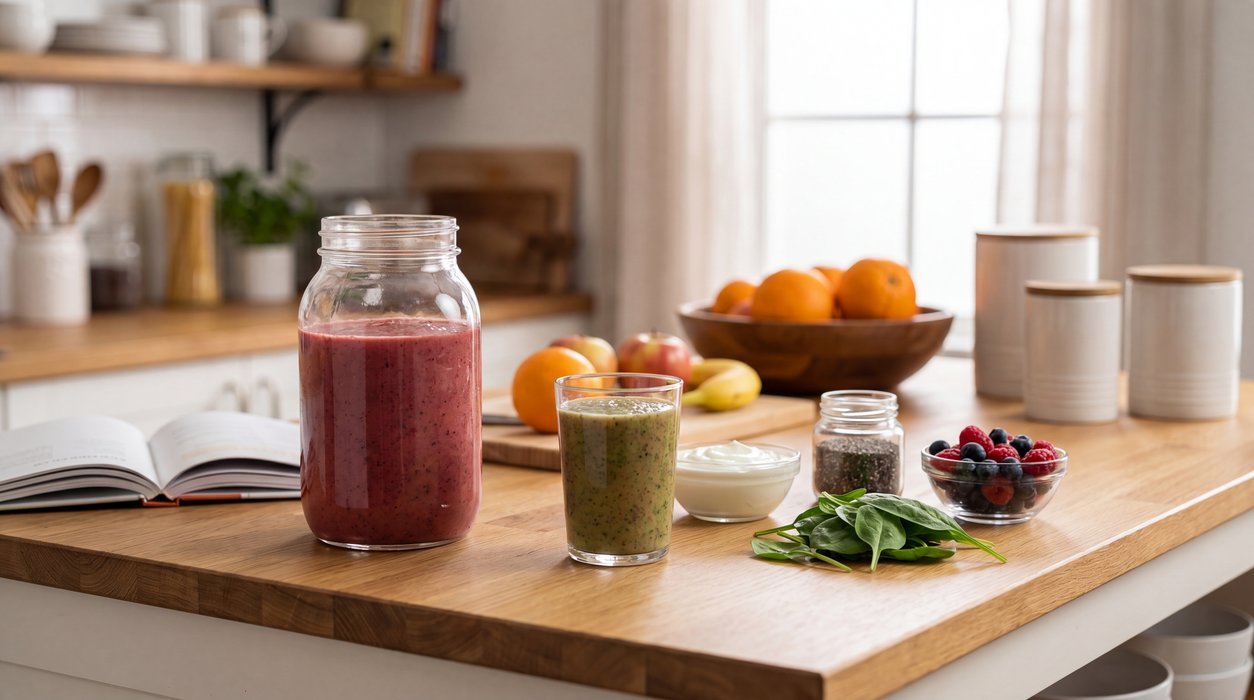
5. Smoothies, juice, and fruit-based drinks
Whole fruit is not the same as candy. It provides fiber, water, vitamins, minerals, and plant compounds that support dietary quality.
Juice and large fruit-heavy smoothies can concentrate sugar into a form that is easy to drink quickly. Even without added sugar, several servings of blended fruit may not create the same fullness as chewing whole fruit.
Research has linked higher sugar-sweetened beverage intake with greater type 2 diabetes risk, and meta-analyses support sugary drinks as an important dietary target for metabolic health.[5][6]
Harvard T.H. Chan has also highlighted sugary beverages, including sugar-sweetened drinks and fruit juice, as a meaningful diabetes-prevention focus.[7]
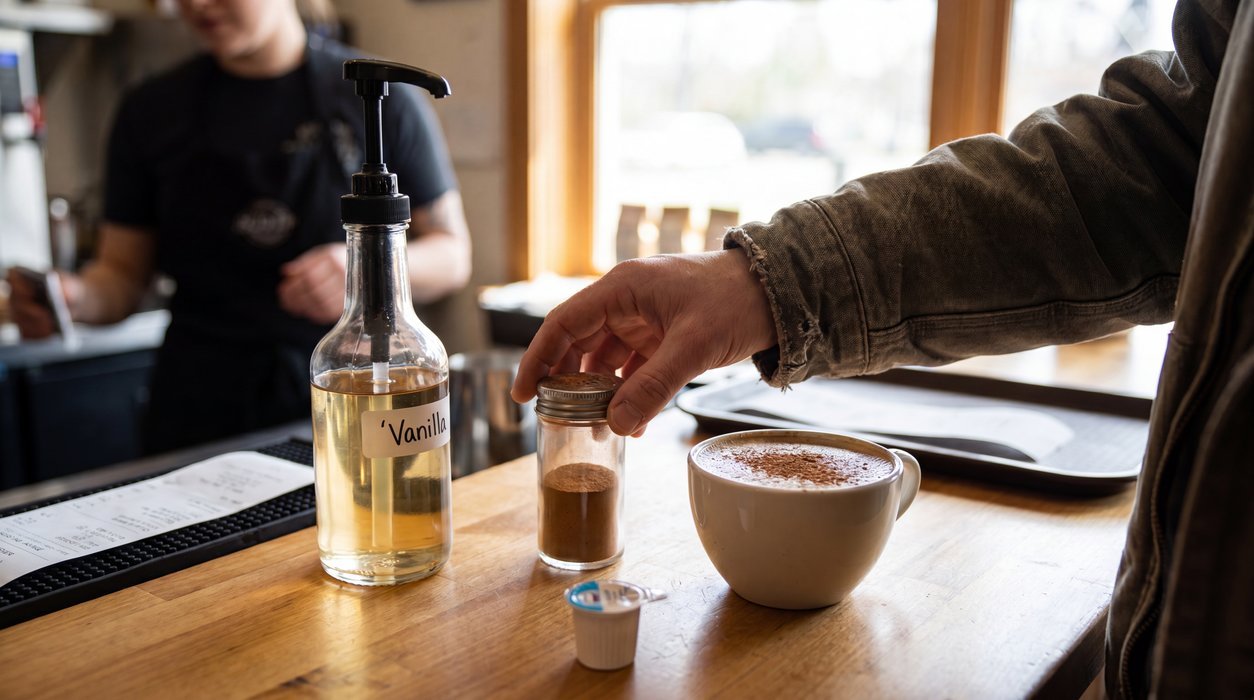
6. Coffee drinks, tea drinks, and “natural” sweeteners
Plain coffee or tea has little sugar. The picture changes when syrup, sweetened creamer, whipped topping, sweet foam, condensed milk, or flavored powders are added.
Honey, maple syrup, agave, coconut sugar, and date syrup may sound more natural, but they still contribute sugar. They can fit occasionally, but they still count in the carbohydrate load.
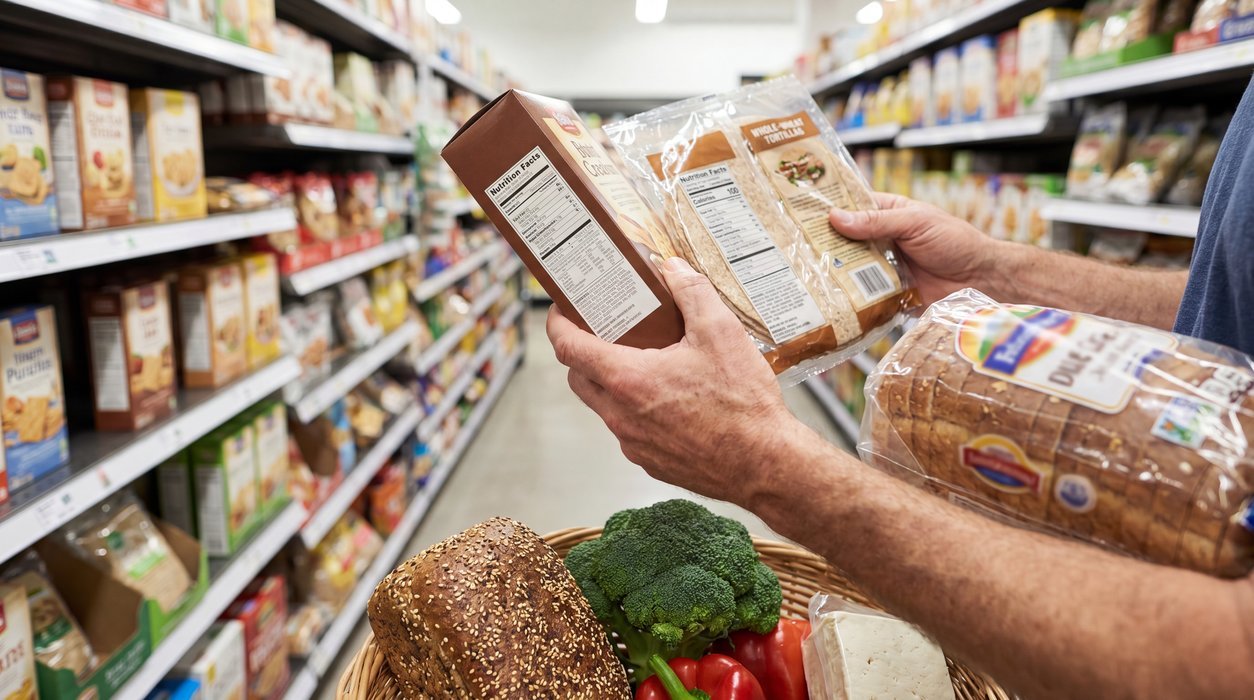
7. Packaged breads, wraps, and “better-for-you” snacks
Bread, wraps, crackers, rice cakes, pretzels, and snack packs may contain added sugar even when they do not taste sweet. Sugar can be used for flavor, browning, texture, or shelf stability.
The bigger concern is often the combination of refined flour, low fiber, and added sugar. Choosing higher-fiber options and pairing them with protein, healthy fats, and non-starchy vegetables may support steadier post-meal patterns.
| Hidden source | What to check | Simple swap |
|---|---|---|
| Flavored yogurt | Added sugars per serving | Plain Greek yogurt with berries and cinnamon |
| Bottled dressing | Honey, syrup, fruit concentrate | Olive oil, vinegar, mustard, herbs |
| Coffee drinks | Syrups, sweet foam, sweetened creamers | Unsweetened latte with cinnamon |
| Granola bars | Added sugar plus fiber | Nuts, fruit, or a higher-protein low-sugar bar |
How to spot added sugar on labels
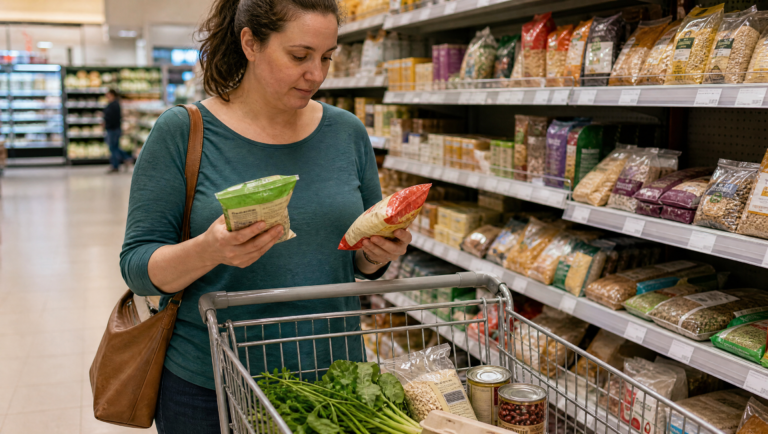
Start with serving size, then check total carbohydrate, fiber, total sugars, and added sugars. For packaged foods, the “Added Sugars” line is often the fastest clue.
Common ingredient names include cane sugar, brown sugar, corn syrup, high-fructose corn syrup, dextrose, maltose, sucrose, fruit juice concentrate, honey, molasses, agave, and rice syrup.
Total carbohydrate still matters for prediabetes. A product can have no added sugar and still raise glucose if it contains a large portion of refined starch or concentrated fruit.
A practical 7-day plan to reduce hidden sugar
This is not a restrictive diet. It is a short audit that helps identify the sugar sources that matter most in your own routine.
- Day 1: Check added sugar in your usual breakfast foods.
- Day 2: Review coffee, tea, juice, smoothies, sports drinks, and flavored waters.
- Day 3: Compare two sauces, dressings, or marinades you use often.
- Day 4: Replace one sweetened snack with protein plus fiber.
- Day 5: Build one meal around protein, non-starchy vegetables, and a high-fiber carbohydrate.
- Day 6: Notice hunger, energy, cravings, and post-meal sleepiness without judging the results.
- Day 7: Choose one swap to repeat for the next two weeks.
Research suggests that replacing sugar-sweetened beverages with water may be associated with lower type 2 diabetes risk.[8] Many people start with drinks because they can add sugar without much fullness.
For a broader next step, use a metabolic-health grocery cart approach: choose protein, fiber-rich carbohydrates, healthy fats, and low-added-sugar staples before snacks and sauces.
Frequently asked questions
Can hidden sugar prediabetes patterns keep A1C high?
Hidden sugar prediabetes patterns may contribute to a higher A1C when added sugars show up repeatedly in drinks, sauces, snacks, and packaged foods. The effect depends on the whole diet, activity, sleep, stress, genetics, and medical factors. Finding frequent hidden sources is usually more useful than focusing only on obvious desserts. A healthcare provider can help interpret A1C results in context.
Is fruit bad for A1C?
Whole fruit is not the same as added sugar. It contains fiber, water, vitamins, minerals, and plant compounds. Portion size and individual response still matter, especially with juice, dried fruit, dates, or very large smoothies. Many adults do better with whole fruit paired with protein or fat.
Should people with prediabetes avoid all sugar?
Avoiding all sugar is not necessary or realistic for most adults. The bigger goal is reducing frequent added sugars and building meals with protein, fiber, and minimally processed carbohydrates. Some people may choose stricter approaches with medical guidance. The right plan depends on health history, preferences, and glucose patterns.
What hidden sugar source should I cut first?
Sweetened drinks are often the easiest place to start because they can add sugar without much fullness. This includes soda, sweet tea, juice drinks, flavored coffee drinks, sports drinks, and some smoothies. A gradual step-down approach can make the change easier. Smaller sizes, fewer syrup pumps, or unsweetened options all count.
Conclusion
Hidden sugar does not mean food is dangerous or that every label needs to be inspected forever. It means a few familiar products may be adding more sugar than expected.
For hidden sugar prediabetes routines, the most helpful next step is simple: find the repeat sources, make one realistic swap, and keep meals satisfying.
When A1C feels stuck, curiosity is more useful than blame. Progress is usually built through patterns, not perfect days.
Medical Disclaimer: The information provided in this article is for educational purposes only and does not constitute medical advice. Always consult a qualified healthcare provider before making changes to your diet, lifestyle, or treatment plan. TheMetabolicHub.com does not replace professional medical guidance.
References
- National Institute of Diabetes and Digestive and Kidney Diseases. Diabetes Tests & Diagnosis. NIDDK
- American Diabetes Association Professional Practice Committee. Diagnosis and Classification of Diabetes: Standards of Care in Diabetes—2026. Diabetes Care. 2026. ADA Standards
- U.S. Food and Drug Administration. Added Sugars on the Nutrition Facts Label. FDA
- Centers for Disease Control and Prevention. Get the Facts: Added Sugars. CDC
- Malik VS, Popkin BM, Bray GA, Després JP, Willett WC, Hu FB. Sugar-sweetened beverages and risk of metabolic syndrome and type 2 diabetes: a meta-analysis. Diabetes Care. 2010. PMID: 20693348
- Imamura F, O’Connor L, Ye Z, et al. Consumption of sugar sweetened beverages, artificially sweetened beverages, and fruit juice and incidence of type 2 diabetes. BMJ. 2015. PMID: 26199070
- Harvard T.H. Chan School of Public Health. Drinking More Sugary Beverages of Any Type May Increase Type 2 Diabetes Risk. Harvard T.H. Chan
- Pan A, Malik VS, Schulze MB, et al. Plain-water intake and risk of type 2 diabetes in young and middle-aged women. Am J Clin Nutr. 2012. PMID: 22552035