7 Anti-Inflammatory Breakfasts for a Productive Morning
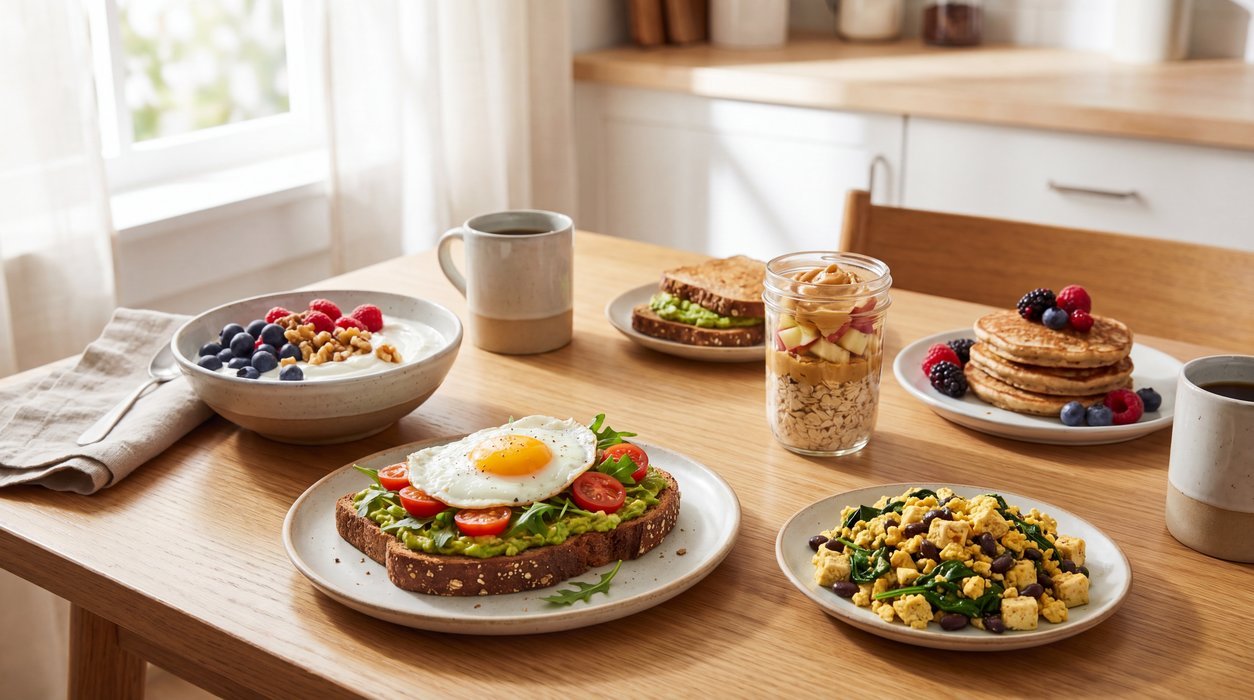
Mornings feel harder when breakfast looks “healthy” but still leaves you hungry, foggy, or reaching for another coffee before lunch.
This may not be random. The encouraging news: an Anti-inflammatory breakfast can be simple, familiar, and satisfying while still supporting steadier energy, calmer cravings, and a more focused start.
What Is the Best Anti-inflammatory Breakfast for a Productive Morning?
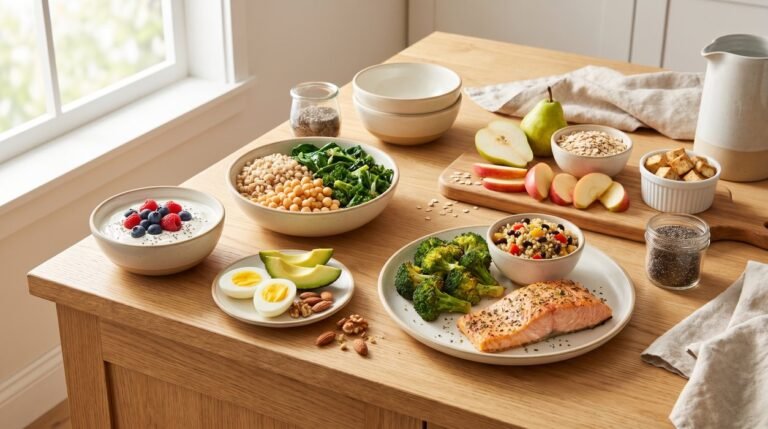
The best Anti-inflammatory breakfast combines protein, fiber-rich carbohydrates, healthy fats, and colorful plant foods in one realistic meal.
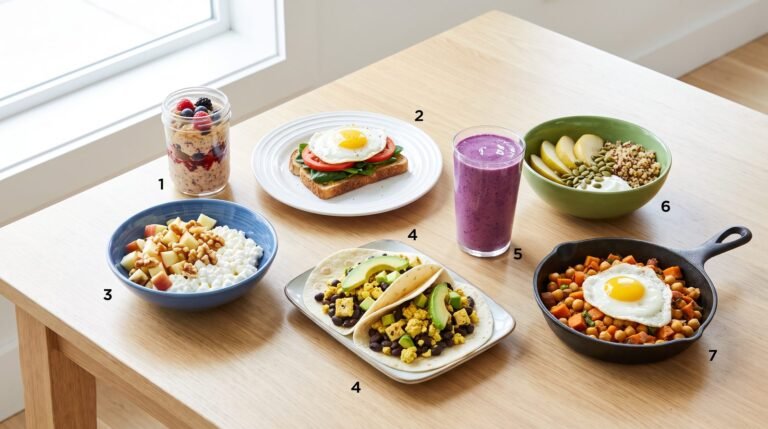
That could mean Greek yogurt with berries and oats, eggs with vegetables and whole-grain toast, overnight oats with nuts, or tofu scramble with avocado. The point is not to eat perfectly; it is to build a breakfast that keeps you satisfied and helps reduce large blood sugar swings.
This style of breakfast fits a broader anti-inflammatory eating pattern because it emphasizes minimally processed foods, legumes, whole grains, olive oil, nuts, seeds, fish, herbs, spices, fruits, and vegetables.[1]
Quick Win: Choose one breakfast this week with protein, fiber, and healthy fat. Then notice hunger, mood, focus, and cravings 2 to 4 hours later.
Key Takeaways
- An Anti-inflammatory breakfast does not need to be complicated, expensive, or unusual.
- Protein, fiber, and healthy fats may help support steadier post-meal glucose and better satiety.[2]
- Good breakfast foundations include Greek yogurt, oats, eggs, tofu, berries, nuts, seeds, vegetables, beans, whole-grain toast, and olive oil.
- Sweet breakfasts can still fit when they include enough protein and fiber.
- This is not a personal failure if breakfast has felt confusing. A few small upgrades can make mornings feel more manageable.
What Makes a Breakfast Anti-Inflammatory?
An Anti-inflammatory breakfast is built around foods that support stable energy, nutrient density, and a balanced overall dietary pattern.
It often includes protein, fiber-rich carbohydrates, unsaturated fats, antioxidants, and flavorful plant compounds from herbs, spices, fruits, and vegetables. Mediterranean-style eating is one of the best-studied patterns linked with lower inflammation and cardiometabolic health support.[1]
Inflammation itself is not always bad. The body uses inflammation for repair and immune defense.
The concern is chronic, low-grade inflammation. Research links this pattern with insulin resistance and metabolic dysfunction, although breakfast is only one part of the larger picture.[3]
7 Anti-Inflammatory Breakfasts for Real Life
These breakfasts are designed for regular mornings, not only weekend brunch. They use familiar ingredients, flexible swaps, and simple preparation.
1. Greek Yogurt Berry Oat Bowl With Walnuts
This is one of the easiest anti-inflammatory breakfast ideas because it takes less than five minutes and works for busy mornings.
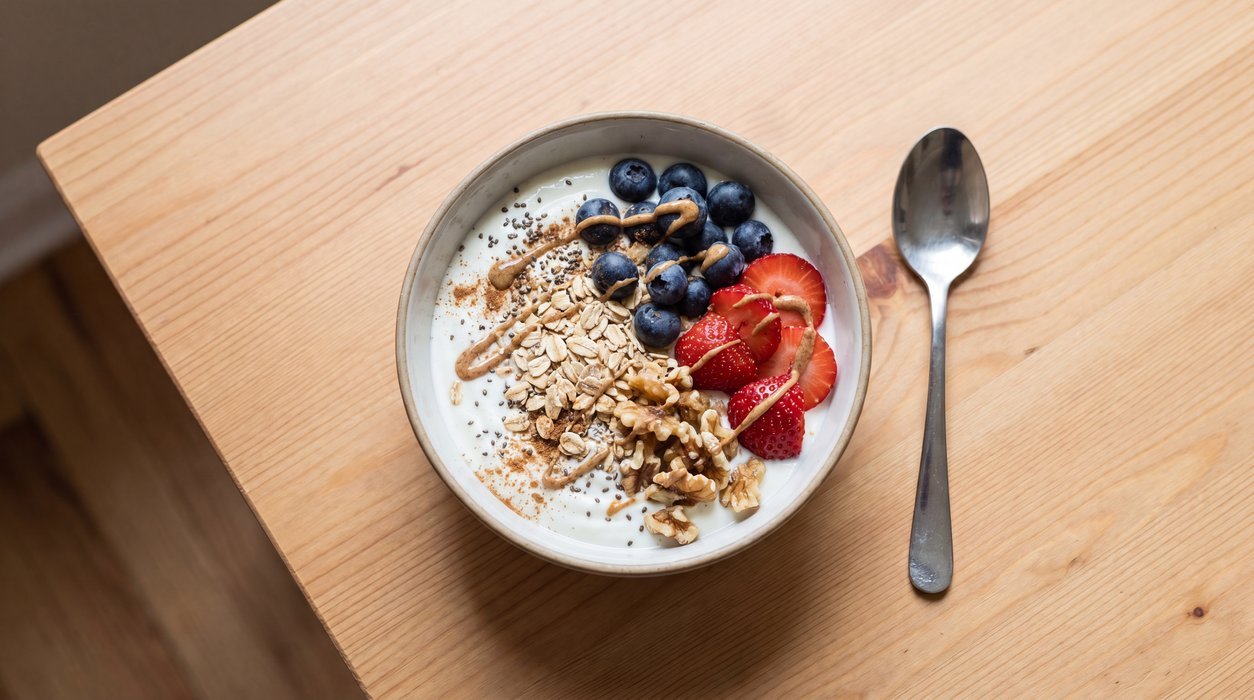
Ingredients for 1 serving: 1 cup plain Greek yogurt or skyr, 1/3 cup rolled oats, 1/2 cup blueberries or sliced strawberries, 2 tablespoons chopped walnuts, 1 tablespoon chia seeds, 1/4 teaspoon cinnamon, and 1 teaspoon almond butter or extra-virgin olive oil.
How to make it: Add the yogurt to a bowl and stir until smooth. Sprinkle the oats, berries, walnuts, chia seeds, and cinnamon over the top.
Add almond butter or olive oil if you want more staying power. Let the bowl sit for 3 to 5 minutes so the oats and chia soften slightly before eating.
This breakfast brings protein from yogurt, soluble fiber from oats and chia, and polyphenols from berries. Walnuts add healthy fats and texture.
2. Veggie Egg Toast With Avocado and Tomato
This option is familiar, fast, and satisfying. It is especially useful for people who feel better with a savory breakfast.
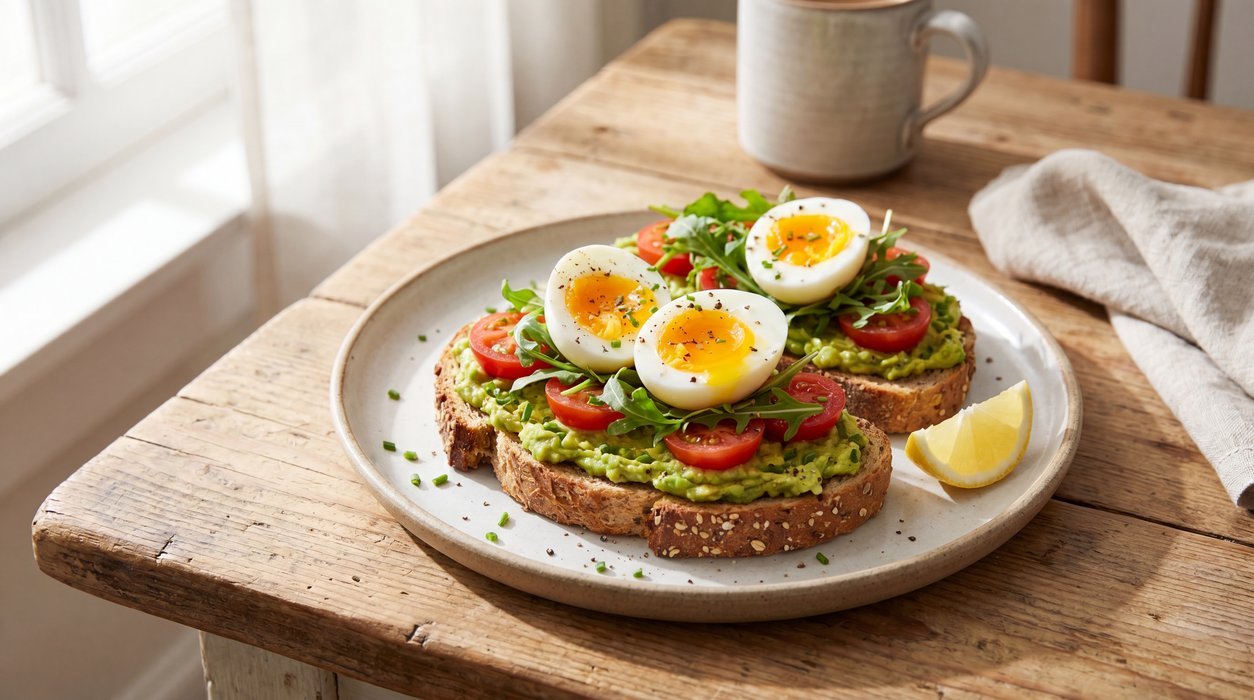
Ingredients for 1 serving: 1 slice dense whole-grain bread, 1/2 small avocado, 1/2 cup baby spinach or arugula, 1 small tomato sliced, 1 to 2 eggs, 1 teaspoon extra-virgin olive oil, 1 teaspoon lemon juice, black pepper, and optional chili flakes.
How to make it: Toast the bread until crisp. Mash the avocado with lemon juice and black pepper, then spread it over the toast.
Warm the olive oil in a small skillet over medium heat. Cook the egg to your preference, then layer spinach or arugula, tomato, and the egg on top of the toast.
Finish with chili flakes or fresh herbs if you like. For more savory breakfast ideas, this same formula can be adapted with beans, hummus, smoked salmon, or tofu.
3. Peanut Butter Apple Overnight Oats
Overnight oats are popular for a reason. They are affordable, meal-prep friendly, and easy to adjust for appetite.
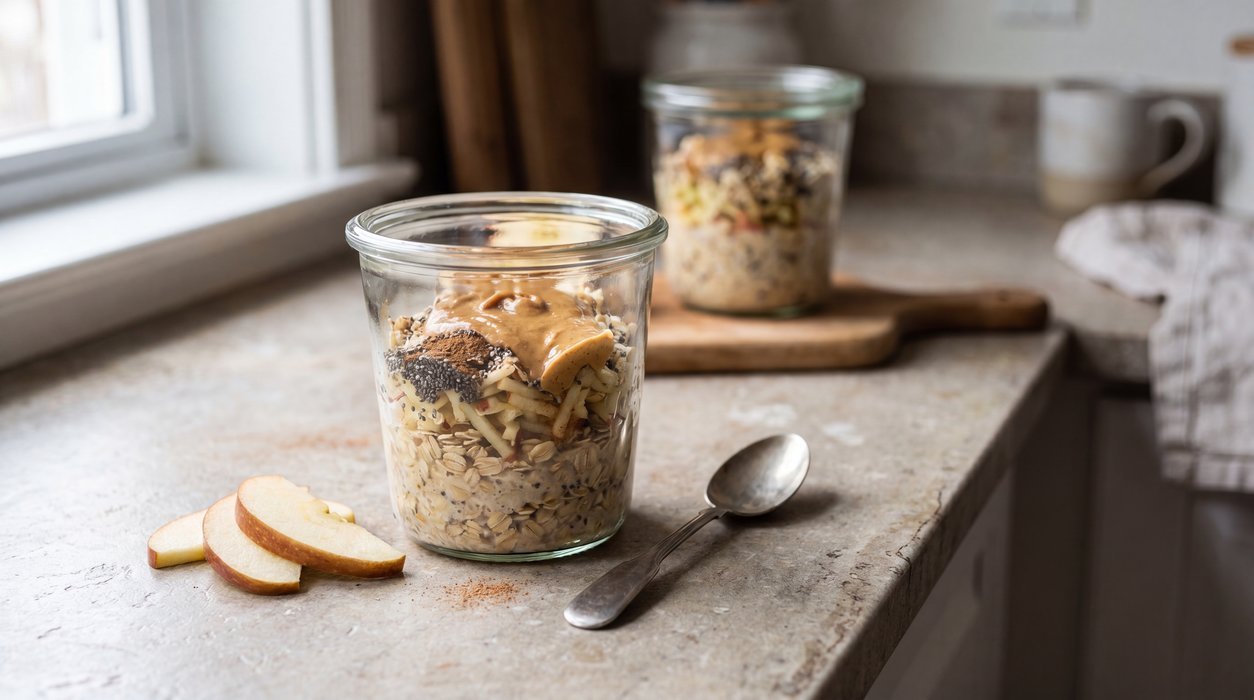
Ingredients for 1 serving: 1/2 cup rolled oats, 1/2 cup unsweetened milk or unsweetened soy milk, 1/3 cup plain Greek yogurt or soy yogurt, 1/2 medium apple grated or finely chopped, 1 tablespoon natural peanut butter, 1 tablespoon chia seeds, 1/2 teaspoon cinnamon, and a pinch of salt.
How to make it: Add the oats, milk, yogurt, apple, peanut butter, chia seeds, cinnamon, and salt to a jar or container with a lid.
Stir well until the peanut butter is evenly mixed in. Cover and refrigerate for at least 4 hours, or overnight.
In the morning, stir again and add 1 to 2 tablespoons of milk if it feels too thick. Top with extra apple slices or 1 tablespoon pumpkin seeds if desired.
One thing worth pushing back on here: an anti-inflammatory breakfast does not have to be low-carb. For many people, the better move is choosing fiber-rich carbohydrates and pairing them with protein and fat instead of removing carbohydrates entirely.
4. Cottage Cheese Breakfast Plate With Fruit, Nuts, and Whole-Grain Toast
This is a good option when you want breakfast but do not want to cook. It also works well after a workout or before a long morning of meetings.
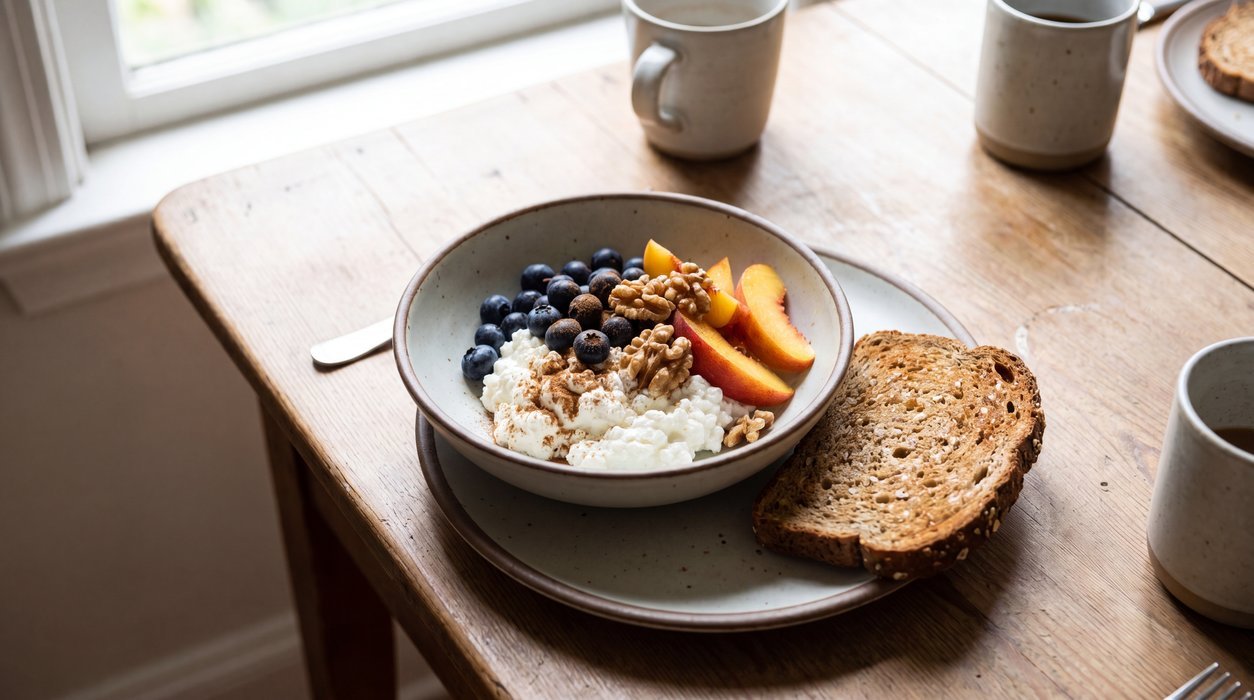
Ingredients for 1 serving: 3/4 cup cottage cheese, 1/2 cup berries or 1 small sliced peach, 2 tablespoons chopped walnuts or almonds, 1/4 teaspoon cinnamon, and 1 slice whole-grain toast.
How to make it: Spoon the cottage cheese onto a plate or into a shallow bowl. Add the fruit on one side and sprinkle the nuts and cinnamon over the top.
Toast the bread and serve it alongside the plate. For more staying power, drizzle 1 teaspoon extra-virgin olive oil over the toast or add 1 tablespoon ground flaxseed to the cottage cheese.
For a savory version, skip the cinnamon and fruit. Use 1/2 cup cucumber, 1/2 cup cherry tomatoes, black pepper, 1 teaspoon olive oil, and 1 tablespoon pumpkin seeds instead.
5. Smoked Salmon Avocado Toast With Greens
This breakfast feels special but is still simple enough for a weekday. It is also a practical way to include fish without cooking in the morning.
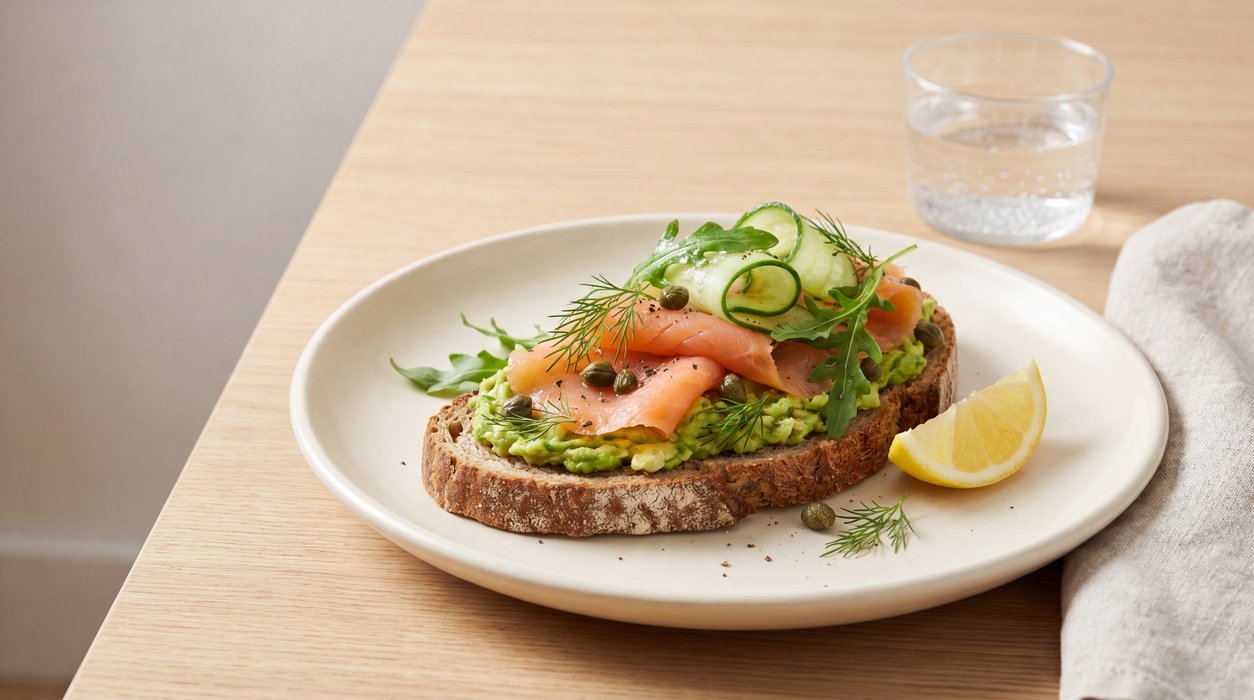
Ingredients for 1 serving: 1 slice dense rye or whole-grain bread, 1/2 small avocado, 2 ounces smoked salmon, 1/2 cup arugula or baby spinach, 1/4 cup cucumber slices, 1 teaspoon lemon juice, 1 teaspoon capers, 1 tablespoon chopped dill, and black pepper.
How to make it: Toast the bread until crisp. Mash the avocado with lemon juice and black pepper, then spread it over the toast.
Layer the arugula or spinach, smoked salmon, cucumber slices, capers, and dill on top. Serve with extra lemon if you prefer a brighter flavor.
Salmon provides marine omega-3 fats, which are studied for their role in inflammatory processes.[4] If smoked salmon is too salty for your needs, use canned salmon, sardines, trout, or a boiled egg.
6. Tofu Scramble With Spinach, Peppers, and Beans
This is a strong plant-based option that still feels like a classic hot breakfast. It works well for meal prep because the leftovers reheat easily.
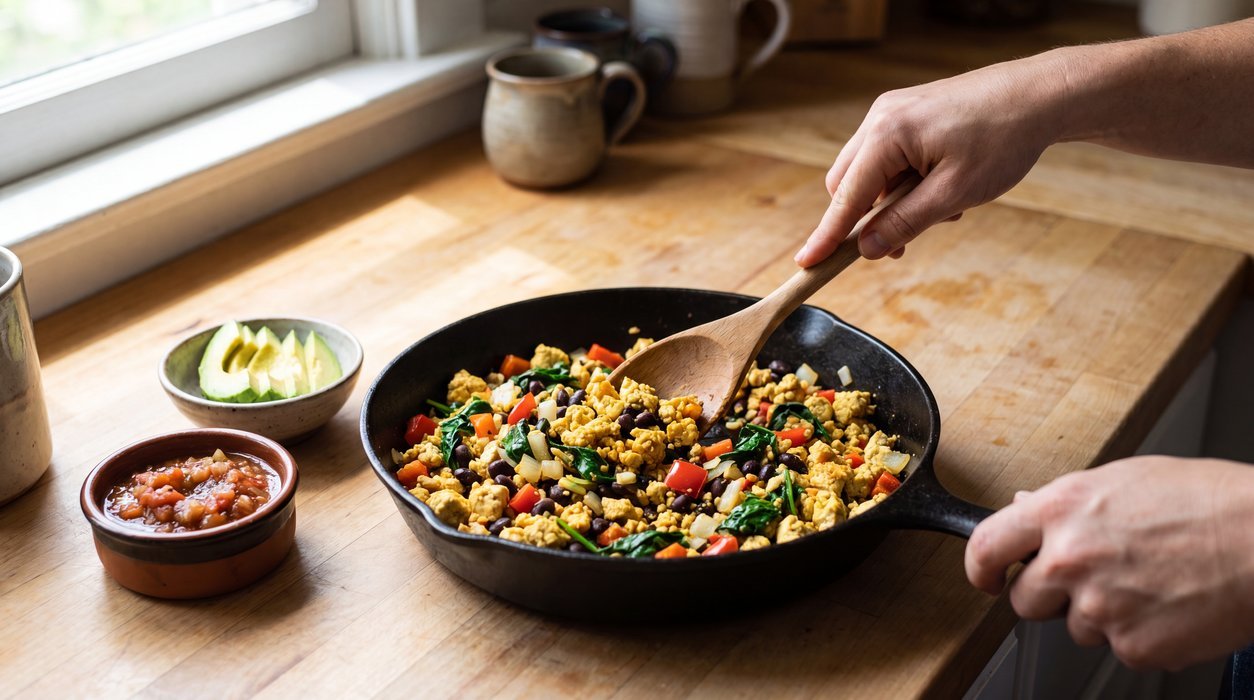
Ingredients for 2 servings: 1 tablespoon extra-virgin olive oil, 1/2 cup diced onion, 1 cup diced bell pepper, 2 cups baby spinach, 1 block firm tofu drained and crumbled, 1/2 cup canned black beans rinsed and drained, 1/2 teaspoon turmeric, 1/4 teaspoon garlic powder, 1/4 teaspoon black pepper, and 1/4 teaspoon salt.
How to make it: Warm the olive oil in a skillet over medium heat. Add the onion and bell pepper, then cook for 4 to 5 minutes until softened.
Add the crumbled tofu, black beans, turmeric, garlic powder, black pepper, and salt. Cook for 5 to 6 minutes, stirring often, until the tofu is hot and lightly golden.
Stir in the spinach and cook for 1 to 2 minutes until wilted. Serve one portion with salsa, 1/4 avocado, or a small whole-grain tortilla if desired.
Turmeric contains curcumin, a compound studied for inflammatory pathways, but it should be viewed as a supportive food component rather than a treatment.[5]
7. Banana Walnut Protein Pancakes With Berries
This option is for people who want breakfast to feel comforting without making it mostly sugar and refined flour.
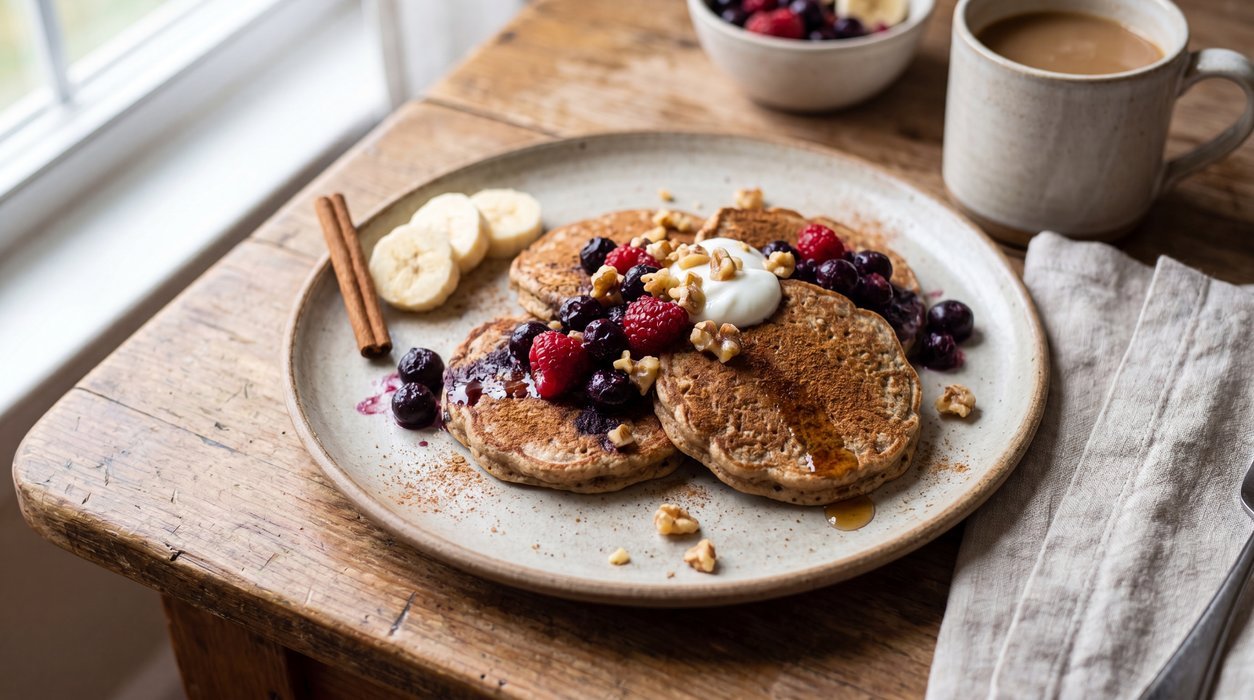
Ingredients for 2 servings: 1 cup rolled oats, 1 ripe banana, 2 eggs or 2 flax eggs, 1/2 cup plain Greek yogurt or soy yogurt, 1 teaspoon baking powder, 1/2 teaspoon cinnamon, 1/4 teaspoon salt, 1/4 cup chopped walnuts, 1 cup berries, and 1 teaspoon olive oil or avocado oil for the pan.
How to make it: Add the oats, banana, eggs, yogurt, baking powder, cinnamon, and salt to a blender. Blend until mostly smooth, then stir in the chopped walnuts.
Warm a nonstick skillet over medium-low heat and lightly coat it with oil. Pour about 1/4 cup batter per pancake and cook for 2 to 3 minutes, until bubbles form and the edges look set.
Flip and cook for another 1 to 2 minutes. Serve with berries and an extra spoonful of plain yogurt instead of a heavy syrup pour.
Keep syrup modest, or use warm berries for sweetness. This keeps the breakfast more balanced than a standard pancake stack while still feeling enjoyable.
Breakfast Comparison Table
| Breakfast | Best For | Main Supportive Features |
|---|---|---|
| Greek yogurt berry oat bowl | Fast weekday mornings | Protein, oats, berries, walnuts, chia |
| Veggie egg toast | Savory breakfast lovers | Eggs, greens, avocado, whole grains |
| Peanut butter apple oats | Meal prep | Soluble fiber, healthy fats, cinnamon, fruit |
| Cottage cheese plate | No-cook mornings | High protein, fruit, nuts, whole-grain toast |
| Smoked salmon avocado toast | Omega-3 breakfast option | Fish, avocado, greens, rye or whole-grain toast |
| Tofu scramble with beans | Plant-based hot breakfast | Tofu, beans, vegetables, olive oil, spices |
| Banana walnut protein pancakes | Comfort breakfast | Oats, protein, walnuts, berries, cinnamon |
How to Build an Anti-inflammatory Breakfast
The easiest method is to build around four parts: protein, fiber-rich carbohydrates, healthy fats, and color.
Start with protein. Eggs, Greek yogurt, skyr, cottage cheese, tofu, tempeh, beans, fish, or unsweetened soy yogurt can all work.
Then add fiber from oats, berries, apples, beans, vegetables, chia seeds, flaxseed, whole-grain toast, or intact grains. Soluble and viscous fibers may help reduce the glycemic response to carbohydrate-rich foods.[6]
Next add healthy fats. Nuts, seeds, avocado, olive oil, nut butter, and oily fish can help the meal feel more satisfying.
Meal Ideas Box: Pair yogurt with oats and berries, eggs with vegetables and toast, tofu with beans and avocado, or cottage cheese with fruit and nuts. Each version gives you protein, fiber, fat, and plants.
What to Limit in a Morning Meal
No food needs to be forbidden. Still, some breakfasts are less supportive when they are mostly refined flour, added sugar, and highly processed fats.
Common examples include sweet pastries, sugary cereals, large sweetened coffee drinks, and low-protein granola bowls. These may leave some people hungry or snack-focused by late morning.
A more balanced version can often satisfy the same craving. Add Greek yogurt to pancakes, nuts to fruit, eggs to toast, tofu to a scramble, or chia seeds to oats.
What Changes Might You Notice?
Changing breakfast is not an instant transformation. Still, many people notice early shifts within a few days to a couple of weeks when breakfast becomes more balanced and consistent.
Early signs may include fewer mid-morning cravings, steadier attention, less urgent snacking, or a more predictable appetite before lunch.
Meaningful changes in inflammatory markers, insulin sensitivity, weight, or metabolic health usually require broader consistency across meals, sleep, movement, stress, and medical care when needed.
Breakfast is one lever, not the whole system. A practical way to track progress is to rate energy, hunger, mood, and focus 2 to 4 hours after breakfast for one week.
A Simple 5-Day Breakfast Plan
This plan keeps breakfast realistic by repeating ingredients in different ways. That means fewer groceries and less morning decision fatigue.
| Day | Breakfast | Prep Note |
|---|---|---|
| Monday | Greek yogurt berry oat bowl | Keep berries, oats, and walnuts ready. |
| Tuesday | Veggie egg toast with avocado | Use pre-washed greens and pre-sliced vegetables. |
| Wednesday | Peanut butter apple overnight oats | Assemble the night before in a jar. |
| Thursday | Tofu scramble with beans | Cook extra vegetables for the next day. |
| Friday | Banana walnut protein pancakes | Make extra pancakes and freeze leftovers. |
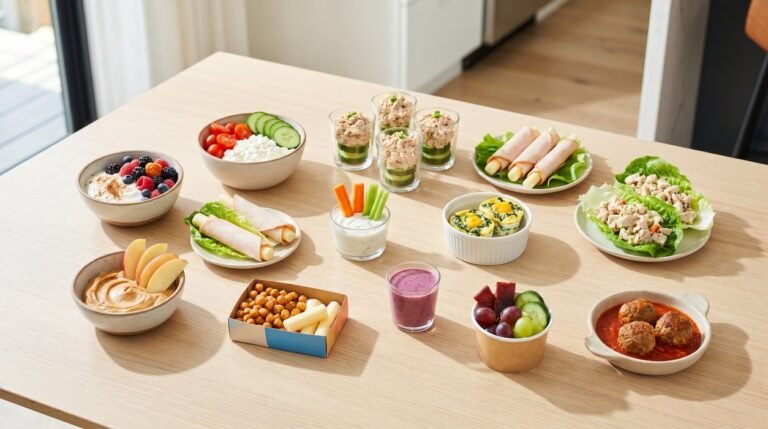
For busy weeks, keep one no-cook backup ready. Greek yogurt, cottage cheese, oats, berries, nuts, and whole-grain toast can become several different breakfasts.
For blood sugar balance, avoid judging a new breakfast only on unusually stressful days. Poor sleep, illness, cycle changes, intense training, and stress can all affect glucose and appetite.
Conclusion
A productive morning often begins before the first task starts. A more balanced breakfast can help create steadier energy, calmer hunger, and fewer food decisions later in the day.
The most useful Anti-inflammatory breakfast is not the most complicated one. It is the one that combines protein, fiber, healthy fats, colorful plants, and enough enjoyment to repeat.
Start with one breakfast, repeat it twice, and adjust from there. Breakfast does not need to be perfect to become a meaningful metabolic health habit.
Frequently Asked Questions
What is the best Anti-inflammatory breakfast for a productive morning?
The best Anti-inflammatory breakfast combines protein, fiber-rich carbohydrates, healthy fats, and colorful plant foods. Good examples include Greek yogurt with berries and oats, eggs with vegetables and whole-grain toast, tofu scramble with beans, or overnight oats with peanut butter and apple. The best choice is the one that keeps you satisfied and fits your real morning routine.
Are sweet breakfasts bad for inflammation?
Sweet breakfasts are not automatically a problem. The issue is usually a low-protein, low-fiber breakfast with a lot of added sugar. Overnight oats with apple and peanut butter or pancakes made with oats, yogurt, walnuts, and berries can be sweet and still balanced. Keeping sweetness moderate and adding protein often makes the meal more supportive.
Can an anti-inflammatory breakfast help with insulin resistance?
A balanced breakfast may support better blood sugar patterns, especially when it includes protein, fiber, healthy fats, and minimally processed carbohydrates. Insulin resistance is complex and can be influenced by sleep, stress, movement, genetics, medications, and overall diet. Anyone with diabetes, prediabetes, or glucose-lowering medication should work with a qualified healthcare professional.
Is coffee okay with an anti-inflammatory breakfast?
Coffee can fit for many adults, especially when it does not worsen anxiety, reflux, or sleep. The bigger issue is whether caffeine is replacing food or masking an under-fueled morning. Pairing coffee with a balanced breakfast may feel steadier than drinking it alone.
Medical Disclaimer: The information provided in this article is for educational purposes only and does not constitute medical advice. Always consult a qualified healthcare provider before making changes to your diet, lifestyle, or treatment plan. TheMetabolicHub.com does not replace professional medical guidance.
References
- Schwingshackl L, Hoffmann G. Mediterranean dietary pattern, inflammation and endothelial function: a systematic review and meta-analysis of intervention trials. Nutr Metab Cardiovasc Dis. 2014. PMID: 24787907
- Xiao K, et al. Effect of a high protein diet at breakfast on postprandial glucose level at breakfast, lunch and dinner in Chinese women with normal weight. Nutrients. 2022. PMID: 36615743
- Matulewicz N, Karczewska-Kupczewska M. Insulin resistance and chronic inflammation. Postepy Hig Med Dosw. 2016. PMID: 28026827
- Calder PC. Marine omega-3 fatty acids and inflammatory processes: effects, mechanisms and clinical relevance. Biochim Biophys Acta. 2015. PMID: 25149823
- Tabrizi R, et al. The effects of curcumin-containing supplements on biomarkers of inflammation and oxidative stress: a systematic review and meta-analysis. Phytother Res. 2019. PMID: 30402990
- Giuntini EB, Sardá FAH, de Menezes EW. The Effects of Soluble Dietary Fibers on Glycemic Response: An Overview and Futures Perspectives. Foods. 2022. PMID: 36496742
- Harvard T.H. Chan School of Public Health. Mediterranean Diet. Harvard Nutrition Source
- American Heart Association. What is the Mediterranean Diet? American Heart Association