The Best Breakfast for Blood Sugar (Backed by Research)
You wake up with the best intentions — and by 10 a.m., you’re exhausted, reaching for something sweet, and wondering why your energy fell off a cliff. If that cycle sounds familiar, your morning meal may be part of the story.
This isn’t about willpower or doing something wrong. What you eat first thing — and in what combination — directly shapes how your blood sugar behaves for hours afterward. The encouraging news: the best breakfast for blood sugar is one of the most accessible levers you have for steadier energy and fewer cravings throughout the day.
Quick Wins: Blood Sugar–Friendly Breakfast at a Glance
- Pair every carb with protein or healthy fat to slow glucose absorption
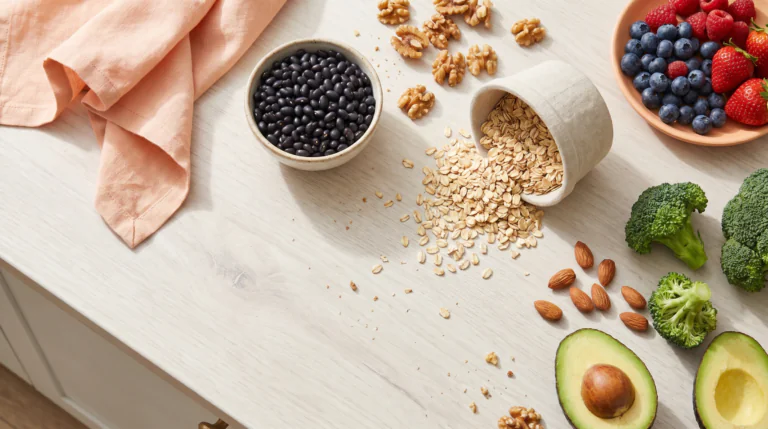
- Eat fiber-rich whole grains (steel-cut oats, whole wheat) instead of refined options
- Add eggs, Greek yogurt, or cottage cheese as a protein anchor
- Include non-starchy vegetables — spinach, mushrooms, tomatoes — where possible
- Limit fruit juice; choose whole fruit with its fiber intact
- Meal prep the night before to remove morning decision fatigue
What Makes a Breakfast Best for Blood Sugar?
The best breakfast for blood sugar is one that combines slow-digesting carbohydrates, a solid protein source, and some healthy fat — all in the same meal. This combination slows glucose absorption and blunts the sharp rise-and-crash pattern that follows refined, carb-heavy mornings.
Research consistently supports this framework. A study published in Diabetes Care found that a high-protein morning meal reduced postprandial glucose response and hunger hormones compared to a standard higher-carbohydrate breakfast.[1] When the best breakfast for blood sugar is built around this triad, the effect lasts well into the afternoon.
| Morning Approach | Effect on Blood Sugar | Sustainability |
|---|---|---|
| Skipping breakfast | May cause rebound hunger and a larger spike at the next meal | Often leads to compensatory overeating later |
| High-sugar, refined options | Fast spike followed by energy crash within 1–2 hours | Reinforces cravings; difficult to sustain |
| Protein + fiber + healthy fat | Gradual, steady glucose release — no sharp spike | High: satisfying and adaptable to any schedule |
Whole Grains: The Right Carbohydrate Foundation
Not all carbohydrates behave the same way. The difference comes down to fiber and processing. Refined flour — the kind in white bread, most bagels, and standard cereals — has been stripped of its outer bran layer, which means it digests quickly and drives blood sugar up fast.
Whole grains retain all three parts of the kernel: bran, germ, and endosperm. That intact structure means more fiber, slower digestion, and a gentler glucose curve.
| Option | Fiber per Serving | Effect on Energy |
|---|---|---|
| Refined white bread | Under 1g | Quick rise, likely crash within the hour |
| 100% whole wheat bread | 3–4g | Slower, more sustained energy release |
| Steel-cut oats (½ cup dry) | 4–5g | Very gradual — one of the lowest glycemic grain options available |
Steel-cut oats are worth highlighting specifically. Unlike instant oats — which are pre-cooked and processed — steel-cut oats are minimally processed and digest significantly more slowly. Research published in the American Journal of Clinical Nutrition found that oat beta-glucan fiber reduces postprandial blood glucose responses.[2]
When reading labels, look for “whole wheat” or “whole grain” as the first ingredient. A good fiber source provides 2.5–4.9g per serving; an excellent source delivers 5g or more.
One Thing Worth Pushing Back On Here
The conventional advice to “eat whole grains at breakfast” is sound — but it often gets applied too broadly. A large portion of even whole grain oats still delivers a meaningful glucose load, especially without protein or fat alongside it.
One pattern that shows up repeatedly: someone switches from white toast to oat porridge and sees little change in how they feel. The grain swap helped, but the meal was still carbohydrate-dominant. Adding two eggs or a few tablespoons of nut butter typically makes more difference than the grain choice alone. The best breakfast for blood sugar stabilization is about the full combination, not one ingredient in isolation.
Protein: The Most Underrated Morning Tool
Protein at breakfast does something carbohydrates alone cannot: it slows gastric emptying and blunts the glucose response to everything else in the meal. It also keeps hunger hormones lower for longer, which matters for the decisions you make at lunch.
Eggs are the most practical starting point. The American Heart Association notes that people managing blood sugar can safely include one to two eggs daily as part of a balanced diet.[3] Scrambled with spinach, poached on whole grain toast, or hard-boiled the night before — eggs are versatile enough for any schedule.
Other Strong Protein Options
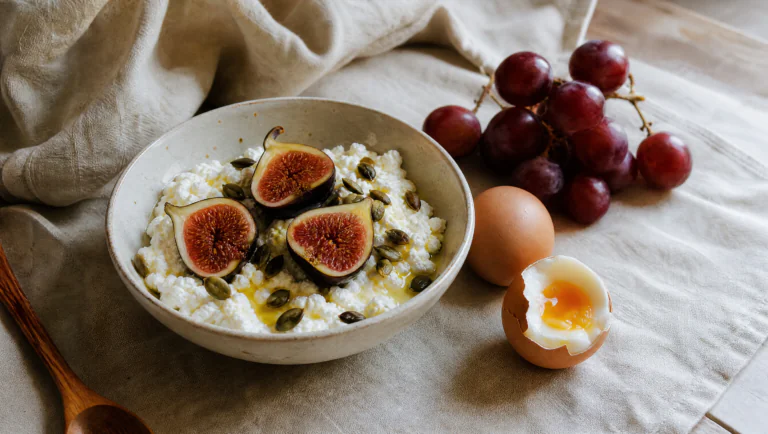
Plain Greek yogurt (not flavored — those often contain 15–20g of added sugar) provides 15–20g of protein per cup along with probiotics. Cottage cheese is similarly high in protein and works well with fruit or vegetables. For a plant-based approach, tofu scrambles well and absorbs flavor easily.
- Greek yogurt — ~17g protein per cup, low glycemic, pairs with berries
- Cottage cheese — ~14g per ½ cup, mild flavor, high in casein protein
- Eggs — ~6g each, complete amino acid profile, minimal impact on blood glucose
- Tofu (firm) — ~10g per 3 oz, plant-based, works as a scramble
- Nut butter (2 tbsp) — ~7g protein, adds healthy fat, pairs well with oats or toast
Aim for 20–30g of protein at breakfast. That number is higher than most people naturally eat in the morning — but it’s also where the hunger-suppressing and blood sugar–stabilizing effects become most consistent.
Fruits and Vegetables at Breakfast
Fruit gets an unfair reputation in blood sugar conversations. The concern — that fruit raises blood sugar because of its natural sugars — misses the most important part of the picture: whole fruit comes packaged with fiber, water, and plant compounds that collectively slow that sugar’s absorption.
Berries (blueberries, raspberries, strawberries) are especially well-studied. They’re high in fiber and polyphenols, and research suggests regular consumption is linked to improved insulin sensitivity over time.[4] An apple or pear with the skin on delivers 4–5g of fiber. A medium banana is higher in natural sugars but still manageable when eaten with protein.
Fruit juice is a different situation. The fiber is gone, and what remains digests very quickly. If juice is part of your morning, limiting it to about 4 oz (120ml) and pairing it with protein helps mitigate the spike.
| Option | Fiber | Blood Sugar Effect | Best Use |
|---|---|---|---|
| Mixed berries (1 cup) | 3–8g | Gentle, gradual rise | Top yogurt, oatmeal, or eat standalone |
| Apple or pear (whole) | 4–5g | Slow, steady release | Portable; pair with nut butter |
| Fruit juice (4 oz) | 0–1g | Fast spike without fiber buffer | Limit; always pair with protein |
On the vegetable side: non-starchy vegetables at breakfast are almost always a good idea. Spinach wilted into scrambled eggs, mushrooms and tomatoes alongside toast, a handful of arugula under a poached egg — none of these add meaningful carbohydrate load, and all add fiber, micronutrients, and volume.
Healthy Fats and Smarter Cooking Choices
Healthy fats serve a specific mechanical purpose at breakfast: they slow the rate at which the stomach empties, which directly slows glucose absorption from everything else in the meal. Avocado, olive oil, nuts, and seeds are the most practical sources.
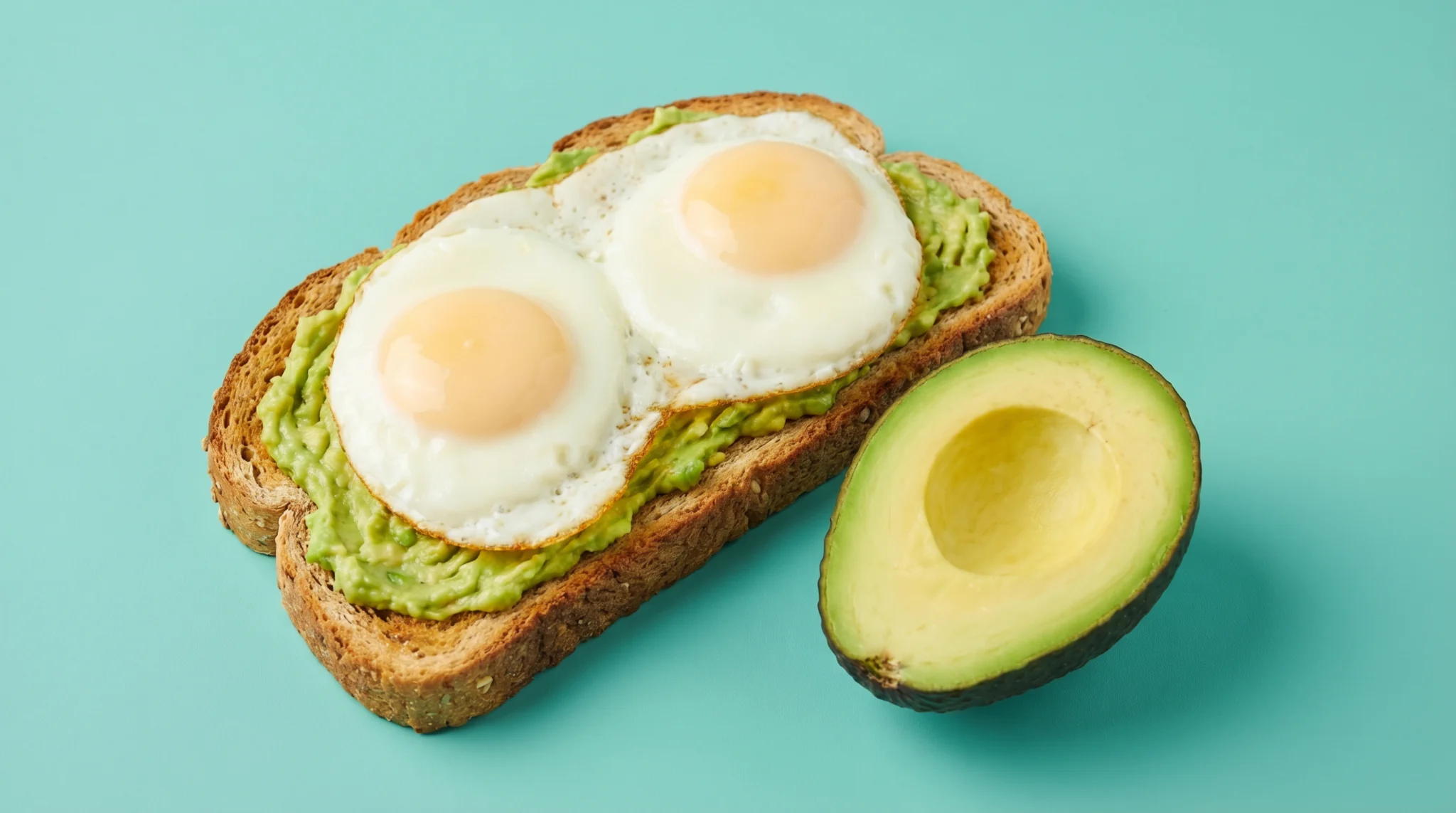
Half an avocado on whole grain toast adds roughly 7g of fiber and 10g of heart-healthy monounsaturated fat. That combination — fiber plus fat — is genuinely hard to beat for blood sugar stability at breakfast.[5]
Simple Swaps in the Kitchen
Cooking method matters less than most people think — but it matters some. Using a light spray of olive oil instead of butter reduces saturated fat without affecting the protein quality of eggs. Avoiding processed breakfast meats (bacon, sausage) most days is worth doing not because they cause spikes but because they tend to displace better protein sources and carry high sodium loads.
- Swap butter → avocado spread or olive oil spray
- Swap cream cheese → nut butter or hummus
- Swap flavored yogurt → plain Greek yogurt with fresh fruit
- Swap processed cereal bar → hard-boiled egg + piece of whole fruit
None of these swaps require a complete overhaul. One change at a time accumulates into a genuinely different morning.
Meal Sequencing: When Order Actually Matters
Meal sequencing — eating foods in a specific order to moderate glucose response — has moved from niche nutrition advice into increasingly well-supported research territory. The basic finding: eating protein and fiber before carbohydrates within the same meal produces a measurably lower glucose peak than eating the carbohydrates first.
In practice, this is simpler than it sounds. Eat the eggs or yogurt first. Then the toast or oats. This isn’t a rigid rule that requires precise timing — it’s a rough order that takes about 30 extra seconds of thought and reliably produces a flatter glucose curve according to a well-cited study in Diabetes Care.[1]
For anyone managing prediabetes or blood sugar variability, this single habit — eating protein before starchy foods — may be one of the highest-return, lowest-effort changes available. It doesn’t require buying different food. It just requires eating what’s already on the plate in a different order.
This is also where the standard approach to “blood sugar-friendly breakfasts” tends to oversimplify. Most guides focus on what to eat. Fewer address when within the meal each component lands. The combination of whole grain oats with eggs is solid; eating the eggs first makes it meaningfully better.
Three Practical Breakfast Ideas
The goal here isn’t a rigid meal plan — it’s proof that a blood-sugar–supportive breakfast can be fast, genuinely good to eat, and simple enough to repeat on autopilot.
| Recipe | Key Nutritional Features | Prep Time |
|---|---|---|
| Egg & Avocado Toast | ~25g protein + fat + fiber; ~240 calories | 5 minutes |
| Greek Yogurt Berry Bowl | ~20g protein, antioxidants, no added sugar | 2 minutes |
| Overnight Chia Oat Pudding | High fiber (8–10g), steady release, make-ahead | 5 minutes (plus overnight) |
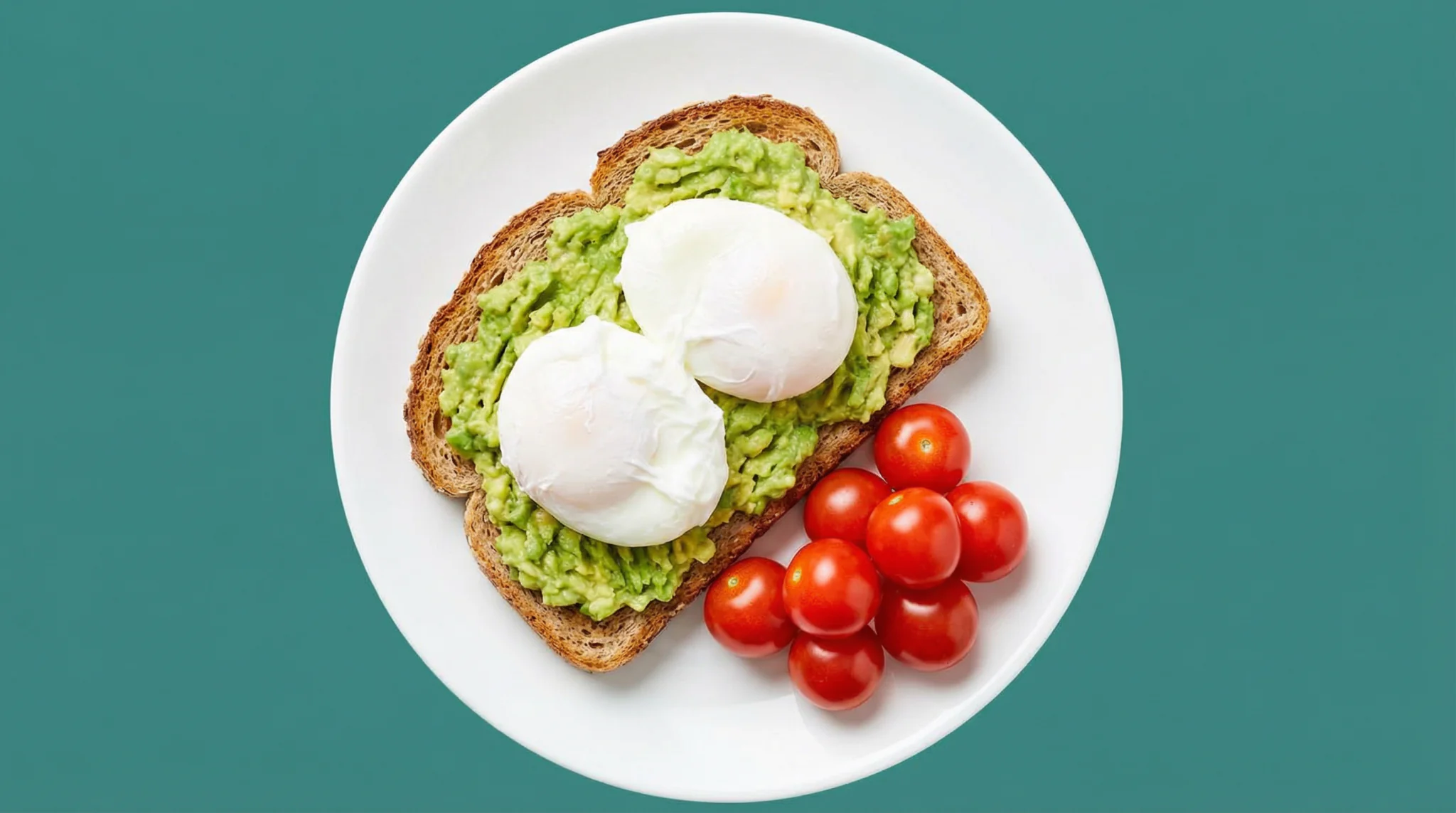
Egg & Avocado Toast: Two eggs (scrambled or poached) on a slice of 100% whole grain toast with half an avocado, mashed. Add a handful of cherry tomatoes or baby spinach on the side. Eat the eggs first.
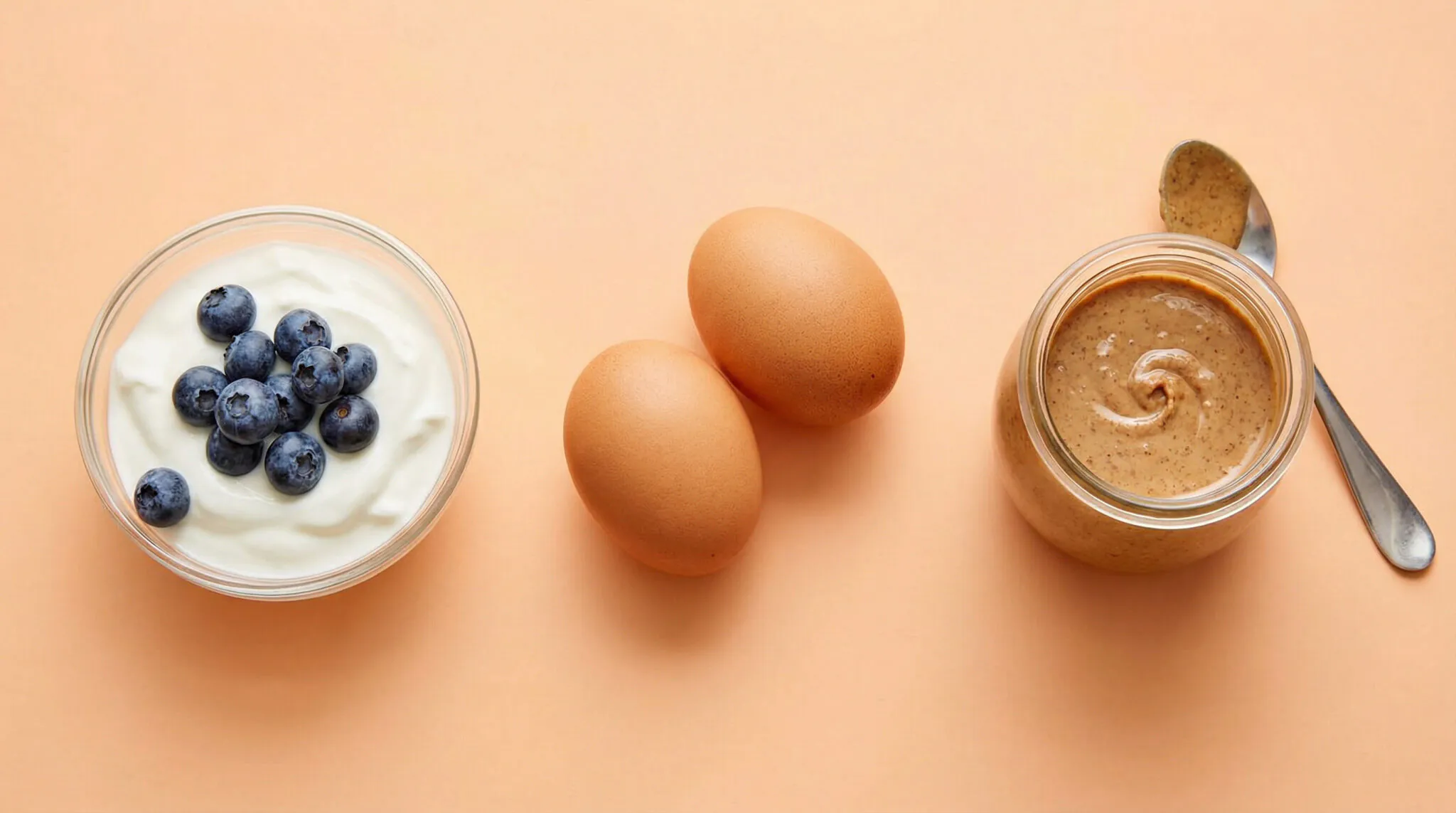
Greek Yogurt Berry Bowl: 1 cup plain Greek yogurt, ½ cup mixed berries, 1 tbsp chia seeds, a small sprinkle of cinnamon. No sweetener needed — the berries handle that. Prep takes about two minutes and the protein-to-carb ratio is excellent.
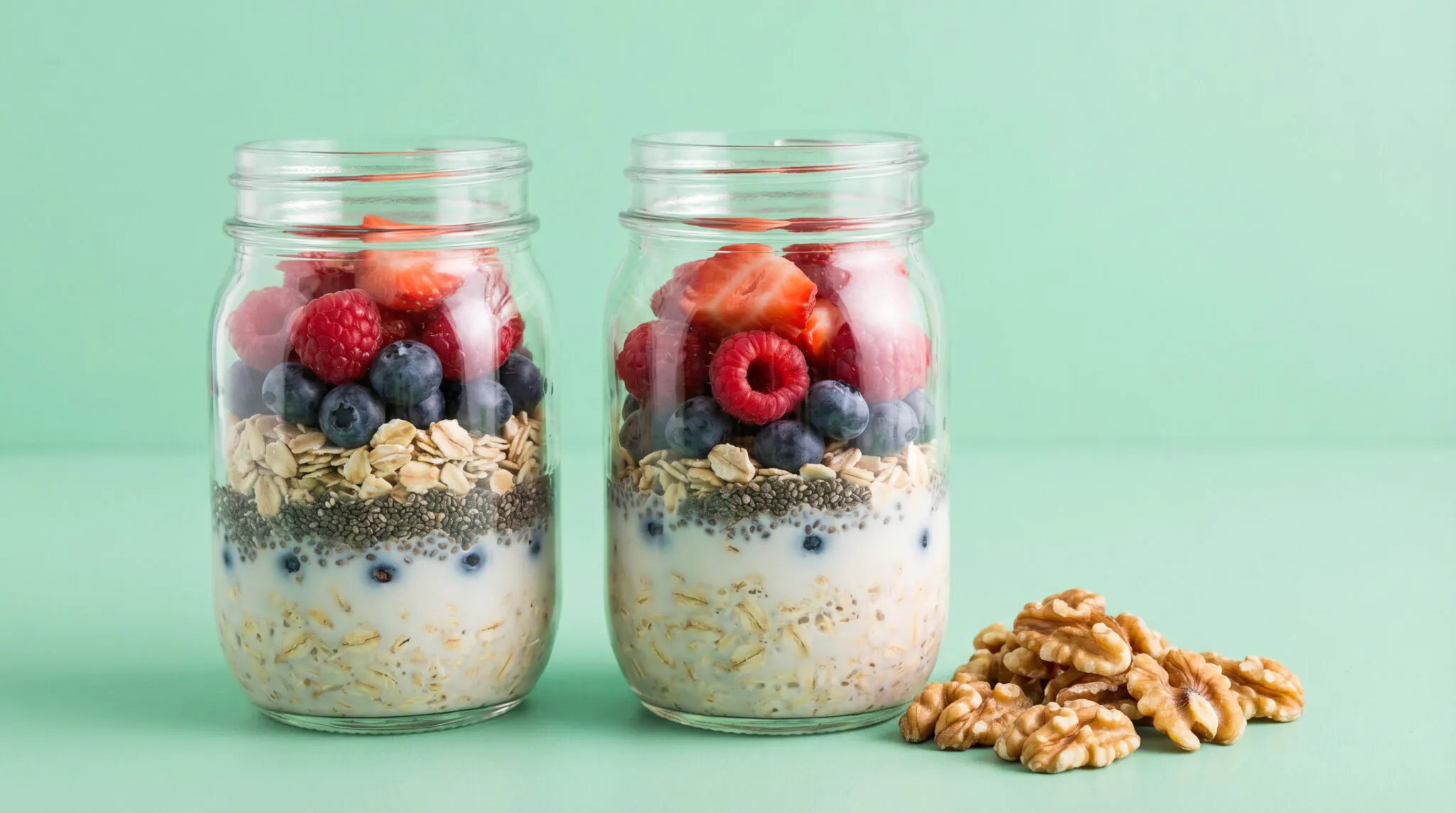
Overnight Chia Oat Pudding: Mix ½ cup rolled oats with 1 tbsp chia seeds and 1 cup unsweetened almond milk. Let it sit overnight. Top with a handful of walnuts and fresh fruit in the morning. This is the best option for anyone who has zero time before work — it’s ready before you wake up.
Breakfast Strategies for Busy Mornings
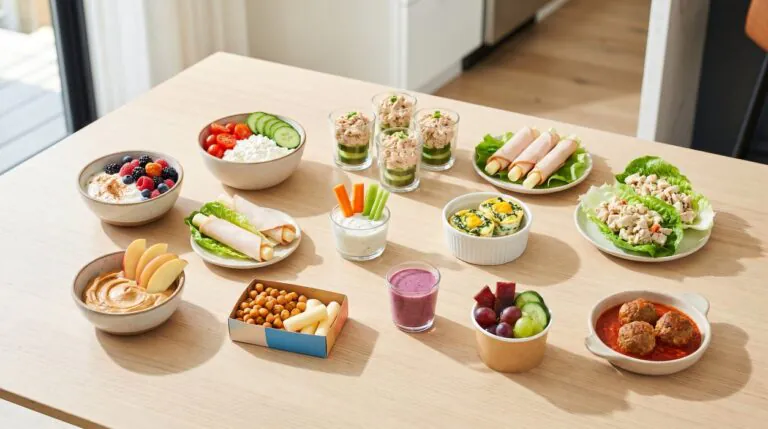
A rushed morning doesn’t have to mean skipping breakfast or defaulting to a granola bar that spikes blood sugar and leaves you hungry an hour later. A little preparation the night before removes almost all the friction.
Hard-boiled eggs keep well in the fridge for up to a week — prep five on Sunday and you have a protein-ready grab-and-go option through Friday. Chia seed pudding and Greek yogurt parfaits prepared in mason jars take under five minutes the night before. Even whole grain toast with nut butter takes less than two minutes.
- Hard-boiled eggs + piece of whole fruit
- Mason jar overnight oats with almond milk and berries
- Greek yogurt in a small container with a portion-controlled bag of nuts
- Whole grain toast with 2 tbsp almond butter — eat before leaving
The pattern that doesn’t work well is deciding what to eat after you’re already hungry and behind schedule. At that point, convenience food wins. The best breakfast for blood sugar management is the one that’s already prepared.
If you’re looking to further understand how morning eating patterns connect to insulin sensitivity throughout the day, the guide on stabilizing blood sugar covers the broader framework. The article on protein and blood sugar goes deeper on why protein timing matters as much as protein quantity.
Putting It Together
Steady energy in the morning isn’t complicated — but it does require deliberate choices. The best breakfast for blood sugar is built around three things working together: slow-digesting carbohydrates, a meaningful protein source, and enough healthy fat to slow gastric emptying.
That might look like eggs on whole grain toast with avocado. It might be Greek yogurt with berries and chia seeds. Or overnight oats with nut butter and walnuts. The specific foods matter less than the combination.
If the morning routine has felt like a cycle of energy crashes and cravings that you can’t seem to break — that’s not a character flaw. It’s often a meal composition issue, and it responds well to change. Start with one swap. Add protein to whatever you’re already eating. Then build from there.
Frequently Asked Questions
What is the best breakfast for blood sugar management?
The best breakfast for blood sugar combines a quality protein source, fiber-rich carbohydrates, and healthy fat in the same meal. Examples include eggs with whole grain toast and avocado, plain Greek yogurt with berries and chia seeds, or overnight oats with nut butter and walnuts. Research suggests that prioritizing protein early in the meal — eating it before the starchy components — further reduces the postprandial glucose response. Consistency matters more than perfection: a repeatable routine produces steadier results than occasional “ideal” breakfasts.
Is oatmeal a good choice for blood sugar?
Steel-cut or rolled oats can be a solid blood sugar–friendly option because they’re high in beta-glucan fiber, which slows glucose absorption. Instant oats are more processed and digest more quickly — they’re still better than refined cereals, but they produce a sharper glucose response. The key is what accompanies the oatmeal: adding eggs or a scoop of nut butter transforms it from a carbohydrate-heavy meal into a balanced one with sustained energy release.
Should people managing diabetes skip fruit at breakfast?
Whole fruit is generally fine and is a different metabolic situation than fruit juice. The fiber in whole fruit slows the absorption of its natural sugars, producing a more gradual glucose rise. Berries, apples, and pears are particularly good choices. Research links regular berry consumption to improved insulin sensitivity over time. Pairing fruit with a protein source — Greek yogurt, for example — further moderates the glucose response. Juice is a separate story: without fiber, it digests quickly and should be limited to small portions.
How much protein should breakfast contain for blood sugar benefits?
Most research on breakfast and blood sugar control points to 20–30g of protein as the range where hunger hormone suppression and glucose-blunting effects become consistent. Two eggs plus a cup of Greek yogurt gets you close to that range. For comparison, a bowl of cereal with milk typically delivers 6–8g — enough to feel like “a protein-containing breakfast” without producing the same metabolic effect. If 20–30g feels like a lot, starting with 15g and gradually increasing is a practical approach.
Medical Disclaimer: The information provided in this article is for educational purposes only and does not constitute medical advice. Always consult a qualified healthcare provider before making changes to your diet, lifestyle, or treatment plan. TheMetabolicHub.com does not replace professional medical guidance.
References
- Jakubowicz D, et al. High caloric intake at breakfast vs. dinner differentially influences weight loss by altering human circadian biology. Obesity. 2013. PMID: 23512957
- Tosh SM. Review of human studies investigating the post-prandial blood-glucose lowering ability of oat and barley food products. European Journal of Clinical Nutrition. 2013. PMID: 23535911
- American Heart Association. Eggs and Heart Health. heart.org
- Mursu J, et al. Intake of fruit, berries, and vegetables and risk of type 2 diabetes in Finnish men. American Journal of Clinical Nutrition. 2014. PMID: 24088719
- Dreher ML, Davenport AJ. Hass avocado composition and potential health effects. Critical Reviews in Food Science and Nutrition. 2013. PMID: 23638923
- American Diabetes Association. Carbohydrate management and meal planning. diabetes.org
- Harvard T.H. Chan School of Public Health. The Nutrition Source: Whole Grains. hsph.harvard.edu