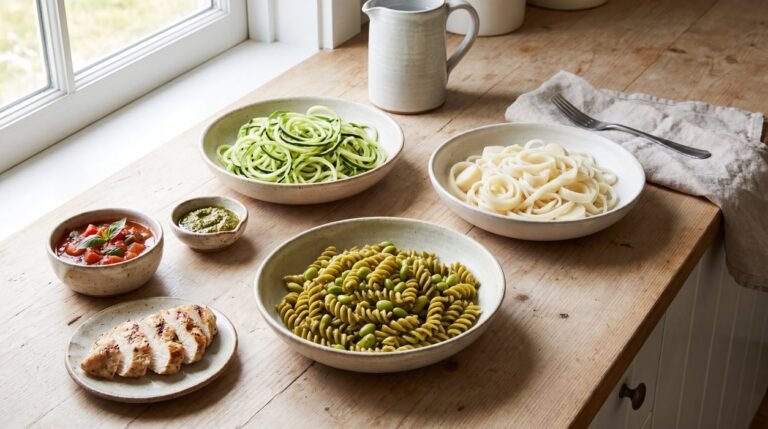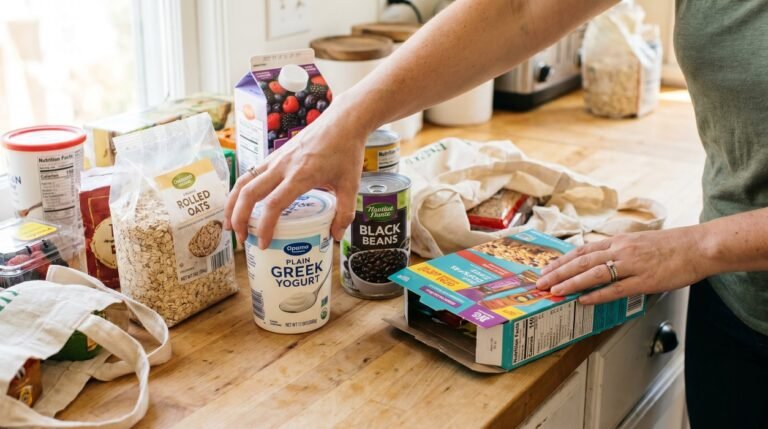
High Protein Breakfast Tips: 10 Easy Ways

Morning hunger can feel confusing when breakfast looked “healthy” on the plate but did not actually carry the morning. This may not be random; many common breakfasts are light on protein, fiber, texture, or all three.
The encouraging news: high protein breakfast tips can make breakfast more filling without turning it into a strict meal plan. A few smart upgrades can help the same foods feel steadier, more satisfying, and easier to repeat.
What are high protein breakfast tips?
High protein breakfast tips are practical ways to add a clear protein source to the first meal of the day, then pair it with fiber-rich carbohydrates, healthy fats, and enough flavor to feel satisfying.
The best high protein breakfast tips start with foods people already like: eggs, Greek yogurt, tofu, tempeh, cottage cheese, beans, lentils, salmon, turkey, kefir, soy milk, or leftovers. Many people notice better fullness within the first few mornings, although broader metabolic changes usually take weeks of consistent habits.
Quick Win: Tomorrow morning, add one protein anchor to breakfast before changing anything else. Try eggs with beans, tofu in a wrap, Greek yogurt in oats, cottage cheese with fruit, or leftover salmon in a breakfast bowl.
Key takeaways
- A filling breakfast usually needs protein, fiber, and enough total food.
- Protein may help support satiety and reduce the urge to graze soon after breakfast.[2]
- Breakfast does not have to be sweet, low-carb, or perfectly planned.
- Beans, lentils, tofu, tempeh, fish, eggs, and leftovers can all work in the morning.
- The easiest strategy is to upgrade familiar meals instead of starting over.
Why protein at breakfast matters
Protein supplies amino acids the body uses for muscle repair, enzymes, immune function, and daily maintenance.[8] Formal dietary reference standards also recognize protein and amino acids as essential parts of human nutrition.[1]
Breakfast is often where protein gets missed. Cereal, toast, pastries, sweetened coffee drinks, and granola bars can fit sometimes, but eaten alone they may digest quickly and leave some people hungry again.
This is not a personal failure. A breakfast that does not provide enough staying power can make cravings feel louder, especially during rushed workdays or after poor sleep.
Research suggests protein-rich eating patterns may support appetite regulation and satiety for some people.[2] For a deeper check-in, these signs you may need more protein can help connect daily symptoms with food patterns.

High protein breakfast tips that work on busy mornings
These high protein breakfast tips are designed for real life: mixed appetites, early meetings, school runs, commutes, blood sugar concerns, and mornings when cooking feels like too much.
1. Build around one protein anchor
Start with one food that clearly brings protein to the meal. Eggs, tofu, tempeh, Greek yogurt, cottage cheese, kefir, beans, lentils, salmon, turkey, chicken, soy milk, or protein powder can all work.
The rest of the meal becomes easier once the anchor is chosen. Add color, texture, fiber, and flavor around it.
2. Turn eggs into a complete plate
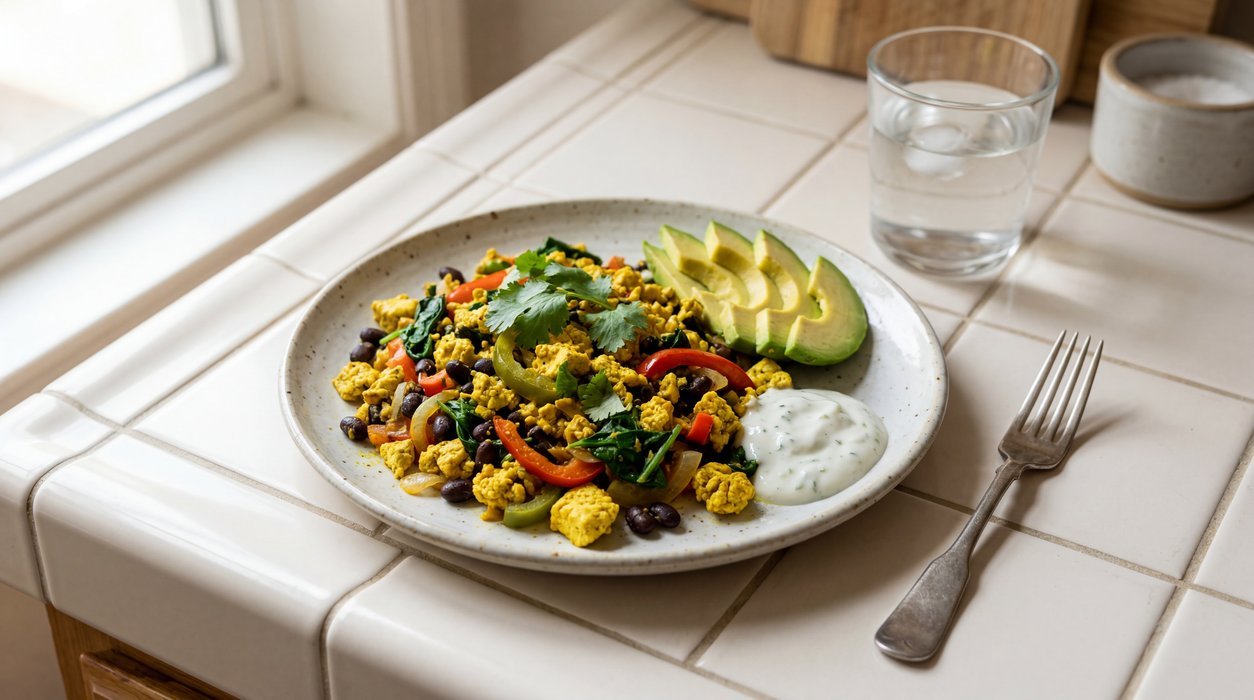
Eggs are convenient, but they are more filling when paired with supportive foods. Try eggs with black beans, avocado, sautéed peppers, greens, potatoes, or sourdough.
For a stronger savory option, make shakshuka with chickpeas, feta, herbs, and a side of whole-grain toast. It feels more like a real meal than a rushed protein add-on.
3. Use Greek yogurt, skyr, or cottage cheese creatively
Plain Greek yogurt, skyr, and cottage cheese can be useful because they are ready fast. They also work in both sweet and savory breakfasts.
Try cottage cheese with tomato, cucumber, olive oil, pepper, and rye toast. For a sweeter bowl, use figs, pomegranate, pistachios, cinnamon, and a small drizzle of honey instead of the same berries every time.
4. Stir protein into oats after cooking
Oats can be balanced when protein is added. Stir in Greek yogurt after cooking, use milk or soy milk instead of water, add cottage cheese, or mix in a protein powder that fits personal preferences.
Keep the texture satisfying. Chia seeds, ground flaxseed, walnuts, tahini, grated apple, or roasted pears can make oatmeal feel less like a quick carbohydrate bowl.
5. Make tofu or tempeh breakfast-friendly
Tofu scramble is one of the most flexible plant-forward breakfasts. Crumble tofu with turmeric, cumin, onions, peppers, spinach, and olive oil, then serve it in a wrap or over roasted potatoes.
Tempeh can be sliced, seasoned, and pan-seared beside greens, avocado, beans, or leftover grains. Plant-based breakfasts can be high in protein without relying on highly processed substitutes.
6. Add beans or lentils before noon
Beans at breakfast are normal in many food cultures, even if they are not common in some Western routines. Black beans, lentils, chickpeas, and white beans add both protein and fiber.
Try lentils with roasted sweet potato and greens, chickpeas smashed onto toast, or black beans in an egg-and-vegetable burrito. This is especially helpful when breakfast needs to support fullness for several hours.
7. Upgrade toast with a real protein layer
Toast can absolutely fit into a balanced breakfast. The key is making the topping do more work.
Try smoked salmon with cucumber and herbed yogurt, hummus with boiled egg, ricotta with roasted tomatoes, tuna with avocado, or mashed white beans with olive oil and herbs.
8. Use leftovers without apology
Breakfast does not need to look like breakfast. Leftover salmon, tofu, lentil curry, chicken, turkey chili, or bean stew can become a morning bowl in minutes.
This can be freeing for anyone tired of eggs and yogurt. It also lowers decision fatigue because the protein is already cooked.
9. Choose smoothies with structure
A smoothie may not keep someone full if it is mostly fruit juice and banana. A more balanced smoothie includes protein, fiber, and fat.
Useful additions include kefir, Greek yogurt, silken tofu, soy milk, protein powder, chia seeds, ground flaxseed, nut butter, and berries. A thick smoothie bowl often feels more satisfying than a thin drink.
10. Prep one protein anchor for the week
Meal prep does not have to mean rows of identical containers. One protein anchor is enough to make breakfast easier.
Prepare boiled eggs, baked tofu, roasted chickpeas, turkey patties, lentils, cottage cheese dip, or egg muffins. Then mix and match with toast, grains, fruit, vegetables, or wraps.
How protein can support steadier blood sugar patterns
Blood sugar response depends on the whole meal, not one nutrient in isolation. Protein may improve fullness, while fiber-rich carbohydrates can slow digestion and support a more gradual glucose response.
A protein-rich breakfast trial found that higher-protein breakfast meals increased satiety and reduced hunger compared with a low-protein breakfast in normal-weight to overweight premenopausal women.[3]
Evidence-based diabetes and prediabetes guidance emphasizes individualized eating patterns, fiber-rich foods, minimally processed carbohydrates, and adequate protein rather than one perfect diet.[4]
One thing worth pushing back on here: breakfast advice often turns into “just cut carbs.” That is too simple. For many people, the more useful move is pairing carbohydrates with protein, fiber, fat, and enough volume so the meal feels complete.
| Breakfast Base | Protein Upgrade | Flavor and Fiber Add-On |
|---|---|---|
| Oatmeal | Greek yogurt, soy milk, cottage cheese, or protein powder | Figs, chia, cinnamon, walnuts, roasted pear |
| Toast | Eggs, smoked salmon, hummus, ricotta, or mashed beans | Tomato, greens, cucumber, herbs, avocado |
| Breakfast bowl | Tofu, lentils, beans, chicken, turkey, or salmon | Roasted vegetables, salsa, cabbage, whole grains |
| Smoothie | Kefir, Greek yogurt, silken tofu, soy milk, or protein powder | Flaxseed, nut butter, berries, cocoa, mint |
A realistic 7-day breakfast upgrade plan
The goal is not a perfect breakfast. The goal is to make the next breakfast slightly more supportive than the last one.
For the next 7 days, choose two protein anchors, two fiber-rich carbohydrates, and two flavor builders. This creates enough variety without creating a complicated plan.
Step 1: Choose two protein anchors
Pick options that match the actual week. Examples include eggs and lentils, Greek yogurt and tofu, cottage cheese and smoked salmon, or kefir and turkey patties.
Step 2: Add one fiber-rich carbohydrate
Fiber-rich carbohydrates can include oats, beans, lentils, berries, fruit, whole-grain toast, potatoes, leftover grains, or vegetables. Higher fiber intake is associated with better cardiometabolic outcomes in large evidence reviews.[5]
Step 3: Make the meal taste finished
Use herbs, salsa, lemon, tahini, cinnamon, cocoa, chili crisp, olive oil, seeds, nut butter, or yogurt sauce. Satisfaction matters because a breakfast that feels like punishment usually does not become a habit.
Step 4: Watch for early progress signs
Many people first notice fewer urgent snack thoughts, steadier focus, or a calmer wait until lunch. Body composition, A1C, fasting glucose, or insulin sensitivity usually require a broader pattern over weeks or months.
These high protein breakfast tips work best when they are paired with sleep, movement, strength training, and meals that include plants. For more savory combinations, these savory breakfast ideas for cravings can make the habit feel less repetitive.

Conclusion
A better breakfast does not need to be dramatic. Start with one protein anchor, then add fiber, flavor, and enough food to make the meal feel satisfying.
High protein breakfast tips are most useful when they fit real mornings. Eggs with beans, tofu scrambles, cottage cheese toast, lentil bowls, salmon leftovers, or Greek yogurt with figs and pistachios can all move breakfast in a steadier direction.
Small upgrades count. Repeatable breakfasts are often more powerful than complicated ones.
Frequently asked questions
What are the best high protein breakfast tips for beginners?
The best high protein breakfast tips for beginners are to upgrade familiar meals first. Add Greek yogurt to oats, eggs to toast, tofu to a wrap, cottage cheese to fruit, or beans to a breakfast bowl. Start with one protein anchor, then add fiber and flavor. This is usually easier than replacing the whole breakfast overnight.
How much protein should breakfast include?
Protein needs vary by body size, age, activity level, health status, and goals. Instead of chasing a perfect number, many adults can start by adding a clear protein source to breakfast. People with kidney disease or medical nutrition restrictions should ask a qualified healthcare provider before increasing protein intake. USDA FoodData Central can help check approximate protein values for specific foods and serving sizes.[6]
Can plant-based breakfasts be high in protein?
Yes. Tofu, tempeh, edamame, beans, lentils, soy milk, nuts, seeds, pea protein, and whole grains can all contribute protein. A varied plant-based pattern helps cover amino acid needs across the day. Harvard T.H. Chan notes that plant-based eaters can meet needs by eating a variety of protein-containing plant foods.[7]
Is it okay to eat dinner leftovers for breakfast?
Yes, dinner leftovers can be a useful breakfast when they contain protein and are stored safely. Salmon, tofu, chicken, turkey, lentils, beans, and egg dishes can all become quick breakfast bowls or wraps. This can help people who dislike sweet breakfasts. Reheat leftovers thoroughly and follow food safety guidance.
Medical Disclaimer: The information provided in this article is for educational purposes only and does not constitute medical advice. Always consult a qualified healthcare provider before making changes to your diet, lifestyle, or treatment plan. TheMetabolicHub.com does not replace professional medical guidance.
References
- Trumbo P, Schlicker S, Yates AA, Poos M. Dietary reference intakes for energy, carbohydrate, fiber, fat, fatty acids, cholesterol, protein and amino acids. J Am Diet Assoc. 2002. PMID: 12449285
- Leidy HJ, Clifton PM, Astrup A, et al. The role of protein in weight loss and maintenance. Am J Clin Nutr. 2015. PMID: 25926512
- Rains TM, Leidy HJ, Sanoshy KD, et al. A randomized, controlled, crossover trial to assess the acute appetitive and metabolic effects of sausage and egg-based convenience breakfast meals in overweight premenopausal women. Nutr J. 2015. PMID: 25889354
- Evert AB, Dennison M, Gardner CD, et al. Nutrition Therapy for Adults With Diabetes or Prediabetes: A Consensus Report. Diabetes Care. 2019. PMID: 31000505
- Reynolds A, Mann J, Cummings J, et al. Carbohydrate quality and human health: a series of systematic reviews and meta-analyses. Lancet. 2019. PMID: 30638909
- U.S. Department of Agriculture. FoodData Central. USDA FoodData Central
- Harvard T.H. Chan School of Public Health. Protein. The Nutrition Source
- MedlinePlus Medical Encyclopedia. Protein in diet. MedlinePlus