CoQ10 Benefits for Heart and Metabolic Health
When energy feels unpredictable, workouts feel harder than they should, or heart and blood sugar numbers start getting more attention, it can feel frustrating to know what actually helps. This may not be random; cellular energy, oxidative stress, blood vessel function, sleep, and medication history can all shape how resilient the body feels. The encouraging news: CoQ10 benefits sit at the intersection of heart support, mitochondrial energy, and metabolic health.
CoQ10 benefits: what can it realistically support?
CoQ10 benefits may include support for cellular energy production, antioxidant defense, heart muscle function, blood vessel health, and some cardiometabolic markers such as glucose and lipid regulation.
CoQ10 benefits are not instant, guaranteed, or a substitute for prescribed care. When helpful, changes are usually gradual and may be noticed over several weeks, especially when CoQ10 is paired with steady meals, movement, sleep, and medication adherence when prescribed.
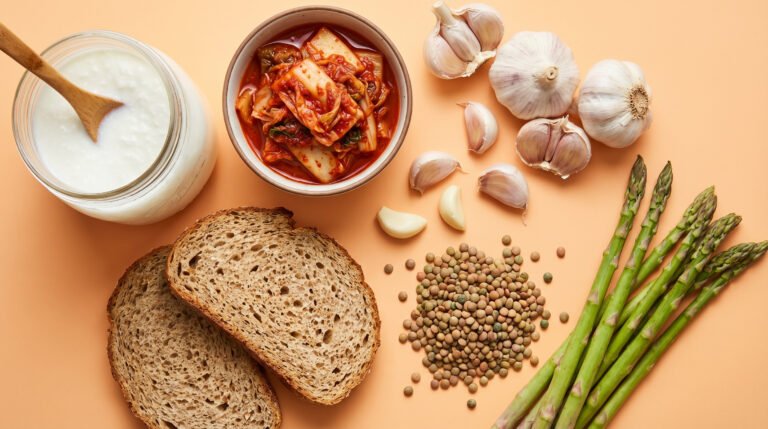
Quick Win: This week, build one meal around a CoQ10-containing food such as sardines, salmon, chicken, beef, pistachios, broccoli, or cauliflower, and pair it with olive oil, avocado, eggs, or yogurt to support fat-soluble nutrient absorption.
Key Takeaways
- CoQ10 helps mitochondria produce ATP, the body’s usable cellular energy.
- The strongest clinical interest is in heart failure research, where CoQ10 is studied as an add-on, not a replacement for medical care.
- Evidence for blood sugar, insulin sensitivity, and lipid markers is promising but mixed.
- CoQ10 is fat-soluble, so it is usually taken with a meal that contains fat.
- People using warfarin, insulin, blood pressure medication, or heart medication should ask a clinician before supplementing.
What does CoQ10 do in the body?
CoQ10, also called coenzyme Q10, ubiquinone, or ubiquinol, is a vitamin-like compound made by the body and found in small amounts in food. It is especially concentrated in tissues with high energy demand, including the heart, liver, kidneys, and skeletal muscle.[1]
Its main job is to help shuttle electrons inside mitochondria, where food-derived fuel is converted into ATP. That is why CoQ10 is often discussed in relation to fatigue, exercise tolerance, cardiovascular function, and metabolic resilience.[3]
Mechanism Box: CoQ10 works inside the mitochondrial energy chain and also acts as an antioxidant in lipid-rich areas of the body. That means it may help cells produce energy while also helping protect membranes and lipoproteins from excess oxidative stress.
CoQ10 and mitochondrial energy
Mitochondria do more than “burn calories.” They help coordinate energy production, oxidative balance, cell signaling, and metabolic flexibility.
When mitochondrial demand is high, the heart and muscles need efficient energy transfer. CoQ10 supports that process by helping move electrons through the respiratory chain.[4]
CoQ10 and antioxidant protection
CoQ10 also acts as an antioxidant within cell membranes and lipid particles. This may matter because excess oxidative stress is linked with cardiovascular disease, insulin resistance, and metabolic dysfunction.[4]
Oxidative stress is not always harmful; the body uses it for normal signaling and adaptation. The issue is chronic oxidative pressure that outpaces repair and resilience.
How may CoQ10 support heart health?
The heart works continuously, which makes mitochondrial energy especially important. That is one reason CoQ10 benefits are often discussed in relation to cardiovascular health.
Research has examined CoQ10 in heart failure, blood pressure, endothelial function, oxidative stress, and statin-associated muscle symptoms. The results are not identical across all outcomes, so CoQ10 is best framed as a clinician-guided support option, not a stand-alone heart treatment.[2][8]
Evidence Note: A Cochrane review of 11 randomized trials involving 1,573 participants found that CoQ10 probably reduces all-cause mortality and heart-failure hospitalization. The review also noted risk-of-bias and precision concerns, while the American Heart Association describes benefits as still unclear and needing more research.[2][8]
Heart muscle energy and heart failure research
In heart failure, the heart has difficulty pumping blood efficiently. Because CoQ10 participates in mitochondrial energy production, researchers have studied whether supplementation may support heart muscle function as part of broader medical care.
This does not mean CoQ10 replaces heart medication, cardiology care, sodium guidance, blood pressure management, or symptom monitoring. For anyone with diagnosed heart disease, the practical takeaway is to discuss CoQ10 within a full medication and risk review.
Blood pressure and blood vessel function
Healthy blood vessels need flexible endothelial tissue that can respond to changes in blood flow, glucose, sleep, stress, and inflammation. CoQ10 may support this system partly through antioxidant and nitric-oxide-related pathways.[3]
For blood pressure, CoQ10 should be considered supportive, not corrective. It cannot replace sodium reduction, movement, sleep treatment, medication when needed, or a broader cardiometabolic plan.
Statins, muscle symptoms, and CoQ10
Statins are widely used to lower cardiovascular risk in people who need them. Because statins and CoQ10 share part of the same biochemical production pathway, statin therapy can lower circulating CoQ10 levels.
Whether CoQ10 improves statin-associated muscle symptoms is still debated. One meta-analysis did not find clear benefit, while another reported possible symptom improvement, so CoQ10 should not be presented as a guaranteed answer.[6][7]
One thing worth pushing back on here: CoQ10 is often marketed as an “energy fix,” but that misses the point. It may support mitochondrial pathways, yet its value depends on baseline health, sleep, diet quality, medications, inflammation, and the reason someone is considering it.
How may CoQ10 support metabolic health?
Metabolic health is not only about glucose. It includes insulin sensitivity, waist circumference, triglycerides, HDL cholesterol, blood pressure, liver fat patterns, sleep quality, inflammation, and energy regulation.
CoQ10 may be relevant because mitochondrial function and oxidative stress influence how cells handle fuel. For readers working on sleep and insulin sensitivity, this connection matters because recovery and energy metabolism are closely linked.
Blood sugar balance and insulin sensitivity
Research suggests CoQ10 supplementation may support modest improvements in fasting glucose, HbA1c, or insulin-related markers in some groups, especially people with diabetes. The findings are not uniform, and lifestyle foundations remain central.[5]
This is not a personal failure if blood sugar feels harder to manage than expected. Insulin resistance is influenced by sleep, stress, muscle mass, genetics, medications, food environment, and daily routines.
Lipids, inflammation, and oxidative stress
LDL cholesterol, triglycerides, and blood glucose are not just numbers on a lab report. They interact with oxidative stress, blood vessel function, and inflammatory signaling over time.
Because CoQ10 is fat-soluble and active in lipid-rich environments, researchers have studied its relationship with lipid metabolism and oxidative modification of fats. The clinical meaning can vary depending on the person and the outcome measured.[4]
Energy, movement, and recovery
Low energy can come from under-eating, anemia, thyroid issues, poor sleep, depression, medication effects, dehydration, overtraining, or blood sugar swings. CoQ10 should not be used to self-diagnose the cause.
Still, CoQ10 benefits may feel relevant for adults improving movement capacity or recovery. A stronger starting point is combining steady meals with walking, strength training, and beginner-friendly Zone 2 movement.
| Health Area | How CoQ10 May Help | Realistic Expectation |
|---|---|---|
| Heart function | May support mitochondrial energy in heart muscle. | Best discussed with a clinician, especially with diagnosed heart disease. |
| Blood pressure | May support endothelial function and oxidative balance. | Potentially helpful, but not a replacement for medication or lifestyle care. |
| Glucose metabolism | May support insulin signaling indirectly through mitochondrial pathways. | Evidence is promising but mixed; lifestyle remains the core strategy. |
| Statin-related symptoms | May help some adults with muscle discomfort, but evidence is mixed. | Medication changes need medical supervision. |
Who may want to discuss CoQ10 with a clinician?
CoQ10 may be worth discussing for adults focused on heart health, metabolic health, healthy aging, statin-related muscle symptoms, or low energy that may be connected with mitochondrial strain.
Medical guidance matters most for anyone with heart failure, diabetes, kidney disease, liver disease, cancer treatment, pregnancy, breastfeeding, or prescription medication use.[1]
Adults taking statins
People taking statins sometimes ask about CoQ10 because statins can lower CoQ10 levels. That does not automatically mean every statin user needs a supplement.
A clinician can help check whether symptoms may relate to medication dose, thyroid status, vitamin D, training load, drug interactions, or another cause.
Adults managing blood sugar or blood pressure
Anyone taking glucose-lowering or blood pressure-lowering medication should be cautious with supplement changes. Even mild effects can matter when combined with medication, weight loss, fasting, or dietary change.
Tracking home blood pressure, fasting glucose, post-meal glucose, or energy patterns can make the conversation more specific. Meaningful metabolic progress often requires several weeks to months of steady habits.
Adults with diagnosed cardiovascular disease
CoQ10 should be treated as a supportive discussion, not a self-directed heart treatment. Chest pain, shortness of breath, swelling, fainting, or new exercise intolerance requires medical evaluation.
For diagnosed heart conditions, the safest path is shared decision-making. That includes medication review, supplement quality, dosage, interactions, symptoms, and follow-up monitoring.
What form of CoQ10 is best?
CoQ10 supplements typically come as ubiquinone or ubiquinol. Ubiquinone is the oxidized form, while ubiquinol is the reduced form.
Both forms can be used by the body. Ubiquinol is often marketed as more absorbable, while ubiquinone is common in research and may be more affordable.
Common supplemental ranges
Many commercially available CoQ10 supplements provide 100 to 200 mg per day. Studies use different doses depending on the condition, population, and outcome being measured.[1]
Higher amounts should be medically guided, especially with chronic disease, anticoagulants, glucose-lowering medication, blood pressure medication, or multiple supplements.
Food sources of CoQ10
CoQ10 appears in small amounts in organ meats, fatty fish, meat, poultry, nuts, seeds, legumes, and vegetables. Food alone is unlikely to match supplemental doses, but it supports a broader nutrient pattern.
For metabolic health, the bigger food picture matters more than one nutrient. Protein adequacy, fiber, unsaturated fats, and stable meal timing often make a larger day-to-day difference.

How to use CoQ10 safely and realistically
The most useful way to think about CoQ10 is as a support layer. It may work best when paired with habits that reduce metabolic strain and improve mitochondrial demand.
Many people notice early changes, if any, within several weeks. More meaningful shifts in cardiometabolic markers often require sustained routines, follow-up labs, and medication review when relevant.
A simple four-week support plan
- Week 1: Track energy, sleep, resting heart rate, blood pressure if available, and muscle symptoms before adding anything new.
- Week 2: Review medication interactions, especially with warfarin, insulin, blood pressure medication, or glucose-lowering medication.
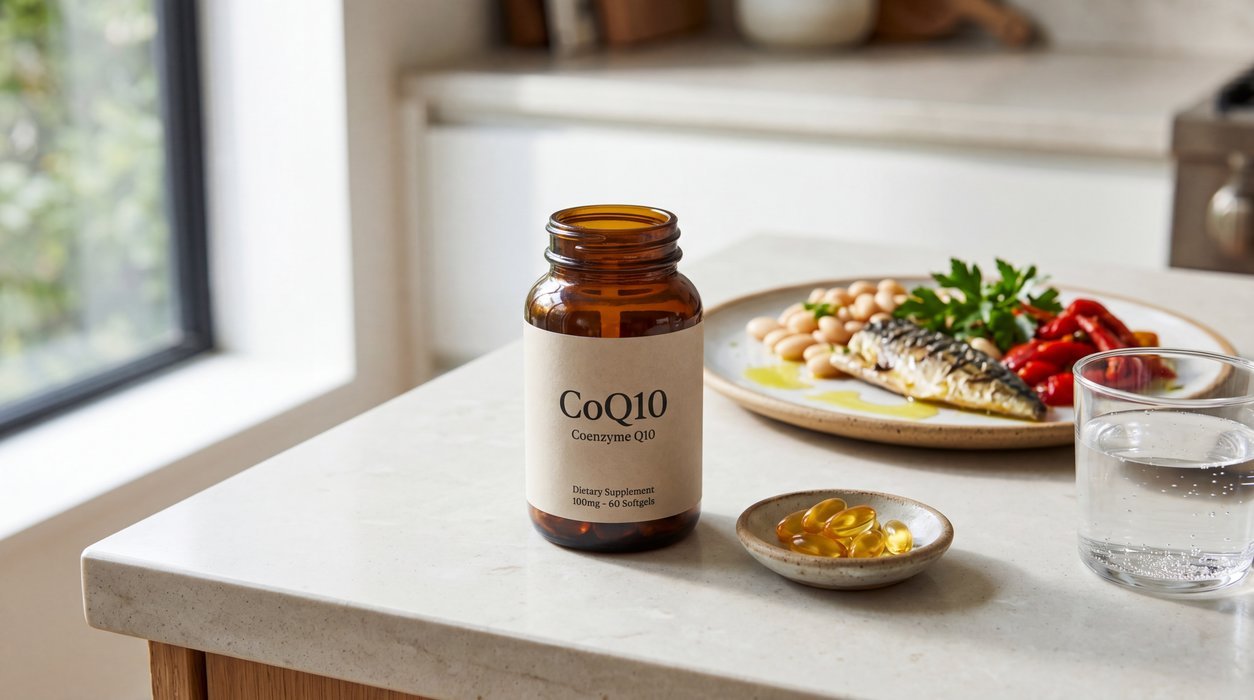
- Week 3: If medically appropriate, take CoQ10 consistently with a meal containing fat.
- Week 4: Review whether energy, exercise tolerance, digestion, sleep, or home measurements have changed enough to justify continuing.
Early signs often include steadier perceived energy, easier recovery, or no noticeable change at all. Lack of response does not mean the body is broken; it may mean another factor deserves attention.
What to combine with CoQ10 for metabolic health
- Protein at breakfast or the first meal to support appetite and glucose stability.
- Ten to twenty minutes of walking after carbohydrate-rich meals when possible.
- Two to four weekly resistance training sessions scaled to current ability.
- Fiber-rich carbohydrates such as beans, lentils, oats, berries, and vegetables.
- Consistent sleep timing to support insulin sensitivity and blood pressure regulation.

These habits create the metabolic environment where CoQ10 benefits are more likely to matter. Supplements cannot compensate for chronic sleep restriction, low protein intake, or a sedentary routine.
Safety and interaction reminders
CoQ10 is generally well tolerated for many adults, but side effects can include digestive upset or insomnia. Taking it earlier in the day may be more comfortable for people who notice sleep disruption.[1]
CoQ10 may interact with warfarin, insulin, some cancer treatments, and blood pressure medication. Medical guidance is especially important when cardiovascular risk, lab values, glucose medication, anticoagulants, or heart-failure treatment are involved.[1][8]

Conclusion
CoQ10 sits in a meaningful place between heart health, mitochondrial energy, and metabolic resilience. It is not a shortcut, but it may support systems that help the body handle fuel, movement, and oxidative stress more effectively.
The most grounded way to approach CoQ10 benefits is to pair them with the basics: protein, fiber, strength training, walking, sleep, medication adherence when prescribed, and regular lab follow-up.
For adults managing heart or metabolic risk, CoQ10 is a thoughtful conversation to have with a healthcare provider, especially when medications or diagnosed conditions are part of the picture.
Frequently Asked Questions
What are the most important CoQ10 benefits?
The most discussed CoQ10 benefits include support for cellular energy, antioxidant protection, heart muscle function, and some cardiometabolic markers. The strongest clinical interest is in cardiovascular research, especially heart failure studies where CoQ10 has been evaluated as an add-on to standard care. Evidence for glucose metabolism and insulin sensitivity is promising but mixed, so CoQ10 should be viewed as one possible support tool rather than a primary treatment.
Can CoQ10 help with insulin resistance?
CoQ10 may support pathways involved in insulin sensitivity, mainly through mitochondrial function and oxidative stress balance. Some studies suggest possible improvements in glucose-related markers, while others show smaller or inconsistent effects. For insulin resistance, nutrition quality, resistance training, walking, sleep, and weight management remain the core evidence-based levers.
Is ubiquinol better than ubiquinone?
Ubiquinol is the reduced form of CoQ10, while ubiquinone is the oxidized form. Ubiquinol may be marketed as more absorbable, but both forms can be used by the body. The best choice may depend on budget, dose, product quality, digestion, and clinician guidance.
Should people taking statins take CoQ10?
People taking statins sometimes consider CoQ10 because statins can lower circulating CoQ10 levels. Research on statin-associated muscle symptoms is mixed, with some analyses showing possible benefit and others finding no clear improvement. Anyone with muscle pain, weakness, cramps, dark urine, or new exercise intolerance should speak with a healthcare provider rather than stopping or changing statin therapy independently.
When is the best time to take CoQ10?
CoQ10 is usually taken with a meal that contains fat because it is fat-soluble. Some people prefer taking it earlier in the day, especially if they feel it affects sleep. Consistency matters more than perfect timing, and medication interactions should be reviewed first.
Medical Disclaimer: The information provided in this article is for educational purposes only and does not constitute medical advice. Always consult a qualified healthcare provider before making changes to your diet, lifestyle, or treatment plan. TheMetabolicHub.com does not replace professional medical guidance.
References
- National Center for Complementary and Integrative Health. Coenzyme Q10. NCCIH
- Al Saadi T, Assaf Y, Farwati M, Turkmani K, Al-Mouakeh A, Shebli B, Khoja M, Essali A, Madmani ME. Coenzyme Q10 for heart failure. Cochrane Database of Systematic Reviews. 2021. DOI: 10.1002/14651858.CD008684.pub3
- Rabanal-Ruiz Y, Llanos-González E, Alcain FJ. The use of coenzyme Q10 in cardiovascular diseases. Antioxidants. 2021. PMID: 34068578
- Zozina VI, Covantev S, Goroshko OA, Krasnykh LM, Kukes VG. Coenzyme Q10 in cardiovascular and metabolic diseases: current state of the problem. Current Cardiology Reviews. 2018. PMID: 29663894
- Liang Y, et al. Effects of coenzyme Q10 supplementation on glycemic control: a GRADE-assessed systematic review and dose-response meta-analysis of randomized controlled trials. EClinicalMedicine. 2022. PMID: 35958521
- Kennedy C, et al. Effect of coenzyme Q10 on statin-associated myalgia and adherence to statin therapy: a systematic review and meta-analysis. Atherosclerosis. 2020. PMID: 32179207
- Qu H, Guo M, Chai H, Wang WT, Gao ZY, Shi DZ. Effects of coenzyme Q10 on statin-induced myopathy: an updated meta-analysis of randomized controlled trials. Journal of the American Heart Association. 2018. PMID: 30371340
- American Heart Association. Complementary and Alternative Medicines in Heart Failure Management. AHA