How to Navigate the Grocery Store for Metabolic Health
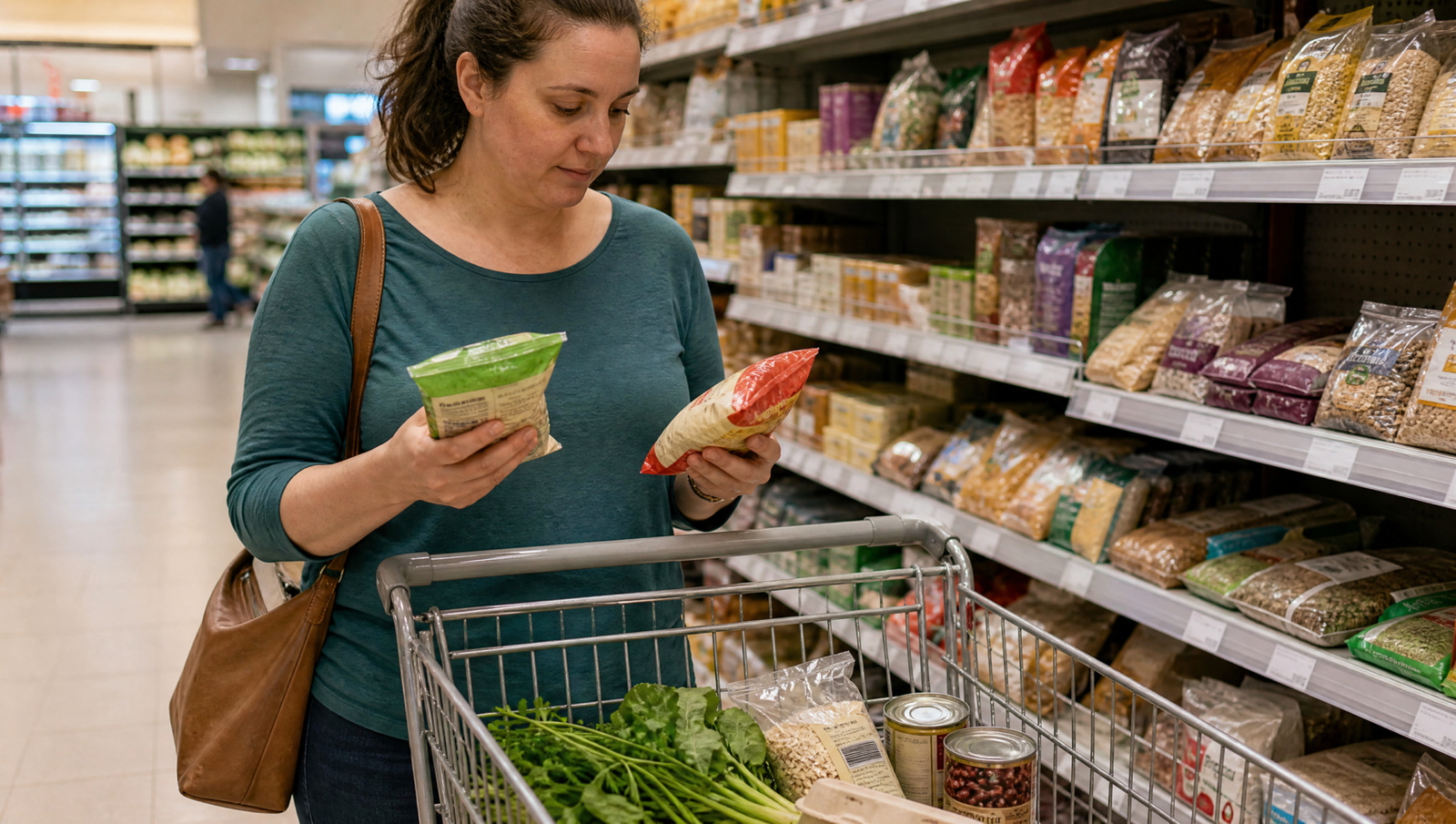
Walking into a grocery store can feel stressful when every aisle is promising something “healthy.” A cereal box says high-protein, a snack says keto-friendly, and a drink that looks harmless may leave energy crashing later.
This may not be random. The encouraging news: healthy grocery shopping can become a simple system for building meals that support steadier blood sugar, better satiety, and more consistent energy.
Quick Win: Before adding packaged foods to your cart, check two numbers first: added sugar and fiber. Choose options with little or no added sugar and enough fiber to help the meal feel more filling.
Healthy Grocery Shopping for Metabolic Health: The Direct Answer
The best way to shop for metabolic health is to build your cart around protein, fiber-rich carbohydrates, non-starchy vegetables, and minimally processed fats. This structure may support steadier glucose responses, better fullness, and fewer impulsive food decisions.
Healthy grocery shopping works best when it is meal-based, not product-based. Within 1–2 weeks, many people notice more predictable hunger, steadier afternoon energy, and fewer last-minute takeout decisions.
A helpful starting point is the plate method: half non-starchy vegetables, one quarter protein, and one quarter carbohydrate foods such as beans, lentils, starchy vegetables, fruit, or whole grains.[1]
That same idea can guide your cart. Instead of thinking aisle by aisle, think meal by meal: protein, plant, fiber-rich carb, and flavor.
How Should You Navigate the Grocery Store Aisles?
Most grocery stores are designed to encourage browsing. That can make it easy to buy foods that look useful in the moment but do not become balanced meals later.
A metabolic-health approach starts with the sections that create meal structure. Then it uses the inner aisles for supportive staples, not as the main source of the cart.
Start with produce, but do not stop there
Produce gives meals volume, micronutrients, water, and fiber. Non-starchy vegetables such as leafy greens, broccoli, peppers, zucchini, mushrooms, cabbage, and green beans are especially useful meal anchors.
Fresh produce is not the only valid option. Frozen vegetables, bagged salads, pre-cut slaw, frozen berries, and canned vegetables can make healthy grocery shopping more realistic during busy weeks.
Move to protein before snacks
Protein helps meals feel more satisfying and may support lean tissue maintenance, especially when paired with resistance training and regular movement. Research suggests protein can influence appetite hormones and short-term fullness.[2]
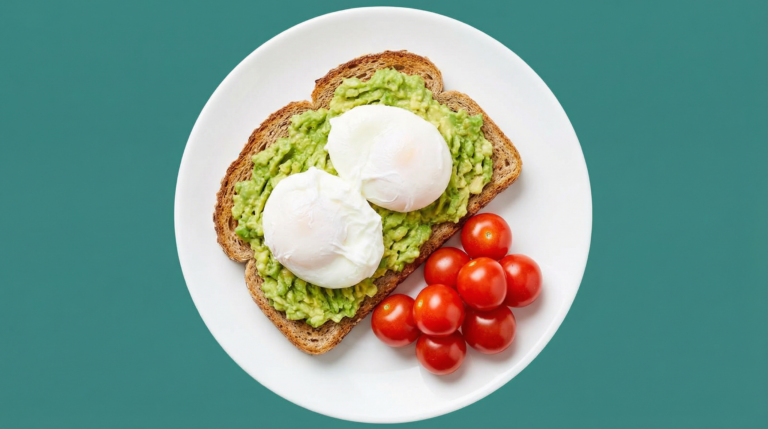
Good grocery options include eggs, Greek yogurt, cottage cheese, fish, poultry, tofu, tempeh, beans, lentils, and leaner cuts of meat. For anyone managing blood sugar, protein at breakfast and lunch can reduce the urge to graze later.
Use the inner aisles with a list
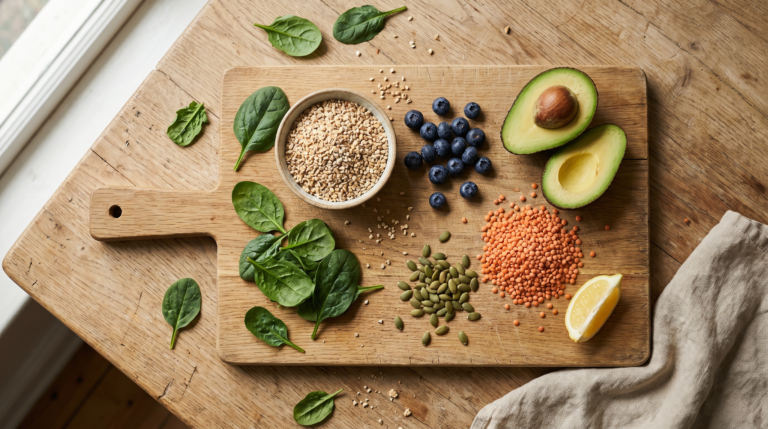
The inner aisles are not the enemy. Many affordable metabolic health staples live there: oats, lentils, beans, canned fish, olive oil, nuts, seeds, herbs, spices, vinegar, whole grains, and unsweetened tomato products.
The challenge is that these aisles also contain many foods designed to be easy to overeat. A short list protects attention and keeps the cart aligned with real meals.
What Should a Metabolic Health Grocery List Include?
A strong metabolic health grocery list usually has four core categories. Each one plays a different role in blood sugar balance, appetite, and meal satisfaction.
| Cart Category | Examples | Why It Helps |
|---|---|---|
| Protein | Eggs, fish, chicken, tofu, Greek yogurt, lentils, beans | Supports fullness and helps build balanced meals |
| Fiber-rich carbohydrates | Oats, quinoa, berries, beans, lentils, sweet potatoes | May support steadier post-meal glucose responses |
| Non-starchy vegetables | Leafy greens, broccoli, peppers, cabbage, mushrooms | Adds volume, fiber, and micronutrients |
| Minimally processed fats | Olive oil, avocado, nuts, seeds, tahini | Supports satisfaction and meal flavor |
Protein: the anchor of the cart
Protein choices do not need to be complicated. Choose two or three options that fit your cooking style: one fast protein, one batch-cook protein, and one emergency protein.
For example, eggs might be fast, lentils might be batch-cooked, and canned salmon might be the emergency option. This structure makes weeknight meals easier without relying on willpower.
Fiber-rich carbohydrates: choose slower, sturdier options
Carbohydrates are not automatically a problem for metabolic health. The form, portion, processing level, and what they are paired with all matter.
Whole grains, beans, lentils, fruit, and starchy vegetables tend to bring more fiber and nutrients than refined grain products. Higher whole-grain intake has been associated with lower type 2 diabetes risk in meta-analysis research.[3]
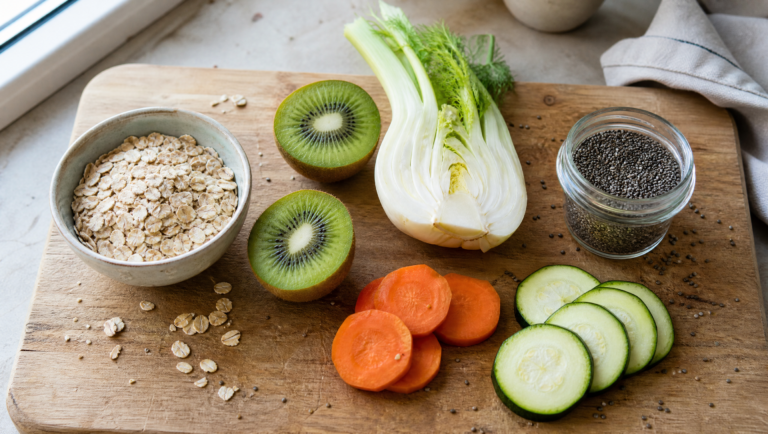
Useful options include rolled oats, steel-cut oats, quinoa, barley, brown rice, lentils, chickpeas, black beans, berries, apples, pears, squash, and sweet potatoes.
For a more detailed pantry-style framework, a list of low-glycemic foods that fit real meals can help you choose carbohydrates without turning shopping into a math exercise.
Fats: use them for satisfaction, not as the whole strategy
Fat can make meals more satisfying and enjoyable. Olive oil, nuts, seeds, avocado, and tahini can help vegetables and whole-food meals feel less like “diet food.”
Still, fat is energy-dense, so portions matter for people working on weight management. A drizzle, sprinkle, or small handful is often enough to improve flavor and satiety.
One thing worth pushing back on here: “shopping the perimeter” is partly right, but it misses something. Some of the best foods for metabolic health are in cans, jars, freezer bags, and dry goods bins.
Beans, lentils, frozen vegetables, oats, canned fish, herbs, and spices are not less valuable because they are packaged. The practical question is whether a food supports balanced meals more often than it creates cravings, crashes, or confusion.
How Do Food Labels Help With Blood Sugar Balance?
Food labels can make healthy grocery shopping easier once you know what to scan first. The goal is not to study every line, but to quickly spot foods that may be less supportive for blood sugar balance.
Look at added sugar, not just total sugar
Total sugar includes sugars naturally present in foods such as milk and fruit. Added sugar shows what was added during processing, which is often the more useful number when comparing packaged foods.
The American Heart Association recommends using the Nutrition Facts label to identify added sugars under total sugars. Similar products can differ widely across cereals, yogurts, sauces, bars, and drinks.[4]
Check fiber next
Fiber slows digestion, supports gut health, and helps meals feel more satisfying. Higher-fiber options often include beans, lentils, whole grains, fruits, vegetables, nuts, and seeds.
A meta-analysis in people with type 2 diabetes found that increased fiber intake improved glycemic control, supporting fiber as one useful dietary tool.[5]
Read the first three ingredients
The first ingredients tell the biggest story because ingredients are listed by weight. If refined flour, sugar, syrup, or oil dominate the first few ingredients, the food may be less filling than its front label suggests.
This does not mean every packaged food must be avoided. It means the package should earn its place in the cart.
Watch liquid calories
Sweetened drinks can add sugar quickly without providing much fullness. Soda, sweet tea, flavored coffee drinks, energy drinks, juice drinks, and some smoothies can be easy to underestimate.
The FDA notes that Dietary Guidelines recommend limiting added sugar to less than 10% of daily calories. Water, sparkling water, unsweetened tea, black coffee, or milk without added sugar may be more supportive everyday choices.[6]
How Can Healthy Grocery Shopping Work on a Budget?
Metabolic health eating does not require expensive specialty products. In many cases, the most useful foods are simple, repeatable, and affordable.
Budget-friendly staples include eggs, oats, frozen vegetables, cabbage, carrots, lentils, beans, canned tomatoes, canned tuna or salmon, plain yogurt, peanut butter, brown rice, and seasonal fruit.
Choose convenience where it prevents takeout
Pre-cut vegetables, frozen grain blends, rotisserie chicken, salad kits, and microwaveable lentil pouches may cost more than raw ingredients. They may still be useful if they help you eat a balanced meal.
The better question is not always “What is cheapest per ounce?” Sometimes it is “What will actually get eaten this week?”
Use a two-tier list
A two-tier list separates essentials from extras. Essentials build meals; extras add variety.
- Essentials: protein, vegetables, fiber-rich carbohydrates, simple fats, and basic seasonings.
- Extras: sauces, specialty snacks, new recipes, beverages, and convenience items.
- Backup foods: frozen meals with protein and vegetables, canned soup with beans, or quick egg-based meals.
This approach helps adults shop with flexibility instead of rigid rules. It also lowers the chance of buying many “healthy” items that do not work together.

A Simple 30-Minute Grocery Store Plan
A plan removes decision fatigue. The goal is to leave the store with enough ingredients for several balanced meals, not with a perfect nutrition portfolio.
This is not a personal failure if shopping has felt confusing. Food marketing is loud, labels are crowded, and most people were never taught how to build a cart around metabolic health.
Step 1: Pick three proteins
Choose one breakfast protein, one lunch protein, and one dinner protein. Examples include eggs, plain Greek yogurt, tofu, chicken, canned salmon, lentils, cottage cheese, or beans.
Step 2: Pick five plants
Choose at least three non-starchy vegetables and one or two fruits. Frozen berries, bagged greens, cucumbers, mushrooms, broccoli, peppers, apples, and citrus are easy defaults.
Step 3: Pick two fiber-rich carbohydrates
Choose carbohydrates that pair well with meals. Oats, beans, lentils, quinoa, barley, potatoes, squash, fruit, and whole-grain bread can all work depending on preferences and glucose response.
Step 4: Pick two flavor builders
Flavor keeps balanced eating sustainable. Look for salsa, mustard, vinegar, lemon, herbs, spices, garlic, kimchi, sauerkraut, pesto, tahini, or lower-sugar sauces.
Step 5: Pick one emergency meal
An emergency meal is not a failure food. It is a planned option for tired nights.
Examples include frozen vegetables plus eggs, canned chili with beans, a rotisserie chicken salad bowl, plain Greek yogurt with berries and nuts, or lentil soup with a side salad.
After 2–4 weeks of consistent healthy grocery shopping, many people notice steadier hunger, fewer snack emergencies, and more predictable energy. Lab markers such as fasting glucose, A1C, triglycerides, and blood pressure usually need longer-term consistency.
If snacks are part of your routine, keeping a few blood sugar-friendly snacks available can make the plan easier on busy days.
Conclusion
The grocery store becomes easier to navigate when the goal is metabolic support rather than perfect eating. Start with meal structure, then choose foods that make that structure repeatable.
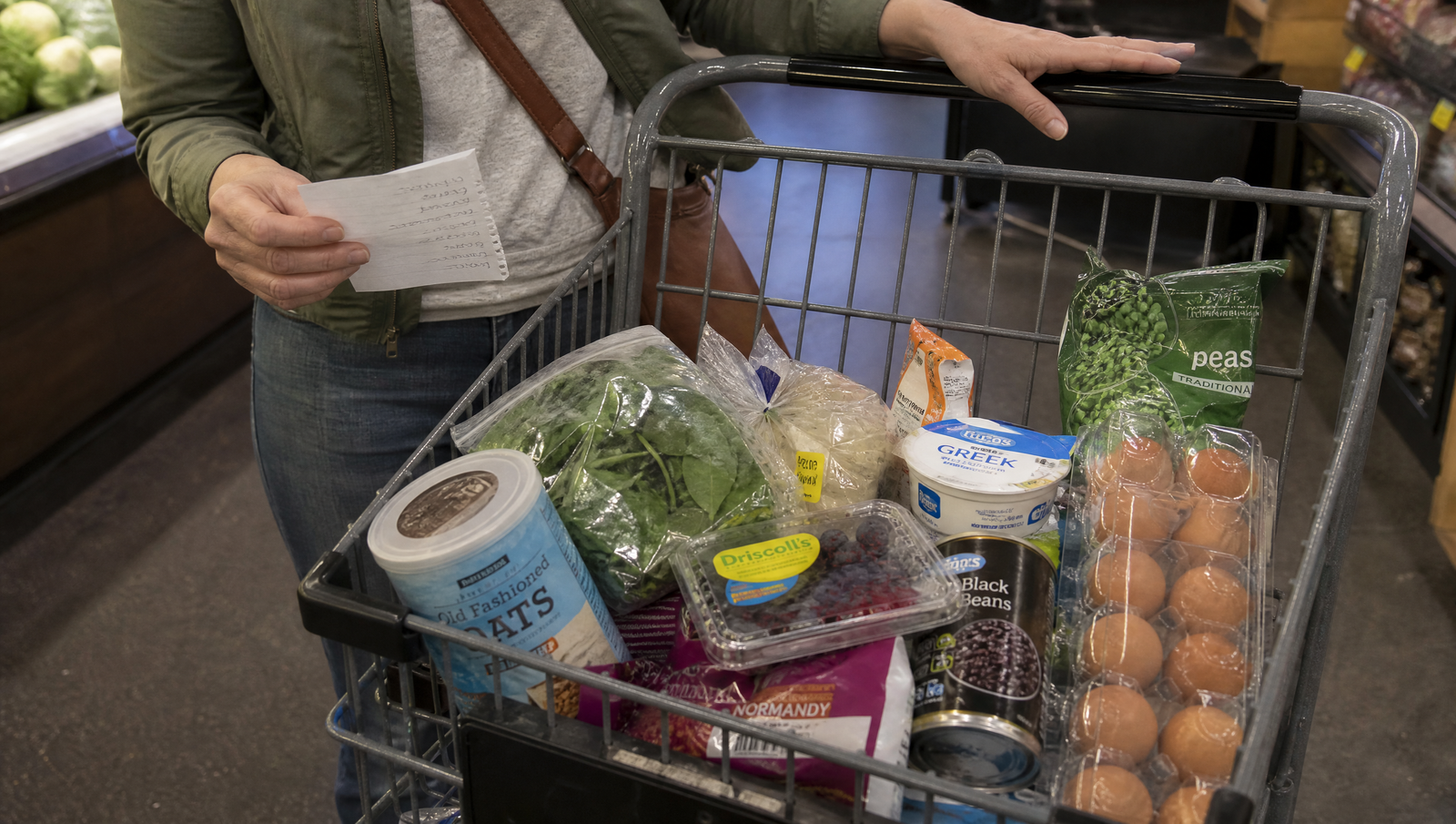
Healthy grocery shopping does not need to look dramatic. A cart with eggs, greens, beans, berries, oats, frozen vegetables, olive oil, and a few flavor builders can support a week of steadier meals.
The best plan is one that fits real life. Keep the foundation simple, repeat what works, and let small upgrades compound over time.
Frequently Asked Questions
What is healthy grocery shopping for metabolic health?
Healthy grocery shopping for metabolic health means choosing foods that help build balanced meals most of the time. A useful cart includes protein, fiber-rich carbohydrates, non-starchy vegetables, minimally processed fats, and low-sugar beverages. It does not require avoiding every processed food or following one strict diet. The goal is to make steady blood sugar, fullness, and everyday consistency easier.
Should I avoid carbohydrates when shopping for blood sugar balance?
Carbohydrates do not need to be avoided by everyone. The type, portion, processing level, and meal pairing matter. Beans, lentils, fruit, starchy vegetables, and whole grains often provide fiber and nutrients. People with diabetes or specific glucose targets should personalize carbohydrate choices with a qualified healthcare provider.
Are frozen and canned foods good for metabolic health?
Frozen and canned foods can be useful for metabolic health. Frozen vegetables, frozen berries, canned beans, canned tomatoes, and canned fish are convenient, affordable, and often nutrient-dense. When possible, compare labels for added sugar and sodium. Rinsing canned beans can also reduce some sodium.
What is the biggest mistake people make at the grocery store?
A common mistake is buying individual “healthy” products instead of ingredients that create complete meals. A cart full of snack foods, bars, juices, and specialty items may still leave someone without a satisfying breakfast, lunch, or dinner. Start with meal anchors first: protein, vegetables, fiber-rich carbohydrates, and flavor. Snacks can come after the main meals are covered.
Medical Disclaimer: The information provided in this article is for educational purposes only and does not constitute medical advice. Always consult a qualified healthcare provider before making changes to your diet, lifestyle, or treatment plan. TheMetabolicHub.com does not replace professional medical guidance.
References
- Centers for Disease Control and Prevention. Diabetes Meal Planning. CDC
- Kohanmoo A, Faghih S, Akhlaghi M. Effect of short- and long-term protein consumption on appetite and appetite-regulating gastrointestinal hormones. Physiol Behav. 2020. PMID: 32768415
- Aune D, Norat T, Romundstad P, Vatten LJ. Whole grain and refined grain consumption and the risk of type 2 diabetes: a systematic review and dose-response meta-analysis. Eur J Epidemiol. 2013. PMID: 24158434
- American Heart Association. Added Sugars. American Heart Association
- Silva FM, Kramer CK, de Almeida JC, Steemburgo T, Gross JL, Azevedo MJ. Fiber intake and glycemic control in patients with type 2 diabetes mellitus: a systematic review with meta-analysis of randomized controlled trials. Nutr Rev. 2013. PMID: 24180564
- U.S. Food and Drug Administration. Added Sugars on the Nutrition Facts Label. FDA