
Prediabetes — An Early Warning You Can Act On
Prediabetes means your blood sugar is higher than normal, but not yet in the diabetes range. Early, evidence-based changes can improve blood sugar regulation and may help prevent or delay type 2 diabetes.
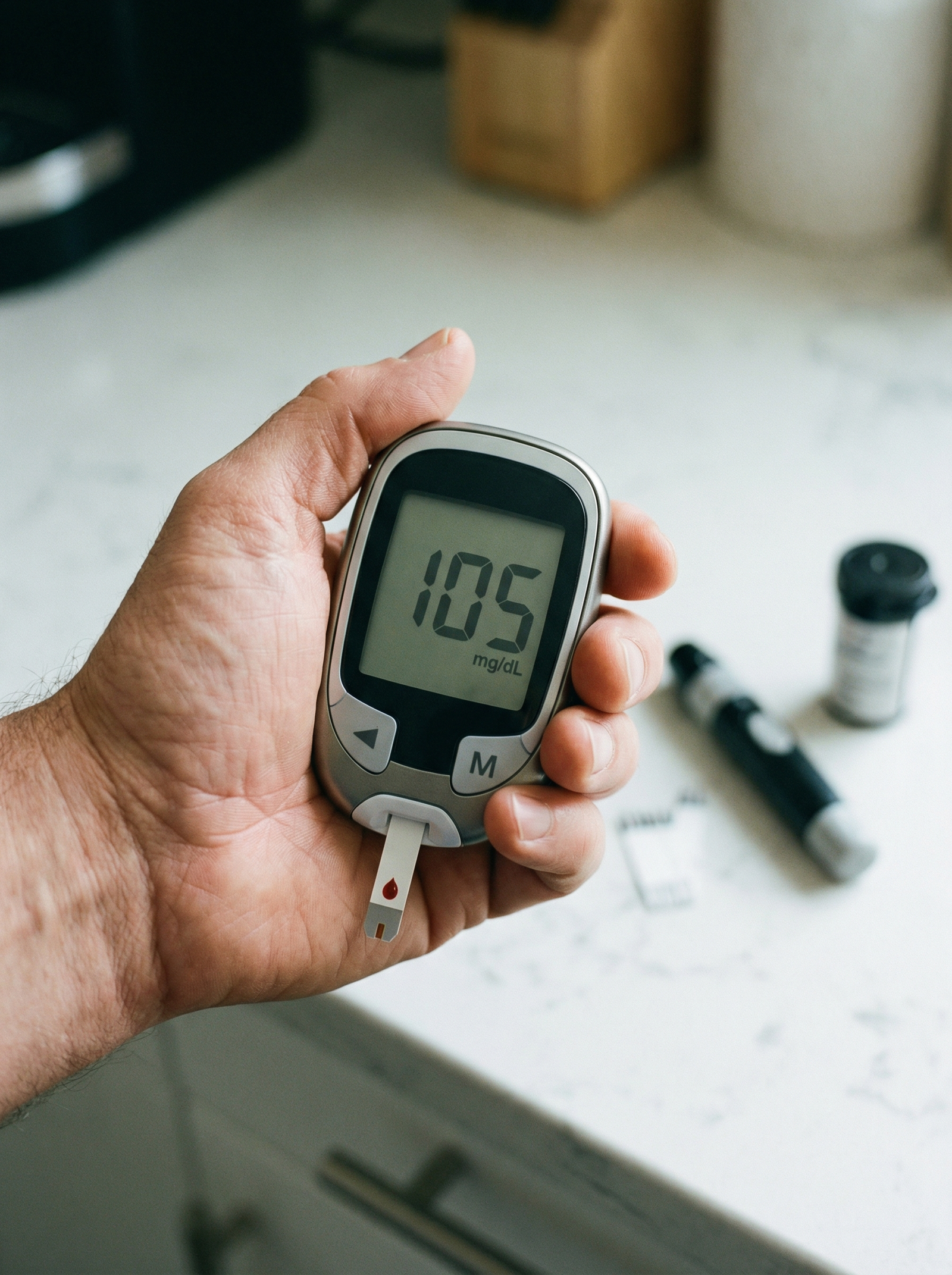
Prediabetes: Symptoms, Test Results, and Where to Start
Prediabetes means that blood glucose levels are higher than normal, but not yet within the range used to diagnose type 2 diabetes. It often develops as insulin sensitivity declines and the body has to work harder to keep blood sugar within a stable range.
Prediabetes frequently causes no obvious symptoms. For many people, it is first identified through an A1C test, fasting glucose test, or oral glucose tolerance test. Factors such as family history, abdominal weight gain, physical inactivity, sleep disruption, certain medications, and a history of gestational diabetes may all influence risk.
The diagnosis can feel unsettling, but it also provides an opportunity to act early. Evidence-based changes involving nutrition, physical activity, sleep, weight management, and appropriate medical care may improve blood sugar regulation and reduce the likelihood of progression to type 2 diabetes.
What Prediabetes Can—and Cannot—Tell You
Prediabetes is not a single fixed state. Two people may receive the same diagnosis for different reasons: one may have an elevated fasting glucose level, while another may have a higher A1C or an abnormal rise in glucose after a meal.
A single result should therefore be interpreted alongside your medical history, medications, symptoms, and other metabolic markers. Your healthcare professional may repeat testing or use more than one test before confirming the diagnosis.
Common Prediabetes Test Ranges
In the United States, prediabetes is commonly identified using one or more of the following laboratory ranges:
Test interpretation can vary by country, laboratory, pregnancy status, medical history, and clinical circumstances. A healthcare professional should confirm and interpret abnormal results.
Start with These Prediabetes Guides
Follow this practical reading path to understand your diagnosis, recognize possible progression, and explore realistic everyday strategies.
- I Was Diagnosed with Prediabetes: Now What?
- How to Lower Your Risk of Type 2 Diabetes
- 5 Signs Prediabetes May Be Progressing
- Fasting for Prediabetes: Benefits and Limitations
- Prediabetes in Women Over 40
- A Practical Morning Routine for Prediabetes
Trusted resources For additional background, see the CDC overview of prediabetes prevention and the NIDDK guide to insulin resistance and prediabetes.
The latest articles
How Menopause Can Change Prediabetes Risk
Your meals may look much the same as they did a few years ago, yet your waistline, energy, or blood sugar results may suddenly feel less predictable. This may not be random, and it is not a personal failure. The encouraging news: understanding menopause and prediabetes risk can help you identify what has changed and…
Prediabetes After Gestational Diabetes: What to Know
The months after birth can feel like a blur of healing, feeding, broken sleep, and trying to recognize your own body again. When a follow-up blood test shows higher glucose, this may not be random or a personal failure. The encouraging news: prediabetes after gestational diabetes is not a fixed outcome. It is a useful…
15 Best Foods for Prediabetes to Build Steadier Meals
Opening the fridge after a prediabetes diagnosis can make ordinary foods feel complicated. Bread, fruit, yogurt, rice, and even breakfast suddenly seem like choices that might affect energy, cravings, and future health. This may not be random; prediabetes often reflects insulin resistance, where the body has to work harder to keep blood glucose in range….
Stress and Sleep in Prediabetes: How to Break the Cycle
Waking up tired after a restless night can make the next day feel harder before it even starts: stronger cravings, lower patience, less motivation to move, and a fasting glucose reading that feels confusing. This may not be random. The encouraging news: stress and sleep in prediabetes can often be approached as a pattern, not…
Can You Eat Carbs if You Have Prediabetes?
A prediabetes result can make ordinary meals feel suddenly complicated. Bread, rice, oats, fruit, potatoes, and even “healthy” snacks may start to feel like choices you are supposed to get perfectly right. This is not a personal failure. The encouraging news: Can You Eat Carbs if You Have Prediabetes? is not really a question about…
20 Best Foods to Eat When You Have Prediabetes
Opening the fridge after a prediabetes result can make ordinary meals feel suddenly complicated. Foods that once seemed “healthy enough” may now raise questions about blood sugar, hunger, cravings, and what actually belongs on the plate. This may not be random confusion. Prediabetes changes the stakes, but it does not mean food has to become…






What Else Should You Know About Prediabetes?
A prediabetes result is not a prediction of what will inevitably happen. It is a signal that your current glucose regulation deserves attention. Understanding symptoms, risk factors, test differences, and realistic next steps can help you have a more informed conversation with your healthcare professional.
Does Prediabetes Cause Symptoms?
Prediabetes usually causes no clear or reliable symptoms. Many people feel completely well and only discover elevated blood sugar during a routine A1C, fasting glucose, or glucose-tolerance test.
Symptoms such as increased thirst, frequent urination, unexplained weight loss, unusual fatigue, or blurred vision should not be assumed to be “just prediabetes.” They can occur when blood glucose has risen further and should be discussed promptly with a healthcare professional.
Why A1C and Fasting Glucose May Not Match
These tests measure different aspects of glucose regulation. A1C estimates average blood glucose over approximately the previous three months, while fasting glucose measures one point in time after an overnight fast. An oral glucose tolerance test measures how the body responds after a standardized glucose drink.
One result can therefore fall within the prediabetes range while another remains normal. A1C may also be less reliable in some people, including those with certain anemias, hemoglobin variants, recent blood loss, pregnancy, or conditions that affect red blood cell turnover.
Who Should Consider Prediabetes Testing?
Testing may be particularly relevant when risk factors are present, even if you feel well. The U.S. Preventive Services Task Force recommends screening adults aged 35 to 70 who have overweight or obesity. Screening may also be considered earlier or more broadly according to personal history, family history, and clinical judgment.
- Overweight, obesity, or an increasing waist measurement
- A parent or sibling with type 2 diabetes
- Low levels of regular physical activity
- Previous gestational diabetes
- Polycystic ovary syndrome
- High blood pressure or unfavorable blood lipid levels
- Fatty liver disease or obstructive sleep apnea
- Previous borderline glucose or A1C results
What Can Help Improve Prediabetes?
There is no single diet, exercise plan, or morning routine that is right for everyone. The most effective approach is usually one that addresses the factors most relevant to your health and can be maintained over time. The following areas commonly form the foundation of a prediabetes care plan.
Build satisfying meals
Meals containing protein, fiber-rich foods, minimally processed carbohydrates, and appropriate portions may support fullness and steadier glucose responses.
Move regularly
Aerobic activity, resistance training, and even short walks after meals can support insulin sensitivity. Start at a level that is safe and realistic for you.
Address weight when relevant
For people with overweight or obesity, moderate and sustainable weight loss may substantially reduce diabetes risk. Prediabetes can also occur at a lower body weight.
Review sleep and medical factors
Poor sleep, sleep apnea, medications, hormonal conditions, and other health problems may affect glucose regulation and deserve individual evaluation.
Common Questions About Prediabetes
These concise answers address several common points of confusion after an abnormal blood sugar result.
Can you have prediabetes with normal fasting glucose?
Yes. A fasting glucose result may be normal while A1C or the two-hour oral glucose tolerance test falls within the prediabetes range. Each test measures a different part of glucose regulation, so one normal result does not always rule out prediabetes.
Does prediabetes always progress to type 2 diabetes?
No. Progression is not inevitable. Some people remain in the prediabetes range, while others return to values below the diagnostic thresholds. Risk depends on factors such as the initial test result, genetics, body composition, activity, sleep, medical conditions, and the changes made after diagnosis.
Can a person with a normal body weight have prediabetes?
Yes. Although overweight and abdominal fat can raise risk, prediabetes also occurs in people whose body mass index is within the normal range. Family history, age, muscle mass, physical activity, sleep, medications, fatty liver, and how the body produces and responds to insulin may all contribute.
How quickly can prediabetes improve?
The timeline varies. Fasting and post-meal glucose can respond relatively quickly to changes in food intake, activity, sleep, or medication, while A1C reflects glucose exposure over approximately three months. Sustainable improvement is more important than pursuing a rapid change based on one isolated reading.
Does everyone with prediabetes need medication?
No. Many people initially focus on lifestyle and risk-factor management. Medication may be considered in selected situations, particularly when the risk of progression is higher or lifestyle changes alone have not produced sufficient improvement. This decision should be individualized with a qualified healthcare professional.