
How to Lower Diabetes Risk by 50% Starting Today

The afternoon crash, rising fasting glucose, or easier weight gain can make diabetes risk feel like a future problem. This may not be random; it can be an early sign that the body is working harder to keep blood sugar steady.
The encouraging news: lower diabetes risk habits can start with one balanced meal, one short walk, and one repeatable routine today.
Quick Win: After your next main meal, take a relaxed 10-minute walk or do light movement around the house. This simple step may help reduce the post-meal glucose rise and is realistic enough to repeat most days.
Can you lower diabetes risk by around 50%?
For many adults at high risk of type 2 diabetes, especially those with prediabetes, structured lifestyle change may lower diabetes risk substantially. In the Diabetes Prevention Program, intensive lifestyle intervention reduced type 2 diabetes incidence by 58% compared with placebo over about three years.[1]
That number is not a personal guarantee. Lower diabetes risk depends on genetics, age, medications, sleep, stress, food access, movement, and existing health conditions.
Still, the direction is encouraging. Evidence points to a few repeatable habits that may support insulin sensitivity, weight management, and steadier glucose patterns without extreme dieting.
What raises diabetes risk in everyday life?
Type 2 diabetes often develops gradually. Before blood sugar is high enough for diagnosis, the body may already be producing more insulin to keep glucose in range.
Insulin helps move glucose from the bloodstream into cells. When cells become less responsive to insulin, the pancreas may need to work harder over time.[2]
This is not a personal failure. Diabetes risk is shaped by biology, routine, environment, stress, sleep, muscle activity, and food patterns, not willpower alone.
Common patterns linked to higher risk
- Frequent refined carbohydrates without enough protein, fiber, or healthy fats
- Long sitting blocks, especially after meals
- Very little resistance training or low muscle mass
- Short, irregular, or poor-quality sleep
- Chronic stress that changes appetite, cravings, and recovery
- Weight gain around the waist, especially with rising glucose or triglycerides
- Family history, prior gestational diabetes, or other metabolic risk factors
Risk is best treated as feedback, not blame. The body may need a more supportive environment: more fiber, more muscle activity, better recovery, and fewer glucose spikes stacked through the day.
Key takeaways
| Habit | Why it may help | Simple starting point |
|---|---|---|
| Balanced meals | Protein and fiber may slow digestion and support steadier post-meal glucose. | Add protein and vegetables before increasing starch portions. |
| Post-meal walking | Working muscles can use glucose more readily after eating. | Walk 10 minutes after one meal daily. |
| Strength training | More active muscle tissue may support insulin sensitivity. | Do two short full-body sessions weekly. |
| Sleep rhythm | Sleep loss is linked with changes in appetite and glucose regulation. | Set a consistent wind-down time most nights. |
How to lower diabetes risk starting today
The best starting point is not a full life overhaul. Lower diabetes risk habits work best when they fit normal workdays, family meals, travel, and tired evenings.
Start with four levers: meal structure, movement, body composition, and recovery. Each one may reduce pressure on the glucose-insulin system.
Step 1: Build the next meal around protein and fiber
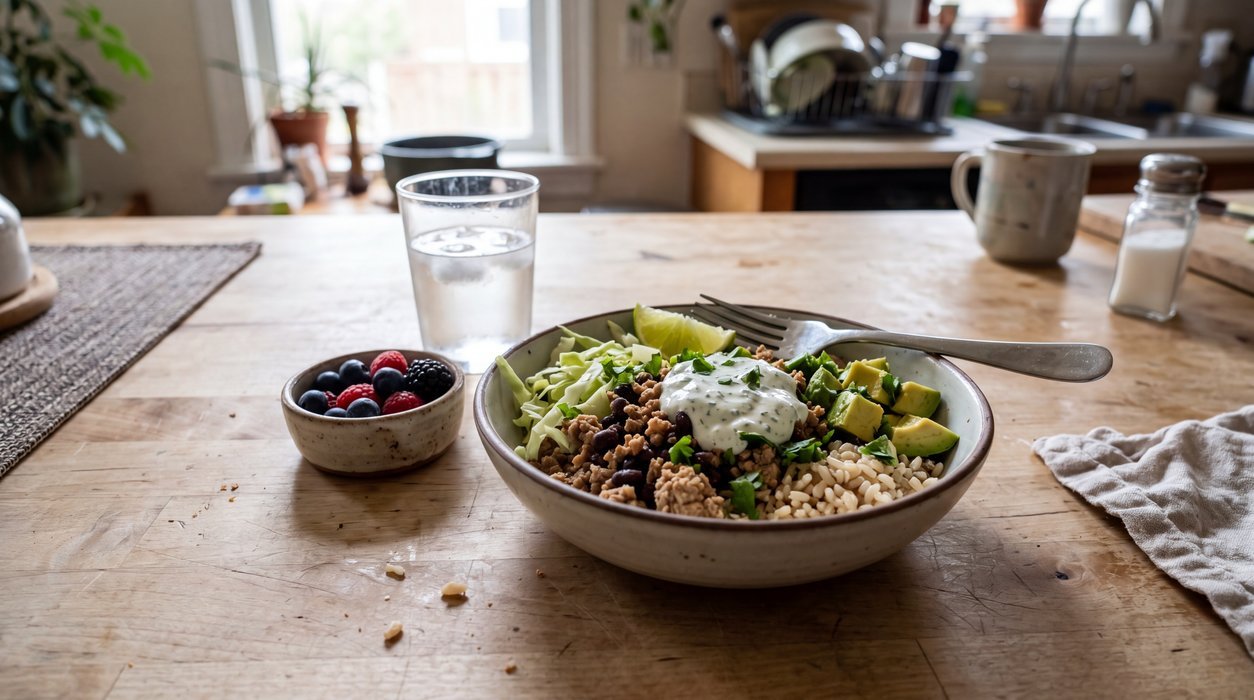
A blood-sugar-friendly meal does not need to be low-carb by default. For many adults, the bigger shift is moving from “naked carbs” to mixed meals.
A naked carb is a carbohydrate eaten mostly on its own, such as a sweet drink, pastry, white toast, candy, or a large bowl of refined cereal. These foods may be harder on glucose when they appear often without protein or fiber.
Step 2: Move after one meal
Movement is one of the most direct ways to support glucose use. When muscles contract, they can take up more glucose, which may be especially useful after meals.
Research suggests walking soon after a meal can have a more favorable acute effect on post-meal glucose than waiting longer.[3]
A 10-minute walk after lunch or dinner is often easier than finding one long workout window. For anyone starting from a low activity level, short walks can build confidence and reduce long sitting blocks.
Step 3: Add strength training twice per week
Strength training deserves a place in the plan. Muscle is metabolically active tissue, and resistance exercise may support insulin sensitivity, body composition, and functional strength over time.
A simple first routine can include chair squats, wall push-ups, hip hinges, rows, and step-ups. The goal is not intensity at any cost; it is consistent muscle use.
Step 4: Protect sleep timing
Poor sleep can make nutrition and movement harder to sustain. It may increase hunger, reduce motivation to move, and make higher-sugar foods feel more appealing.
If sleep is already difficult, meal timing and cravings may need extra care. A deeper explanation of how poor sleep affects A1C can help connect recovery with blood sugar patterns.
How should meals look for better blood sugar balance?
Start with half the plate as non-starchy vegetables when available. Add a palm-sized portion of protein, then include a fiber-rich carbohydrate in a portion that matches hunger, activity, and glucose goals.
Examples include eggs with vegetables and oats, Greek yogurt with berries and nuts, lentil soup with salad, tofu stir-fry with brown rice, or salmon with potatoes and greens.
Fiber-rich carbohydrates tend to come packaged with texture, water, minerals, and slower digestion. Beans, lentils, chickpeas, oats, barley, fruit, vegetables, and intact whole grains are practical examples.
One thing worth pushing back on here: many people hear “diabetes prevention” and assume the answer is cutting out every carbohydrate. That is too simple.
The practical goal is usually better carbohydrate quality, better portions, and better timing, not fear of normal foods. Overly strict rules can backfire because a sustainable plan still needs room for culture, budget, appetite, and social life.
What kind of movement supports insulin sensitivity?
The American Diabetes Association recommends structured lifestyle approaches for diabetes prevention that commonly include at least 150 minutes per week of moderate-intensity physical activity for many adults with prediabetes.[4]
The World Health Organization recommends 150–300 minutes of moderate-intensity aerobic activity weekly for adults, plus muscle-strengthening activities on two or more days when possible.[5]
A realistic weekly target
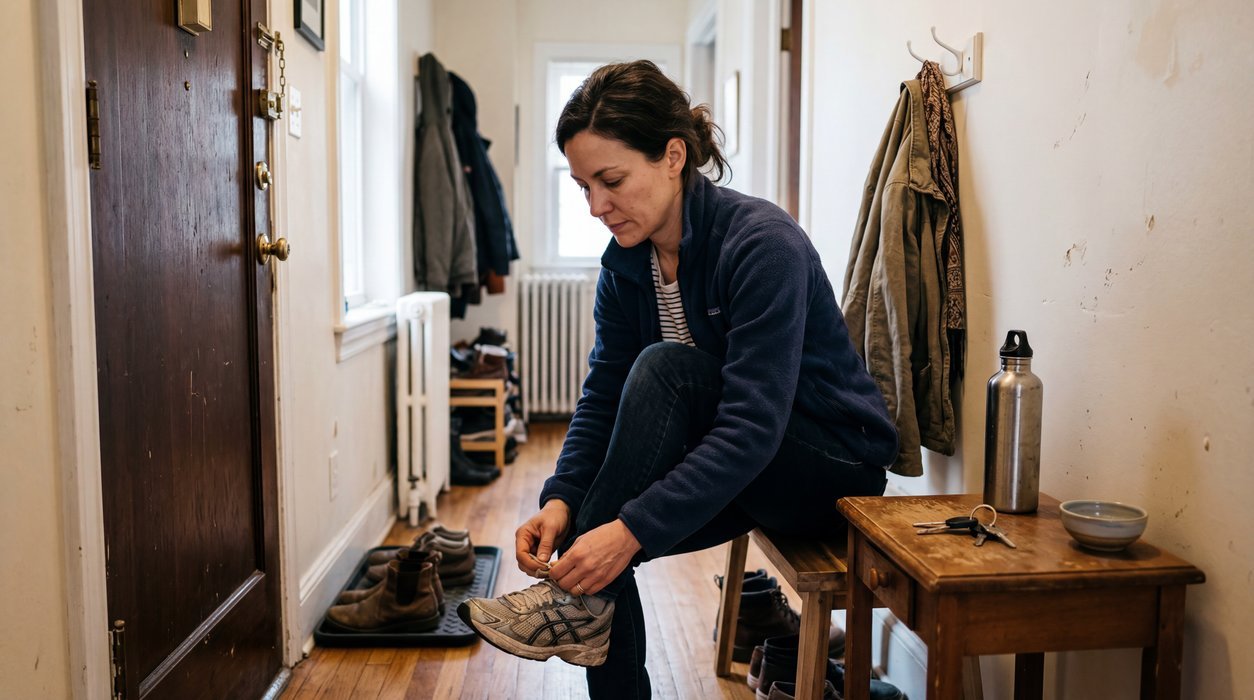
- Walk 10 minutes after lunch and 10 minutes after dinner.
- Use stairs or a short errand walk to add a few minutes.
- Do two 20-minute strength sessions weekly.
- Stand and move for 2–3 minutes during long sitting blocks.
Intensity should match the person. A healthcare provider can help tailor activity for anyone with chest pain, neuropathy, joint limitations, pregnancy, dizziness, or known cardiovascular disease.
How do sleep and stress affect diabetes risk?
Food and exercise get most of the attention, but sleep and stress can change the metabolic picture. The body does not separate “metabolic health” from daily pressure.
Experimental research suggests even short-term partial sleep restriction may reduce insulin sensitivity in healthy adults.[6]
Stress may affect blood sugar through hormones, appetite, alcohol intake, late-night snacking, and skipped meals. Small recovery signals can help interrupt patterns that push cravings and glucose in the wrong direction.
Small recovery tools that fit real life
- Take two minutes of slow breathing before a meal.
- Walk outside after a tense meeting.
- Set a consistent wake time most days.
- Limit late caffeine when possible.
- Plan one protein-rich snack before the late-afternoon crash.
These are not cures. They are small ways to make the body’s daily environment more supportive.
What changes can you realistically notice first?
Many people notice early changes in energy, hunger, cravings, digestion, or post-meal sleepiness before lab markers shift. These signs are not proof of disease reversal, but they can suggest that routines are becoming more supportive.
Measurable changes often require weeks to months. A1C reflects an average over roughly the past two to three months, so it may not respond immediately to a few good days.
Weight may change slowly, quickly, or not much at first. In diabetes prevention research, modest weight loss was part of the lifestyle approach, but physical activity and meal quality still matter when the scale is slow.[1]
A simple 24-hour starting plan
- Breakfast: Include eggs, Greek yogurt, tofu, cottage cheese, beans, or a protein smoothie.
- Lunch: Add lentils, vegetables, berries, oats, chickpeas, or whole grains.
- After one meal: Walk for 10 minutes at a comfortable pace.
- Evening: Plan tomorrow’s first balanced meal before stress makes the choice harder.
- Bedtime: Dim lights or put the phone away 30 minutes earlier.
For the next week, repeat the same basics instead of adding ten new rules. Consistency is where lower diabetes risk becomes more realistic.
A helpful weekly rhythm could be five post-meal walks, two short strength sessions, four balanced breakfasts, and one planned grocery trip. Anyone newly diagnosed may also benefit from a step-by-step prediabetes plan that organizes the first few months.
Structured diabetes prevention programs often combine food changes, physical activity, coping skills, and gradual habit support.[7]
Conclusion
Lowering diabetes risk is not about becoming a different person overnight. It is about making the body’s daily environment more supportive: steadier meals, more muscle activity, better sleep, and less long sitting.
A 50% lower risk is not a promise for every individual. But the evidence is strong enough to make action worthwhile, especially when lower diabetes risk habits are simple enough to repeat.
Start with one balanced meal and one post-meal walk today. Then repeat until the habit feels normal.
Frequently Asked Questions
Can you really lower diabetes risk by around 50%?
For many adults at high risk, structured lifestyle change may lower diabetes risk by around 50% or more compared with no intervention, based on diabetes prevention research. The best-known trial found a 58% reduction in type 2 diabetes incidence with intensive lifestyle intervention. Individual results vary, so this should be seen as a research-based benchmark rather than a personal guarantee. The most useful approach is consistent action around meals, movement, sleep, and follow-up testing.
Does walking after meals really help blood sugar?
Walking after meals may help muscles use some of the glucose entering the bloodstream after eating. It does not need to be intense to be useful. A relaxed 10-minute walk after lunch or dinner is often more sustainable than relying only on long workouts. People with balance issues, chest symptoms, or medical limitations should ask a healthcare provider what level of activity is safe.
Do you have to lose weight to reduce diabetes risk?
Weight loss may reduce diabetes risk for many adults at higher risk, especially when excess weight is carried around the waist. However, food quality, movement, sleep, and strength training still matter before weight changes. Some people notice better energy, fewer cravings, or improved glucose patterns before the scale changes much. A healthcare provider can help decide which markers matter most.
When should someone get checked for prediabetes?
Adults may want to ask about screening if they have a family history of type 2 diabetes, prior gestational diabetes, high blood pressure, abnormal cholesterol, higher waist circumference, or symptoms such as unusual thirst or frequent urination. Screening is also important when fasting glucose or A1C has been borderline before. Only a qualified healthcare provider can diagnose prediabetes or diabetes. Earlier testing can make lifestyle planning more targeted.
Medical Disclaimer: The information provided in this article is for educational purposes only and does not constitute medical advice. Always consult a qualified healthcare provider before making changes to your diet, lifestyle, or treatment plan. TheMetabolicHub.com does not replace professional medical guidance.
References
- Knowler WC, Barrett-Connor E, Fowler SE, et al. Reduction in the Incidence of Type 2 Diabetes with Lifestyle Intervention or Metformin. New England Journal of Medicine. 2002. PMID: 11832527
- National Institute of Diabetes and Digestive and Kidney Diseases. Insulin Resistance & Prediabetes. NIDDK
- Engeroff T, Groneberg DA, Wilke J. After Dinner Rest a While, After Supper Walk a Mile? A Systematic Review with Meta-Analysis on the Acute Impact of Timing and Intensity of Postprandial Physical Activity on Glucose and Insulin Kinetics. Sports Medicine. 2023. PMID: 36715875
- American Diabetes Association. Prevention or Delay of Diabetes and Associated Comorbidities: Standards of Care in Diabetes—2026. Diabetes Care. 2026. ADA Standards of Care
- World Health Organization. Physical Activity Fact Sheet. WHO
- Donga E, van Dijk M, van Dijk JG, et al. A Single Night of Partial Sleep Deprivation Induces Insulin Resistance in Multiple Metabolic Pathways in Healthy Subjects. Journal of Clinical Endocrinology & Metabolism. 2010. PMID: 20371664
- Centers for Disease Control and Prevention. National Diabetes Prevention Program. CDC