
Is Prediabetes Reversible? What Actually Helps Lower Blood Sugar and Diabetes Risk

A prediabetes result can make the future feel decided before there has been time to understand the numbers. This is not a personal failure, and it does not mean type 2 diabetes is inevitable.
The encouraging news is that the answer to “is prediabetes reversible?” is often yes in a practical sense: many adults can return their glucose results below the prediabetes range. This article explains what that means, what the evidence supports, and how progress is usually monitored.
Quick Win: Take a comfortable 10-minute walk after one meal today. Repeating that small action most days is more useful than waiting for a perfect plan.
Is Prediabetes Reversible?
Prediabetes can often improve until glucose results no longer meet prediabetes criteria. This may happen within several months, although the timeline depends on baseline glucose levels, activity, sleep, body composition, medications, and pancreatic function.
When people ask “is prediabetes reversible?”, the most accurate answer is “often, but not permanently guaranteed.” Ongoing habits and follow-up still matter because glucose can rise again when health circumstances change.
Key Takeaways
- Prediabetes is a higher-risk metabolic state, not an inevitable progression to type 2 diabetes.
- Structured lifestyle intervention has the strongest long-term evidence for reducing diabetes risk.
- Physical activity may improve insulin sensitivity even before substantial weight loss occurs.
- For some adults, modest weight loss supports larger improvements in liver fat, visceral fat, and glucose regulation.
- Metformin may be appropriate for selected adults at particularly high risk.
Evidence snapshot: In the original Diabetes Prevention Program, intensive lifestyle intervention reduced the incidence of type 2 diabetes by 58% over about three years compared with placebo.[2]
What Does a Prediabetes Result Mean?
Prediabetes means glucose is above the usual range but below the diagnostic threshold for diabetes. It may be identified through A1C, fasting plasma glucose, or a two-hour oral glucose tolerance test.
| Test | Prediabetes Range | What It Reflects |
|---|---|---|
| A1C | 5.7%–6.4% | Estimated average glucose over roughly two to three months |
| Fasting plasma glucose | 100–125 mg/dL | Glucose regulation after an overnight fast |
| Two-hour glucose tolerance test | 140–199 mg/dL | How the body handles a measured glucose drink |
These thresholds describe risk, not destiny.[1] Two people with the same A1C may have different levels of insulin resistance, muscle mass, liver fat, sleep disruption, or pancreatic reserve.
A single result may need confirmation when symptoms are absent or the value is close to a cutoff. Anemia, pregnancy, kidney disease, recent blood loss, and some hemoglobin variants can also affect A1C interpretation.

What Does the Science Say About Prediabetes Remission?
The Diabetes Prevention Program remains the most influential prevention trial. Its lifestyle intervention combined a reduced-calorie eating pattern, at least 150 minutes of weekly activity, a weight-loss goal, coaching, and ongoing problem-solving.
Participants in the lifestyle group developed type 2 diabetes substantially less often than those assigned to placebo. Metformin also reduced incidence, although its average effect was smaller than the lifestyle program’s effect.[2]
Follow-up research found that benefits remained detectable over many years, even though differences between the groups narrowed with time.[3] This supports early action without implying that one short intervention permanently removes risk.
A 2023 analysis focused specifically on remission. Among adults who lost at least 5% of body weight, those who reached normal glucose regulation showed greater improvements in insulin sensitivity and larger reductions in visceral fat.[4]
This finding suggests that the quality and location of metabolic change matter, not only the number on the scale. Reducing fat stored around abdominal organs may be especially relevant for some adults.
How Can Blood Sugar Regulation Improve?
Mechanism Box: Glucose may improve when working muscle uses more glucose, the liver releases less glucose between meals, insulin sensitivity increases, and the pancreas no longer needs to compensate as aggressively.
Muscle can take up more glucose
Skeletal muscle is a major destination for glucose after meals. Muscle contraction increases glucose uptake through pathways that are not entirely dependent on insulin.
This helps explain why walking, cycling, and resistance exercise may support better glucose patterns even before major weight loss occurs.
The liver may release less glucose
Fasting glucose is strongly influenced by overnight liver glucose production. Improved insulin sensitivity and reductions in liver fat may help the liver respond more appropriately to insulin signals.
Visceral fat may decrease
Visceral fat surrounds internal organs and is associated with insulin resistance. A smaller waist measurement can sometimes reflect useful metabolic change even when total weight loss appears modest.
What Helps Prediabetes Improve?
The strongest plan is not the most extreme one. It is the plan that improves food quality, increases muscle activity, supports sleep, and can still be followed during ordinary weeks.
1. Use a repeatable meal structure
Build meals around non-starchy vegetables, a protein source, and a high-fiber carbohydrate when desired. Beans, lentils, intact whole grains, fruit, nuts, seeds, fish, eggs, dairy, and minimally processed proteins can all fit.
Carbohydrates do not need to be eliminated. Pairing them with protein, fiber, or unsaturated fat may slow digestion and improve fullness.
2. Move after meals
A 10- to 15-minute walk after one or two meals is a practical starting point. It places movement close to the period when glucose is entering the bloodstream.

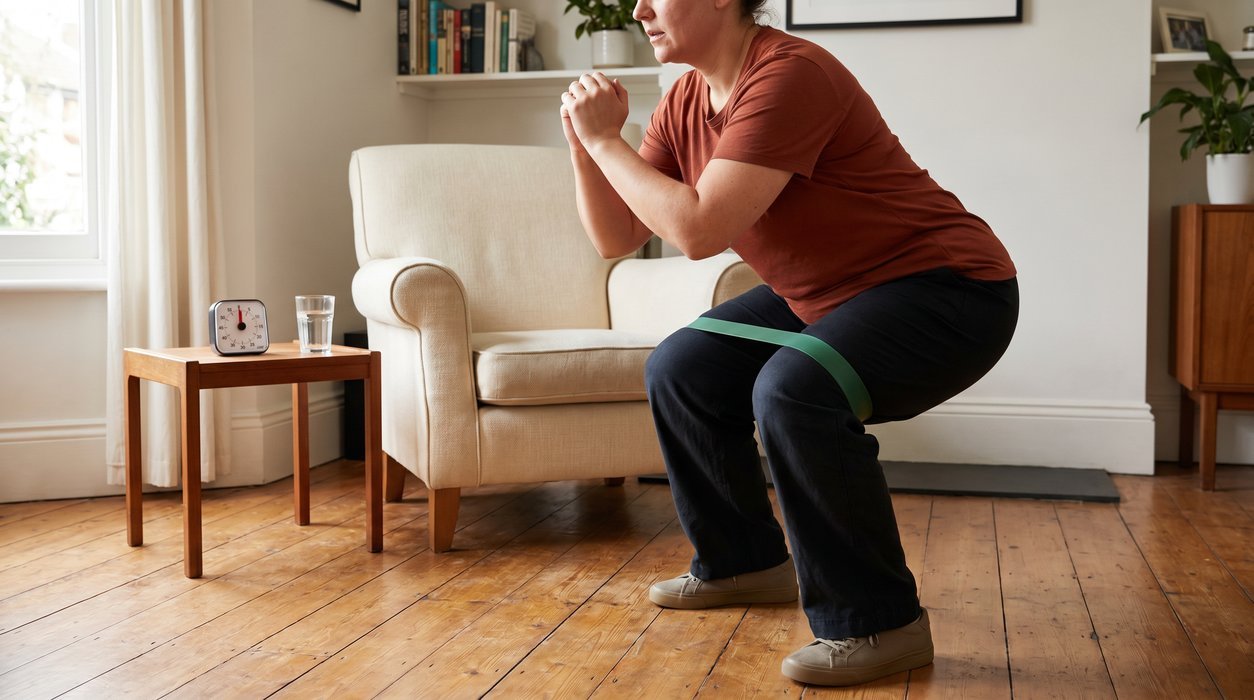
3. Combine aerobic and resistance exercise
Aerobic activity supports cardiovascular fitness and insulin sensitivity. Resistance training may preserve or build muscle, increasing the body’s capacity to store and use glucose.
Adults can gradually work toward 150 minutes of moderate activity weekly plus muscle-strengthening sessions on two or more days, when medically appropriate.
4. Protect sleep and recovery
Short, fragmented sleep is associated with poorer insulin sensitivity and stronger appetite signals. Sleep apnea may also worsen glucose regulation and deserves clinical assessment when symptoms are present.
For a deeper explanation, see how sleep can affect A1C.
5. Reduce friction, not just calories
Keep convenient protein, vegetables, fruit, legumes, and whole-grain options available. Schedule movement as a small default rather than relying on motivation after a demanding day.
For a broader prevention framework, review these practical ways to lower diabetes risk.
Is Weight Loss Always Necessary?
No. Exercise, improved diet quality, better sleep, medication review, and greater muscle mass may support better glucose regulation even when body weight changes little.
However, adults with excess visceral or liver fat often benefit from modest weight loss. In the DPP, the lifestyle program aimed for about 7% weight loss, but meaningful metabolic improvements can occur before a conventional goal weight is reached.
The useful target is not rapid weight loss at any cost. It is a sustainable change in energy balance and body composition that can be maintained without excessive restriction.
When Can Medication Help?
Metformin has the most established evidence among medications used to delay type 2 diabetes in people with prediabetes. The ADA advises considering it for selected high-risk adults, especially those with higher A1C or fasting glucose, obesity, younger age, or previous gestational diabetes.[5] Taking berberine with metformin may enhance the medication’s efficacy in managing blood sugar levels. Some studies suggest that this combination can lead to improved metabolic outcomes. Healthcare providers often recommend this pairing for patients seeking alternative or complementary treatments in their diabetes management plans.
Suitability depends on kidney function, medical history, tolerance, pregnancy considerations, and clinician judgment. Long-term use may also warrant vitamin B12 monitoring.
Weight-management medications can improve glucose in some adults with overweight or obesity. They also involve cost, side effects, contraindications, and possible weight regain after discontinuation.
Medication should not be started, stopped, or changed based on an online article. A qualified healthcare professional can weigh the expected benefit against individual risks.
A Realistic Prediabetes Improvement Timeline
Glucose patterns may begin changing within days of increased activity or lower energy intake. A1C changes more slowly because it reflects glucose exposure over roughly two to three months.
| Time Window | Primary Focus | What May Change |
|---|---|---|
| Weeks 1–2 | Post-meal walking, regular meals, consistent wake time | Energy, appetite awareness, daily consistency |
| Weeks 3–8 | Progressive activity, fiber, portions, resistance training | Fitness, waist measurement, fasting glucose trends |
| Weeks 9–12 | Maintaining habits and correcting weak points | A1C, weight, blood pressure, lipid markers |
A simple 12-week progress arc
- Weeks 1–2: Track usual meals, sleep, and movement without judgment. Add a 10-minute walk after one meal on five days each week.
- Weeks 3–6: Add a clear protein source and a high-fiber food to most main meals.
- Weeks 7–10: Build toward regular aerobic activity and two weekly resistance sessions.
- Weeks 11–12: Protect the two habits that produced the clearest benefit and arrange follow-up testing.
Early signs often include steadier hunger, improved stamina, or a smaller waist measurement. Laboratory testing is still needed because symptoms alone cannot confirm remission.
How Should Progress Be Monitored?
The ADA recommends at least annual testing for people with prediabetes, with more frequent monitoring based on individual risk and treatment changes.[6] A clinician may repeat A1C after about three months when lifestyle or treatment changes are expected to affect the result.
Fasting glucose, blood pressure, cholesterol, liver markers, waist measurement, and body weight may add context. Home glucose monitoring is not essential for everyone with prediabetes.
Continuous glucose monitors can reveal patterns, but isolated spikes should not be used to label individual foods as “good” or “bad.” The full dietary pattern, activity, symptoms, and laboratory results matter more.
Seek timely medical assessment for unusual thirst, frequent urination, unexplained weight loss, blurred vision, or marked fatigue. These symptoms may occur when glucose has moved beyond the prediabetes range.
Conclusion
So, is prediabetes reversible? Many adults can return glucose measurements below prediabetes thresholds, especially when action begins early and addresses movement, nutrition, sleep, body composition, and individual medical risks.
The goal is not perfection or a permanent cure claim. It is sustained improvement, lower future risk, and a plan that remains workable after the first burst of motivation fades.
Frequently Asked Questions
Is prediabetes reversible for everyone?
No outcome can be guaranteed for every person. Many adults return below prediabetes thresholds, while others improve without fully normalizing every test. Age, genetics, medications, visceral fat, pancreatic function, and the duration of dysglycemia can all affect the response. Any meaningful improvement may still reduce future risk.
Does a normal A1C mean prediabetes is permanently gone?
A normal A1C shows that average glucose has improved. It does not prove that the underlying tendency toward insulin resistance has disappeared. Glucose may rise again if activity decreases, weight is regained, sleep worsens, or health conditions change. Continued monitoring remains appropriate.
What is the best diet for prediabetes?
There is no single required diet. Mediterranean-style, lower-carbohydrate, plant-forward, and other minimally processed patterns may all support glucose management when they are nutritionally adequate and sustainable. Meals generally work well when they include protein, fiber, minimally processed carbohydrates, and appropriate portions. Medical needs and food preferences should shape the final approach.
Can exercise improve prediabetes without weight loss?
Yes, exercise may improve insulin sensitivity even when body weight changes little. Working muscle uses glucose, and resistance training may preserve or build metabolically active tissue. Weight loss can add benefit for some adults, especially when excess visceral fat is present. Movement and body composition are related but not identical targets.
How often should prediabetes be retested?
The ADA recommends at least annual testing for people with prediabetes. A clinician may repeat A1C or fasting glucose after about three months when treatment or lifestyle changes are expected to affect the result. More frequent follow-up may be appropriate when values are close to the diabetes range. Testing should be individualized.
Medical Disclaimer: The information provided in this article is for educational purposes only and does not constitute medical advice. Always consult a qualified healthcare provider before making changes to your diet, lifestyle, or treatment plan. TheMetabolicHub.com does not replace professional medical guidance.
References
- Centers for Disease Control and Prevention. Diabetes Testing. 2024. CDC.
- Knowler WC, Barrett-Connor E, Fowler SE, et al. Reduction in the incidence of type 2 diabetes with lifestyle intervention or metformin. N Engl J Med. 2002. PMID: 11832527.
- Diabetes Prevention Program Research Group. Long-term effects of lifestyle intervention or metformin on diabetes development and microvascular complications. Lancet Diabetes Endocrinol. 2015. PMID: 26377054.
- Sandforth A, et al. Mechanisms of weight loss-induced remission in people with prediabetes: a post-hoc analysis of the randomised, controlled, multicentre Prediabetes Lifestyle Intervention Study (PLIS). Lancet Diabetes Endocrinol. 2023. PMID: 37769677.
- American Diabetes Association Professional Practice Committee. Prevention or Delay of Diabetes and Associated Comorbidities: Standards of Care in Diabetes—2026. Diabetes Care. 2026. ADA Standards of Care.
- American Diabetes Association Professional Practice Committee. Diagnosis and Classification of Diabetes: Standards of Care in Diabetes—2026. Diabetes Care. 2026. ADA Standards of Care.