
Natural Supplements for Prediabetes: What Works and What Doesn’t
There’s a particular kind of exhaustion that doesn’t make sense on paper. Enough sleep, not a demanding day — but by mid-afternoon, energy has bottomed out. Add in the post-meal fog, the cravings that hit two hours after eating, and the sense that something is off even when labs come back “borderline.” For many adults, this is what prediabetes feels like before anyone names it.
The encouraging news: natural supplements for prediabetes are among the most researched tools in metabolic health — and some of them have genuinely strong evidence behind them. Others, not so much.
This guide breaks down what current research actually supports, what the honest limitations are, and how to build a supplement strategy that works alongside diet and movement — not instead of them.
- Berberine and magnesium have the most consistent research support for blood sugar management
- No supplement replaces dietary change — but the right ones can meaningfully amplify results
- Many people notice energy and post-meal stability improvements within 4–6 weeks
- Always check for drug interactions before starting, especially with blood-sugar-lowering medications
What Are Natural Supplements for Prediabetes — and Do They Actually Help?
Natural supplements for prediabetes are compounds — minerals, plant extracts, or isolated nutrients — that research suggests may support healthier blood sugar and insulin function.
They work alongside lifestyle changes, not as replacements. The distinction matters: the Diabetes Prevention Program demonstrated that structured lifestyle intervention reduced progression to type 2 diabetes by approximately 58%.[5] No supplement matches that effect size. But for people already making dietary changes, certain supplements may add a meaningful layer of support.
Beyond lifestyle changes, some people explore additional support — understanding whether prediabetes is dangerous and what the evidence says about progression provides useful context before adding anything to your routine.
Prediabetes is diagnosed when fasting glucose falls between 100–125 mg/dL or HbA1c between 5.7–6.4%.[7] This window — before a type 2 diagnosis — is also when lifestyle and supplement strategies tend to have the greatest impact.
5 Supplements with the Strongest Evidence
Not every supplement marketed for blood sugar has meaningful research behind it. These five have the most consistent clinical data for people managing prediabetes or early insulin resistance.
1. Berberine
Berberine is a plant compound found in goldenseal, barberry, and Oregon grape. It activates an enzyme called AMPK — sometimes called the body’s “metabolic master switch” — which improves how cells take up glucose.
A meta-analysis of 46 randomized controlled trials found that berberine significantly reduced fasting glucose, postprandial glucose, and HbA1c in people with type 2 diabetes and impaired glucose regulation.[1] A commonly studied dose is 500 mg taken with meals, up to three times daily.
One thing worth noting: berberine can interact with medications that also lower blood sugar, including metformin. Anyone already on glucose-lowering drugs should speak with their doctor before adding it.
2. Magnesium
Magnesium is involved in over 300 enzymatic reactions, including insulin receptor activity. Reduced intracellular magnesium is associated with impaired insulin signaling and worsening insulin resistance — a relationship well-documented in people with type 2 diabetes and metabolic syndrome.[3]
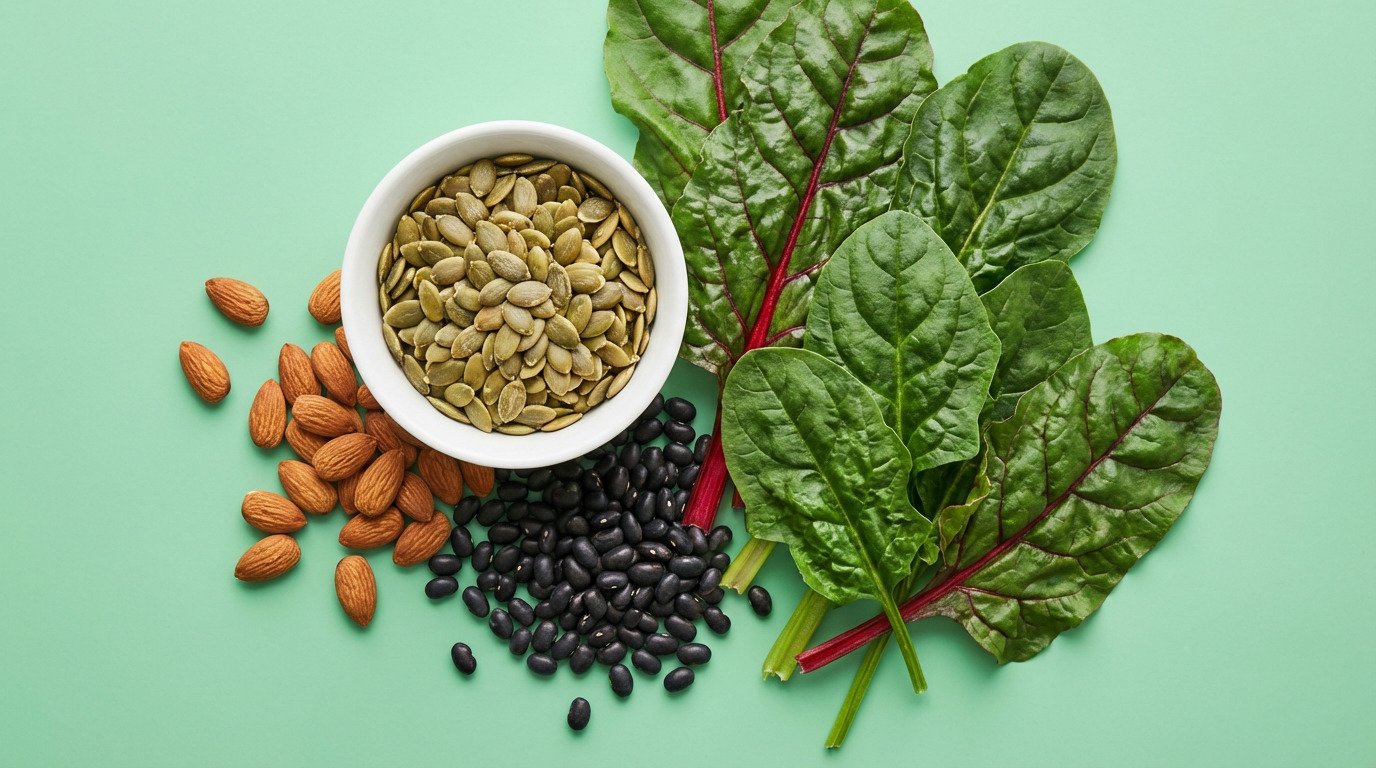
Many adults don’t meet the recommended intake (310–420 mg daily depending on age and sex) through diet alone. Food sources include pumpkin seeds, almonds, dark leafy greens, and black beans.
Magnesium glycinate or malate tend to be better tolerated than magnesium oxide, which causes digestive issues in some people at higher doses.
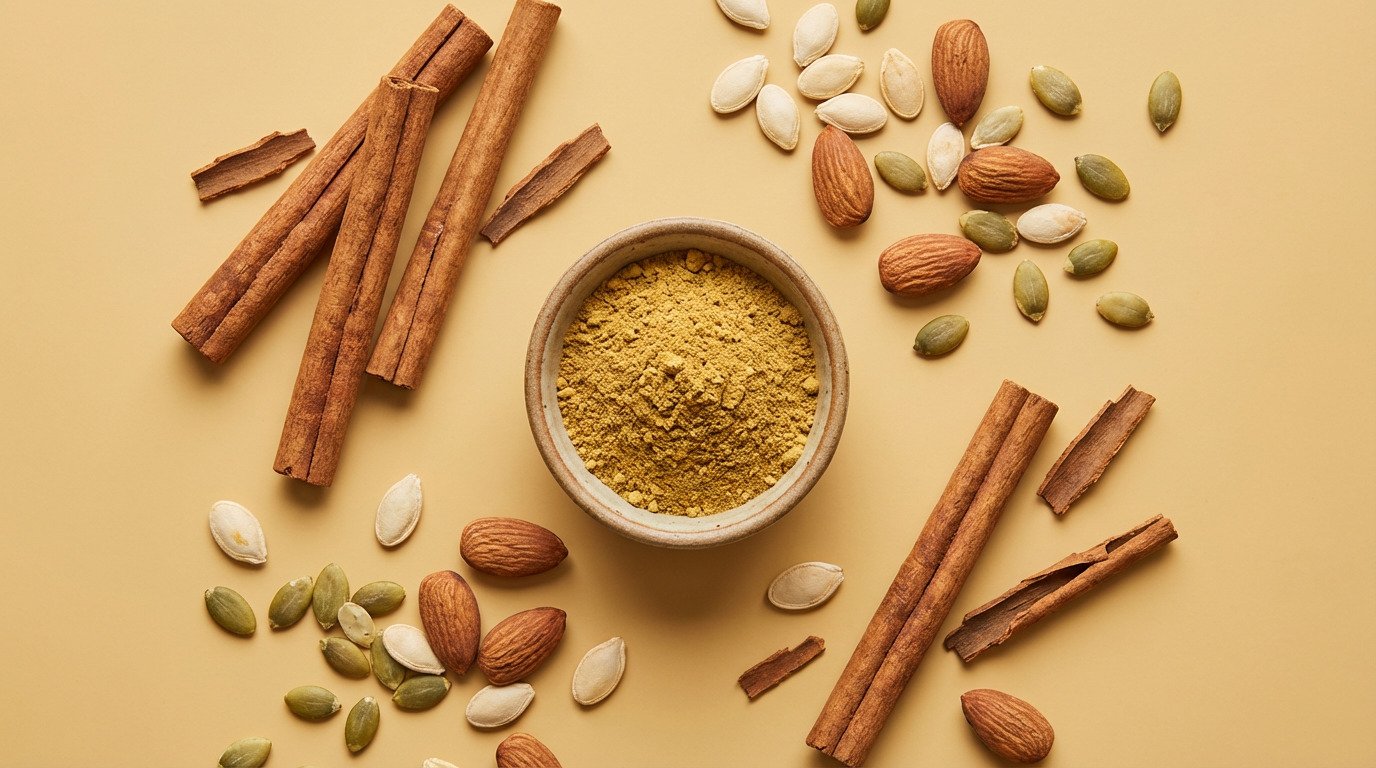
3. Cinnamon (Ceylon vs. Cassia)
Cinnamon has been studied for its effect on fasting blood glucose and insulin sensitivity. Meta-analyses suggest it may reduce fasting blood glucose and HOMA-IR in people with type 2 diabetes and prediabetes, though findings on HbA1c remain mixed.[4]
The distinction between Ceylon (“true”) cinnamon and Cassia matters here. Most studies have used Cassia, but it contains higher levels of coumarin — a compound that can affect liver enzymes at high doses. For daily use, Ceylon cinnamon is the safer long-term option.
4. Chromium
Chromium is a trace mineral that enhances insulin’s binding to cell receptors. Research in people with impaired glucose tolerance suggests it may modestly improve insulin sensitivity, particularly in those who are deficient.
Doses used in trials typically range from 200 to 1,000 micrograms daily. It’s worth noting that chromium deficiency is uncommon in people eating a varied diet — supplementing when levels are already adequate may offer less benefit.
5. Alpha-Lipoic Acid (ALA)
ALA is an antioxidant that supports mitochondrial function and has been studied for its role in glucose uptake in muscle cells. It also helps reduce oxidative stress, which is elevated in prediabetes and can further impair insulin signaling.
Research tends to use doses between 300 and 600 mg daily. ALA is particularly well studied in the context of diabetic neuropathy, but earlier-stage glucose support research is also promising.
What the Research Actually Says
Most supplement research for prediabetes has two real limitations: trials are short (often 8–16 weeks) and sample sizes are small. That doesn’t mean results are meaningless — it means they’re directional, not definitive. The compounds above have the most replicated findings; others have one promising pilot study and not much else.
This is where the standard advice tends to oversimplify: many guides suggest stacking five or six supplements simultaneously to “cover all bases.” In practice, this makes it impossible to know what’s helping — and can introduce unnecessary interaction risk. A more useful approach is starting with one well-evidenced compound, tracking for 6–8 weeks, and evaluating before adding anything else.
A large meta-analysis also found that regular probiotic use was associated with meaningful reductions in HbA1c, which is one of the more surprising findings in recent metabolic research. Gut microbiome health and blood sugar regulation are more connected than most supplement guides acknowledge.
The plant-based options (berberine, cinnamon, Gymnema Sylvestre) and mineral-based options (magnesium, chromium, ALA) work through different mechanisms. They aren’t necessarily redundant — but they also aren’t automatically synergistic just because they’re combined.
| Supplement | Primary Mechanism | Evidence Strength | Common Dose |
|---|---|---|---|
| Berberine | AMPK activation, glucose uptake | Strong — meta-analysis of 46 RCTs | 500 mg with meals, 2–3×/day |
| Magnesium | Insulin receptor support, enzyme function | Strong — population + intervention data | 310–420 mg/day (dietary goal) |
| Cinnamon | Reduces FBG and HOMA-IR; mixed HbA1c data | Moderate — mixed across meta-analyses | 1–3g/day (Ceylon preferred) |
| Chromium | Enhances insulin receptor binding | Moderate — effect depends on baseline status | 200–1,000 mcg/day |
| Alpha-Lipoic Acid | Antioxidant, mitochondrial glucose uptake | Moderate — stronger for neuropathy | 300–600 mg/day |
Where to Start: A Practical Supplement Framework
The research here is actually more encouraging than most people expect — especially when supplements are layered on top of dietary changes rather than used in isolation.
A reasonable starting point for most adults with prediabetes: address magnesium first. It’s the most foundational — deficiency is common, it’s food-accessible, and it costs almost nothing to test (serum magnesium is a standard lab panel). If dietary sources aren’t meeting the daily target, supplementing with magnesium glycinate 200–400 mg at night is a low-risk first step.
From there, berberine is the strongest candidate for people who want to add a plant-based compound — particularly those with elevated fasting glucose (100–115 mg/dL range) who aren’t yet on medication.
A short walk after the largest meal of the day — 10 to 15 minutes — has been shown to reduce post-meal glucose spikes more effectively than a single longer session.[2] Pairing that movement habit with a protein-forward meal (eggs, Greek yogurt, cottage cheese, fish) creates a compounding effect that no supplement stack can replicate on its own.
This pattern — food quality + post-meal movement + one targeted supplement — is what the better-designed trials tend to actually test. It’s less flashy than a seven-ingredient formula, but the outcomes are more consistent.
Many people notice early changes within the first 4–6 weeks: afternoon energy tends to stabilize first, followed by a reduction in post-meal crashes. Fasting glucose improvements, when they occur, typically take 8–12 weeks to show up meaningfully on a lab panel.
The shift that matters most isn’t the number on a glucose meter — it’s noticing that the 3 p.m. fog has lifted, that meals feel more satisfying, that the cycle of cravings has become easier to manage. Those are signs the underlying insulin sensitivity is improving.
This cycle can develop quietly over years, which is why many people are caught off guard when a doctor first mentions prediabetes. It is not a personal failure — and the window it represents is genuinely an opportunity.
Safety, Quality, and Drug Interactions
Supplements are regulated differently from medications in the US. The FDA does not require manufacturers to prove safety or efficacy before a product goes on sale. That means quality varies widely between brands.
Third-party certification from USP, NSF International, or ConsumerLab is the most reliable indicator that a product contains what the label states — and at the dose listed. These certifications verify potency and screen for contaminants.
Drug interactions are the most important safety consideration. Berberine can enhance the blood-sugar-lowering effect of insulin and metformin — potentially causing hypoglycemia if doses aren’t adjusted. Ginseng may reduce the effectiveness of blood thinners like warfarin. Anyone managing other conditions should review new supplements with their doctor or pharmacist, not just their own research.
For additional guidance on how the ADA approaches vitamins and minerals in glucose management, the American Diabetes Association’s supplement resource is a reliable starting point.
Pairing supplement choices with dietary changes that include adequate protein and blood sugar support tends to produce the most consistent results across most people’s experience.
Conclusion
Natural supplements for prediabetes work best when they’re chosen carefully, matched to actual evidence, and layered on top of diet and movement changes — not used as a shortcut around them.
Magnesium and berberine have the strongest research base. Cinnamon, chromium, and ALA offer meaningful support for many people, particularly when dietary sources fall short. Starting with one compound and tracking for 6–8 weeks makes it far easier to know what’s actually helping.
The prediabetes window is genuinely one of the most impactful periods to intervene in metabolic health. The tools are available — and the evidence suggests they work.
Frequently Asked Questions
What natural supplements for prediabetes have the most research support?
The natural supplements for prediabetes with the strongest evidence base are berberine and magnesium. A meta-analysis of 46 randomized controlled trials found berberine significantly reduced fasting glucose, postprandial glucose, and HbA1c. Magnesium deficiency is associated with insulin resistance in large population studies, and correcting low levels tends to support insulin receptor function. Cinnamon, chromium, and alpha-lipoic acid also have meaningful research behind them, though the evidence is more moderate. No supplement replaces dietary change — the American Diabetes Association maintains that lifestyle intervention remains the primary approach, with supplements as adjunctive tools at best.
How long does it take for supplements to affect blood sugar levels?
Early improvements — particularly in energy levels and post-meal stability — often appear within 4–6 weeks of consistent use. Measurable changes in fasting glucose or HbA1c typically take 8–12 weeks to show up on lab work, and are more reliable when supplements are paired with dietary changes. Results vary significantly between individuals depending on baseline glucose levels, diet, activity, and sleep quality. Tracking symptoms and lab markers with a doctor is the most useful way to evaluate what’s working.
Is berberine safe to take with metformin or other diabetes medications?
Berberine and metformin work through overlapping pathways and can have additive blood-sugar-lowering effects. Taking both without medical guidance creates a risk of hypoglycemia — blood sugar dropping too low. Anyone currently on metformin, insulin, or other glucose-lowering medications should speak with their doctor before adding berberine or any other supplement that affects insulin sensitivity. This is not a reason to avoid berberine — it is a reason to introduce it with proper monitoring.
How do I know if a supplement product is high quality?
Look for third-party certifications from USP, NSF International, or ConsumerLab. These organizations independently test products to verify that the supplement contains what the label claims, at the dose listed, and without harmful contaminants. The FDA does not pre-approve supplements before sale, so third-party testing is the most reliable quality signal available. Reputable brands are transparent about their testing and will list certification seals on the label or their website.
Medical Disclaimer: The information provided in this article is for educational purposes only and does not constitute medical advice. Always consult a qualified healthcare provider before making changes to your diet, lifestyle, or treatment plan. TheMetabolicHub.com does not replace professional medical guidance.
References
- Liang Y, et al. The Effect of Berberine on Metabolic Profiles in Type 2 Diabetic Patients: A Systematic Review and Meta-Analysis of Randomized Controlled Trials. Oxidative Medicine and Cellular Longevity. 2021. PMID: 34956436
- Buffey AJ, et al. The Acute Effects of Interrupting Prolonged Sitting Time in Adults with Standing and Light-Intensity Walking on Biomarkers of Cardiometabolic Health. Sports Medicine. 2022;52(8):1765–1787. PMID: 35115009
- Barbagallo M, Dominguez LJ. Magnesium and type 2 diabetes. World Journal of Diabetes. 2015;6(10):1152–1157. PMID: 26322160
- Zare R, et al. Efficacy and safety of cinnamon in type 2 diabetes mellitus and pre-diabetes patients: A meta-analysis and meta-regression. Clinical Nutrition. 2019;38(4):1426–1434. PMID: 31425768
- Diabetes Prevention Program Research Group. Reduction in the incidence of type 2 diabetes with lifestyle intervention or metformin. NEJM. 2002;346(6):393–403. PMID: 11832527
- American Diabetes Association. Vitamins and Supplements. diabetes.org
- Mayo Clinic. Prediabetes — Diagnosis and treatment. mayoclinic.org