20 Best Foods to Eat When You Have Prediabetes
Opening the fridge after a prediabetes result can make ordinary meals feel suddenly complicated. Foods that once seemed “healthy enough” may now raise questions about blood sugar, hunger, cravings, and what actually belongs on the plate.
This may not be random confusion. Prediabetes changes the stakes, but it does not mean food has to become restrictive or joyless. The encouraging news: the best foods to eat when you have prediabetes are everyday foods that help meals digest more slowly and feel more satisfying.
Quick Win: At your next meal, add 1 cup of nonstarchy vegetables and a palm-sized protein before increasing the carbohydrate portion. This simple plate shift can make the meal more filling and may support a steadier post-meal glucose response.
What are the best foods to eat when you have prediabetes?
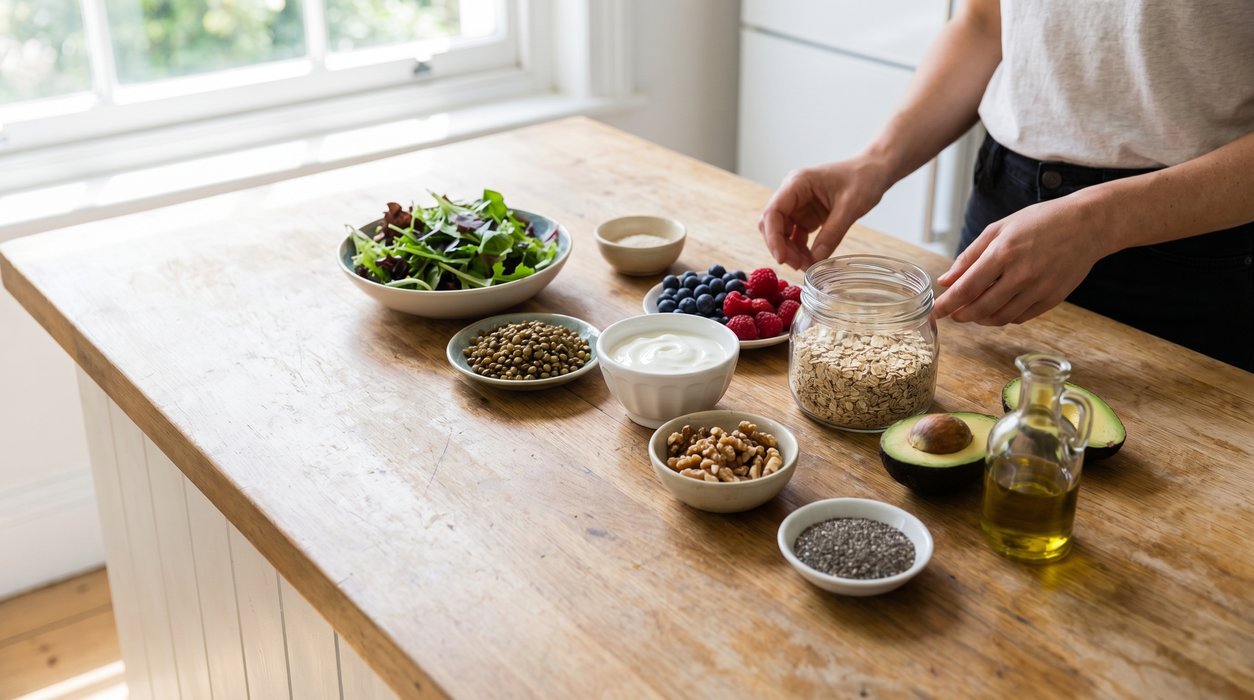
The best foods to eat when you have prediabetes are usually high in fiber, rich in protein, minimally processed, and easy to combine into balanced meals. Strong choices include nonstarchy vegetables, lentils, beans, oats, barley, berries, plain Greek yogurt, eggs, fish, tofu, nuts, seeds, avocado, and olive oil.
These foods support blood sugar control best when they are paired together, not treated as isolated “superfoods.” The best foods to eat when you have prediabetes help by adding fiber, protein, healthy fats, or slower-digesting carbohydrates to meals.
| Meal goal | Best food choices | Why it helps |
|---|---|---|
| Slow digestion | Lentils, beans, oats, barley, berries, chia seeds | Fiber can slow carbohydrate absorption and improve fullness. |
| Add protein | Eggs, Greek yogurt, fish, chicken, tofu, tempeh | Protein supports satiety and helps meals feel more stable. |
| Fill the plate | Leafy greens, broccoli, peppers, mushrooms, zucchini | Nonstarchy vegetables add volume with relatively little digestible carbohydrate. |
| Improve satisfaction | Avocado, olive oil, walnuts, almonds, flaxseed | Unsaturated fats can make meals more satisfying without adding much carbohydrate. |
Clinical and public health guidance supports balanced meals, portion awareness, higher-fiber foods, and individualized support when possible.[1] A practical prediabetes diet is less about perfection and more about repeatable meal structure.
Key takeaways
- The most helpful prediabetes foods usually combine fiber, protein, and nutrient density.
- Carbohydrates do not have to disappear, but higher-fiber choices and portions matter.
- Legumes, oats, barley, berries, vegetables, yogurt, fish, tofu, nuts, and seeds are practical staples.
- Meal structure often matters as much as the individual food: vegetables, protein, healthy fat, then portion-aware carbohydrates.
- This is not a personal failure. Prediabetes is influenced by biology, sleep, stress, activity, genetics, medications, and food environment.
Why does food choice matter for insulin resistance?
Prediabetes often involves insulin resistance, which means cells in the muscles, fat, and liver do not respond to insulin as effectively as they should. When glucose has a harder time moving from the bloodstream into cells, blood sugar may rise above the normal range.[2]
Food choices matter because meals create different glucose and insulin demands. A meal built mostly from refined carbohydrates can digest quickly, while a meal with vegetables, beans, protein, and healthy fats usually enters the bloodstream more gradually.
Dietary fiber is one reason this matters. Systematic reviews suggest that fiber interventions, especially soluble fiber, can support better glycemic markers in people with diabetes, although results vary by fiber type, dose, study length, and overall diet pattern.[3]
One thing worth pushing back on here: many people assume prediabetes means carbohydrates are “bad.” The more useful question is which carbohydrates, how much, and what they are eaten with.
Beans, berries, oats, and lentils behave very differently from soda, candy, and white bread in a real meal. That shift matters because it keeps the plan livable while still supporting blood sugar control.
The 20 best foods to eat when you have prediabetes
The following foods are not ranked by magic blood sugar power. They are included because they help build filling, fiber-rich, nutrient-dense meals that may support steadier glucose patterns over time.
| Food | Why it helps | Easy way to use it |
|---|---|---|
| Leafy greens | Low in digestible carbohydrate and rich in volume, minerals, and plant compounds. | Add spinach, arugula, or kale to eggs, soups, wraps, or grain bowls. |
| Broccoli | A nonstarchy vegetable that adds fiber and helps fill the plate. | Roast with olive oil and serve beside fish, tofu, or chicken. |
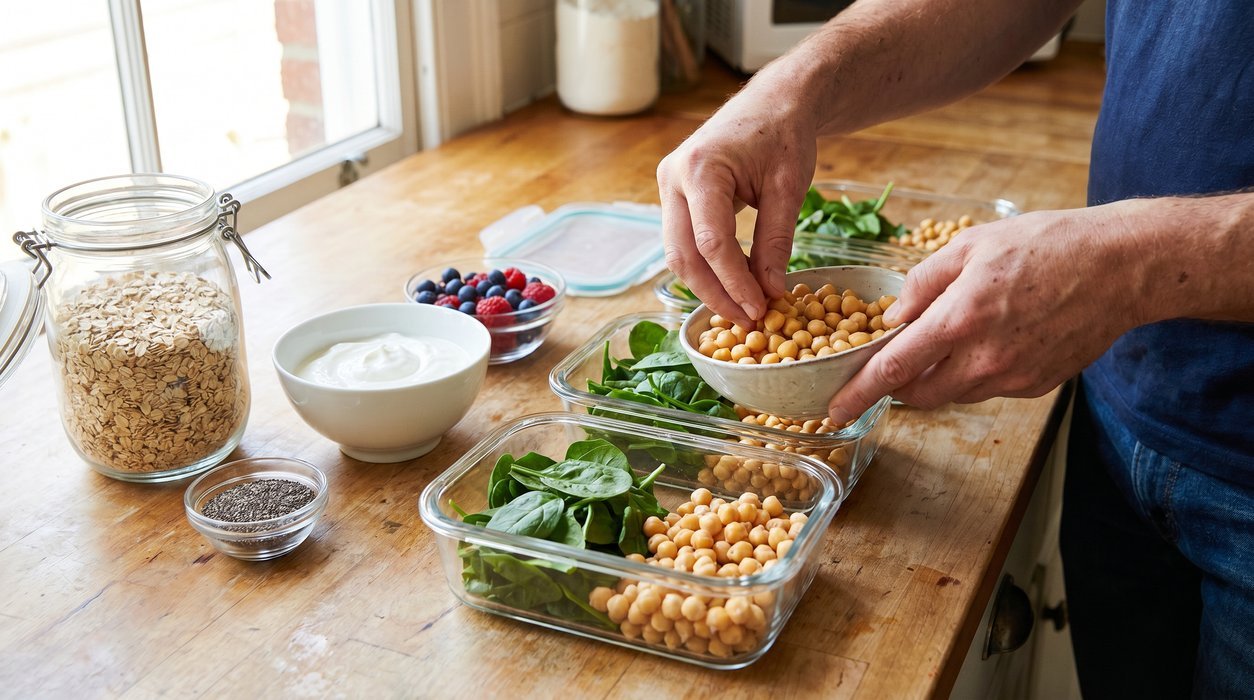
| Lentils | Provide plant protein, fiber, and slower-digesting carbohydrate. | Use in soups, salads, or as a base for meal-prep bowls. |
| Chickpeas | Offer fiber and protein, especially when replacing refined starches. | Add to salads or mash into a simple hummus-style spread. |
| Black beans | A budget-friendly source of soluble fiber and plant protein. | Pair with vegetables, salsa, avocado, and a modest portion of brown rice. |
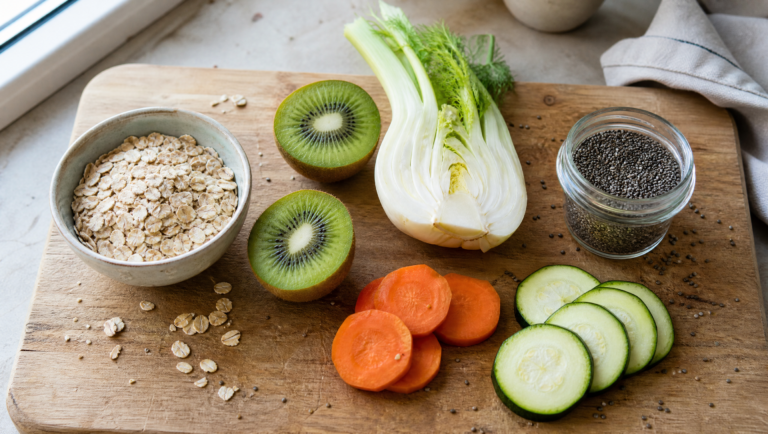
| Steel-cut or rolled oats | Contain beta-glucan fiber and can be more filling than many refined breakfast cereals. | Top with Greek yogurt, chia seeds, cinnamon, and berries. |
| Barley | A chewy whole grain with soluble fiber that fits well in savory meals. | Use instead of white rice in soups or meal-prep bowls. |
| Quinoa | A whole-food carbohydrate with some protein and minerals. | Keep portions moderate and pair with vegetables and protein. |
| Berries | Naturally sweet fruit with fiber and a smaller carbohydrate load than many desserts. | Add to plain yogurt or oatmeal instead of sweetened toppings. |
| Apples or pears | Whole fruit provides fiber, chewing satisfaction, and portable sweetness. | Pair slices with peanut butter, walnuts, or plain yogurt. |
| Plain Greek yogurt | High in protein and versatile for breakfast or snacks. | Choose unsweetened versions and add berries, nuts, or seeds. |
| Eggs | Provide protein with very little carbohydrate. | Serve with vegetables and one slice of whole-grain toast. |
| Salmon or sardines | Provide protein and omega-3 fats that fit a heart-supportive eating pattern. | Serve with roasted vegetables and lentils or barley. |
| Tofu or tempeh | Plant-based protein options that pair well with vegetables. | Stir-fry with broccoli, peppers, mushrooms, and a small portion of brown rice. |
| Chicken or turkey | Lean protein may improve meal satisfaction when balanced with fiber-rich carbohydrates. | Use in salads, soups, lettuce cups, or grain bowls. |
| Avocado | Adds unsaturated fat and fiber, helping meals feel more satisfying. | Add a small portion to eggs, salads, or bean bowls. |
| Extra virgin olive oil | A Mediterranean-style fat that can replace butter or creamy dressings. | Use in vinaigrettes or drizzle over vegetables after cooking. |
| Walnuts or almonds | Provide fat, fiber, and plant protein with a low available carbohydrate load. | Use a small handful as a snack or yogurt topping. |
| Chia or ground flaxseed | Add soluble fiber and texture to meals without much effort. | Stir into oats, yogurt, smoothies, or cottage cheese. |
| Sweet potatoes | A nutrient-rich starchy vegetable that can fit in portion-aware meals. | Eat with protein, greens, and healthy fat instead of eating alone. |
Legumes such as lentils, chickpeas, and beans are especially useful because they combine fiber, protein, and slowly digested carbohydrate. A systematic review of randomized trials reported potential benefits for glycemic markers, although effects varied by study and diet pattern.[4]
Whole grains can also fit when portions are thoughtful. The CDC lists grains, starchy vegetables, beans, fruit, and yogurt as carbohydrate-containing foods, which is why pairing and portion size matter rather than simply labeling all carbs the same.[5]
Nuts and seeds are useful because they make meals more satisfying without adding much digestible carbohydrate. Reviews suggest nuts may have a role in type 2 diabetes prevention and management, though not every glycemic marker improves consistently across studies.[6]
How to build a blood-sugar-friendly plate
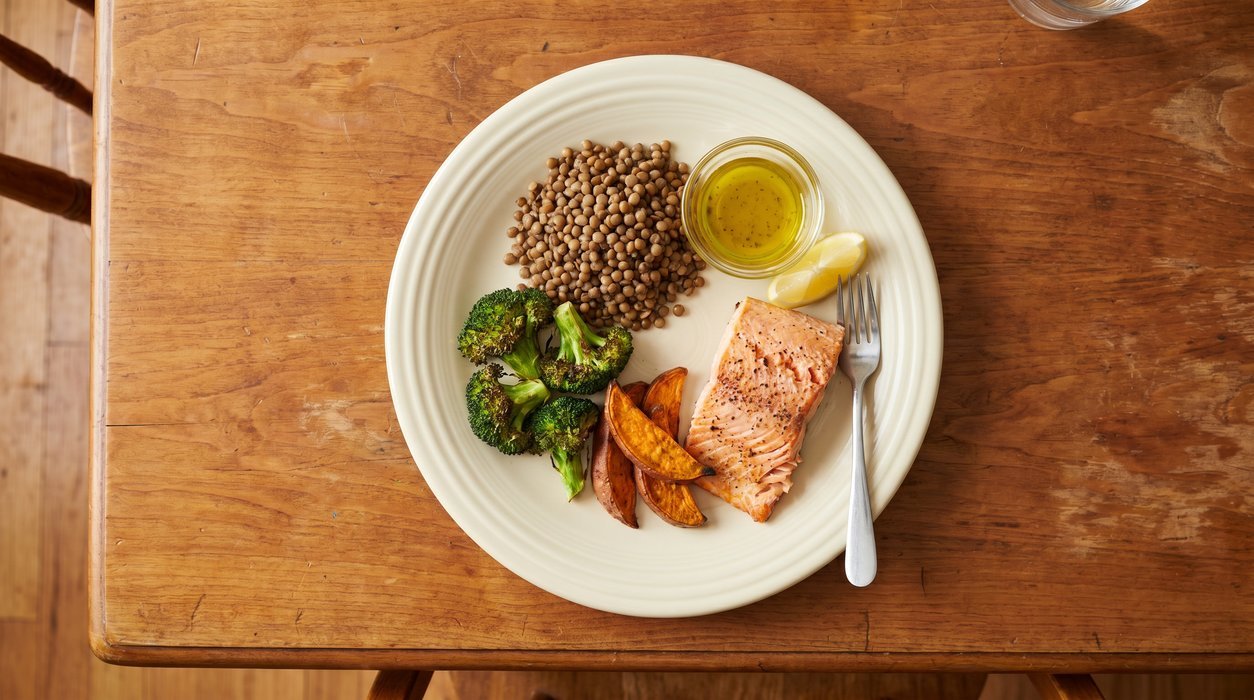
A helpful plate for prediabetes usually starts with nonstarchy vegetables, then adds protein, then includes a measured portion of higher-carbohydrate food. This approach keeps carbohydrates present but better supported.
The CDC’s plate method uses half the plate for nonstarchy vegetables, one quarter for lean protein, and one quarter for carbohydrate foods.[5] For a deeper visual guide, see how to build a balanced plate for stable blood sugar.
Start with nonstarchy vegetables
Nonstarchy vegetables add volume, water, fiber, and micronutrients with relatively little carbohydrate. Leafy greens, broccoli, zucchini, peppers, mushrooms, cauliflower, asparagus, cucumber, and green beans are all easy starting points.
This does not mean every meal needs to be a salad. Soups, stir-fries, roasted sheet-pan meals, omelets, and grain bowls can all carry a generous vegetable base.
Add protein for fullness
Protein helps meals feel more satisfying and may reduce the urge to snack soon after eating. Useful choices include eggs, fish, poultry, tofu, tempeh, plain Greek yogurt, cottage cheese, and legumes.
For many people, breakfast feels noticeably steadier when it includes protein. Swapping sweet pastries or cereal alone for eggs with vegetables or Greek yogurt with berries can make the morning feel less reactive.
Choose carbohydrates with fiber
Carbohydrates are not automatically off-limits with prediabetes. The practical goal is to choose more high-fiber sources, use portions that fit personal needs, and pair them with protein and fat.
Oats, barley, quinoa, beans, lentils, berries, apples, pears, and sweet potatoes can all belong. Sugary drinks, candy, desserts, and refined snack foods are usually more likely to raise glucose quickly and leave hunger behind.
Foods to limit with prediabetes
Limiting certain foods does not mean banning them forever. It means noticing which choices are more likely to create a fast glucose rise, short-lived fullness, or stronger cravings later.
| Limit more often | Try instead | Why the swap helps |
|---|---|---|
| Sugary drinks, sweet tea, soda, juice | Water, sparkling water, unsweetened tea | Liquid sugar can raise glucose quickly and is easy to overconsume. |
| Candy, pastries, sweet breakfast cereals | Greek yogurt with berries, oats with seeds, eggs with vegetables | Protein and fiber improve fullness and slow digestion. |
| Large portions of white bread, white rice, or regular pasta | Smaller portions paired with vegetables, beans, protein, or olive oil | Portion and pairing can reduce the glucose load of the meal. |
| Frequent fried potatoes or refined snack foods | Roasted sweet potato, nuts, hummus with vegetables | More fiber and less refined starch can make snacks more satisfying. |
The goal is not perfection. A flexible plan that includes enjoyable foods in balanced portions is usually easier to repeat than a strict plan that feels impossible by the weekend.
What changes can you realistically expect?
Food changes work best when they are consistent enough to become ordinary. Many people notice steadier hunger, fewer afternoon crashes, and more predictable meals before lab markers change.
Measurable changes in fasting glucose or A1C often require weeks to months. Sleep, stress, physical activity, medications, weight changes, genetics, and starting glucose levels can all influence the timeline.
| Timeframe | Possible change | What to track |
|---|---|---|
| Same day | Meals may feel more filling when protein and vegetables come first. | Hunger, cravings, energy dips, post-meal sleepiness. |
| 2–4 weeks | More consistent meals may reduce grazing and make portions easier. | Meal timing, snack urges, fasting glucose if monitored. |
| 3 months | A1C may begin to reflect newer habits because it represents longer-term glucose exposure. | A1C, waist change if relevant, blood pressure, lipid markers. |
ADA guidance emphasizes structured lifestyle support for diabetes prevention, including nutrition, activity, and weight-management strategies when appropriate.[1] For pantry planning, the low-glycemic grocery list can help turn the ideas in this article into repeatable choices.
A Mediterranean-style pattern is one useful framework because it emphasizes vegetables, legumes, whole grains, fruit, fish, olive oil, nuts, and minimally processed meals. A 2025 systematic review and dose-response meta-analysis found moderate-certainty evidence that higher Mediterranean diet adherence was associated with lower type 2 diabetes risk.[7]
Simple weekly meal ideas
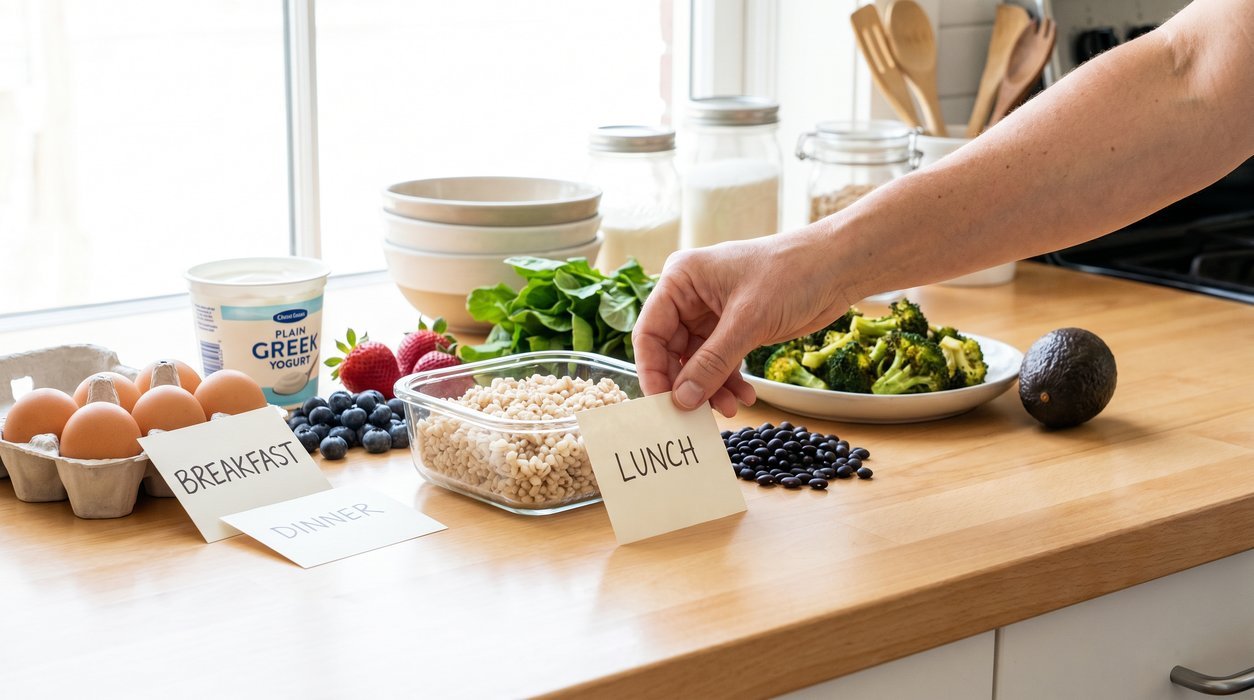
The easiest way to use these foods is to repeat a few reliable meal templates. Prediabetes nutrition gets easier when the kitchen has default options that do not require a new decision every time hunger shows up.
Meal Ideas Box: Choose one breakfast, one lunch, and one dinner template for the week. Repeat them with different vegetables, proteins, and high-fiber carbohydrates instead of trying to reinvent every meal.
Breakfast ideas
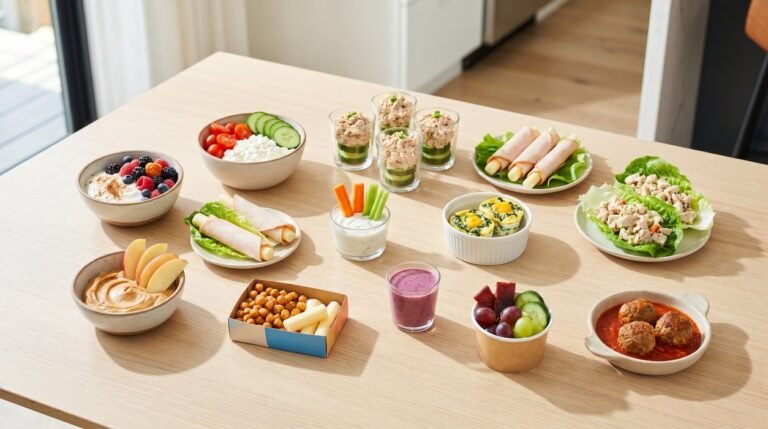
- Plain Greek yogurt with berries, chia seeds, and walnuts.
- Eggs with spinach, mushrooms, avocado, and one slice of whole-grain toast.
- Steel-cut oats with ground flaxseed, cinnamon, and a spoonful of nut butter.
- Tofu scramble with peppers, greens, and black beans.
Lunch ideas
- Lentil soup with a side salad and olive oil vinaigrette.
- Salmon salad bowl with leafy greens, chickpeas, cucumber, and avocado.
- Turkey lettuce wraps with hummus, vegetables, and berries on the side.
- Quinoa bowl with tofu, roasted broccoli, tahini, and herbs.
Dinner ideas
- Chicken, roasted vegetables, and a small sweet potato.
- Tempeh stir-fry with broccoli, mushrooms, and barley.
- Sardines or salmon with a large salad and lentils.
- Bean chili topped with plain Greek yogurt and served with extra vegetables.
Snacks are optional, not mandatory. When needed, choose combinations such as apple with almond butter, cottage cheese with berries, vegetables with hummus, or a small handful of nuts.
Harvard Health’s 2026 prediabetes diet guidance emphasizes a pattern built around vegetables, fruit, beans, legumes, lean proteins, whole grains, and healthy fats, while limiting sugary foods, refined carbohydrates, fast foods, fried foods, and alcohol.[8]
When to get personalized guidance
Food changes should be personalized if you take insulin, sulfonylureas, or other glucose-lowering medication because blood sugar can drop too low in some situations. A clinician or registered dietitian can help adjust meal timing, carbohydrate targets, and monitoring safely.
Personal guidance is also important during pregnancy, with kidney disease, after bariatric surgery, with a history of eating disorder symptoms, or when glucose readings are unusually high or low. The goal is a plan that supports metabolic health without creating fear around food.
Frequently asked questions
What are the best foods to eat when you have prediabetes?
The best foods to eat when you have prediabetes are usually fiber-rich, protein-rich, and minimally processed. Strong choices include nonstarchy vegetables, lentils, beans, oats, barley, berries, plain Greek yogurt, eggs, fish, tofu, nuts, seeds, avocado, and olive oil. These foods may help make meals more filling and support steadier blood sugar patterns. Portion size and food pairing still matter, especially with grains, fruit, and starchy vegetables.
Can people with prediabetes eat fruit?
Yes, many people with prediabetes can include fruit, especially whole fruit with fiber. Berries, apples, pears, citrus, and kiwi are often easier to fit than juice or dried fruit. Pairing fruit with protein or fat, such as yogurt or nuts, may create a steadier meal or snack. Personal tolerance varies, so glucose monitoring may be useful for some people.
Are oats good for prediabetes?
Oats can be a useful option because they provide soluble fiber and can be more filling than many refined breakfast cereals. Steel-cut or rolled oats are usually better choices than sweetened instant oatmeal packets. For a more balanced meal, add Greek yogurt, chia seeds, ground flaxseed, nuts, or berries. Portion size still matters because oats are a carbohydrate-rich food.
Should carbohydrates be avoided completely with prediabetes?
Carbohydrates do not usually need to be avoided completely unless a clinician recommends a specific approach. A more practical goal is choosing higher-fiber carbohydrates and eating them with protein, vegetables, and healthy fats. Beans, lentils, oats, fruit, and whole grains are different from sugary drinks and refined snacks. The best amount depends on personal glucose response, activity level, preferences, and medical history.
What foods should be limited with prediabetes?
Foods that are low in fiber and high in added sugar or refined starch are usually worth limiting. This includes sugary drinks, candy, pastries, many packaged desserts, refined cereals, and frequent large portions of white bread, white rice, or fried potatoes. These foods can still appear occasionally, but they usually work better in smaller portions and with protein, vegetables, or healthy fats.
Conclusion
The best foods to eat when you have prediabetes are not unusual, expensive, or joyless. They are simple foods that help meals become more filling, more fiber-rich, and less likely to feel like a blood sugar roller coaster.
Start with one plate change: more nonstarchy vegetables, a clear protein source, and a portion-aware high-fiber carbohydrate. That small structure can make prediabetes nutrition feel less like restriction and more like a repeatable way to care for your future health.
Medical Disclaimer: The information provided in this article is for educational purposes only and does not constitute medical advice. Always consult a qualified healthcare provider before making changes to your diet, lifestyle, or treatment plan. TheMetabolicHub.com does not replace professional medical guidance.
References
- American Diabetes Association Professional Practice Committee. Prevention or Delay of Diabetes and Associated Comorbidities: Standards of Care in Diabetes—2026. Diabetes Care. 2026. Source
- National Institute of Diabetes and Digestive and Kidney Diseases. Insulin Resistance & Prediabetes. Source
- Xie Y, Gou L, Peng M, et al. Effects of soluble fiber supplementation on glycemic control in adults with type 2 diabetes mellitus: A systematic review and meta-analysis of randomized controlled trials. Clin Nutr. 2021. PMID: 33162192
- Bielefeld D, Grafenauer S, Rangan A. The effects of legume consumption on markers of glycaemic control in individuals with and without diabetes mellitus: A systematic literature review of randomised controlled trials. Nutrients. 2020. PMID: 32708949
- Centers for Disease Control and Prevention. Diabetes Meal Planning. Updated May 15, 2024. Source
- Nishi SK, Kendall CWC, Gascoyne AM, et al. Nuts in the prevention and management of type 2 diabetes. Nutrients. 2023. PMID: 36839236
- Wallerer S, Ibsen DB, Tjønneland A, et al. Adherence to Mediterranean Diet and Risk of Type 2 Diabetes: An Updated Systematic Review and Dose-Response Meta-analysis. Adv Nutr. 2025;16(12):100562. PMID: 41241045
- Harvard Health Publishing. Prediabetes diet: How to help prevent progression to diabetes. Published June 17, 2026. Source