
Can You Eat Carbs if You Have Prediabetes?

A prediabetes result can make ordinary meals feel suddenly complicated. Bread, rice, oats, fruit, potatoes, and even “healthy” snacks may start to feel like choices you are supposed to get perfectly right.
This is not a personal failure. The encouraging news: Can You Eat Carbs if You Have Prediabetes? is not really a question about banning carbs — it is about choosing the right carb sources, portions, timing, and meal combinations for steadier blood sugar.
Quick Win: At your next carb-containing meal, fill half your plate with non-starchy vegetables, add a palm-sized protein source, and keep starch or fruit to about one quarter of the plate.
Can You Eat Carbs if You Have Prediabetes?
Yes, many adults with prediabetes can eat carbs. Current diabetes nutrition guidance emphasizes individualized eating patterns rather than one ideal carbohydrate percentage for everyone.[1]
The better question is which carbs, how much, and what they are eaten with. Can You Eat Carbs if You Have Prediabetes? usually comes down to choosing high-fiber foods, moderate portions, and mixed meals that may support steadier post-meal glucose.
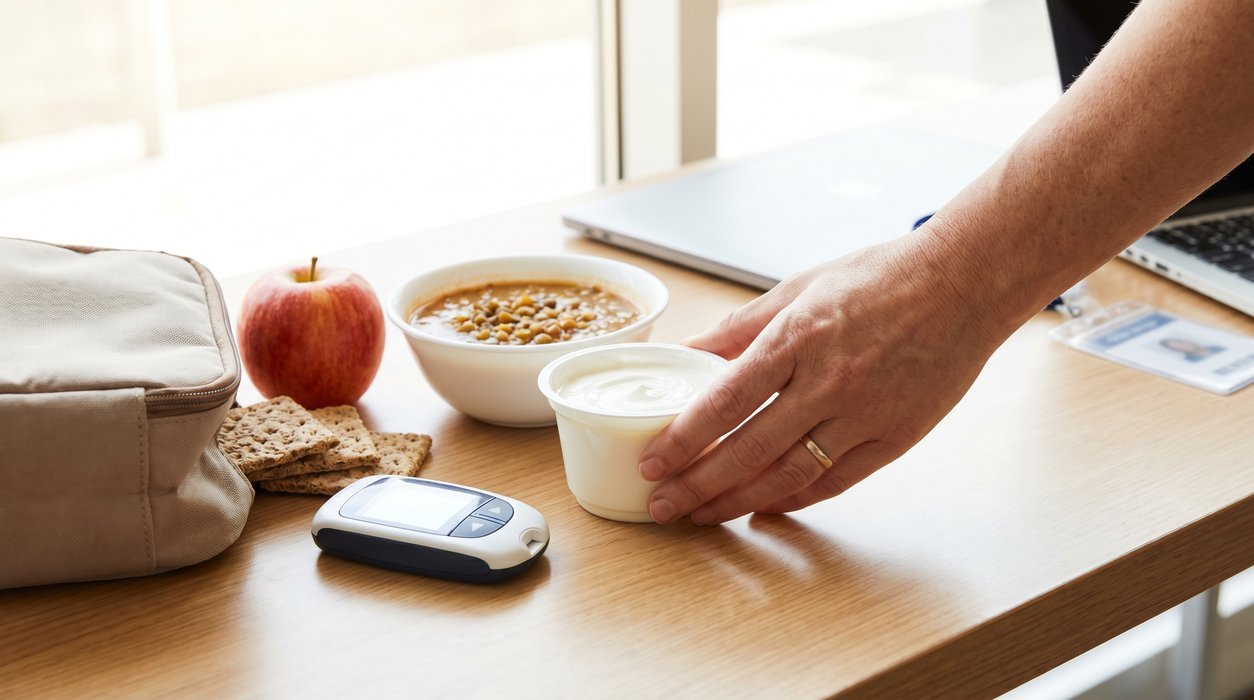
Some people do well with moderate portions of beans, oats, fruit, yogurt, and intact whole grains. Others notice better glucose patterns with smaller starch portions or fewer refined carbs.
The goal is not carb avoidance. The goal is to reduce sharp glucose swings, support insulin sensitivity, and build meals that are satisfying enough to repeat consistently.
For a broader lifestyle framework, this guide to a prediabetes plan without giving up all carbs can help connect meal choices with movement and daily habits.
Key Takeaways
- Carbs are not automatically off-limits with prediabetes.
- High-fiber, minimally processed carbs are usually more supportive than refined starches or sweet drinks.
- Portion size matters, even when the carb source is nutritious.
- Pairing carbs with protein, fiber, and healthy fat may slow the blood sugar rise.
- Small, repeatable changes often matter more than one perfect meal.
How Do Carbs Affect Blood Sugar in Prediabetes?
Carbohydrates break down into glucose, which enters the bloodstream after eating. Insulin helps move that glucose into cells, but insulin resistance can make the body work harder to manage the same meal.
Prediabetes means blood sugar is higher than optimal, but not in the diabetes range. It can also suggest that the body is using more effort to keep glucose under control.
The CDC notes that carbohydrates raise blood sugar, but the speed depends on the food and what it is eaten with. Carbs eaten with protein, fat, or fiber tend to raise blood sugar more slowly than carbs eaten alone.[2]
This is why two meals with the same carb count can feel different. A large bowl of white rice alone may affect glucose differently than a smaller rice portion with salmon, vegetables, olive oil, and beans.
Carb quality matters before carb perfection
Refined carbohydrates are usually lower in fiber and easier to digest quickly. Examples include white bread, sweet cereals, pastries, candy, many crackers, and sugar-sweetened drinks.
Higher-fiber carbohydrates usually digest more slowly and bring more nutrients with them. Examples include lentils, chickpeas, black beans, oats, quinoa, barley, berries, apples, squash, peas, and plain Greek yogurt.
One thing worth pushing back on here: carbs are often treated as either “safe” or “bad.” That misses the practical reality that food form, portion size, fiber, protein, and total meal context can change the glucose response.
This matters because a rigid carb ban can make eating stressful and socially difficult. A more useful approach is learning which carbs work best for your body, in which portions, and in which combinations.
Which Carbs Are Better for Prediabetes?
The best carbs for prediabetes are usually the ones that bring fiber, volume, minerals, and slower digestion. These foods may support fullness and help reduce the urge to graze after meals.
Professional nutrition guidance for diabetes and prediabetes emphasizes nutrient-dense foods, appropriate portions, and individualized meal patterns rather than a single universal diet.[1]
| Carb Choice | Why It May Work Better | Simple Serving Idea |
|---|---|---|
| Beans and lentils | High in fiber and plant protein, which may support fullness. | Add 1/2 cup to a salad, soup, or bowl. |
| Oats or barley | Contain soluble fiber and digest more slowly than many refined cereals. | Pair with Greek yogurt, nuts, or chia seeds. |
| Berries, apples, or pears | Bring fiber, water, and natural sweetness without added sugar. | Eat with cottage cheese, yogurt, or nut butter. |
| Sweet potato or squash | More nutrient-dense than many refined starches. | Serve as one quarter of the plate. |
| Plain yogurt or kefir | Provides carbohydrate plus protein, depending on the product. | Choose unsweetened versions and add berries. |
Fiber deserves special attention. Endotext nutrition guidance for diabetes emphasizes minimally processed, nutrient-dense carbohydrate sources and at least 14 grams of fiber per 1,000 calories.[5]
For many people, the easiest first step is not counting every gram. It is replacing one low-fiber carb with a higher-fiber version most days of the week.
How Much Carbohydrate Should You Eat at a Meal?
There is no single carb target that fits every adult with prediabetes. Body size, activity level, medications, sleep, stress, muscle mass, food preferences, and glucose response can all affect what feels sustainable.
A practical starting point is the plate method. The American Diabetes Association describes a 9-inch plate filled half with non-starchy vegetables, one quarter with lean protein, and one quarter with quality carbohydrate foods.[3]
This visual approach helps prevent oversized starch portions without making the meal feel tiny. It also naturally adds fiber, protein, and volume.
For a deeper meal-building guide, see this practical framework for a balanced plate for stable blood sugar.
Signs your carb portion may be too large for that meal
- Strong sleepiness or brain fog within one to two hours after eating.
- Feeling hungry again soon after a starch-heavy meal.
- Repeated high post-meal glucose readings, if you monitor.
- Cravings that feel stronger after sweet drinks, desserts, or refined snacks.
These signs do not mean carbs are forbidden. They may simply mean the portion, food choice, or meal balance needs adjustment.
If you use glucose-lowering medication, are pregnant, have kidney disease, or have a history of disordered eating, do not make major carbohydrate changes without guidance from a qualified healthcare professional.
How Can You Eat Carbs Without Big Glucose Swings?
For many people asking Can You Eat Carbs if You Have Prediabetes?, the most useful strategy is pairing. A carb eaten alone often behaves differently than a carb eaten with protein, fiber, and healthy fat.
Try oatmeal with Greek yogurt and walnuts instead of sweetened instant oats alone. Try fruit with peanut butter, rice with tofu and vegetables, or toast with eggs and avocado.
Protein can improve meal satisfaction and may slow digestion when it is part of a mixed meal. Fiber adds bulk, slows absorption, and supports gut health.
Healthy fats such as olive oil, nuts, seeds, and avocado can make meals more satisfying. The key is using them as part of a balanced plate rather than adding large amounts without considering total energy intake.
Order and movement can help too
Some people notice smoother energy when they eat vegetables and protein before most of the starch. Small studies in type 2 diabetes suggest this food order can reduce post-meal glucose excursions, although it should be treated as a useful tool rather than a strict rule.[7]
A 10- to 20-minute walk after a carb-containing meal may also support glucose use by working muscles. Systematic review evidence suggests post-meal activity can improve the acute post-meal glucose response.[8]
For more context on when glucose rises are expected versus concerning, see this guide to post-meal blood sugar spikes.

Which Carbs Should You Limit Most Often?
Prediabetes does not require moral rules around food. Still, some carb sources are more likely to make blood sugar management harder when they show up often or in large portions.
The biggest priorities are usually sugar-sweetened beverages, fruit juice, candy, pastries, sweetened cereals, large refined-grain portions, and snack foods eaten without protein or fiber.
| Limit More Often | Why It Can Be Harder | Try Instead |
|---|---|---|
| Sweet drinks and juice | Easy to drink quickly and low in intact fiber. | Water, sparkling water, unsweetened tea, or whole fruit. |
| Pastries and sweets | Often combine refined flour, added sugar, and saturated fat. | Greek yogurt with berries or a planned dessert portion after a balanced meal. |
| Large refined starch portions | Lower fiber and faster digestion can raise glucose more quickly. | Smaller portions with beans, vegetables, protein, and healthy fat. |
| Carb-only snacks | May leave you hungry again and increase cravings. | Fruit with nut butter, hummus with vegetables, or cottage cheese with berries. |
This does not mean these foods can never fit. It means they are usually easier to manage when they are occasional, portioned, and eaten with a balanced meal rather than alone.
A Simple Prediabetes Carb Plan for Real Life
A flexible plan is easier to maintain than a strict food list. The goal is to make the next meal easier, not to turn every bite into a math problem.
- Choose one carb anchor: Pick one main carb per meal, such as beans, oats, fruit, potatoes, rice, or whole-grain bread.
- Add protein: Include eggs, fish, poultry, tofu, tempeh, Greek yogurt, cottage cheese, lean meat, or legumes.
- Build volume with vegetables: Add salad, broccoli, peppers, zucchini, spinach, cauliflower, green beans, or mushrooms.
- Use fat intentionally: Add olive oil, avocado, nuts, seeds, or tahini in moderate portions.
- Notice the response: Track energy, hunger, cravings, and glucose readings if monitoring is part of your care plan.
Breakfast ideas
Try plain Greek yogurt with berries, chia seeds, and walnuts. Another option is eggs with sautéed vegetables and one slice of whole-grain toast.
For a warmer option, try steel-cut oats with protein on the side or Greek yogurt stirred in after cooking. Cinnamon can add flavor, but it should not be treated as a replacement for balanced meals or medical care.
Lunch and dinner ideas
Build a bowl with greens, grilled chicken or tofu, 1/2 cup beans, avocado, salsa, and roasted vegetables. This keeps carbohydrates present while surrounding them with fiber, protein, and fat.
Another option is salmon with roasted broccoli and a small sweet potato. If rice or pasta is part of the meal, consider a smaller serving and add extra vegetables and protein.
Snack ideas
Choose snacks that are not only carbs. Apple slices with peanut butter, hummus with vegetables, cottage cheese with berries, or roasted chickpeas may be more satisfying than crackers or sweets alone.
For more examples, use these blood sugar-stabilizing snacks as a formula for pairing protein, fiber, and healthy fat.
What Progress Can You Expect?
Progress with prediabetes usually comes from repeatable patterns, not one perfect meal. Meaningful changes often require several weeks or months of consistent nutrition, movement, sleep, and weight-management habits when weight loss is clinically appropriate.
The ADA Standards of Care emphasize lifestyle intervention for people with prediabetes, including eating-pattern support, physical activity, and individualized care when appropriate.[4]
Large prevention trials have shown that structured lifestyle changes can reduce progression to type 2 diabetes in people at high risk. In the Diabetes Prevention Program, lifestyle intervention was more effective than metformin in the trial population.[6]
Early signs may include steadier afternoon energy, fewer cravings after meals, better hunger control, improved waist measurements, or more stable home glucose readings.
Lab changes such as fasting glucose or A1C often take longer to evaluate. Poor sleep, illness, stress, menstrual-cycle changes, alcohol, late meals, and unusually large portions can all affect glucose even when the overall pattern is improving.
Frequently Asked Questions
Can You Eat Carbs if You Have Prediabetes?
Yes, many people can eat carbs if they have prediabetes, especially when those carbs come from high-fiber, minimally processed foods. The more helpful question is usually which carbs, how much, and what they are eaten with. Pairing carbs with protein, fiber, and healthy fat may support steadier blood sugar. A healthcare provider or registered dietitian can help personalize targets if glucose levels, medications, or other conditions need closer guidance.
Do people with prediabetes need to avoid bread, rice, and pasta?
Not always. Some people may include smaller portions of bread, rice, or pasta, especially when the meal also contains vegetables, protein, and healthy fat. Whole-grain or higher-fiber versions may be more supportive than refined versions for many adults. Portion size still matters, because even higher-quality starches can raise glucose when eaten in large amounts.
Is fruit okay for prediabetes?
Whole fruit can fit into many prediabetes eating patterns because it contains water, fiber, vitamins, and minerals. Berries, apples, pears, citrus, and kiwi are often practical choices. Fruit juice is different because it is easier to drink quickly and lacks the fiber structure of whole fruit. Pairing fruit with yogurt, nuts, or nut butter may make it more filling.
Are low-carb diets better for prediabetes?
Low-carb eating can help some people, but it is not the only option. Current nutrition guidance supports individualized eating patterns based on health goals, preferences, and metabolic response. Some adults do well with moderate portions of high-fiber carbohydrates, while others prefer lower-carb meals. The best plan is one that supports blood sugar control and can be maintained safely.
Conclusion
So, Can You Eat Carbs if You Have Prediabetes? Yes — for many people, carbs can fit when they are chosen and portioned with care.
Start with high-fiber carb sources, pair them with protein and healthy fat, and use the plate method when you do not want to count. Then watch how your body responds over time.
Prediabetes is a signal to adjust the pattern, not a reason to fear every carb. Small, repeatable choices can make meals feel calmer and more manageable.
Medical Disclaimer: The information provided in this article is for educational purposes only and does not constitute medical advice. Always consult a qualified healthcare provider before making changes to your diet, lifestyle, or treatment plan. TheMetabolicHub.com does not replace professional medical guidance.
References
- Evert AB, Dennison M, Gardner CD, et al. Nutrition Therapy for Adults With Diabetes or Prediabetes: A Consensus Report. Diabetes Care. 2019;42(5):731-754. PMID: 31000505
- Centers for Disease Control and Prevention. Diabetes Meal Planning. Updated 2024. CDC
- American Diabetes Association. Eating Well & Managing Diabetes: Diabetes Plate Method. American Diabetes Association
- American Diabetes Association Professional Practice Committee. Prevention or Delay of Diabetes and Associated Comorbidities: Standards of Care in Diabetes—2026. Diabetes Care. 2026;49(Suppl 1):S50-S60. Diabetes Care
- Reynolds A, Mitri J. Dietary Advice For Individuals with Diabetes. Endotext. Updated 2024. NCBI Bookshelf
- Knowler WC, Barrett-Connor E, Fowler SE, et al. Reduction in the Incidence of Type 2 Diabetes with Lifestyle Intervention or Metformin. N Engl J Med. 2002;346(6):393-403. PMID: 11832527
- Shukla AP, Iliescu RG, Thomas CE, Aronne LJ. Food Order Has a Significant Impact on Postprandial Glucose and Insulin Levels. Diabetes Care. 2015;38(7):e98-e99. PMID: 26106234
- Engeroff T, Groneberg DA, Wilke J. After Dinner Rest a While, After Supper Walk a Mile? A Systematic Review with Meta-analysis on the Acute Postprandial Glycemic Response to Exercise Before and After Meal Ingestion. Sports Med. 2023;53(4):849-869. PMID: 36715875