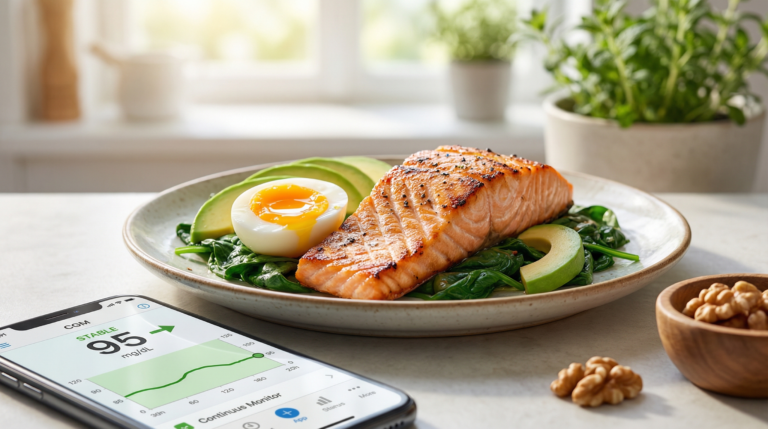
Post-Meal Glucose Response: Why the Same Meal Looks Different
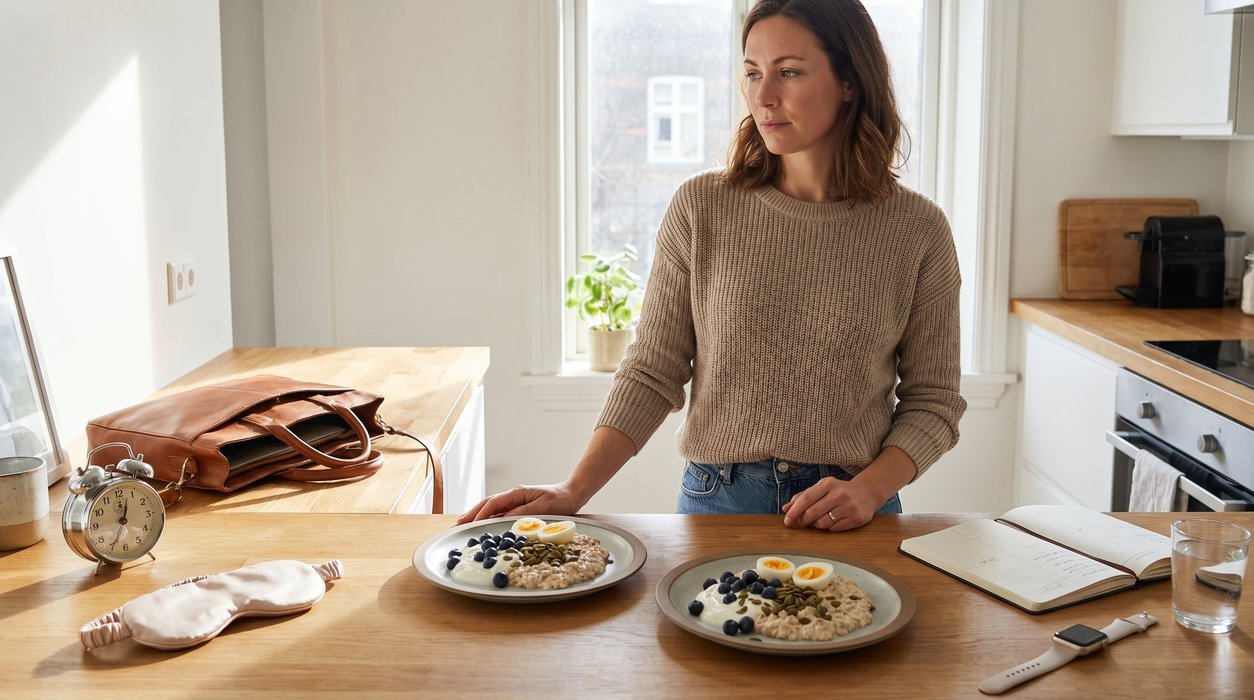
You eat the same breakfast twice, but your body does not seem to get the memo. One day your post-meal glucose response looks steady; another day it climbs higher, lasts longer, or leaves you feeling tired and hungry.
This may not be random, and it is not a personal failure. The encouraging news: your post-meal glucose response often reflects context you can learn to spot, not just the food on your plate.
Quick Win: Pick one familiar meal this week and keep the food the same. Add a 10–15 minute easy walk within 30 minutes after eating, then notice whether your energy, hunger, or glucose pattern feels different.
Post-Meal Glucose Response: The Direct Answer
Your post-meal glucose response can change from day to day because blood sugar is not controlled by food alone. It is shaped by insulin sensitivity, sleep, stress hormones, recent activity, meal timing, digestion speed, alcohol, illness, medication, hormonal shifts, and what you ate earlier.
In other words, the same meal may create a different glucose curve because the body receiving that meal is not in the same state every day. Research on personalized nutrition suggests that people can have highly individual post-meal glucose responses, even when eating standardized foods under monitored conditions.[1]
A higher-than-expected reading is best treated as information, not a verdict. Over one to two weeks, repeated patterns may help you see whether sleep, stress, meal order, portion size, or movement is the bigger lever for you.
For anyone using a continuous glucose monitor, finger-prick meter, or symptom tracking, the goal is not to fear every rise. The goal is to build meals and routines that may support steadier energy, appetite, and metabolic health over time.
Key Takeaways
- The same meal can produce a different glucose curve when your sleep, stress, activity, timing, or starting glucose level changes.
- Meal composition matters: protein, fiber, fat, food texture, and food order can change how quickly carbohydrate reaches the bloodstream.
- Post-meal movement is one of the simplest tools for many people because working muscles can use some incoming glucose.
- One unusual CGM curve is only a clue. Repeated patterns are more useful than judging a single number.
How Meal Composition Changes the Glucose Curve
A meal is more than its carbohydrate count. The same bowl of oats, rice, pasta, or potatoes may behave differently depending on the portion, cooking method, added protein, fiber, fat, acidity, and eating speed.
In mixed meals, protein and fat can change the speed and shape of the glucose curve by influencing stomach emptying, insulin response, and how quickly carbohydrate reaches the bloodstream.[4]
| Meal Factor | How It May Change Glucose Response |
|---|---|
| Carbohydrate type | Liquid or refined carbohydrates often digest faster than intact, high-fiber carbohydrates. |
| Protein | May slow digestion, support satiety, and influence insulin release. |
| Fat | May delay the glucose peak and sometimes extend the post-meal curve. |
| Fiber | May slow carbohydrate absorption and support a steadier postprandial glucose pattern. |
| Food order | Eating vegetables or protein before starch may reduce glucose excursions for some people. |
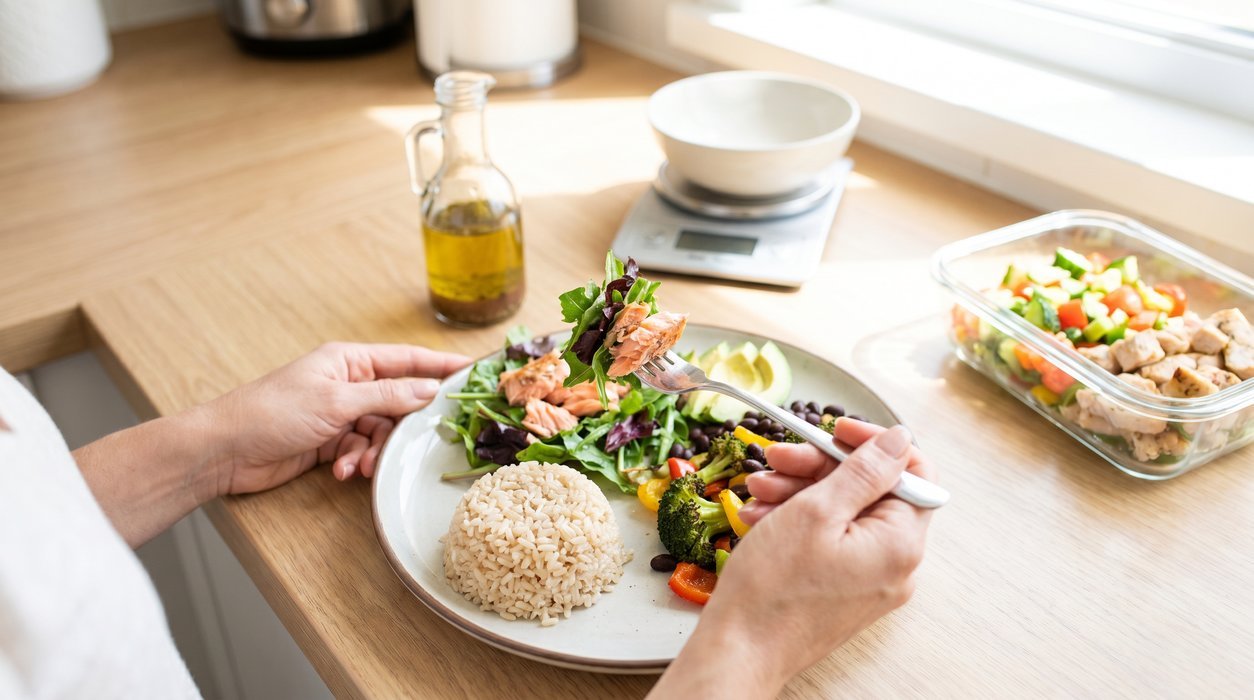
Texture matters too. A smoothie, juice, soft bread, or overcooked grain may digest differently than the same ingredients eaten whole, chewed, and paired with protein or fiber-rich vegetables.
The American Diabetes Association’s meal-planning guidance emphasizes balanced meals that include non-starchy vegetables, protein, and quality carbohydrates.[3] That approach can be a practical starting point for reducing sharp post-meal glucose spikes without making meals feel restrictive.
What Your Body Was Doing Before the First Bite
A glucose response begins before food reaches the stomach. Your pre-meal glucose level, insulin sensitivity, liver glucose output, muscle glycogen status, and stress state can all influence what happens next.
If glucose is already running slightly higher before a meal, the same food may create a higher-looking curve. That does not always mean the food suddenly became “bad”; it may mean the starting point changed.
Muscle tissue plays a major role because it stores and uses glucose. After a more active day or a strength-training session, some people may clear post-meal glucose more efficiently.
After long sitting, travel, illness, or several low-movement days, the same meal may look different. The food is familiar, but the metabolic background is not identical.
The liver also matters. During fasting, stress, poor sleep, and early morning hours, the liver can release glucose into the bloodstream.
One thing worth pushing back on here: it is easy to assume a glucose spike is only about “too many carbs.” Carbohydrate quality and amount matter, but the body receiving that meal is not the same body every day, which is why better patterns often come from adjusting context, not just removing foods.
How Sleep, Stress, Timing, and Movement Shift the Response
Many people notice that the same meal feels different in the morning, afternoon, and evening. Circadian rhythms influence metabolism, digestion, hormones, and insulin sensitivity, so meal timing can affect postprandial glucose.
Sleep is another major variable. Short or poor-quality sleep is linked with changes in glucose metabolism and insulin sensitivity, which may make normal meals produce less predictable responses the next day.[5]
Stress can also shift the curve. When the body releases cortisol and adrenaline, glucose may rise because the body is preparing for action, even when you are sitting at a desk.
This is why a calm weekend breakfast may look different from the same breakfast eaten during a rushed workday. The food is the same, but the hormonal environment is not.
Movement after meals is one of the most practical tools. Reviews suggest that post-meal walking or light activity can reduce postprandial glucose excursions in many adults, especially when done soon after eating.[7]
This does not need to be intense. A slow walk, gentle cycling, tidying the kitchen, or climbing stairs briefly may help muscles use some of the incoming glucose without turning the meal into a workout.
Food order can also be worth testing. The beginner-friendly habits in the Glucose Goddess Method overlap with practical strategies discussed here, including meal order and post-meal movement.
Sleep deserves the same practical attention. If breakfast responses look unpredictable after short nights, learning how sleep affects insulin may give you a better next step than blaming breakfast alone.
What to Do When Your Glucose Response Feels Unpredictable
If you are trying to understand your post-meal glucose response, start by looking for repeatable patterns rather than reacting to one reading. One unusual curve is a clue, not a complete explanation.
A helpful first step is to keep the meal stable and change only one variable at a time. Compare the same lunch after poor sleep versus a rested day, or after sitting versus walking.
Many people notice early changes in energy, hunger, cravings, or afternoon focus before lab markers shift. Measurable changes in fasting glucose, A1C, waist size, or insulin-related markers often require consistent habits over weeks to months.
For steadier glucose patterns, focus on a few levers that are realistic and safe:
- Pair starches with protein, fiber, and non-starchy vegetables.
- Use a smaller portion of fast-digesting carbohydrates when needed.
- Try vegetables or protein before the starch portion of the meal.[6]
- Walk or move lightly for 10–20 minutes after higher-carbohydrate meals.
- Prioritize sleep consistency before judging breakfast responses.
- Avoid interpreting one CGM spike without considering stress, illness, alcohol, and exercise.
Meaningful progress often looks like fewer extreme swings, steadier appetite, fewer energy crashes, and more predictable responses to familiar meals. Those changes may support better long-term metabolic health, but they should not replace medical care.
A Practical 7-Day Plan to Learn Your Pattern
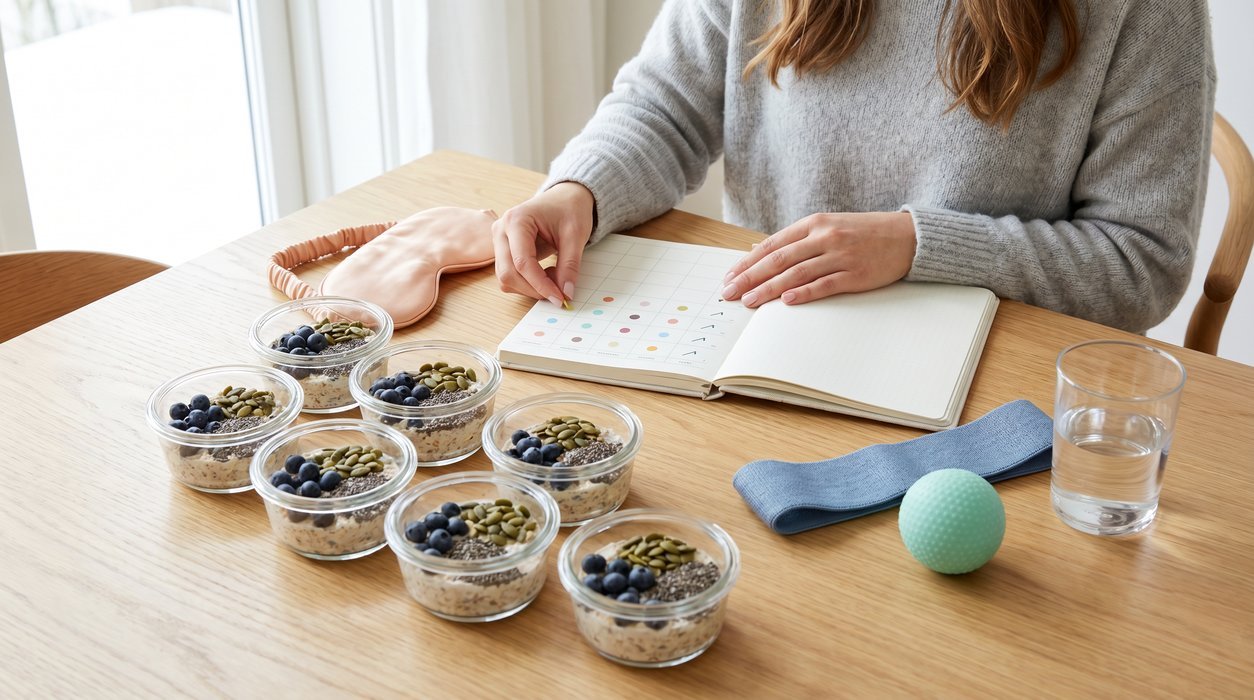
A simple experiment can teach more than weeks of random checking. Choose one meal you eat often, such as breakfast oats, a rice bowl, eggs with toast, pasta, or a sandwich.
For seven days, keep the main ingredients as similar as possible. Then track context: sleep, stress, movement, meal timing, portion size, and how you feel two to three hours later.
- Day 1: Eat the meal as usual and note your baseline response.
- Day 2: Add a 10–15 minute walk after the meal.
- Day 3: Add more non-starchy vegetables or fiber to the meal.
- Day 4: Eat protein or vegetables first, then the starch portion.
- Day 5: Keep the meal the same but eat it more slowly.
- Day 6: Repeat the meal after prioritizing an earlier bedtime.
- Day 7: Compare the patterns without judging any single day.
The purpose is not perfection. The purpose is to find which small changes may help your body handle the same meal with less drama.
If you use a CGM, remember that sensor readings can vary and may lag behind blood glucose. Trends are usually more useful than obsessing over one peak number, especially in people without diabetes.
Anyone taking glucose-lowering medication should be cautious with major diet or exercise changes. A healthcare professional can help interpret glucose data in the context of medication, symptoms, and lab results.[2]
Frequently Asked Questions
What is a post-meal glucose response?
A post-meal glucose response is the change in blood glucose after eating. It usually rises after carbohydrate-containing meals and then settles as insulin and other systems help move glucose into cells. The size, speed, and duration of the rise can vary from person to person and from day to day.
Why can the same meal cause different glucose responses on different days?
The same meal can cause different glucose responses because the body’s context changes. Sleep, stress, movement, meal timing, insulin sensitivity, digestion speed, and pre-meal glucose can all shift from day to day. The food matters, but your body’s current state also shapes the result.
Does a glucose spike mean the meal is unhealthy?
Not always. Glucose normally rises after eating, especially after meals that contain carbohydrate. The size, speed, and duration of the rise can offer useful information, but it does not automatically mean the meal is harmful. It is better to consider the full meal, your symptoms, your activity, and your overall health markers.
Can poor sleep change my blood sugar response to breakfast?
Yes, poor sleep may influence insulin sensitivity, appetite hormones, stress hormones, and glucose regulation. Some people notice higher fasting glucose or a stronger response to breakfast after a short or restless night. This does not mean one night of poor sleep causes lasting harm. It means sleep is worth considering when interpreting glucose data.
Why does walking after eating help some people?
Light movement after eating can help working muscles use glucose from the bloodstream. For many people, this may reduce the size or duration of a post-meal glucose rise. The effect can vary by fitness level, meal size, medication, and metabolic health. Even gentle movement may be useful when it is safe and realistic.
Conclusion
Your post-meal glucose response is personal, dynamic, and deeply influenced by context. The same meal can look different because your body is managing sleep debt, stress, activity, hormones, digestion, and the meals that came before it.
Understanding your post-meal glucose response helps shift the focus from food fear to pattern recognition. Small changes, repeated consistently, may support steadier energy and a more informed relationship with your own data.
The most useful question is not whether one reading was perfect. It is what your body keeps telling you when you look at the pattern with curiosity, patience, and enough context.
Medical Disclaimer: The information provided in this article is for educational purposes only and does not constitute medical advice. Always consult a qualified healthcare provider before making changes to your diet, lifestyle, or treatment plan. TheMetabolicHub.com does not replace professional medical guidance.
References
- Zeevi D, Korem T, Zmora N, et al. Personalized Nutrition by Prediction of Glycemic Responses. Cell. 2015. PMID: 26590418
- American Diabetes Association Professional Practice Committee. 5. Facilitating Positive Health Behaviors and Well-being to Improve Health Outcomes: Standards of Care in Diabetes—2026. Diabetes Care. 2026. PMID: 41358898
- American Diabetes Association. Meal Planning. Diabetes.org
- Kim JS, Nam K, Chung SJ. Effect of nutrient composition in a mixed meal on the postprandial glycemic response in healthy people: a preliminary study. Nutr Res Pract. 2019. PMID: 30984356
- Maloney A, Kanaley JA. Short Sleep Duration Disrupts Glucose Metabolism: Can Exercise Turn Back the Clock? Exerc Sport Sci Rev. 2024. PMID: 38608214
- Shukla AP, Iliescu RG, Thomas CE, Aronne LJ. Food Order Has a Significant Impact on Postprandial Glucose and Insulin Levels. Diabetes Care. 2015. PMID: 26106234
- Engeroff T, Groneberg DA, Wilke J. After Dinner Rest a While, After Supper Walk a Mile? A Systematic Review with Meta-analysis on the Acute Postprandial Glycemic Response to Exercise Before and After Meal Ingestion. Sports Med. 2023. PMID: 36715875