The Glucose Goddess Method: 3 Easy Habits for Beginners
The afternoon crash, the late-night sweet craving, and the feeling of being hungry again soon after eating can make healthy eating feel strangely hard. This may not be random; it can reflect how quickly glucose rises and falls after meals. The encouraging news: the Glucose Goddess Method turns blood sugar support into small habits, not another restrictive diet.
In simple terms, the Glucose Goddess Method is a habit-based approach that uses meal order, post-meal movement, and balanced breakfasts to help smooth glucose rises after eating. For beginners, the goal is not perfect eating, but a few repeatable habits that may support steadier energy, calmer cravings, and more satisfying meals.
Quick Win: At your next meal with bread, rice, pasta, potatoes, fruit, or dessert, eat vegetables first, protein and fats second, and the starch or sweet food last. Keep the same foods on your plate; simply change the order.
The Glucose Goddess Method: The Direct Answer
The Glucose Goddess Method may help some adults reduce sharp post-meal glucose rises by changing food order, adding short walks, and building more balanced breakfasts. It does not require eliminating carbohydrates or following a strict meal plan.
The Glucose Goddess Method may feel helpful within days to weeks, especially if meals often lead to sleepiness, cravings, or quick hunger. Measurable changes in fasting glucose or A1C usually require longer consistency and depend on overall health, sleep, activity, medications, and diet quality.
This is not a personal failure. Blood sugar responses are shaped by biology, meal composition, stress, sleep, muscle activity, and metabolic health, not willpower alone.
Which Glucose Balancing Habits Matter Most?
Beginners do not need a continuous glucose monitor, a perfect pantry, or complicated tracking. The most useful glucose balancing habits are the ones that fit into meals people already eat.
Three habits are especially beginner-friendly: eating fiber-rich foods before starches or sweets, walking briefly after meals, and starting the day with a savory breakfast that includes protein, fiber, and fat.
| Habit | Beginner Version | Why It May Help |
|---|---|---|
| Food order | Vegetables first, protein and fat next, carbs last | May slow digestion and reduce the speed of glucose absorption |
| Post-meal walk | Walk 10 minutes after one main meal | Working muscles use glucose during movement |
| Savory breakfast | Include protein, fiber, and healthy fat before sweet foods | May support fullness and reduce morning glucose swings |
These habits are simple, but they are not magic. They work best as small levers inside a broader pattern that includes sleep, activity, stress management, and nutrient quality.[1]
Habit 1: Use the Glucose Goddess Method Food Order
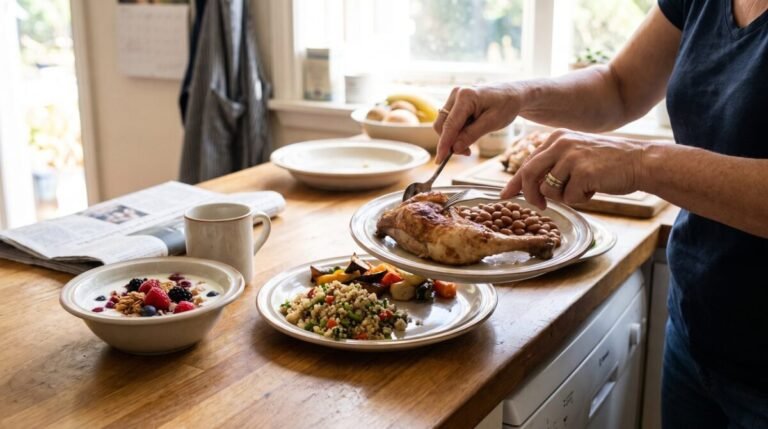
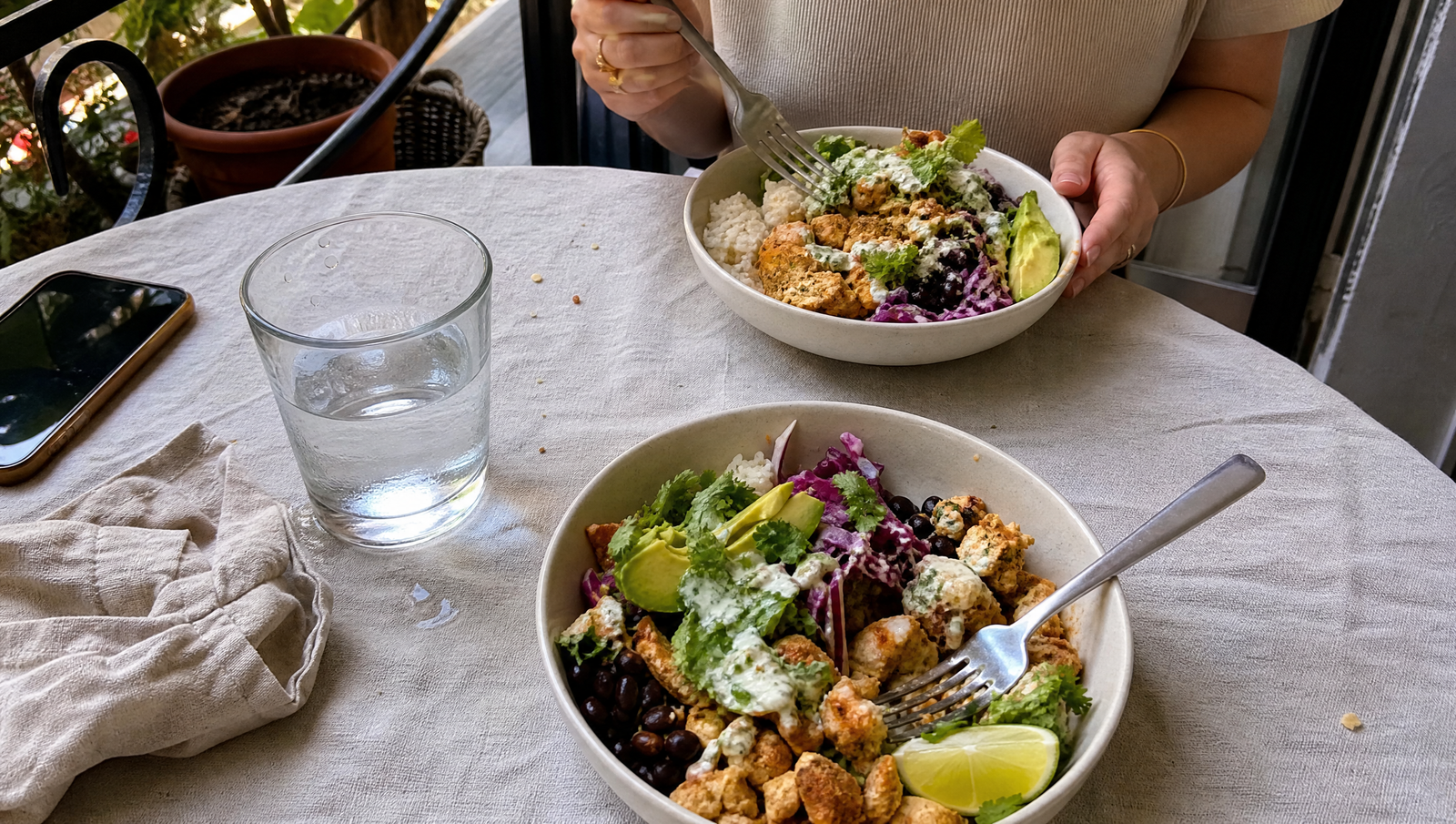
Food order is one of the easiest parts of the Glucose Goddess Method to try. Start with non-starchy vegetables, continue with protein and fats, then eat bread, rice, pasta, potatoes, fruit, or dessert last.
This does not require removing foods from the plate. It changes the sequence so the digestive system meets fiber and protein before faster-digesting carbohydrates.
Why fiber first may support steadier glucose
Fiber-rich vegetables can slow the rate at which food leaves the stomach and enters the small intestine. A slower delivery of carbohydrate may lead to a more gradual post-meal glucose rise for some people.
Studies on meal sequence suggest that eating vegetables and protein before carbohydrate may reduce post-meal glucose and insulin responses compared with eating carbohydrates first. The effect can vary by person, meal size, and metabolic health status.[2]
Good first bites include salad, cucumber, broccoli, leafy greens, peppers, zucchini, mushrooms, or vegetable soup. Even a small vegetable starter can be a useful bridge into the rest of the meal.
How to use food order without becoming rigid
At home, this might look like eating salad before pasta. At a restaurant, it may mean starting with vegetables or protein before the bread basket.
For mixed meals such as burritos, stews, sandwiches, or bowls, do not overthink it. Add a side salad, extra vegetables, or more protein where possible, then eat normally.
One thing worth pushing back on here: glucose balance is often presented as if every spike is harmful. That is too simplistic. Glucose rises after meals are normal; the practical goal is to reduce frequent sharp swings when they are linked with fatigue, cravings, or metabolic concerns.
For more context on what rises after meals can look like, this guide to post-meal blood sugar spikes explains what is common, what may be worth tracking, and when to ask for medical guidance.
Habit 2: Walk After Meals When You Can
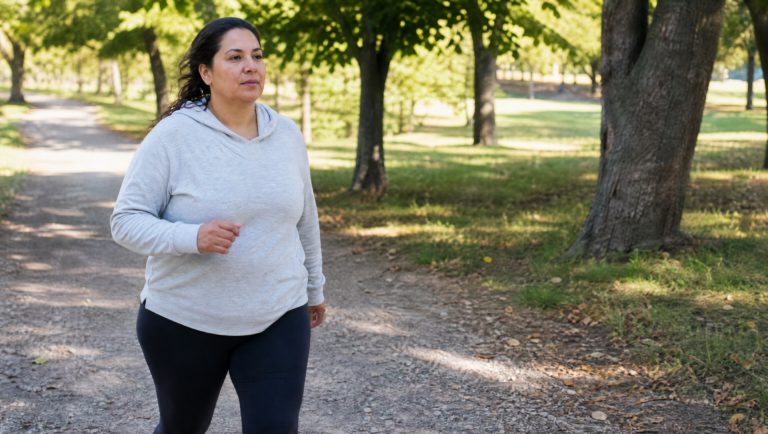
A short walk after eating is one of the most accessible glucose balancing habits. It does not require a gym, special equipment, or high intensity.
After a meal, glucose from food enters the bloodstream. Moving muscles can take up more glucose, which may help reduce the size or duration of the post-meal rise.
Research on post-meal activity suggests that walking after meals may improve postprandial glucose responses, especially after meals containing a meaningful amount of carbohydrate.[3]
The beginner version
Start with a 10-minute easy walk after one meal per day. Dinner is often a good choice because many people have more time and dinner may contain more starch.
The pace should feel comfortable enough to hold a conversation. This habit is about consistency, not intensity.
If walking is not possible, gentle household movement may still help. Tidying the kitchen, walking indoors, climbing a few stairs slowly, or standing while doing light tasks can be a practical alternative.[6]
When to walk for best results
Many people find it easiest to walk within the first 30 minutes after finishing a meal. The exact timing does not need to be perfect.
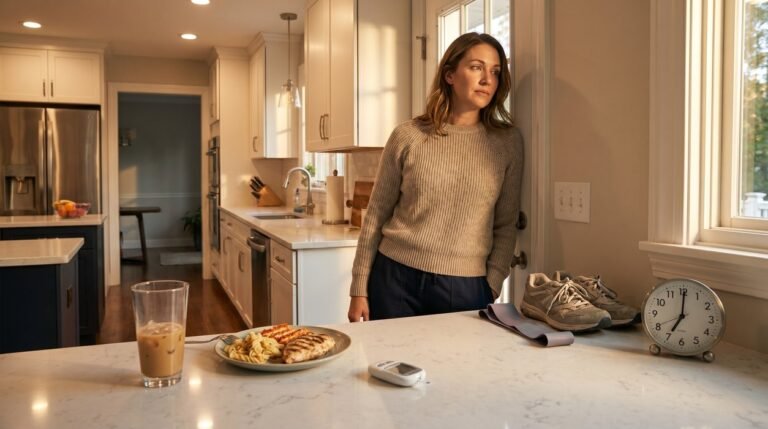
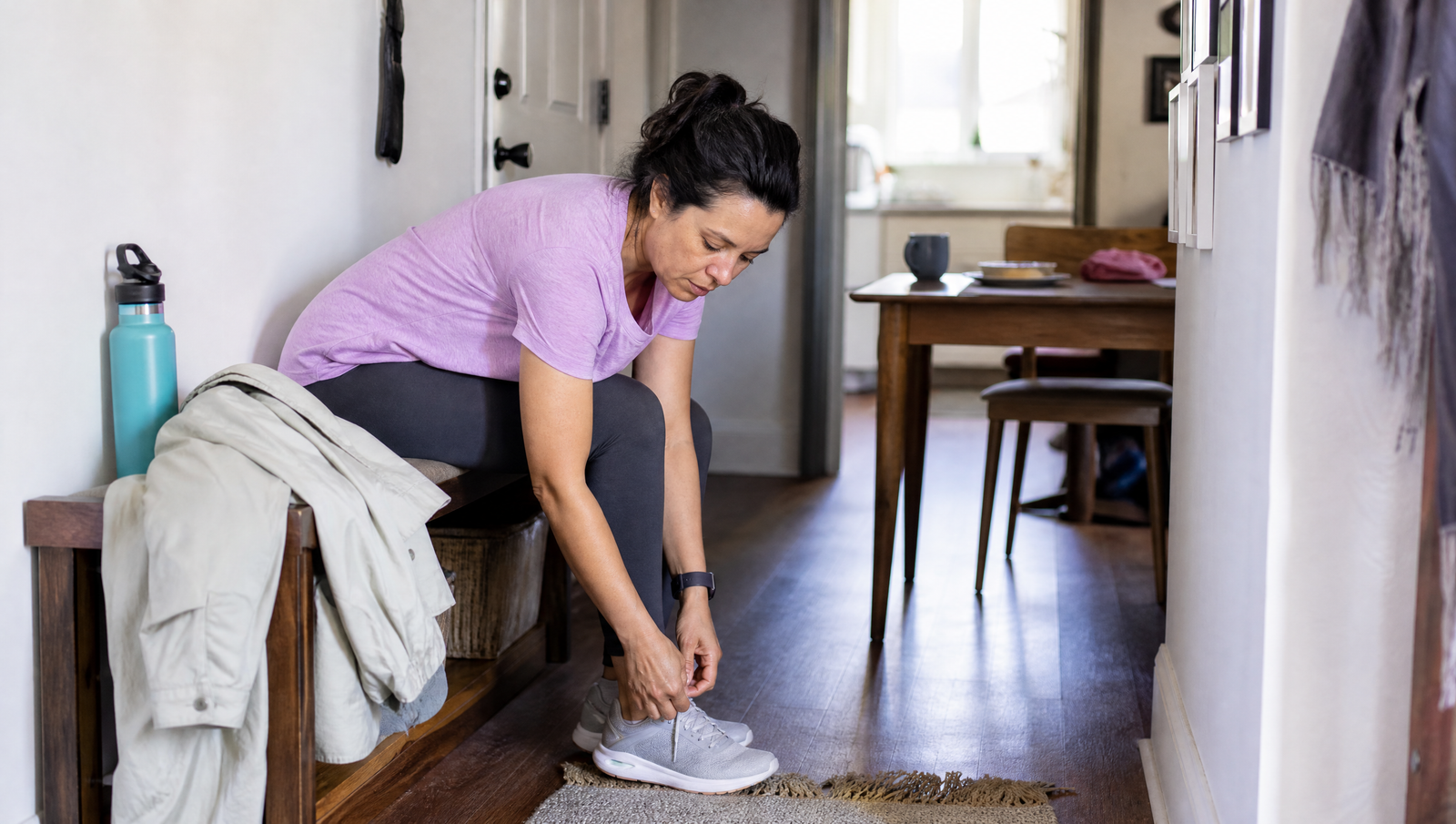
The bigger win is building a repeatable cue: meal ends, shoes go on, movement begins. That cue turns blood sugar support into a daily rhythm instead of another decision.
Habit 3: Build a Savory, Protein-Rich Breakfast
A sweet breakfast can be enjoyable, but for some adults it may lead to a quicker glucose rise and earlier hunger. A savory, protein-rich breakfast may support steadier appetite and morning energy.
This does not mean breakfast must be low-carb. It means the first meal ideally includes protein, fiber, and fat before or alongside carbohydrate.
Examples include eggs with vegetables, Greek yogurt with cucumber and seeds, tofu scramble, cottage cheese with herbs, smoked salmon with avocado, or leftovers from dinner.
Why protein at breakfast matters
Protein supports fullness and helps make meals more satisfying. When breakfast is mostly refined starch or sugar, some people notice a faster return of hunger.
Guidelines for diabetes nutrition and metabolic health commonly emphasize individualized eating patterns, non-starchy vegetables, quality carbohydrates, lean proteins, and unsaturated fats rather than one universal diet.[4]
A balanced breakfast may also make it easier to avoid grazing through the morning. That can indirectly support more stable energy and fewer reactive food choices later.
Beginner breakfast upgrades
Keep breakfast familiar and add structure. If you like toast, add eggs, avocado, cottage cheese, or smoked tofu.
If you like yogurt, try a savory bowl with cucumber, olive oil, herbs, seeds, and a boiled egg on the side. If you prefer a smoothie, include protein and fiber rather than fruit alone.
For practical meal ideas, these savory breakfast ideas can help turn the Glucose Goddess Method into real weekday options.
What Changes Might You Notice?
With the Glucose Goddess Method, early changes are often subtle. Many people notice fewer afternoon crashes, less urgent snacking, or steadier focus before they see measurable changes.
Some changes may appear within days, especially after adding short walks or changing meal order. Larger shifts in fasting glucose, A1C, waist measurement, or weight-related markers usually require more time and consistency.
| Possible Sign | What It May Suggest |
|---|---|
| Less sleepiness after meals | Meals may be causing gentler energy shifts |
| Fewer intense cravings | Protein, fiber, and meal timing may be supporting appetite regulation |
| More consistent morning energy | Breakfast composition may be working better for your body |
| Improved glucose readings | Lifestyle habits may be supporting post-meal glucose control |
Anyone using glucose-lowering medication should be careful with major diet or activity changes. A healthcare provider can help adjust plans safely when needed.
A Simple 7-Day Beginner Plan
The best beginner plan is small enough to repeat on a busy day. Choose one main meal, one walking window, and one breakfast upgrade.
Days 1–2: Practice food order once per day
Pick one meal that includes carbohydrate. Eat vegetables first, then protein and fat, then the starch or sweet food.
Do not judge the meal as good or bad. The goal is to learn how the sequence feels in your body.
Days 3–4: Add a 10-minute post-meal walk
Choose lunch or dinner and walk at an easy pace after eating. Keep it short enough that it feels almost too easy.
If weather, work, or mobility makes walking difficult, use gentle indoor movement. Consistency matters more than the exact format.
Days 5–6: Build one savory breakfast
Create a breakfast with a clear protein source, a fiber source, and some fat. Keep portions comfortable and realistic.
Examples include eggs with spinach and avocado, tofu with vegetables, or Greek yogurt with cucumber, herbs, and seeds. The goal is steadier fullness, not restriction.
Day 7: Review what felt easiest
Look back at the week and choose the habit that felt most natural. That is the habit to repeat next week.
After that, add a second habit only if the first one feels stable. This makes the Glucose Goddess Method more sustainable for real life.
Frequently Asked Questions
What is the Glucose Goddess Method for beginners?
The Glucose Goddess Method for beginners is a simple habit-based approach to reducing sharp post-meal glucose rises. The easiest starting points are eating fiber-rich foods before carbohydrates, walking for about 10 minutes after meals, and choosing a savory, protein-rich breakfast. These habits may support steadier energy and fullness without eliminating all carbs.
Do I need a continuous glucose monitor to try these habits?
No, a continuous glucose monitor is not required. Some people find glucose data useful, but beginners can start by observing energy, hunger, cravings, and post-meal sleepiness. Anyone with diabetes, hypoglycemia risk, or glucose-lowering medication should discuss monitoring with a qualified healthcare provider.
Can I still eat carbs while using glucose balancing habits?
Yes, these habits are not based on avoiding carbohydrates completely. They focus on eating carbohydrates with more support from fiber, protein, fat, and movement. For many adults, fruit, legumes, whole grains, and starchy vegetables can fit into a balanced metabolic health pattern.
Is vinegar necessary for the Glucose Goddess Method?
No, vinegar is not necessary. Some research and nutrition reviews suggest vinegar may influence post-meal glucose responses, but it can irritate reflux, teeth, or the stomach in some people. Food order, walking, and balanced meals are usually easier and more widely tolerated starting points.[5]
Conclusion
The Glucose Goddess Method is most useful when it is treated as a set of gentle meal habits, not a strict rulebook. Start with food order, a short post-meal walk, and a savory breakfast before adding anything more complicated.
Glucose balancing habits work best when they reduce stress around food rather than increase it. A calmer plate, a little movement, and more protein and fiber can be enough to begin building momentum.
The goal is not perfect glucose. The goal is a steadier daily rhythm that supports energy, appetite, and long-term metabolic health.
Medical Disclaimer: The information provided in this article is for educational purposes only and does not constitute medical advice. Always consult a qualified healthcare provider before making changes to your diet, lifestyle, or treatment plan. TheMetabolicHub.com does not replace professional medical guidance.
References
- American Diabetes Association Professional Practice Committee. Facilitating Positive Health Behaviors and Well-being to Improve Health Outcomes: Standards of Care in Diabetes—2026. Diabetes Care. 2026. Diabetes Care
- Shukla AP, Iliescu RG, Thomas CE, Aronne LJ. Food order has a significant impact on postprandial glucose and insulin levels. Diabetes Care. 2015. PMID: 26106234
- Engeroff T, Groneberg DA, Wilke J. After Dinner Rest a While, After Supper Walk a Mile? A Systematic Review With Meta-analysis on the Acute Postprandial Glycemic Response to Exercise Before and After Meal Ingestion. Sports Medicine. 2023. PMID: 36715875
- American Diabetes Association. Eating Well & Managing Diabetes. American Diabetes Association
- Harvard T.H. Chan School of Public Health. Vinegar. The Nutrition Source
- Colberg SR, Sigal RJ, Yardley JE, et al. Physical Activity/Exercise and Diabetes: A Position Statement of the American Diabetes Association. Diabetes Care. 2016. PMC