Choline and Liver Health: The Missing Nutrient in Your Fatty Liver Diet
Eating carefully for fatty liver can feel discouraging when the obvious changes are already in place: less alcohol, fewer sweets, more vegetables, maybe more walking after dinner. This may not be random, and it is not a personal failure. The encouraging news: choline and liver health are connected in a practical way that may make a fatty liver diet feel more complete.
Choline is not a cleanse, shortcut, or miracle nutrient. It is an essential nutrient the liver uses for normal fat transport, cell membranes, and methylation, which makes it worth understanding when building meals for metabolic health.[1]
Choline and liver health: the direct answer
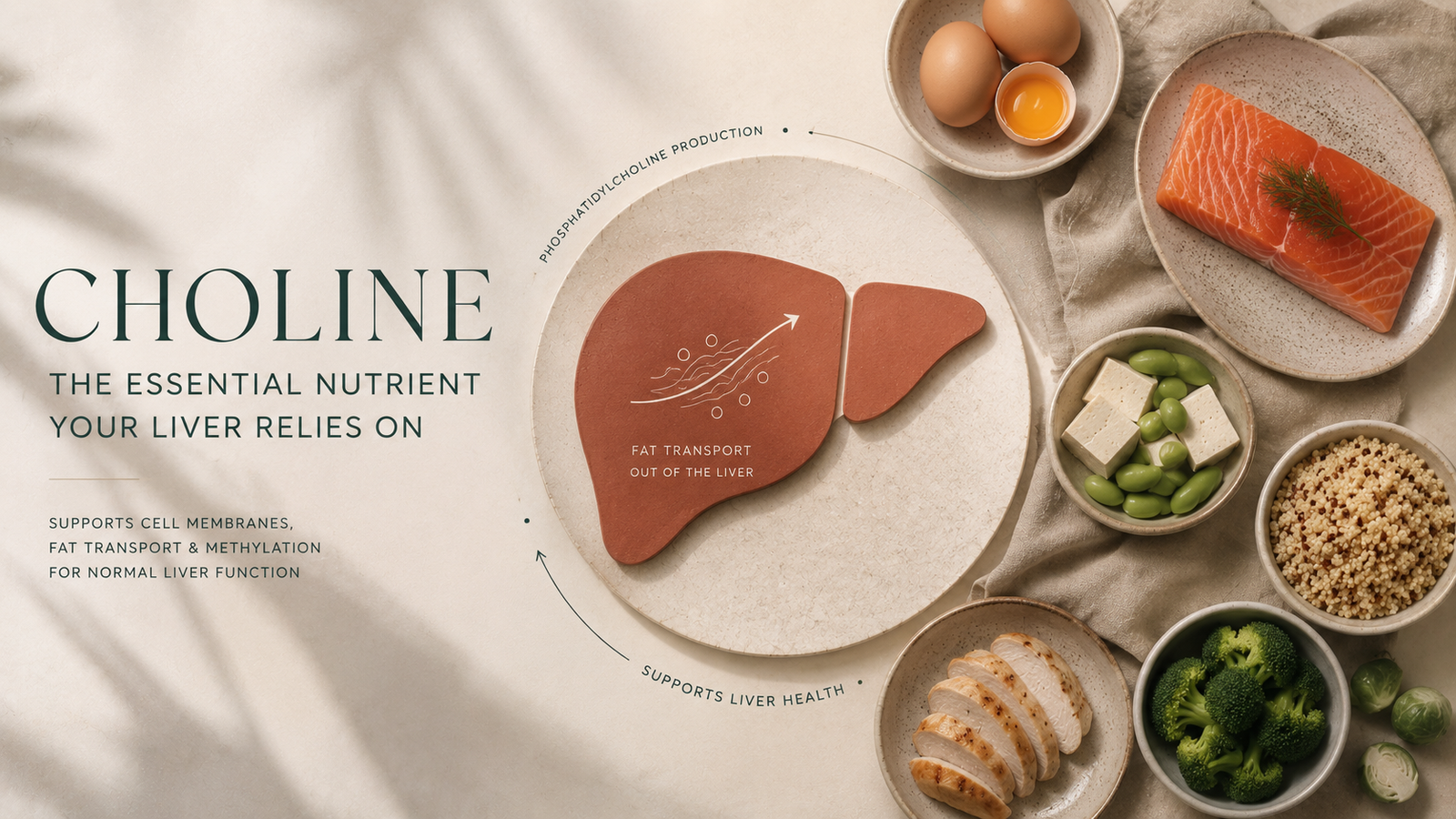
Choline and liver health are connected because the liver needs choline to make phosphatidylcholine, a compound involved in packaging and moving fat out of the liver. When choline availability is low, this normal fat-handling process may become less efficient.[2]
For a fatty liver diet, choline and liver health matter most as part of a broader pattern: enough protein, fiber, unsaturated fats, regular movement, sleep, alcohol awareness, and medical follow-up when needed. Many people notice steadier meals and better satiety within 1–2 weeks of adding choline-rich foods, while liver labs and imaging usually require a longer timeline.
Quick Win: This week, add one choline-rich food to breakfast or lunch on 4 days. Good options include eggs, salmon, turkey, chicken, soybeans, tofu, edamame, quinoa, broccoli, or Brussels sprouts.
Key takeaways
- Choline helps the body make phosphatidylcholine, which supports normal liver fat transport and cell membrane structure.
- Low choline availability has been linked with fatty liver changes in research settings, but fatty liver is rarely caused by one nutrient alone.
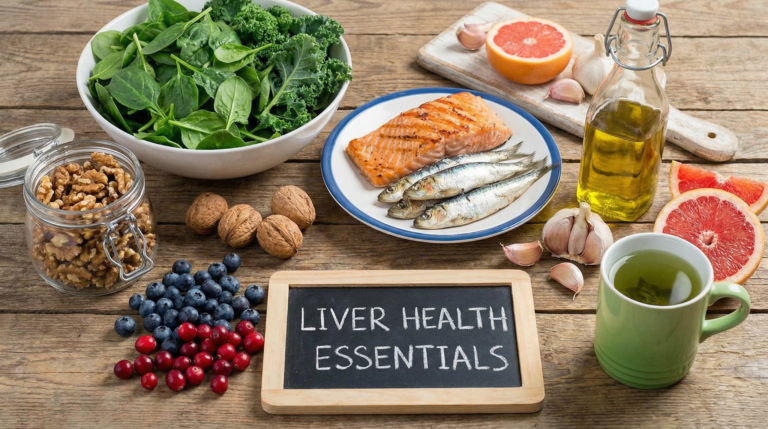
- Eggs, fish, poultry, soy foods, beans, quinoa, broccoli, and Brussels sprouts can all contribute choline.
- A food-first approach is usually the safest starting point unless a clinician recommends supplementation.
- The goal is not high-dose choline. The goal is a sustainable fatty liver diet that is not accidentally nutrient-thin.
Why choline matters in a fatty liver diet
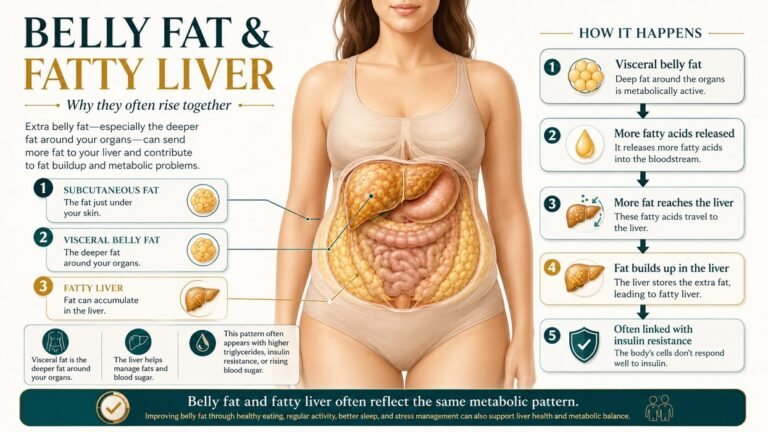
Fatty liver disease is usually shaped by several overlapping drivers: insulin resistance, calorie balance, alcohol intake, genetics, body composition, medications, sleep, and overall diet quality. Choline sits inside that bigger picture, not above it.
The reason it matters is simple: the liver is not only storing fat. It is constantly receiving, making, packaging, and exporting fat, and choline helps provide raw material for part of that packaging system.[3]
Many fatty liver guides focus heavily on what to remove. That can help, especially with sugary drinks, alcohol, and ultra-processed foods, but it can miss what the liver still needs.
A stronger plan asks a better question: does this eating pattern reduce metabolic overload while still providing enough protein, fiber, micronutrients, and choline?
How choline helps the liver handle fat
The connection between choline and liver health starts with phosphatidylcholine. This phospholipid is needed for cell membranes and for normal lipid transport processes, including pathways related to very-low-density lipoprotein, or VLDL, particles.[3]
VLDL particles help move triglycerides out of the liver. When choline availability is limited, the liver may have a harder time maintaining normal fat export, especially when other metabolic pressures are already present.
Choline also supports methylation
Choline can be converted into betaine, which participates in methylation pathways. Methylation is involved in many normal processes, including homocysteine metabolism and liver function.[4]
This does not mean choline controls the whole liver. It means choline helps support several systems the liver relies on every day.
Why this is especially relevant for fatty liver
Research reviews have linked poor choline or phosphatidylcholine availability with mechanisms involved in hepatic steatosis, the buildup of fat in liver cells.[5]
That finding should not be turned into a supplement promise. It should be used as a reason to avoid overly restrictive diets that unintentionally remove useful choline sources.
For example, some people cut eggs, dairy, meat, and fish all at once after a fatty liver diagnosis. If those foods are not replaced thoughtfully, the diet may become lower in choline, protein, and other nutrients that support metabolic health.
For people who look metabolically “healthy” from the outside, it may also help to understand why fatty liver can still happen in lean people. Body size alone does not show what is happening with liver fat, insulin sensitivity, or muscle.
One thing worth pushing back on here: many fatty liver plans still frame dietary fat as the main problem. The conventional take is partly right — fat quality and total calories matter — but it misses insulin resistance, sugar intake, alcohol, muscle mass, sleep, and nutrients like choline that influence how the liver processes fat.
Best foods for choline and liver health
The best choline foods are the ones that fit your health context and eating style. For some people, that means eggs and fish; for others, it means soy foods, beans, quinoa, and cruciferous vegetables.
There is no need to build every meal around choline. The goal is to make choline-rich foods appear often enough that your fatty liver diet becomes more complete.
| Food | How it fits a fatty liver diet | Practical meal idea |
|---|---|---|
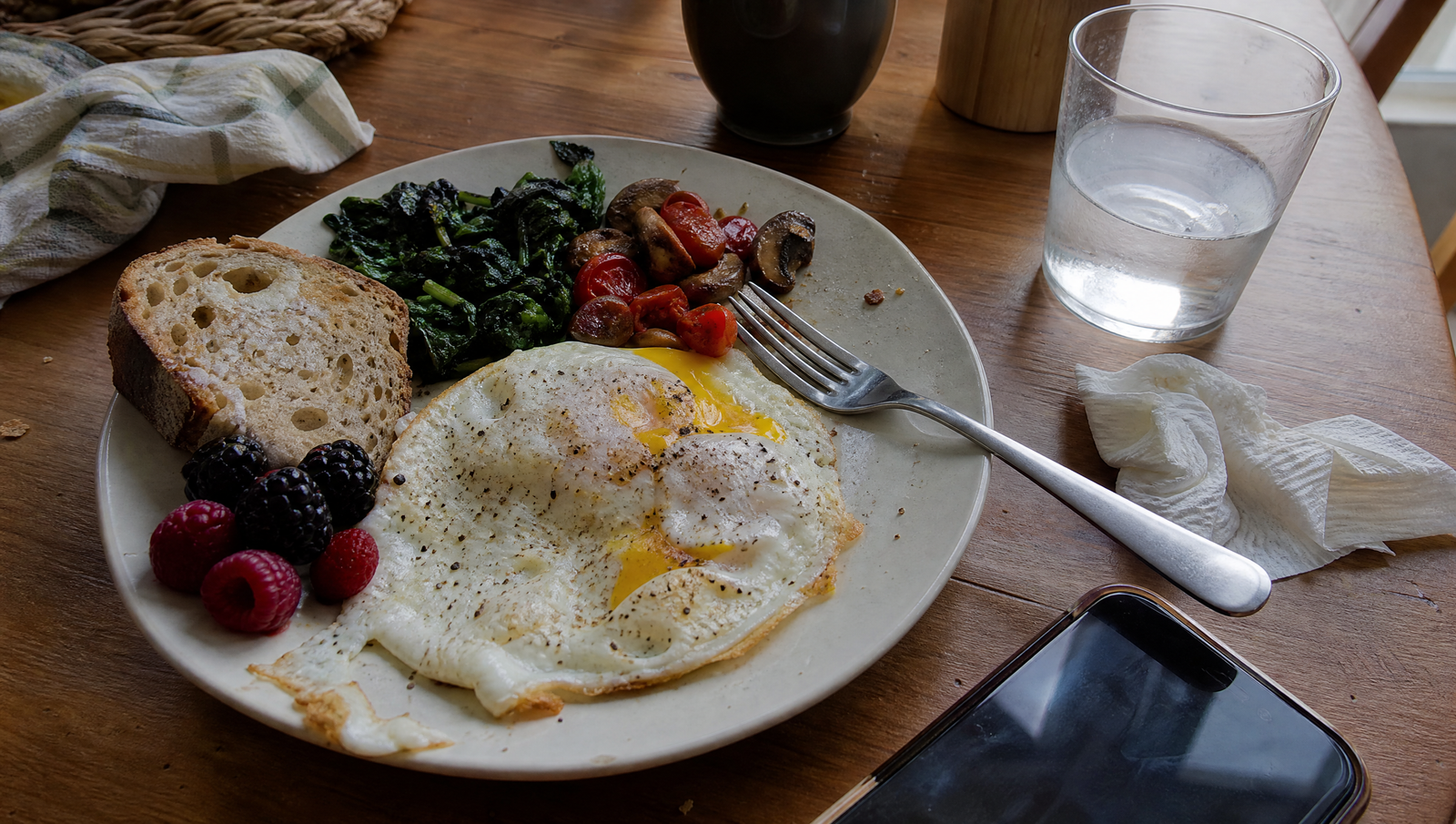
| Eggs | A familiar choline-rich option, especially from the yolk. | Eggs with sautéed greens, tomatoes, and sourdough. |
| Salmon or cod | Provides choline plus protein and unsaturated fats. | Salmon bowl with greens, beans, and brown rice. |
| Chicken or turkey | Supports protein intake with moderate choline. | Turkey rice bowl with cabbage, beans, and avocado. |
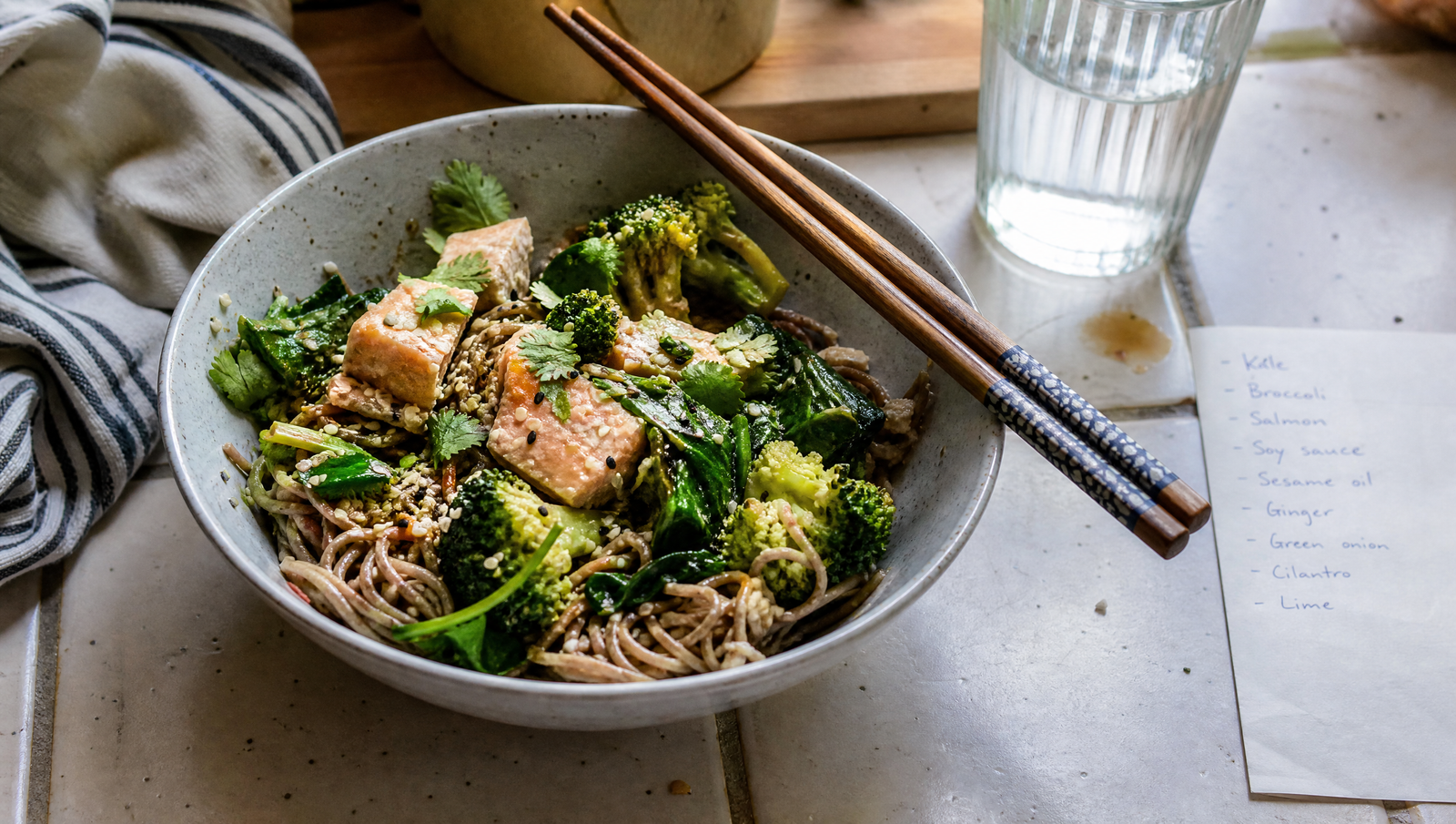
| Soybeans, tofu, or edamame | Useful plant-based choline sources with protein. | Tofu soba bowl with broccoli and sesame. |
| Quinoa | Contributes choline, fiber, and slow-digesting carbohydrate. | Quinoa bowl with chickpeas, vegetables, and yogurt sauce. |
| Broccoli and Brussels sprouts | Add some choline plus fiber and micronutrients. | Roasted Brussels sprouts with lentils and olive oil. |
| Beans and lentils | Not the highest choline sources, but helpful for fiber and satiety. | Lentil stew with vegetables and herbs. |
Simple meal ideas for a choline-rich routine
Choline works best when it is built into meals that also support blood sugar, appetite, and triglycerides. A lone choline food added to a chaotic diet is less useful than a repeatable meal pattern.
Meal ideas:
- Breakfast: two eggs with spinach, mushrooms, tomatoes, and a small slice of sourdough.
- Lunch: salmon or tofu soba bowl with broccoli, greens, sesame, and a simple dressing.
- Dinner: turkey or bean chili with vegetables, avocado, and a side of cabbage slaw.
- Plant-based option: quinoa bowl with edamame, roasted vegetables, tahini yogurt-style sauce, and herbs.
These meals are not about perfection. They simply combine choline with protein, fiber, and slower-digesting carbohydrates, which can make the plan easier to repeat.
For many adults, this kind of structure reduces the “what should I eat?” stress that often follows a fatty liver diagnosis.
What to limit while increasing choline
Adding choline-rich foods is only one side of the plan. The other side is reducing the inputs that can increase liver fat or make metabolic regulation harder.
For many people, the highest-impact targets are sugar-sweetened drinks, frequent desserts, refined snack foods, heavy alcohol intake, and very large portions of ultra-processed meals.
Do not replace restriction with overcorrection
A fatty liver diet does not need to become a punishment diet. Severe restriction can backfire by reducing protein, choline, fiber, and meal satisfaction.
A better approach is to keep meals structured enough to support the liver, but flexible enough to live with. That usually works better than cycling between strict rules and frustration.
Watch the whole metabolic pattern
Choline and liver health also connect indirectly to insulin resistance, triglycerides, sleep, and appetite regulation. When sleep is short or fragmented, food choices and glucose handling can feel harder the next day.
That is why a next step like understanding how sleep can affect insulin patterns may support a fatty liver plan more than adding another food rule.
A realistic 2-week choline plan
The most useful plan is the one you can repeat during a normal week. Start with your current meals instead of designing a brand-new diet from scratch.
- Days 1–3: Choose one choline-rich food you already enjoy and add it to one meal.
- Days 4–7: Pair that food with vegetables and a protein or fiber source that keeps you full.
- Week 2: Add a second choline-containing meal, especially on days when protein is low.
- End of week 2: Notice meal satisfaction, cravings, digestion, energy, and how realistic the routine feels.
Early changes are usually subtle. Many people notice steadier meals, fewer snack-driven afternoons, or less decision fatigue before any lab marker changes.
Liver enzymes, triglycerides, A1C, insulin markers, and imaging results require medical interpretation. They also tend to reflect weeks to months of consistent habits, not a few perfect meals.
Should you take a choline supplement?
Some adults consider supplements when food options are limited, appetite is low, or a clinician identifies a specific reason to focus on choline. Common forms include choline bitartrate, phosphatidylcholine, and lecithin.[1]
Still, a supplement is not automatically better than food. High choline intakes can cause side effects, including fishy body odor, sweating, digestive upset, and low blood pressure in some cases.[1]
The adult tolerable upper intake level is 3,500 mg per day, but that is a safety ceiling rather than a goal.[1]
Anyone with diagnosed liver disease, abnormal liver enzymes, pregnancy, kidney disease, cardiovascular risk, or active medication use should speak with a qualified healthcare provider before supplementing.
Frequently asked questions
How are choline and liver health connected?
Choline and liver health are connected because choline helps the body make phosphatidylcholine, which supports normal cell membranes and fat transport pathways. Low choline availability has been linked with fatty liver changes in research settings. This does not mean choline alone treats fatty liver. It means choline is one nutrient worth including in a well-rounded fatty liver diet.
Can choline reduce liver fat?
Choline supports normal liver fat metabolism, but it should not be viewed as a stand-alone way to reduce liver fat. Fatty liver is usually influenced by insulin resistance, alcohol intake, calorie balance, sleep, activity, genetics, and overall diet quality. Choline-rich foods may support a more complete nutrition pattern. Medical follow-up is still important for labs, imaging, and individualized care.
Are eggs good for a fatty liver diet?
Eggs can fit many fatty liver diets because the yolk contains choline and the whole egg provides protein. The best context is a balanced meal with vegetables, fiber-rich carbohydrates, and mostly unsaturated fats across the day. People with specific cholesterol guidance or cardiovascular risk should follow personalized medical advice. The overall pattern matters more than one food alone.
Can plant-based eaters get enough choline?
Plant-based eaters can get choline, but planning matters because many concentrated sources are animal-based. Soybeans, tofu, edamame, quinoa, beans, peanuts, broccoli, Brussels sprouts, and cauliflower can all contribute. Combining these foods with adequate protein makes the pattern more reliable. A registered dietitian can help assess intake when there are concerns.
Conclusion
Choline is easy to overlook because it is less familiar than protein, fiber, omega-3s, or sugar reduction. But choline and liver health deserve attention in a fatty liver diet because the liver uses choline for normal fat transport and metabolism.
The practical next step is not extreme. Add choline-rich foods consistently, keep the bigger metabolic basics in place, and track progress with patience instead of pressure.
A better fatty liver diet should feel less like restriction and more like structure. When meals are complete, repeatable, and nutrient-aware, the plan becomes easier to live with.
Medical Disclaimer: The information provided in this article is for educational purposes only and does not constitute medical advice. Always consult a qualified healthcare provider before making changes to your diet, lifestyle, or treatment plan. TheMetabolicHub.com does not replace professional medical guidance.
References
- National Institutes of Health Office of Dietary Supplements. Choline Fact Sheet for Health Professionals. NIH ODS
- Corbin KD, Zeisel SH. Choline metabolism provides novel insights into nonalcoholic fatty liver disease and its progression. Curr Opin Gastroenterol. 2012;28(2):159-165. PMID: 22134222
- van der Veen JN, Kennelly JP, Wan S, Vance JE, Vance DE, Jacobs RL. The critical role of phosphatidylcholine and phosphatidylethanolamine metabolism in health and disease. Biochim Biophys Acta Biomembr. 2017;1859(9 Pt B):1558-1572. PMID: 28411170
- Mehedint MG, Zeisel SH. Choline’s role in maintaining liver function: new evidence for epigenetic mechanisms. Curr Opin Clin Nutr Metab Care. 2013;16(3):339-345. PMID: 23493015
- Sherriff JL, O’Sullivan TA, Properzi C, Oddo JL, Adams LA. Choline, its potential role in nonalcoholic fatty liver disease, and the case for human and bacterial genes. Adv Nutr. 2016;7(1):5-13. PMID: 26773011
- Harvard T.H. Chan School of Public Health. Choline. The Nutrition Source