
Artificial Sweeteners and Insulin Sensitivity: What Really Happens
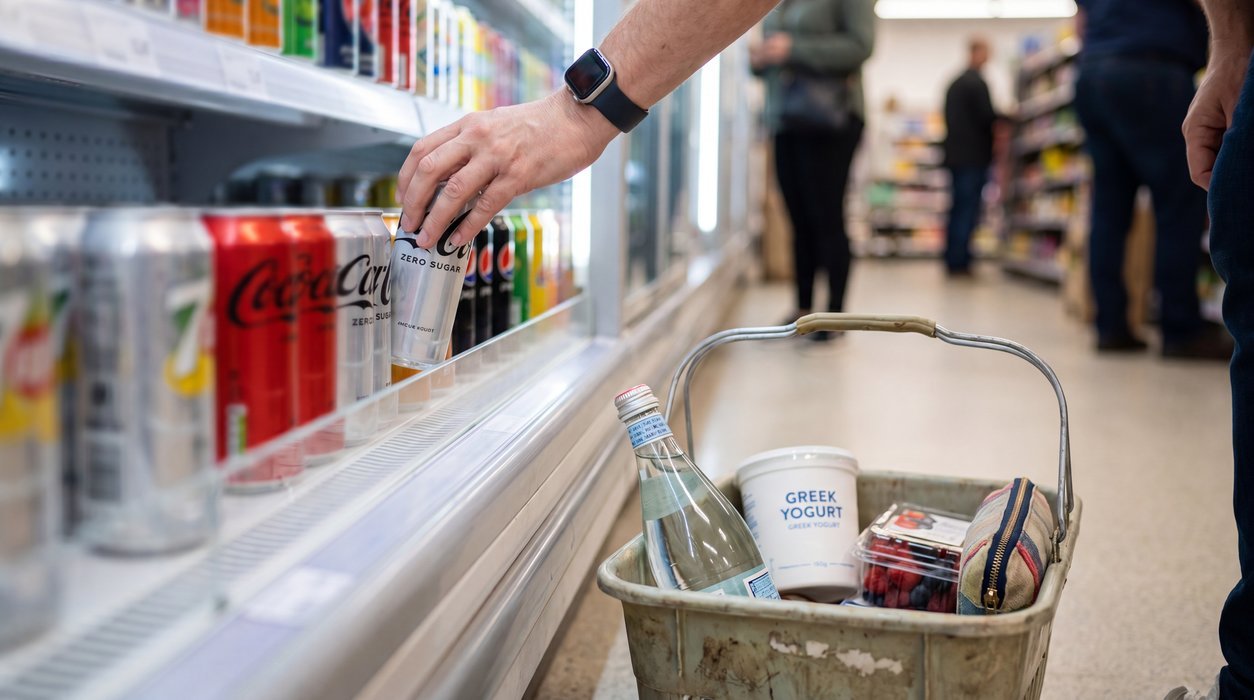
Switching from sugar to diet drinks, zero-sugar snacks, or sweetened coffee can feel like the sensible move when blood sugar already feels unpredictable. This may not be random, because sweetness, appetite, gut signals, and meal context can all shape metabolic response. The encouraging news: artificial sweeteners and insulin sensitivity can be understood without fear or all-or-nothing rules.
Quick Win: For the next 7 days, write down when you use artificial sweeteners, what you pair them with, and how your hunger, cravings, and energy feel 1–2 hours later.
Artificial Sweeteners and Insulin Sensitivity: The Direct Answer
Most artificial sweeteners do not raise blood glucose like sugar because they provide little or no digestible carbohydrate. That means they usually do not create the same direct glucose rise as regular soda, candy, or sweetened coffee drinks.[1]
The relationship between artificial sweeteners and insulin sensitivity is more nuanced. Research suggests that some sweeteners may influence insulin response, glucose tolerance, appetite, or gut microbiome patterns in certain people, but findings vary by sweetener type, dose, timing, and meal context.[2]
A realistic timeline is personal. Some adults notice appetite or craving changes within 1–2 weeks of changing sweetener habits, while meaningful changes in insulin sensitivity usually depend on broader patterns such as sleep, activity, fiber, protein, and weight trajectory.
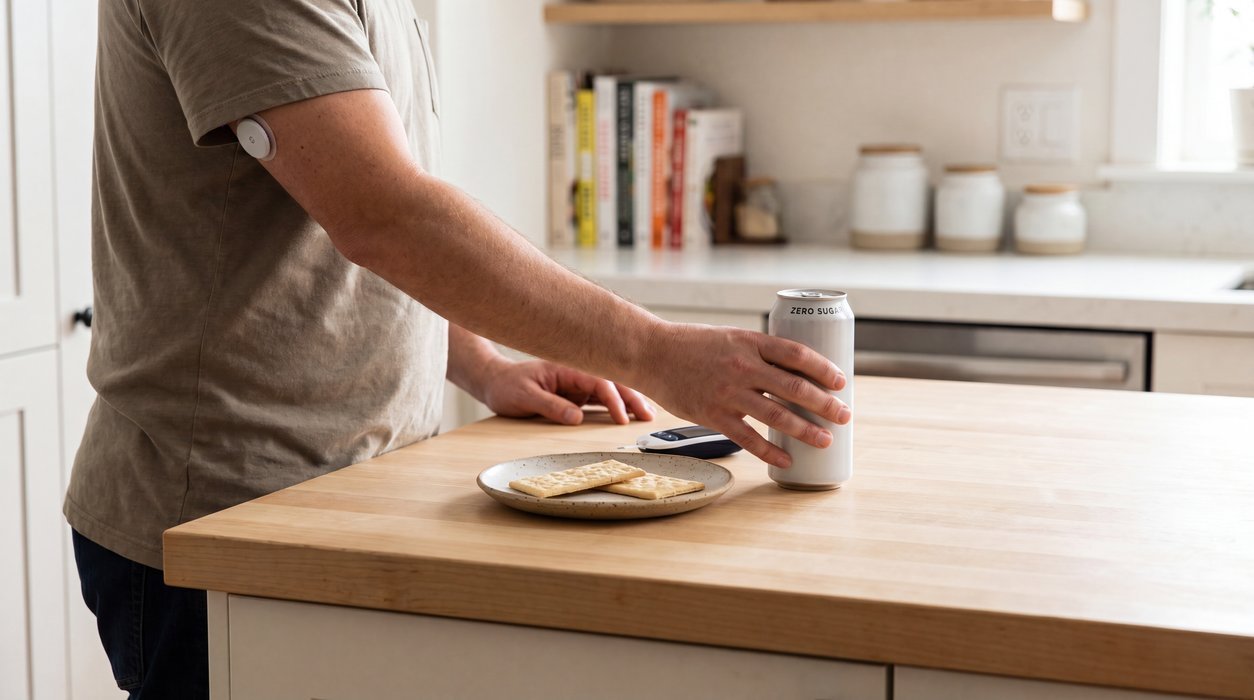
Key Takeaways
- Artificial sweeteners usually do not act like sugar because they add little or no digestible carbohydrate.
- Some studies suggest possible effects on insulin sensitivity, especially when certain sweeteners are paired with carbohydrates.
- The gut microbiome may help explain why responses differ from person to person.
- Replacing sugary drinks may be useful for some adults, but relying on sweeteners as the main metabolic strategy is not ideal.
- This is not a personal failure. Individual responses vary, and a calm self-check can be more useful than strict rules.
Context matters: The World Health Organization advises against using non-sugar sweeteners as a long-term strategy for weight control or chronic disease risk reduction, while diabetes guidance allows cautious, moderate use when they replace sugar-sweetened products.[7][8]
How Insulin Sensitivity Actually Works
Insulin is not “bad.” It is a normal hormone that helps move glucose and nutrients from the bloodstream into cells.
Insulin sensitivity describes how effectively cells respond to insulin. When sensitivity is higher, the body can often manage glucose with less strain.
When insulin sensitivity is lower, the body may need more insulin to handle the same amount of glucose. Over time, this pattern can be linked with higher fasting insulin, higher post-meal glucose, or increased metabolic risk.
Mechanism Box: Artificial sweeteners may affect insulin-related metabolism through sweet taste signaling, gut hormone responses, appetite shifts, microbiome changes, or the foods they are eaten with. These pathways are still being studied and do not affect everyone the same way.
How Artificial Sweeteners May Affect Glucose and Insulin
The body does not only respond to calories. Sweet taste receptors exist in the mouth and gut, and they may help the body prepare for incoming energy.
That does not mean one diet soda causes insulin resistance. It does mean frequent intense sweetness can matter when it shapes appetite, cravings, or meal choices later in the day.
Sweet Taste Without Sugar May Still Send Signals
Some people find that sweetened drinks help them reduce sugar. Others notice that sweet taste keeps cravings active, especially when meals are low in protein or fiber.
This is why personal pattern matters. The same sweetener can be neutral for one person and unhelpful for another if it changes hunger or food choices.
The Gut Microbiome May Be Part of the Picture
A well-known Nature study found that some non-caloric sweeteners affected glucose tolerance through microbiota-related mechanisms in animal models and selected human observations.[4]
A later human study suggested that non-nutritive sweeteners may produce person-specific, microbiome-driven glycemic changes. This helps explain why research can look inconsistent across different people and study designs.[5]
One thing worth pushing back on here: the common assumption is that artificial sweeteners are either harmless because they have no sugar, or harmful because they taste sweet. The more useful view is that they are tools, and tools behave differently depending on dose, sweetener type, food pairing, baseline metabolic health, and whether they replace sugar or add more sweetened foods to the day.
Carbohydrate Pairing May Change the Response
One short-term human trial found that sucralose consumed with carbohydrate decreased insulin sensitivity in healthy participants, while sucralose without carbohydrate did not show the same effect in that study.[3]
This matters because sweeteners are often consumed in real foods, not in isolation. Protein bars, low-sugar cookies, sweetened yogurts, desserts, and coffee drinks may still contain starches, fats, calories, or refined ingredients.

Sucralose, Aspartame, Saccharin, and Stevia Are Not Identical
Artificial sweeteners are often discussed as one category, but they are chemically different. Their effects on sweetness intensity, absorption, gut exposure, and metabolism may vary.
That is why the question is not only whether artificial sweeteners and insulin sensitivity are linked. The more precise question is which sweetener, in which person, at which dose, and with which meal.
| Sweetener | What Research Suggests | Practical Takeaway |
|---|---|---|
| Sucralose | Some human evidence suggests possible effects on insulin sensitivity or glucose-insulin response, especially in specific meal contexts. | Pay attention to frequency and whether it is paired with refined carbohydrates. |
| Aspartame | Trials and reviews are mixed, and short-term effects on glucose metabolism are not consistent. | Consider total diet quality rather than assuming one predictable insulin effect. |
| Saccharin | Microbiome-related studies suggest glucose tolerance may be affected in susceptible people. | Individual response may vary, especially with regular intake. |
| Stevia | Steviol glycosides are plant-derived high-intensity sweeteners and differ from synthetic sweeteners. | Use as a sweetness tool, not as the foundation of a metabolic health plan. |
Reviews generally conclude that evidence on non-nutritive sweeteners and glucose metabolism remains mixed. Some trials show little impact, while others suggest context-specific effects that deserve attention.[6]
Why Context Matters More Than One Ingredient
Artificial sweeteners can be helpful when they replace high-sugar drinks or desserts. Reducing large amounts of added sugar may support better glucose management for many adults.
They can become less helpful when they keep the palate trained toward constant sweetness, appear mostly in ultra-processed foods, or make it easier to overlook the rest of the meal.
Your Baseline Metabolic Health Matters
Someone with insulin resistance, prediabetes, polycystic ovary syndrome, or higher fasting glucose may respond differently than someone with strong insulin sensitivity. Individual glucose patterns can vary even when people eat similar foods.
This does not mean artificial sweeteners must be avoided by everyone managing blood sugar. It means personal response is worth observing, especially if sweeteners are used daily.
The Food Matrix Matters
A sweetener in black coffee is not the same as a sweetener in a low-sugar cookie. The cookie may still contain refined starch, fats, flavorings, and calories that affect glucose and appetite.
For a practical next step, many readers benefit from learning how food order affects blood sugar, because protein, fiber, and carbohydrate timing can change the post-meal response.
Dose and Frequency Matter
A few servings per week is different from multiple servings per day. Regular exposure to very sweet foods and drinks may influence taste preferences, hunger cues, and expectations around sweetness.
The goal is not perfection. The goal is to notice whether sweeteners help you reduce sugar while keeping meals steady, or whether they keep cravings and snack-seeking active.
A Practical Plan for Using Sweeteners More Wisely
Artificial sweeteners and insulin sensitivity do not need to be treated with panic. A structured experiment can help you make a decision based on your own energy, appetite, and glucose patterns.
- Audit your intake for 7 days. Include diet drinks, sweetened coffee, protein powders, bars, yogurts, gum, and zero-sugar desserts.
- Look for patterns. Notice whether sweeteners show up near skipped meals, cravings, late-night snacking, or energy dips.
- Change one variable. Reduce one daily serving or move it away from a refined-carbohydrate snack.
- Build a better default. Choose unsweetened drinks most of the time, then use sweeteners intentionally when they genuinely help.
- Support insulin sensitivity elsewhere. Prioritize walking after meals, resistance training, sleep, protein, fiber, and minimally processed foods.
What may change first: Many people notice steadier afternoon energy, fewer cravings, or less desire for sweet foods within 1–2 weeks. Fasting glucose or insulin-related markers may take longer and should be interpreted with a qualified healthcare professional.
If you use a continuous glucose monitor, a sweetener may not show a direct spike because it usually contains no glucose. Still, the next meal, hunger level, or craving pattern may reveal whether it is helping or making healthy choices harder.
For snacks, focus on protein, fiber, and slower-digesting carbohydrates. These blood sugar stabilizing snacks can make sweetener choices less central because the whole snack is doing more metabolic work.
Frequently Asked Questions
How do artificial sweeteners affect insulin sensitivity?
Artificial sweeteners and insulin sensitivity have a nuanced relationship. Most artificial sweeteners do not raise blood glucose like sugar because they contain little or no digestible carbohydrate. Some studies suggest certain sweeteners may affect insulin response, glucose tolerance, appetite, or gut microbiome patterns in specific contexts. Individual response can vary, so tracking your own pattern is often more useful than following a single rule.
Do artificial sweeteners spike insulin?
Most artificial sweeteners do not spike insulin in the same direct way sugar can raise glucose and trigger insulin release. However, the insulin response may depend on the sweetener, dose, individual metabolism, and what the sweetener is consumed with. Some evidence suggests sucralose with carbohydrate may affect insulin sensitivity in certain settings. Occasional use is different from frequent daily use in ultra-processed foods.
Are artificial sweeteners bad for insulin resistance?
Artificial sweeteners are not automatically bad for insulin resistance. They may help some adults reduce added sugar, especially when replacing regular soda or sweetened drinks. They may be less helpful if they increase cravings or appear mostly in low-fiber, ultra-processed snacks. The overall pattern of meals, movement, sleep, and body composition usually matters more than one ingredient.
Which artificial sweetener is best for blood sugar?
There is no single best artificial sweetener for blood sugar for every person. Sucralose, aspartame, saccharin, and stevia may differ in how they interact with the gut, appetite, and glucose-related pathways. Many people tolerate occasional use without obvious glucose changes. If blood sugar management is a priority, use sweeteners sparingly and focus on protein, fiber, walking after meals, and minimally processed foods.
Should you stop artificial sweeteners completely?
A complete stop is not necessary for everyone. Some adults do well with occasional use, especially if sweeteners help reduce added sugar without increasing cravings. Others feel better when they reduce daily sweetened drinks or snacks. A 1–2 week experiment can help you decide what supports your energy, appetite, and blood sugar goals.
Conclusion
Artificial sweeteners are not sugar, and they usually do not create the same direct glucose rise. Still, they are not completely irrelevant to metabolic health, especially when used often, paired with refined carbohydrates, or relied on as the main strategy for weight or blood sugar control.
The better question is not only whether artificial sweeteners and insulin sensitivity are linked. It is whether your current sweetener pattern supports steadier energy, appetite awareness, and meals that make blood sugar easier to manage.
Use sweeteners as occasional tools, not the foundation. Then put most of your effort into the habits that consistently support metabolic health: movement, sleep, protein, fiber, whole foods, and meals that help you feel steady.
Medical Disclaimer: The information provided in this article is for educational purposes only and does not constitute medical advice. Always consult a qualified healthcare provider before making changes to your diet, lifestyle, or treatment plan. TheMetabolicHub.com does not replace professional medical guidance.
References
- U.S. Food and Drug Administration. Aspartame and Other Sweeteners in Food. Updated 2025. FDA
- Angelin M, et al. Artificial sweeteners and their implications in diabetes: a review. Frontiers in Nutrition. 2024. PMID: 38988858
- Dalenberg JR, et al. Short-term consumption of sucralose with, but not without, carbohydrate decreases insulin sensitivity in healthy human participants. Cell Metabolism. 2020. PMID: 32130881
- Suez J, et al. Artificial sweeteners induce glucose intolerance by altering the gut microbiota. Nature. 2014. PMID: 25231862
- Suez J, et al. Personalized microbiome-driven effects of non-nutritive sweeteners on human glucose tolerance. Cell. 2022. PMID: 35987213
- Ahmad SY, et al. Effect of sucralose and aspartame on glucose metabolism and gut hormones. Nutrition Reviews. 2020. PMID: 32065635
- World Health Organization. Use of non-sugar sweeteners: WHO guideline. 2023. WHO
- American Diabetes Association Professional Practice Committee. 5. Facilitating Positive Health Behaviors and Well-being to Improve Health Outcomes: Standards of Care in Diabetes—2026. Diabetes Care. 2026;49(Suppl 1):S89-S125. Diabetes Care