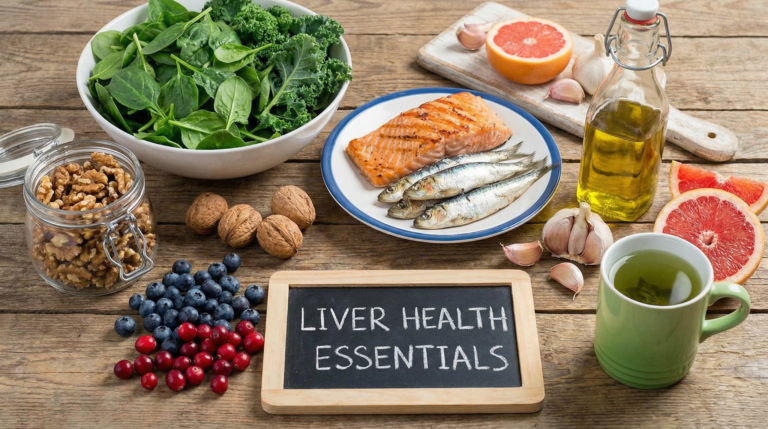
10 Pantry Staples to Toss for Better Liver Health
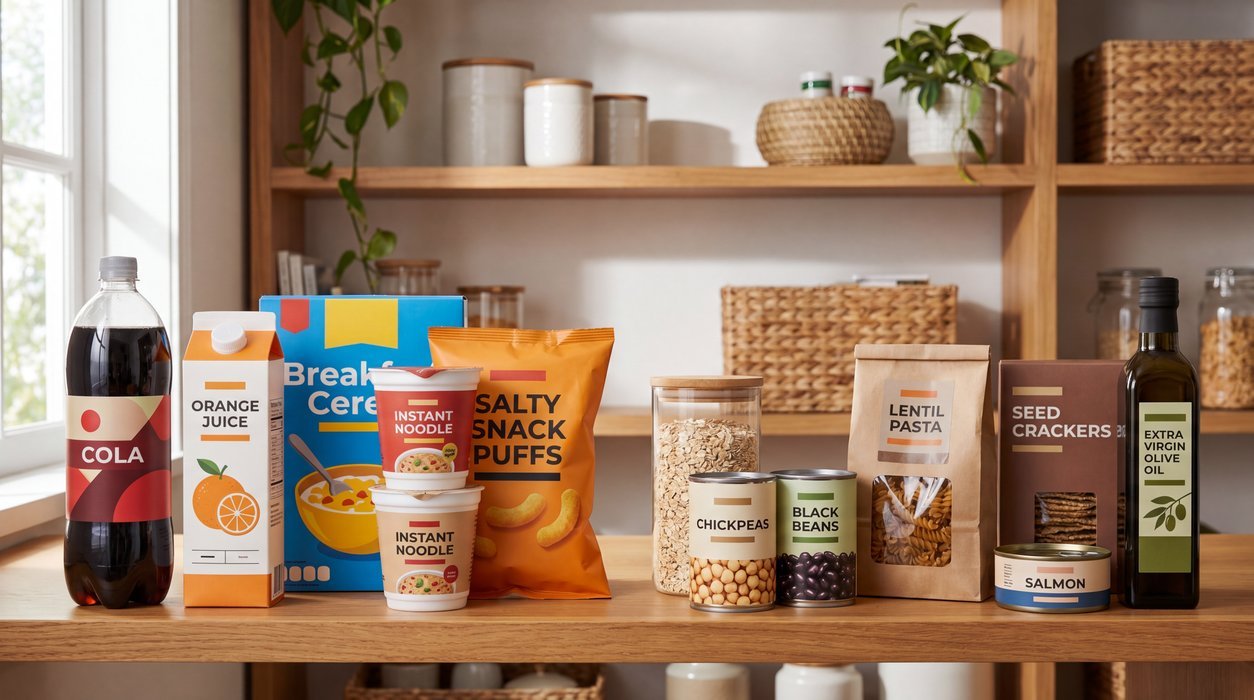
A pantry can feel “healthy enough” and still leave you reaching for the same sweet drinks, refined snacks, and low-fiber meals when life gets busy. This may not be random; the foods closest to hand often become your daily pattern. The encouraging news: Foods to avoid for liver health are usually practical swaps, not a perfect-diet rulebook.
For better liver health, the pantry staples most worth limiting are sugar-sweetened drinks, juice, sweet cereals, packaged pastries, refined grains, instant noodles, ultra-processed snacks, partially hydrogenated oils, processed meats, and alcohol kept as an everyday default.
Quick Win: This week, replace one sweetened drink, one refined grain, and one ultra-processed snack with unsweetened tea or water, a whole-grain option, and a protein-rich snack.
Foods to avoid for liver health: which pantry staples matter most?
The biggest pantry priorities are foods and drinks that make it easy to overconsume added sugar, refined starch, saturated fat, sodium, or alcohol. These items can crowd out fiber, protein, unsaturated fats, and micronutrients that support steadier metabolic health.
Foods to avoid for liver health do not need to be treated as forbidden forever. A better goal is to make the less supportive foods less automatic and keep more filling swaps visible, especially on rushed mornings and low-energy evenings.
| Pantry item to limit | Main concern | Better everyday swap |
|---|---|---|
| Sugary drinks | High sugar load with low fullness | Water, sparkling water, unsweetened tea |
| Sweet cereals | Refined grains plus added sugar | Plain oats, chia, high-fiber cereal |
| Packaged pastries | Refined flour, sugar, and less supportive fats | Whole-grain toast with nut butter |
| Instant noodles | Low fiber, often high sodium | Lentil pasta, beans, low-sodium broth |
| Processed meats | Often high in sodium and saturated fat | Canned fish, beans, lentils |
Key takeaways
- Sweetened drinks are one of the highest-impact pantry swaps because liquid sugar is easy to overconsume.
- Refined grains are not “bad,” but low-fiber versions can make meals less filling.
- Fat quality matters: unsaturated fats from olive oil, nuts, seeds, and fish are generally more supportive than frequent processed snack fats.
- A liver-supportive pantry should feel usable, not punitive.
- This is not a personal failure. Pantry design shapes choices when energy and time are low.
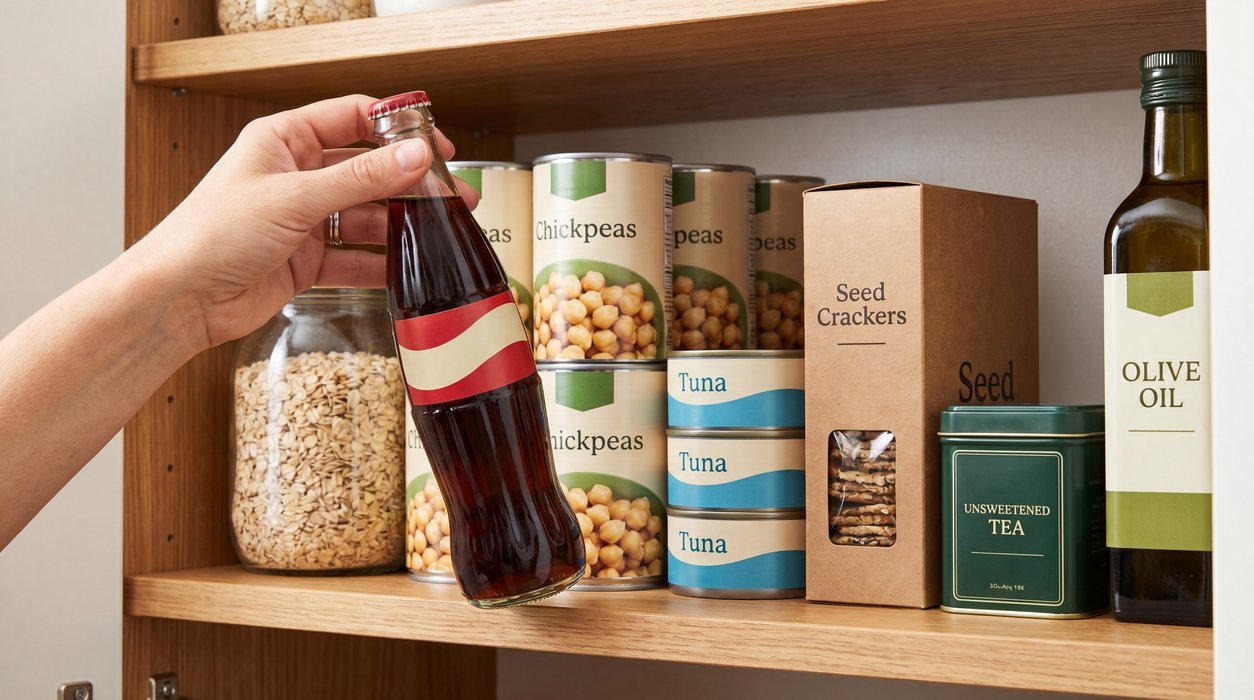
Why pantry foods can affect liver fat and metabolism
The liver helps manage blood sugar, package fats, process alcohol, store nutrients, and handle many substances that arrive from the digestive tract. When meals repeatedly deliver excess calories, added sugar, and refined starch, the liver may be pushed toward storing more fat.
Simple sugars matter because fructose is largely processed by the liver. NIDDK advises people with NAFLD or NASH to avoid foods and drinks with large amounts of simple sugars, especially fructose from sweetened soft drinks, sports drinks, sweet tea, and juices.[1]
Refined grains can also matter because they usually provide less fiber than intact whole grains. A low-fiber breakfast of sweet cereal and juice, for example, may be less satisfying than oats, yogurt, berries, and seeds.
Saturated fat is another piece of the pattern. For a deeper next step, see how fat quality fits into a fatty liver diet when choosing oils, spreads, snacks, and protein foods.[2]
One thing worth pushing back on here: the common assumption is that liver health is only about removing “bad foods.” The fuller picture is food pattern, meal structure, alcohol intake, movement, sleep, and cardiometabolic risk. That matters because a pantry reset works best when it adds reliable meal-building foods, not just when it removes snacks.
10 pantry staples to limit or replace
The phrase Foods to avoid for liver health can sound strict, but this list is best used as a priority map. Start with the items you reach for most often, then replace them with foods that make balanced meals easier.
1. Sugary sodas and sweetened bottled drinks
Regular soda, sweet tea, fruit punch, lemonade, energy drinks, and sweetened coffee drinks can deliver a large sugar load quickly. Liquid calories also tend to be less filling than whole foods.
Try sparkling water with citrus, unsweetened iced tea, plain water, or coffee with less added sugar. The goal is to change the default drink, not to make every beverage joyless.
2. Fruit juice and juice blends
Fruit juice can seem like a healthier choice than soda, but it still concentrates sugar without the intact fiber structure of whole fruit. This can make it easy to drink more sugar than intended.
Whole fruit is usually more supportive because it includes fiber, water, chewing, and a slower eating pace. Keep juice as an occasional small serving if it fits your medical and blood sugar context.
3. Sweetened breakfast cereals
Many breakfast cereals combine refined grains, added sugar, and little protein. That combination may leave some people hungry again soon after breakfast.
Better pantry defaults include plain oats, unsweetened muesli, chia seeds, ground flax, or higher-fiber cereals with minimal added sugar. Pairing grains with Greek-style yogurt, eggs, or nuts can improve staying power.
4. Packaged pastries, toaster pastries, and shelf-stable cakes
Packaged pastries often combine refined flour, added sugar, and less supportive fats in one convenient food. They are especially easy to rely on during rushed mornings or late-night snacking.
These foods are not a moral failure, but they are rarely strong daily staples for liver health. Consider whole-grain toast with nut butter, plain yogurt with berries, or a simple oat-based breakfast.
5. White bread, refined crackers, and refined flour wraps
Low-fiber grain staples can crowd out more nutrient-dense carbohydrates. They may also be less filling when eaten without protein, vegetables, or healthy fats.
Look for whole grains listed first and meaningful fiber per serving. Carbohydrates do not need to be avoided; choosing higher-fiber versions usually matters more.
6. Instant noodles and boxed refined pasta meals
Instant noodles and boxed pasta meals are convenient, but many are low in fiber and protein while being high in sodium. That combination may make them less satisfying than a balanced meal.
Try lentil pasta, whole-grain pasta, canned beans, low-sodium broth, canned tomatoes, or shelf-stable fish. These can turn a fast meal into a more supportive option.
7. Chips, cheese puffs, and ultra-processed salty snacks
Ultra-processed salty snacks are designed to be easy to keep eating. They often combine refined starch, added fats, salt, and intense flavoring with little protein or fiber.
Better options include roasted chickpeas, portioned nuts, seed crackers, air-popped popcorn, or vegetables with hummus. Keep the swap visible at eye level so it becomes the easier reach.
8. Shortening, partially hydrogenated oils, and old-style margarine
Some pantry fats are less supportive for cardiometabolic health, especially products that list partially hydrogenated oils. Ingredient lists matter more than front-of-package claims.
For everyday cooking, olive oil and other mostly unsaturated fat sources fit better with Mediterranean-style eating patterns. Use them in measured amounts rather than treating any oil as unlimited.
9. Processed meats stored in cans, pouches, or shelf-stable packs
Shelf-stable sausages, meat sticks, canned luncheon meats, and similar items can be high in sodium, saturated fat, or preservatives. They may become frequent snacks because they are convenient and filling.
Protein still matters. Consider canned salmon, sardines, tuna, beans, lentils, or lower-sodium poultry options when shelf-stable protein is needed.
10. Alcohol kept as an everyday pantry default
Alcohol is processed by the liver, and frequent intake can add stress to liver metabolism. Anyone with diagnosed fatty liver, elevated liver enzymes, or liver disease should ask a qualified healthcare provider for personalized alcohol guidance.
Alcohol-free options can help change the evening routine. Try sparkling water with citrus, herbal tea, or a lower-sugar mocktail that does not make alcohol the default.
What to keep instead
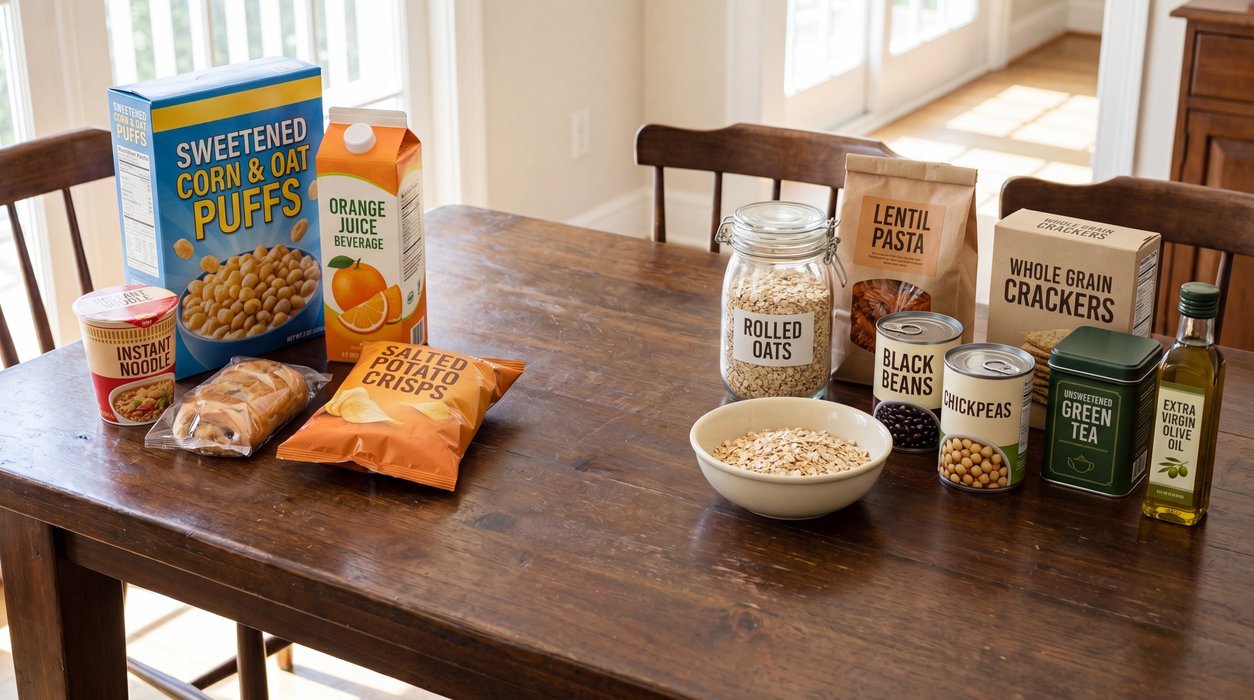
A liver-supportive pantry should help you build meals with protein, fiber, unsaturated fats, and slower-digesting carbohydrates. These foods make it easier to eat well when you do not want to cook from scratch.
Helpful staples include canned beans, lentils, chickpeas, tuna, salmon, sardines, oats, brown rice, quinoa, nuts, seeds, extra-virgin olive oil, vinegar, herbs, spices, and low-sodium broth.
For sweetness, whole fruit, cinnamon, vanilla, and small amounts of added sweetener are usually more practical than trying to avoid sweetness entirely. The American Heart Association recommends limiting added sugars to no more than 6% of daily calories, which can be a useful benchmark for label reading.[6]
Research and guidelines often point toward Mediterranean-style eating patterns for MASLD and NAFLD. These patterns emphasize vegetables, legumes, whole grains, nuts, olive oil, fish, and minimally processed foods while limiting sugary drinks, refined carbohydrates, saturated fat, ultra-processed foods, and processed meats.[3]
Build a shelf-stable meal formula
Use a simple formula: protein plus fiber-rich carbohydrate plus vegetables plus unsaturated fat. This could be canned salmon with whole-grain crackers, chickpeas with olive oil and spices, or lentil pasta with tomato sauce and vegetables.
For a broader step-by-step approach, pair this pantry reset with a 30-day liver inflammation plan that covers food quality, alcohol reduction, movement, sleep, and realistic marker tracking.
A simple 7-day pantry reset
Better pantry choices may support steadier appetite, fewer sugar cravings, and more consistent meal structure within days or weeks. Measurable changes in liver enzymes, triglycerides, waist size, or liver fat usually need more time and professional monitoring.
- Day 1: Move sugary drinks out of the default spot and replace them with unsweetened options.
- Day 2: Choose one higher-fiber breakfast staple such as oats, chia, or low-sugar cereal.
- Day 3: Replace one refined snack with roasted chickpeas, nuts, popcorn, or seed crackers.
- Day 4: Add two shelf-stable proteins such as beans, lentils, tuna, salmon, or tofu packs.
- Day 5: Swap one refined grain for a whole-grain or legume-based option.
- Day 6: Check labels for added sugars, partially hydrogenated oils, and high sodium.
- Day 7: Build one emergency meal shelf with protein, fiber, and flavor boosters.
Many people do better when they keep one realistic treat rather than trying to make the pantry perfect. Intentional flexibility can prevent the “all-or-nothing” cycle that makes healthy routines harder to maintain.
Frequently asked questions
What are the main Foods to avoid for liver health?
The main Foods to avoid for liver health are usually sugar-sweetened drinks, large amounts of juice, refined grains, ultra-processed snacks, packaged sweets, processed meats, partially hydrogenated oils, and frequent alcohol intake. These foods may contribute to excess calories, added sugar intake, poorer blood sugar control, or less supportive fat quality. The goal is to reduce the items you eat most often, not to panic over occasional choices.
Is fruit bad for liver health?
Whole fruit is different from fruit juice because it contains fiber, water, and intact plant structure. For most adults, whole fruit can fit well in a liver-supportive eating pattern. Large amounts of juice, sweetened dried fruit, or fruit snacks are more concentrated and easier to overconsume.
Do I need to avoid all carbohydrates for fatty liver?
Avoiding all carbohydrates is not necessary for many people and may not be sustainable. Fiber-rich carbohydrates such as beans, lentils, oats, vegetables, and intact whole grains are very different from sugary drinks, pastries, and refined snack foods. Meal context matters: protein, fiber, and unsaturated fats can make carbohydrates more satisfying.
Can pantry changes help if my liver enzymes are high?
Pantry changes may support a healthier overall eating pattern, but high liver enzymes need medical evaluation. Many factors can affect liver enzymes, including medications, alcohol, viral infections, metabolic conditions, and other liver diseases. Reducing sugary drinks, refined grains, alcohol, and ultra-processed foods may be one helpful lifestyle step, but it should not replace professional care.
Conclusion
A better liver-health pantry is not built through fear or perfect rules. It is built by making the supportive choice easier on the days when time, energy, and motivation are low.
Start with the biggest levers: sweetened drinks, refined snack foods, low-fiber breakfast staples, processed meats, and alcohol defaults. Foods to avoid for liver health are best understood as pattern-shapers, not personal failures.
One shelf at a time is enough. Replace what you remove with foods that offer protein, fiber, unsaturated fats, and real satisfaction.
Medical Disclaimer: The information provided in this article is for educational purposes only and does not constitute medical advice. Always consult a qualified healthcare provider before making changes to your diet, lifestyle, or treatment plan. TheMetabolicHub.com does not replace professional medical guidance.
References
- National Institute of Diabetes and Digestive and Kidney Diseases. Eating, Diet, & Nutrition for NAFLD & NASH. NIDDK
- Rinella ME, et al. AASLD Practice Guidance on the clinical assessment and management of nonalcoholic fatty liver disease. Hepatology. 2023. PMID: 36727674
- European Association for the Study of the Liver, European Association for the Study of Diabetes, and European Association for the Study of Obesity. EASL-EASD-EASO Clinical Practice Guidelines on the management of metabolic dysfunction-associated steatotic liver disease. Journal of Hepatology. 2024. PMID: 38851997
- Kawaguchi T, et al. Effects of Mediterranean Diet in Patients with Nonalcoholic Fatty Liver Disease: A Systematic Review, Meta-Analysis, and Meta-Regression Analysis of Randomized Controlled Trials. Seminars in Liver Disease. 2021. PMID: 34147036
- Xiong Y, et al. A systematic review and meta-analysis of randomized controlled trials: effects of Mediterranean diet and low-fat diet on liver enzymes and liver fat content of NAFLD. Food & Function. 2024. PMID: 39076035
- American Heart Association. Added Sugars. American Heart Association