How to Reduce Liver Inflammation in 30 Days
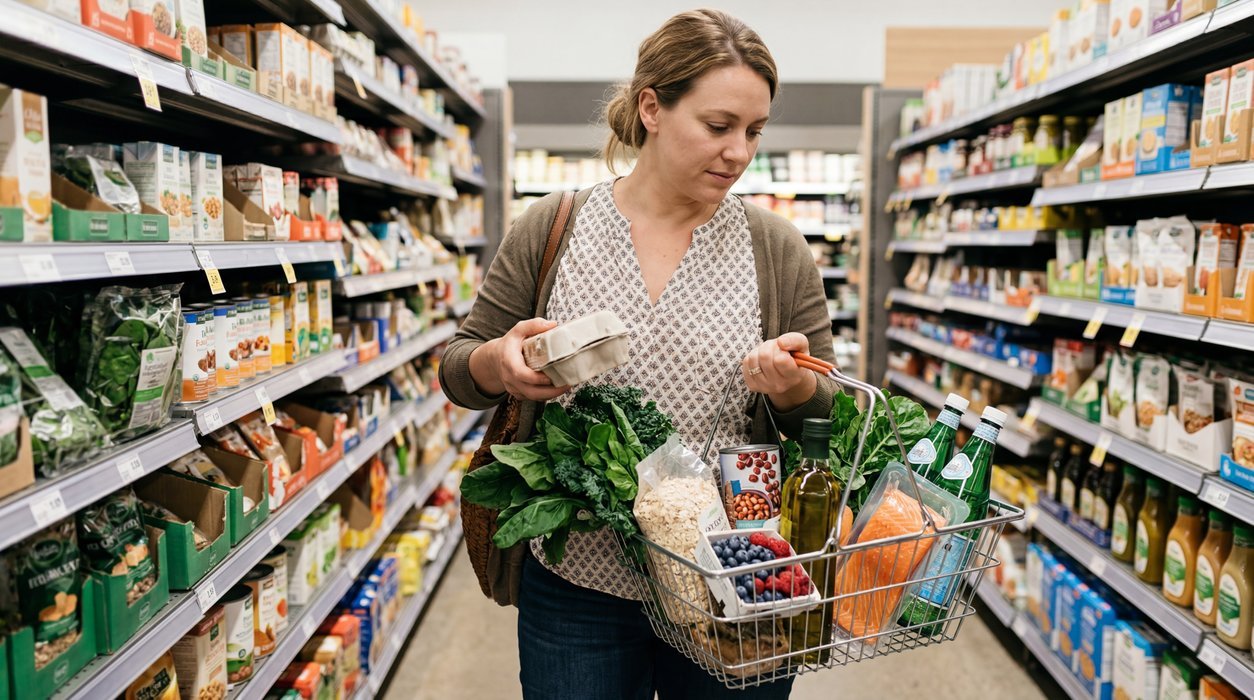
Waking up tired, feeling heavy after meals, or seeing “slightly high” liver enzymes can make health feel suddenly complicated. This may not be random, and it is not a personal failure. The encouraging news: reduce liver inflammation can start with a calm 30-day reset that lowers daily liver stress without extreme rules.
The most realistic way to reduce liver inflammation in 30 days is to reduce alcohol exposure, limit added sugar, build higher-fiber meals, move daily, and support steadier blood sugar. Thirty days may not fully resolve an underlying liver condition, but it can help create measurable momentum and clearer next steps.
Quick Win: For the next 7 days, replace alcohol and sugar-sweetened drinks with water, sparkling water, or unsweetened coffee or tea. Add a 10-minute walk after your largest meal.
How to reduce liver inflammation in 30 Days
To reduce liver inflammation, focus first on the habits that change the liver’s daily workload. The biggest levers are alcohol reduction, fewer sugary drinks, better meal structure, more fiber, consistent movement, and enough sleep.
A plan to reduce liver inflammation should not feel like punishment. It works best when it lowers metabolic pressure steadily, especially from excess alcohol, added sugar, inactivity, and unstable blood sugar patterns.
Key Takeaways
- Thirty days can be a strong starting phase, but not a guaranteed endpoint.
- Alcohol, sugary drinks, refined snacks, and inactivity are practical first targets.
- Protein, fiber, Mediterranean-style meals, walking, and strength training may support liver health.
- Abnormal liver enzymes, jaundice, severe pain, swelling, or confusion need medical evaluation.
Liver inflammation can have different causes, including MASLD, alcohol-related liver injury, viral hepatitis, autoimmune liver disease, medication effects, and other conditions. Lifestyle changes can support liver health, but they should not delay medical evaluation when symptoms or abnormal labs are present.[1]
Why Liver Inflammation Happens
The liver helps process nutrients, regulate blood sugar, package fats, manage cholesterol, and break down alcohol. It also handles many substances the body needs to neutralize or remove.
Inflammation can develop when liver cells face repeated metabolic stress. In fatty liver disease, this often involves excess liver fat, insulin resistance, oxidative stress, and immune signaling that keeps tissue irritated.[2]
Common drivers that may increase liver stress
- Frequent intake of sugary drinks, sweets, and refined starches
- Regular alcohol intake, especially with abnormal liver markers
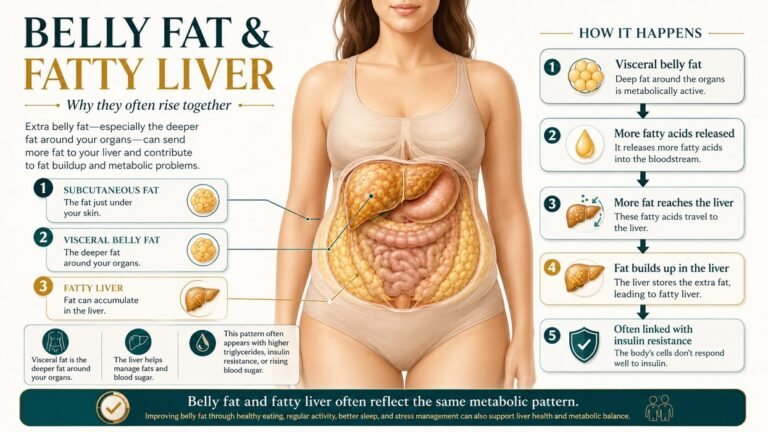
- Excess visceral fat and insulin resistance
- Low physical activity and prolonged sitting
- Poor sleep quality or irregular sleep timing
- Certain medications, supplements, infections, or autoimmune conditions
Some adults have elevated liver enzymes without obvious symptoms. Others notice fatigue, right upper abdominal discomfort, reduced exercise tolerance, or vague digestive changes, although these signs are not specific.
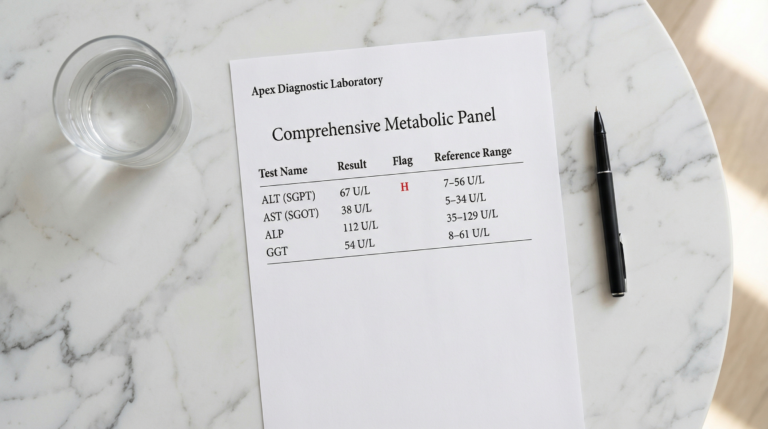
If liver enzymes are part of your concern, learning what liver enzyme results mean can make follow-up conversations easier. Yellowing skin or eyes, dark urine, pale stools, confusion, vomiting blood, severe abdominal pain, or rapid swelling needs urgent medical care.
How to reduce liver inflammation With Food
Food choices matter because the liver receives nutrients directly from the digestive tract. A helpful pattern is not a punishing diet, but a steady shift toward meals that reduce excess liver fat and support insulin sensitivity.
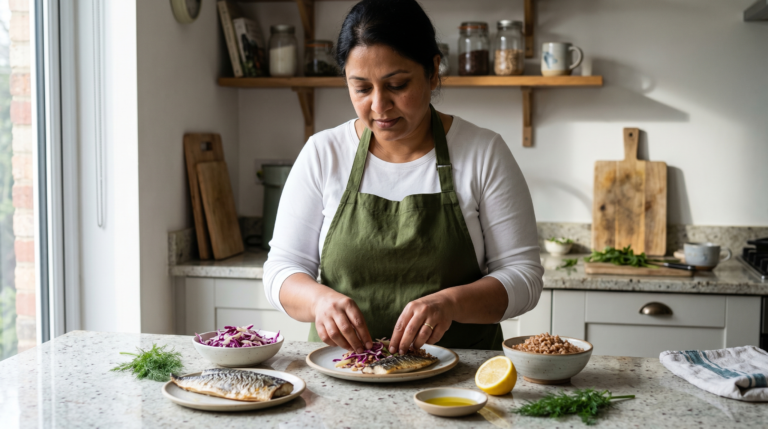
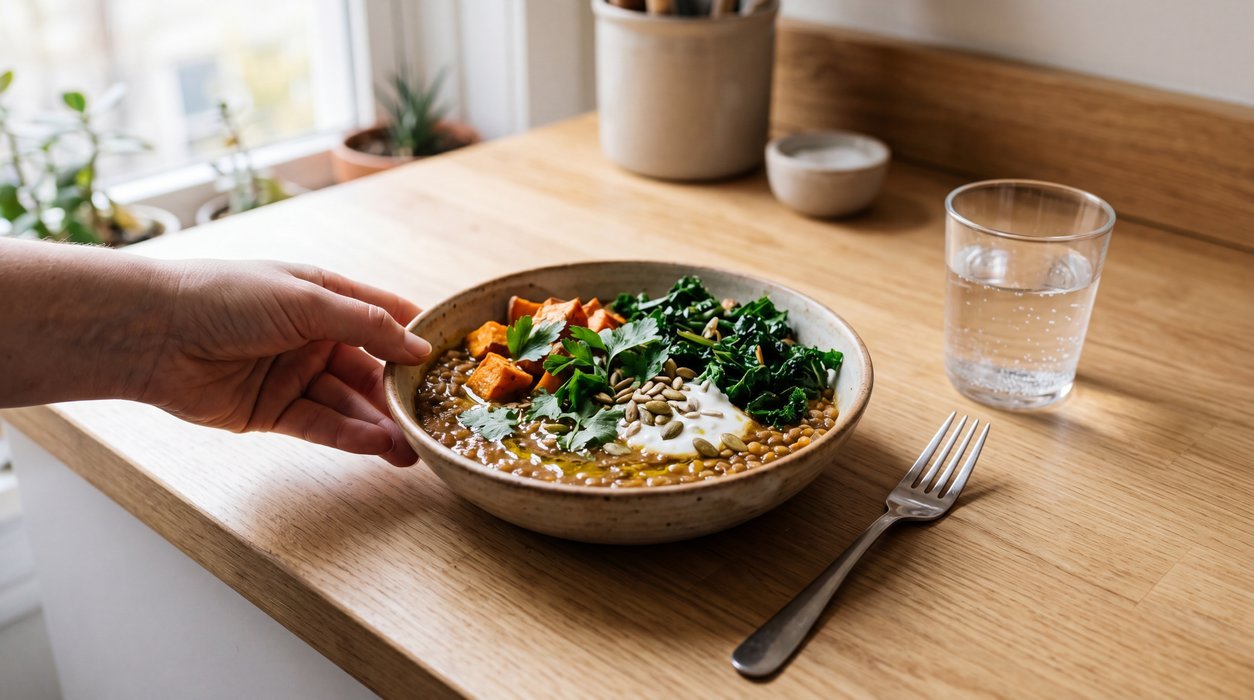
A Mediterranean-style pattern is often recommended in MASLD and fatty liver care. It emphasizes vegetables, legumes, intact whole grains, nuts, seeds, olive oil, fish, and minimally processed foods.[2][8]
1. Remove the easiest liver stressors first
The first 30 days work best when the biggest changes are simple. For many adults, that means pausing alcohol, removing sugar-sweetened drinks, and reducing ultra-processed snacks.
Alcohol can add direct liver stress even when diet quality is otherwise strong. Anyone with known liver disease, elevated liver enzymes, or heavy alcohol use should discuss alcohol intake with a clinician.
2. Build meals around protein, plants, and fiber
A balanced plate can help reduce glucose spikes and make meals more satisfying. Start with protein, add vegetables, include fiber-rich carbohydrates when desired, and use fats such as olive oil, nuts, seeds, avocado, or oily fish.
Helpful options include eggs, fish, tofu, tempeh, Greek yogurt, beans, lentils, poultry, edamame, and cottage cheese. Fiber-rich foods such as oats, berries, chia seeds, beans, vegetables, and intact whole grains may also support cholesterol and blood sugar balance.
3. Watch “healthy” sugar overload
Smoothies, juices, granola bowls, dried fruit, sweetened yogurts, and snack bars can become sugar-heavy quickly. They are not automatically harmful, but they may be less helpful when the goal is to reduce liver inflammation.
A better approach is to keep fruit whole, pair carbohydrates with protein, and choose unsweetened versions of common foods. This helps reduce the glucose and insulin load of meals without removing carbohydrates entirely.
| Instead of | Try this | Why it may help |
|---|---|---|
| Fruit juice | Whole fruit with Greek yogurt or nuts | More fiber and slower digestion |
| Sweetened coffee drinks | Coffee with milk, cinnamon, or no added sugar | Less added sugar exposure |
| Refined snack foods | Hummus with vegetables, boiled eggs, or nuts | More protein, fiber, and satiety |
| Late heavy meals | Earlier balanced dinner when possible | May support sleep and glucose regulation |
Blood Sugar, Insulin Resistance, and Fatty Liver
Insulin resistance is one of the main metabolic patterns linked with fatty liver. When cells respond less effectively to insulin, the liver may produce more glucose and store more fat, especially when energy intake stays high over time.
This is why liver health often improves alongside better blood sugar balance, lower triglycerides, reduced waist circumference, and increased activity. The liver is not separate from metabolism; it reflects the environment around it.[5]
One thing worth pushing back on here: many guides make liver inflammation sound like a toxin problem. The more practical issue is often metabolic load, which is why meals, walking, resistance training, sleep, and alcohol reduction usually matter more than short-term products.
Weight loss is not the only goal, and not every person with liver inflammation needs the same approach. Still, for adults with excess body fat and metabolic fatty liver, gradual weight reduction may support improvements in liver fat and inflammation markers over time.[3]
Movement helps before weight changes are obvious
Exercise helps muscles use glucose more effectively, which can reduce the amount of glucose and fat the liver needs to manage. Both aerobic exercise and resistance training may help reduce liver fat in adults with NAFLD/MASLD.[4]
The most realistic starting point is consistency. Walk after meals, add two weekly strength sessions, and break up long sitting blocks during the day.
The 30-Day Liver-Support Plan
This plan is designed to reduce liver burden without extreme restriction. It can be adapted for personal preferences, cultural foods, budget, and medical needs.
Days 1–7: Lower the obvious load
Start by reducing the inputs most likely to keep liver stress high. Pause alcohol if appropriate, stop sugar-sweetened drinks, and replace one ultra-processed snack with a protein-and-fiber option each day.
- Drink water, sparkling water, or unsweetened tea most of the time.
- Take a 10-minute walk after one meal daily.
- Build breakfast around protein rather than refined starch alone.
- Keep dinner simple: protein, vegetables, and a slow-digesting carbohydrate if desired.
Many people notice fewer cravings, steadier appetite, or less afternoon fatigue before lab changes are visible. Those changes are useful feedback, even when they feel subtle.
Days 8–14: Stabilize blood sugar
The second week focuses on meal structure. Aim for protein at each meal, at least two different plant foods daily, and carbohydrates that come mostly from whole or minimally processed sources.
Examples include lentil soup, salmon with roasted vegetables, tofu stir-fry, eggs with avocado and greens, turkey lettuce bowls, bean chili, or Greek yogurt with berries and chia seeds.
Days 15–21: Add strength and rhythm
During week three, add two simple resistance-training sessions. These can include squats to a chair, wall push-ups, dumbbell rows, hip hinges, step-ups, or resistance-band exercises.
Muscle tissue is a major site for glucose storage. Building or maintaining muscle may support insulin sensitivity, which can indirectly reduce pressure on the liver.
Days 22–30: Make the plan repeatable
The last phase is about turning effort into routine. Choose three anchor habits that feel sustainable: a default breakfast, a walking schedule, and a simple grocery list.
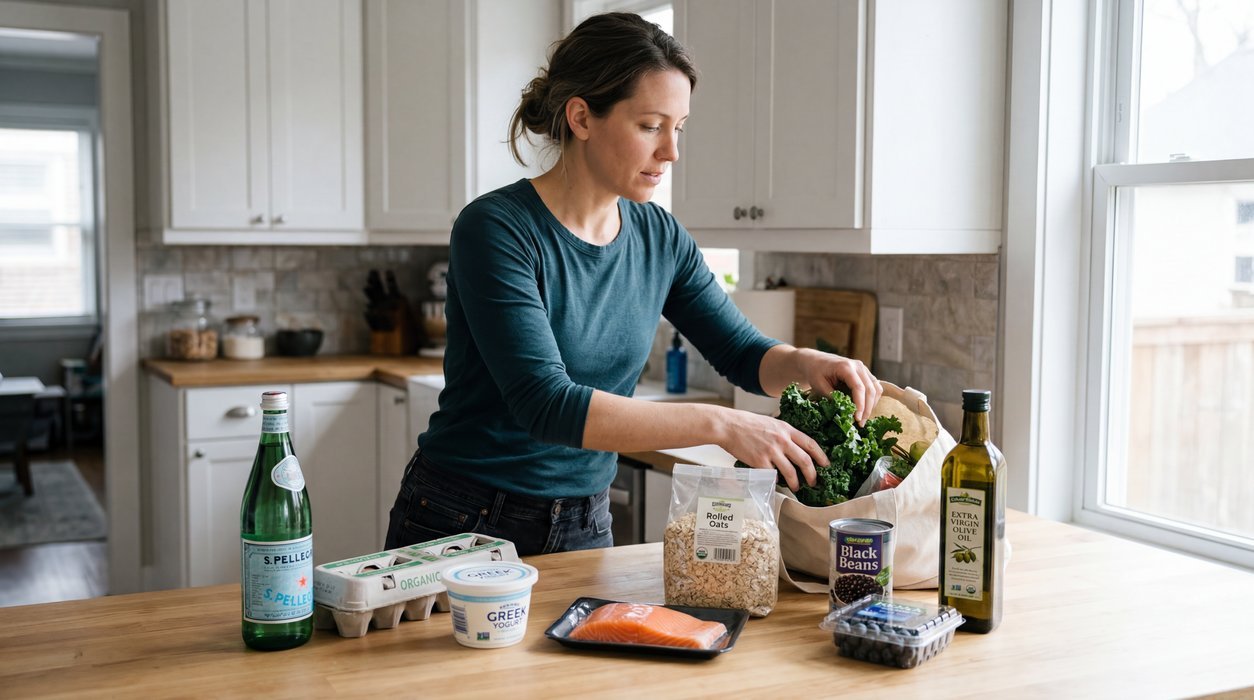
For practical meal structure after this article, use a simple fatty liver meal plan as a next step. The goal is not perfection; it is repeatable meals that fit real life.
| Daily anchor | Simple target |
|---|---|
| Protein | Include a protein source at most meals |
| Fiber | Add vegetables, legumes, berries, oats, or seeds daily |
| Movement | Walk after meals or reach a realistic step goal |
| Alcohol | Avoid or reduce intake, especially with abnormal liver markers |
| Sleep | Keep a consistent bedtime and reduce late-night eating |
How to Track Progress Safely
Progress is not only about the scale. In 30 days, useful markers may include waist measurement, energy, sleep quality, cravings, post-meal comfort, walking consistency, and fewer ultra-processed foods.
If liver enzymes were elevated, a clinician may recommend repeat testing after a specific period. Depending on the situation, they may also evaluate viral hepatitis, medication effects, alcohol exposure, iron levels, autoimmune markers, imaging, or fibrosis risk.[1]
Common lab markers include ALT, AST, GGT, alkaline phosphatase, bilirubin, fasting glucose, A1c, triglycerides, and cholesterol. These markers can provide clues, but they do not tell the whole story on their own.
Adults taking diabetes medication, blood pressure medication, blood thinners, weight-loss medication, or liver-related medication should be cautious with major diet changes. Medical guidance is especially important when fasting, rapid weight loss, or supplement use is being considered.
Conclusion
A 30-day liver health plan works best when it is calm, structured, and realistic. The focus is not punishment; it is lowering the metabolic pressure that may keep the liver inflamed.
To reduce liver inflammation, start with the biggest levers: less alcohol, fewer sugary drinks, more protein and fiber, daily walking, strength training, and consistent sleep. These habits may also support blood sugar balance, weight management, and steadier energy.
The most useful plan is the one that can continue after day 30. Small changes repeated often can become the foundation for better long-term metabolic health.
Frequently Asked Questions
Can you reduce liver inflammation in 30 days?
Thirty days can be enough time to reduce liver inflammation drivers such as alcohol exposure, excess added sugar, inactivity, and unstable blood sugar patterns. Some people feel better within a few weeks, but liver enzymes and imaging findings may take longer to change. The result depends on the cause of inflammation, baseline health, medications, alcohol intake, and consistency. Anyone with abnormal labs or symptoms should work with a healthcare professional.
What foods are best for liver inflammation?
A Mediterranean-style pattern is a strong starting point for many adults. Helpful foods include vegetables, legumes, berries, oats, nuts, seeds, olive oil, fish, eggs, tofu, yogurt, and minimally processed protein sources. The bigger pattern matters more than one single food. Reducing sugary drinks, refined snacks, and frequent alcohol often matters just as much as adding healthy foods.
Is coffee good or bad for liver health?
Coffee intake has been associated with better liver-related outcomes in several observational studies, but it is not a treatment by itself.[6] Unsweetened coffee is usually a better option than sweetened coffee drinks with syrups and whipped toppings. People who are pregnant, caffeine-sensitive, anxious, or managing heart rhythm issues should personalize intake with medical guidance. The overall diet and alcohol pattern still matter more than coffee alone.
Should you take supplements for liver inflammation?
Supplements should be approached carefully because some products can irritate or damage the liver. This includes certain concentrated green tea extracts, bodybuilding supplements, high-dose vitamin products, and multi-ingredient liver formulas.[7] A clinician or pharmacist can help review supplement safety, especially if liver enzymes are elevated. Food, movement, sleep, and alcohol reduction are usually safer first steps.
Medical Disclaimer: The information provided in this article is for educational purposes only and does not constitute medical advice. Always consult a qualified healthcare provider before making changes to your diet, lifestyle, or treatment plan. TheMetabolicHub.com does not replace professional medical guidance.
References
- Rinella ME, Neuschwander-Tetri BA, Siddiqui MS, et al. AASLD Practice Guidance on the clinical assessment and management of nonalcoholic fatty liver disease. Hepatology. 2023;77(5):1797-1835. PMID: 36727674
- European Association for the Study of the Liver, European Association for the Study of Diabetes, European Association for the Study of Obesity. EASL–EASD–EASO Clinical Practice Guidelines on the management of metabolic dysfunction-associated steatotic liver disease. Journal of Hepatology. 2024. PMID: 38851997
- National Institute of Diabetes and Digestive and Kidney Diseases. Eating, Diet, & Nutrition for NAFLD & NASH. NIDDK
- Hashida R, Kawaguchi T, Bekki M, et al. Aerobic vs. resistance exercise in non-alcoholic fatty liver disease: A systematic review. Journal of Hepatology. 2017;66(1):142-152. PMID: 27639843
- Duell PB, Welty FK, Miller M, et al. Nonalcoholic Fatty Liver Disease and Cardiovascular Risk: A Scientific Statement From the American Heart Association. Arteriosclerosis, Thrombosis, and Vascular Biology. 2022;42(6):e168-e185. PMID: 35418240
- Ebadi M, Ip S, Bhanji RA, Montano-Loza AJ. Effect of coffee consumption on non-alcoholic fatty liver disease incidence, prevalence and risk of significant liver fibrosis: Systematic review with meta-analysis. Canadian Liver Journal. 2021;4(3):284-294. PMID: 34578919
- National Institute of Diabetes and Digestive and Kidney Diseases. Green Tea. LiverTox: Clinical and Research Information on Drug-Induced Liver Injury. NIH Bookshelf
- Harvard T.H. Chan School of Public Health. Diet Review: Mediterranean Diet. The Nutrition Source