7-Day Fatty Liver Meal Plan: A Simple Starting Point
Most people don’t expect a liver diagnosis. The fatigue gets blamed on stress, the discomfort gets dismissed — and then a routine blood test changes the conversation.
Diet is consistently identified as the most impactful tool for managing fatty liver disease. Not medication, not supplements — food choices, applied consistently over time.
A well-structured fatty liver meal plan gives that consistency a practical shape. This guide covers what to eat, what to reduce, and what a full week of liver-supportive eating actually looks like.
What Is a Fatty Liver Meal Plan and How Does It Help?
A fatty liver meal plan is a structured eating approach designed to reduce fat accumulation in the liver, lower inflammation, and support metabolic function over time.
Dietary changes — particularly those centered on whole foods, fiber, and unsaturated fats — are associated with meaningful reductions in liver fat. Research shows that even modest weight loss of 5–10% is consistently linked to measurable improvement in liver fat content and inflammation markers.[1]
| Dietary Priority | Why It Matters | First Action |
|---|---|---|
| Reduce added sugars | Excess fructose promotes hepatic fat synthesis | Cut sugary drinks first |
| Increase fiber | Supports the gut-liver axis, stabilizes blood sugar | Add legumes to two meals per day |
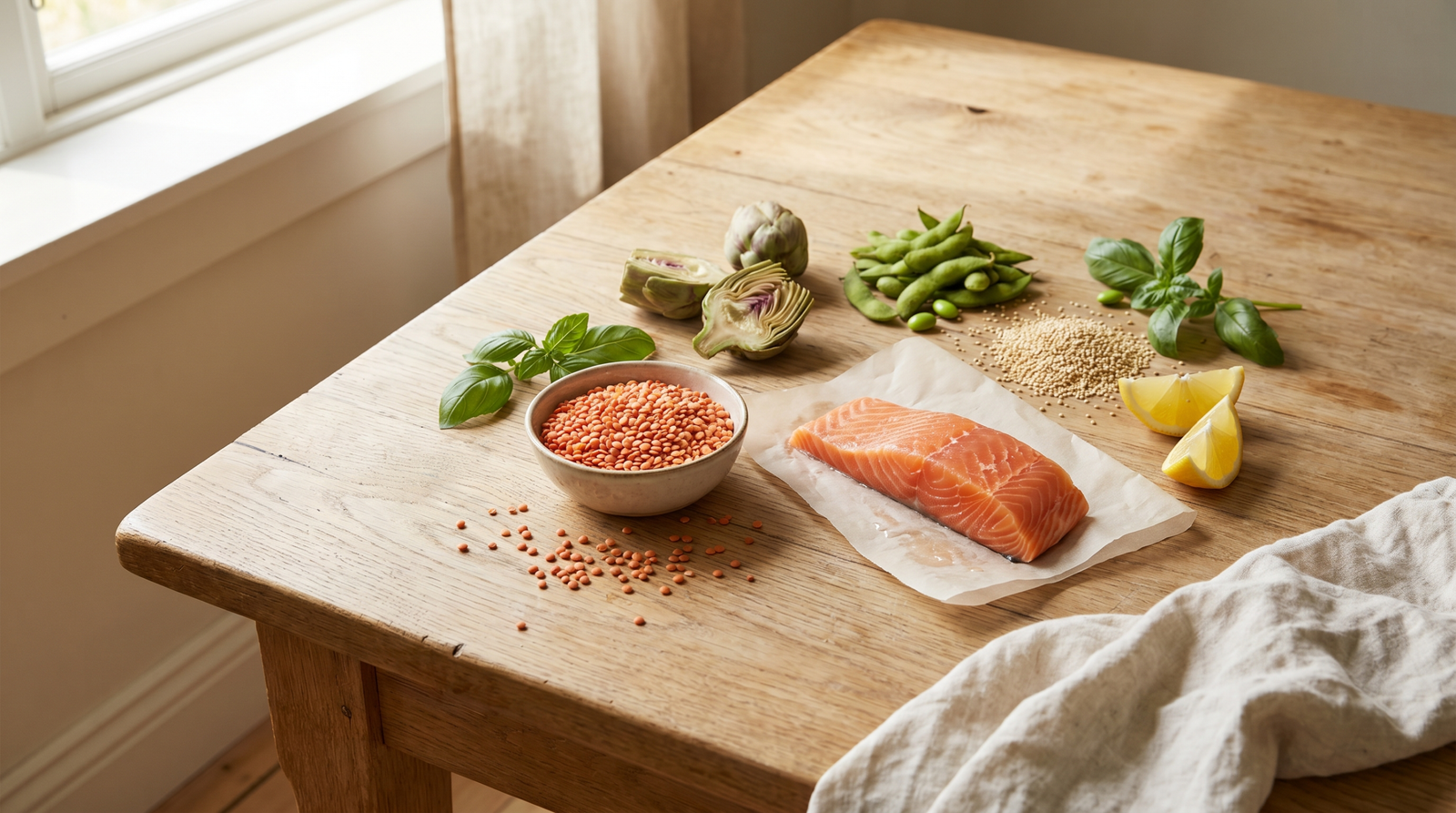
| Prioritize omega-3 fats | Associated with reduced hepatic inflammation | Include fatty fish 2–3× per week |
| Choose whole grains | Slower digestion reduces post-meal glucose spikes | Swap white rice for brown rice or quinoa |
Key Takeaways
- A structured fatty liver meal plan built around whole foods is one of the most evidence-supported interventions for MASLD
- Weight loss of 5–10% is consistently associated with measurable improvement in liver fat and inflammation
- The Mediterranean-style eating pattern has the strongest research base for liver-related metabolic outcomes
- Added sugars, refined carbohydrates, and alcohol have the most direct negative impact on the liver
- Subjective improvements in energy and digestion are commonly reported within 2–4 weeks of consistent dietary change
Best Foods to Prioritize on a Fatty Liver Diet
Certain foods have consistent support in the research — not because they’re exotic, but because they address the specific mechanisms underlying fatty liver disease.
Vegetables and Fiber-Rich Choices
Cruciferous vegetables — broccoli, Brussels sprouts, kale, cauliflower — contain sulforaphane and other compounds associated with liver cell protection in preclinical research.
Leafy greens like spinach and Swiss chard provide folate and antioxidants. Beets, artichokes, and asparagus are valuable additions — less common in standard dietary advice but regularly appearing in liver-focused nutrition literature.
Lean Proteins and Fatty Fish
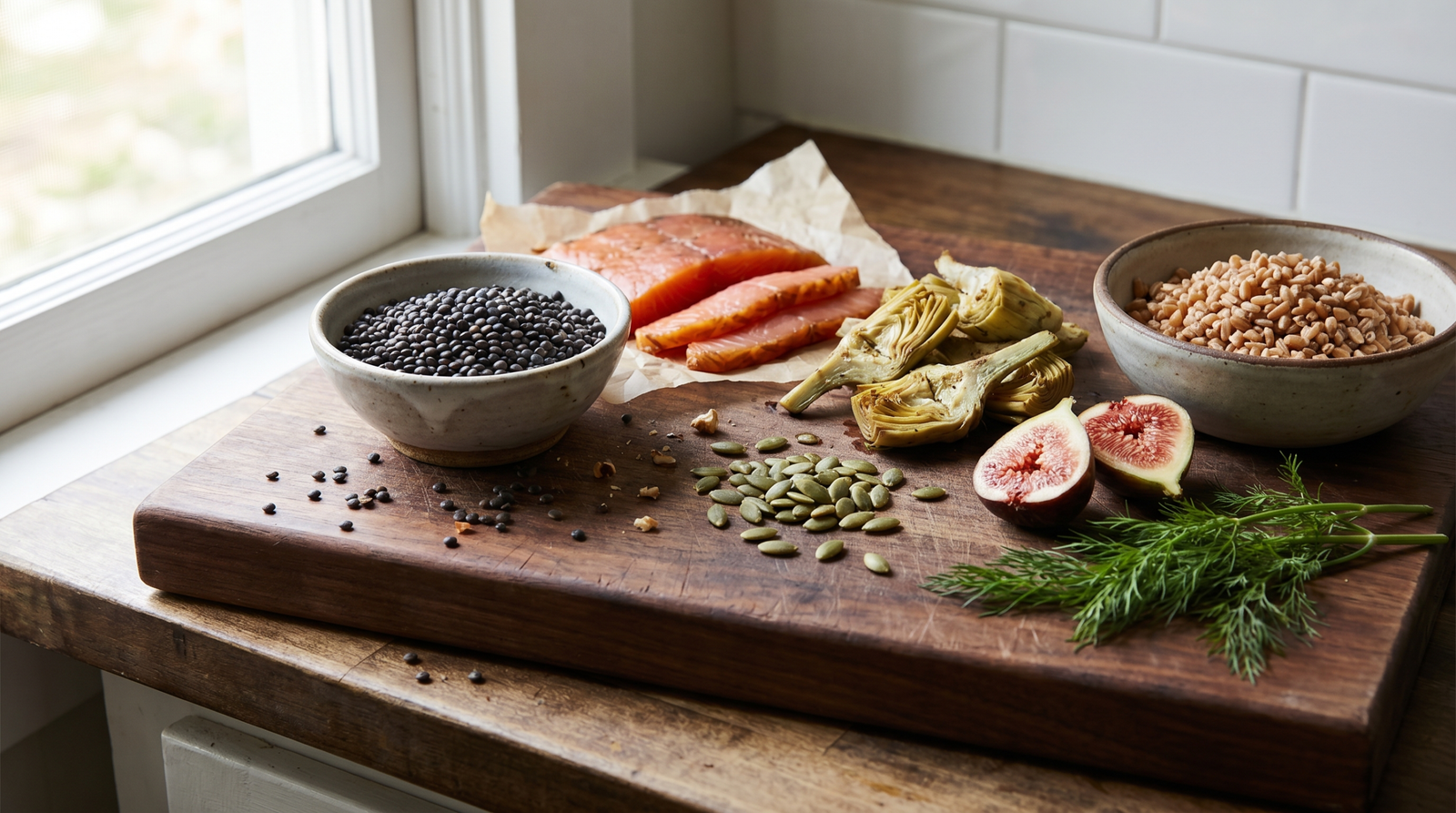
Fatty fish — salmon, mackerel, sardines, trout — are particularly well-studied. Long-chain omega-3 fatty acids (EPA and DHA) are associated with reductions in hepatic triglycerides and inflammation markers.[2]
Plant proteins — tempeh, tofu, legumes — provide fiber alongside protein, a combination that supports both satiety and blood sugar stability. Eggs and low-fat Greek yogurt are practical, accessible daily options.
Whole Grains and Complex Carbohydrates
The goal isn’t carbohydrate elimination — it’s choosing carbohydrates with a lower glycemic impact.
Steel-cut oats, quinoa, farro, bulgur, and brown rice digest more slowly than refined grain equivalents, supporting steadier post-meal glucose levels. Overnight oats with berries and a tablespoon of almond butter is a genuinely practical liver-supportive breakfast.
| Food Category | Top Picks | Key Benefit |
|---|---|---|
| Vegetables | Broccoli, kale, Swiss chard, artichokes, beets | Antioxidant protection, anti-inflammatory |
| Fatty fish | Salmon, sardines, mackerel, trout | EPA/DHA associated with lower hepatic inflammation |
| Legumes | Lentils, chickpeas, black beans, edamame | Fiber + plant protein, blood sugar stability |
| Whole grains | Quinoa, farro, steel-cut oats, brown rice | Lower glycemic impact, sustained energy |
| Healthy fats | Extra virgin olive oil, walnuts, avocado, tahini | Anti-inflammatory, supports nutrient absorption |
For more specific serving suggestions and additional liver-supportive options, the guide on best foods for liver health covers each category in more depth.
Foods to Limit or Avoid on a Fatty Liver Diet
Knowing what to reduce is as important as knowing what to add. Each category below has a specific metabolic rationale.
Added Sugars and Refined Carbohydrates
Fructose — found in sugary drinks, flavored yogurts, candy, and many packaged foods — is metabolized primarily by the liver. When consumed in excess, it is converted to fat through hepatic de novo lipogenesis, a process directly linked to liver fat accumulation.[3]
White bread, white rice, and ultra-processed snacks also digest rapidly, producing sharp post-meal glucose spikes. Replacing these with whole grain equivalents is one of the most consistently impactful dietary changes available.
Saturated Fats and Processed Meats
Bacon, sausage, and processed deli meats combine saturated fat with high sodium and preservatives — a combination associated with increased metabolic burden.
Unprocessed red meat in moderate amounts occupies a different category. Lean cuts of chicken, turkey, or pork loin are practical alternatives when convenience is a factor.
Alcohol
Alcohol is metabolized largely by the liver, and even moderate intake has been associated with increased hepatic fat accumulation and elevated liver enzyme levels in people with existing steatosis.
Most clinical guidance recommends avoiding alcohol entirely for those with established fatty liver disease — not because occasional consumption is always catastrophic, but because reducing the liver’s metabolic load supports recovery.[4]
| What to Limit | Primary Concern | Practical Swap |
|---|---|---|
| Sugary drinks | Excess fructose → hepatic fat synthesis | Sparkling water with lemon or cucumber |
| White bread & pasta | Rapid blood sugar spikes | Whole grain versions, quinoa, lentil pasta |
| Processed meats | Saturated fat + preservatives | Grilled chicken, salmon, tempeh |
| Alcohol | Associated with hepatic fat accumulation | Herbal tea, kombucha, infused water |
The Mediterranean Approach — and Why It Works
Among dietary patterns with clinical research support for fatty liver disease, the Mediterranean diet has the most consistent evidence base.[5]
It centers on vegetables, legumes, whole grains, olive oil, and fish — with moderate poultry and dairy, and minimal red or processed meat. It functions less as a strict protocol and more as a structural template for building meals.
One point worth clarifying here: the common recommendation to “avoid fat” when managing fatty liver disease is not well-supported by current evidence. Extra virgin olive oil, nuts, seeds, and avocado appear to be actively beneficial — not merely neutral. The monounsaturated and polyunsaturated fats in these foods are associated with reduced hepatic inflammation and improved insulin sensitivity. The fats most clearly linked to harm are saturated fats from processed meats and fried foods, not dietary fat as a category.
Coffee fits naturally into this pattern. Moderate consumption — roughly 2–3 cups per day — is consistently associated with lower risk of liver fibrosis and cirrhosis across multiple studies and meta-analyses.[6] The mechanism isn’t fully established, but the association is robust enough that it appears in liver disease clinical guidance.
7-Day Fatty Liver Meal Plan
This is a starting framework, not a rigid prescription. Meals are designed to be practical, Mediterranean-leaning, and achievable on a normal weekday schedule.
| Day | Breakfast | Lunch | Dinner |
|---|---|---|---|
| Day 1 | Steel-cut oats with sliced pear and walnuts | Red lentil soup with whole grain bread | Baked salmon, roasted broccoli, quinoa |
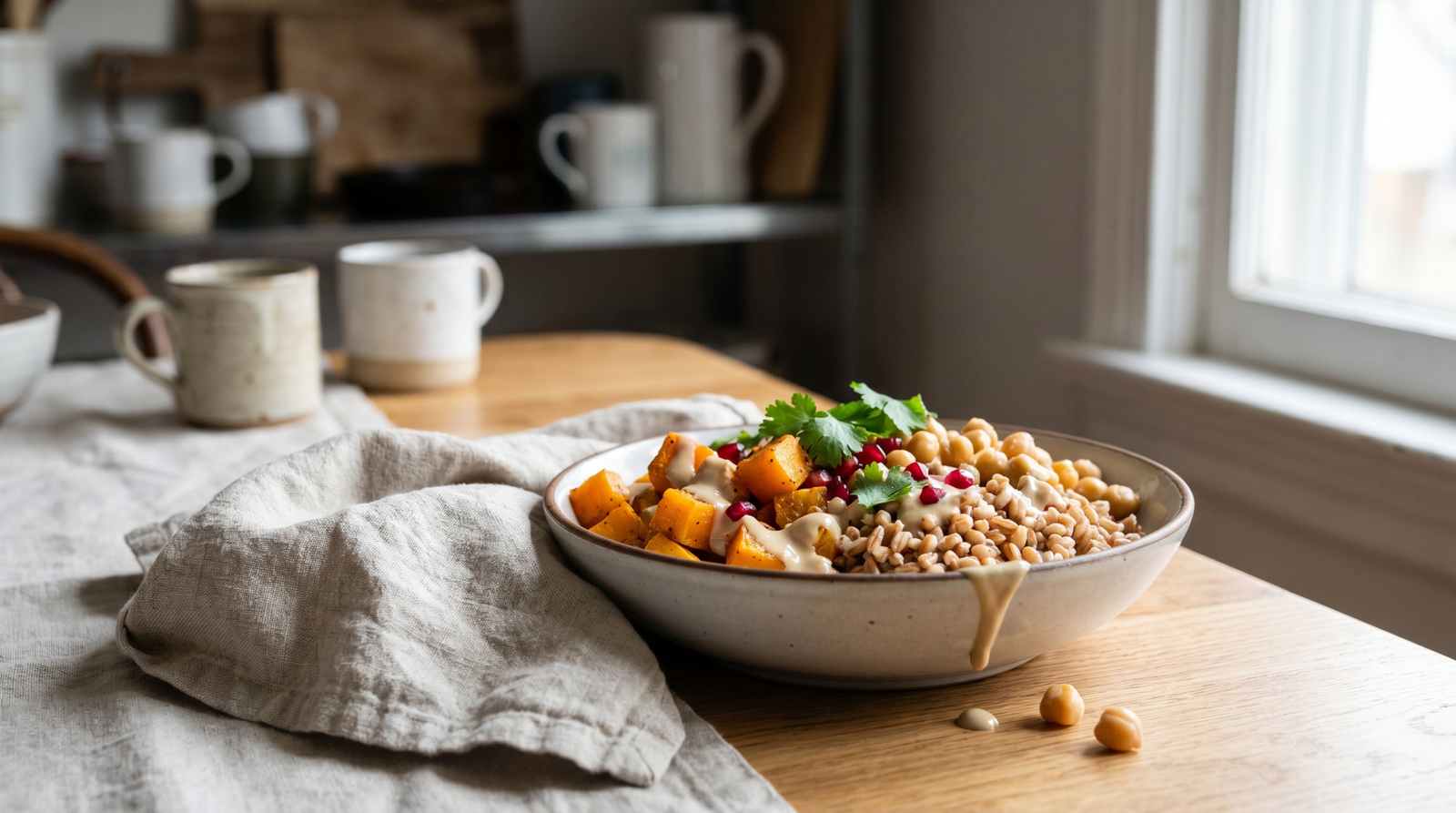
| Day 2 | Low-fat Greek yogurt, pomegranate seeds, pumpkin seeds | Farro grain bowl with roasted beets, chickpeas, tahini dressing | Tofu stir-fry with bok choy, snap peas, brown rice |
| Day 3 | Egg scramble with sautéed spinach and cherry tomatoes | Black bean tacos in corn tortillas with avocado | Grilled mackerel, ratatouille, bulgur wheat |
| Day 4 | Chia pudding with mango and almond butter | White bean and vegetable soup | Shakshuka with whole grain bread |
| Day 5 | Overnight oats with blueberries and cinnamon | Mixed greens salad with sardines, roasted red peppers, olive oil dressing | Chicken thigh baked with lemon, garlic, artichoke hearts |
| Day 6 | Savory bowl: soft-boiled egg, sautéed kale, half an avocado | Stuffed sweet potato with black beans, salsa, plain Greek yogurt | Beluga lentil dal with steamed cauliflower |
| Day 7 | Whole grain toast with tahini and sliced banana | Quinoa bowl with edamame, shredded cabbage, sesame dressing | Baked trout with roasted asparagus and farro |
Snacks to Keep on Hand
A small handful of pistachios or almonds. Sliced cucumber with hummus. An apple with almond butter. Plain kefir. A couple of squares of dark chocolate (70%+) when something sweet is needed — it satisfies without a significant blood sugar spike.
What to Expect in the First Few Weeks
Many people report improvements in energy and digestion within 2–4 weeks of consistent dietary changes. Post-meal fatigue — that heavy, sluggish feeling common after high-carbohydrate meals — tends to decrease as refined carbohydrate and added sugar intake comes down.
For measurable markers: studies in MASLD suggest that improvements in ALT and AST often appear within 8–12 weeks of sustained dietary change, with more significant reductions linked to concurrent weight loss.[1] Fasting blood glucose tends to respond earlier, particularly when added sugar intake is reduced consistently.
It’s also worth noting that fatty liver disease rarely exists in isolation — insulin resistance, elevated triglycerides, and blood sugar dysregulation often improve in parallel, since they share overlapping dietary drivers.
Practical Tips to Make It Stick
Batch one grain each weekend. Cook a large pot of quinoa, brown rice, or farro that serves as a base for multiple meals. It takes under 30 minutes once and removes dinner decision fatigue for most of the week.
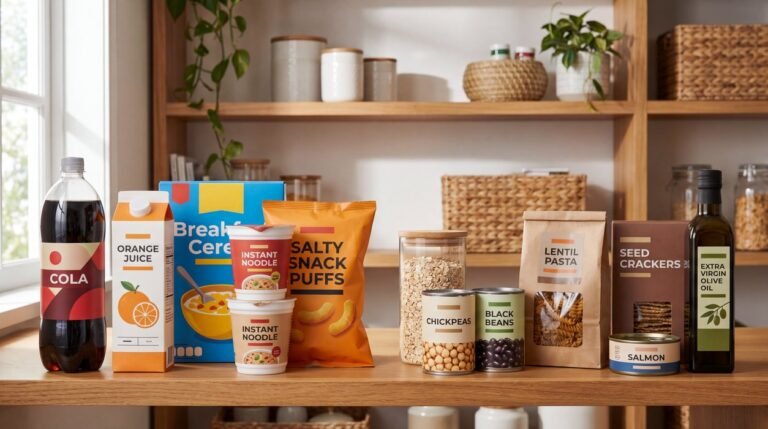
Clear the pantry once. Removing sugary drinks, white bread, and heavily processed snacks in a single session is more effective than trying to make the better choice repeatedly in moments of low energy.
Account for the evening window. Most dietary slip-ups occur when energy is depleted. Keeping ready-to-eat snacks — nuts, cut vegetables, plain yogurt — accessible in the evening removes the friction before it becomes a decision.
Don’t remove coffee. If it’s already a daily habit, keep it. Evidence consistently associates regular coffee consumption with lower risk of liver fibrosis.[6] Skip flavored syrups; the coffee itself isn’t a problem.
This approach doesn’t require perfection. One or two meals a week that don’t fit the plan won’t undermine consistent progress — the liver responds to patterns over time, not individual meals.
For those with a formal MASLD diagnosis or navigating other conditions alongside fatty liver disease, the MASLD diet guide on this site covers more targeted nutritional recommendations.
Conclusion
A fatty liver meal plan doesn’t need to be complex to be effective. The core principles are consistent across the research: more whole foods, less added sugar, regular omega-3-rich fish, unsaturated fats over saturated ones, and enough dietary fiber to support stable blood sugar and gut-liver communication.
Subjective improvements are often noticeable within a few weeks. Measurable changes in liver markers tend to follow within 2–3 months of sustained effort — a realistic and achievable timeline without extreme restriction.
The liver is metabolically responsive to dietary change. That’s worth keeping in mind when consistency feels difficult.
Frequently Asked Questions
What is a fatty liver meal plan and how does it help?
A fatty liver meal plan is a structured eating approach designed to reduce liver fat, lower inflammation, and support metabolic function. It centers on whole foods — vegetables, legumes, whole grains, lean protein, and unsaturated fats — while reducing added sugars, refined carbohydrates, and alcohol. Research consistently links these dietary changes to meaningful reductions in liver fat, with even modest weight loss of 5–10% associated with measurable improvement in liver fat content and enzyme levels. Many people report improvements in energy and digestion within 2–4 weeks, with liver enzyme improvements often apparent within 8–12 weeks of consistent effort.
What foods are most important to reduce first?
The highest-impact first step for most people is reducing sugary drinks — sodas, sweetened juices, flavored coffees. Excess fructose from these is metabolized primarily by the liver and is directly linked to hepatic fat synthesis. Alcohol is the other clear priority: even moderate intake is associated with increased liver fat accumulation. After those two, reducing white bread, white rice, and ultra-processed snack foods tends to produce meaningful improvements in blood sugar stability — which directly reduces metabolic demand on the liver.
Is olive oil actually good for a fatty liver?
Yes — extra virgin olive oil is one of the better-supported fats for liver health. Its high monounsaturated fat content and antioxidant compounds are associated with reduced hepatic inflammation and improved insulin sensitivity in several studies. Use it for light sautéing, in salad dressings, or drizzled over roasted vegetables. The key distinction: olive oil appears actively beneficial, not merely neutral. The fats most associated with negative liver outcomes are saturated fats from processed meats and fried foods — not healthy fats as a category.
How long before a fatty liver diet produces noticeable results?
Many people report improvements in energy, digestion, and post-meal fatigue within 2–4 weeks of consistent dietary change. Measurable improvements in liver enzymes (ALT, AST) are typically seen within 8–12 weeks of sustained effort in studies examining dietary intervention. Blood sugar markers may respond earlier — within 4–6 weeks — particularly when added sugar intake is reduced. Individual results vary based on starting point, consistency, and the presence of related conditions like insulin resistance. The liver tends to be more responsive to dietary change than most people expect.
Medical Disclaimer: The information provided in this article is for educational purposes only and does not constitute medical advice. Always consult a qualified healthcare provider before making changes to your diet, lifestyle, or treatment plan. TheMetabolicHub.com does not replace professional medical guidance.
References
- Vilar-Gomez E et al. Weight Loss Through Lifestyle Modification Significantly Reduces Features of Nonalcoholic Steatohepatitis. Gastroenterology. 2015. PMID: 26044078
- Scorletti E et al. Effects of purified eicosapentaenoic and docosahexaenoic acids in nonalcoholic fatty liver disease: results from the WELCOME study. Hepatology. 2014. PMID: 24585743
- Stanhope KL. Sugar consumption, metabolic disease and obesity: The state of the controversy. Crit Rev Clin Lab Sci. 2016. PMID: 26376619
- American College of Gastroenterology. Nonalcoholic Fatty Liver Disease. gi.org
- Romero-Gómez M et al. Treatment of NAFLD with diet, physical activity and exercise. J Hepatol. 2017. PMID: 28011437
- Kennedy OJ et al. Systematic review with meta-analysis: coffee consumption and the risk of cirrhosis. Aliment Pharmacol Ther. 2016. PMID: 26806124