Fatty Liver Reversal for Women: A Realistic 90-Day Journey

The fatigue felt easy to explain away. A busy schedule, inconsistent meals, poor sleep, stress, another skipped walk. But when routine bloodwork suggested fatty liver, the problem suddenly felt more personal, more confusing, and harder to ignore.
This realistic 90-day journey is written for anyone searching for fatty liver reversal women without extreme dieting, fear-based advice, or promises that one supplement can solve everything. The goal is not to guarantee a cure. It is to show what may support liver fat improvement through steady, evidence-informed lifestyle changes.
Quick Win: Take a 10-minute walk after your largest meal today. This small habit may support post-meal blood sugar control and is often easier to repeat than a full workout plan.
What Does Fatty Liver Reversal for Women Really Mean?
In everyday language, people often use “reversal” to mean that liver fat, liver enzymes, metabolic markers, or imaging results have improved. Medically, it is more careful to say that lifestyle changes may support improvement in fatty liver disease, now often discussed under the newer term metabolic dysfunction-associated steatotic liver disease, or MASLD.[1]
For this article, fatty liver reversal women means a realistic improvement journey, not a guaranteed cure. It focuses on habits that may reduce liver fat accumulation, support insulin sensitivity, and help the body handle energy more effectively.
The 90-day frame matters because it is long enough to build measurable consistency, but short enough to feel mentally manageable. Some people may notice changes in energy, waist measurement, cravings, or lab markers during this period, while deeper liver health changes may take longer.

This journey follows a practical pattern: fewer sugary drinks, more protein and fiber, less reliance on ultra-processed foods, consistent walking, short strength sessions, better sleep rhythm, and calmer stress management. None of these steps is dramatic on its own. Together, they may create a metabolic environment that is friendlier to the liver.
If you want a broader evidence overview, start with our guide on whether fatty liver can be reversed.
Why Can Fatty Liver Happen Without Heavy Drinking?
Fatty liver can develop when more fat enters or is made in the liver than the liver can export or burn. This can be linked with insulin resistance, higher abdominal fat, elevated triglycerides, prediabetes, type 2 diabetes, sedentary routines, and diets high in added sugars or refined carbohydrates.[2]
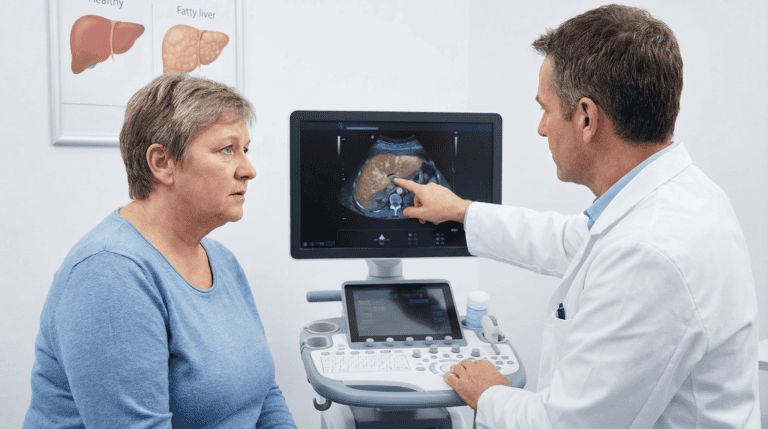
Many adults feel blindsided by the diagnosis because they do not feel sick. Fatty liver is often found through blood tests, imaging, or investigation of other metabolic concerns rather than obvious symptoms.
Insulin resistance is a key part of the story. When cells become less responsive to insulin, the body may produce more insulin to manage blood sugar. That hormonal environment can encourage fat storage and increased liver fat production.
For women and anyone navigating hormone changes, the picture can feel even more layered. Menopause, sleep disruption, chronic stress, thyroid issues, polycystic ovary syndrome, and changing body composition may influence insulin sensitivity and fat distribution.
That does not mean fatty liver is a personal failure. It means the liver is responding to a metabolic environment that can often be improved with consistent, targeted habits.
What Changed in the First 30 Days?
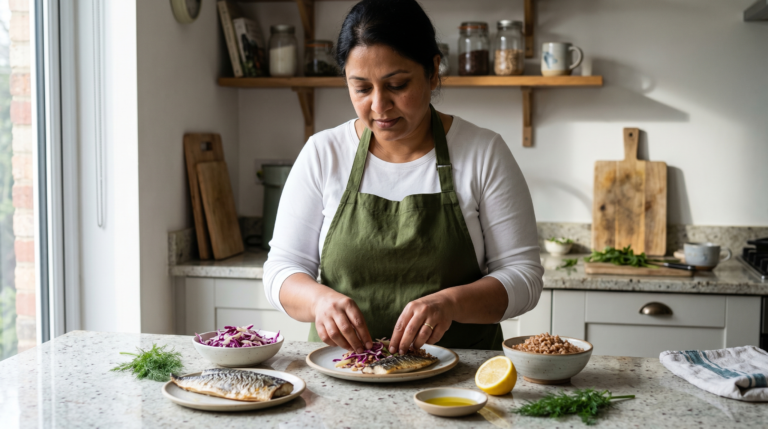
The first month was not about perfection. It was about removing the biggest pressure points on the liver while keeping meals normal enough to repeat.
Step 1: Sugary drinks stopped being casual
The first change was cutting sweet drinks, fruit juice, sweetened coffee drinks, and frequent soda. This mattered because diets high in added sugars, especially fructose-heavy sources, are linked with increased liver fat production when intake is consistently high.[3]
The replacement was simple: water, sparkling water, unsweetened tea, and coffee without syrup. No cleanse. No punishment. Just fewer liquid calories that were easy to overconsume.
Step 2: Breakfast became more stabilizing
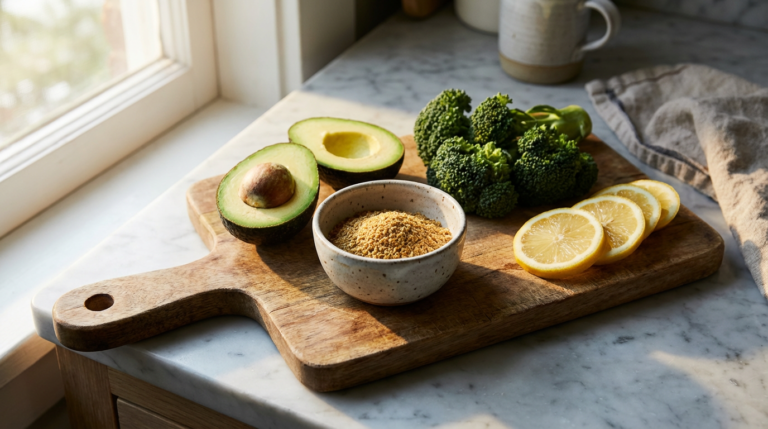
Instead of skipping breakfast and overeating later, the first meal included protein, fiber, and healthy fats. Examples included Greek yogurt with berries and chia, eggs with vegetables, or tofu scramble with avocado and beans.
This helped reduce the mid-morning crash that often led to grazing. For many people, steadier energy is one of the first signs that blood sugar patterns may be becoming less chaotic.
Step 3: Walking became non-negotiable but small
The starting target was not 10,000 steps. It was 10 minutes after dinner, most days, with a longer walk on weekends when possible.
Post-meal walking may support glucose control because working muscles can use glucose more actively. For someone managing fatty liver, this can be a gentle way to support insulin sensitivity without needing intense exercise.
One idea deserves pushback: fatty liver improvement is often framed as a weight loss story only. Weight loss can matter, especially when excess body fat is part of the picture, but the practical target is metabolic improvement. Food quality, muscle activity, sleep, and insulin sensitivity may shift before the scale shows a dramatic change.
What Made Days 31–60 Different?
The second month moved from “remove the obvious problem” to “build a repeatable structure.” This is where the journey became less emotional and more systematic.
Meals followed a simple plate method
Most meals used the same template: half the plate non-starchy vegetables, one quarter protein, one quarter higher-fiber carbohydrates, plus a modest portion of fat. This helped create consistency without tracking every bite.
Protein choices included fish, poultry, eggs, Greek yogurt, tofu, tempeh, lentils, beans, and lean meats. Carbohydrates shifted toward oats, beans, lentils, quinoa, potatoes with the skin, berries, and whole grains.
The point was not to fear carbohydrates. It was to choose carbohydrates that arrive with fiber, micronutrients, and slower digestion.
Ultra-processed snacks became less automatic
The second month also revealed a pattern: snacks were often stress relief, not hunger. Chips, cookies, crackers, and sweet snacks were not banned, but they stopped being the default option at home.
More supportive options were prepared ahead: boiled eggs, cottage cheese, hummus and vegetables, roasted chickpeas, nuts in measured portions, and berries. The home environment made the next choice easier.
Alcohol became a planned decision
Even when fatty liver is not primarily alcohol-related, alcohol can add extra processing burden for the liver. The 90-day approach used alcohol-free weekdays and smaller portions on social occasions, based on medical guidance when relevant.
Anyone with diagnosed liver disease should discuss alcohol with a healthcare provider. Some people may be advised to avoid it entirely.
What Did the Final 30 Days Focus On?
The final month was about protecting progress. By now, the easy motivation had faded, so the plan needed to work on ordinary days.
Strength training entered the plan
Two short strength sessions per week were added. They included squats to a chair, wall push-ups, hip hinges, rows with a resistance band, and loaded carries.
Muscle is metabolically active tissue. Building or preserving muscle may support insulin sensitivity, glucose storage, and long-term weight management, all of which can matter for fatty liver improvement.[4]
For more guidance on movement choices, see our article on exercise for metabolic syndrome.
Sleep became part of liver care
Sleep was treated as a metabolic habit, not a luxury. The goal was a more consistent bedtime, less late-night scrolling, morning daylight, and caffeine earlier in the day.
Poor sleep can make healthy eating and movement harder to maintain. It may also interact with insulin resistance, appetite regulation, and stress. Better sleep does not guarantee liver improvement, but it can make the plan more repeatable.
The plan allowed imperfect weeks
A birthday dinner, travel day, stressful deadline, or skipped workout did not erase progress. The rule was to return to the next supportive meal or the next 10-minute walk.
This mattered because all-or-nothing thinking can turn one missed habit into a full stop. A realistic fatty liver reversal women journey needs recovery skills, not just discipline.
Which Food Changes May Support Liver Fat Improvement?
Clinical guidance often points toward dietary patterns that reduce excess calories, added sugars, refined starches, and saturated fat while increasing fiber-rich foods, unsaturated fats, and minimally processed meals.[5]
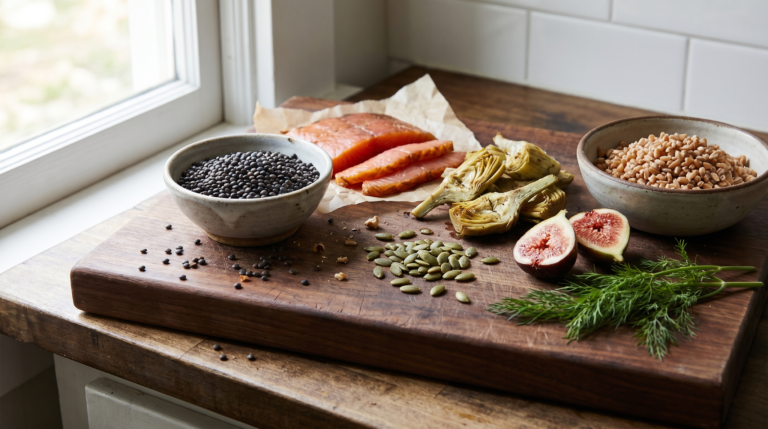
A Mediterranean-style pattern is frequently discussed because it emphasizes vegetables, legumes, fruit, whole grains, fish, olive oil, nuts, and less reliance on ultra-processed foods. It can be adapted for different cultures, budgets, and preferences.
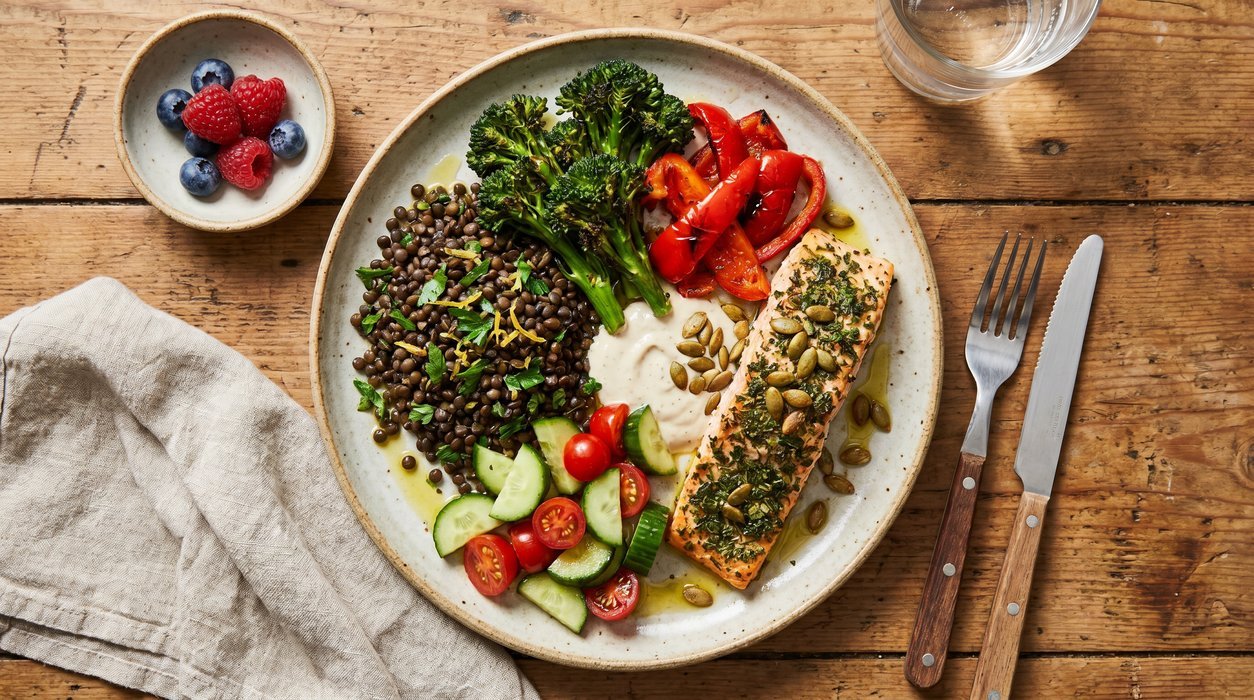
| Food Shift | Why It May Help | Simple Example |
|---|---|---|
| Reduce sugary drinks | May lower excess sugar intake that can contribute to liver fat production. | Swap soda or juice for sparkling water with lemon. |
| Add protein to breakfast | May improve fullness and reduce later grazing. | Greek yogurt, eggs, tofu, or cottage cheese. |
| Increase soluble fiber | May support cholesterol, gut health, and steadier blood sugar. | Oats, beans, lentils, chia, berries, and vegetables. |
| Choose unsaturated fats | May support a more heart-healthy eating pattern. | Olive oil, avocado, nuts, seeds, and fatty fish. |
| Plan treats intentionally | May reduce impulsive eating without creating strict restriction. | Enjoy dessert at a meal instead of grazing at night. |
Calorie intake still matters, but the experience of eating matters too. Meals that are satisfying, high in protein, and rich in fiber are often easier to sustain than low-calorie plans built around hunger.
For a structured starting point, use our 7-day fatty liver meal plan as a practical companion to this 90-day approach.
How Do Movement, Sleep, and Stress Fit In?
Exercise may support liver fat improvement even when weight change is modest. Both aerobic exercise and resistance training are commonly recommended because they support insulin sensitivity, cardiovascular health, and body composition.[6]
The most realistic starting point is often walking. It is low-cost, joint-friendly for many people, and easier to repeat than a demanding gym schedule.

Strength training adds another layer. Even two brief sessions per week may help adults move better, preserve muscle, and feel more capable during daily life.
Stress matters because it changes behavior and biology at the same time. High stress can push people toward late-night eating, skipped meals, poor sleep, and less movement.
A calming routine does not need to be elaborate. Five minutes of slow breathing, a short walk outside, journaling before bed, or setting a kitchen closing time may help reduce the evening pattern that often works against metabolic health.
What Progress Markers Matter Beyond the Scale?
Weight can be one helpful marker, especially when excess body fat is part of the picture. But it should not be the only marker, because liver and metabolic health may shift in several ways.
Useful progress markers may include waist measurement, fasting glucose, A1C, triglycerides, HDL cholesterol, ALT, AST, blood pressure, energy stability, cravings, sleep quality, and how consistently habits are being repeated.
Some people may see liver enzyme improvements before imaging changes are confirmed. Others may need longer than 90 days, especially if insulin resistance, menopause-related body composition changes, medications, or other health conditions are involved.
Medical follow-up matters. Lab testing and imaging should be interpreted by a qualified healthcare provider, especially when liver enzymes are elevated or symptoms are present. Our guide to ALT, AST, ALP, and GGT liver enzyme results can help you understand the conversation with your clinician.
| Timeframe | What May Change | What to Avoid Assuming |
|---|---|---|
| Weeks 1–2 | Less bloating, steadier meals, fewer sugar cravings, better awareness. | Early changes do not confirm liver fat reduction. |
| Weeks 3–6 | More consistent walking, improved energy, possible waist change. | A slow scale does not mean the plan is failing. |
| Weeks 7–12 | Better fitness, improved routine, possible lab improvements. | Normal labs should still be reviewed with a clinician. |
A Realistic 90-Day Fatty Liver Action Plan
This plan is not a prescription. It is an educational framework to discuss with a healthcare provider and adapt to personal needs, culture, schedule, budget, and medical history.
Days 1–30: Lower the biggest metabolic load
- Replace sugary drinks with water, tea, coffee without syrup, or sparkling water.
- Walk for 10 minutes after one meal most days.
- Build breakfast around protein and fiber.
- Choose one simple dinner template to repeat twice per week.
- Track waist measurement, energy, and meal consistency once per week.
The first month is successful when the new habits feel less foreign. Many people notice that cravings and energy swings may begin to settle before major body changes appear.
Days 31–60: Build the repeatable meal structure
- Use the plate method for one to two meals daily.
- Add beans, lentils, oats, chia, vegetables, or berries most days.
- Keep higher-protein snacks available.
- Set a realistic alcohol boundary if alcohol is part of your routine.
- Increase walking time gradually if it feels sustainable.
This stage is where fatty liver reversal for women becomes less about motivation and more about systems. The easier the environment makes the next supportive choice, the less willpower is required.
Days 61–90: Add strength and protect consistency
- Complete two short resistance-training sessions per week.
- Keep a consistent sleep and wake rhythm on most days.
- Plan one flexible meal each week without turning it into a full reset.
- Review labs or follow-up testing with a healthcare provider when scheduled.
- Choose the three habits that feel sustainable for the next 90 days.
By the end of 90 days, the most meaningful outcome may be confidence. Not perfection, not a dramatic transformation story, but proof that a calmer routine can support measurable change.
Frequently Asked Questions
Is fatty liver reversal for women possible in 90 days?
Fatty liver improvement is possible for some people in the sense that liver fat, liver enzymes, waist measurement, or metabolic markers may improve with consistent lifestyle changes. A 90-day period can be enough to build habits and sometimes see measurable progress. It is not a guaranteed timeline, and imaging or lab changes should always be interpreted by a healthcare provider.
What is the best diet pattern for fatty liver improvement?
A Mediterranean-style pattern is often recommended because it emphasizes vegetables, legumes, whole grains, fish, olive oil, nuts, and minimally processed foods. The best version is one a person can repeat consistently. Reducing sugary drinks, refined snacks, and frequent ultra-processed meals may be especially helpful.
Can fatty liver improve without major weight loss?
Some metabolic markers may improve even when weight changes are modest, especially when exercise, food quality, and insulin sensitivity improve. However, when excess body fat is contributing to fatty liver, gradual weight loss may support liver fat reduction. The most useful approach is usually sustainable rather than extreme.
Which exercise is most realistic for fatty liver?
Walking is often the easiest starting point because it is accessible and repeatable. Post-meal walks may support glucose control, while longer walks can improve cardiovascular fitness. Adding resistance training two or more times per week may also support muscle and insulin sensitivity.
When should someone see a doctor about fatty liver?
Anyone with elevated liver enzymes, abnormal imaging, abdominal pain, jaundice, diabetes, high triglycerides, or a history of heavy alcohol use should seek medical guidance. A clinician can help rule out other causes of liver disease and decide whether further testing is needed. Lifestyle changes are important, but they should not replace professional evaluation.
Conclusion
A realistic fatty liver journey does not have to start with fear or perfection. It can begin with one walk, one steadier breakfast, one fewer sugary drink, and one week of meals that feel supportive rather than restrictive.
For anyone searching for fatty liver reversal women, the most useful lesson is that progress usually comes from repeated basics. Food quality, movement, sleep, stress, and medical follow-up work best when they are simple enough to continue.
Ninety days can be a strong beginning. The real goal is not just better numbers, but a healthier routine that still makes sense when life gets busy.
Medical Disclaimer: The information provided in this article is for educational purposes only and does not constitute medical advice. Always consult a qualified healthcare provider before making changes to your diet, lifestyle, or treatment plan. TheMetabolicHub.com does not replace professional medical guidance.
References
- Rinella ME, et al. A multisociety Delphi consensus statement on new fatty liver disease nomenclature. Hepatology. 2023. PMID: 37364790. PubMed
- National Institute of Diabetes and Digestive and Kidney Diseases. Nonalcoholic Fatty Liver Disease & NASH. NIDDK
- Jensen T, et al. Fructose and sugar: A major mediator of non-alcoholic fatty liver disease. Journal of Hepatology. 2018. PMID: 29408694. PubMed
- American Diabetes Association. Physical Activity/Exercise and Diabetes: A Position Statement of the American Diabetes Association. Diabetes Care. 2016. PMID: 27926890. PubMed
- EASL-EASD-EASO Clinical Practice Guidelines on the management of metabolic dysfunction-associated steatotic liver disease. Journal of Hepatology. 2024. PMID: 38851997. PubMed
- Hashida R, et al. Aerobic vs. resistance exercise in non-alcoholic fatty liver disease: A systematic review. Journal of Hepatology. 2017. PMID: 27639843. PubMed
- Promrat K, et al. Randomized controlled trial testing the effects of weight loss on nonalcoholic steatohepatitis. Hepatology. 2010. Full text