How to Stop Blood Sugar Spikes and End the Afternoon Slump
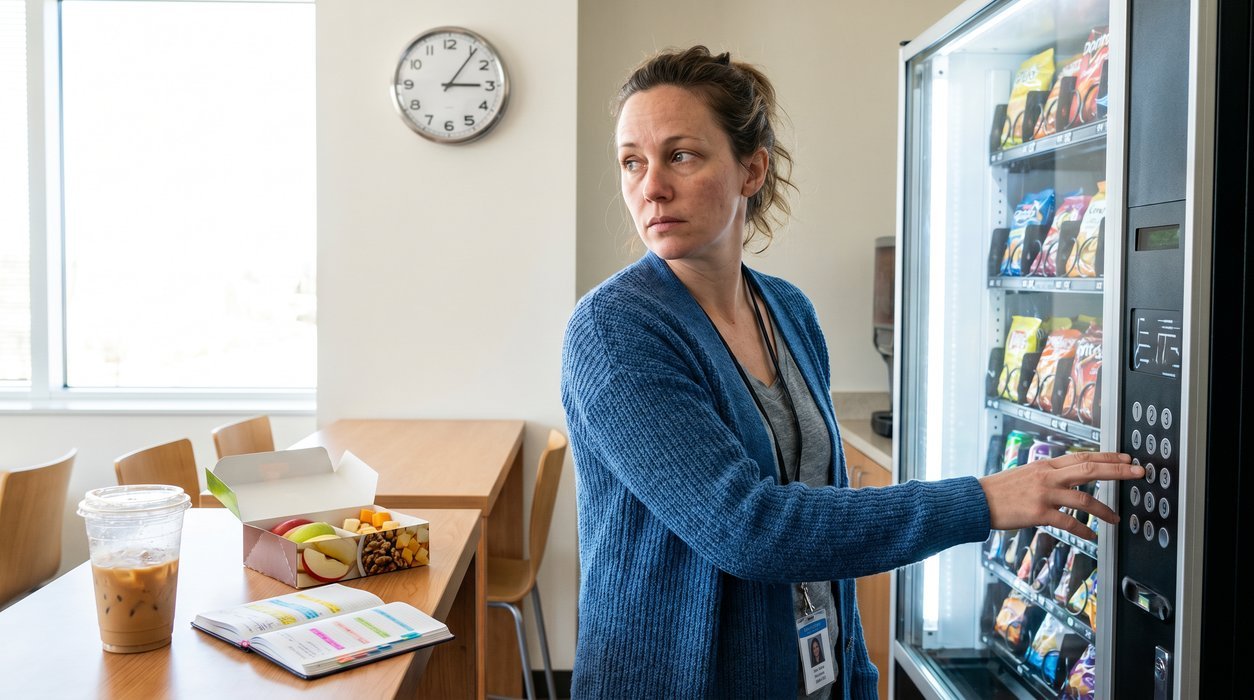
The 3 p.m. crash can make a normal workday feel strangely heavy. You may have eaten “reasonably,” had coffee, pushed through lunch, and still ended up foggy, hungry, and searching for something sweet.
This may not be random, and it is not a personal failure. The encouraging news: learning how to stop blood sugar spikes often starts with small meal and movement changes, not a perfect diet.
Quick Win: After your next carb-containing meal, take a relaxed 10-minute walk within 30 minutes of eating. Keep the pace easy enough to breathe comfortably and use it as a simple blood sugar stability cue.
How to Stop Blood Sugar Spikes: The Direct Answer
To stop blood sugar spikes from feeling so disruptive, pair carbohydrates with protein, fiber, and healthy fats, then add light movement after meals. This combination may slow glucose absorption, support insulin sensitivity, and help afternoon energy feel steadier.
The goal is not to remove every carb. The goal is to change the “delivery system” of the meal so glucose enters the bloodstream more gradually.
CDC guidance notes that eating carbohydrates with protein, fat, or fiber can slow how quickly blood sugar rises.[1] For many adults, the afternoon slump improves when lunch shifts from “naked carbs” to a complete plate.
Key Takeaways
- Blood sugar spikes are often about meal context. Protein, fiber, fat, sleep, stress, and movement all influence the response.
- Carbs do not have to disappear. Beans, oats, fruit, potatoes, whole grains, and lentils can fit better when paired well.
- Food order may help. Starting with vegetables and protein before starch may reduce post-meal glucose in some people.
- Post-meal movement is powerful. A 10-minute walk after lunch can be a realistic first step.
Why Blood Sugar Spikes Can Cause an Afternoon Slump
After a meal, carbohydrate-rich foods break down into glucose. Glucose is not the problem; the body uses it for brain function, movement, and daily energy.
The issue is speed and context. When glucose rises quickly, the body releases insulin to help move glucose into cells, and some people notice a dip in energy later.
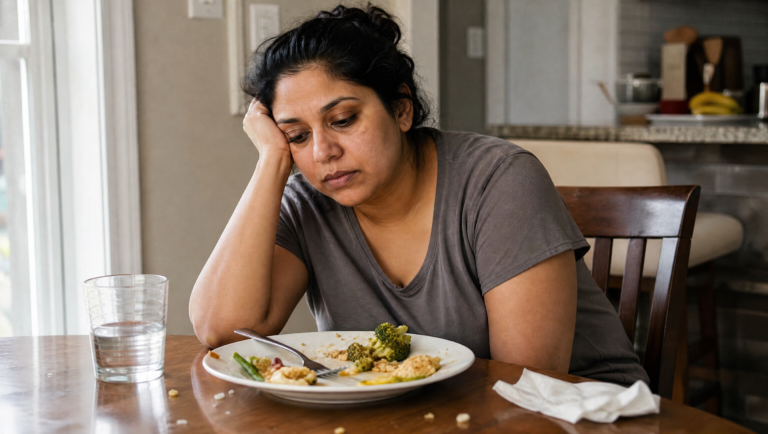
That dip may show up as brain fog, cravings, irritability, sleepiness, or hunger returning too soon after lunch. Some people describe feeling tired and wired at the same time.
Common reasons post-meal glucose rises faster
- Large portions of refined starches or sugary drinks
- Meals with little protein or fiber
- Long gaps between meals followed by a carb-heavy meal
- Poor sleep or high stress
- Sitting for long periods after eating
- Low overall muscle activity across the day
The pattern matters more than one imperfect meal. Anyone with diabetes, prediabetes, pregnancy-related glucose concerns, or symptoms of very high or low blood sugar should work with a qualified healthcare provider.
For a deeper explanation of what is normal after eating, this guide on why post-meal blood sugar spikes happen can help you interpret the pattern without panic.
How to Build Meals for Stable Blood Sugar
A stable meal is built around slowing digestion without making food joyless. The goal is to make carbohydrates work better for the body, not to treat them as the enemy.
Start with protein
Protein helps meals feel more satisfying and may reduce the urge to snack soon after eating. Practical options include eggs, Greek yogurt, fish, poultry, tofu, tempeh, beans, lentils, or cottage cheese.
A useful visual target is one palm-sized portion of protein at breakfast and lunch. Needs vary by body size, age, training, appetite, and health status.
Add fiber before or with starch
Fiber-rich foods slow digestion and may help with blood sugar control. CDC guidance explains that fiber is not absorbed and broken down like other carbohydrates, so it does not cause the same kind of spike.[2]
Good choices include vegetables, berries, beans, lentils, chia seeds, ground flaxseed, oats, barley, and whole grains. Increase fiber gradually and drink enough fluids to reduce digestive discomfort.
Choose carbohydrates with structure
Carbohydrates that still have their natural structure tend to be more glucose-friendly than highly processed versions. Lentils, beans, oats, barley, quinoa, potatoes with skin, fruit, and whole-grain bread often behave differently from juice or sweet pastries.
Low-glycemic eating patterns have been studied for glycemic control, particularly in people with prediabetes or diabetes. Evidence points to potential benefits, though individual responses vary.[3]
| Instead of | Try | Why it may help |
|---|---|---|
| Cereal alone | Greek yogurt, berries, chia, and a smaller portion of cereal | Adds protein, fiber, and fat to slow the meal |
| White rice alone | Rice with salmon, tofu, vegetables, and avocado | Reduces the “naked carb” effect |
| Sweet coffee drink | Coffee with milk plus eggs, oats, or a protein-rich breakfast | Avoids starting the day with fast liquid sugar |
| Pastry snack | Apple with peanut butter or cottage cheese with berries | Pairs carbohydrate with protein or fat |
Can Food Order Help Reduce Blood Sugar Spikes?
Food order is a surprisingly simple tool. Some research suggests that eating vegetables and protein before carbohydrate may reduce post-meal glucose and insulin responses compared with eating carbohydrate first.[4]
This does not require a complicated ritual. It can be as simple as taking several bites of salad, vegetables, eggs, fish, tofu, or beans before moving into rice, pasta, bread, or dessert.
One thing worth pushing back on here: many people assume blood sugar control is only about total grams of carbohydrate. Carb amount matters, but meal structure, food order, sleep, stress, and movement can change the body’s response to the same carb load.
A simple food-order template
- Begin with non-starchy vegetables or a broth-based soup.
- Eat several bites of protein and fat-containing foods.
- Finish with the starchier part of the meal.
- Walk or move lightly after eating when possible.
This approach is flexible enough for home cooking, restaurant meals, and packed lunches. It is also less socially awkward than trying to rebuild every meal from scratch.
Why Movement After Meals Works So Well
Muscles act like a glucose sink. When they contract, they use glucose for energy, which may help reduce post-meal glucose excursions.
Research on post-meal movement suggests that exercise close to eating can reduce acute postprandial glucose responses. The movement does not need to be intense to matter.[5]

The 10-minute minimum
Try 10 minutes after the meal that usually triggers sleepiness. Lunch is often the best place to begin because it connects directly to the afternoon slump.
After one week, increase to 15 minutes if it feels easy. Consistency usually matters more than intensity.
Break up sitting
Long sitting periods can make afternoon energy feel heavier. Diabetes exercise guidance emphasizes physical activity for blood glucose management, and brief activity breaks can be useful for interrupting prolonged sitting.[6]
A simple rule is to stand or move for 2–3 minutes every 30–60 minutes during the workday. Calf raises, stair trips, or a short loop around the building can be enough to change the rhythm.
Breakfast and Lunch Changes That Help Prevent the Crash
The afternoon slump often begins at breakfast. A fast, sweet, low-protein breakfast can set up a cycle of hunger and cravings that becomes louder by mid-afternoon.
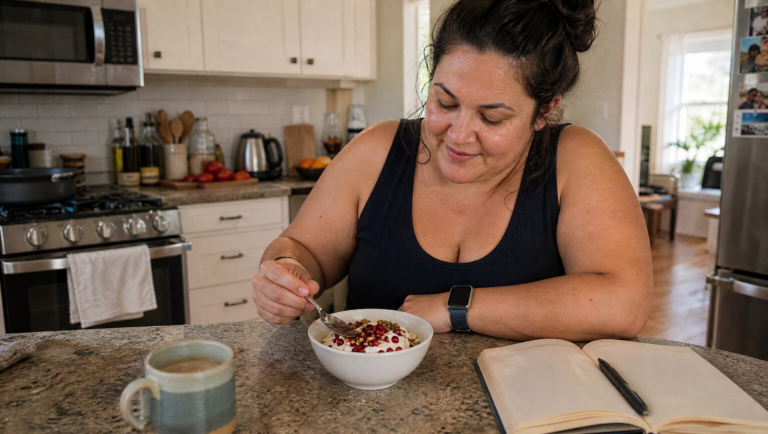
A better breakfast does not need to be large. It needs enough protein, fiber, and slow-digesting carbohydrate to carry energy forward.
Breakfast ideas for steadier energy
- Eggs with avocado, sautéed greens, and one slice of whole-grain toast
- Greek yogurt with berries, chia seeds, walnuts, and cinnamon
- Tofu scramble with vegetables and beans
- Oats with protein powder, ground flaxseed, and nut butter
- Cottage cheese with berries and a small portion of granola
For more practical morning options, these savory breakfast ideas can help reduce the sweet-breakfast pattern without making breakfast feel restrictive.
Lunch ideas that may reduce the afternoon slump
- Chicken, tofu, or salmon bowl with greens, beans, and a moderate portion of rice
- Lentil soup with olive oil, side salad, and fruit
- Turkey, hummus, or tempeh wrap with vegetables and Greek yogurt
- Bean chili with avocado and a small baked potato
- Big salad with eggs, chickpeas, seeds, and whole-grain crackers
Hydration also matters. Mild dehydration can feel like fatigue, and sweet drinks may add fast sugar without much fullness.
A Simple 3-Day Plan for Better Afternoon Energy
This plan is designed to test a pattern, not to create a strict diet. Keep meals familiar and change only the structure.
Day 1: Fix the first meal
Choose a breakfast with at least one protein source and one fiber-rich food. Keep sweet drinks out of the first meal if possible.
Notice hunger, focus, and cravings between breakfast and lunch. Do not judge the day from one signal.
Day 2: Rebuild lunch
At lunch, eat vegetables and protein before the starchier part of the meal. Keep the carbohydrate portion moderate rather than removing it completely.
Walk for 10 minutes after lunch. Track whether the afternoon slump feels earlier, later, milder, or unchanged.
Day 3: Add the sitting break
Set a reminder to move for 2–3 minutes every hour after lunch. Use light movement, not a workout.
By the end of the third day, look for patterns. Better energy is often built from small repeatable behaviors, not one perfect glucose-friendly meal.
| Goal | Action | What to watch |
|---|---|---|
| Reduce fast rises | Pair carbs with protein, fiber, and fat | Less urgent hunger after meals |
| Improve post-meal glucose use | Walk 10 minutes after lunch | Milder afternoon fatigue |
| Lower snack cravings | Eat a protein-forward breakfast | Fewer sweet cravings at 3 p.m. |
| Support insulin sensitivity | Prioritize sleep and break up sitting | More stable energy across the week |
What Progress Can You Realistically Expect?
Early signs may include fewer cravings, less urgent hunger, and a milder energy dip after lunch. Some people also notice steadier mood and fewer “need something sweet now” moments.
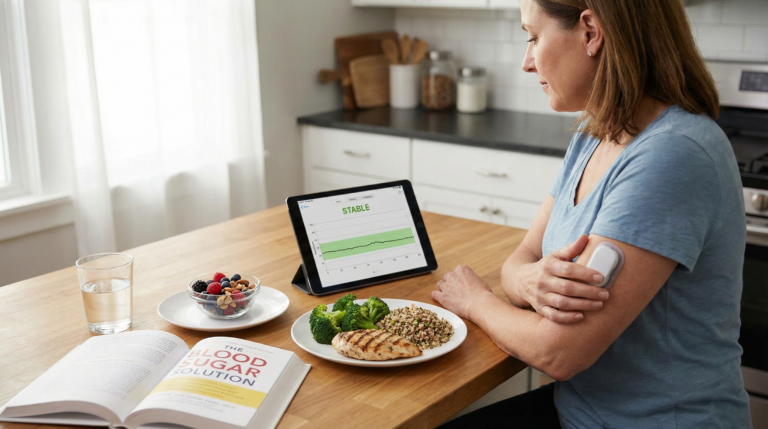
If using a glucose meter or continuous glucose monitor, the useful pattern is often the shape of the curve after meals. A slower rise and smoother return may be more informative than obsessing over one number.
Meaningful changes often require consistency over several weeks. Sleep, stress, menstrual cycles, illness, alcohol, training load, and medication can all affect readings and symptoms.
Nutrition therapy for adults with diabetes or prediabetes should be individualized because no single eating pattern fits everyone.[7] Preferences, culture, budget, health conditions, and goals all matter.
Sleep is part of the same picture. CDC educational guidance notes that insufficient sleep can affect insulin and cortisol patterns that influence blood sugar management.[8]
Frequently Asked Questions
How can I stop blood sugar spikes without cutting out all carbs?
You can often stop blood sugar spikes from feeling so disruptive by changing meal structure rather than removing every carbohydrate. Pair carbs with protein, fiber, and healthy fats, choose less processed carb sources, and add a short walk after meals. Eating vegetables and protein before starch may also help some people.
Why do I feel sleepy after lunch?
Sleepiness after lunch can happen for several reasons, including a large refined-carb meal, not enough protein or fiber, poor sleep, dehydration, stress, or sitting for long periods. Blood sugar changes may be one part of the pattern, but they are not the only possible cause.
Is fruit bad for blood sugar?
Whole fruit can fit into a blood sugar-friendly eating pattern for many people. Fruit contains fiber, water, and beneficial plant compounds, unlike fruit juice or sweet drinks that deliver sugar quickly. Pairing fruit with yogurt, nuts, seeds, or cottage cheese may make it more satisfying.
How long should I walk after eating?
A realistic starting point is 10 minutes after the meal that usually makes you sleepy. If that feels easy, build toward 15 minutes. The walk should feel gentle and repeatable, not like a workout you dread.
Conclusion
Blood sugar stability is not about being perfect. It is about building meals and routines that make your body’s job easier.
Start with one meal, one walk, and one pattern to observe. When you pair carbs with protein, fiber, and healthy fats, then move lightly after eating, the afternoon slump may become less intense and less predictable.
The best plan is the one you can repeat on a busy day. That is where metabolic health starts to feel practical, not punishing.
Medical Disclaimer: The information provided in this article is for educational purposes only and does not constitute medical advice. Always consult a qualified healthcare provider before making changes to your diet, lifestyle, or treatment plan. TheMetabolicHub.com does not replace professional medical guidance.
References
- Centers for Disease Control and Prevention. Diabetes Meal Planning. CDC
- Centers for Disease Control and Prevention. Fiber: The Carb That Helps You Manage Diabetes. CDC
- Zafar MI, et al. Low-glycemic index diets as an intervention for diabetes. Am J Clin Nutr. 2019. PMID: 31374573
- Shukla AP, et al. The impact of food order on postprandial glycaemic excursions in prediabetes. Diabetes Obes Metab. 2019. PMID: 30101510
- Engeroff T, Groneberg DA, Wilke J. After Dinner Rest a While, After Supper Walk a Mile? A Systematic Review With Meta-Analysis on the Acute Postprandial Glycemic Response to Exercise Before and After Meal Ingestion. Sports Med. 2023. PMID: 36715875
- Colberg SR, et al. Physical Activity/Exercise and Diabetes: A Position Statement of the American Diabetes Association. Diabetes Care. 2016. PMID: 27926890
- Evert AB, et al. Nutrition Therapy for Adults With Diabetes or Prediabetes: A Consensus Report. Diabetes Care. 2019. PMID: 31000505
- Centers for Disease Control and Prevention. New Beginnings Mini-Lesson: Sleep Health. CDC