Why a Prediabetes Diagnosis Is Actually a “Gift” of Opportunity
A prediabetes result can land hard, especially when life already feels full and health advice feels confusing. This may not be random, and it is not a personal failure. The encouraging news: prediabetes motivation can begin with information, not shame.
A prediabetes diagnosis can be a gift of opportunity because it often appears before type 2 diabetes develops. It gives a clear signal that blood sugar, insulin sensitivity, movement, sleep, stress, or meal patterns may need more support.
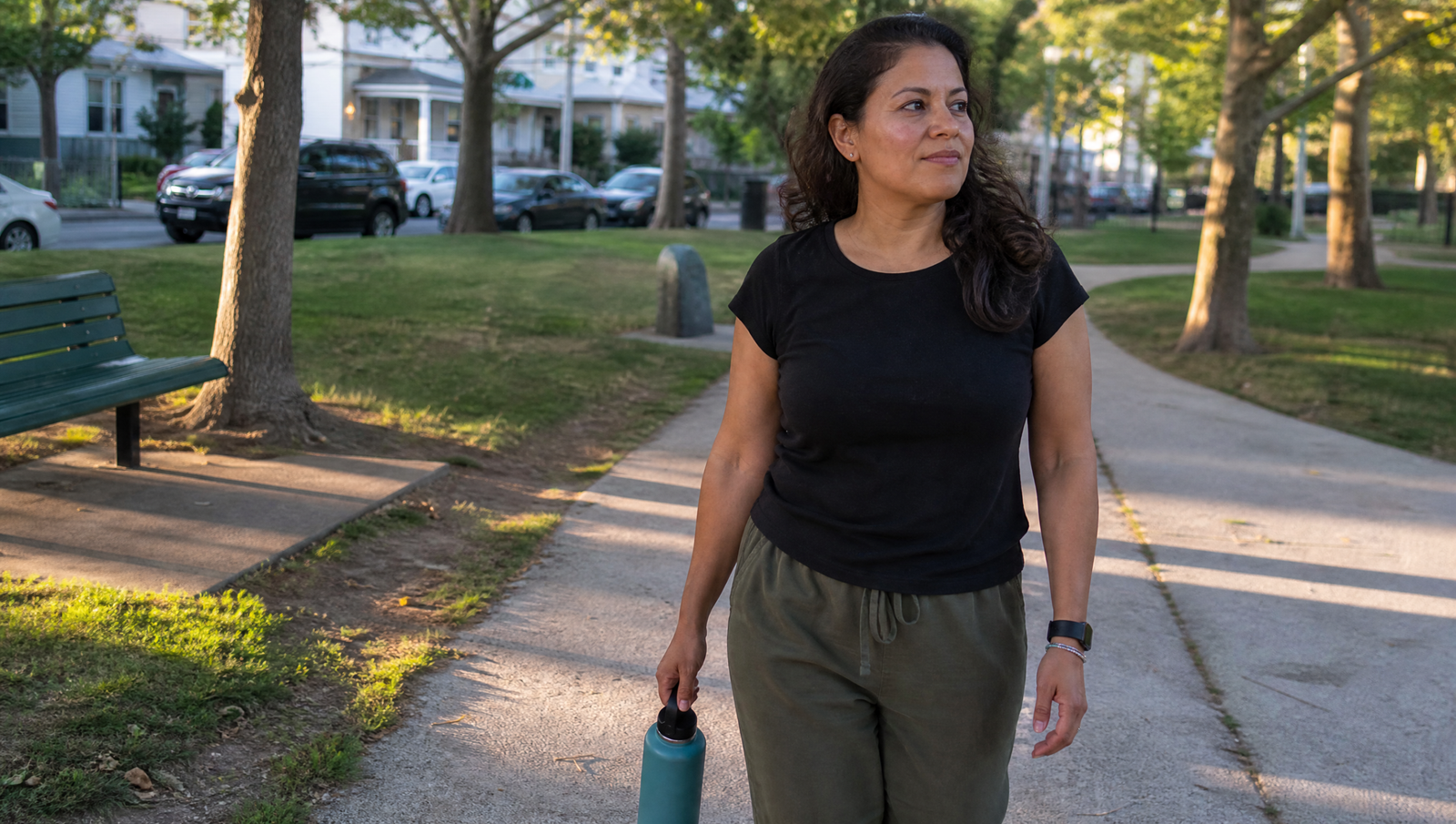
Quick Win: After one main meal today, take a relaxed 10-minute walk or do light movement at home. This simple habit may help muscles use some of the glucose from that meal.
Prediabetes Motivation: Why Can This Diagnosis Be a Gift?
A prediabetes diagnosis can be useful because it gives early feedback while there is still room to act. It does not mean type 2 diabetes is certain, and it does not mean the body is broken.
Prediabetes motivation works best when the diagnosis becomes a starting point for small, repeatable choices. Many people begin noticing practical changes within days or weeks, while lab markers usually need several months to show clearer trends.
The “gift” is not the label. The gift is the chance to respond with more specific information, better support, and a plan that fits real life.
Key Takeaways
- Prediabetes means blood glucose is higher than typical but not high enough for type 2 diabetes.[1]
- Insulin resistance is often part of the picture, but food is only one factor.[2]
- Lifestyle changes may reduce the risk of progression for many adults.[4]
- Post-meal walking, strength training, sleep, and balanced meals can all support metabolic health.[5]
- The goal is not a perfect routine. The goal is a repeatable system.

What Does Prediabetes Actually Mean?
Prediabetes means blood sugar levels are above the normal range but below the diabetes range. Common markers include A1C, fasting plasma glucose, and sometimes an oral glucose tolerance test.[3]
Insulin helps move glucose from the bloodstream into cells. With insulin resistance, the body may need more insulin to manage the same amount of glucose.[2]
Over time, fasting glucose or A1C may rise. Some people feel energy dips, cravings, or post-meal sleepiness, while others feel completely normal.
| Marker or Signal | What It May Suggest |
|---|---|
| A1C 5.7%–6.4% | Average glucose has been running in the prediabetes range over recent months. |
| Fasting glucose 100–125 mg/dL | Morning blood sugar may be higher than typical. |
| Post-meal fatigue | Meal composition, sleep, stress, or activity may be affecting glucose balance. |
| Waist or weight changes | Insulin sensitivity, activity, sleep, and nutrition patterns may need more support. |
These signs should not be used for self-diagnosis. They are reasons to ask better questions with a qualified healthcare provider.
How Can Prediabetes Motivation Become a Turning Point?
Prediabetes motivation becomes more sustainable when it is built on agency, not blame. Fear may create a short burst of effort, but shame often makes routines harder to keep.
A diagnosis gives a clearer target than “be healthier.” It allows someone to focus on blood sugar balance, insulin sensitivity, muscle, sleep, meal timing, and follow-up testing.
The Diabetes Prevention Program found that structured lifestyle intervention reduced the incidence of type 2 diabetes in adults at high risk. The useful takeaway is not perfection; consistent changes can matter.[4]
This is the moment where the story can change. Not dramatically overnight, but through repeatable signals that make the body’s job easier.
One thing worth pushing back on here: many people assume prediabetes is only about sugar. Sugar intake can matter, but the larger picture includes muscle mass, sleep quality, stress hormones, genetics, medications, meal composition, and overall activity.
That matters because the answer is not a joyless diet built around restriction. The better question is: what helps the body handle glucose more efficiently, most days of the week?
Prediabetes Motivation: What Should You Do First?
The first step is not to change everything at once. Choose a few high-impact habits and repeat them long enough to learn what helps.
For a broader starter framework, this guide to managing prediabetes naturally can help connect food, movement, sleep, and follow-up into one realistic plan.
Build meals that slow the glucose rise
A balanced plate can include protein, fiber-rich carbohydrates, colorful plants, and healthy fats. This pattern may support fullness and steadier post-meal glucose responses.
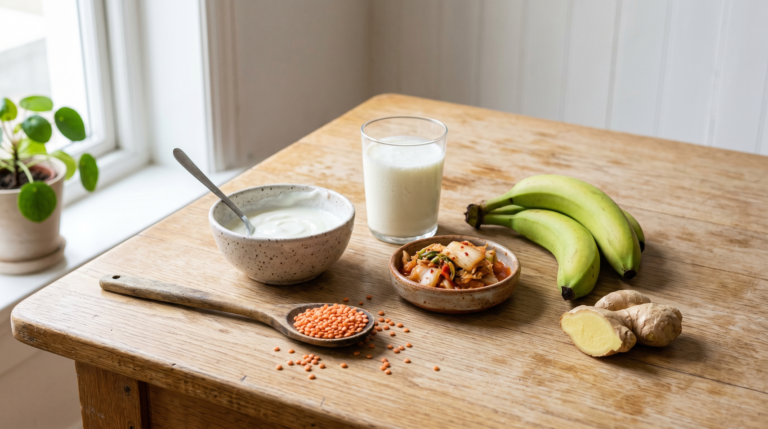
Helpful options include beans, lentils, vegetables, berries, oats, seeds, yogurt, tofu, eggs, fish, poultry, nuts, and olive oil. Portions still matter, but the goal is structure, not punishment.
Use muscles after meals
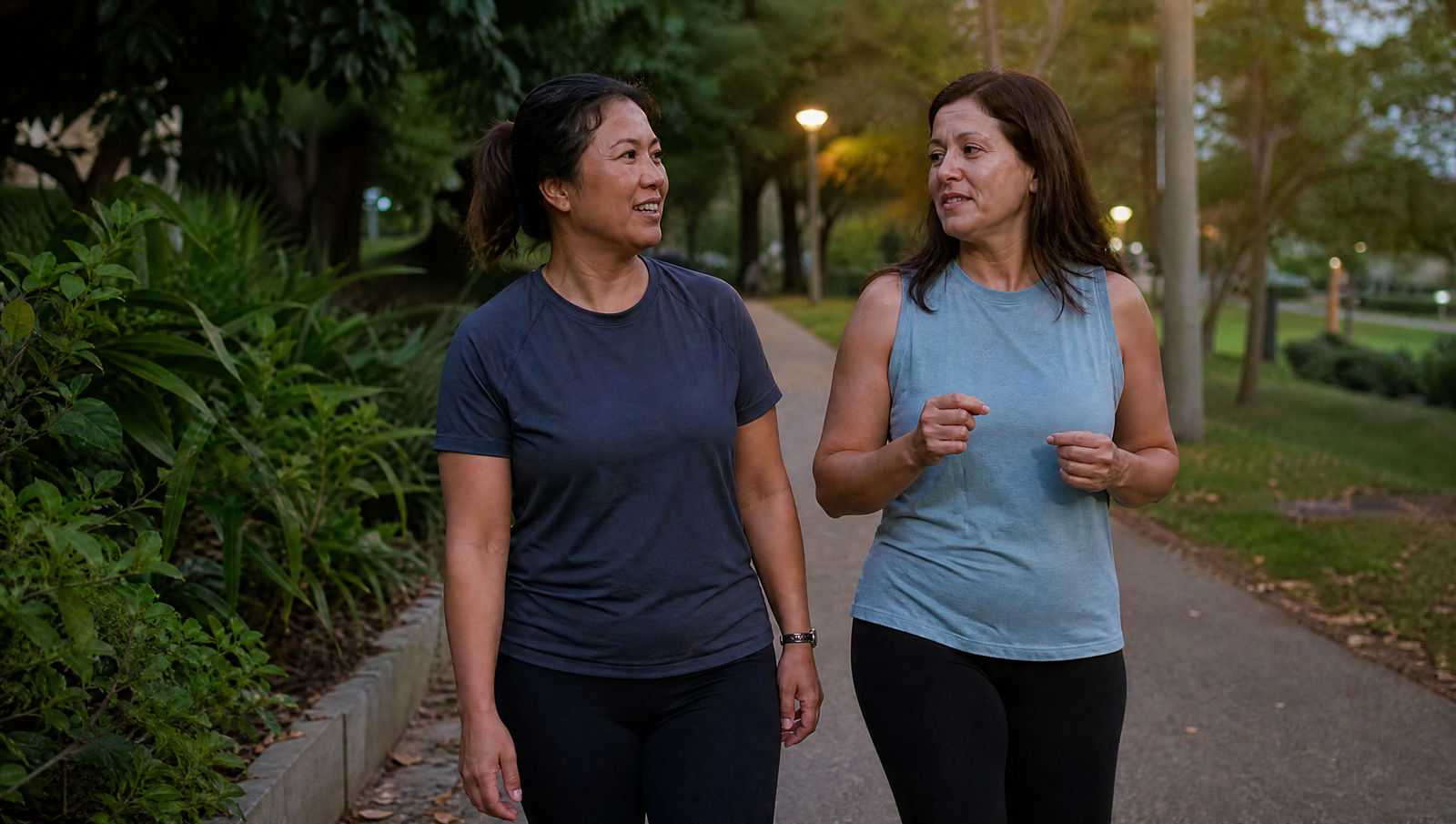
Muscle is one important place glucose can go. Research suggests that walking or light activity after meals may reduce post-meal glucose rises compared with sitting.[5]
This can be simple. A 10-minute walk, gentle cycling, tidying the kitchen, or easy bodyweight movements can be enough to begin.
Add strength training for insulin sensitivity
Strength training may support insulin sensitivity by helping maintain or build muscle. Exercise training in people with prediabetes has been linked with better glycemic control compared with no exercise.[6]
Two short sessions per week can be a realistic start. Chair squats, wall push-ups, resistance bands, step-ups, and loaded carries can all be adapted.
Make sleep part of the glucose plan
Sleep affects metabolic regulation. Experimental research has found that even short-term partial sleep deprivation can reduce insulin sensitivity in healthy adults.[7]
Sleep can also influence A1C trends over time, especially when short sleep, disrupted sleep, or sleep apnea are part of the picture. This deeper guide explains the connection between sleep and A1C levels.
A first step might be setting a consistent wake time, reducing late caffeine, dimming lights, or keeping the bedroom cooler and darker.

How Long Does Progress Usually Take?
Some people notice early changes within days or weeks. These may include steadier energy, fewer evening cravings, or less post-meal sleepiness.
Lab markers often take longer. A1C reflects a multi-month window, so many healthcare providers look for trends over about 8 to 12 weeks or longer.
| Timeframe | What May Start to Change |
|---|---|
| First week | More awareness of meals, movement, sleep, and energy patterns. |
| 2–4 weeks | Some people notice steadier appetite, fewer crashes, or better walking stamina. |
| 8–12 weeks | A1C, fasting glucose, weight, or waist trends may become clearer. |
| 3–6 months | A healthcare provider may adjust the plan based on repeat labs and personal context. |
The goal is not a perfect week. The goal is to create enough repeatable signals that the body has a better environment for glucose balance.
A Practical 7-Day Prediabetes Reset Plan
This plan is general and educational. Anyone who is pregnant, takes glucose-lowering medication, has a history of eating disorders, or has complex medical needs should personalize changes with a healthcare professional.
Day 1: Choose one meal anchor
Pick the meal that feels most chaotic. Build one repeatable version, such as Greek yogurt with berries and chia or tofu scramble with vegetables and whole-grain toast.
Day 2: Add a post-meal walk
Choose one meal and add 10 minutes of easy movement afterward. Keep it light enough that it does not feel like a full workout.
Day 3: Upgrade the carbohydrate
Swap one refined carbohydrate for a higher-fiber option. Try oats instead of sweet cereal, lentils instead of white rice, or berries instead of candy.
Day 4: Add two strength moves
Try chair squats and wall push-ups. Do one to three comfortable sets, leaving some energy in reserve.
Day 5: Protect the evening
Choose one sleep-supportive boundary. This might be a caffeine cutoff, dimmer lighting, or keeping the phone away from the bed.
Day 6: Plan one emergency meal
Create a backup meal for busy days. A practical option could include canned beans, pre-washed greens, olive oil, tuna or tofu, and microwaveable brown rice.
Day 7: Review without judgment
Write down what felt easiest, what felt unrealistic, and what helped energy most. Keep the habits that reduced friction and adjust the rest.
This is where prediabetes motivation becomes practical. The best plan is rarely the strictest one; it is the one a real person can repeat during a real week.
Frequently Asked Questions
Why can a prediabetes diagnosis be motivating instead of discouraging?
A prediabetes diagnosis can be motivating because it gives early information before blood sugar problems may progress further. Prediabetes motivation works best when the result is viewed as a signal, not a personal failure. It can guide realistic changes in meals, movement, sleep, stress, and follow-up care. Many people find it easier to act when the next step feels specific and manageable.
Does prediabetes always become type 2 diabetes?
Prediabetes does not always become type 2 diabetes. Risk depends on genetics, age, body composition, activity level, sleep, stress, nutrition, medications, and other health factors. Evidence suggests that structured lifestyle changes may reduce progression risk for many adults. A healthcare provider can help interpret personal risk and follow-up needs.
What is the first lifestyle change to make after a prediabetes diagnosis?
A good first change is simple, safe, and repeatable. For many people, this could be walking for 10 minutes after one meal, adding protein and fiber to breakfast, or reducing sugary drinks. Starting small can build confidence without creating overwhelm. The best first step depends on schedule, preferences, medical history, and current habits.
Can weight loss help with prediabetes?
For some adults, modest weight loss may support better insulin sensitivity and glucose regulation. However, weight is only one part of the picture. Muscle mass, food quality, movement, sleep, stress, medications, and medical conditions also matter. A balanced approach is usually more sustainable than aggressive restriction.
Conclusion
A prediabetes diagnosis can feel heavy at first, but it can also mark the moment when the path becomes clearer. The body is offering feedback early enough to respond with steady, realistic action.
Prediabetes motivation is not about fear, perfection, or punishing routines. It is about using information wisely, choosing habits that fit real life, and building trust with the process.
The most useful next step is small enough to begin today and practical enough to repeat tomorrow. That is where opportunity becomes progress.
Medical Disclaimer: The information provided in this article is for educational purposes only and does not constitute medical advice. Always consult a qualified healthcare provider before making changes to your diet, lifestyle, or treatment plan. TheMetabolicHub.com does not replace professional medical guidance.
References
- Centers for Disease Control and Prevention. Prediabetes — Your Chance to Prevent Type 2 Diabetes. CDC
- National Institute of Diabetes and Digestive and Kidney Diseases. Insulin Resistance & Prediabetes. NIDDK
- American Diabetes Association Professional Practice Committee. Diagnosis and Classification of Diabetes: Standards of Care in Diabetes—2026. Diabetes Care. 2026. ADA Standards
- Knowler WC, Barrett-Connor E, Fowler SE, et al. Reduction in the Incidence of Type 2 Diabetes with Lifestyle Intervention or Metformin. N Engl J Med. 2002. PMID: 11832527
- Engeroff T, Füzéki E, Vogt L, Banzer W. After Dinner Rest a While, After Supper Walk a Mile? A Systematic Review with Meta-Analysis on the Acute Postprandial Glycemic Response to Exercise Before and After Meal Ingestion in Healthy Subjects and Patients with Impaired Glucose Tolerance. Sports Med. 2023. PMID: 36715875
- Zhang H, Guo Y, Hua G, Guo C, Gong S, Li M, Yang Y. Exercise training modalities in prediabetes: a systematic review and network meta-analysis. Front Endocrinol (Lausanne). 2024. PMID: 38440785; PMCID: PMC10911289
- Donga E, van Dijk M, van Dijk JG, et al. A single night of partial sleep deprivation induces insulin resistance in multiple metabolic pathways in healthy subjects. J Clin Endocrinol Metab. 2010. PMID: 20371664