Why Naked Carbs Can Drain Your Energy Levels
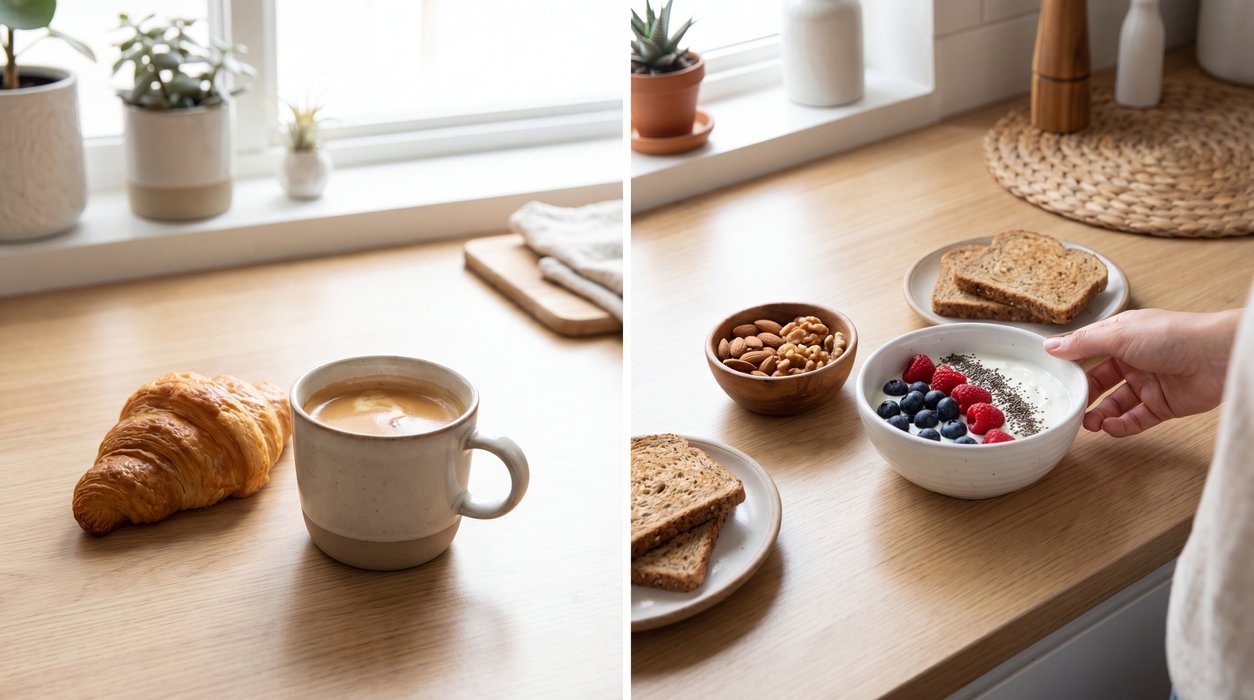
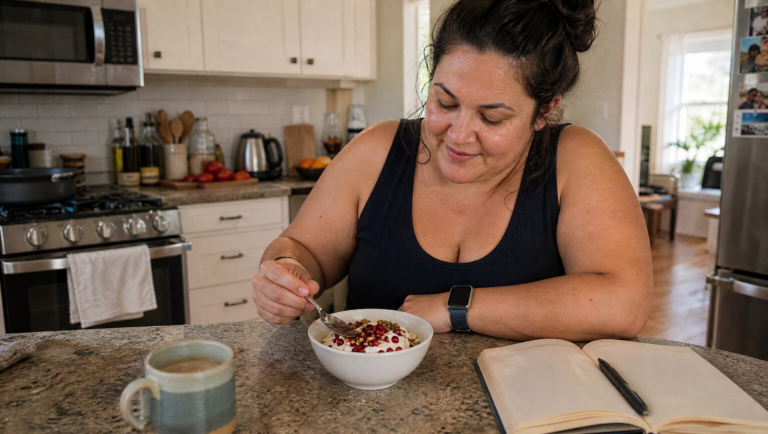
The mid-morning crash after toast, cereal, a pastry, or a sweet coffee can feel frustrating because the meal seemed normal, quick, and harmless.
This may not be random, and it is not a personal failure. The encouraging news: naked carbs are easy to identify, and small pairing changes may help energy feel steadier without cutting out carbohydrates completely.
Naked carbs: the simple answer
Naked carbs are carbohydrate-rich foods eaten mostly on their own, without enough protein, fiber, fat, or whole-food volume to slow digestion. Examples include plain toast, crackers alone, fruit juice, sugary cereal, candy, pretzels, or a sweetened coffee drink without a real meal.
Naked carbs are not automatically “bad,” and carbohydrates are not the enemy. The issue is that refined, low-fiber, or liquid carbs may digest quickly when eaten alone, which can contribute to sharper blood sugar rises and faster energy dips in some people.[1]
Quick Win: This week, pair one usual carb snack with protein or fiber. Try Greek yogurt with fruit, eggs with toast, hummus with crackers, or nuts with a banana.
Key takeaways
- Naked carbs are carbs eaten without much protein, fiber, or fat alongside them.
- They may digest quickly, especially when refined, sweetened, liquid, or eaten in large portions.
- Energy crashes are not about weak willpower; they often reflect meal structure, sleep, stress, activity, and individual glucose response.
- Pairing carbs with protein, fiber, fat, and vegetables may support steadier fullness and post-meal energy.
- The goal is not carb fear. It is learning which carbs work best for your body and how to “dress” them.
What are naked carbs?
Naked carbs are carbohydrates eaten without much nutritional support around them. Think of plain white toast, a bowl of sweet cereal, crackers by themselves, fruit juice, pretzels, candy, or a sweet coffee drink that stands in for breakfast.
The term is informal, not a medical diagnosis. It simply describes carbs that enter a meal without enough “clothing” from protein, fiber, fat, or whole-food structure.
Mechanism Box: Carbohydrates break down into glucose, an important fuel source. When a carb is refined, low in fiber, liquid, or eaten alone, glucose may enter the bloodstream faster. Protein, fat, and fiber can slow digestion and help soften the rise for many people.[1]
That does not mean every person reacts dramatically to every carb. Post-meal glucose responses vary with sleep, stress, muscle mass, activity, insulin sensitivity, medications, menstrual cycle phase, meal timing, and the exact food.
For many adults, energy feels best when carbohydrate foods are anchored by protein, healthy fats, fiber-rich plants, and enough food volume to create lasting fullness.
Why can naked carbs lead to an energy crash?
A naked carb can digest quickly, especially when it is refined or sugary. Blood glucose may rise faster, and the body responds by releasing insulin to help move glucose from the bloodstream into cells.
In some people, that rise-and-fall pattern may feel like a quick lift followed by a slump. Common signs include sleepiness, irritability, brain fog, renewed cravings, or feeling hungry again sooner than expected.
The CDC notes that how quickly carbohydrates raise blood sugar depends partly on what they are eaten with. Eating carbs with foods that contain protein, fat, or fiber slows how quickly blood sugar rises.[1]
This is why an apple with peanut butter may feel different from apple juice. It is also why oats with chia seeds and Greek yogurt may feel different from a sweet breakfast bar eaten in the car.
Why refined carbohydrates can feel different
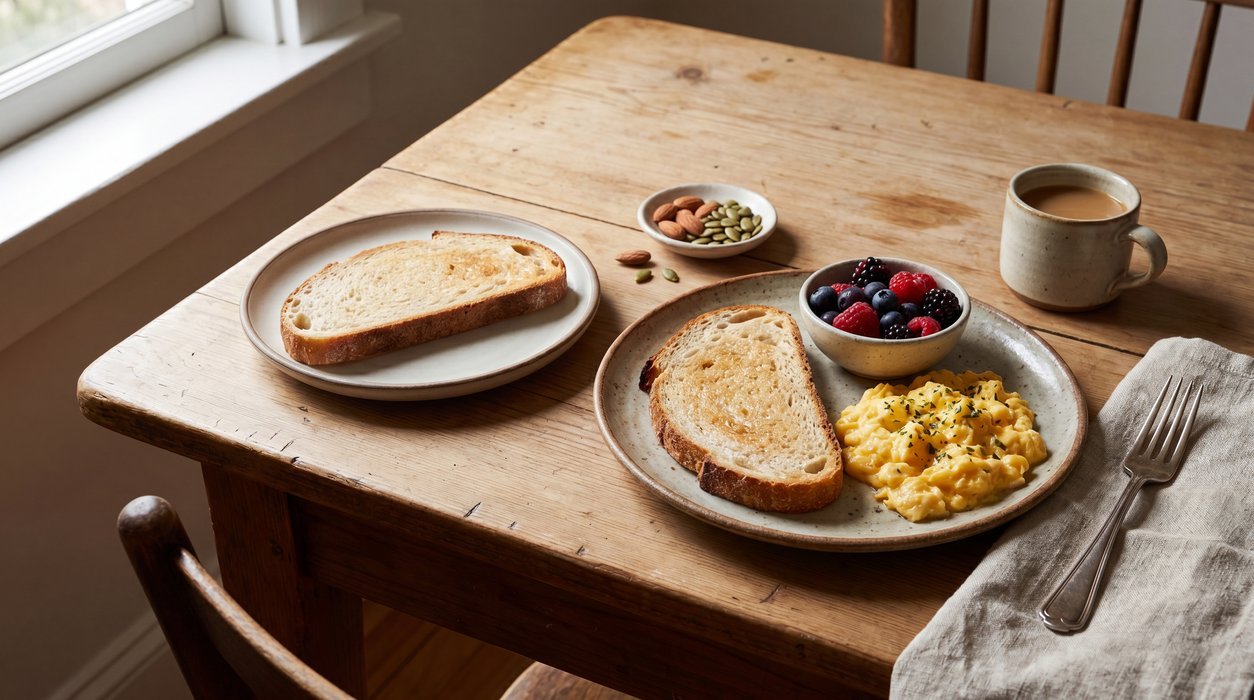
Refined grains often have much of the original grain structure removed. That can reduce fiber and make digestion faster compared with intact whole grains, beans, lentils, vegetables, and minimally processed starchy foods.
Harvard’s Nutrition Source notes that milling and refining grains can increase glycemic impact, while bran and fiber in whole grains help slow starch breakdown into glucose.[3]
Stat Callout: Adults are commonly advised to aim for about 25–35 grams of fiber per day, yet many people fall short. Increasing fiber gradually may support hunger and blood sugar regulation.[2]
How do naked carbs affect blood sugar balance?
Blood sugar balance is not about keeping glucose perfectly flat. It is about reducing frequent sharp swings that may leave the body repeatedly chasing quick energy.
Nutrition guidance from the American Diabetes Association distinguishes starches, sugars, and fiber, instead of treating all carbohydrates as identical. This matters because carb quality, portion size, and meal context all shape the response.[4]
When people ask about naked carbs, they are often asking why a small food can create such a noticeable energy reaction. The answer usually comes down to speed, processing, portion, and what else is present in the meal.
A plain bagel, for example, is not only carbohydrate-rich. It can also be low in fiber relative to its carb load and easy to eat quickly without protein or vegetables.
Add eggs, avocado, cottage cheese, smoked salmon, tofu scramble, or a side of vegetables, and the meal changes. The carb is no longer arriving alone.
One thing worth pushing back on here: the common assumption is that the “best” solution is to avoid carbs completely. The more useful correction is that many people do better by changing the structure of the meal, not by making carbs off-limits. This matters because fear-based restriction can backfire, while strategic pairing is usually more flexible and sustainable.
For a broader meal-building approach, a balanced plate for steadier blood sugar can make carb pairing easier without counting every gram.
When fast carbs may still make sense
Fast carbohydrates are not automatically a problem. During long endurance activity, very intense exercise, or low blood sugar treatment, quick carbs may be useful in ways that are different from everyday snacking.
The key is context. A fast carb eaten during a long run is not the same as a sweet drink replacing breakfast after poor sleep.
Common examples of naked carbs
Naked carbs are easiest to spot when a food is mostly starch or sugar and is eaten by itself. They often show up at breakfast, snack time, late afternoon, or late evening.
| Common naked carb | More balanced pairing |
|---|---|
| Toast with jam | Toast with eggs, nut butter, cottage cheese, or avocado |
| Fruit juice | Whole fruit with Greek yogurt, nuts, or chia pudding |
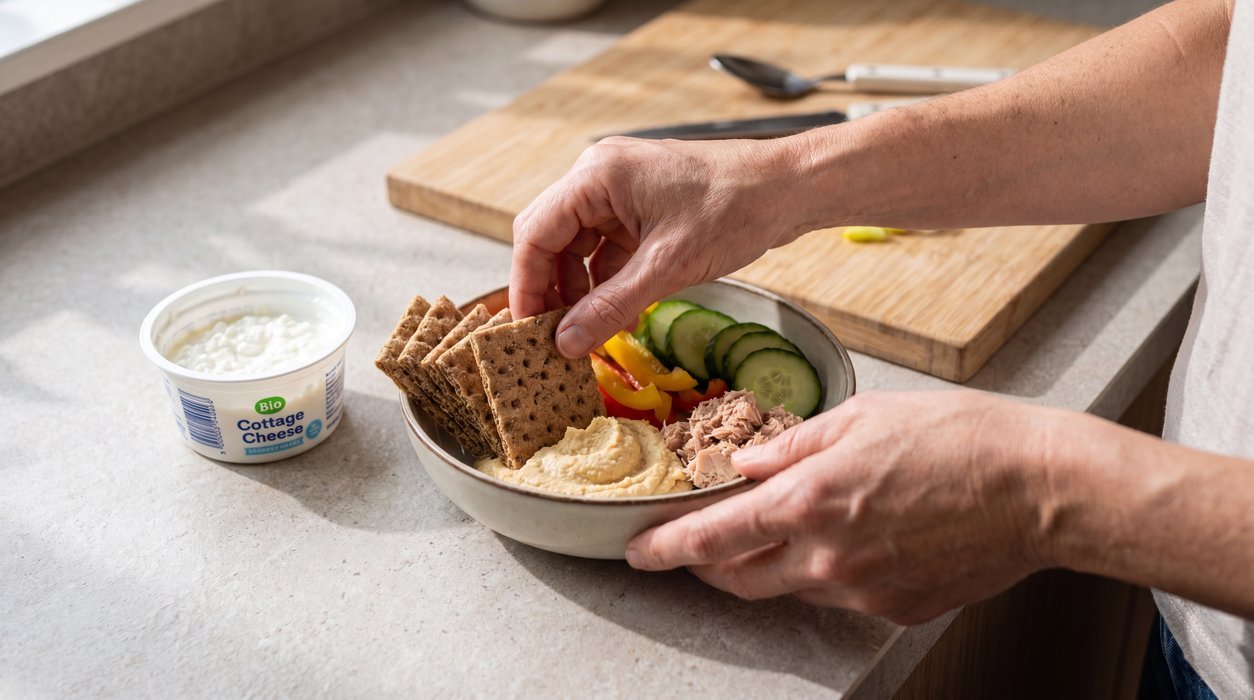
| Crackers alone | Crackers with hummus, tuna, cheese, tofu dip, or bean dip |
| Sweet cereal | Higher-fiber cereal with protein-rich yogurt and berries |
| Plain pasta | Pasta with vegetables, olive oil, beans, chicken, tofu, or fish |
| Sweet coffee drink | Coffee alongside a protein-rich breakfast or lower-sugar latte option |
Portion size also matters. A small carb added to a balanced meal may feel completely different from the same carb eaten alone when tired, stressed, or very hungry.
Liquid carbs deserve extra attention. Fruit juice, soda, sweet tea, sweetened coffee drinks, and sports drinks may raise glucose faster because they require little digestion and are easy to consume quickly.
How to build balanced meals without fearing carbs
The easiest approach is to dress the carb instead of removing it. A carb becomes more metabolically friendly for many people when it is paired with protein, fiber, fat, and volume.
Start with the carb you already eat. Then add one or two anchors that slow the meal down.
- Protein: eggs, Greek yogurt, fish, chicken, tofu, tempeh, cottage cheese, beans, lentils, or lean meat.
- Fiber: vegetables, berries, chia seeds, flaxseed, oats, beans, lentils, whole grains, or avocado.
- Fat: olive oil, nuts, seeds, avocado, tahini, or nut butter.
- Acid and flavor: vinegar, lemon juice, fermented vegetables, salsa, herbs, or spices.
Meal order may also help some people. Studies suggest that eating vegetables and protein before carbohydrates can reduce or delay post-meal glucose and insulin responses in certain contexts.[5][6]
This does not require complicated rules. A simple sequence like vegetables first, protein next, starch last may be worth testing if you notice post-meal sleepiness.
Balanced carb examples
A balanced breakfast could be oats cooked with chia seeds, topped with Greek yogurt and berries. The oats provide carbohydrate, while the yogurt adds protein and the chia and berries add fiber.
A balanced lunch could be rice with salmon, tofu, or chicken, plus vegetables and olive oil-based dressing. The rice is still there, but it is no longer carrying the whole meal alone.
A balanced snack could be a banana with peanut butter, hummus with whole-grain crackers, or cottage cheese with fruit. For more ideas, these blood sugar stabilizing snacks show simple protein-fiber-fat formulas.
How to personalize the portion
The same carb portion will not feel the same for everyone. Activity level, body size, appetite, medication use, sleep quality, stress, and meal timing can all change what feels steady.
A practical test is to keep the carb familiar and change only the pairing first. If energy improves, the meal structure may have been the missing piece.
If energy still drops, the next step may be adjusting the portion, choosing a higher-fiber version, or moving the carb into a larger meal instead of eating it alone.
What changes might you notice?
Many people notice the first changes in energy rather than weight or lab markers. Early signs may include fewer snack cravings, less afternoon sleepiness, better focus after meals, or feeling satisfied for longer.
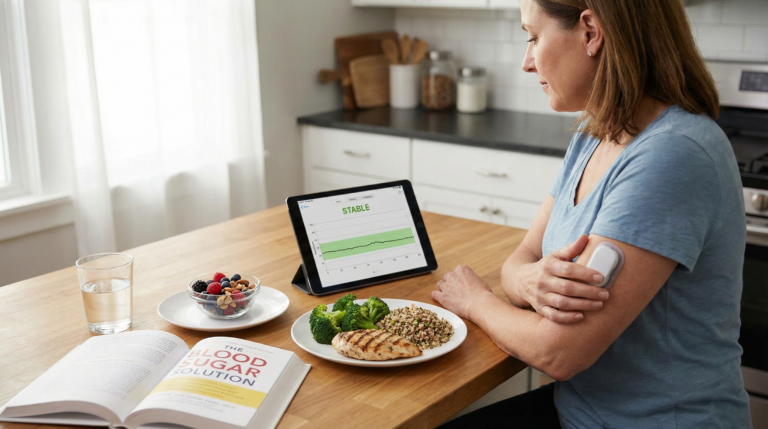
Some people who monitor glucose may see smaller post-meal rises when they add protein, fiber, or fat to a carb-heavy meal. Others may notice that sleep, stress, portions, or evening eating patterns matter just as much.
Meaningful changes often require consistency over several weeks. One balanced meal can help you learn, but repeated patterns create the clearest feedback.
Anyone managing prediabetes, insulin resistance, diabetes, reactive hypoglycemia, or medication that affects glucose should discuss carbohydrate changes with a qualified healthcare provider. Nutrition changes can interact with medication needs and personal glucose targets.
A practical 7-day naked carb reset
This plan is not a low-carb challenge. It is a short observation period to learn how your body responds when carbs are paired more intentionally.
Day 1: Identify your most common naked carb
Choose one repeating food or drink that often appears alone. It might be toast, cereal, crackers, a pastry, a sweet drink, chips, fruit alone, or a late-night bowl of cereal.
Do not judge it. Just write down when it happens and how energy feels one to three hours later.
Days 2–3: Add one anchor
Keep the same carb, but add protein, fiber, or fat. For example, add eggs to toast, nuts to fruit, yogurt to granola, or hummus to crackers.
Notice hunger, mood, focus, and cravings. The goal is not perfect tracking; it is pattern recognition.
Days 4–5: Upgrade the carb quality
Try a higher-fiber version of the same meal. Choose oats over sugary cereal, whole-grain toast over white toast, beans with rice, or whole fruit instead of juice.
Higher-fiber foods may support more gradual digestion and can help meals feel more filling. Increase fiber gradually and drink enough fluids to avoid digestive discomfort.[2]
Days 6–7: Test meal order and movement
At one meal, eat vegetables and protein first, then the starchier carb. At another meal, take a relaxed 10-minute walk afterward if that feels appropriate for your body and schedule.
Post-meal movement may help muscles use glucose, which can support glucose management for some people. In one randomized crossover study in adults with type 2 diabetes, walking after meals lowered postprandial glycemia more than walking at a non-meal-specific time.[7]

By the end of the week, the idea of naked carbs becomes less abstract. You will have real-life data from your own meals, energy, hunger, and focus.
Frequently asked questions
What are naked carbs?
Naked carbs are carbohydrate-rich foods eaten mostly by themselves, without much protein, fiber, or fat. Examples include plain toast, crackers, sweets, juice, pretzels, or sugary cereal eaten without a balanced meal. These foods may digest quickly and may contribute to energy dips in some people. They are not forbidden, but they often work better when paired with other nutrients.
Are naked carbs bad for everyone?
No. Naked carbs are not bad for everyone in every situation. An athlete during long training may use fast carbohydrates differently than someone sitting at a desk after poor sleep. The practical question is whether a certain carb pattern leaves you tired, hungry, foggy, or craving more food soon afterward. If it does, pairing that carb may be more useful than labeling it bad.
Can fruit be a naked carb?
Whole fruit contains water, fiber, vitamins, minerals, and plant compounds, so it is usually more supportive than fruit juice or candy. Some people still feel hungrier when they eat fruit alone, especially very ripe fruit or larger portions. Pairing fruit with Greek yogurt, nuts, seeds, or cottage cheese may help it feel more satisfying. Juice is more likely to behave like a fast carb because it removes much of the chewing and fiber structure.
Do naked carbs cause insulin resistance?
No single food pattern should be blamed as the only cause of insulin resistance. Insulin sensitivity is influenced by genetics, sleep, stress, muscle mass, physical activity, total diet quality, body composition, medications, and health conditions. Frequent intake of refined, low-fiber carbohydrates may contribute to less favorable metabolic patterns for some people, especially when overall diet quality is low. A healthcare professional can help interpret personal risk factors and lab results.
What is the easiest way to stop an afternoon carb crash?
Start by changing lunch and the first afternoon snack. Include a clear protein source, a fiber-rich plant food, and a carb portion that fits your appetite and activity level. If the snack is usually crackers, sweets, or a sweet drink, add protein or swap to a more balanced option. Hydration, sleep consistency, and a short walk after meals may also help some people.
Conclusion
Naked carbs are not a moral failure, and carbs are not the enemy. They are simply carbohydrates eaten without enough nutritional support to slow digestion, increase fullness, and help energy feel steadier.
The most useful answer is practical: keep the carbs that work for you, but dress them with protein, fiber, fat, and whole-food structure. That small shift may make meals feel calmer and more satisfying.
Start with one daily carb that tends to leave you tired or hungry. Pair it differently for one week, observe your response, and let your body’s feedback guide the next step.
Medical Disclaimer: The information provided in this article is for educational purposes only and does not constitute medical advice. Always consult a qualified healthcare provider before making changes to your diet, lifestyle, or treatment plan. TheMetabolicHub.com does not replace professional medical guidance.
References
- Centers for Disease Control and Prevention. Diabetes Meal Planning. CDC
- Harvard T.H. Chan School of Public Health. Fiber. Harvard Nutrition Source
- Harvard T.H. Chan School of Public Health. Carbohydrates and Blood Sugar; Whole Grains. Harvard Nutrition Source
- American Diabetes Association. Carbs and Diabetes. ADA
- Shukla AP, Iliescu RG, Thomas CE, Aronne LJ. Food Order Has a Significant Impact on Postprandial Glucose and Insulin Levels. Diabetes Care. 2015. PMID: 26106234
- Shukla AP, Andono J, Touhamy SH, et al. The impact of food order on postprandial glycaemic excursions in prediabetes. Diabetes Obes Metab. 2019. PMID: 30101510
- Reynolds AN, Mann JI, Williams S, Venn BJ. Advice to walk after meals is more effective for lowering postprandial glycaemia in type 2 diabetes mellitus than advice that does not specify timing. Diabetologia. 2016. PMID: 27747394