Green Tea for Fatty Liver: Benefits, Risks, and Safe Use
Being told that liver fat is “a lifestyle issue” can feel discouraging when daily life already takes effort. This may not be random, and it is not a personal failure. The encouraging news: green tea fatty liver support can be a simple beverage habit, as long as it is not treated like a cure.
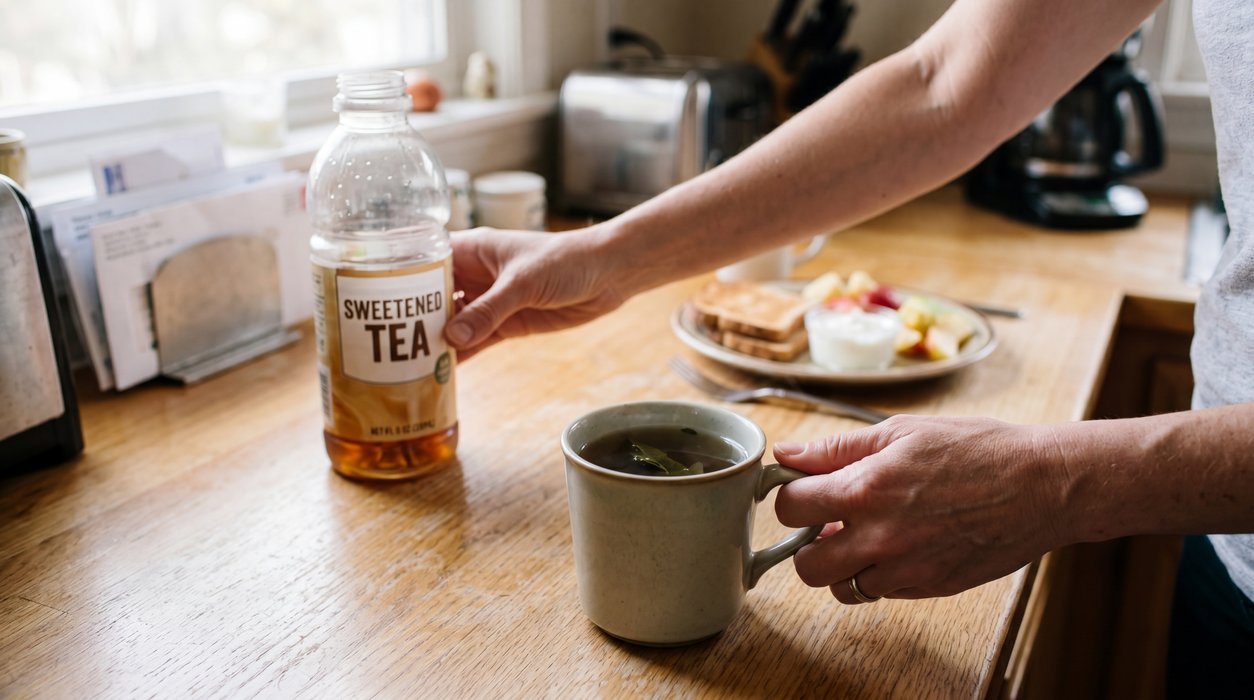
Quick Win: Replace one sweetened drink this week with unsweetened brewed green tea, ideally earlier in the day, and pair it with a balanced meal instead of using it as a fasting shortcut.
Green tea fatty liver support: can it actually help?
Green tea may support metabolic liver health, but it is not a standalone treatment for fatty liver. The most realistic benefit comes when unsweetened green tea replaces sugary drinks and fits into a broader routine that supports insulin sensitivity, nutrition quality, movement, sleep, and medical follow-up.
Green tea fatty liver research suggests possible benefits for liver enzymes and oxidative stress in people with nonalcoholic fatty liver disease. Still, the evidence is not strong enough to use green tea as a primary therapy or as a substitute for guideline-based care.[1]
For most adults, the safest starting point is brewed, unsweetened green tea rather than concentrated green tea extract. A realistic timeline is simple: beverage changes can start immediately, while liver enzymes, triglycerides, waist circumference, or imaging results usually require consistent habits over weeks to months.
| Choice | Potential benefit | Main caution | Best fit |
|---|---|---|---|
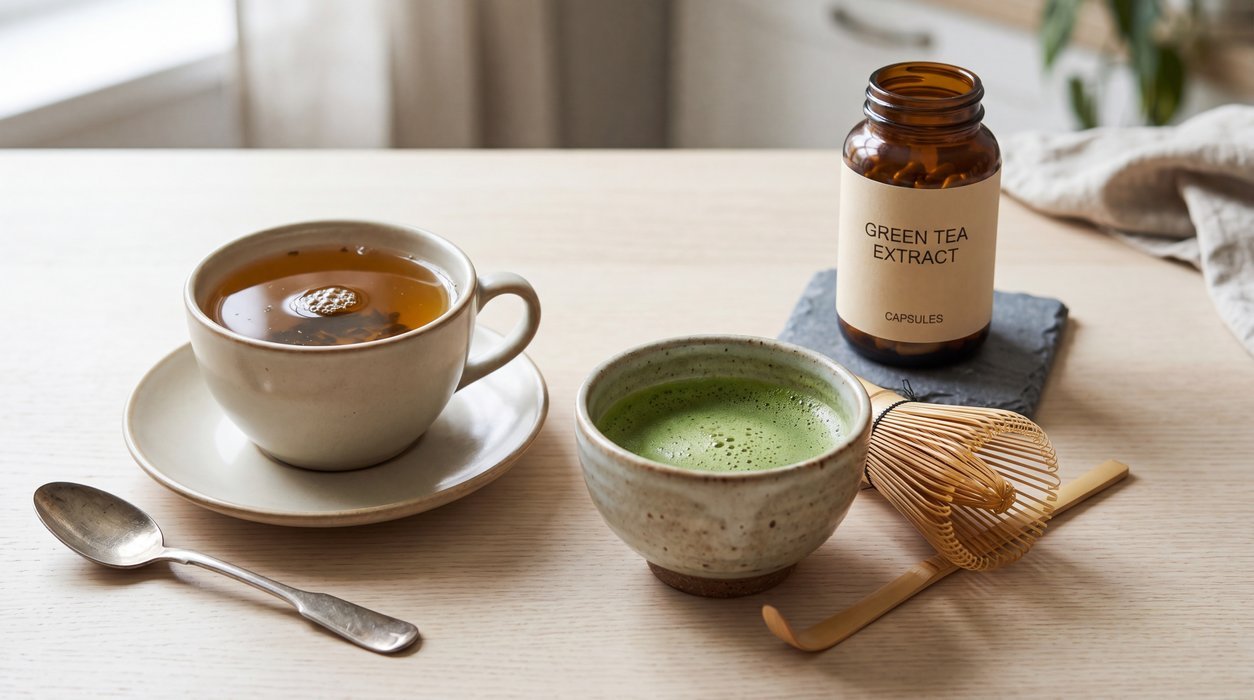
| Brewed green tea | Low-sugar beverage swap with catechins and modest caffeine. | May affect sleep or anxiety in caffeine-sensitive people. | Daily habit for people replacing sweetened drinks. |
| Matcha | More concentrated than regular brewed tea because the whole leaf is consumed. | Often served with added sugar in café drinks. | Occasional modest servings without sweetened mixes. |
| Green tea extract | Higher catechin dose used in some studies. | Linked to rare liver injury, especially at higher supplemental doses. | Only with clinician guidance, especially with liver concerns. |
Key Takeaways
- Green tea may support liver health best as an unsweetened drink swap, not as a standalone fatty liver strategy.
- Brewed green tea is usually the safer starting point compared with concentrated green tea extract.
- The strongest routine combines tea with balanced meals, movement, sleep, alcohol awareness, and medical follow-up when needed.
When to choose which: Choose brewed green tea for a daily low-risk drink swap, matcha for occasional modest use without added sugar, and green tea extract only with professional guidance if you have liver concerns, abnormal enzymes, pregnancy, heavy alcohol intake, or regular medication use.
What does the evidence say about green tea and liver fat?
The phrase green tea fatty liver sounds like it should have a simple answer. The research is more nuanced because studies use different forms, doses, durations, and participant groups.
A systematic review and meta-analysis of randomized clinical trials found that green tea or green tea catechins had different effects depending on health status. In people with nonalcoholic fatty liver disease, green tea was associated with lower liver enzymes, while results in healthy participants were less straightforward.[1]
A separate systematic review also described green tea catechins as a promising research area for fatty liver, while emphasizing that mechanisms, dose, and human outcomes still need careful interpretation.[7]
This matters because ALT and AST can reflect liver stress, but they do not tell the whole story. Some people with meaningful liver fat have normal enzymes, while elevated enzymes can also come from medications, alcohol, viral hepatitis, supplements, or other medical causes.
Reviews on green tea and EGCG suggest possible effects on oxidative stress, inflammatory signaling, lipid metabolism, and insulin-related pathways. Much of the mechanistic evidence comes from animal or cell research, so it should be treated as supportive rather than definitive for human outcomes.[3]
In plain English, green tea may help create a better metabolic environment. It does not directly “melt” fat from the liver.
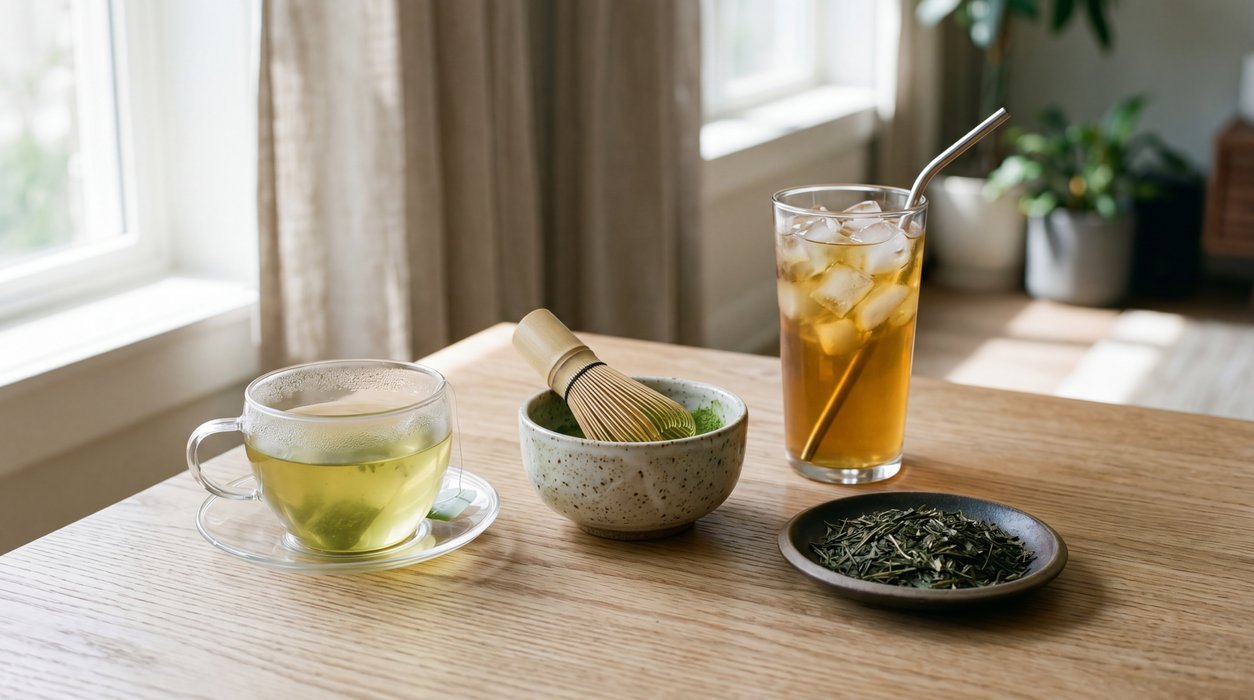
Brewed green tea vs. matcha vs. green tea extract
Brewed green tea, matcha, and green tea extract are often discussed as if they are interchangeable. They are not, especially when liver safety is part of the question.
Brewed green tea
Brewed green tea is usually the most food-like option. It provides fluid, flavor, modest caffeine, and plant compounds without the high catechin load found in many extracts.
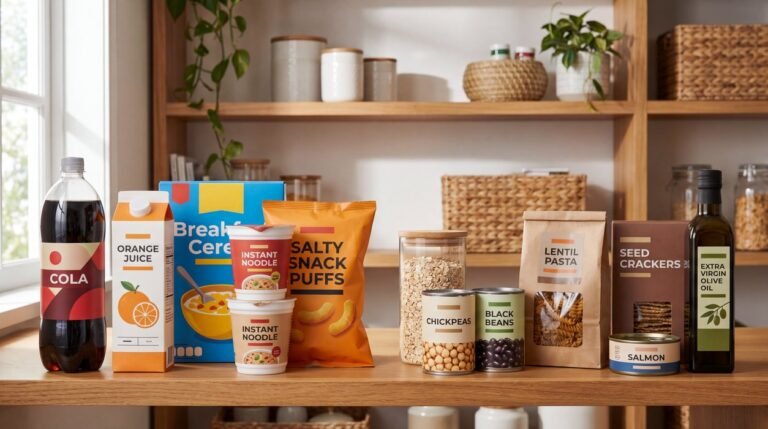
For people who drink soda, sweet tea, juice drinks, or dessert-style coffee, the biggest benefit may be what brewed tea replaces. Lowering liquid sugar intake can support overall energy balance and cardiometabolic health.
Matcha
Matcha can be more concentrated than brewed tea because the powdered leaf is consumed. That does not make it “bad,” but serving size and added sugar matter.
A lightly prepared matcha can fit into a liver-friendly routine. A large sweetened matcha latte with syrup is a different metabolic choice.
Green tea extract and liver safety
Green tea extract can deliver much higher and more variable catechin amounts than a cup of tea. NIH LiverTox notes that green tea extract, and more rarely very high intake of green tea, has been linked to clinically apparent acute liver injury.[4]
EFSA has also noted that supplemental EGCG at 800 mg per day may be associated with initial signs of liver damage. This is one reason concentrated extracts deserve more caution than brewed tea.[6]
Anyone with known liver disease, abnormal liver enzymes, pregnancy, heavy alcohol intake, or regular medication use should be especially careful with concentrated extracts. “Natural” does not automatically mean gentle for the liver.
How green tea may support metabolic liver health
Green tea contains catechins, especially epigallocatechin gallate, often abbreviated as EGCG. These compounds are studied for antioxidant and anti-inflammatory activity, although their effects depend on dose, digestion, genetics, gut microbiome patterns, and the form consumed.
It may support oxidative stress balance
Fat accumulation in the liver is often linked with oxidative stress and inflammatory signaling. Green tea catechins may influence pathways involved in cellular stress responses, but that does not mean more is always better.[3]
The goal is not to flood the body with concentrated antioxidants. A more sensible approach is to include polyphenol-rich foods and drinks alongside fiber, protein, unsaturated fats, and minimally processed carbohydrates.
It may support insulin sensitivity indirectly
Fatty liver and insulin resistance often reinforce each other. When insulin signaling is strained, the liver may store more fat and release more glucose.
Green tea may support this picture indirectly when it replaces sugary drinks and fits into balanced meals. This practical effect may matter more than chasing a high-dose catechin target.
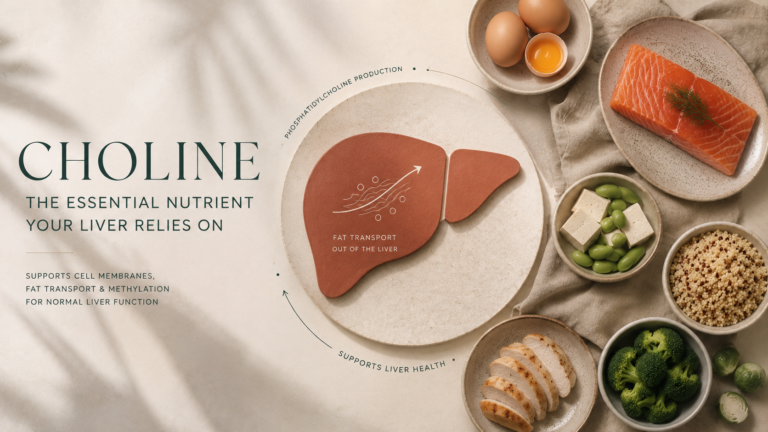
For readers building a food-first routine, liver-supportive nutrient choices can also matter. Choline, for example, is one nutrient discussed in fatty liver nutrition because it helps the body package and move fat from the liver; this guide on liver-supportive nutrient choices explains that connection in more detail.
It may reduce liquid sugar intake
One overlooked benefit of green tea is what it can remove from the routine. Swapping sweetened beverages for unsweetened green tea may reduce added sugar and total energy intake without requiring a complicated plan.
For many adults, this is easier to maintain than a strict reset. Consistency matters because metabolic liver health usually responds to repeated patterns, not one perfect beverage choice.
One thing worth pushing back on here: many guides make green tea sound like the active solution and food choices sound secondary. The more accurate view is that green tea can be a supportive add-on, while overall dietary quality, calorie balance, alcohol intake, and movement remain the larger drivers. This matters because someone can drink green tea daily and still struggle if the rest of the routine keeps pushing the liver toward excess fat storage.
What matters more than green tea for fatty liver?
Current guidance for metabolic dysfunction-associated steatotic liver disease emphasizes lifestyle foundations, cardiometabolic risk management, and clinical assessment when needed. Green tea can fit into that plan, but it does not replace the plan.[2][5]
Nutrition quality and energy balance
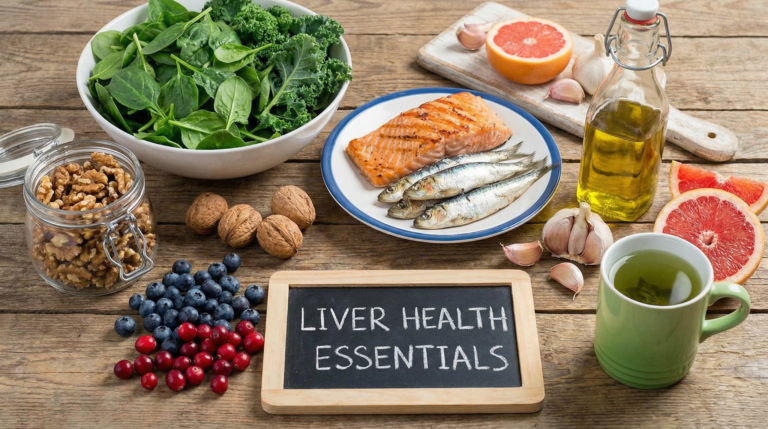
A liver-friendly eating pattern usually focuses on enough protein, high-fiber carbohydrates, vegetables, legumes, nuts, olive oil or other unsaturated fats, and fewer ultra-processed foods. The goal is not punishment; it is reducing the constant overflow of energy and inflammatory inputs.
For people with insulin resistance or prediabetes, meal structure can also matter. Protein and fiber at breakfast, fewer liquid calories, and balanced evening meals may help reduce glucose variability and late-night snacking.
Movement that improves insulin sensitivity
Exercise supports liver health even when weight change is modest. Aerobic movement can improve cardiorespiratory fitness, while resistance training supports muscle, which is a major site for glucose storage.
The most useful plan is often the one a person can repeat. Brisk walking after meals, two or three weekly strength sessions, and fewer long sedentary stretches may be more sustainable than a routine that fades after two weeks.
Sleep, stress, and alcohol awareness
Short sleep and chronic stress can make appetite, glucose control, and recovery harder to regulate. Alcohol can also add metabolic burden to the liver, especially when fatty liver is already present.
These factors are not moral issues. They are inputs the liver has to process, and small improvements in several areas may be more realistic than trying to perfect one area overnight.
A practical green tea fatty liver routine
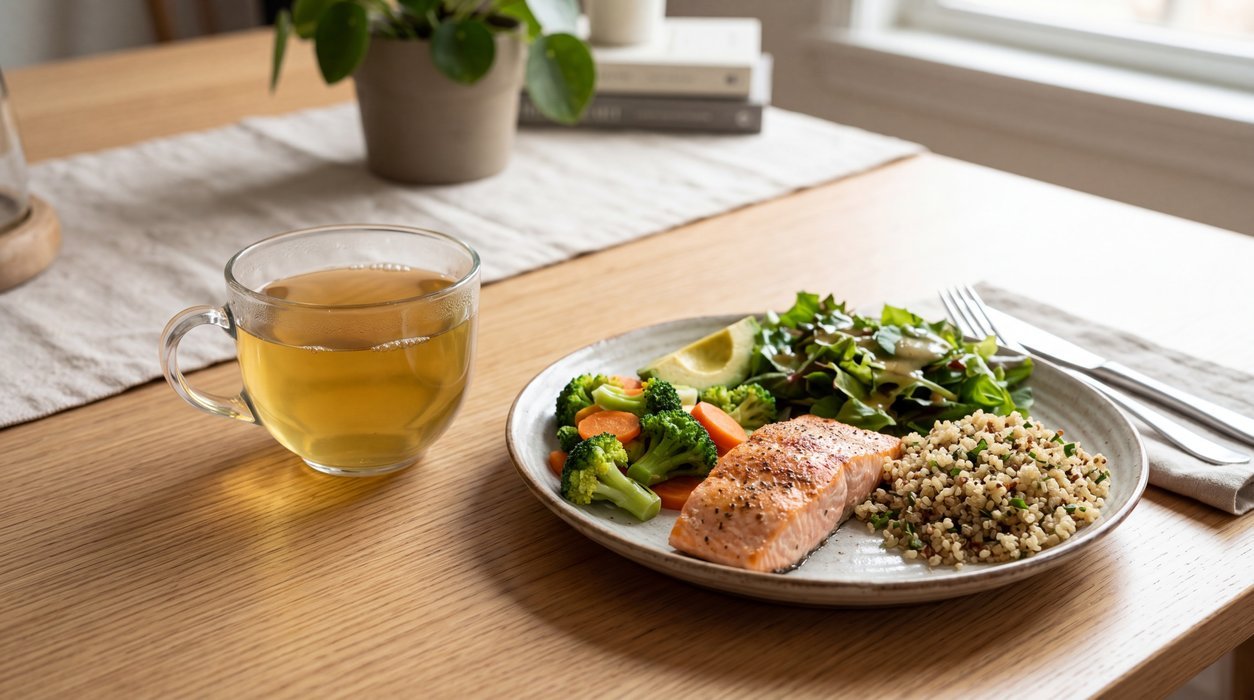
A practical green tea fatty liver plan should feel simple, repeatable, and low-risk. Start with brewed, unsweetened tea rather than capsules, powders with stimulants, or “fat burner” blends.
- Try 1–2 cups of brewed green tea per day, preferably earlier in the day if caffeine affects sleep.
- Use it to replace sweetened beverages instead of adding it on top of the usual routine.
- Avoid concentrated green tea extract unless a qualified clinician has reviewed your situation.
- Pair tea with meals that include protein, fiber, and minimally processed carbohydrates.
- Seek medical advice for yellowing skin, dark urine, unusual fatigue, abdominal pain, or unexplained enzyme changes.
Many people notice the first useful changes as fewer liquid calories, steadier afternoon energy, or fewer sweet drink cravings. Lab changes, liver fat changes, and body composition shifts usually require longer-term habits and professional monitoring.
A simple week might look like green tea with breakfast on workdays, a 10-minute walk after lunch, protein at each meal, and fewer late-night snacks. That is not dramatic, but it supports the same metabolic direction from several angles.
For readers ready to build beyond tea, a broader MASLD eating pattern can help connect beverage choices with meals, fiber, fat quality, and sustainable structure. This guide to a broader MASLD eating pattern is a useful next step.
Frequently Asked Questions
Is green tea fatty liver support actually backed by evidence?
Green tea fatty liver support has some evidence, especially around liver enzymes and possible effects on oxidative stress and inflammation. However, the evidence does not show that green tea alone is enough to manage fatty liver. It is best viewed as a supportive habit within a broader metabolic health plan. People with diagnosed liver disease should follow medical guidance rather than relying on tea or supplements.
How much green tea is reasonable for liver health?
Many adults tolerate 1–3 cups of brewed green tea per day, but caffeine sensitivity varies. Starting with one cup can help you notice sleep, digestion, anxiety, and medication interactions. Unsweetened brewed tea is usually a more cautious choice than concentrated green tea extract. Anyone with liver disease, abnormal liver enzymes, or regular medication use should ask a qualified clinician first.
Is green tea extract good for fatty liver?
Green tea extract is more concentrated than brewed tea and may carry more risk, especially at higher doses or in multi-ingredient supplements. Some studies have examined catechins in fatty liver, but supplement quality and dosing can vary widely. Because green tea extract has been linked to rare liver injury in some cases, it should not be treated as a casual liver health supplement. Brewed tea is usually the safer first step.
Can green tea lower ALT or AST?
Some clinical trial evidence suggests green tea or catechins may be associated with lower liver enzymes in people with nonalcoholic fatty liver disease. Still, ALT and AST can change for many reasons, and normal results do not always mean there is no liver fat. Liver enzymes should be interpreted by a healthcare professional in context. Green tea should not be used to self-manage abnormal labs.
Conclusion
Green tea is not a secret weapon in the dramatic sense. It is better understood as a small, useful habit that may support liver health when it replaces sugary drinks and fits into a steady metabolic routine.
For anyone exploring green tea fatty liver support, the safest starting point is brewed, unsweetened tea rather than high-dose extracts. The bigger progress usually comes from repeatable meals, regular movement, better sleep, alcohol awareness, and appropriate medical follow-up.
A cup of tea can become a helpful cue: less liquid sugar, more intention, and one more vote for the liver each day.
Medical Disclaimer: The information provided in this article is for educational purposes only and does not constitute medical advice. Always consult a qualified healthcare provider before making changes to your diet, lifestyle, or treatment plan. TheMetabolicHub.com does not replace professional medical guidance.
References
- Mahmoodi M, Hosseini R, Kazemi A, Ofori-Asenso R, Mazidi M, Mazloomi SM. Effects of green tea or green tea catechin on liver enzymes in healthy individuals and people with nonalcoholic fatty liver disease: a systematic review and meta-analysis of randomized clinical trials. Phytother Res. 2020. PMID: 32067271
- Rinella ME, Neuschwander-Tetri BA, Siddiqui MS, et al. AASLD Practice Guidance on the clinical assessment and management of nonalcoholic fatty liver disease. Hepatology. 2023. PMID: 36727674
- Tang G, Xu Y, Zhang C, Wang N, Li H, Feng Y. Green tea and epigallocatechin gallate for the management of nonalcoholic fatty liver disease: insights into the role of oxidative stress and antioxidant mechanism. Antioxidants. 2021. PMC8301033
- National Institute of Diabetes and Digestive and Kidney Diseases. Green Tea. LiverTox: Clinical and Research Information on Drug-Induced Liver Injury. NCBI Bookshelf
- European Association for the Study of the Liver, European Association for the Study of Diabetes, European Association for the Study of Obesity. EASL-EASD-EASO Clinical Practice Guidelines on the management of metabolic dysfunction-associated steatotic liver disease. 2024. PMID: 38851997
- EFSA Panel on Food Additives and Nutrient Sources added to Food. Scientific opinion on the safety of green tea catechins. EFSA Journal. 2018. EFSA summary
- Abunofal O, Mohan C, Ouyang X. Salubrious effects of green tea catechins on fatty liver disease: a systematic review. Medicines. 2022. PMC8949532