15 Foods and Drinks to Avoid With Fatty Liver Disease
Foods to avoid with fatty liver can feel confusing when you are already eating “pretty healthy” and still seeing liver enzymes, triglycerides, fasting glucose, or abdominal weight stay high. This may not be random; a few daily food and drink patterns can place extra metabolic load on the liver without feeling obvious.
Quick Win: For the next 7 days, replace sugar-sweetened drinks with water, sparkling water, unsweetened tea, or black coffee. Many people notice that cravings, energy dips, and evening snacking become easier to manage when liquid sugar is no longer a daily default.
Foods to Avoid With Fatty Liver: The Direct Answer
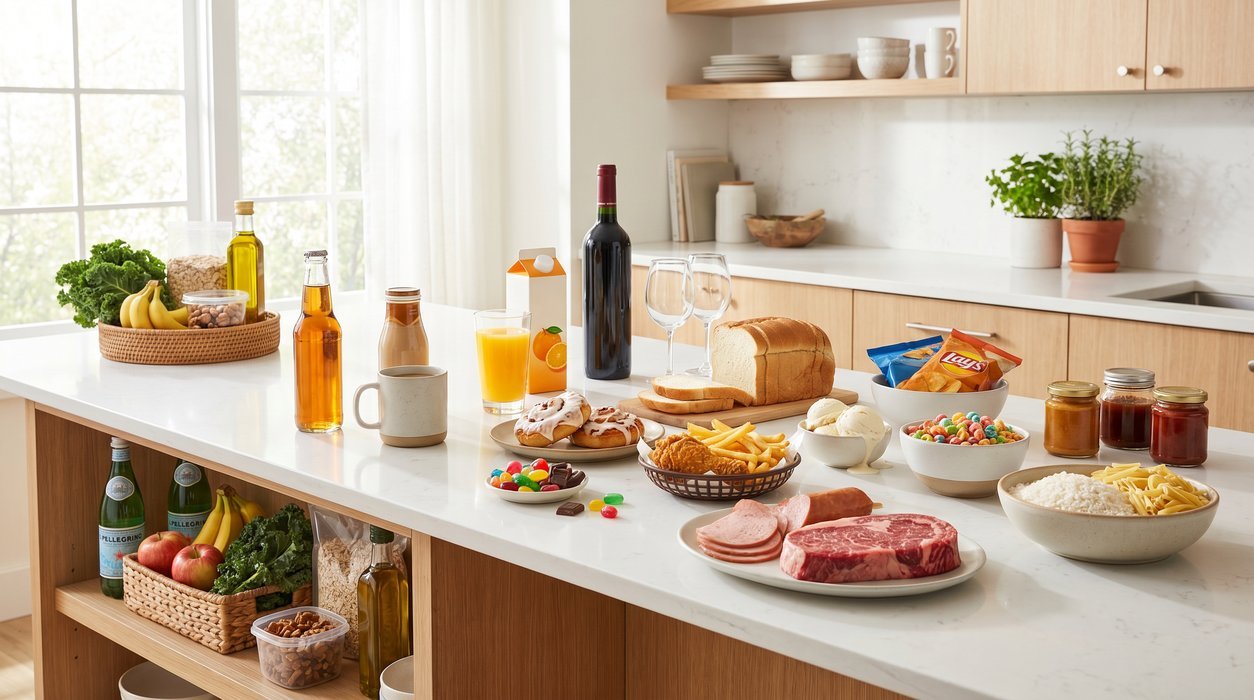
The main foods to avoid with fatty liver, or limit as much as practical, include sugar-sweetened beverages, alcohol, refined carbohydrates, fried foods, processed meats, fatty red meats, and foods high in saturated fat. These choices can make it easier to overconsume calories and may worsen insulin resistance, triglycerides, and liver fat accumulation in susceptible people.[1]
This does not mean every item on the list must disappear forever. A more realistic goal is to reduce the frequency, portion size, and “default status” of foods that place extra metabolic load on the liver.
Fatty liver disease is now often discussed under newer names, including metabolic dysfunction-associated steatotic liver disease, or MASLD. Many people still know it as NAFLD, and the nutrition principles overlap closely for adults managing liver fat, insulin resistance, prediabetes, or weight concerns.[2]
Key Takeaways
- Start with drinks: Soda, sweet tea, fruit juice, and sweetened coffee drinks are often the easiest high-impact changes.
- Think pattern, not perfection: The goal is fewer high-sugar, fried, refined, and saturated-fat-heavy defaults.
- Food quality matters: Fiber-rich carbohydrates, lean proteins, legumes, fish, olive oil, nuts, and vegetables are more helpful daily choices.
- Alcohol needs individual guidance: Anyone with diagnosed liver disease should ask a qualified clinician what level, if any, is safe.
Why Do Certain Foods Affect Fatty Liver Disease?
The liver helps process carbohydrates, fats, alcohol, and many metabolic signals. When calorie intake, added sugar, alcohol, and saturated fat frequently exceed what the body can use well, fat may build up inside liver cells.
Insulin resistance is a major part of the picture. When cells respond less effectively to insulin, the liver may produce and store more fat, while blood sugar and triglycerides become harder to regulate.
Added sugars, especially in drinks, are a common concern because they are easy to consume quickly and do not create the same fullness as whole foods. Fructose-containing sugars are especially relevant because the liver plays a central role in processing them.[3]
Saturated fat, refined carbohydrates, and sugar-sweetened beverages are highlighted in liver-health guidance as dietary factors to reduce when improving diet quality for fatty liver disease.[1] For a deeper next step, the guide on why fat quality matters more than avoiding fat entirely explains the difference between supportive fats and less helpful fats.
One thing worth pushing back on here: fatty liver disease is not simply a “fat problem.” Low-fat cookies, sweetened yogurt, white bread, juice, and oversized bowls of cereal can still be metabolically unhelpful if they deliver refined starches and added sugars without much fiber or protein.
15 Foods to Avoid With Fatty Liver, Plus Better Swaps
The following list of foods to avoid with fatty liver is not about fear or perfection. It is a practical guide to the foods and drinks most worth limiting when trying to reduce liver stress and support better metabolic health.
| Food or Drink | Why It May Be Worth Limiting | Better Default Choice |
|---|---|---|
| Soda and sugary soft drinks | High in added sugar and easy to consume quickly. | Sparkling water, unsweetened tea, or water with citrus. |
| Sweetened coffee drinks | Can contain large amounts of sugar and saturated fat. | Coffee with milk, cinnamon, or a smaller amount of sweetener. |
| Fruit juice | Concentrated natural sugar without the fiber of whole fruit. | Whole fruit with protein or nuts. |
| Alcohol | Can add liver stress and may worsen liver injury in some people. | Alcohol-free spritzers or unsweetened mocktails. |
| White bread and refined grains | Low in fiber and may raise blood sugar quickly. | Higher-fiber whole grains or sprouted-grain options. |
| Pastries and donuts | Often combine refined flour, sugar, and saturated fat. | Greek yogurt with berries or oatmeal with nuts. |
| Candy and desserts | Dense in added sugar and easy to overeat. | Dark chocolate in small portions or fruit-based desserts. |
| Fried fast food | High in calories, refined starches, sodium, and less favorable fats. | Grilled protein bowls with vegetables and beans. |
| Processed meats | Often high in sodium, saturated fat, and preservatives. | Fish, poultry, eggs, tofu, lentils, or beans. |
| Fatty red meat | Can raise saturated fat intake when eaten often. | Lean protein or plant-forward meals. |
| High-fat dairy desserts | Often combine saturated fat and added sugar. | Plain yogurt with berries or chia pudding. |
| Packaged snack foods | Often ultra-processed, salty, low in fiber, and easy to graze on. | Nuts, roasted chickpeas, vegetables with hummus. |
| Sweetened breakfast cereals | Can start the day with refined carbs and little protein. | Oats, eggs with vegetables, or unsweetened yogurt bowls. |
| High-sugar sauces and condiments | Hidden sugar can add up across the day. | Mustard, salsa, herbs, vinegar, olive oil, or yogurt-based sauces. |
| Large portions of white rice or pasta | Portions can drive a high glycemic load when low in fiber and protein. | Smaller portions paired with vegetables, protein, and healthy fats. |

1. Soda and Sugary Soft Drinks
Sugar-sweetened beverages are one of the clearest places to start. They deliver added sugar quickly, are easy to drink in large amounts, and are linked to higher risk of fatty liver disease in observational research.[3]
Replacing soda does not have to be dramatic. Sparkling water, iced herbal tea, mineral water, or water with lemon can make the change feel less like deprivation.
2. Sweetened Coffee Drinks
A plain coffee is very different from a large sweetened blended drink with syrups, whipped cream, and flavored toppings. The second option can behave more like dessert than a beverage.
For many people, the easiest upgrade is keeping the coffee ritual while changing the formula. Try a smaller size, fewer pumps of syrup, unsweetened milk, or cinnamon for flavor.
3. Fruit Juice
Fruit juice sounds healthy because it comes from fruit, but it removes most of the chewing and fiber that make whole fruit metabolically different. A glass can contain the sugar of several pieces of fruit without the same fullness.
Whole fruit is usually the better default. Pairing fruit with protein or fat, such as yogurt, nuts, or cottage cheese, may support steadier appetite and blood sugar.
4. Alcohol
Alcohol deserves special care in any conversation about liver health. Even when fatty liver disease is primarily metabolic, alcohol may add extra stress and can be unsafe for some people depending on liver status, medications, and medical history.[2]
Anyone with diagnosed liver disease should discuss alcohol with a qualified clinician. For some adults, minimizing or avoiding alcohol may be the safest choice.
5. White Bread and Refined Grains
White bread, refined crackers, and many low-fiber grain products can digest quickly. When eaten alone or in large portions, they may contribute to bigger blood sugar and insulin swings.
A better approach is not necessarily “no carbs.” It is choosing higher-fiber carbohydrates and pairing them with protein, vegetables, and healthy fats.
6. Pastries and Donuts
Pastries, donuts, muffins, and sweet rolls often combine refined flour, added sugar, and saturated fat. That combination can make them especially easy to overeat while providing little protein or fiber.
Keeping them occasional rather than routine may help reduce total sugar and calorie load. When cravings are strong, a planned portion after a balanced meal often works better than grazing while hungry.
7. Candy and Desserts
Candy, cookies, cakes, and sweet desserts are not “forbidden,” but they are worth moving out of the daily default category. Frequent added sugar intake can make liver-fat and blood-sugar goals harder for many adults.
A helpful rule is to choose desserts intentionally, not automatically. This keeps enjoyment in the picture while reducing mindless intake.
8. Fried Fast Food
Fried fast food can combine refined starch, added oils, sodium, large portions, and sugary drinks in one meal. That pattern can quickly crowd out the fiber-rich foods that support metabolic health.
When eating out, look for grilled protein, beans, vegetables, salsa, salads, and smaller starch portions. The goal is to build a meal that feels satisfying without turning every restaurant choice into a high-fat, high-sugar plate.
9. Processed Meats
Bacon, sausage, hot dogs, pepperoni, and many deli meats are commonly high in sodium and saturated fat. They can also make a meal feel protein-rich while leaving out fiber, legumes, vegetables, and unsaturated fats.
More liver-friendly defaults include fish, eggs, poultry, tofu, tempeh, lentils, beans, and minimally processed lean proteins.
10. Fatty Red Meat
Fatty cuts of red meat can increase saturated fat intake when eaten often. Controlled feeding research suggests saturated fat may increase liver fat and insulin resistance more unfavorably than unsaturated fat.[4]
People do not need to become vegetarian to support liver health. Choosing smaller portions, leaner cuts, and more plant-forward meals can be a practical middle ground.
11. High-Fat Dairy Desserts
Ice cream, milkshakes, and creamy desserts often pair saturated fat with added sugar. This combination can be easy to consume in excess, especially at night when fatigue and cravings are higher.
Plain Greek yogurt with berries, chia pudding, or a small planned dessert can feel more sustainable than strict avoidance.
12. Packaged Snack Foods
Chips, cheese-flavored crackers, snack mixes, and many packaged snacks are designed to be easy to keep eating. They may provide calories and sodium without much protein, fiber, or micronutrient density.
A snack that supports fatty liver disease goals usually contains at least one of these: protein, fiber, or unsaturated fat. Examples include hummus with vegetables, nuts, boiled eggs, edamame, or roasted chickpeas.
13. Sweetened Breakfast Cereals
Many breakfast cereals look wholesome but are mostly refined grains with added sugar. Starting the day this way may leave some people hungry again quickly.
Better breakfast options include oats with nuts, eggs with vegetables, plain yogurt with berries, or a savory leftovers bowl. Protein at breakfast may help reduce midmorning cravings.
14. High-Sugar Sauces and Condiments
Barbecue sauce, sweet chili sauce, ketchup, teriyaki sauce, and bottled dressings can quietly increase added sugar. The amount may seem small, but daily use can add up.
Try mustard, vinegar, lemon juice, salsa, herbs, garlic, tahini, olive oil, or plain yogurt-based sauces. These options add flavor without relying mainly on sugar.
15. Large Portions of White Rice or Pasta
White rice and pasta do not need to be treated as enemies. The issue is usually portion size, low fiber, and eating them without enough protein or vegetables.
A more balanced plate might include a smaller portion of rice or pasta, double vegetables, olive oil, and a satisfying protein. This approach may support blood sugar control without making meals feel restrictive.
What Can You Choose Instead?
The most effective diet pattern for fatty liver disease is usually the one a person can repeat. Mediterranean-style eating is often recommended because it emphasizes vegetables, legumes, whole grains, fish, olive oil, nuts, and minimally processed foods.[5]
Instead of thinking only about removal, think about replacement. A meal becomes more supportive when it contains fiber-rich plants, adequate protein, and mostly unsaturated fats.
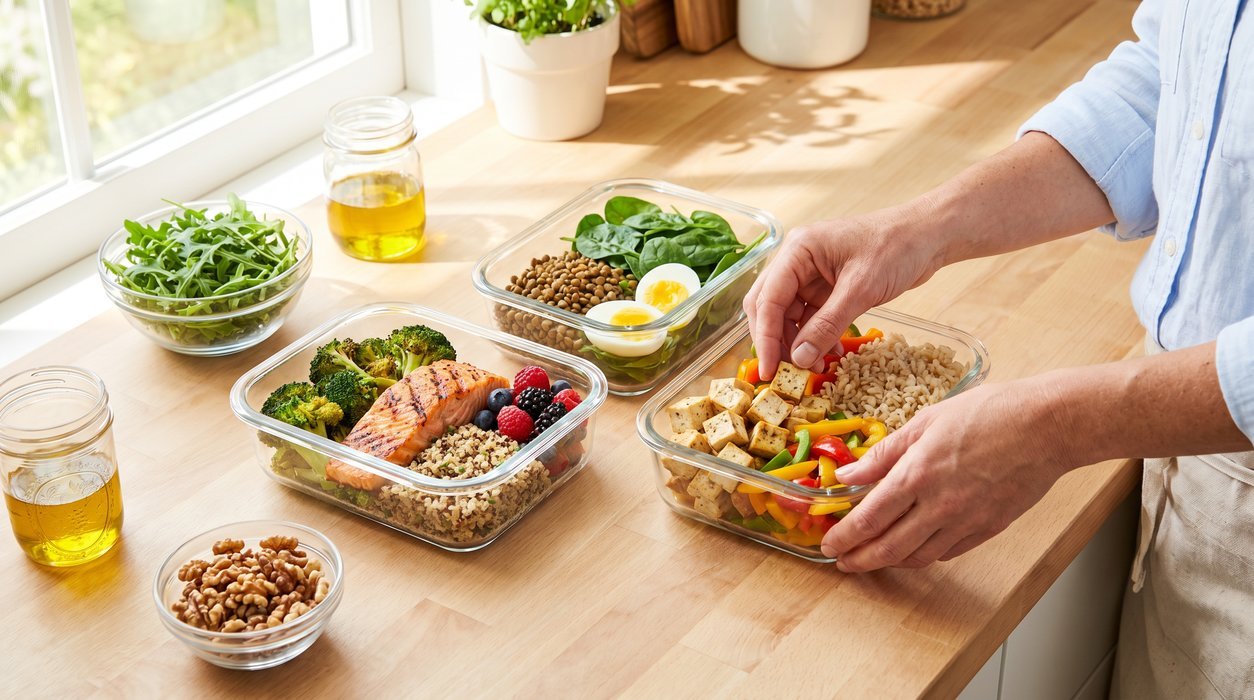
Meal Ideas: Try oatmeal with walnuts and berries, a salmon-and-bean salad, lentil soup with olive oil, tofu stir-fry with vegetables, or Greek yogurt with chia and fruit. These meals add fiber, protein, and unsaturated fats without relying on added sugar or fried foods.
- Replace soda with sparkling water, unsweetened tea, or black coffee.
- Replace refined snacks with nuts, vegetables and hummus, roasted chickpeas, or fruit with yogurt.
- Replace fried meals with grilled, baked, or sautéed options.
- Replace processed meats with fish, poultry, legumes, tofu, eggs, or lean proteins.
- Replace large refined-carb portions with smaller portions plus vegetables and protein.
For anyone managing fatty liver disease alongside prediabetes, type 2 diabetes, high triglycerides, or high blood pressure, these swaps may also support broader metabolic health. Individual needs still vary, especially when medications, kidney disease, digestive disorders, or eating disorder history are involved.
How Long Does Progress Usually Take?
Many people want to know how quickly liver health can change. The honest answer is that progress depends on baseline liver status, alcohol intake, weight change, insulin resistance, sleep, activity, medications, and consistency.
Early signs may include steadier energy, fewer intense sugar cravings, improved digestion, or easier portion control. Lab markers such as liver enzymes, fasting glucose, A1C, triglycerides, and cholesterol may take longer and should be interpreted with a healthcare provider.
Meaningful change often comes from repeatable habits rather than a perfect month. Reducing sugary drinks, limiting alcohol, building balanced meals, walking after meals, and improving sleep can work together over time.
This is not a personal failure. Fatty liver disease often reflects a mix of genetics, insulin resistance, food environment, stress, sleep, and routine patterns, not a lack of willpower.
The list of foods to avoid with fatty liver becomes more useful when it helps you change your defaults. It is not meant to create fear around food.
A Simple 7-Day Plan to Start
A practical start should feel clear, not overwhelming. Choose three changes for one week, then build from there.
- Choose one drink upgrade: Replace soda, sweetened tea, juice, or sweetened coffee drinks with unsweetened alternatives most days.
- Build one balanced meal daily: Include protein, vegetables, fiber-rich carbohydrates, and unsaturated fat.
- Limit one high-risk default: Pick the food that appears most often, such as pastries, fried takeout, processed meat, or packaged snacks.
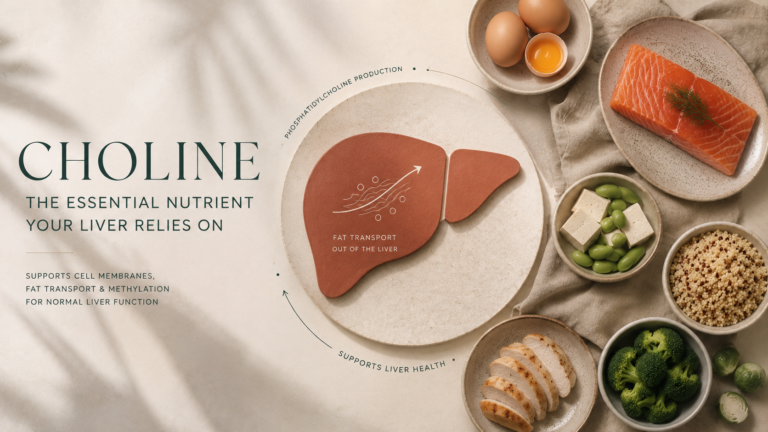
- Add one supportive food: Try beans, lentils, oats, fatty fish, nuts, olive oil, or choline-rich foods such as eggs or soy foods.
- Track patterns, not perfection: Notice energy, cravings, hunger, digestion, and how easy meals feel to repeat.
After 7 days, keep the change that felt easiest and choose one more. Many people do better with a steady two-month pattern than with an intense two-week reset.
Frequently Asked Questions
What are the main foods to avoid with fatty liver?
The main foods to avoid with fatty liver are sugar-sweetened drinks, alcohol, refined carbohydrates, fried foods, processed meats, fatty red meat, and foods high in saturated fat. These choices may worsen liver fat, triglycerides, and insulin resistance when they are frequent defaults. The goal is not perfection, but fewer high-load choices and more fiber-rich, minimally processed meals.
Do I have to avoid carbohydrates completely?
No. Carbohydrates are not automatically harmful for fatty liver disease. The bigger issue is refined, low-fiber carbohydrate portions eaten without enough protein, vegetables, or healthy fats. Oats, beans, lentils, fruit, vegetables, and intact whole grains can fit well for many adults.
Is fruit bad for fatty liver disease?
Whole fruit is usually very different from fruit juice. Whole fruit contains fiber, water, and structure that support fullness, while juice delivers concentrated sugar quickly. Most people do better choosing whole fruit and limiting juice.
Can coffee fit into a fatty liver diet?
Plain coffee can fit for many adults and is often discussed in liver-health research. The concern is not coffee itself, but large sweetened coffee drinks with syrups, whipped cream, and high amounts of added sugar. People with pregnancy, anxiety, reflux, sleep problems, or heart rhythm concerns should personalize caffeine intake with a clinician.
How fast can liver fat improve after diet changes?
Some people notice appetite, energy, and craving changes within a few weeks. Lab markers and imaging changes usually take longer and depend on weight change, insulin resistance, alcohol intake, activity, sleep, and baseline liver health. A healthcare provider can help interpret liver enzymes, imaging, fibrosis risk, and follow-up timing.
Conclusion
The most useful foods to avoid with fatty liver are the ones that repeatedly add sugar, refined starches, alcohol, saturated fat, and excess calories without much fiber or protein. Starting with sugary drinks, fried foods, processed meats, refined grains, and large dessert portions can create meaningful momentum.
At the same time, liver-supportive eating should still feel like real life. Build meals around vegetables, legumes, lean proteins, fish, olive oil, nuts, whole grains, and satisfying swaps you can repeat.
Progress does not require a perfect diet. It requires a few better defaults, repeated often enough for your liver and metabolism to respond.
Medical Disclaimer: The information provided in this article is for educational purposes only and does not constitute medical advice. Always consult a qualified healthcare provider before making changes to your diet, lifestyle, or treatment plan. TheMetabolicHub.com does not replace professional medical guidance.
References
- Rinella ME, Neuschwander-Tetri BA, Siddiqui MS, et al. AASLD Practice Guidance on the clinical assessment and management of nonalcoholic fatty liver disease. Hepatology. 2023;77(5):1797-1835. PMID: 36727674
- Tacke F, Horn P, Wai-Sun Wong V, et al. EASL-EASD-EASO Clinical Practice Guidelines on the management of metabolic dysfunction-associated steatotic liver disease. J Hepatol. 2024. PMID: 38851997
- Asgari-Taee F, Zerafati-Shoae N, Dehghani M, Sadeghi M, Baradaran HR, Jazayeri S. Association of sugar sweetened beverages consumption with non-alcoholic fatty liver disease: a systematic review and meta-analysis. Eur J Nutr. 2019. PMID: 29761318
- Luukkonen PK, Sädevirta S, Zhou Y, et al. Saturated fat is more metabolically harmful for the human liver than unsaturated fat or simple sugars. Diabetes Care. 2018;41(8):1732-1739. PMID: 29844096
- Kawaguchi T, Charlton M, Kawaguchi A, et al. Effects of Mediterranean diet in patients with nonalcoholic fatty liver disease: a systematic review, meta-analysis, and meta-regression analysis of randomized controlled trials. Nutrients. 2021. PMID: 34147036
- Mayo Clinic. Fatty liver disease diet: What to eat for better management. Mayo Clinic.